Budgeting for a professional sports facility often centers on a critical decision: the surface. When evaluating the synthetic flooring for badminton court price, facility managers must look beyond the initial quote to understand how material composition, thickness, and shock absorption impact the total cost of ownership.
The market has shifted from traditional hardwood toward advanced PVC and vinyl composites. These synthetic materials are designed to balance the high-friction requirements of badminton footwork with the need for joint protection, creating a complex pricing landscape influenced by technical specifications rather than square footage alone.
To make an informed procurement decision, it is essential to analyze the technical drivers of cost and the long-term operational advantages of modern synthetic solutions.


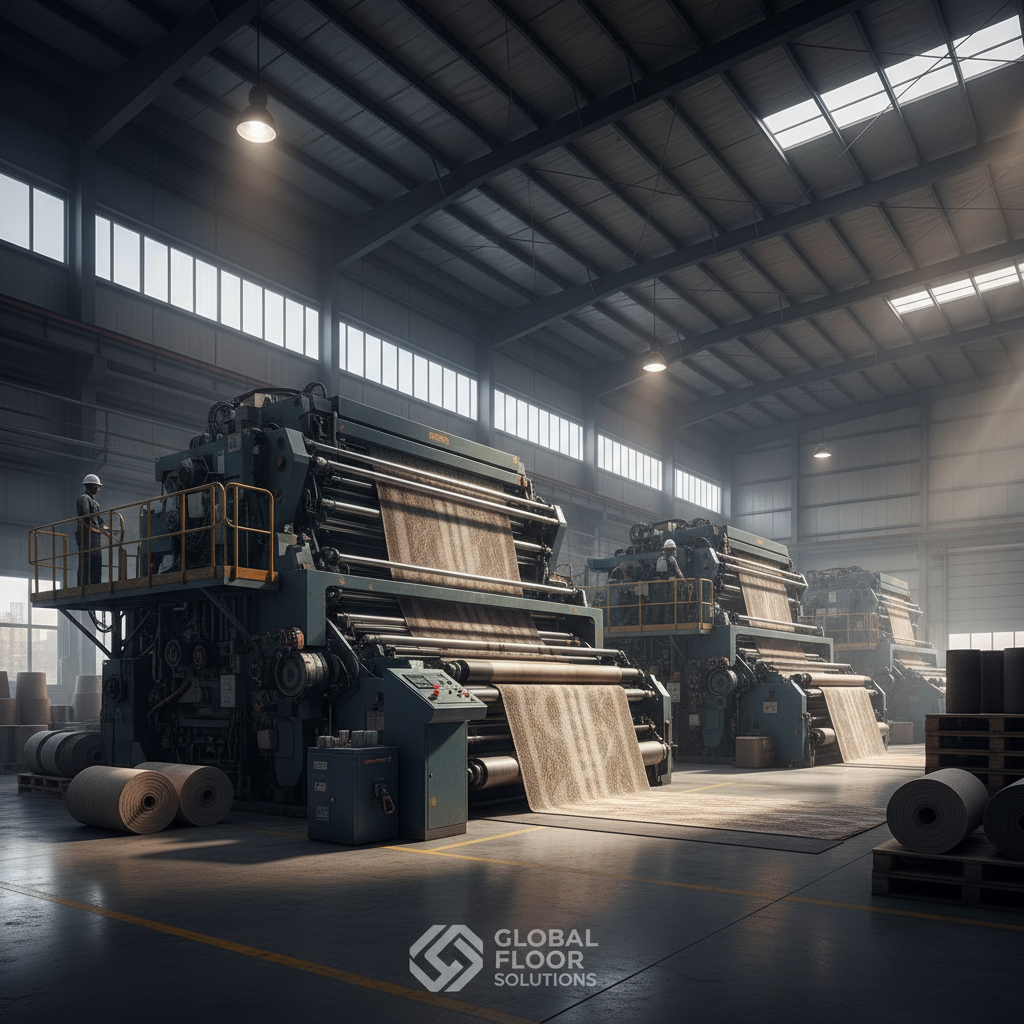
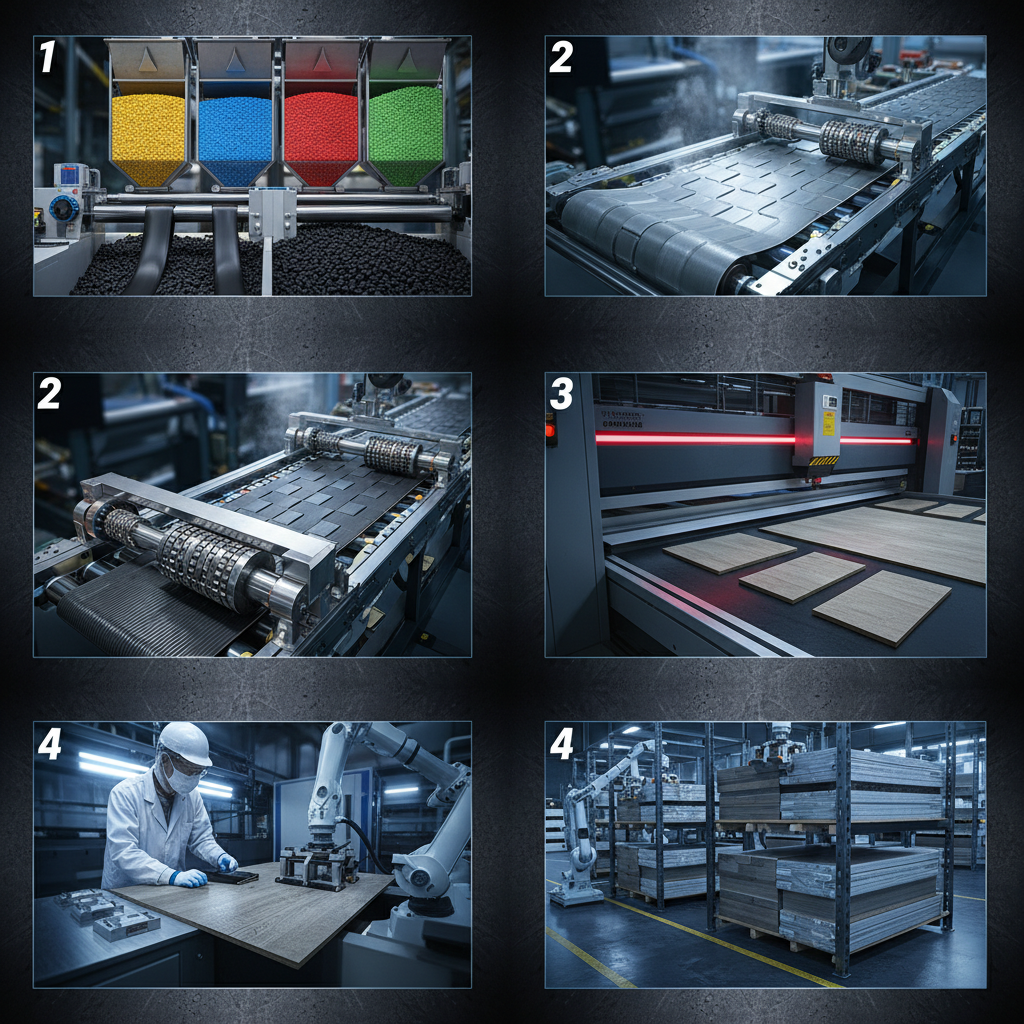
Historically, badminton courts relied on timber, which offered excellent bounce but required intensive maintenance and climate control. The transition to synthetic PVC vinyl was driven by the need for consistency and durability. Modern synthetic surfaces are no longer simple plastic sheets; they are engineered composites consisting of a wear layer, a printed design layer, a glass fiber reinforcement layer, and a high-density foam backing.
This structural evolution has changed how we view the investment. Instead of focusing on the cost of the raw material, the industry now focuses on "functional value," where the price reflects the floor's ability to reduce athlete injury through controlled energy return and slip resistance.
Several technical variables directly influence the cost of synthetic badminton flooring. First is the density and thickness of the foam layer. A higher-density foam provides superior shock absorption and soundproofing, which is critical for multi-purpose halls but increases the material cost. Second is the surface treatment; UV-coated surfaces significantly reduce long-term maintenance costs by resisting scratches and spills, though they command a premium during the initial purchase.
Furthermore, the printing technology used for court markings and branding plays a role. Standard colors are cost-effective, but custom-printed designs—such as those offered by Enlio's custom PVC vinyl solutions—utilize high-precision printing and protective layers to ensure vibrancy and wear resistance. This capability allows facilities to align their court aesthetics with brand identity without compromising the technical integrity of the playing surface.
Lastly, the material's environmental certification affects pricing. The use of non-toxic, eco-friendly PVC and anti-bacterial additives ensures the facility meets health and safety standards for schools and kindergartens, adding a layer of value that manifests in higher initial pricing but lower liability and health risks.
When facilities attempt to minimize the initial expenditure, they often overlook the relationship between the wear layer thickness and the court's lifespan. A thin wear layer may lower the immediate price, but it leads to faster degradation of the slip-resistance properties, necessitating premature replacement.
The true cost of synthetic flooring is not the purchase price per square meter, but the cost per year of service life, factoring in maintenance and the impact of player injury rates.
For high-traffic environments, investing in a UV-coated, high-density foam system is a strategic financial move. By reducing the frequency of deep cleaning and surface restoration, the operational budget is stabilized, and the facility maintains a professional standard for a longer duration.
To understand the variance in synthetic flooring for badminton court price, it is helpful to look at a relative value index. This index compares different material grades based on their ability to provide shock absorption, durability, and ease of maintenance.
Standard vinyl may offer a low entry price but fails in high-performance metrics. In contrast, professional-grade PVC with integrated foam layers provides a balanced profile that serves both competitive athletes and recreational users.
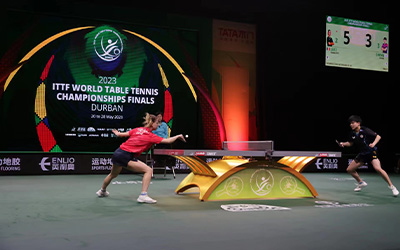
The application environment dictates the necessary technical specifications. For a professional sports hall hosting sanctioned tournaments, the priority is BWF-compliant friction and consistent energy return. In this scenario, a high-end PVC system with a specialized wear layer is non-negotiable to ensure athlete safety and game integrity.
Conversely, for a kindergarten or a multi-purpose community center, the focus shifts toward anti-bacterial properties, ease of cleaning, and impact protection for children. In these cases, custom printed vinyl flooring is an excellent solution, allowing for colorful, engaging designs that are also waterproof and fire-resistant, ensuring a safe and hygienic environment without requiring the extreme technical specs of a professional arena.
The sports flooring industry is moving toward "intelligent" materials. We are seeing a rise in the development of PVC composites that can better regulate surface temperature and humidity, reducing the reliance on expensive HVAC systems to maintain the court's grip.
Another significant trend is the integration of sustainable manufacturing. As global standards for environmental impact tighten, the shift toward recyclable PVC and bio-based plasticizers is becoming a primary driver for product development. This transition not only helps facilities achieve green certifications but also reduces the long-term environmental footprint of sports infrastructure.
Moreover, the demand for versatility is increasing. Multi-purpose courts that can switch from badminton to pickleball or volleyball through modular adjustments or specialized surface textures are becoming more common, allowing facility owners to maximize their ROI by serving a broader demographic.
Choosing the right flooring requires a structured evaluation of needs versus budget. It is not simply about finding the lowest price, but about matching the material's performance characteristics to the expected usage intensity of the court.
A critical part of the framework is the trade-off between installation speed and longevity. While some synthetic floors are laid as rolls with minimal adhesive, others require a more complex installation process to ensure a seamless, bubble-free surface that can withstand years of aggressive lateral movement.
The following table provides a conceptual comparison to help decision-makers evaluate different synthetic flooring tiers based on their intended use case.
| Usage Scenario | Key Requirement | Recommended Grade | Life Expectancy |
|---|---|---|---|
| Pro Tournament | Energy Return | Elite PVC Foam | 10-15 Years |
| Sports Academy | Wear Resistance | High-Density PVC | 8-12 Years |
| Community Gym | Maintenance Ease | Commercial Vinyl | 5-8 Years |
| School/Kindergarten | Safety & Hygiene | Custom Anti-Bacterial | 7-10 Years |
| Home Court | Low Cost/DIY | Standard Synthetic | 3-5 Years |
| Multi-Purpose Hall | Versatility | Modular PVC | 8-12 Years |
The price is primarily driven by the thickness and density of the foam backing, the quality of the PVC wear layer, and the surface treatment (such as UV coating). Additionally, custom design requirements and the level of environmental certifications (anti-bacterial, eco-friendly) add to the material cost. The overall project price also includes installation complexity and the quality of the adhesive used to ensure a stable, professional surface.
While hardwood is often seen as the premium gold standard, synthetic PVC offers a better value proposition for most modern facilities. PVC is generally more affordable to install, requires significantly less maintenance (no sanding or refinishing), and provides consistent shock absorption across the entire court. For facilities with high humidity or varying temperatures, synthetic floors are far more stable and less prone to warping than wood.
When using advanced technology, such as the custom PVC vinyl flooring provided by Enlio, custom printing does not compromise durability. The designs are printed beneath a high-performance wear layer and often protected by a UV coating. This ensures that the colors remain vibrant and the surface remains slip-resistant, regardless of the complexity of the design, protecting the printed layer from the friction of athletic shoes.
A professional-grade synthetic court typically lasts between 8 to 15 years, depending on the usage volume and maintenance routine. Regular cleaning and the use of appropriate footwear are critical. Floors with a thicker wear layer and UV protection tend to last longer and maintain their performance characteristics (like grip and bounce) for a greater portion of their lifespan compared to budget options.
Yes, synthetic PVC flooring is frequently installed over concrete. However, the concrete must be properly leveled and moisture-tested. If the slab has high moisture levels, a moisture barrier is required to prevent bubbles or adhesive failure. Professional installation ensures that the subfloor is prepared correctly, allowing the synthetic material to bond securely and provide the intended shock absorption.
Absolutely. One of the primary advantages of synthetic flooring is its versatility. By choosing a multi-purpose PVC surface, a facility can host badminton, volleyball, and table tennis on the same court. The key is selecting a material with a balanced friction coefficient that works for various sports and utilizing a clear or multi-color marking system to designate different court boundaries.
Evaluating the synthetic flooring for badminton court price requires a shift in perspective from initial acquisition cost to long-term operational value. By analyzing the technical components—such as foam density, wear layer quality, and surface coatings—facility managers can select a surface that protects athletes and reduces maintenance overhead.
Whether opting for a standard professional surface or a bespoke, custom-printed PVC solution, the goal remains the same: creating a safe, durable, and high-performance environment. Investing in quality materials today ensures a facility that remains competitive and functional for a decade or more.