When analyzing the 2mm vinyl flooring price, it is essential to look beyond the initial cost per square meter and evaluate the long-term value provided by high-performance materials. For professional sports environments, the 2mm thickness often represents a strategic balance between material efficiency and the necessary structural integrity required for high-impact activities like pickleball or badminton.
Many procurement managers struggle with the trade-off between budget constraints and the technical requirements of sports certification. Selecting a flooring solution that lacks a professional-grade synthetic resin or fails to meet anti-slip standards can lead to increased maintenance costs and potential safety risks for athletes, effectively raising the total cost of ownership.
This guide provides a technical and commercial analysis of vinyl sports flooring, examining the specific advantages of prefabricated systems, the impact of material composition on performance, and how to evaluate the cost-to-benefit ratio when investing in professional-grade court surfaces.

1Understanding Vinyl Flooring Specifications

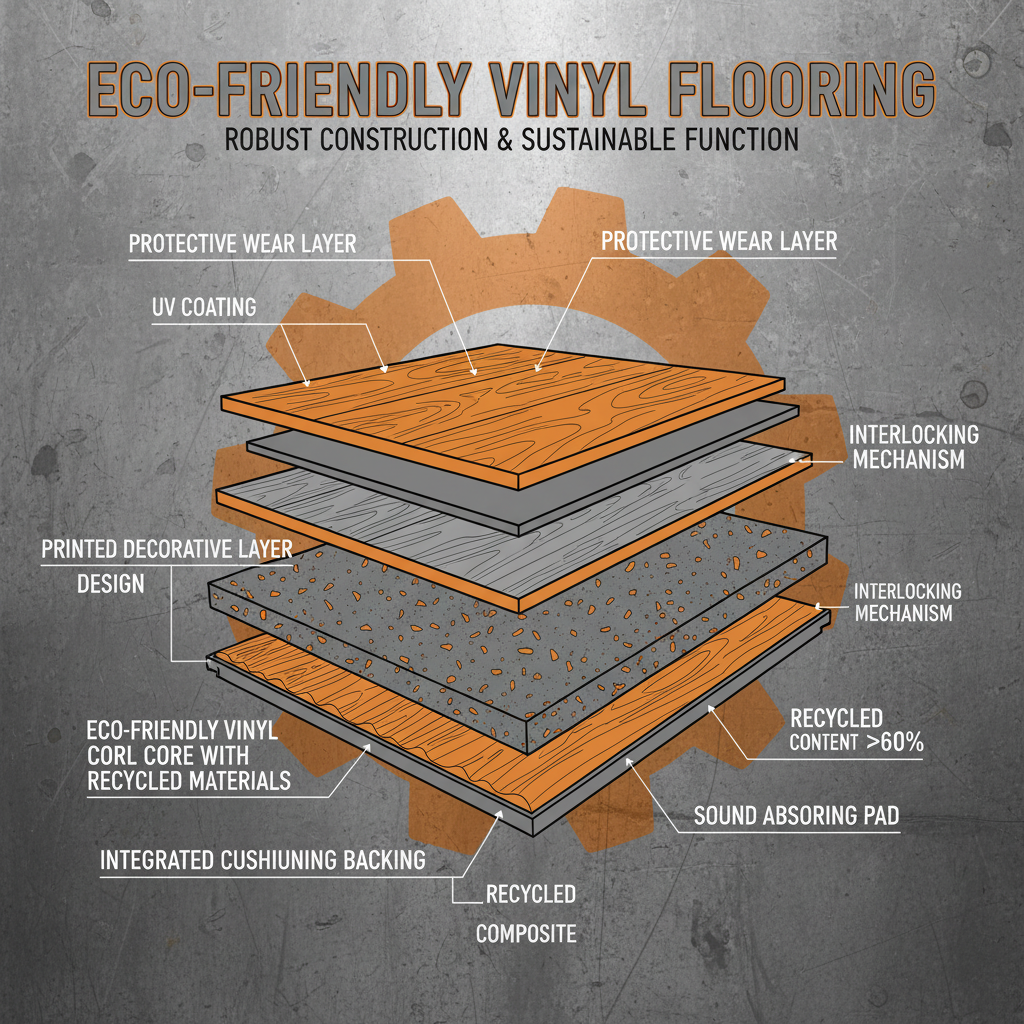
Professional vinyl sports flooring is not a monolithic product; it is a precision-engineered composite. High-quality options, such as those developed by Enlio, combine polyvinyl chloride (PVC) with specialized synthetic resins. This combination ensures that the surface is not only durable but also chemically stable, eliminating hazardous substances like asbestos, lead, and mercury.
The structural integrity of the flooring is defined by its pliability and hardness. A well-engineered 2mm vinyl surface remains pliable enough to absorb some impact yet firm enough to ensure the stability of the athlete's foot during rapid changes in direction, which is critical for high-intensity sports.
From a commercial perspective, the 2mm vinyl flooring price is influenced by the purity of the organic color powder and the quality of the resin. These factors determine the product's anti-aging performance and color stability over years of heavy use.
2Technical Advantages of Prefabricated Systems
Prefabricated vinyl flooring offers a significant advantage over on-site casting. By manufacturing the flooring in a controlled factory environment, the product achieves a level of consistency in thickness and density that is impossible to replicate in the field. This reduces the likelihood of surface irregularities that can affect ball rebound.
One of the most critical technical benefits is the reduction of environmental odor. Because the curing process happens in the factory, the flooring is ready for use almost immediately after installation, which is a vital consideration for indoor gymnasiums and kindergartens.
Furthermore, prefabricated systems are less dependent on the perfect level of the ground foundation. While a smooth subfloor is always recommended, the inherent stability of a factory-made vinyl mat helps mask minor imperfections, ensuring a professional finish across the entire court area.
3Critical Application Scenarios for 2mm Vinyl
The versatility of 2mm vinyl flooring makes it suitable for a wide range of sporting events. In pickleball courts, for instance, the flooring must support lateral movements and provide a high friction coefficient to prevent slipping. The prefabricated nature of these mats ensures that the anti-slip properties are uniform across the entire playing surface.
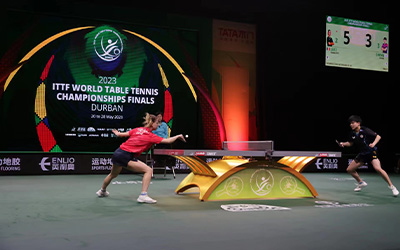
For badminton and table tennis, the focus shifts toward ball rebound and shock absorption. A ball rebound rate of ≥ 97% is often the benchmark for professional play, ensuring that the game's physics remain consistent regardless of where the ball hits the court.
In educational settings, such as kindergartens, the non-toxic nature of the materials is paramount. Adhering to EU ROHS tests ensures that the flooring is safe for children, providing a pollution-free environment for physical activity.
4Performance Metrics and Material Efficiency
When evaluating the 2mm vinyl flooring price, one must analyze the friction coefficient. In dry tests, a high-performance surface should reach a coefficient of 80-100, while in wet conditions, it should remain between 60-90 to ensure athlete safety.
The energy return and shock absorption capabilities are what differentiate professional sports flooring from commercial vinyl. These properties protect the athlete's joints from repetitive stress injuries while ensuring that the energy from a jump is efficiently returned to the player.
2mm vinyl flooring price Performance Metrics
The data indicates that while standard vinyl may offer basic durability, professional-grade options provide significantly higher ball rebound and anti-slip stability. This performance gap justifies the price difference for venues that host competitive events or require long-term durability.
5Procurement Guide for Sports Flooring
Procuring sports flooring requires a detailed checklist. First, verify the certifications. Professional surfaces should be approved by governing bodies such as FIBA, BWF, or ITTF. These certifications guarantee that the floor meets the international standards for competition.
Next, consider the customization options. Professional suppliers like Hebei Enlio Sports Goods Co., Ltd offer variety in color combinations and markings to meet specific aesthetic and branding needs. This customization should not compromise the technical specifications of the PVC layer.
Finally, evaluate the supply chain. A supplier with a robust logistics network and large-scale warehousing can ensure timely delivery and reduce the risk of project delays, which is often a hidden cost in large-scale sports facility construction.
6Sustainability and Environmental Standards
Modern sports flooring must align with global sustainability goals. The transition toward eco-friendly synthetic resins has reduced the volatility of organic compounds (VOCs) emitted by vinyl floors. This is particularly important for indoor air quality in closed gymnasiums.
Materials that pass the EU ROHS test are generally preferred, as they guarantee the absence of hazardous substances. This not only protects the health of the users but also simplifies the disposal and recycling process at the end of the product's lifecycle.
The use of organic color powders also contributes to longevity. By resisting UV degradation and chemical wear, these floors require fewer replacements, thereby reducing the overall environmental footprint of the facility.
7Comparative Analysis of Flooring Options
Choosing between different flooring types depends on the primary use case. While hardwood floors are traditional for basketball, vinyl surfaces offer superior shock absorption and easier maintenance for multi-sport venues.
When comparing 2mm vinyl to thicker options or modular tiles, the primary considerations are installation speed, budget, and the specific rebound requirements of the sport being played.
| Flooring Type | Installation Speed | Maintenance Level | Primary Use Case |
|---|---|---|---|
| 2mm Prefab Vinyl | Very Fast | Low | Professional Courts |
| Modular Court Tiles | Fast | Very Low | Outdoor/Temporary |
| Hardwood Flooring | Slow | High | Premium Gyms |
| Poured PVC | Very Slow | Medium | Custom Large Areas |
| Rubber Flooring | Medium | Low | Weight Rooms/Gyms |
| Commercial Vinyl | Fast | Medium | Office/Retail |
In summary, the 2mm vinyl solution provides the most balanced approach for professional sports, offering a high rebound rate and extreme anti-slip properties while remaining cost-effective during the installation phase.
Frequently Asked Questions
Conclusion
Investing in professional sports flooring requires a careful evaluation of the 2mm vinyl flooring price against the technical requirements of the sport. By prioritizing prefabricated systems with proven ball rebound and anti-slip coefficients, facility managers can ensure a safe, high-performance environment for athletes while minimizing long-term maintenance expenses.
For those seeking a balance of durability, environmental safety, and professional certification, reviewing the available product information at www.enliosportsfloor.com can provide the necessary technical data to make an informed procurement decision.