Selecting the right flooring for a high-traffic area like the kitchen requires a delicate balance between aesthetic appeal and uncompromising safety. In an environment where spills are inevitable and movement is constant, non slip vinyl flooring for kitchens has emerged as the gold standard for modern homeowners and commercial chefs alike. By integrating advanced friction-enhancing textures with waterproof polymers, this flooring solution minimizes the risk of accidents while maintaining a sleek, professional look.
Beyond simple safety, the global shift toward high-performance synthetic materials reflects a broader demand for longevity and hygiene in food preparation spaces. Traditional tiles often suffer from grout deterioration and slippery surfaces when wet, whereas engineered vinyl provides a seamless barrier that is both easy to sanitize and remarkably resilient. This evolution in material science ensures that the heart of the home or the busiest part of a restaurant remains a productive and secure zone.
Understanding the technical nuances of slip resistance—such as the Coefficient of Friction (COF) and wear-layer thickness—allows users to make informed decisions that impact long-term maintenance costs and occupant safety. Whether you are designing a residential remodel or upgrading a commercial kitchen, investing in non slip vinyl flooring for kitchens ensures a foundation that supports heavy foot traffic and rigorous cleaning protocols without sacrificing style.
Global Standards for Kitchen Safety Flooring
On a global scale, the implementation of non slip vinyl flooring for kitchens is no longer just a design choice but a response to stringent occupational health and safety standards. International bodies like ISO and various national health agencies emphasize the reduction of "slip, trip, and fall" incidents, which account for a significant percentage of workplace injuries in the hospitality sector. By adopting standardized slip-resistance ratings, manufacturers can provide a measurable level of safety that protects both staff and residents.
The challenge lies in the volatility of kitchen environments, where oils, water, and food debris constantly alter the surface friction. Traditional flooring often fails under these conditions, creating hazardous zones. Modern non-slip vinyl addresses this by utilizing embossed textures and specialized chemical compositions that maintain grip even when contaminated, effectively bridging the gap between industrial-grade durability and residential aesthetics.
Defining Non Slip Vinyl Technology
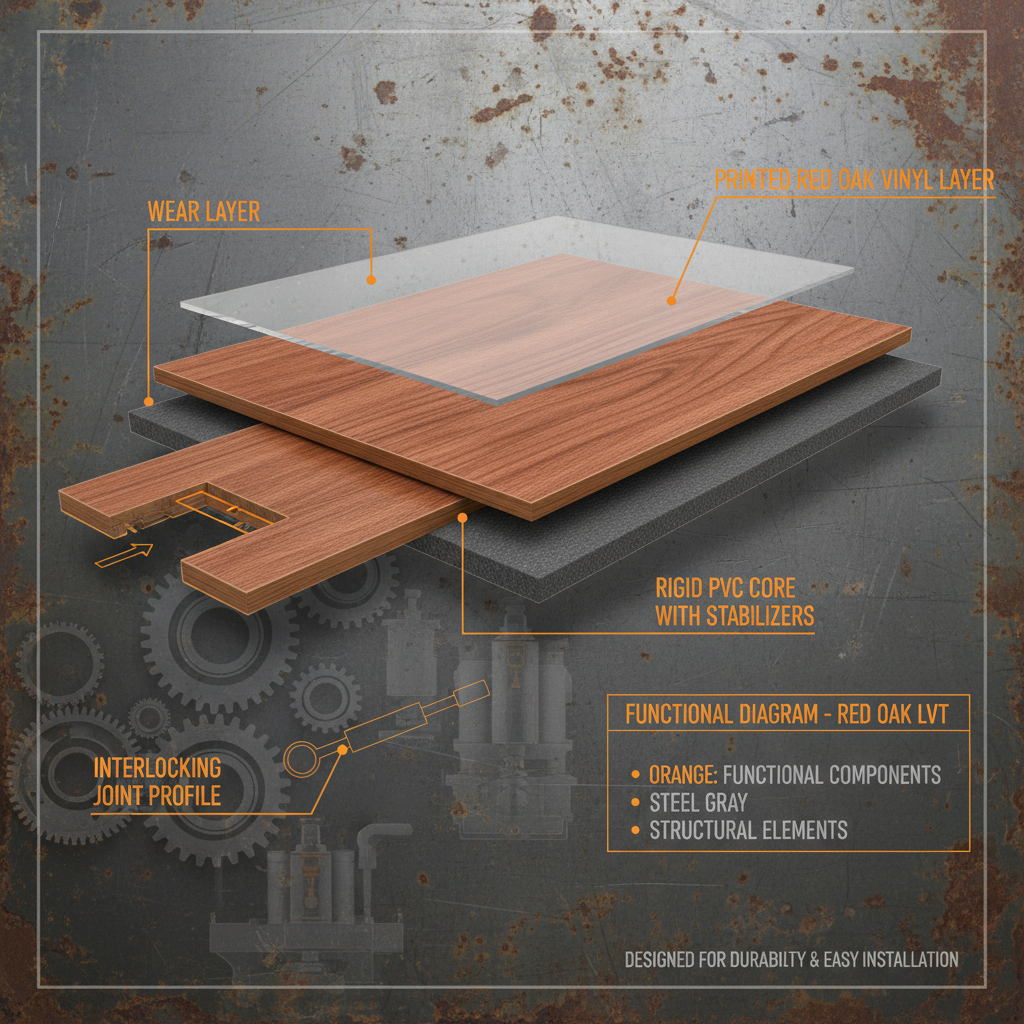
At its core, non slip vinyl flooring for kitchens is a synthetic flooring material composed of polyvinyl chloride (PVC) and various stabilizers, reinforced with a specialized surface treatment to increase friction. Unlike standard vinyl, which may become dangerously slick when wet, non-slip variants incorporate micro-textures or embedded aggregates that create "grip points" on the surface. This ensures that the foot maintains contact with the floor, significantly reducing the likelihood of hydroplaning across a spill.
In the context of modern industry, this technology aligns with the need for "hygienic safety." In food-safe environments, the ability to resist bacteria growth is as important as the ability to prevent falls. Non-slip vinyl is engineered to be non-porous, meaning it doesn't absorb liquids or organic matter, which prevents the growth of mold and mildew—a critical requirement for any kitchen adhering to international food safety regulations.
Furthermore, the humanitarian aspect of this flooring is seen in the design of accessible housing and elderly care facilities. For individuals with mobility challenges, a slip-resistant kitchen floor provides the dignity of independence and the confidence to move safely. By combining ergonomic cushioning with high-traction surfaces, these floors reduce joint fatigue for those standing for long periods while eliminating the primary cause of home-based accidents.
Core Components of High-Traction Vinyl
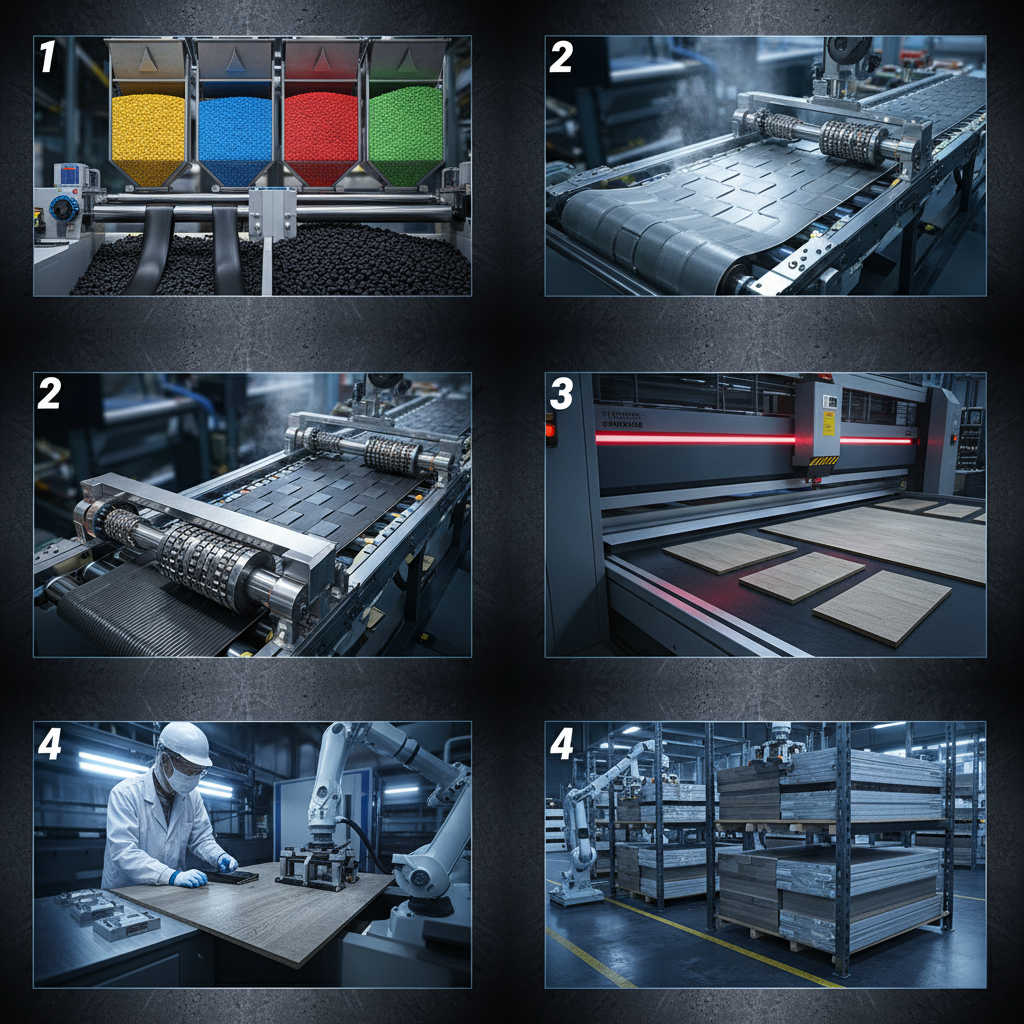
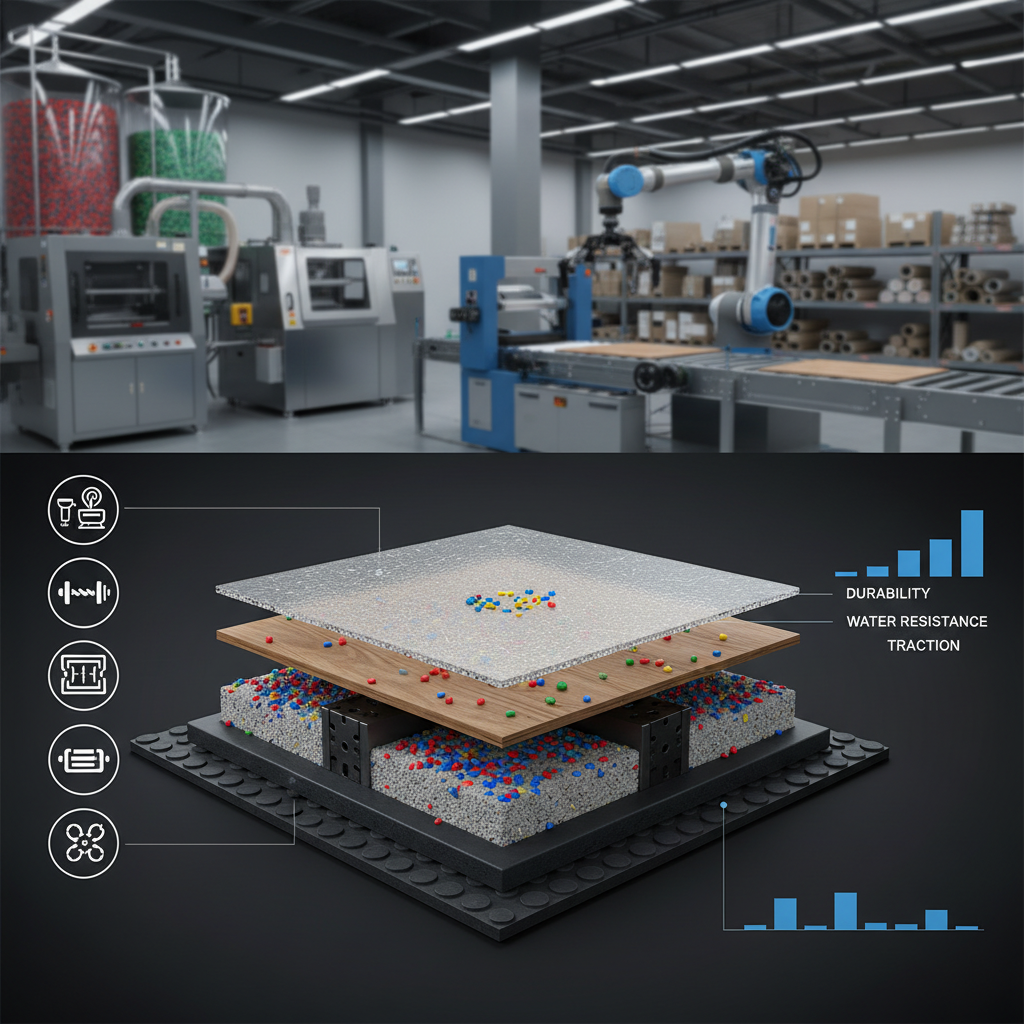
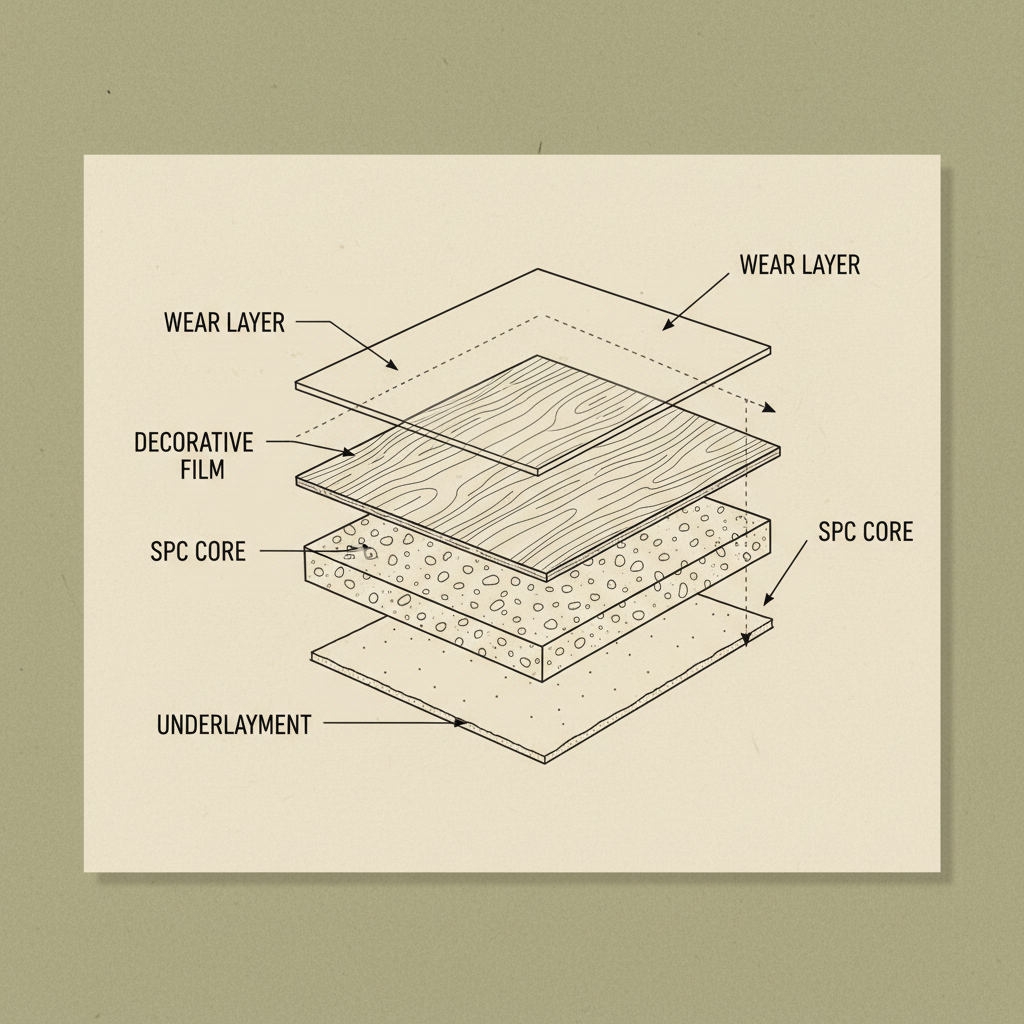
The effectiveness of non slip vinyl flooring for kitchens depends heavily on its multi-layered construction. The base layer provides structural stability and moisture resistance, while the core often consists of a high-density foam or rigid composite that offers slight compression, reducing the impact on the user's legs during long shifts.
Crucially, the wear layer is where the magic of non-slip performance happens. By applying a transparent, high-density urethane coating with an embossed grain, manufacturers create a surface that is both scratch-resistant and high-friction. This specific layer in non slip vinyl flooring for kitchens is what prevents the material from wearing down over time, ensuring the slip-resistance remains consistent for years.
Another key factor is the integration of antimicrobial agents directly into the PVC matrix. This ensures that the non slip vinyl flooring for kitchens doesn't just keep people standing, but also keeps the environment sterile. When these chemical properties are paired with a seamless installation method, the result is a floor that is virtually impenetrable to contaminants.
Comparative Performance Analysis
When evaluating non slip vinyl flooring for kitchens against traditional materials like ceramic tile or hardwood, the differences in safety and maintenance are stark. While tile is durable, its smooth glaze becomes a skating rink when wet, and hardwood is susceptible to water damage and warping. Vinyl's inherent waterproof nature and textured surface provide a superior safety profile in high-moisture zones.
To better understand how various types of non-slip vinyl perform, we analyze metrics such as grip retention, ease of cleaning, and impact absorption. High-end luxury vinyl tiles (LVT) often score higher in aesthetics, while commercial-grade sheets excel in seamless hygiene and maximum traction.
Performance Metrics for Non Slip Vinyl Flooring for Kitchens
Real-World Applications and Use Cases
In professional culinary environments, such as Michelin-starred restaurants or high-volume hotel kitchens, non slip vinyl flooring for kitchens is an essential piece of equipment. These zones experience constant spills of grease and water, combined with the rapid movement of staff. A high-traction vinyl floor reduces the frequency of workplace injuries, thereby lowering insurance premiums and reducing staff turnover caused by accidents.
Beyond the commercial sector, this flooring is increasingly utilized in modular housing and rapid-deployment relief centers. In post-disaster zones where temporary kitchens are set up to feed thousands, the ability to quickly install a durable, waterproof, and safe floor is critical. non slip vinyl flooring for kitchens provides a sanitary surface that can be rolled out and secured, ensuring that food preparation areas remain safe under extreme conditions.
Long-Term Economic and Safety Value
The investment in non slip vinyl flooring for kitchens yields significant dividends over time. While the initial cost may be higher than basic linoleum, the reduction in maintenance costs is substantial. Because the material is waterproof and stain-resistant, it eliminates the need for expensive grout scrubbing or periodic sanding and sealing required by hardwood.
From a psychological perspective, the sense of safety provided by non-slip surfaces cannot be overstated. For a homeowner, it means peace of mind knowing that children or elderly parents are safe in the kitchen. For a business owner, it represents a commitment to employee welfare. This trust in the infrastructure allows the focus to remain on productivity and creativity rather than fear of a fall.
Sustainability also plays a role in its long-term value. Many modern vinyl floors are now produced using recycled materials and are phthalate-free, making them an eco-friendly choice. By extending the lifecycle of the floor through extreme durability, fewer materials end up in landfills, aligning safety with environmental responsibility.
Future Innovations in Flooring Materials
The future of non slip vinyl flooring for kitchens is leaning heavily toward "smart materials." Researchers are exploring the integration of nanostructures that can actively repel oils while increasing friction for rubber soles. This "selective traction" would allow for a floor that feels smooth to the touch but provides an immediate, aggressive grip the moment a slip begins.
Digital transformation is also impacting the installation process. Augmented Reality (AR) is now being used to simulate how different textures of non-slip vinyl will perform under specific lighting and spill conditions before a single plank is laid. This ensures that the chosen non slip vinyl flooring for kitchens is perfectly matched to the specific traffic patterns of the space.
Furthermore, we are seeing a move toward carbon-neutral manufacturing. The next generation of vinyl will likely replace petroleum-based polymers with bio-plastics derived from corn or algae, ensuring that the safety of the kitchen does not come at the expense of the planet.
Analysis of Non Slip Vinyl Flooring Specifications
| Material Grade |
Slip Resistance (COF) |
Durability Score (1-10) |
Best Use Case |
| Residential LVT |
0.6 - 0.7 |
7 |
Home Kitchens |
| Commercial Sheet |
0.8 - 0.9 |
9 |
Restaurant Kitchens |
| Industrial PVC |
0.9+ |
10 |
Food Processing Plants |
| Luxury Vinyl Plank |
0.5 - 0.6 |
8 |
Open Concept Kitchens |
| Rubber-Infused Vinyl |
0.85 |
9 |
High-Moisture Zones |
| Eco-Bio Vinyl |
0.7 |
7 |
Green-Certified Homes |
FAQS
Non-slip vinyl achieves its traction through a combination of surface embossing and the addition of friction-enhancing particles in the wear layer. Unlike smooth vinyl, these materials have a microscopic texture that breaks the surface tension of liquids (like water or oil), allowing the shoe to maintain direct contact with the flooring material rather than gliding on a thin film of liquid.
To maintain maximum traction, avoid using wax-based cleaners or oil-heavy polishes, as these can fill in the micro-textures and make the floor slippery. Instead, use pH-neutral cleaners and a damp mop. Regular removal of grease buildup is essential, as heavy oil layers can act as a lubricant and override the floor's inherent non-slip properties.
Yes, in most cases. While ceramic is durable, the grout lines can harbor bacteria and the glaze becomes very slick when wet. Non-slip vinyl is seamless (in sheet form), which makes it more hygienic, and it is specifically engineered for higher friction. Additionally, vinyl provides better underfoot cushioning, which reduces worker fatigue during long shifts.
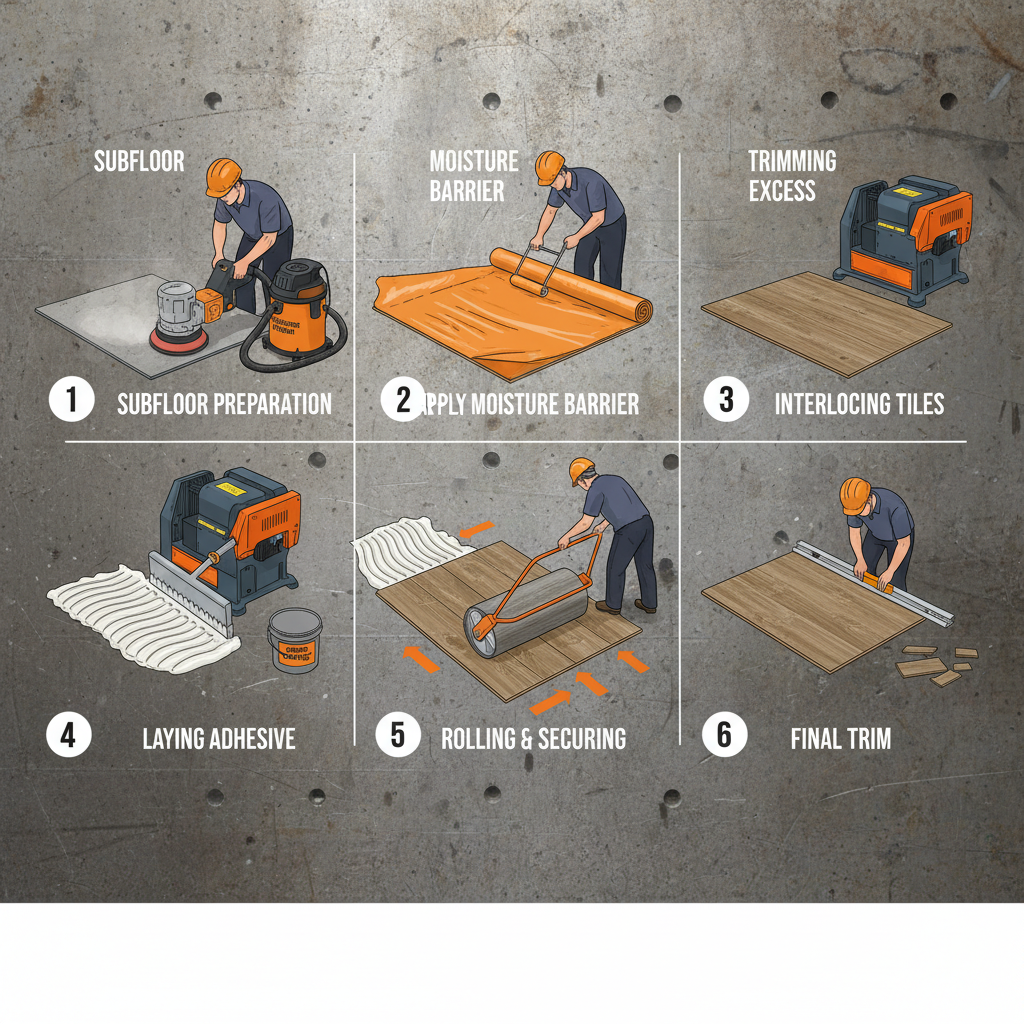
Many types of vinyl flooring, especially LVT (Luxury Vinyl Tile) or SPC (Stone Plastic Composite), can be installed as a "floating floor" over existing stable surfaces. However, for the best results in a kitchen, it is recommended to ensure the subfloor is level and dry. In commercial settings, removing the old floor is preferred to minimize height transitions and ensure a waterproof seal.
Depending on the wear layer thickness, high-quality non-slip vinyl can last anywhere from 10 to 20 years. Commercial-grade options with a thicker urethane layer are designed to withstand heavy equipment and constant foot traffic, while residential versions are optimized for a balance of comfort and durability over a 10-15 year period.
Modern vinyl has evolved significantly. Many manufacturers now produce phthalate-free and VOC-free options that improve indoor air quality. Additionally, the rise of bio-based vinyl and recycled PVC content means that you can achieve high safety standards while reducing the environmental footprint of your kitchen renovation.
Conclusion
In summary, non slip vinyl flooring for kitchens represents the intersection of safety, durability, and modern design. By addressing the inherent risks of wet environments through advanced material science and textured engineering, it provides a reliable foundation for both home and professional culinary spaces. From its antimicrobial properties to its impressive slip-resistance ratings, this flooring solution effectively mitigates the risk of accidents while ensuring long-term hygiene and ease of maintenance.
As we look toward the future, the integration of sustainable bio-polymers and smart-traction technology will only further enhance the value of these surfaces. For anyone looking to upgrade their kitchen, the priority should always be a balance of form and function. Investing in high-quality, certified non-slip vinyl is not just an aesthetic choice, but a strategic decision to protect the people who spend their time in the most active room of the building. Visit our website for more professional flooring solutions: www.enliosport.com