When facility managers or sports club owners evaluate the badminton floor mat price, they are often caught between the lure of low upfront costs and the necessity of high-performance athletic standards. A badminton court requires a precise balance of grip, shock absorption, and ball rebound to ensure athlete safety and competitive fairness. Choosing a surface based solely on a budget figure often leads to premature wear or, more critically, an increased risk of joint injuries for players during high-intensity lateral movements.
The complexity of pricing in the professional sports flooring market stems from the materials used, such as specialized polyvinyl chloride and synthetic resins. These components dictate how a mat handles friction and energy return. Whether you are integrating these surfaces into a multi-purpose gymnasium or a dedicated sports complex, understanding the relationship between material composition and long-term maintenance is essential for calculating the true total cost of ownership.
This analysis examines the technical drivers of flooring costs and provides a framework for selecting a surface that balances investment with performance. By focusing on prefabricated solutions and eco-friendly certifications, buyers can identify where to allocate their budget for maximum durability. For those seeking professional-grade specifications, exploring the badminton floor mat price allows for a better understanding of how industrial-grade PVC combines with synthetic resins to meet BWF and FIBA standards.


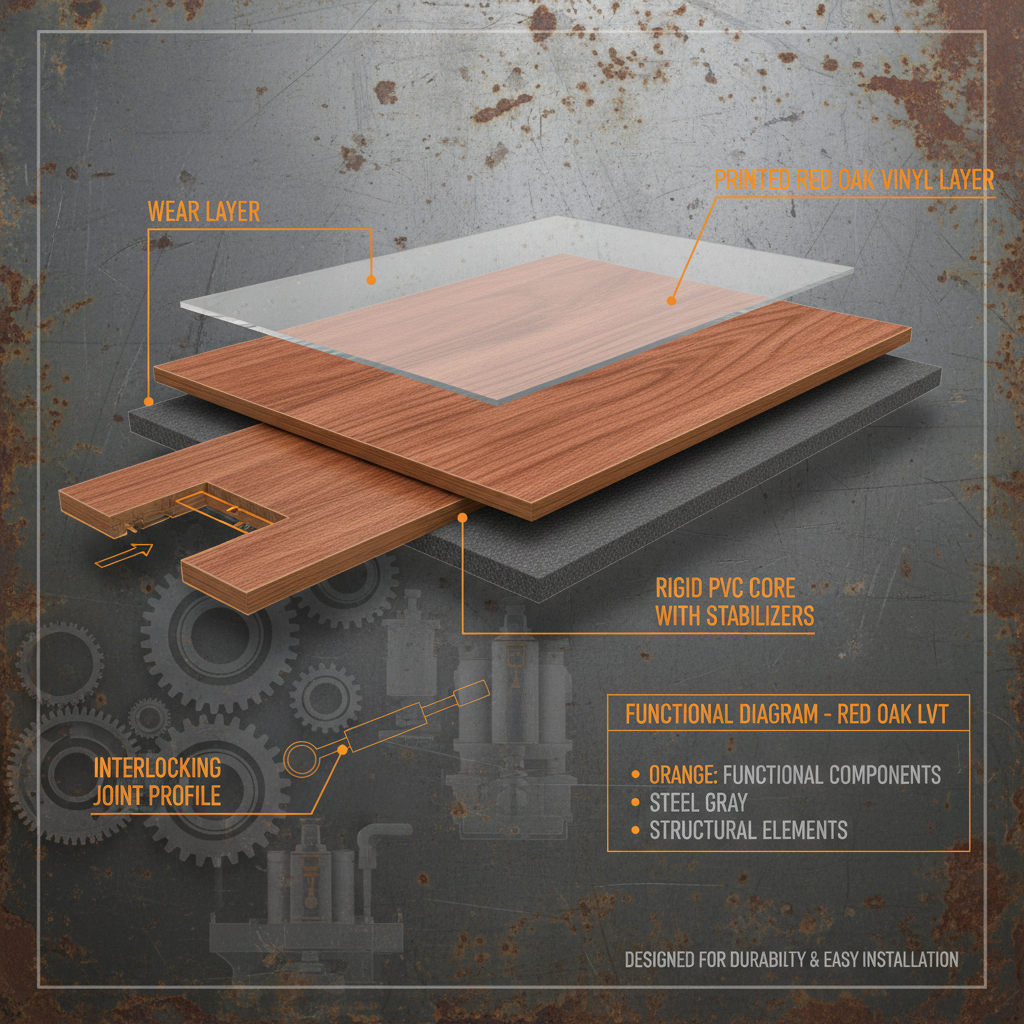
Professional badminton flooring is typically engineered from a sophisticated blend of polyvinyl chloride (PVC) and proprietary synthetic resins. This chemical combination is designed to create a surface that is pliable enough to absorb shock but firm enough to provide the stability required for rapid lunges and jumps. Unlike basic rubber mats, these synthetic resins allow the floor to maintain a consistent texture and color over years of heavy use.
The internal structure of a high-end mat is slim but dense, ensuring that it does not feel flimsy under the weight of the athletes. By removing harmful substances such as asbestos, lead, and mercury, manufacturers ensure that the environment remains pollution-free. This focus on material purity is not just for health; it affects the molecular bonding of the PVC, which in turn enhances the mat's overall wear resistance.
The actual utility of a sports floor depends on several technical variables. First, the friction coefficient is paramount; in dry conditions, a professional mat should maintain a coefficient between 80 and 100, while in wet conditions, it should not drop below 60 to 90. This ensures that players can stop and start abruptly without slipping, which is the primary factor in preventing ankle and knee injuries.
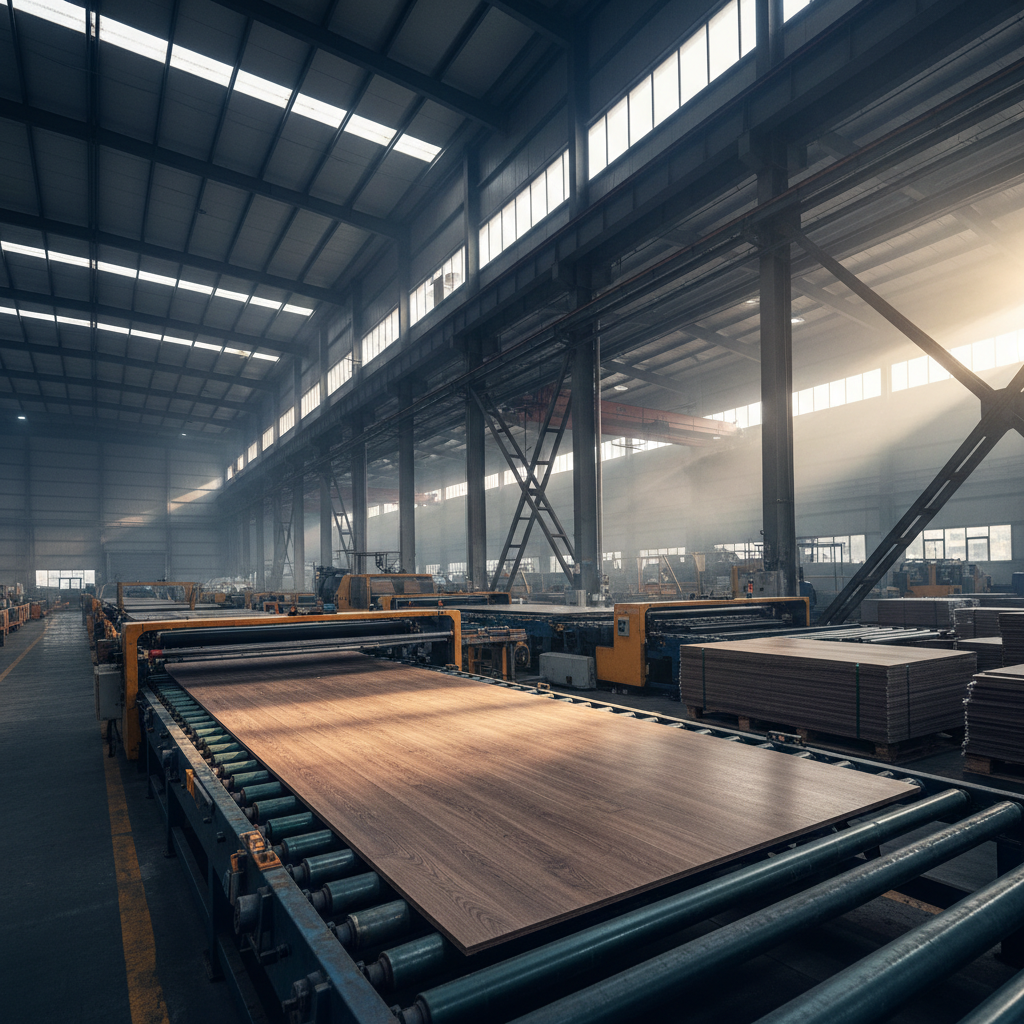
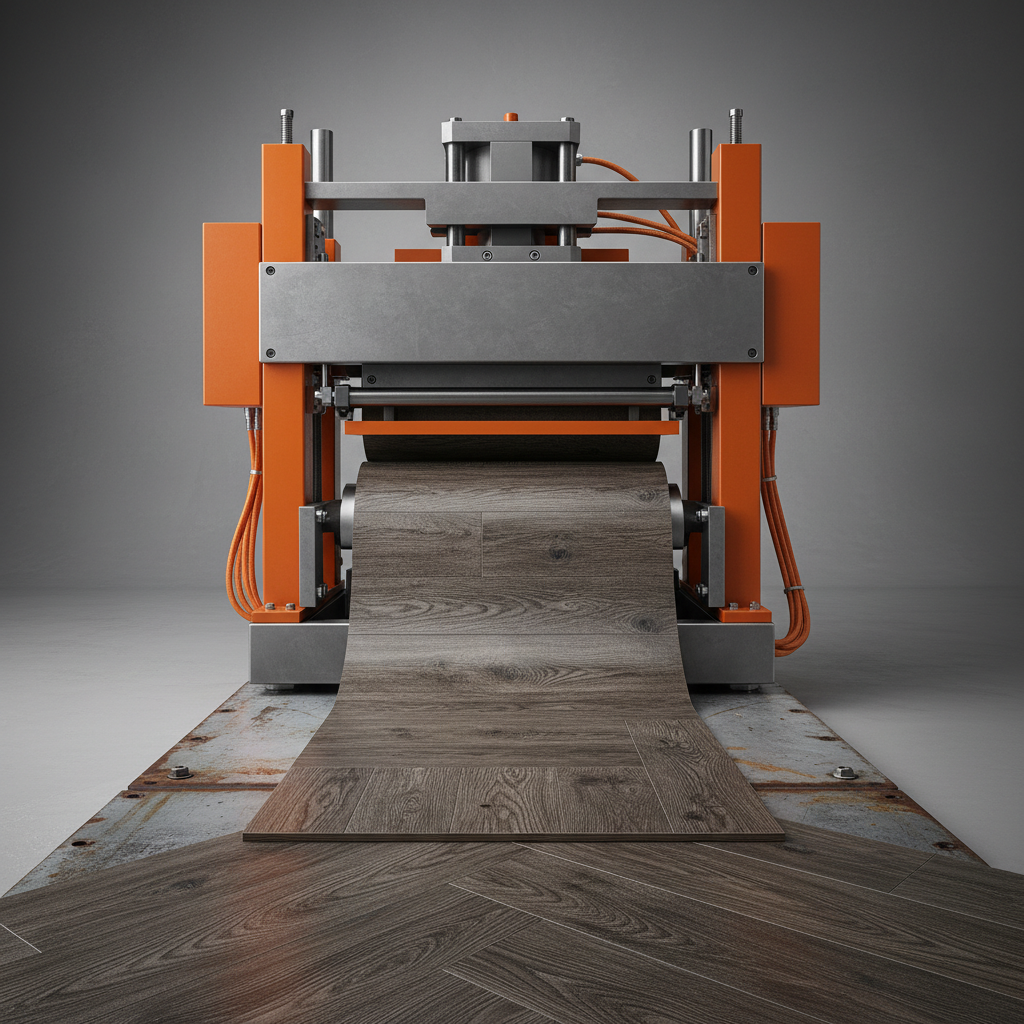
The most significant value driver in modern sports flooring is the transition to prefabricated factory systems, which eliminate the unpredictability of on-site casting and weather dependence, thereby reducing installation time and long-term maintenance expenditures.
Additionally, the energy return and shock absorption capacity determine the "feel" of the court. High-quality synthetic resin blends ensure that the floor provides a consistent rebound rate of 97% or higher. This technical precision prevents the "dead" feeling often associated with cheap foam mats, allowing the shuttlecock to behave predictably and the athlete to maintain maximum agility.
When comparing different grades of PVC flooring, the rebound rate and friction coefficients serve as the primary benchmarks for quality. A higher rebound rate indicates a more efficient energy return, which is critical for professional-level play. If the rebound is too low, the court slows down the game and puts more strain on the player's muscles.
Comparing a standard commercial mat to a professional-grade synthetic resin floor reveals a stark difference in friction stability. While basic mats may offer high grip initially, they often lose this property as the surface wears down. Professional floors use organic color powders and specialized resin formulas to ensure that the anti-slip properties remain stable throughout the product's lifecycle.
Prefabricated PVC sports flooring is exceptionally versatile, making it the ideal choice for professional gymnasiums, school sports halls, and commercial badminton clubs. Because the installation is minimally affected by the ground foundation, it can be deployed over various existing substrates without the need for complex on-site curing processes. This makes it a preferred solution for temporary tournaments and high-traffic community centers.
Beyond professional courts, these materials are also adapted for multi-purpose use in kindergartens and hotel recreation areas. In these settings, the focus shifts slightly toward environmental safety and minimal odor. The use of EU ROHS-tested materials ensures that the flooring is safe for children and sensitive users, while still providing the necessary durability for diverse activities.
The industry is moving toward a "circular economy" model where the materials used in sports flooring are not only non-toxic but also fully recyclable. The replacement of traditional lead and mercury-based stabilizers with organic synthetic resins is a significant step toward this goal. We are seeing a trend where environmental certifications like ISO14001 are becoming a baseline requirement rather than a luxury.
Technological innovation is also focusing on "intelligent" surfaces that can provide better energy return through layered density gradients. By varying the hardness of the PVC layers, manufacturers can create a floor that is soft on the surface for grip but rigid underneath for stability.
Furthermore, the demand for highly personalized courts is increasing. Customers are no longer satisfied with standard colors; they now seek custom combinations that align with brand aesthetics. The development of stable, anti-aging organic color powders ensures that these personalized designs do not fade under intense indoor lighting or heavy footwear friction.
One of the primary challenges in sports flooring is the degradation of the anti-slip surface due to improper cleaning. Using harsh chemicals can break down the synthetic resin, leading to "slick spots" that endanger players. The solution lies in implementing a strict maintenance protocol using pH-neutral cleaners and avoiding wax-based products that fill the micro-texture of the PVC.
Installation errors often occur when the sub-floor is not properly leveled, leading to bubbles or ripples in the mat. Prefabricated types mitigate this risk because they are more stable and less dependent on the casting environment. However, ensuring a seamless joint between mat sections remains critical to prevent tripping hazards.
Long-term cost management involves balancing the frequency of deep cleaning with the total lifecycle of the floor. While professional PVC floors have a higher initial cost, their resistance to wear and low post-maintenance requirements typically result in a lower total cost over a ten-year period compared to traditional hardwood or basic rubber options.
| Feature | Professional PVC | Hardwood Floor | Basic Rubber |
|---|---|---|---|
| Installation Speed | Very Fast | Slow | Moderate |
| Shock Absorption | High/Consistent | Moderate | Variable |
| Maintenance Cost | Low | High (Sanding) | Moderate |
| Weather Sensitivity | Minimal | High (Humidity) | Moderate |
| Environmental Impact | ROHS Certified | Variable | Moderate |
| Ball Rebound | ≥ 97% | High | Low |
The price is primarily driven by the quality of the synthetic resin and the precision of the prefabricated manufacturing process. Higher-priced mats utilize EU ROHS-certified materials and organic color powders that prevent aging and fading. Additionally, the thickness and the specific density of the PVC layers, which affect shock absorption and energy return, significantly impact the final cost.
The rebound rate, which should be 97% or higher for professional courts, determines how much energy is returned to the shuttlecock and the player. A low rebound rate makes the court feel "slow" or "dead," forcing players to exert more energy and increasing the risk of muscle fatigue. High rebound ensures a fast, consistent game that meets international competition standards.
Yes, prefabricated floors are generally superior because they are produced under controlled factory conditions, ensuring uniform thickness and material density. They eliminate the risks associated with weather conditions during installation and significantly shorten the construction period. Moreover, prefabricated systems typically offer better long-term stability and lower post-installation maintenance costs.
For maximum safety, a badminton mat should have a friction coefficient between 80 and 100 in dry tests and between 60 and 90 in wet tests. This range provides the necessary grip for rapid directional changes while preventing the "sticking" effect that can cause joint torsion. Maintaining this coefficient is key to reducing the occurrence of athletic injuries.
The best way to maintain grip is to avoid abrasive cleaning tools and strong chemical solvents. Use a soft mop with a pH-neutral cleaner specifically designed for PVC sports flooring. Avoiding wax or polish is critical, as these substances fill the microscopic texture of the resin, creating a slippery surface that can be dangerous for athletes.
Professional PVC mats are highly adaptable and can be installed over most flat, clean foundations. Because they are prefabricated, they are less sensitive to the underlying ground than cast-in-place systems. However, the sub-floor must be free of debris and reasonably level to ensure the mat lies flat and the joints remain secure.
Selecting the right badminton flooring requires a shift in perspective from initial expenditure to long-term value. By prioritizing technical metrics such as a 97% rebound rate and a controlled friction coefficient, facility managers can ensure a safe, professional environment that meets the demands of high-level athletes. The move toward prefabricated PVC and synthetic resin blends not only reduces installation complexity but also guarantees a pollution-free space that adheres to global environmental standards.
For those developing new sports complexes or upgrading existing courts, the focus should remain on material purity and structural stability. Investing in a system that balances shock absorption with energy return is the most effective way to protect players and reduce lifecycle costs. To explore professional specifications and tailored flooring solutions, you can find detailed guidance and support at www.enliosportsfloor.com.