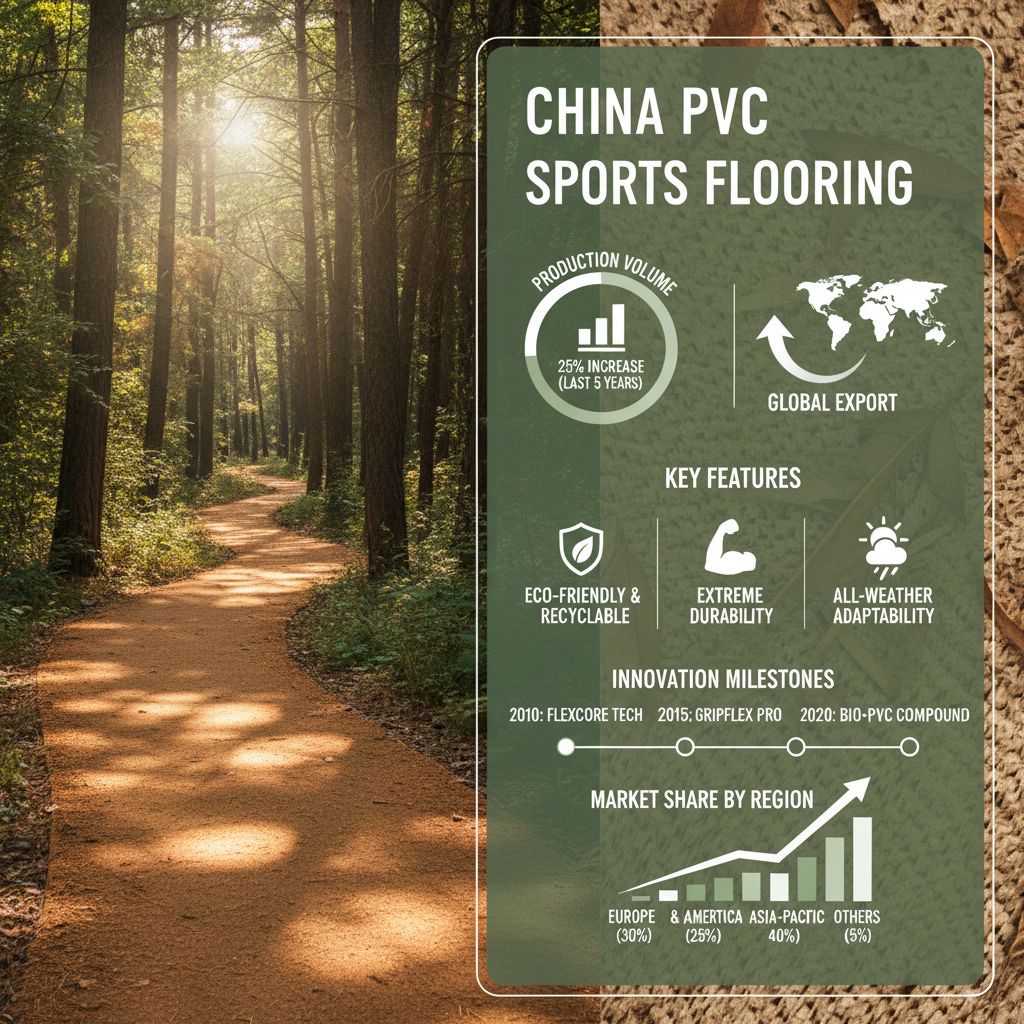
Carpet and vinyl flooring represent a cornerstone of modern interior design, offering a diverse range of aesthetic and functional solutions for residential, commercial, and industrial spaces. Globally, the demand for these flooring options continues to rise, driven by factors such as increasing construction activity, a growing emphasis on comfortable living environments, and advancements in manufacturing technologies. Understanding the nuances of carpet and vinyl flooring is crucial for architects, designers, builders, and homeowners alike, as it directly impacts the quality, durability, and overall value of any built environment.
The industry surrounding carpet and vinyl flooring is a significant economic force, contributing billions of dollars to the global economy and supporting countless jobs. According to reports from the World Bank, the construction sector, where flooring is a key component, consistently accounts for a substantial portion of GDP in many developing nations. Furthermore, the pursuit of sustainable and eco-friendly flooring materials has spurred innovation and investment in technologies like recycled content and low-VOC (volatile organic compound) production, making this a dynamic and evolving field.
Ultimately, a comprehensive understanding of carpet and vinyl flooring empowers informed decision-making, leading to spaces that are not only visually appealing but also safe, comfortable, and cost-effective. This knowledge helps mitigate risks associated with poor flooring choices, ensuring long-term satisfaction and value for all stakeholders involved.
The Global Significance of Carpet and Vinyl Flooring
The demand for carpet and vinyl flooring is intrinsically linked to global population growth, urbanization, and economic development. As more people move into cities and seek improved living standards, the need for comfortable and aesthetically pleasing flooring solutions increases. This demand is particularly pronounced in emerging economies, where construction activity is booming and consumers are increasingly willing to invest in home improvements.
The flooring industry plays a vital role in supporting numerous downstream sectors, including interior design, furniture manufacturing, and real estate. Choosing the right carpet or vinyl flooring can significantly impact the perceived value of a property, influencing both its marketability and resale price. Moreover, advancements in materials science and manufacturing processes are driving innovation in this field, leading to more sustainable, durable, and cost-effective options.
Defining Carpet and Vinyl Flooring
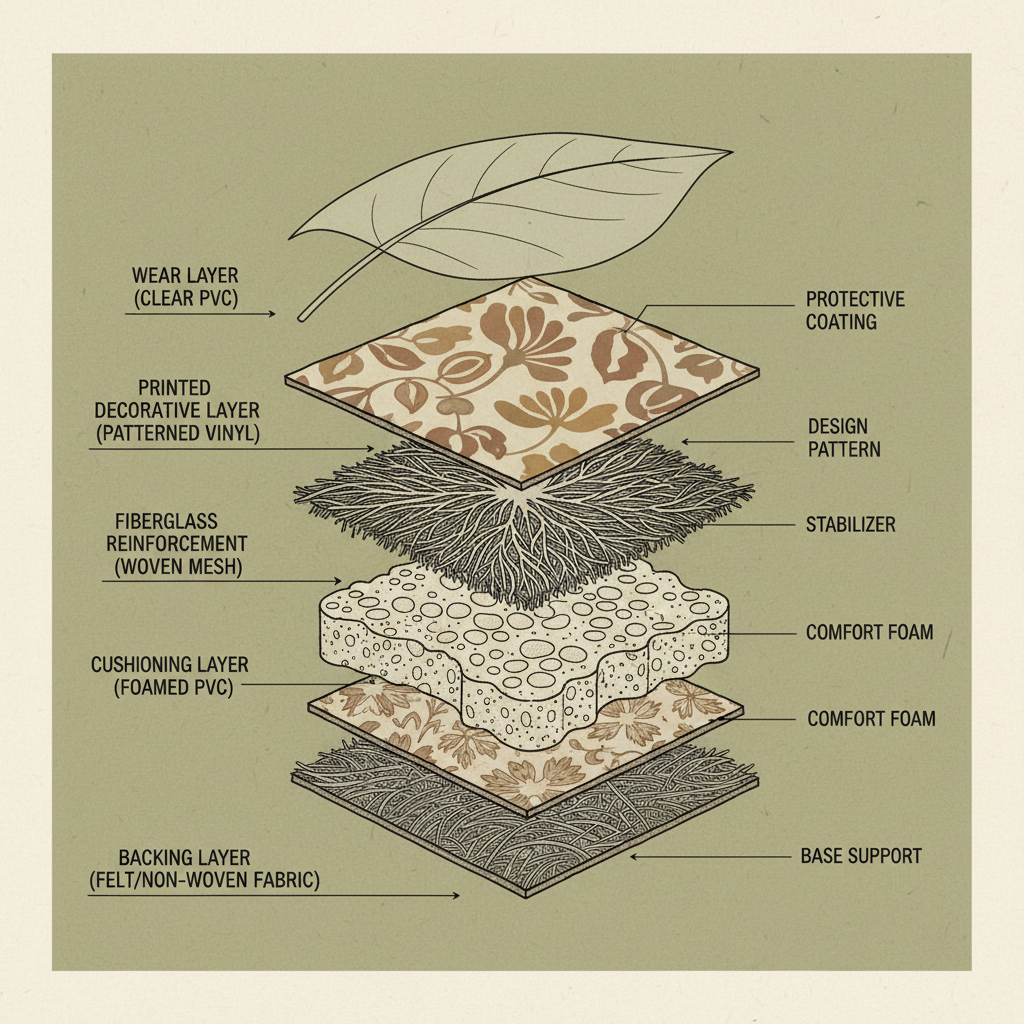
Carpet, traditionally crafted from wool, cotton, or synthetic fibers like nylon and polyester, provides a soft, warm, and comfortable surface. It’s characterized by its pile – the density and height of the fibers – which contributes to its texture and durability. Vinyl flooring, on the other hand, is a synthetic material composed of polyvinyl chloride (PVC) resins, often reinforced with fiberglass for stability. It’s known for its water resistance, ease of maintenance, and versatility in design.
These two materials, while distinct, both serve the fundamental purpose of covering floors, enhancing aesthetic appeal, and providing a comfortable walking surface. Modern manufacturing techniques have blurred the lines between the two, with innovations like luxury vinyl tile (LVT) and sheet vinyl offering the look and feel of natural materials like wood and stone at a fraction of the cost.
Understanding the distinction between these materials is essential when considering specific applications. Carpet is often preferred in bedrooms and living rooms for its warmth and comfort, while vinyl flooring is ideal for kitchens, bathrooms, and other high-traffic areas due to its water resistance and durability.
Key Characteristics of Carpet and Vinyl Flooring
One of the key characteristics of carpet and vinyl flooring is their diverse range of styles and patterns. Carpet comes in various pile heights, textures, and colors, allowing for endless design possibilities. Vinyl flooring offers similar versatility, with options ranging from realistic wood-look planks to intricate tile patterns. This adaptability makes them suitable for a wide range of aesthetic preferences and interior design schemes.
Another important consideration is their comfort level. Carpet provides a softer, warmer surface underfoot, while vinyl flooring offers a more resilient and less forgiving feel. This difference can influence the choice of flooring based on the intended use of the space. Beyond comfort, factors like sound absorption also vary significantly between the two materials, with carpet generally offering better noise reduction.
Finally, maintenance requirements are a critical characteristic. Vinyl flooring is renowned for its ease of cleaning and resistance to stains, making it a practical choice for busy households and commercial spaces. Carpet, while requiring more regular vacuuming and occasional professional cleaning, can provide a longer-lasting and more aesthetically pleasing surface if properly maintained.
Durability and Longevity in Carpet and Vinyl Flooring
The durability of carpet and vinyl flooring is heavily influenced by the quality of materials used in their construction and the manufacturing processes employed. High-quality carpets, particularly those made from durable synthetic fibers like nylon, can withstand heavy foot traffic and resist wear and tear for many years. Similarly, well-made vinyl flooring is known for its exceptional resilience and resistance to scratches, dents, and water damage.
However, it's important to consider that different types of carpet and vinyl flooring offer varying levels of durability. For instance, Berber carpets, known for their looped pile, can be more prone to snagging, while luxury vinyl tile (LVT) generally offers greater impact resistance than sheet vinyl. Proper installation and regular maintenance are also crucial for maximizing the lifespan of both materials.
Comparative Durability Ratings of Carpet and Vinyl Flooring Types
Global Applications and Use Cases
Carpet and vinyl flooring find applications across a remarkably diverse range of settings globally. In residential construction, both materials are widely used in homes, apartments, and condominiums, providing comfort, style, and affordability. Commercial spaces like offices, retail stores, and healthcare facilities also rely heavily on carpet and vinyl flooring for their aesthetic appeal, durability, and ease of maintenance.
Furthermore, these flooring solutions are crucial in specialized environments. For example, hospitals often utilize vinyl flooring due to its hygienic properties and resistance to bacteria, while schools and educational institutions frequently opt for carpet to create quieter and more comfortable learning environments. In post-disaster relief operations, vinyl flooring can provide a quick and easy solution for creating temporary shelter and restoring habitable spaces.
Advantages and Long-Term Value
The advantages of choosing carpet and vinyl flooring extend far beyond aesthetics. Both materials offer excellent value for money, providing long-lasting performance at a relatively affordable price point. Carpet's superior insulation properties can contribute to energy savings, while vinyl flooring's water resistance minimizes the risk of damage and costly repairs.
From a sustainability perspective, many manufacturers are now offering eco-friendly options made from recycled materials or renewable resources. This commitment to environmental responsibility appeals to increasingly conscious consumers and contributes to a more sustainable built environment. Ultimately, investing in quality carpet and vinyl flooring is an investment in long-term comfort, durability, and value.
Future Trends and Innovations
The future of carpet and vinyl flooring is poised for significant innovation. We are seeing the emergence of smart flooring systems that incorporate sensors to monitor foot traffic, temperature, and air quality. Advancements in digital printing technology are enabling more intricate and personalized designs, offering homeowners and designers greater creative freedom.
Furthermore, research and development efforts are focused on creating even more sustainable materials, such as bio-based vinyl and carpets made from recycled ocean plastic. The integration of antimicrobial technologies is also gaining traction, enhancing hygiene and reducing the spread of germs. These advancements promise to transform the flooring industry, making it more responsive to the evolving needs of consumers and the planet.
The increasing demand for low-VOC products and environmentally friendly manufacturing processes is driving a shift towards sustainable practices across the entire supply chain. This trend will likely accelerate in the coming years as consumers become more aware of the environmental impact of their purchasing decisions.
FAQS
Luxury Vinyl Tile (LVT) is a higher-end vinyl flooring option. It's thicker, more durable, and often features a more realistic texture and visual appearance compared to traditional sheet vinyl. LVT typically comes in planks or tiles, offering more design flexibility and a more premium feel. It’s also generally more water-resistant and better suited for high-traffic areas.
Carpet can be a comfortable choice for homes with pets, but it requires careful consideration. Stain-resistant carpets are crucial, and regular vacuuming is essential to remove pet hair and dander. Opting for low-pile carpets can also minimize trapping of allergens and make cleaning easier. Some modern carpets are specifically designed with pet-friendly fibers that resist odors and scratches.
High-quality vinyl flooring can last for 10-20 years, or even longer, with proper care and maintenance. Sheet vinyl generally has a longer lifespan than vinyl tiles due to fewer seams, which reduces the risk of water damage. Factors like the thickness of the wear layer, the quality of the installation, and the level of foot traffic all influence the lifespan of vinyl flooring.
Traditional vinyl flooring contains PVC, a plastic that can have environmental concerns during production and disposal. However, manufacturers are increasingly offering recycled vinyl options and exploring bio-based alternatives. Look for certifications like FloorScore or GreenGuard to ensure low VOC emissions and sustainable manufacturing practices. Proper disposal and recycling are also crucial to minimize the environmental impact.
Regular vacuuming (at least twice a week) is key to removing dirt and debris before they become embedded in the carpet fibers. Address spills immediately with a suitable carpet cleaner. Professional deep cleaning every 12-18 months is recommended to remove stubborn stains and revitalize the carpet's appearance. Use doormats at entrances to trap dirt and prevent it from being tracked onto the carpet.
Yes, in many cases, vinyl flooring can be installed over existing flooring, such as tile or wood, provided the existing surface is clean, level, and structurally sound. However, it’s essential to check the manufacturer’s instructions, as some types of vinyl flooring may require a specific underlayment or preparation. Avoid installing vinyl over carpet, as this can lead to unevenness and damage.
Conclusion
In conclusion, carpet and vinyl flooring represent versatile and valuable solutions for a wide range of flooring needs. From their diverse aesthetic options to their durability, affordability, and evolving sustainability features, these materials continue to play a crucial role in shaping modern interiors. Understanding the nuances of each option, considering specific application requirements, and embracing innovative technologies are essential for making informed decisions.
Looking ahead, the industry is poised for continued innovation, driven by a growing emphasis on sustainability, smart technologies, and personalized design. By staying abreast of these trends and prioritizing quality and responsible manufacturing practices, we can ensure that carpet and vinyl flooring continue to enhance the comfort, functionality, and value of spaces for generations to come. For all your carpet and vinyl flooring needs, visit our website: carpet and vinyl flooring.