Indoor sports floors are increasingly vital in a world demanding accessible and safe athletic spaces. From professional arenas to community gyms, the foundation for countless sporting activities relies on the quality and performance of these surfaces. Understanding the nuances of indoor sports floor design, installation, and maintenance is paramount for athletes, facility managers, and anyone involved in the creation of engaging and secure sports environments. This knowledge empowers better decision-making, leading to enhanced athlete performance and reduced injury risks, ultimately contributing to the growth and sustainability of indoor sports globally.
The global market for indoor sports flooring is experiencing significant growth, driven by rising participation in sports, increasing health and fitness awareness, and a boom in multi-purpose recreational facilities. According to a recent report by Grand View Research, the global sports flooring market was valued at USD 2.47 billion in 2022 and is projected to reach USD 3.79 billion by 2030. This expansion necessitates a deeper understanding of the materials, technologies, and best practices involved.
Investing in a high-quality indoor sports floor isn't merely about aesthetics; it's a strategic investment in athlete safety, long-term facility value, and the very spirit of athletic competition. Choosing the right floor can significantly impact performance, reduce injuries, and enhance the overall sporting experience.
Introduction: Global or Industry Context
The demand for high-performance indoor sports floor solutions is surging worldwide, fueled by a combination of factors. Increasing urbanization leads to a greater need for indoor recreational facilities, while a growing emphasis on health and wellness drives participation in a wider range of sports. Simultaneously, the professionalization of athletic training and competition necessitates surfaces that can withstand intense use and provide optimal performance characteristics. This convergence of trends has created a robust and dynamic market for specialized flooring systems.
The ISO standards regarding sports surfaces (like ISO 10516 for basketball floors and ISO 24349 for volleyball floors) are crucial for ensuring safety and performance. These standards address shock absorption, vertical deformation, and ball rebound – all critical elements influencing athlete well-being and game play. Adherence to these guidelines is increasingly expected by governing bodies and facility owners globally.
A significant challenge within this growing market is balancing performance with sustainability and cost-effectiveness. Facility managers are seeking flooring solutions that not only deliver optimal athletic performance but also minimize environmental impact and offer a reasonable return on investment. This demand is driving innovation in materials, manufacturing processes, and installation techniques.
Definition & Meaning
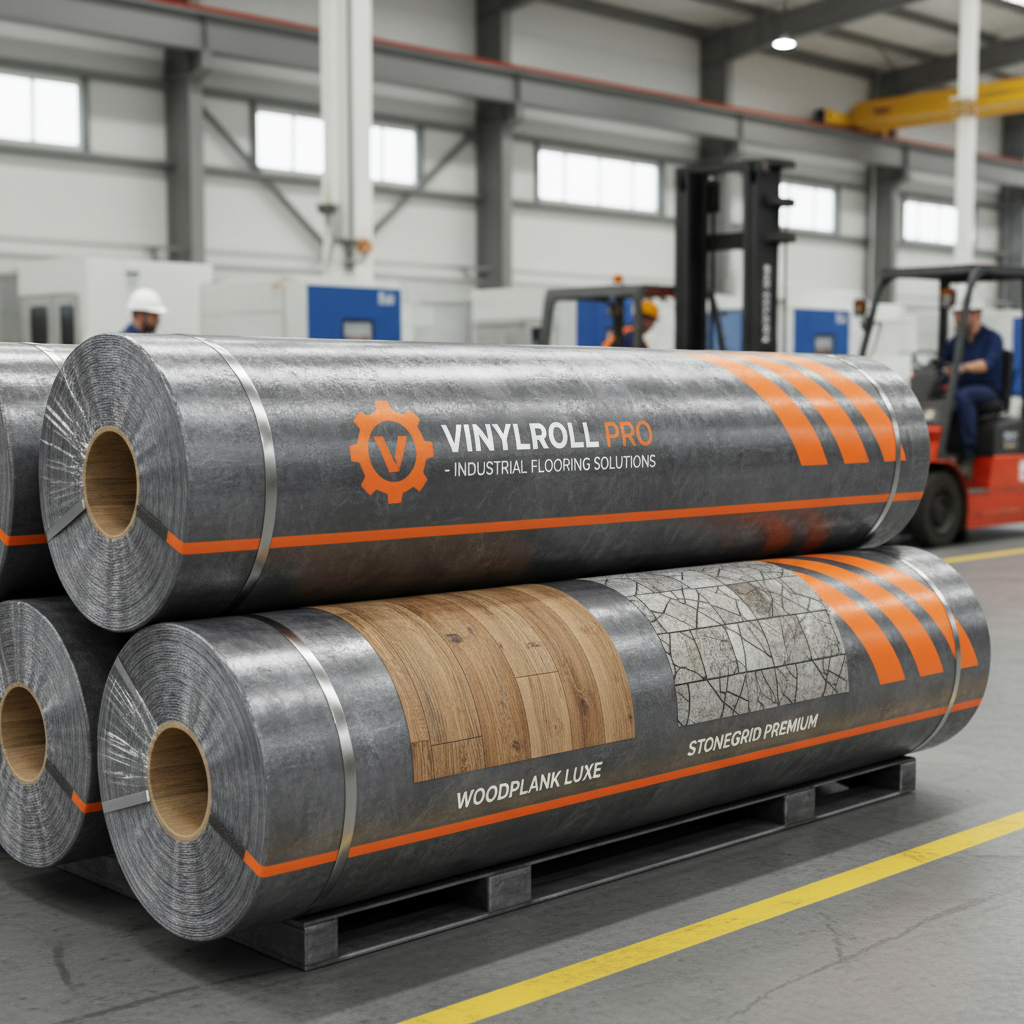
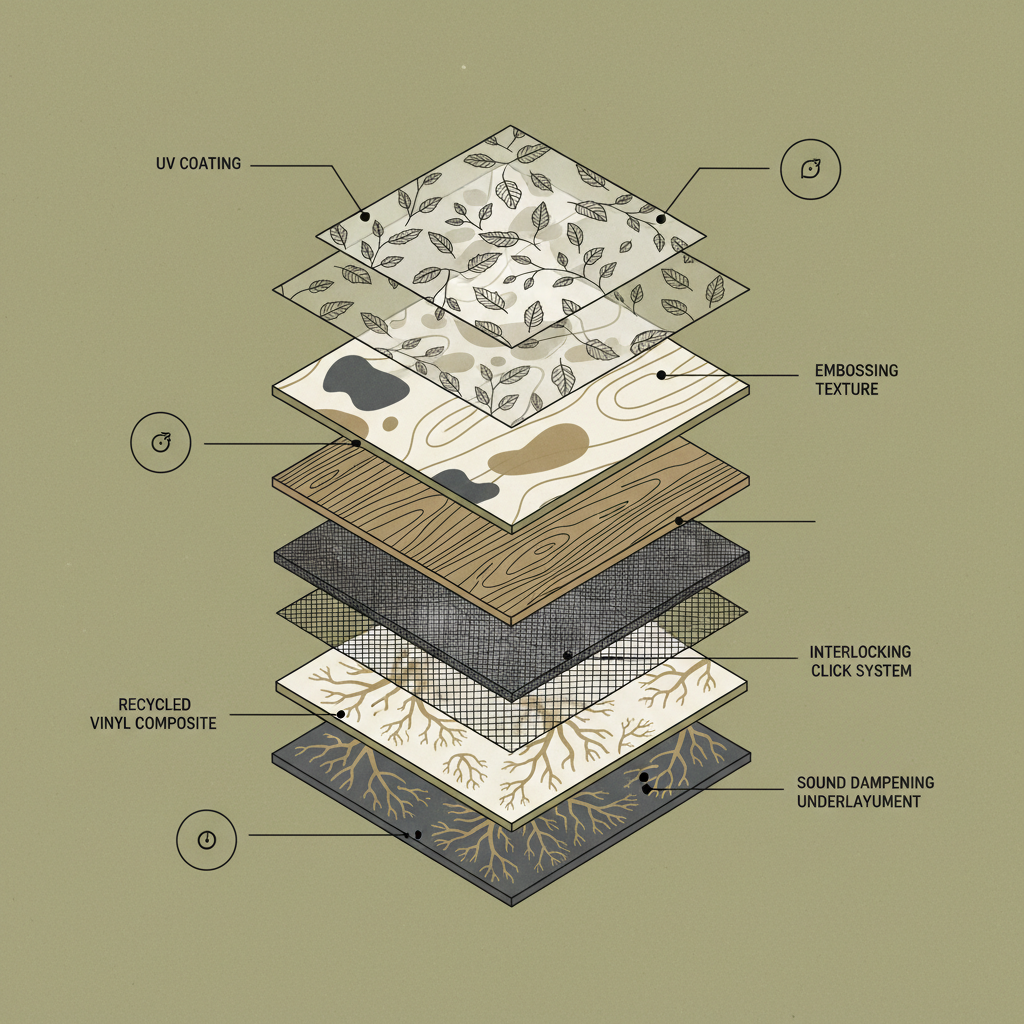
An indoor sports floor is a specially designed surface engineered to provide optimal performance, safety, and durability for a variety of athletic activities conducted within enclosed spaces. Unlike general-purpose flooring, a dedicated sports floor considers factors such as shock absorption, energy return, lateral traction, and ball rebound to minimize injury risk and enhance athletic capabilities. These floors are typically constructed from materials like maple, polyurethane, vinyl, or rubber, often in multi-layered systems.
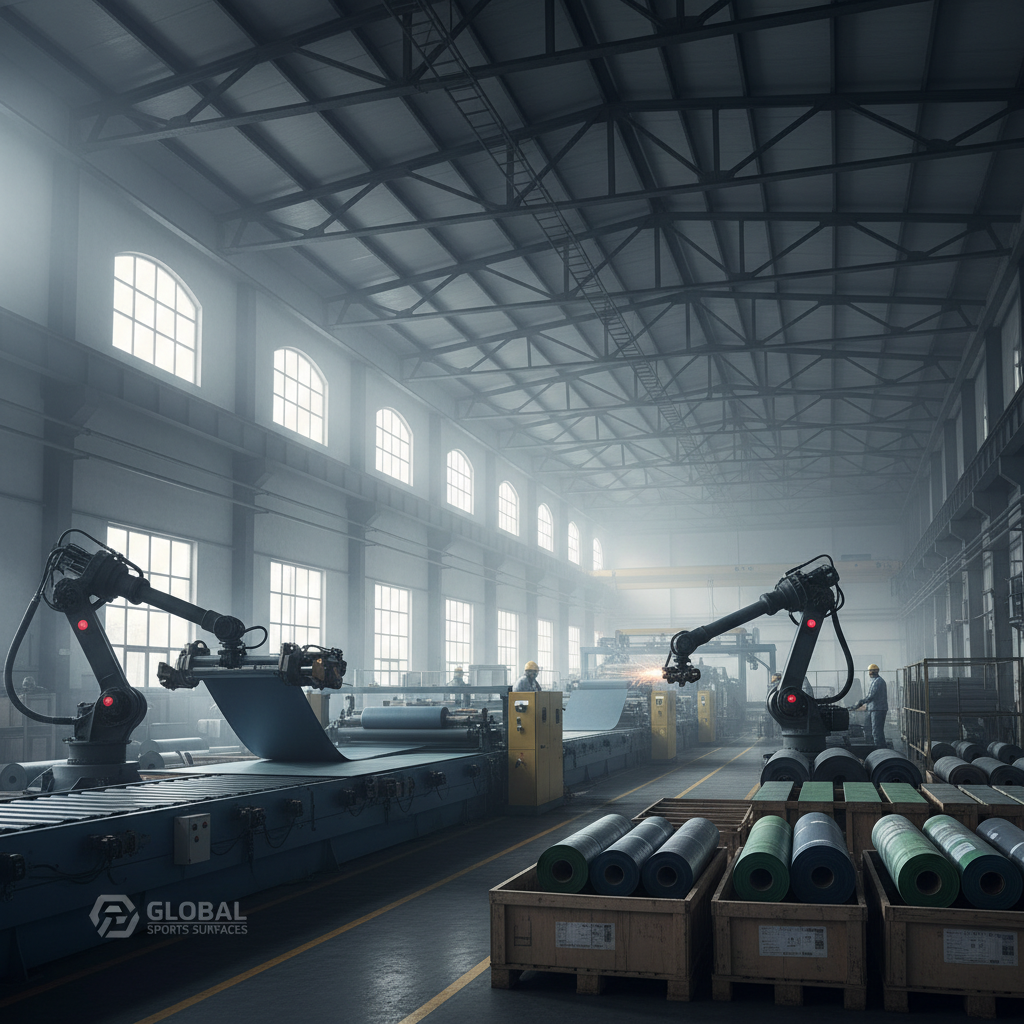
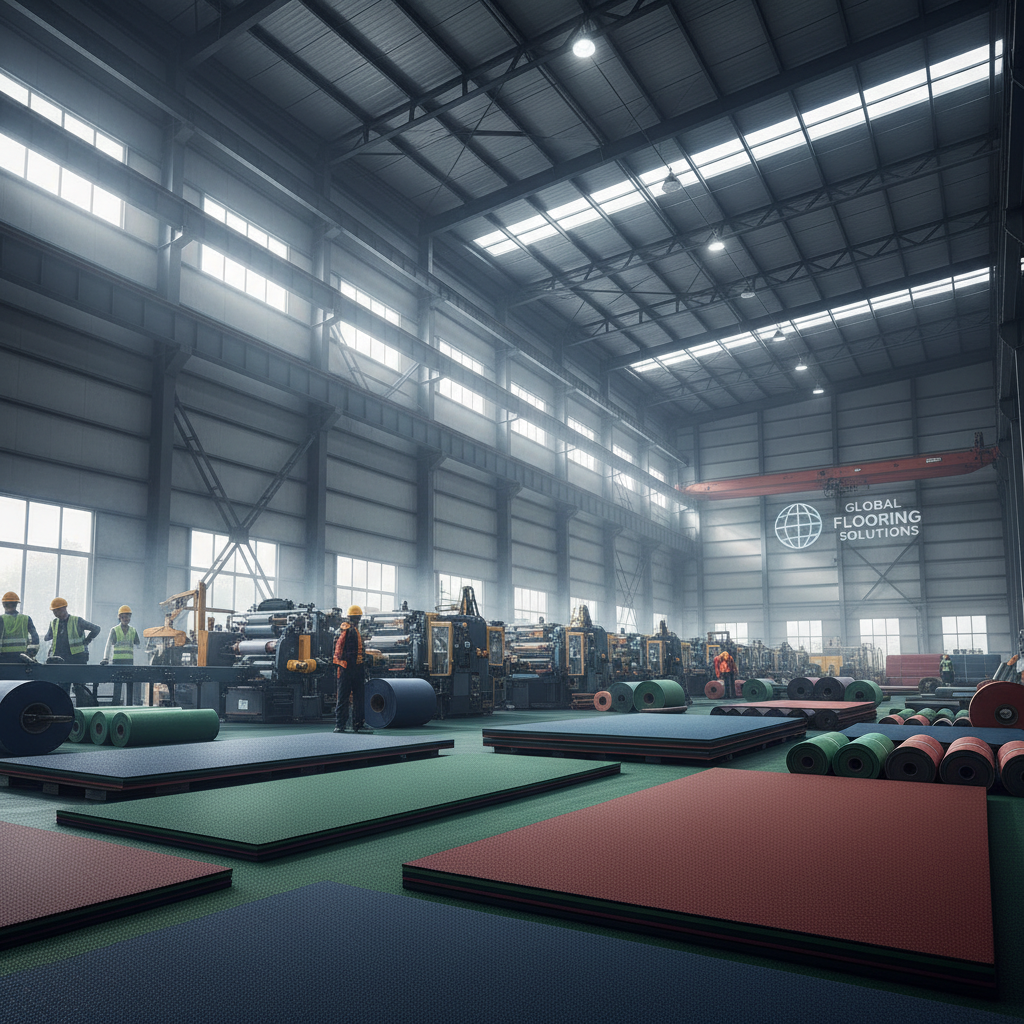
The connection to modern industry lies in the advanced material science and engineering involved in their creation. Manufacturers are continuously developing new polymers, coatings, and subfloor systems to improve performance characteristics and address specific sport requirements. This requires collaboration between sports scientists, engineers, and material specialists.
In the context of humanitarian needs, readily deployable and durable indoor sports floor systems can provide safe and accessible recreational spaces in refugee camps, disaster relief shelters, and other challenging environments, offering a vital element of normalcy and psychosocial support for affected populations.
Key Factors or Core Components
Durability: A crucial factor, determining the floor's lifespan and resistance to wear and tear from heavy use, impact, and abrasion. Higher durability translates to lower long-term maintenance costs and reduced replacement frequency. This is especially critical in high-traffic facilities.
Shock Absorption: Essential for reducing impact forces on athletes' joints and minimizing the risk of injuries such as stress fractures and concussions. Different sports require varying levels of shock absorption.
Energy Return: The ability of the floor to store and release energy, providing athletes with a more responsive and efficient surface to perform on. High energy return can enhance agility, speed, and jumping ability.
Lateral Traction: The level of grip the floor provides, preventing slips and falls while allowing for quick changes in direction. Appropriate traction varies depending on the sport and the type of footwear used.
Surface Consistency: Maintaining a uniform playing surface across the entire floor area is vital for fair and predictable ball behavior and consistent athlete performance. Variations in surface consistency can lead to unpredictable bounces and increased injury risk.
Maintenance Requirements: The ease with which a floor can be cleaned, repaired, and refinished impacts long-term costs and downtime. Floors requiring minimal maintenance are often preferred by busy facility managers.
Global Applications & Use Cases
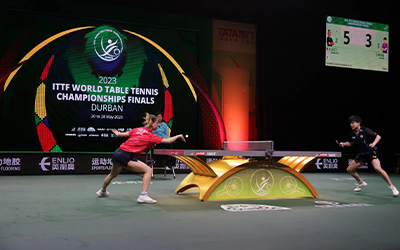
Indoor sports floor solutions are implemented in a vast range of settings worldwide. Professional basketball arenas, like the Barclays Center in New York, utilize maple hardwood floors for their optimal performance characteristics. Multi-purpose community centers often opt for synthetic surfaces, such as polyurethane or vinyl, offering versatility and durability for various activities.
In Europe, volleyball and badminton facilities frequently employ specialized vinyl floors designed to provide specific levels of shock absorption and lateral traction. Throughout Asia, the rapid growth of indoor sporting facilities has created a significant demand for affordable and durable flooring options.
Furthermore, in post-disaster relief operations, portable and easily installed sports flooring systems can quickly create safe and functional recreational spaces for displaced communities, providing a much-needed sense of normalcy and promoting physical and mental well-being.
Comparison of indoor sports floor Performance Metrics
Advantages & Long-Term Value
Investing in a quality indoor sports floor offers substantial advantages, extending far beyond initial costs. Reduced injury rates translate to lower healthcare expenses and insurance premiums for facilities and participants. The enhanced performance capabilities offered by optimal flooring can attract higher-level athletes and events, boosting revenue and prestige.
From a sustainability perspective, durable flooring systems minimize the need for frequent replacements, reducing waste and environmental impact. Choosing materials with low volatile organic compound (VOC) emissions contributes to improved indoor air quality, benefiting both athletes and facility staff. The long-term reliability of a well-maintained floor provides a sense of security and peace of mind.
Future Trends & Innovations
The future of indoor sports floor technology is focused on enhancing performance, sustainability, and connectivity. Research is underway on bio-based polymers and recycled materials to reduce the environmental footprint of flooring systems. Smart flooring incorporating sensors that track athlete movement, impact forces, and surface wear is also emerging.
Digital integration is poised to revolutionize sports floor management. Real-time data analytics can optimize training regimens, identify potential injury risks, and inform maintenance schedules. Furthermore, advancements in virtual reality and augmented reality are creating immersive training environments that leverage innovative flooring solutions to enhance the athlete experience.
Challenges & Solutions
One of the primary challenges facing the indoor sports flooring industry is the high initial cost of premium systems. However, life-cycle cost analysis often reveals that these systems offer superior value over the long term due to their increased durability and reduced maintenance requirements. Exploring financing options and leasing agreements can help mitigate upfront costs.
Another challenge is ensuring proper installation. Incorrect installation can compromise the performance and longevity of the floor. Employing certified installers and adhering to manufacturer guidelines are essential. The complexity of maintaining consistent surface characteristics across large areas also presents a challenge, necessitating regular inspections and targeted repairs.
Innovative solutions like prefabricated modular flooring systems can address installation challenges and reduce on-site construction time. Advanced coating technologies are enhancing durability and reducing maintenance needs.
Summary of Key Challenges & Solutions in Indoor Sports Floor Implementation
| Challenge Area |
Specific Challenge |
Potential Solution |
Implementation Difficulty (1-10) |
| Cost |
High upfront investment |
Life-cycle cost analysis, leasing options |
4 |
| Installation |
Improper installation affecting performance |
Certified installers, strict adherence to guidelines |
6 |
| Maintenance |
Maintaining consistent surface characteristics |
Regular inspections, targeted repairs |
5 |
| Sustainability |
Environmental impact of materials |
Bio-based polymers, recycled materials |
7 |
| Performance |
Balancing shock absorption and energy return |
Multi-layered systems, tailored material selection |
8 |
| Technology |
Integrating smart flooring technology |
Sensor integration, data analytics platforms |
9 |
FAQS
Hardwood floors, like maple, offer superior shock absorption and energy return, making them ideal for high-impact sports. However, they require significant maintenance and are susceptible to moisture damage. Synthetic floors, such as polyurethane or vinyl, are more durable, water-resistant, and require less maintenance, but may not offer the same level of performance characteristics as hardwood. The best choice depends on the specific sport, budget, and maintenance capabilities.
Shock absorption is critically important as it significantly reduces the impact forces on athletes' joints, minimizing the risk of injuries such as stress fractures, sprains, and concussions. Different sports require different levels of shock absorption; for example, basketball requires higher shock absorption than volleyball. Selecting a floor with the appropriate shock absorption rating is essential for athlete safety.
The lifespan of an indoor sports floor varies depending on the material and level of use. Hardwood floors, with proper maintenance (sanding and refinishing), can last 50 years or more. Synthetic floors, like polyurethane, typically have a lifespan of 10-20 years, while vinyl floors may last 15-25 years. Regular maintenance is crucial for maximizing the lifespan of any flooring system.
Flooring significantly impacts athlete performance through factors like shock absorption, energy return, and lateral traction. Optimal shock absorption reduces fatigue and improves endurance, while high energy return enhances agility and speed. Proper lateral traction prevents slips and falls, allowing for quick changes in direction. Selecting the right floor for a specific sport can give athletes a competitive edge.
Environmental considerations include the materials used, manufacturing processes, and end-of-life disposal. Choosing floors made from recycled materials, bio-based polymers, or with low VOC emissions can reduce environmental impact. Selecting durable systems that minimize the need for frequent replacements also contributes to sustainability.
Hardwood floors require regular cleaning, sanding, and refinishing to maintain their performance and appearance. Synthetic floors generally require less maintenance, primarily regular cleaning and occasional repairs. Specific maintenance requirements vary depending on the flooring material and usage level. Always follow the manufacturer’s recommendations for cleaning and maintenance procedures.
Conclusion
In conclusion, investing in a well-chosen indoor sports floor is a critical decision with far-reaching implications. It’s not merely about covering a space, but about creating a safe, high-performing environment that supports athletes, enhances the sporting experience, and contributes to the long-term value of the facility. The key considerations – durability, shock absorption, sustainability, and cost-effectiveness – must be carefully weighed to ensure an optimal outcome.
Looking ahead, advancements in materials science and digital technologies promise to further revolutionize the indoor sports flooring industry. Embracing these innovations, along with a commitment to sustainable practices, will be essential for creating the next generation of high-performance, environmentally responsible sports surfaces. Visit our website at www.enliosport.com to learn more about our comprehensive range of indoor sports flooring solutions.