
Floor vinyl has become a ubiquitous material in modern construction and interior design, prized for its versatility, durability, and cost-effectiveness. From residential homes to commercial spaces, healthcare facilities to educational institutions, floor vinyl provides a resilient and aesthetically pleasing surface underfoot. Its adaptability extends to a diverse range of applications, making it a cornerstone material in creating functional and inviting environments globally. The continuous innovation within the floor vinyl industry consistently pushes the boundaries of design and performance.
The global demand for floor vinyl is driven by a confluence of factors, including increasing urbanization, expanding construction activity, and a growing preference for easy-to-maintain flooring solutions. According to industry reports, the global floor vinyl market is projected to reach substantial growth figures in the coming years, underscoring its significance in the building materials sector. Challenges such as sustainable sourcing and recyclability are propelling the development of eco-friendly alternatives, aligning with growing environmental concerns. Understanding the nuances of floor vinyl is crucial for architects, designers, contractors, and homeowners alike.
Ultimately, floor vinyl offers a compelling balance of performance, aesthetics, and value, making it a favored choice across various sectors and geographies. Its widespread adoption reflects its ability to meet the evolving needs of a dynamic world.
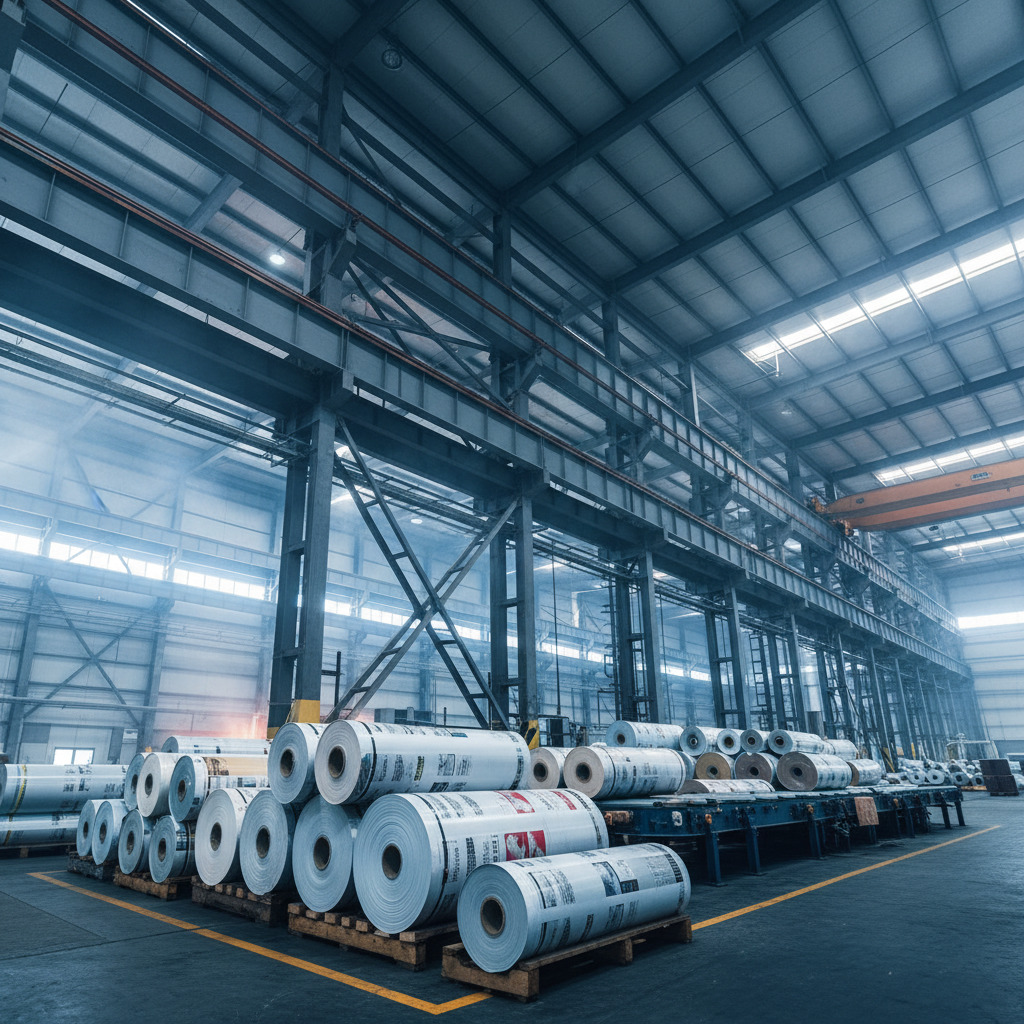
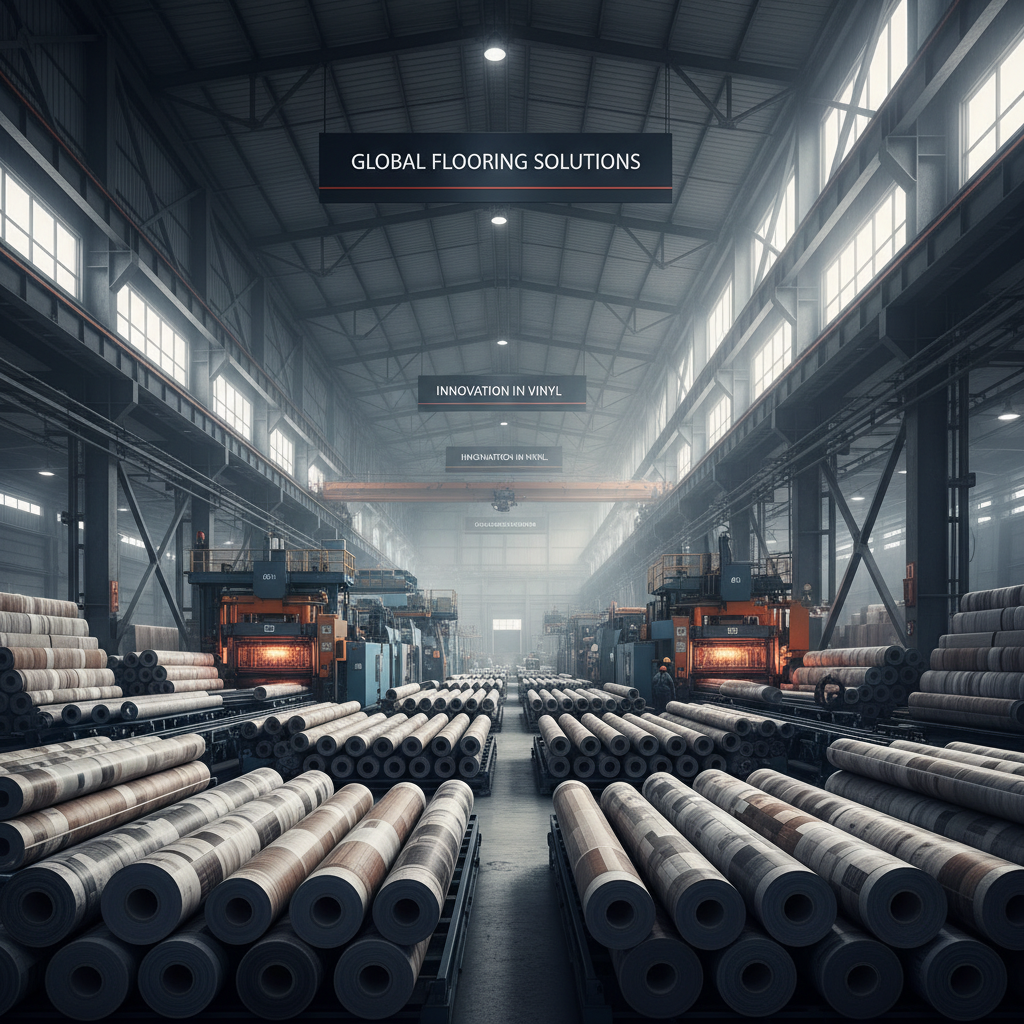
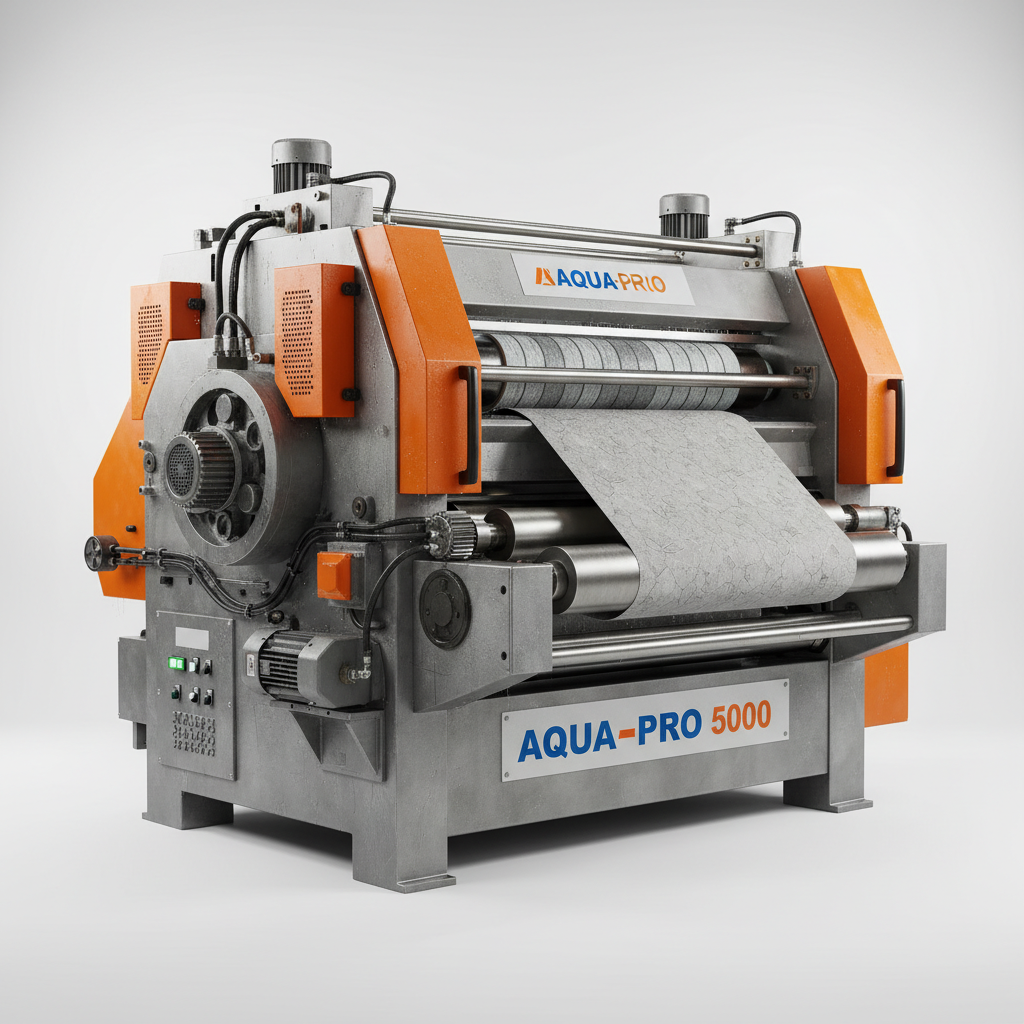
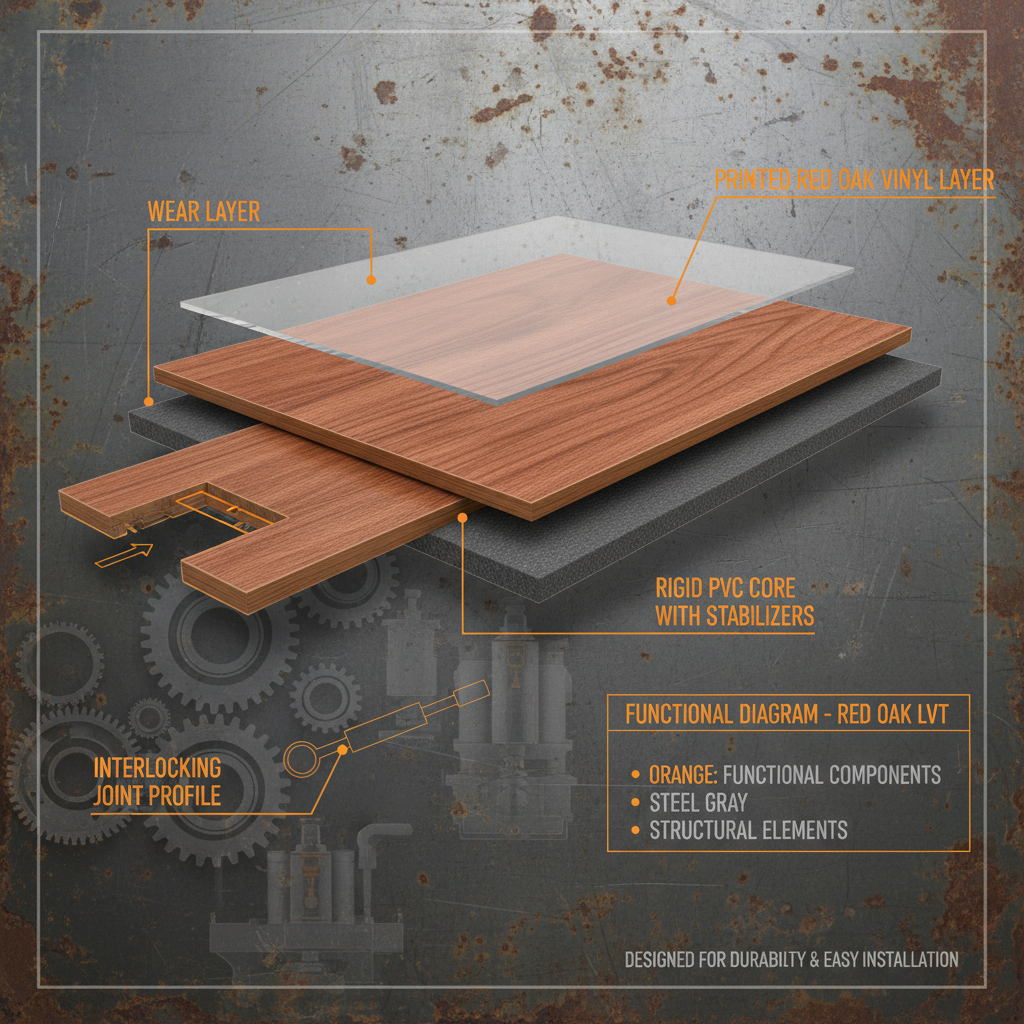
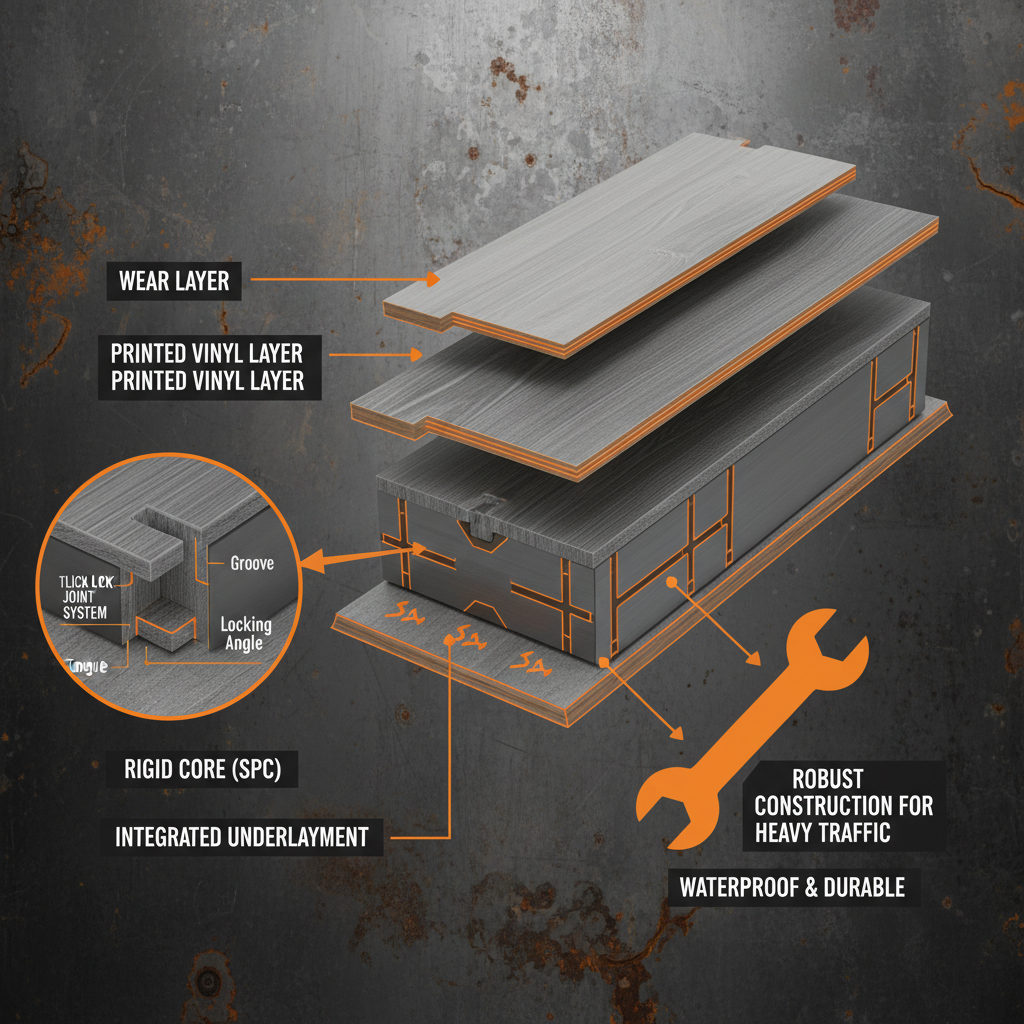
Floor vinyl, in its simplest form, represents a synthetic flooring material designed to mimic the appearance of natural materials like wood, stone, or tile, while offering enhanced durability and ease of maintenance. Its composition typically includes polyvinyl chloride (PVC) alongside plasticizers and stabilizers, resulting in a resilient and waterproof surface. Modern advancements have significantly broadened the range of floor vinyl products available, catering to diverse aesthetic preferences and functional requirements.
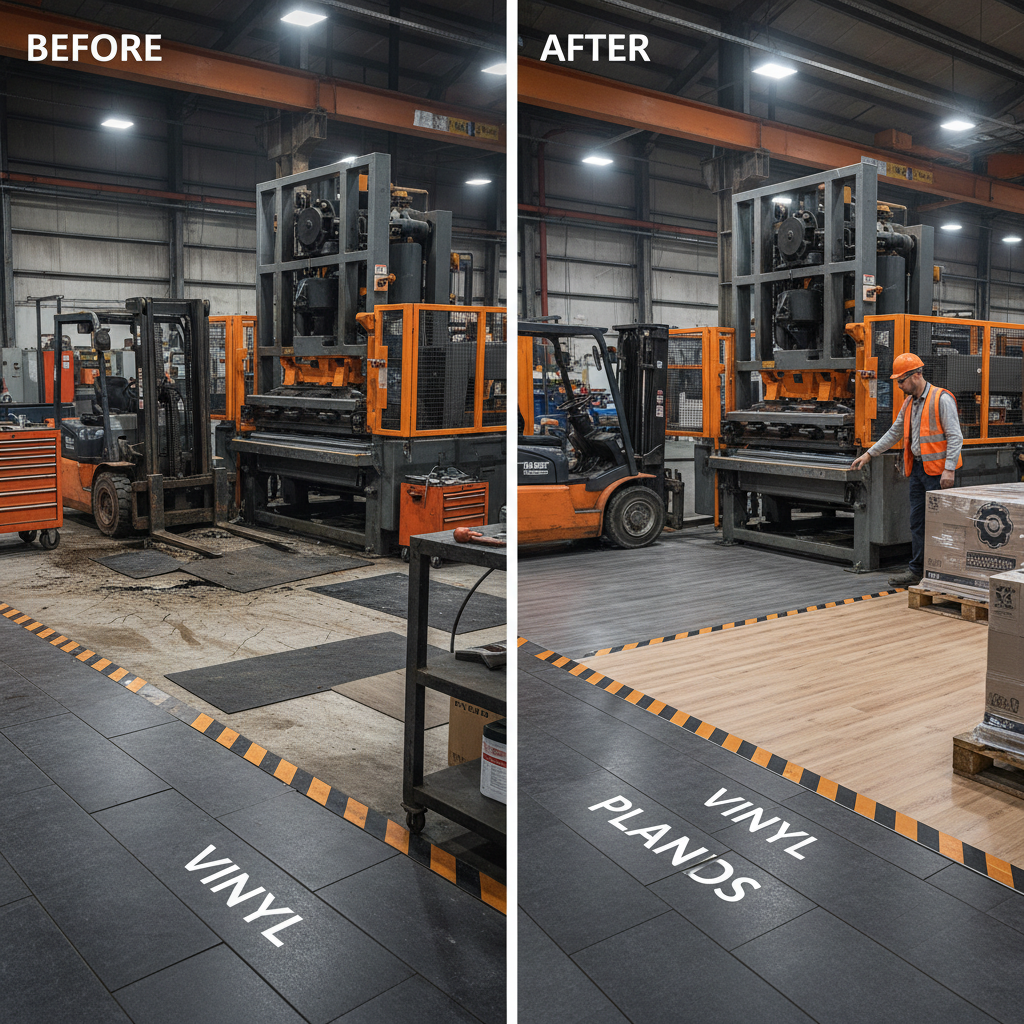
The versatility of floor vinyl stems from its ease of installation, availability in numerous colors and patterns, and suitability for a variety of applications. It’s a popular choice for both residential and commercial settings, including kitchens, bathrooms, living rooms, healthcare facilities, and retail spaces. The market continues to demonstrate strong growth, fueled by innovations in design and manufacturing techniques, like enhanced embossing and realistic printing.
The lifespan of floor vinyl varies depending on the quality of the product and the level of traffic it experiences. Generally, sheet vinyl can last 10-20 years, while luxury vinyl tile (LVT) and luxury vinyl plank (LVP) can last 15-25 years or even longer with proper maintenance. Wear layer thickness is a crucial factor influencing longevity; thicker wear layers offer greater resistance to abrasion and extend the floor’s lifespan. Regular cleaning and avoiding harsh chemicals will also contribute to a longer-lasting floor vinyl installation.
Floor vinyl is generally considered waterproof, particularly luxury vinyl tile (LVT) and luxury vinyl plank (LVP). Its non-porous surface prevents water from penetrating the core, making it an excellent choice for areas prone to moisture, such as kitchens, bathrooms, and basements. Sheet vinyl also offers excellent water resistance, although seams can potentially allow water intrusion if not properly sealed. Proper installation and regular maintenance are essential to maintain its waterproof qualities.
Floor vinyl generally outperforms laminate flooring in terms of durability, particularly regarding water resistance. Laminate is susceptible to swelling and damage when exposed to moisture, while floor vinyl is waterproof. Floor vinyl also tends to be more comfortable underfoot and quieter to walk on compared to laminate. However, laminate can sometimes be more resistant to fading from sunlight. The best choice depends on the specific application and priorities.
The sustainability of floor vinyl is a growing focus. While traditional PVC production has environmental concerns, manufacturers are increasingly using recycled content and developing bio-based PVC alternatives. Floor vinyl's long lifespan reduces the need for frequent replacements, minimizing waste. Look for certifications like FloorScore and phthalate-free options to ensure a more environmentally friendly product. Proper disposal and recycling programs are also important considerations.
Regular cleaning is key to maintaining floor vinyl's appearance. Sweep or vacuum regularly to remove dirt and debris. Damp mop with a neutral pH cleaner, avoiding harsh chemicals or abrasive cleaners that can damage the wear layer. Avoid using excessive water, which can seep into seams. Protect furniture legs with felt pads to prevent scratches and dents. Follow the manufacturer’s specific cleaning recommendations for optimal results.
In many cases, floor vinyl can be installed over existing flooring, such as concrete, tile, or wood, provided the subfloor is clean, level, and dry. However, certain conditions may require subfloor preparation, such as leveling uneven surfaces or patching cracks. It’s crucial to check the manufacturer’s installation guidelines and assess the condition of the existing floor before proceeding. Using an underlayment can provide additional cushioning and sound insulation.
In conclusion, floor vinyl stands as a remarkably versatile and beneficial flooring solution, offering a compelling combination of durability, aesthetic appeal, affordability, and increasingly, sustainability. Its adaptability to diverse applications, from residential spaces to high-traffic commercial environments, underscores its significance in modern construction and interior design. Continuous innovation within the industry promises further advancements in performance, environmental responsibility, and design capabilities.
Looking ahead, the growing emphasis on eco-friendly materials and sustainable practices will drive further development of bio-based and recycled floor vinyl options. Embracing these advancements will be crucial for architects, designers, and homeowners seeking to create functional, aesthetically pleasing, and environmentally conscious spaces. Visit our website to explore a wide range of floor vinyl options and discover the perfect solution for your project: floor vinyl.