Indoor sports flooring is a critical component of modern athletic facilities, encompassing a wide range of materials and systems designed to enhance performance, minimize injury risk, and provide a durable surface for various sports. Globally, the demand for high-quality indoor sports flooring is increasing, driven by growing participation in sports, rising health and wellness awareness, and a surge in the construction of modern sports complexes. This specialized flooring isn't merely a surface; it's a foundational element in creating safe, effective, and enjoyable environments for athletes of all levels.
The relevance of indoor sports flooring extends beyond professional arenas. From school gymnasiums and community centers to private fitness studios and multi-purpose recreational facilities, the need for suitable surfaces is widespread. According to the World Bank, investments in sports infrastructure contribute significantly to public health and social development. Properly designed indoor sports flooring contributes to this positive impact by supporting athletic activity, promoting physical well-being, and fostering a sense of community. This creates a strong global market and demand for innovative solutions.
Understanding the nuances of indoor sports flooring – its types, installation, maintenance, and performance characteristics – is vital for architects, facility managers, athletic directors, and anyone involved in the design or operation of indoor sports venues. The benefits range from improved athlete safety and enhanced athletic performance to cost savings through reduced maintenance and increased lifespan of the flooring system. Choosing the right flooring solution directly impacts the usability and value of the entire facility.
Introduction to Indoor Sports Flooring
Indoor sports flooring is more than just a surface for play; it’s a specialized system engineered for specific athletic requirements. Different sports necessitate different levels of shock absorption, traction, and ball rebound. From basketball and volleyball to badminton and squash, the optimal flooring material dramatically influences athlete performance and safety. Understanding these specific needs is paramount in selecting the right indoor sports flooring for a particular venue.
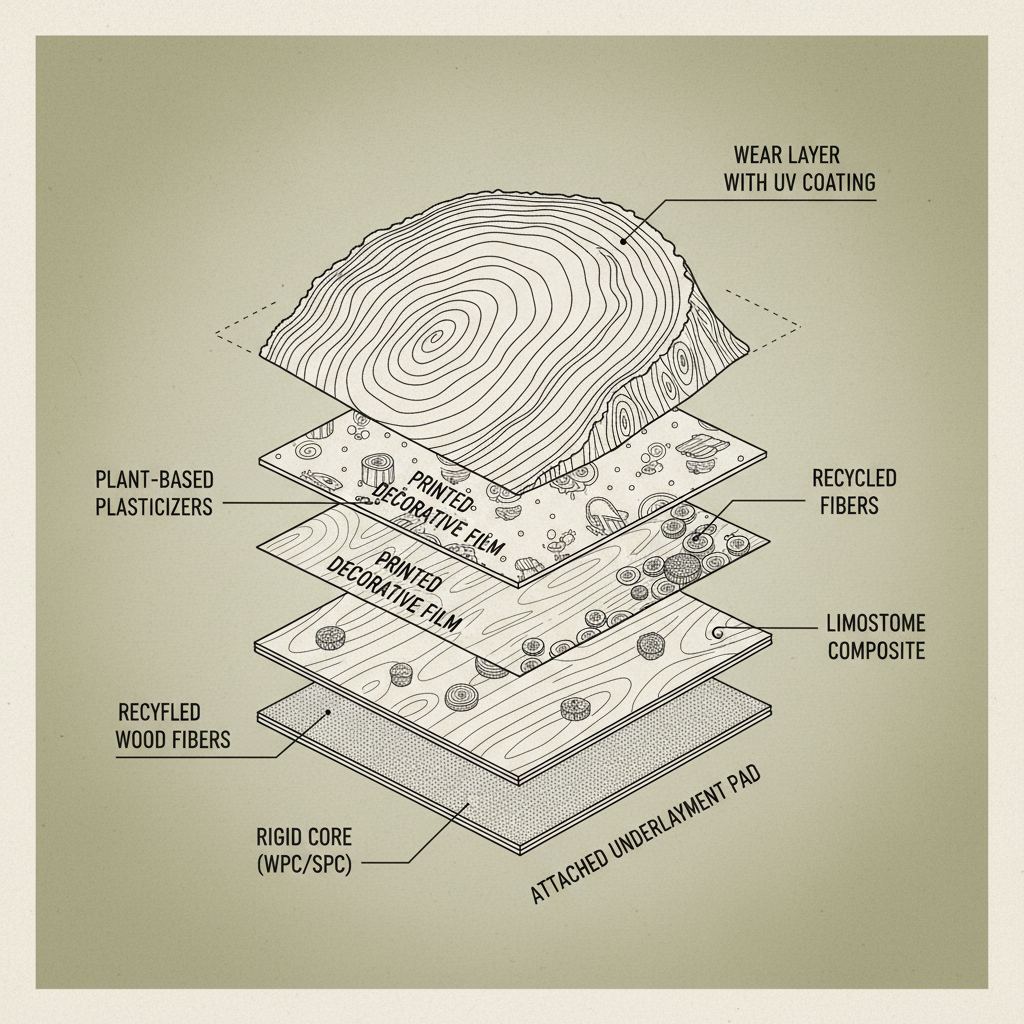
The advancements in materials science have revolutionized the indoor sports flooring industry, offering a diverse array of options. Polyurethane, PVC, polypropylene, rubber, and wood are among the common materials used, each possessing unique characteristics and performance attributes. Choosing the appropriate material involves considering factors like durability, cost, maintenance requirements, and environmental impact.
Defining Indoor Sports Flooring
Indoor sports flooring refers to the specialized surfaces installed in enclosed athletic facilities, designed to support a wide variety of physical activities. These surfaces differ significantly from standard flooring materials found in residential or commercial buildings, as they prioritize athletic performance, injury prevention, and long-term durability. Essentially, it’s engineered to withstand the constant impact, abrasion, and dynamic movements inherent in sports.
Its connection to modern industry lies in the application of advanced polymer chemistry and manufacturing techniques. The development of high-performance polyurethane systems, for example, has enabled the creation of flooring surfaces with exceptional shock absorption and energy return properties. This reflects a broader trend toward utilizing material science to enhance athletic equipment and facilities.
Furthermore, indoor sports flooring plays a role in addressing humanitarian needs, particularly in creating safe and accessible spaces for physical activity in underserved communities. Providing quality sports infrastructure can foster community engagement, promote health and wellness, and offer opportunities for personal development, ultimately contributing to a higher quality of life.
Key Factors in Indoor Sports Flooring Selection
Selecting the correct indoor sports flooring demands careful consideration of several key factors. First and foremost is Durability, the ability of the flooring to withstand repeated use, heavy impact, and abrasion without significant degradation. A durable surface minimizes the need for frequent repairs or replacements, saving on long-term costs.
Next is Shock Absorption, a crucial element in reducing the risk of injuries, particularly impact-related ones like joint stress and concussion. Different sports require varying levels of shock absorption, and the flooring should be tailored to the specific activities it will support. This influences comfort and performance.
Slip Resistance is another essential aspect. The flooring must provide adequate traction to prevent slips and falls, while also allowing for controlled movements and quick changes in direction. The surface texture and coating play a significant role in achieving optimal slip resistance. Then there’s Maintenance Requirements, factoring in ease of cleaning, repair, and overall upkeep. Lower-maintenance flooring options can save on labor costs and downtime. Finally, Cost Efficiency considering both the initial investment and the long-term cost of ownership, including maintenance and potential replacements.
Global Applications of Indoor Sports Flooring
Indoor sports flooring finds application across a broad spectrum of global settings. In Europe, high-performance polyurethane surfaces are prevalent in professional basketball arenas and volleyball courts, emphasizing athlete safety and performance. North America commonly utilizes maple wood flooring in basketball courts and multi-purpose gymnasiums, valued for its aesthetic appeal and traditional feel.
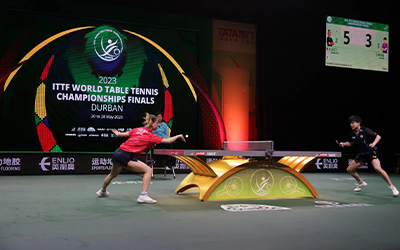
Asia's rapidly growing sports infrastructure is driving demand for versatile PVC flooring systems in badminton courts, table tennis facilities, and fitness centers, prioritizing affordability and ease of installation. Moreover, in regions prone to natural disasters, modular indoor sports flooring systems are increasingly used in temporary shelters and recovery centers, offering a safe and hygienic surface for physical activity.
Organizations like the International Olympic Committee (IOC) and various national sports federations establish stringent standards for indoor sports flooring, ensuring consistent performance and athlete safety across global competitions. This pushes constant innovation and quality control within the industry.
Indoor Sports Flooring Market Share by Material Type
Advantages & Long-Term Value
The advantages of investing in quality indoor sports flooring extend beyond immediate performance gains. Cost savings are significant; durable flooring reduces the frequency of repairs and replacements, leading to lower lifecycle costs. Sustainability is also a growing benefit, with many manufacturers offering eco-friendly materials and responsible manufacturing processes, reducing the environmental footprint.
The social impact is substantial. Safe and well-maintained indoor sports facilities contribute to community well-being, promoting physical activity, reducing obesity rates, and fostering a sense of belonging. From a reliability standpoint, consistent performance and minimal downtime ensure uninterrupted training and competition. These factors combine to build trust and enhance the reputation of athletic organizations.
Future Trends & Innovations
The future of indoor sports flooring is poised for exciting innovations. We’re seeing increasing development of smart flooring systems incorporating sensors to track athlete movements, measure impact forces, and provide real-time performance data. These systems can be integrated with wearable technology for comprehensive athlete monitoring and injury prevention.
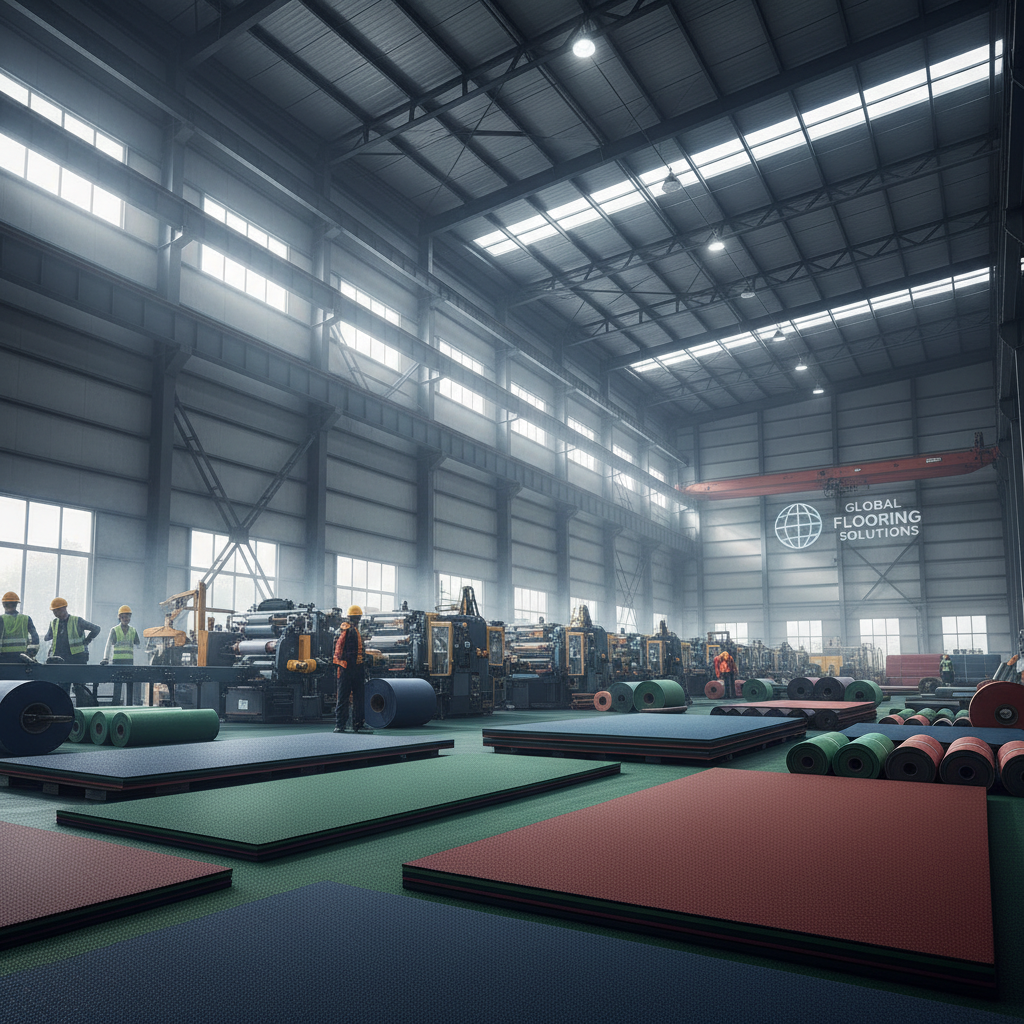
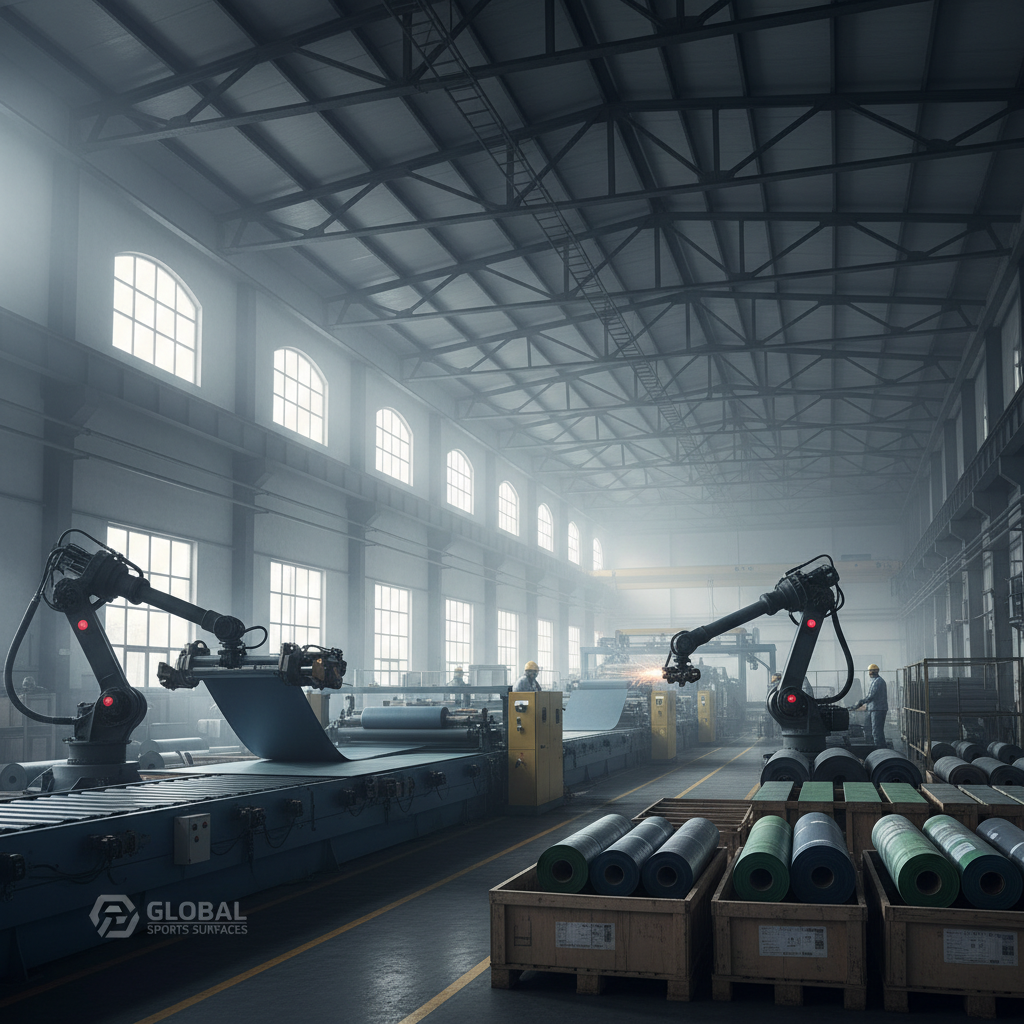
Furthermore, advancements in sustainable materials, such as recycled rubber and bio-based polymers, are gaining traction. Digital transformation plays a role in virtual reality and augmented reality training applications, which require specialized flooring to accurately simulate real-world playing conditions. Automation in the manufacturing process will also lead to more precise and efficient production of high-performance flooring solutions.
Challenges & Solutions
Despite advancements, challenges remain in the indoor sports flooring industry. One common issue is the high initial cost of some high-performance materials, limiting accessibility for smaller facilities. A solution lies in exploring more affordable, yet durable, alternatives and offering flexible financing options.
Another challenge is ensuring consistent installation quality, as improper installation can compromise performance and longevity. Investing in certified installers and providing comprehensive training programs is crucial. Addressing environmental concerns related to material sourcing and end-of-life disposal requires a shift towards circular economy principles, promoting recycling and reuse of flooring materials.
Finally, accommodating the diverse demands of different sports on a single surface can be difficult. Modular flooring systems that allow for customized configurations and surface properties provide a versatile solution, adapting to the specific needs of various athletic activities.
Summary of Key Challenges and Potential Solutions in Indoor Sports Flooring
| Challenge |
Impact on Performance |
Potential Solution |
Implementation Cost (1-10) |
| High Initial Cost |
Limits accessibility for smaller facilities. |
Explore affordable alternatives & flexible financing. |
4 |
| Inconsistent Installation |
Compromises performance & longevity. |
Certified installers & training programs. |
6 |
| Environmental Impact |
Unsustainable materials & disposal. |
Circular economy principles - recycle & reuse. |
7 |
| Sport-Specific Requirements |
Difficult to accommodate diverse demands. |
Modular flooring for customized configurations. |
5 |
| Durability Concerns |
Frequent repairs and replacements are needed. |
Invest in high-quality, wear-resistant materials. |
8 |
| Maintenance Requirements |
High maintenance costs and downtime. |
Select low-maintenance materials & cleaning protocols. |
3 |
FAQS
For high-impact sports like basketball and volleyball, polyurethane and rubber flooring are excellent choices. These materials offer superior shock absorption, reducing the risk of injuries. Polyurethane provides a more consistent playing surface, while rubber is known for its durability and resilience. The best option depends on the specific activity, budget, and desired performance characteristics. Consider factors like ball rebound, slip resistance, and long-term maintenance when making a decision.
The subfloor is absolutely critical. It provides the foundation for the sports surface and significantly impacts shock absorption, cushioning, and overall performance. A properly prepared and leveled subfloor is essential for preventing unevenness and ensuring consistent play. In some cases, a separate subfloor system may be installed to enhance shock absorption and minimize the risk of injuries, particularly in areas with concrete substrates.
The lifespan varies significantly. Maple wood flooring, with proper maintenance, can last 50+ years. Polyurethane flooring typically lasts 10-20 years. PVC flooring has a lifespan of 10-15 years, while rubber flooring can last 15-20 years. The actual lifespan depends on usage frequency, maintenance practices, and the quality of the initial installation. Regular cleaning, periodic resurfacing, and prompt repair of damage are key to maximizing the lifespan of any indoor sports flooring system.
Proper cleaning and maintenance are crucial for preserving the performance and extending the lifespan of your indoor sports flooring. Regularly sweep or vacuum to remove debris. Use a pH-neutral cleaner specifically designed for the flooring material. Avoid abrasive cleaners and excessive water. Periodically resurface or recoat the flooring to restore its appearance and protective properties. Follow the manufacturer's recommendations for cleaning and maintenance procedures.
Yes, increasingly there are! Recycled rubber flooring is a sustainable option, utilizing post-consumer tire material. Bio-based polyurethane systems are also available, reducing reliance on fossil fuels. Look for flooring products with certifications like LEED (Leadership in Energy and Environmental Design) to ensure they meet stringent environmental standards. Choosing sustainable flooring contributes to a healthier indoor environment and reduces the overall environmental impact.
The cost varies widely based on the material, subfloor requirements, and installation complexity. Maple wood flooring is generally the most expensive, ranging from $8 to $15 per square foot installed. Polyurethane flooring typically costs $6 to $12 per square foot, while PVC flooring is more affordable at $3 to $8 per square foot. Rubber flooring falls in the $5 to $10 per square foot range. Labor costs and site preparation can add significantly to the overall project expense.
Conclusion
In conclusion, indoor sports flooring is a critical element in creating safe, effective, and enjoyable athletic environments. From its impact on athlete performance and injury prevention to its role in sustainability and community development, the benefits of investing in quality flooring solutions are undeniable. Understanding the key factors in material selection, installation, and maintenance is essential for maximizing the long-term value of any sports facility.
Looking ahead, continued innovation in materials science, smart technology, and sustainable practices will further enhance the performance and environmental responsibility of indoor sports flooring. By embracing these advancements and prioritizing athlete safety and well-being, we can create world-class facilities that inspire athletic achievement and promote a healthy lifestyle for generations to come. Visit our website at indoor sports flooring for more information.