Artificial flooring represents a significant advancement in materials science and construction, offering durable, versatile, and cost-effective solutions for a wide range of applications. From residential spaces to large-scale industrial facilities, and increasingly in humanitarian aid and rapid deployment scenarios, the demand for high-quality artificial flooring is constantly growing. Understanding its properties, applications, and future trends is crucial for professionals in architecture, construction, disaster relief, and various related fields.
Globally, the artificial flooring market is experiencing substantial growth, driven by factors such as increasing urbanization, rising disposable incomes, and a growing preference for aesthetically pleasing and practical flooring solutions. According to reports from the World Bank, the construction sector is a major contributor to global GDP, and flooring represents a significant portion of construction costs. This presents a huge opportunity for innovative artificial flooring products that can address challenges related to sustainability, cost, and installation time.
The rise of artificial flooring also addresses challenges like material scarcity and the environmental impact of traditional flooring options. Its adaptability to diverse environments and its ability to mimic the look and feel of natural materials, while providing enhanced performance characteristics, makes it an increasingly sought-after alternative.
Introduction to artificial flooring
Artificial flooring encompasses a broad spectrum of manufactured materials designed to replicate the appearance and functionality of natural flooring options like wood, stone, and tile. However, it distinguishes itself through enhanced durability, ease of maintenance, and design flexibility. This has led to its widespread adoption in both residential and commercial settings, driven by a desire for cost-effective, long-lasting, and visually appealing flooring solutions.
The development of artificial flooring is directly linked to advancements in polymer chemistry and manufacturing processes. Initially focused on providing a more affordable alternative to natural materials, it has evolved to offer superior performance characteristics, including resistance to water, stains, and wear. Modern artificial flooring options are also increasingly incorporating sustainable materials and environmentally friendly production methods, aligning with growing consumer demand for eco-conscious products.
Defining Artificial Flooring
Artificial flooring, in its simplest terms, refers to any flooring material that is manufactured rather than sourced directly from nature. This includes a diverse range of products, such as luxury vinyl tile (LVT), laminate flooring, engineered wood, rubber flooring, and various types of synthetic carpets. The common thread uniting these materials is their creation through industrial processes, designed to mimic the aesthetic qualities of natural materials while providing enhanced performance.
The emergence of artificial flooring is closely tied to the demands of modern industry and construction. As populations grew and urbanization accelerated, the need for readily available, cost-effective building materials increased dramatically. Artificial flooring provided a scalable solution, capable of meeting these demands without depleting natural resources or relying on geographically limited supplies.
Moreover, artificial flooring plays a crucial role in addressing humanitarian needs. Its ease of installation, durability, and hygienic properties make it ideal for use in temporary shelters, refugee camps, and disaster relief efforts, providing safe and comfortable living spaces for displaced populations.
Key Components of artificial flooring
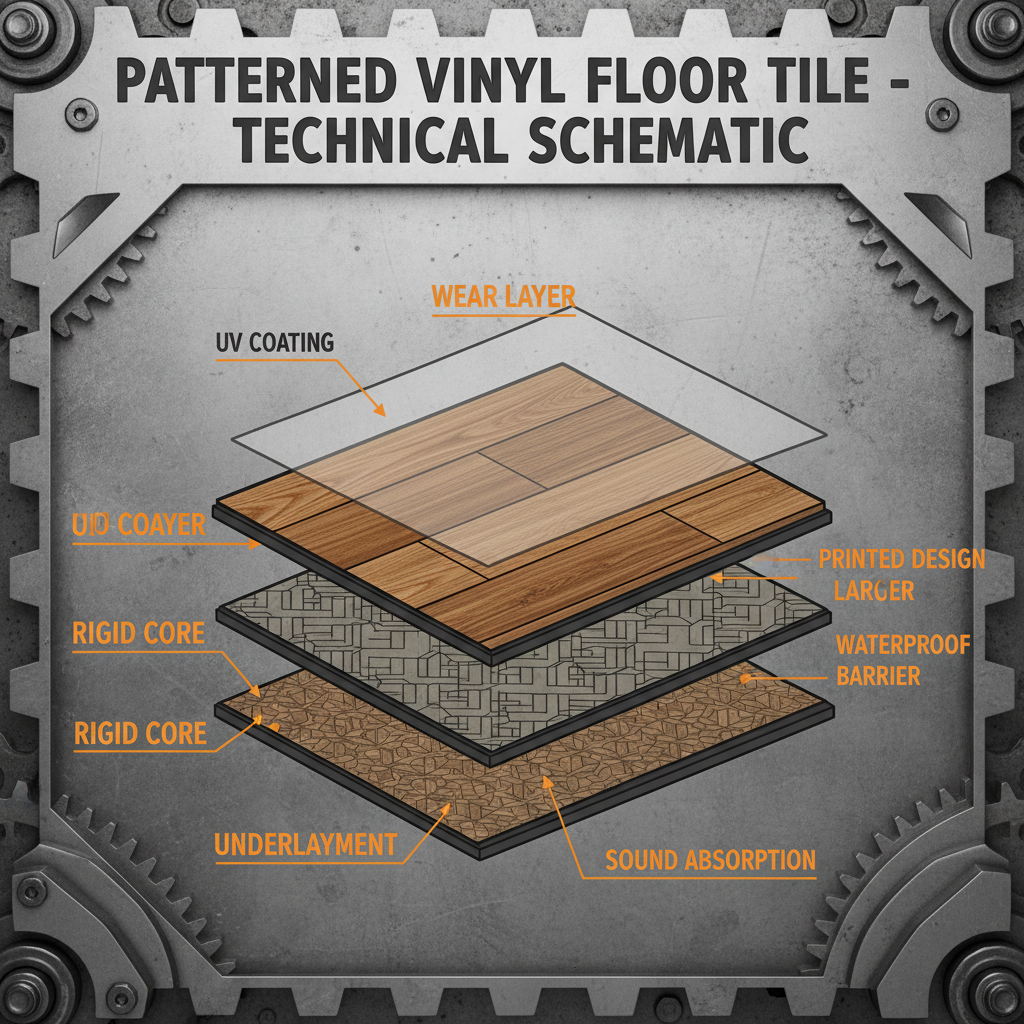
Durability is a cornerstone of artificial flooring. Materials are engineered to withstand heavy foot traffic, resist scratches, and maintain their appearance over extended periods. This is particularly important in high-traffic commercial environments, where flooring is subjected to constant wear and tear. The composition of the materials, often involving multiple layers and protective coatings, contributes significantly to their longevity.
Cost-efficiency is another critical benefit. Artificial flooring typically requires less expensive materials and simpler installation processes compared to natural alternatives like hardwood or marble. This translates into significant savings for both residential and commercial property owners, making it an attractive option for budget-conscious projects.
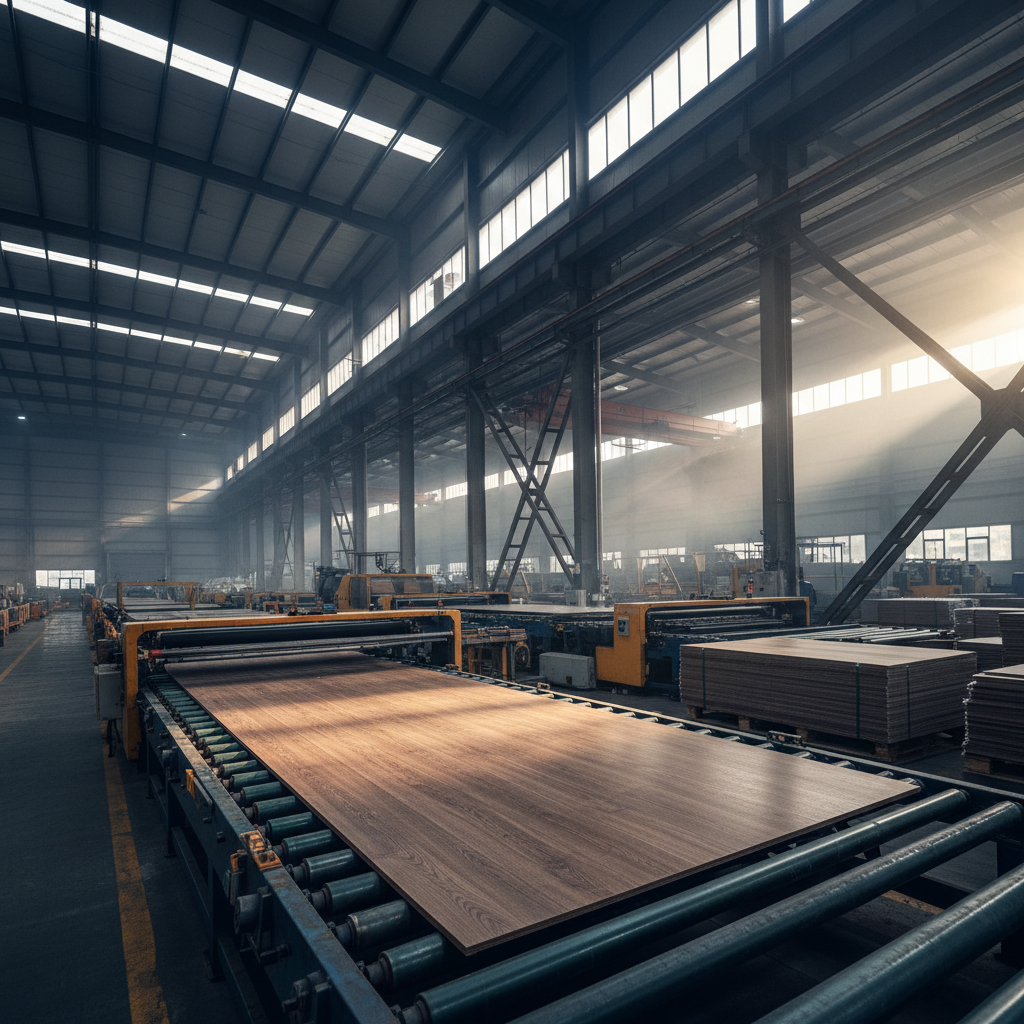
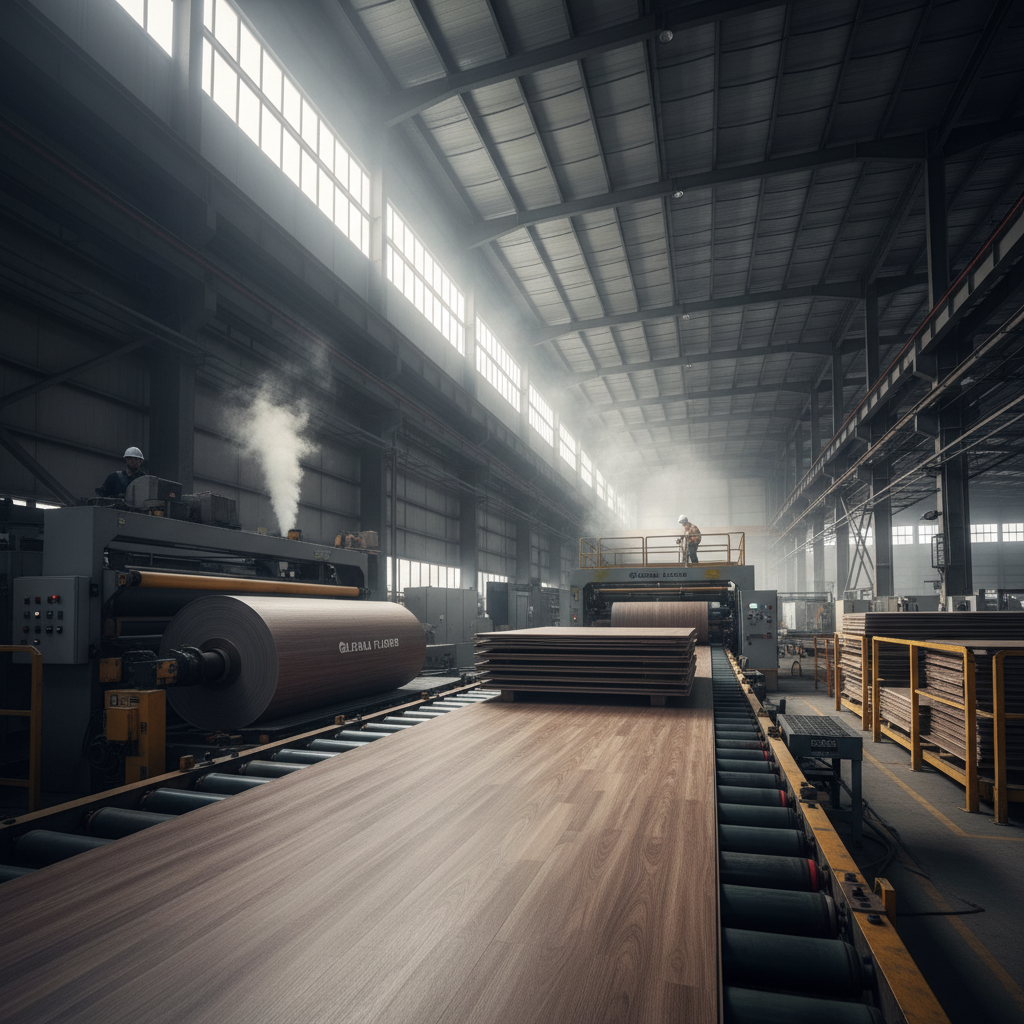
Scalability is a key advantage, allowing for mass production and quick deployment. This makes artificial flooring ideal for large-scale projects, such as commercial developments, schools, and hospitals, where consistent quality and timely completion are paramount. Manufacturers can readily adjust production volumes to meet fluctuating demand.
Global Applications of artificial flooring
Artificial flooring finds widespread use in residential buildings, providing homeowners with durable, stylish, and easy-to-maintain flooring options for kitchens, bathrooms, living rooms, and bedrooms. It's a popular choice for families with children and pets due to its resistance to stains and scratches.
Commercial spaces, such as offices, retail stores, and hospitals, frequently utilize artificial flooring due to its ability to withstand heavy foot traffic and maintain a professional appearance. Rubber flooring, for instance, is commonly used in gyms and fitness centers due to its shock absorption and slip-resistance properties.
In post-disaster relief operations, rapidly deployable artificial flooring solutions provide safe, sanitary, and comfortable living spaces for displaced populations. Organizations like the Red Cross and Doctors Without Borders often rely on these materials to quickly establish temporary shelters and healthcare facilities in crisis zones.
Performance Comparison of Artificial Flooring Types
Advantages of artificial flooring
One of the most significant advantages of artificial flooring is its cost-effectiveness. Compared to natural materials like hardwood or stone, artificial flooring typically requires lower initial investment and reduced long-term maintenance expenses. This makes it accessible to a wider range of consumers and businesses.
Sustainability is another key benefit. Many artificial flooring products are manufactured using recycled materials or renewable resources, minimizing their environmental impact. Additionally, their durability reduces the need for frequent replacements, further contributing to resource conservation.
Future Trends in artificial flooring
The future of artificial flooring is being shaped by several key trends, including the development of bio-based materials, which utilize renewable resources like plant fibers and agricultural waste to create more sustainable flooring options. These materials offer a reduced carbon footprint and contribute to a circular economy.
Digital printing technologies are also revolutionizing the design possibilities of artificial flooring, allowing for highly realistic and customized patterns. This enables manufacturers to create flooring that perfectly mimics the look of natural materials while offering unique design features.
Smart flooring, incorporating sensors and connectivity, is an emerging trend. This technology can monitor foot traffic, detect leaks, and even adjust temperature, enhancing building management and occupant comfort.
Challenges and Solutions for artificial flooring
One of the primary challenges associated with artificial flooring is the potential for off-gassing of volatile organic compounds (VOCs), which can impact indoor air quality. To address this, manufacturers are increasingly developing low-VOC and VOC-free products, utilizing water-based adhesives and environmentally friendly coatings.
Another challenge is the perception that artificial flooring lacks the authenticity and warmth of natural materials. However, advancements in manufacturing technology, such as embossing and digital printing, are allowing manufacturers to create increasingly realistic textures and patterns that closely mimic the look and feel of natural wood and stone.
Finally, the proper disposal and recycling of artificial flooring materials can be challenging. Developing more robust recycling programs and utilizing biodegradable materials are crucial steps toward creating a more sustainable lifecycle for these products.
Summary of Artificial Flooring Challenges and Mitigation Strategies
| Challenge |
Impact Area |
Mitigation Strategy |
Implementation Cost (1-10) |
| VOC Emissions |
Indoor Air Quality |
Utilize Low-VOC and VOC-Free Materials |
6 |
| Perceived Lack of Authenticity |
Aesthetic Appeal |
Advanced Texturing and Digital Printing |
7 |
| Recycling Challenges |
Environmental Impact |
Develop Robust Recycling Programs |
8 |
| Durability Concerns (Specific Types) |
Long-Term Performance |
Material Innovation and Enhanced Coatings |
5 |
| Installation Complexity |
Labor Costs & Time |
Click-Lock Systems & Simplified Installation Guides |
4 |
| Initial Material Cost |
Project Budget |
Value Engineering & Alternative Material Selection |
3 |
FAQS
Laminate flooring is a multi-layer synthetic flooring product fused together with a lamination process. It typically uses a high-density fiberboard (HDF) core and a photographic applique layer to simulate wood or stone. Vinyl flooring, on the other hand, is made entirely of synthetic materials like PVC and can be more water-resistant. Vinyl often feels softer underfoot and offers more design flexibility, while laminate is generally more affordable and scratch-resistant.
The lifespan of artificial flooring varies depending on the material and level of use. Luxury Vinyl Tile (LVT) can last 20-25 years with proper care. Laminate typically lasts 10-20 years. Rubber flooring, common in gyms, can last 10-15 years. Regular cleaning, avoiding abrasive materials, and addressing spills promptly will maximize the lifespan of any artificial flooring product.
While not all artificial flooring is suitable for wet areas, certain types like luxury vinyl tile (LVT) and vinyl sheet flooring are excellent choices for bathrooms and kitchens. These materials are waterproof or highly water-resistant, preventing moisture damage. It’s important to ensure seams are properly sealed to prevent water penetration.
Many artificial flooring products are made with recycled content, reducing waste. Manufacturing processes are becoming more eco-friendly with lower VOC emissions. Furthermore, the durability of artificial flooring means less frequent replacement, conserving resources. The use of bio-based materials in some products further enhances their sustainability.
Regular sweeping or vacuuming is essential to remove dirt and debris. For more thorough cleaning, use a damp mop with a pH-neutral cleaner specifically designed for the flooring type. Avoid abrasive cleaners and excessive water. Follow the manufacturer’s instructions for specific cleaning recommendations.
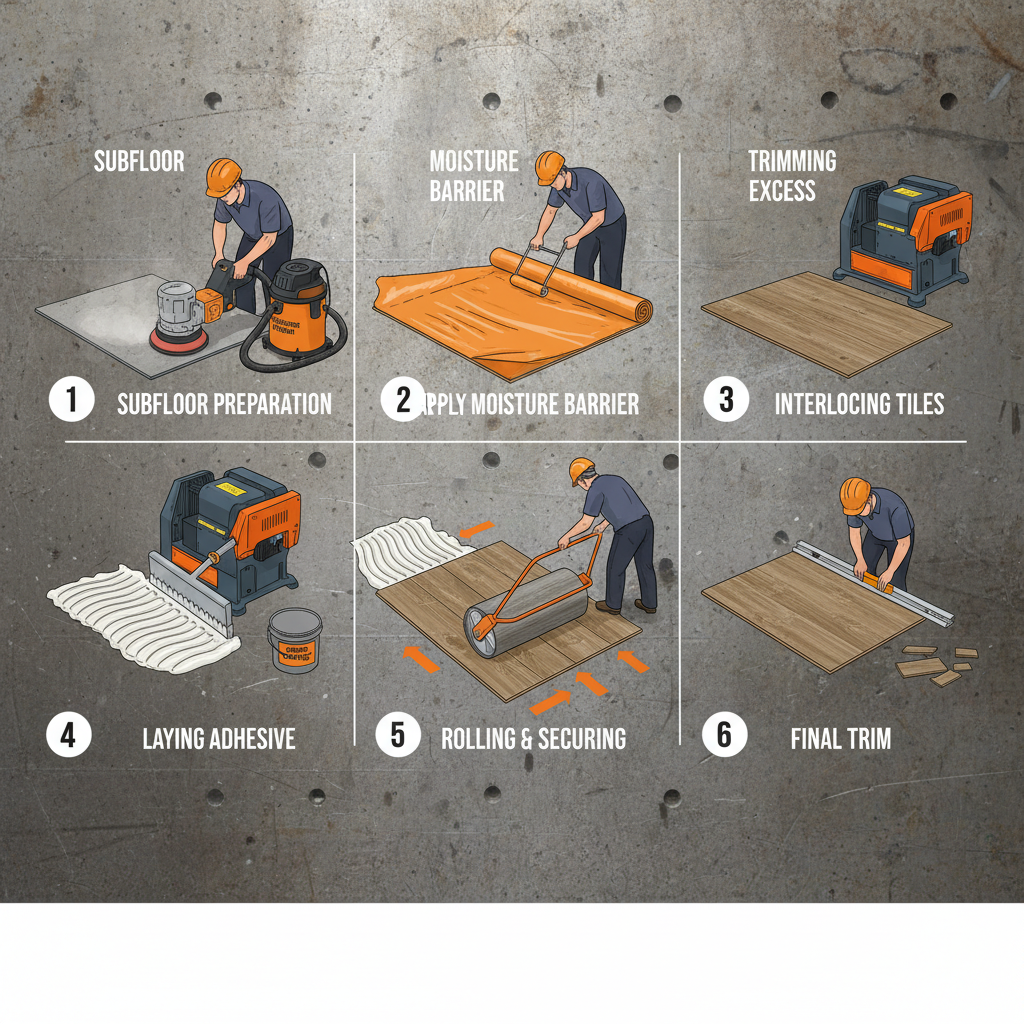
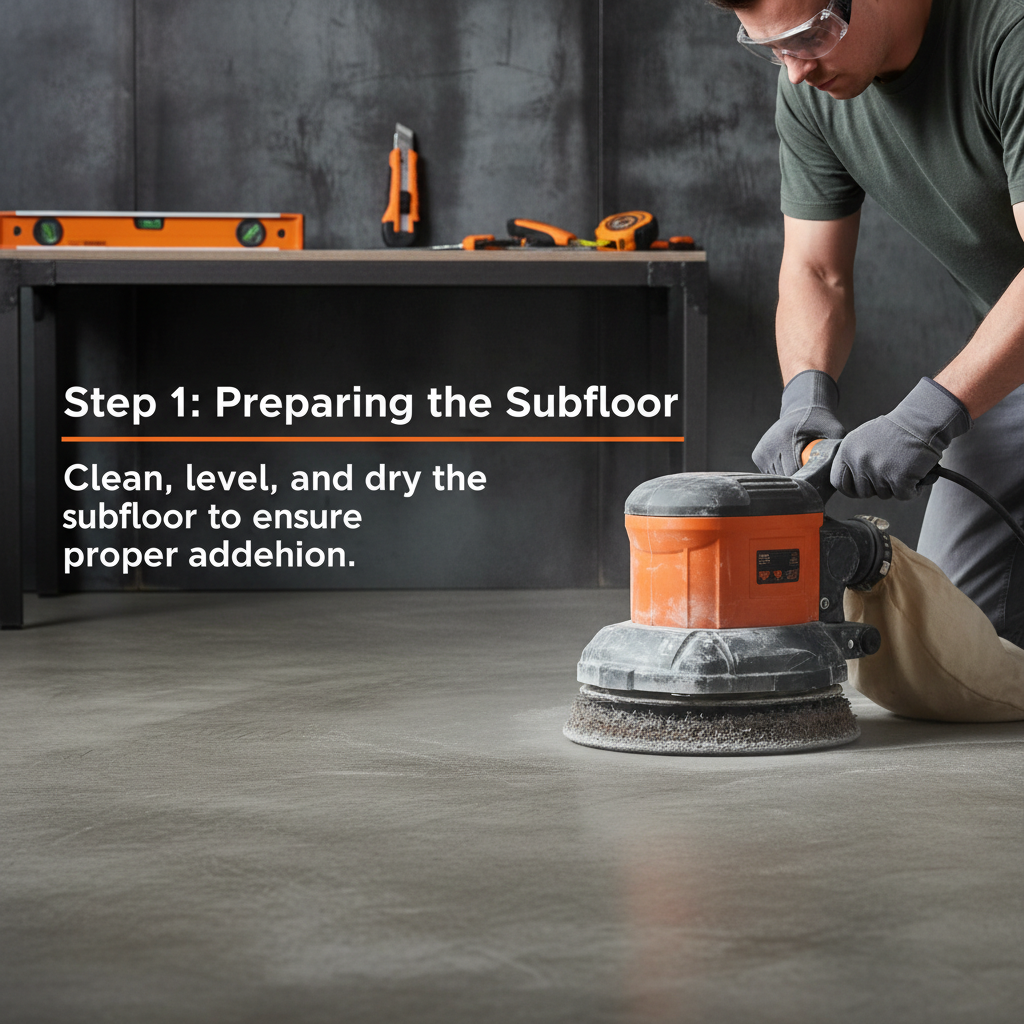
In some cases, artificial flooring can be installed over existing flooring, provided the existing floor is clean, level, and structurally sound. However, it’s crucial to check the manufacturer’s recommendations and address any issues like unevenness or moisture before installation. A suitable underlayment may be required to provide cushioning and sound insulation.
Conclusion
In conclusion, artificial flooring presents a compelling alternative to traditional materials, offering a unique combination of durability, cost-effectiveness, scalability, and aesthetic versatility. From residential spaces to commercial environments and humanitarian applications, its adaptability and performance characteristics make it an increasingly popular choice globally. The ongoing advancements in materials science and manufacturing processes continue to enhance its sustainability and design capabilities.
Looking ahead, the future of artificial flooring will be shaped by a growing focus on environmental responsibility, technological innovation, and consumer preferences. Investing in research and development of bio-based materials, enhancing recycling programs, and embracing smart flooring technologies will be crucial for maximizing its long-term benefits. Explore the wide range of artificial flooring options available at artificial flooring to find the perfect solution for your needs.