Vinyl material flooring has become a cornerstone of modern construction and design, offering a versatile and cost-effective solution for a wide range of applications. Its increasing popularity stems from advancements in manufacturing techniques, enabling it to mimic natural materials like wood and stone with remarkable accuracy. Understanding the properties and benefits of vinyl material flooring is crucial for architects, designers, and homeowners alike, as it impacts aesthetics, durability, and overall project costs.
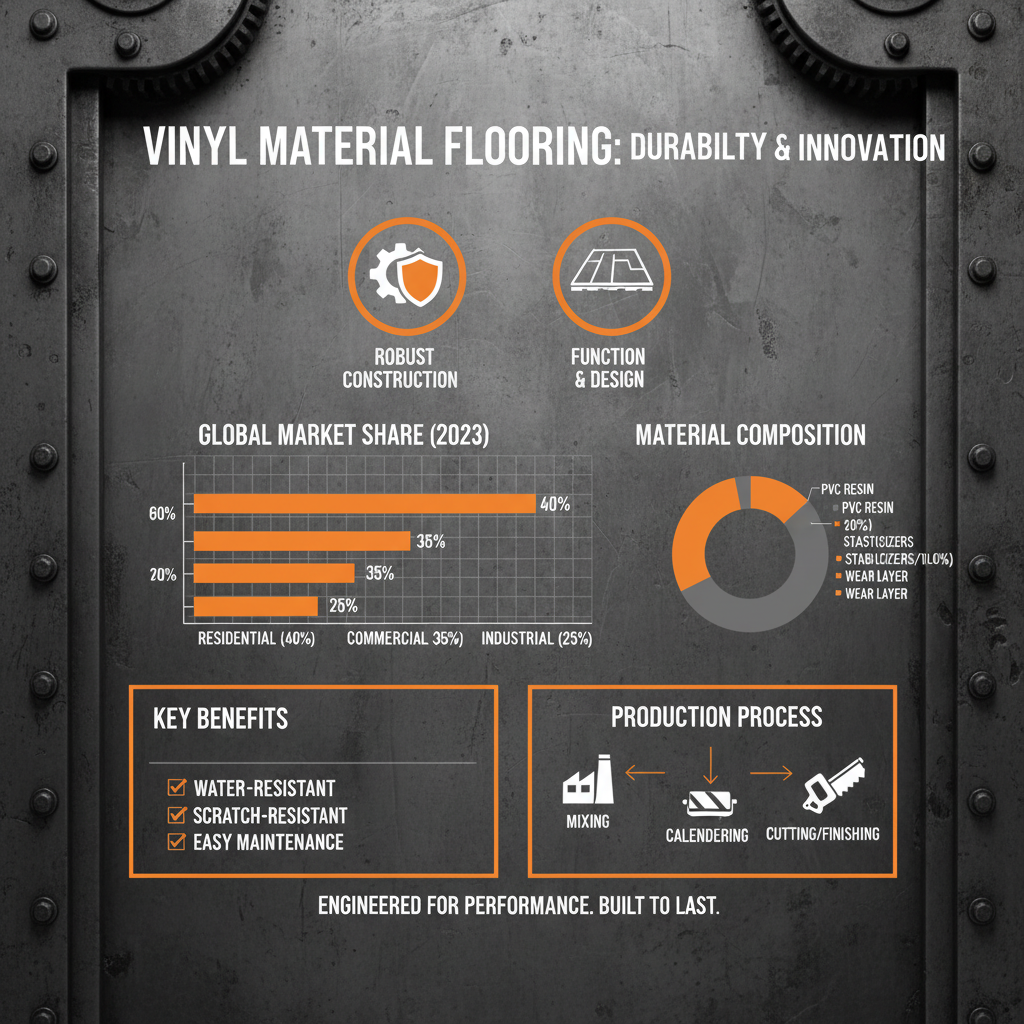
Globally, the demand for resilient flooring, with vinyl material flooring leading the way, is projected to continue its upward trajectory. According to industry reports, the global vinyl flooring market size was valued at USD 64.81 billion in 2023 and is expected to expand at a compound annual growth rate (CAGR) of 5.8% from 2024 to 2030. This growth is driven by factors such as increasing construction activities in emerging economies, rising disposable incomes, and a growing preference for aesthetically pleasing and easy-to-maintain flooring options.
One of the key challenges addressed by the widespread adoption of vinyl material flooring is the need for affordable and durable building materials, particularly in rapidly developing nations and disaster-prone regions. Traditional flooring options like hardwood and natural stone can be prohibitively expensive and require significant maintenance, making vinyl a viable and attractive alternative.
Introduction to Vinyl Material Flooring
Vinyl material flooring isn’t a single product but rather a family of flooring options built around polyvinyl chloride (PVC). This material is known for its resilience, versatility, and affordability, making it a popular choice across residential, commercial, and industrial sectors. From sheet vinyl and luxury vinyl tiles (LVT) to vinyl planks (LVP), each type caters to different aesthetic preferences and functional requirements.
The continued innovation in vinyl material flooring technology leads to increasingly realistic designs and enhanced performance characteristics. Modern vinyl options often feature embossed textures, wear layers, and waterproof cores, making them suitable for high-traffic areas and moisture-prone environments. You can find many options from vinyl material flooring suppliers.
Defining Vinyl Material Flooring
At its core, vinyl material flooring is a synthetic flooring material made primarily from polyvinyl chloride polymers. These polymers are combined with plasticizers, stabilizers, and pigments to create a durable and versatile product. It differs significantly from natural flooring options like hardwood, stone, or tile in both composition and manufacturing process, making it a unique category of resilient flooring.
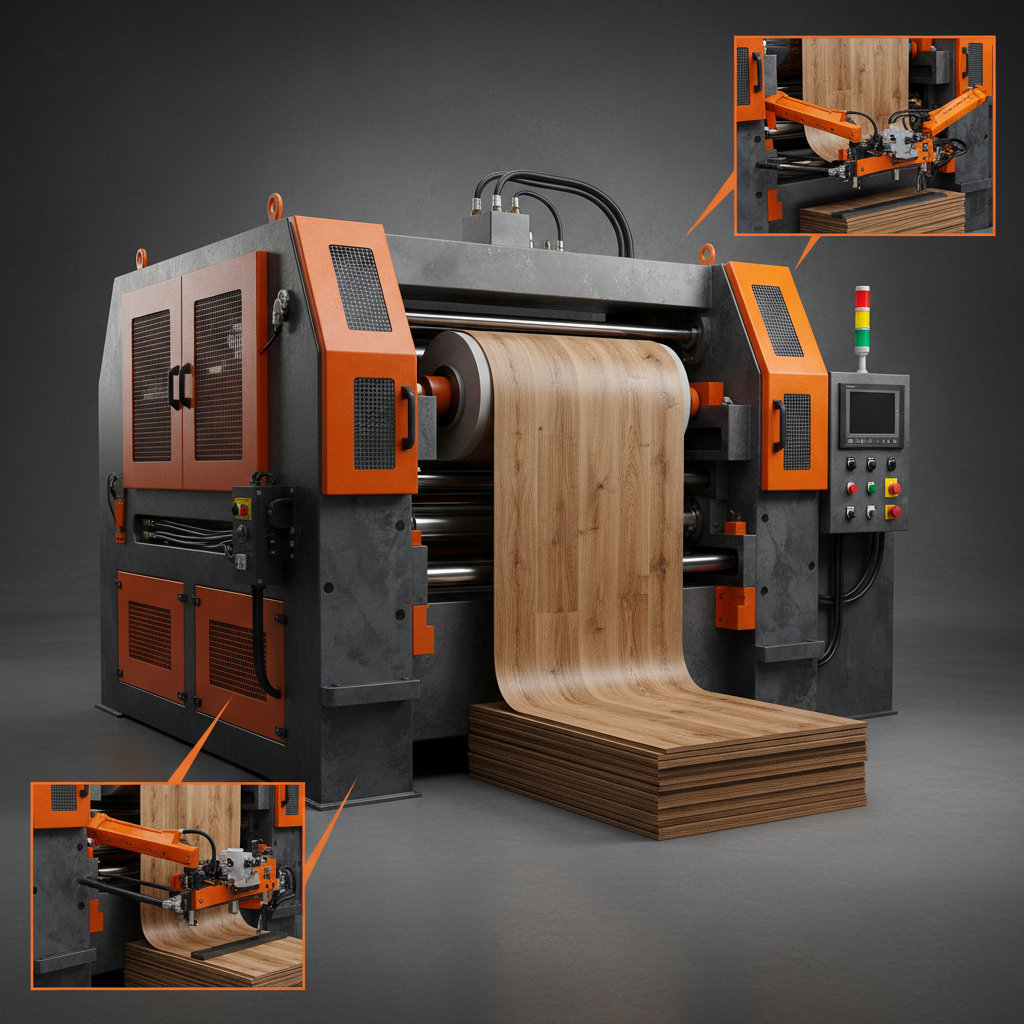
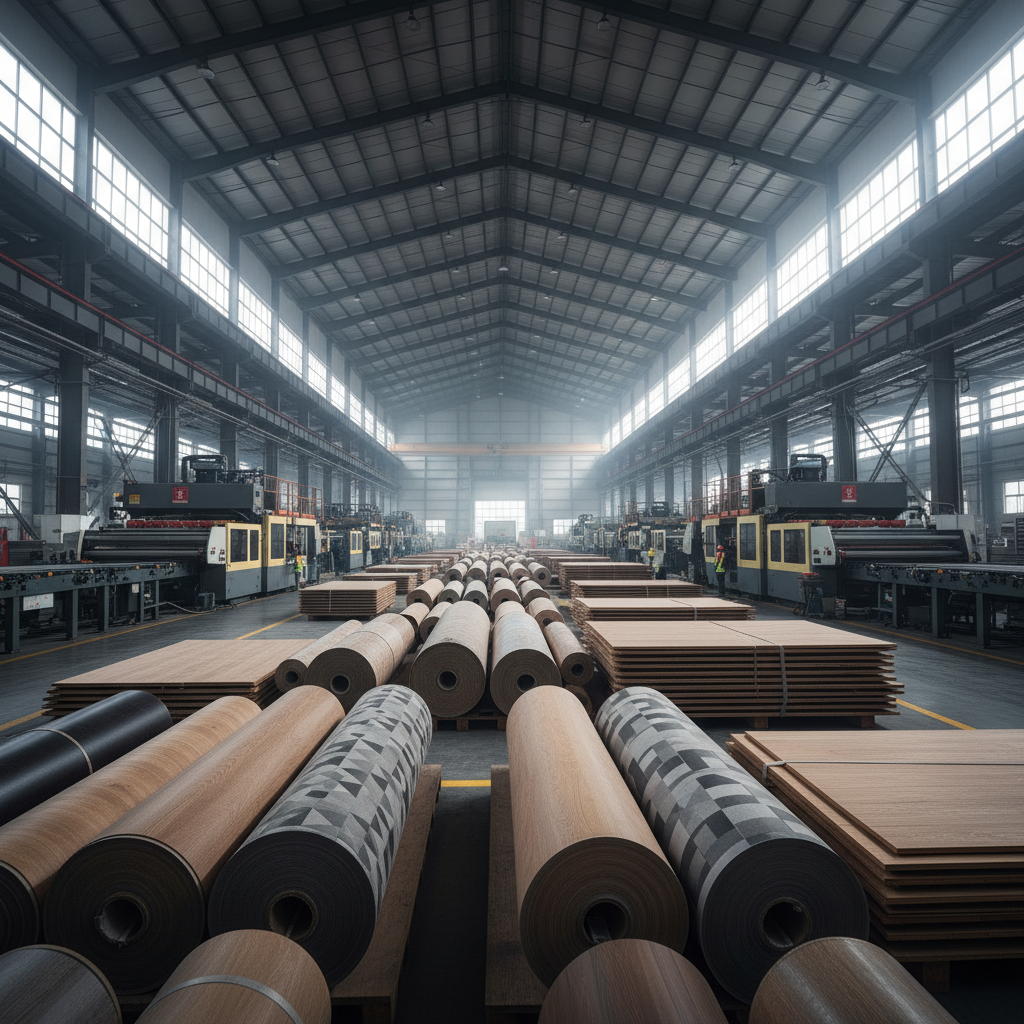
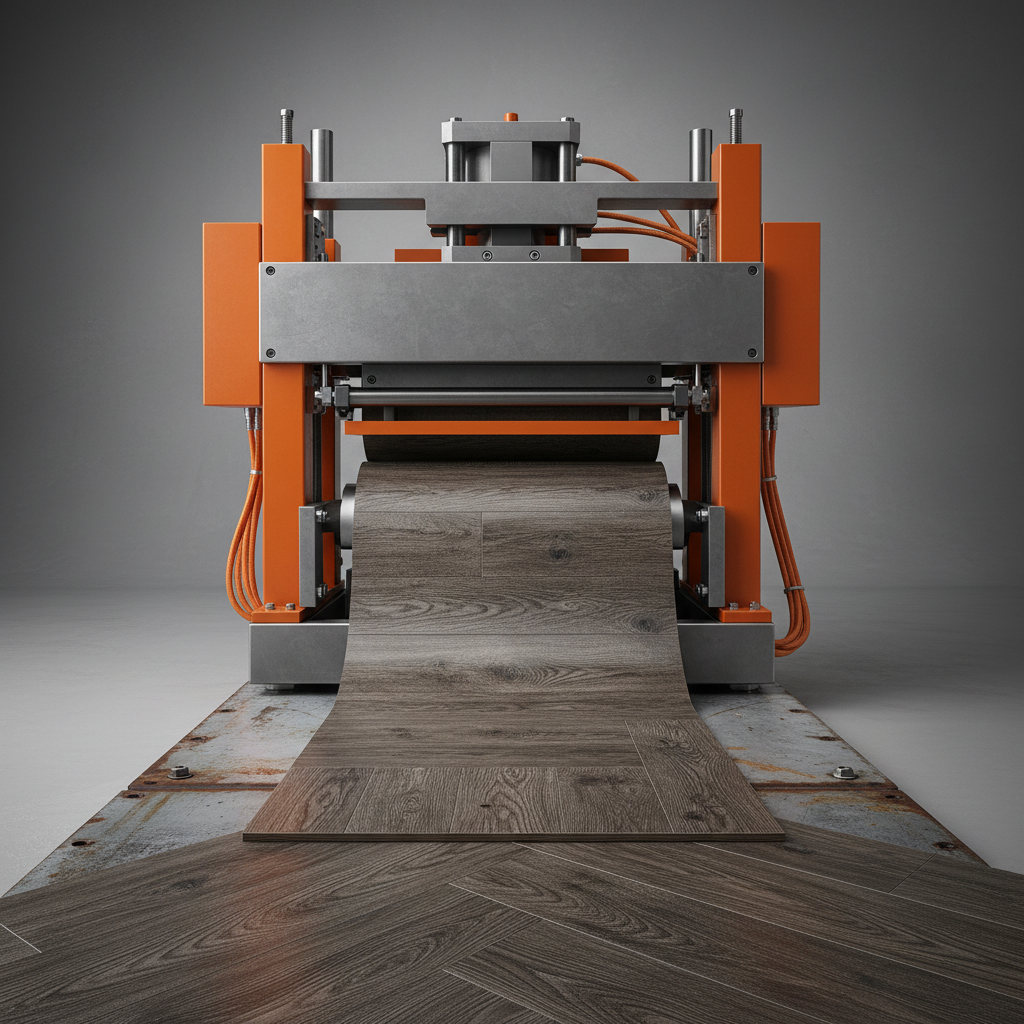
The connection to modern industry lies in the scalability and efficiency of vinyl production. PVC is a relatively inexpensive material, and vinyl flooring can be manufactured in large quantities using automated processes, making it a cost-effective solution for mass housing, commercial construction, and infrastructure projects. This efficient production makes it a desirable choice for various projects.
The relevance to humanitarian needs arises from vinyl’s waterproof properties, durability, and ease of installation. In disaster relief and temporary housing solutions, vinyl material flooring provides a hygienic and comfortable surface that is easy to clean and maintain, contributing to improved living conditions in challenging circumstances.
Core Components of Vinyl Flooring
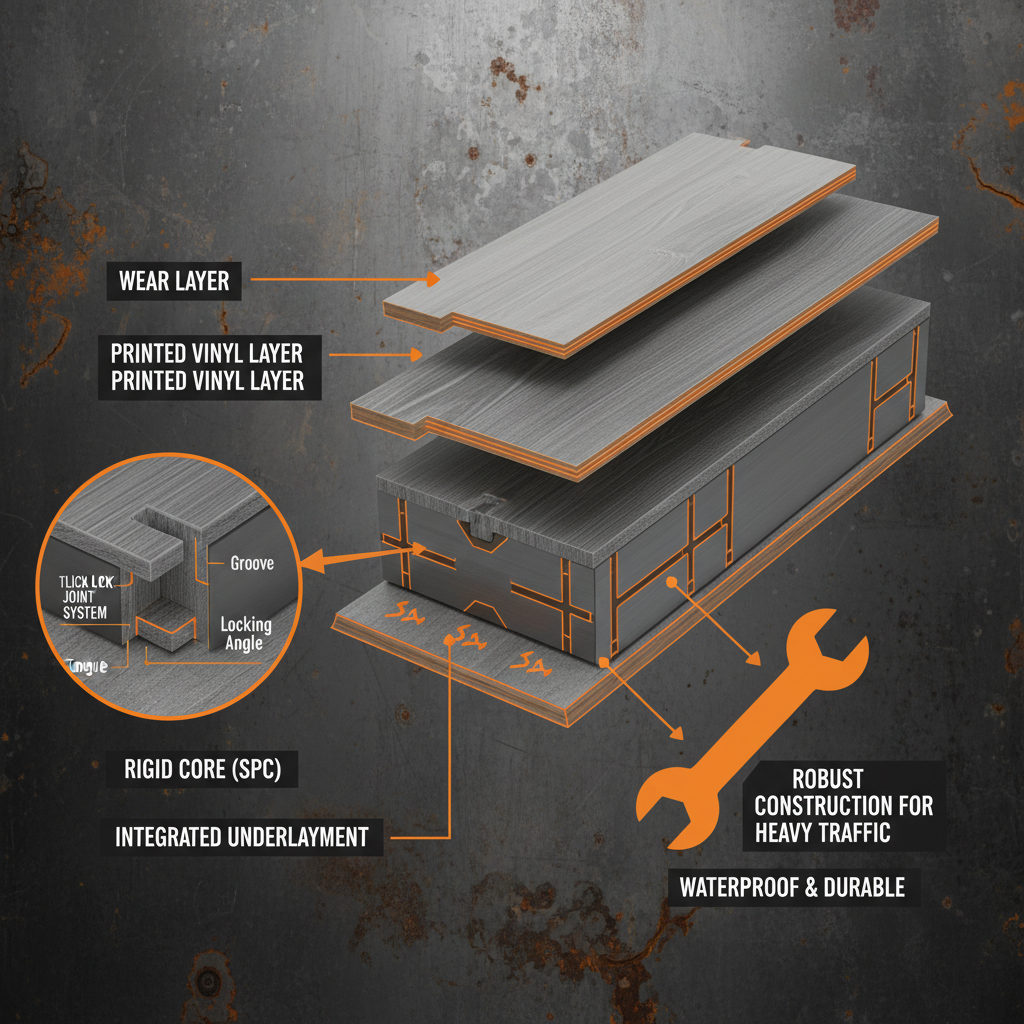
Durability is arguably the most significant characteristic of vinyl material flooring. The wear layer, a protective coating on the surface, determines the flooring’s resistance to scratches, scuffs, and stains. Different wear layer thicknesses are available, ranging from 6 mils for light residential use to 20 mils or more for heavy commercial applications. The thicker the wear layer, the greater the longevity and the better the flooring will hold up under rigorous use.
Water Resistance is another critical benefit. Vinyl material flooring is inherently waterproof, meaning it won't absorb water or swell when exposed to moisture. This makes it an ideal choice for kitchens, bathrooms, laundry rooms, and basements where spills and humidity are common. Waterproof features add to the long term durability of the product.
Cost-Effectiveness is a major driver of vinyl’s popularity. Compared to hardwood, tile, or stone, vinyl material flooring is significantly more affordable, both in terms of material costs and installation expenses. This makes it accessible to a wider range of consumers and projects.
Global Applications & Use Cases
Vinyl material flooring is extensively used in residential settings, ranging from kitchens and bathrooms to living rooms and bedrooms. Its wide array of styles and colors allows it to complement various interior design schemes, making it a versatile choice for homeowners.
In the commercial sector, vinyl material flooring is prevalent in healthcare facilities, schools, retail stores, and offices. Its durability, ease of maintenance, and hygienic properties make it well-suited for high-traffic areas where cleanliness and longevity are paramount.
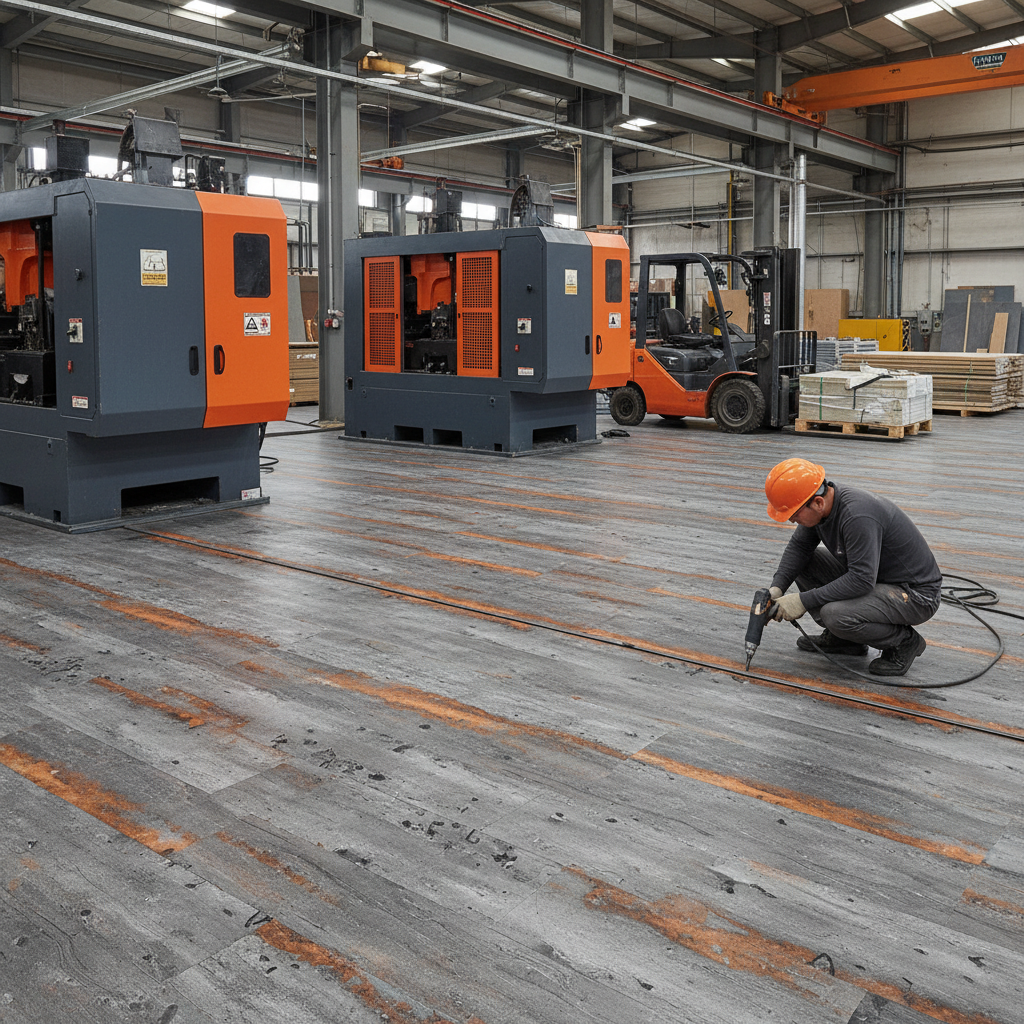
In post-disaster relief operations, vinyl material flooring is increasingly used in temporary shelters and emergency housing. Its waterproof nature and quick installation time provide immediate comfort and protection to affected populations. In remote industrial zones, vinyl’s durability and resistance to harsh conditions make it a practical flooring solution for workshops and manufacturing facilities.
vinyl material flooring Application Performance Ratings
Advantages & Long-Term Value
The cost savings associated with vinyl material flooring are significant. Not only is the material itself less expensive than alternatives, but installation costs are also lower due to its ease of installation and minimal subfloor preparation requirements.
Sustainability is increasingly becoming a factor in flooring choices, and vinyl is making strides in this area. Many manufacturers are now offering recycled vinyl flooring options and implementing sustainable manufacturing practices, reducing the environmental impact of the product.
Future Trends & Innovations
The development of bio-based vinyl material flooring is gaining momentum. Utilizing renewable resources in the production of PVC can significantly reduce the reliance on fossil fuels and lower the carbon footprint of the product.
Digital printing technologies are enabling manufacturers to create increasingly realistic and intricate designs in vinyl material flooring. This allows for greater customization and personalization, catering to the growing demand for unique and aesthetically pleasing flooring options.
Smart vinyl flooring equipped with sensors that detect foot traffic, temperature, and humidity are poised to revolutionize building management and energy efficiency. These innovations showcase the potential of integrating technology into traditional building materials.
Challenges & Solutions
A common concern with vinyl material flooring is the presence of volatile organic compounds (VOCs) emitted during manufacturing and installation. To address this, manufacturers are developing low-VOC and phthalate-free vinyl options that meet stringent environmental standards.
The disposal of vinyl flooring at the end of its life cycle can be challenging. However, advancements in recycling technologies are enabling the recovery and reuse of PVC materials, reducing landfill waste and promoting a circular economy. Increased collaboration between manufacturers, recyclers, and local governments is crucial to establishing effective recycling infrastructure.
The perception of vinyl as a “cheap” flooring option persists among some consumers. Addressing this requires educating the public about the advancements in vinyl technology, highlighting its durability, performance, and aesthetic versatility.
Summary of Vinyl Material Flooring Challenges and Solutions
| Challenge |
Impact Level (1-10) |
Proposed Solution |
Implementation Cost (USD) |
| VOC Emissions |
7 |
Low-VOC Vinyl Formulations |
5,000 - 20,000 |
| End-of-Life Disposal |
8 |
Enhanced Recycling Programs |
10,000 - 50,000 |
| Public Perception |
6 |
Educational Marketing Campaigns |
2,000 - 10,000 |
| Raw Material Sourcing |
5 |
Bio-Based PVC Development |
15,000 - 75,000 |
| Durability Concerns |
4 |
Improved Wear Layer Technology |
8,000 - 30,000 |
| Installation Issues |
3 |
Simplified Installation Methods |
3,000 - 15,000 |
FAQS
The lifespan of vinyl material flooring varies depending on the type and quality, as well as the level of traffic and maintenance. Generally, sheet vinyl can last 10-20 years, while luxury vinyl tile (LVT) and luxury vinyl plank (LVP) can last 20-30 years or more. Proper installation and regular cleaning are key to maximizing its longevity. Choosing a thicker wear layer also extends the flooring's life.
Yes, vinyl material flooring is inherently waterproof, making it an excellent choice for areas prone to moisture, such as kitchens, bathrooms, and laundry rooms. Unlike hardwood or laminate, vinyl won't warp, swell, or mold when exposed to water. However, it’s important to note that water can seep into seams or subfloors if not properly sealed during installation.
Cleaning vinyl material flooring is relatively easy. Regular sweeping or vacuuming will remove loose dirt and debris. For deeper cleaning, use a damp mop with a mild detergent specifically designed for vinyl flooring. Avoid abrasive cleaners or scrubbing pads, as these can damage the wear layer. Spills should be cleaned up immediately to prevent staining.
The environmental impact of vinyl material flooring is a growing concern. While traditional vinyl contains PVC, manufacturers are increasingly offering recycled content options and developing low-VOC formulations. Look for certifications like FloorScore and GreenGuard to ensure the product meets stringent environmental standards. Choosing sustainable options helps minimize the environmental footprint.
There are several types of vinyl material flooring available, including sheet vinyl, luxury vinyl tile (LVT), and luxury vinyl plank (LVP). Sheet vinyl comes in large rolls and is a cost-effective option. LVT and LVP offer a more realistic look and feel, often mimicking hardwood or stone. Rigid core vinyl is another type known for its exceptional durability and waterproof properties.
In many cases, vinyl material flooring can be installed over existing floors, such as concrete, tile, or wood, as long as the existing floor is clean, level, and dry. However, certain conditions may require underlayment to provide cushioning and prevent moisture issues. It’s essential to follow the manufacturer’s instructions and consult with a professional installer to ensure a successful installation.
Conclusion
Vinyl material flooring has evolved from a budget-friendly alternative to a sophisticated and versatile flooring solution. Its durability, water resistance, cost-effectiveness, and increasing sustainability make it a compelling choice for residential, commercial, and even humanitarian applications. Understanding the different types of vinyl, their characteristics, and proper installation techniques is crucial for maximizing their long-term benefits.
As innovation continues to drive advancements in vinyl technology, we can expect to see even more eco-friendly options, realistic designs, and smart features emerge. Embracing these advancements will not only enhance the aesthetic appeal and functionality of our spaces but also contribute to a more sustainable and resilient built environment. To explore the latest options and find the perfect vinyl material flooring for your needs, visit our website: vinyl material flooring.