Wood like vinyl flooring has emerged as a revolutionary material in the construction and interior design industries, offering a compelling blend of aesthetic appeal, durability, and cost-effectiveness. Globally, the demand for sustainable and easily maintainable flooring solutions is soaring, driven by factors like increasing urbanization, a growing focus on indoor air quality, and rising disposable incomes. This trend has propelled wood like vinyl flooring to the forefront, offering a practical and visually pleasing alternative to traditional hardwood.
The rising cost of natural wood, coupled with concerns about deforestation, has created a significant market opportunity for wood like vinyl flooring. According to reports, the global vinyl flooring market is projected to reach \$45.3 billion by 2027, with a significant portion attributed to wood-look vinyl products. This growth is particularly pronounced in developing economies where affordability and ease of installation are key considerations. Addressing this need, wood like vinyl flooring provides a practical and beautiful solution.
Understanding the nuances of wood like vinyl flooring – its composition, installation methods, maintenance requirements, and environmental impact – is crucial for architects, designers, homeowners, and industry professionals alike. The benefits extend beyond mere aesthetics; it offers water resistance, enhanced durability, and simplified cleaning, making it an ideal choice for diverse applications, from residential homes to commercial spaces.
Defining Wood Like Vinyl Flooring
Wood like vinyl flooring, also commonly known as luxury vinyl plank (LVP) or luxury vinyl tile (LVT), is a synthetic flooring material designed to replicate the look and feel of natural hardwood. It's constructed in multiple layers, typically including a waterproof core, a high-resolution print layer that mimics wood grain, and a protective wear layer for durability.
Its connection to modern industry lies in its ability to offer a high-performing, aesthetically pleasing alternative to traditional materials. It meets the increasing demand for sustainable building materials and provides a viable solution for both residential and commercial applications. Wood like vinyl flooring contributes to more efficient construction processes due to its ease of installation and minimal subfloor preparation requirements.
Global Relevance and Market Trends
The global flooring market is a multi-billion dollar industry, with wood like vinyl flooring experiencing significant growth in recent years. This expansion is driven by several factors, including increasing construction activity in emerging economies, a rising preference for DIY home improvement projects, and a growing awareness of the environmental benefits of vinyl compared to other materials like hardwood.
In Europe, strict building regulations promoting sustainable materials are fueling demand for wood like vinyl flooring. North America continues to be a strong market, with homeowners seeking affordable and durable flooring options for their homes. Asia-Pacific represents the fastest-growing region, driven by rapid urbanization and economic development.
A key challenge addressed by wood like vinyl flooring is the limited availability and rising cost of natural wood. Deforestation and unsustainable forestry practices have created a need for eco-friendly alternatives, and wood like vinyl flooring offers a compelling solution without compromising on aesthetic appeal. This aligns with global sustainability goals outlined by organizations like the United Nations.
Composition and Manufacturing of Wood Like Vinyl Flooring
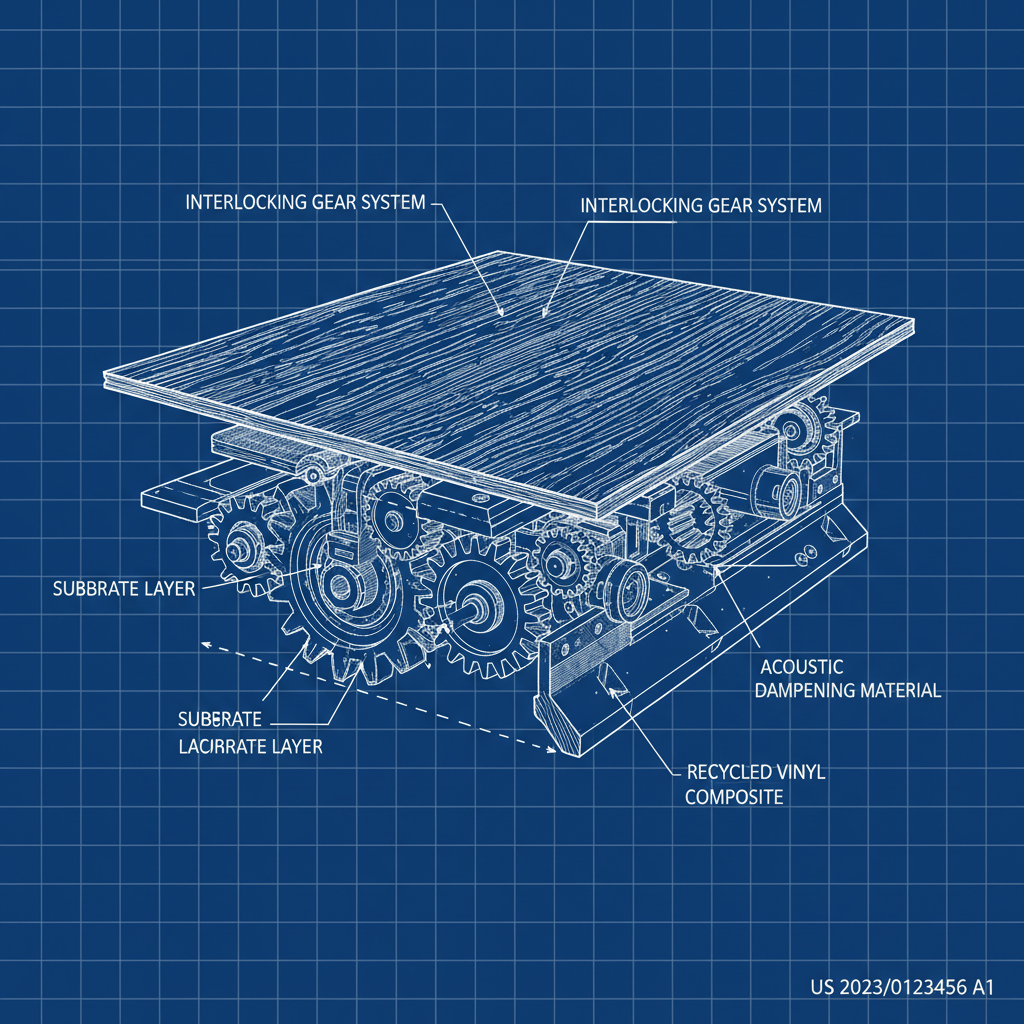
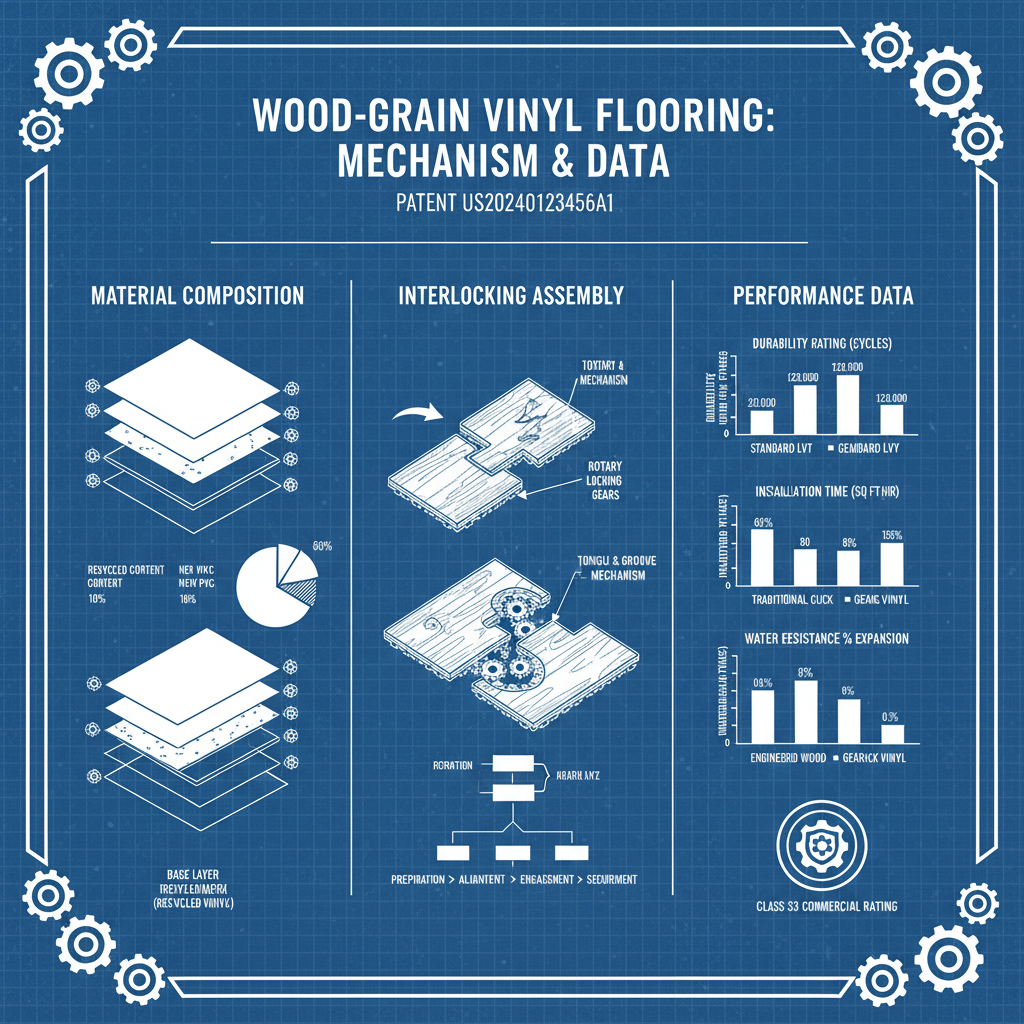
Wood like vinyl flooring is typically constructed in four to five layers. The core layer, often made of PVC (polyvinyl chloride), provides stability and waterproofing. Above this lies a high-density fiberboard (HDF) or a solid polymer core, adding further strength and impact resistance. The print layer utilizes advanced digital printing technology to create realistic wood grain patterns.
The wear layer, a transparent polyurethane coating, protects the print layer from scratches, stains, and everyday wear and tear. The thickness of the wear layer directly impacts the flooring’s durability and is a key factor in determining its suitability for different applications. Manufacturing processes have evolved to incorporate recycled content, reducing the environmental footprint of the product.
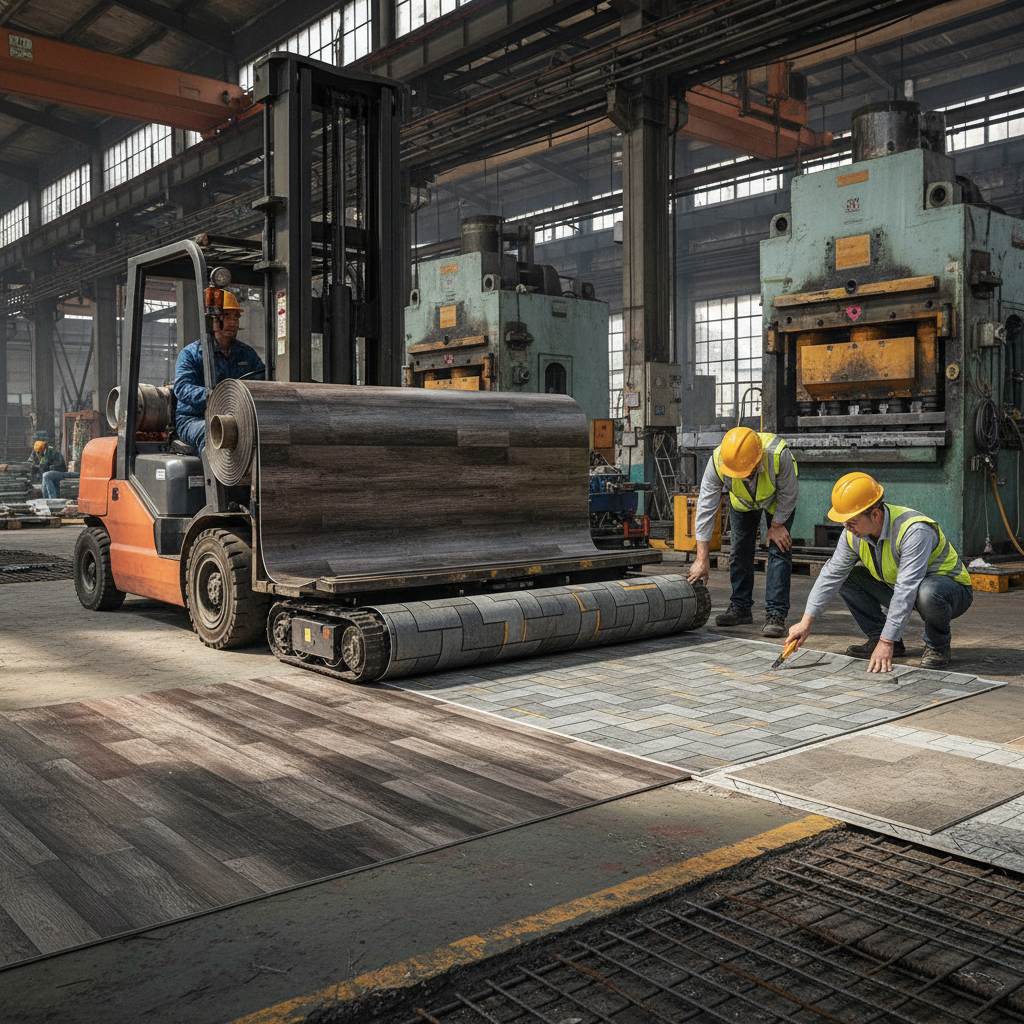
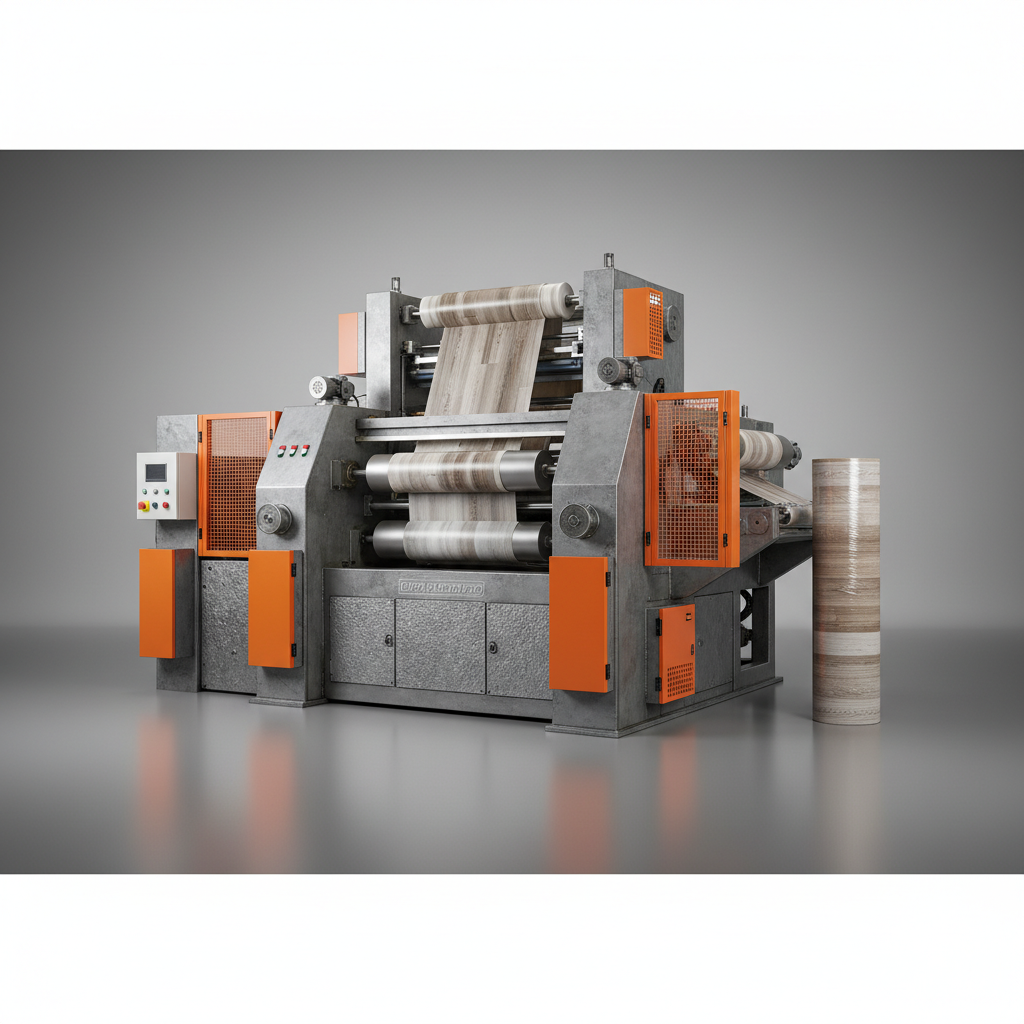
The manufacturing process often involves extrusion, calendaring, and embossing techniques to achieve the desired texture and visual effects. Advancements in printing technology allow for incredibly realistic wood grain patterns, making it difficult to distinguish wood like vinyl flooring from real hardwood.
Key Performance Characteristics
One of the most significant characteristics of wood like vinyl flooring is its durability. The wear layer provides exceptional resistance to scratches, dents, and stains, making it ideal for high-traffic areas. Another key feature is its water resistance; unlike hardwood, wood like vinyl flooring doesn’t swell or warp when exposed to moisture.
Furthermore, wood like vinyl flooring offers excellent acoustic properties, reducing noise transmission compared to other hard flooring materials. Its relatively thin profile allows for easy installation over existing subfloors, minimizing the need for extensive preparation.
Wood Like Vinyl Flooring Performance Metrics
Applications Across Industries
Wood like vinyl flooring finds extensive applications across various sectors. In residential settings, it’s popular for kitchens, bathrooms, living rooms, and bedrooms due to its durability, water resistance, and aesthetic appeal. Commercial spaces, such as retail stores, offices, and healthcare facilities, benefit from its low maintenance requirements and ability to withstand heavy foot traffic.
In post-disaster relief operations, wood like vinyl flooring offers a quick and easy flooring solution for temporary shelters. Its waterproof nature and ease of cleaning are particularly valuable in such situations. The hospitality industry uses wood like vinyl flooring in hotel rooms and common areas for its durability and aesthetic qualities.
Advantages and Long-Term Value Proposition
The advantages of wood like vinyl flooring are numerous. Cost-effectiveness is a major draw, as it provides a similar aesthetic to hardwood at a significantly lower price point. Installation costs are also lower, thanks to its click-lock installation systems. Sustainability is another benefit, with many manufacturers using recycled content and implementing responsible manufacturing practices.
Long-term value is derived from its durability and low maintenance requirements. Unlike hardwood, it doesn’t require regular sanding, refinishing, or sealing. This translates to significant savings in time and money over the lifespan of the flooring. It also offers peace of mind, knowing you have a flooring solution that can withstand the demands of daily life.
Future Trends and Innovations in Wood Like Vinyl Flooring
The future of wood like vinyl flooring is promising, with ongoing innovations focused on enhancing its performance and sustainability. Researchers are exploring new core materials with even greater stability and water resistance. Advanced printing technologies are creating increasingly realistic wood grain patterns and textures.
A key trend is the development of fully recyclable wood like vinyl flooring products, reducing waste and promoting a circular economy. Smart flooring systems, incorporating sensors for monitoring temperature and humidity, are also emerging. The integration of antimicrobial properties is gaining traction, particularly for healthcare applications.
Digital transformation is also impacting the industry, with online design tools and virtual reality showrooms allowing customers to visualize how wood like vinyl flooring will look in their homes. Automation in manufacturing processes is increasing efficiency and reducing production costs.
FAQS
While both wood like vinyl flooring and laminate offer wood-look aesthetics, they differ significantly in composition. Laminate features a photographic layer protected by a wear layer, while wood like vinyl flooring is 100% waterproof due to its PVC construction. Vinyl is generally softer and more comfortable underfoot, and often more durable, particularly in areas prone to moisture.
Yes, wood like vinyl flooring is an excellent choice for basements due to its waterproof properties. Basements are often prone to moisture, and wood like vinyl flooring won’t warp, swell, or support mold growth when exposed to dampness. However, proper subfloor preparation is still crucial to ensure a smooth and stable installation.
The lifespan of wood like vinyl flooring varies depending on the wear layer thickness and the level of traffic it receives. Generally, it can last between 10 and 25 years, or even longer with proper care and maintenance. Higher-quality products with thicker wear layers will naturally offer greater durability.
Wood like vinyl flooring has become increasingly eco-friendly, with many manufacturers using recycled content in their products and adopting responsible manufacturing practices. While PVC itself is not biodegradable, advancements in recycling technologies are improving its sustainability. Look for products with certifications like FloorScore, indicating low VOC emissions.
Wood like vinyl flooring is incredibly easy to clean and maintain. Regular sweeping or vacuuming to remove dust and debris is sufficient for most situations. For tougher stains, a mild detergent and water solution can be used. Unlike hardwood, it doesn’t require special cleaning products or regular refinishing.
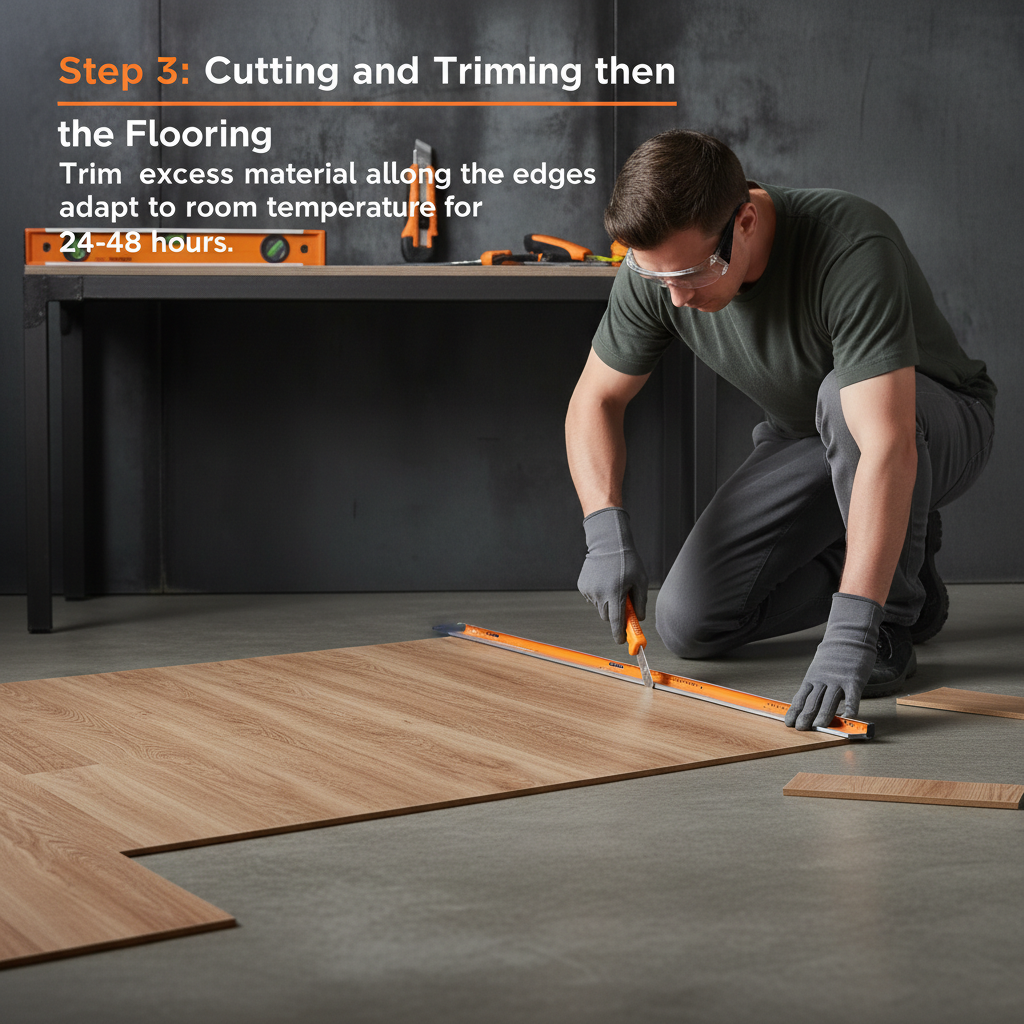
Many wood like vinyl flooring products feature click-lock installation systems, making them suitable for DIY projects. However, proper subfloor preparation is essential for a successful installation. If you're not comfortable with DIY, it's best to hire a professional installer to ensure a flawless result.
Conclusion
Wood like vinyl flooring represents a significant advancement in the flooring industry, offering a compelling combination of aesthetics, durability, cost-effectiveness, and sustainability. Its versatility allows it to thrive in diverse applications, from residential homes to commercial spaces and even emergency relief efforts. As technology continues to evolve, wood like vinyl flooring is poised to become even more environmentally friendly and performance-driven.
Looking ahead, embracing innovation in materials and manufacturing processes will be key to unlocking the full potential of wood like vinyl flooring. Continued investment in research and development will lead to even more realistic designs, improved durability, and enhanced sustainability. For anyone seeking a beautiful, practical, and long-lasting flooring solution, wood like vinyl flooring is an excellent choice. Visit our website at wood like vinyl flooring to explore our extensive collection.