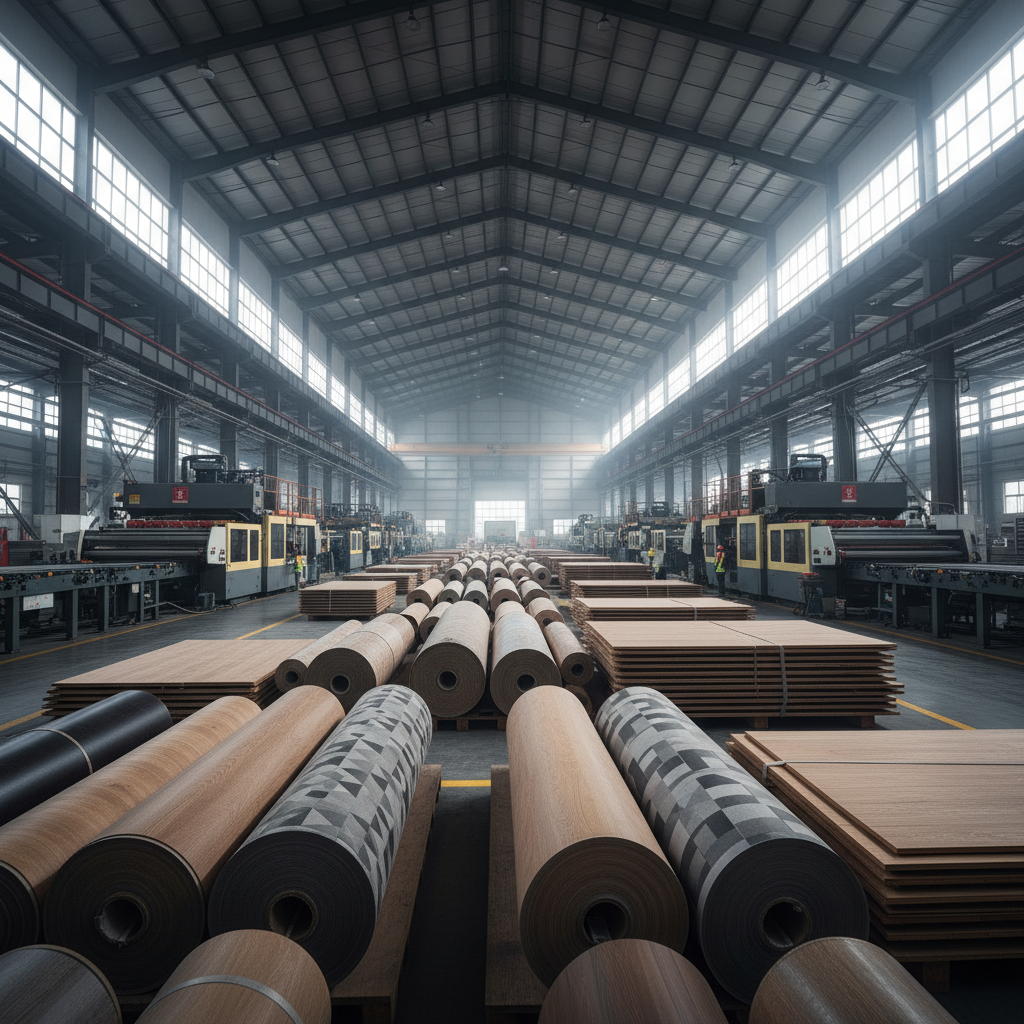
Wood grain vinyl flooring has rapidly become a preferred choice for both residential and commercial spaces globally, offering a compelling blend of aesthetic appeal and practical benefits. Its ability to mimic the look of natural wood at a significantly lower cost, coupled with its durability and ease of maintenance, has fueled its widespread adoption. From bustling city apartments to expansive office complexes, wood grain vinyl flooring is transforming interiors with its versatility and realistic designs.
The global flooring market is experiencing significant growth, driven by factors such as increasing construction activity, rising disposable incomes, and a growing preference for aesthetically pleasing and functional flooring solutions. Within this market, wood grain vinyl flooring is a standout performer, consistently gaining market share over traditional hardwood and other flooring materials. According to recent industry reports, the demand for resilient flooring, including vinyl, is expected to continue its upward trajectory in the coming years, presenting substantial opportunities for manufacturers and installers.
Understanding the nuances of wood grain vinyl flooring – its composition, installation techniques, maintenance requirements, and emerging technologies – is crucial for homeowners, designers, and construction professionals alike. Its increasing popularity isn’t just about cost; it’s a reflection of a desire for sustainable, practical, and visually appealing flooring solutions that meet the demands of modern lifestyles.
Introduction to Wood Grain Vinyl Flooring
Wood grain vinyl flooring has emerged as a leading flooring choice due to its exceptional value proposition. It provides the aesthetic warmth and beauty of natural wood without the associated high costs and maintenance demands. Its popularity spans residential kitchens and bathrooms to high-traffic commercial environments like retail stores and healthcare facilities.
This flooring option represents a significant advancement in resilient flooring technology. Improvements in manufacturing processes have resulted in increasingly realistic wood-grain patterns, enhanced durability, and improved water resistance. These advancements have broadened its appeal, making wood grain vinyl flooring a practical and stylish solution for diverse applications.
Defining Wood Grain Vinyl Flooring
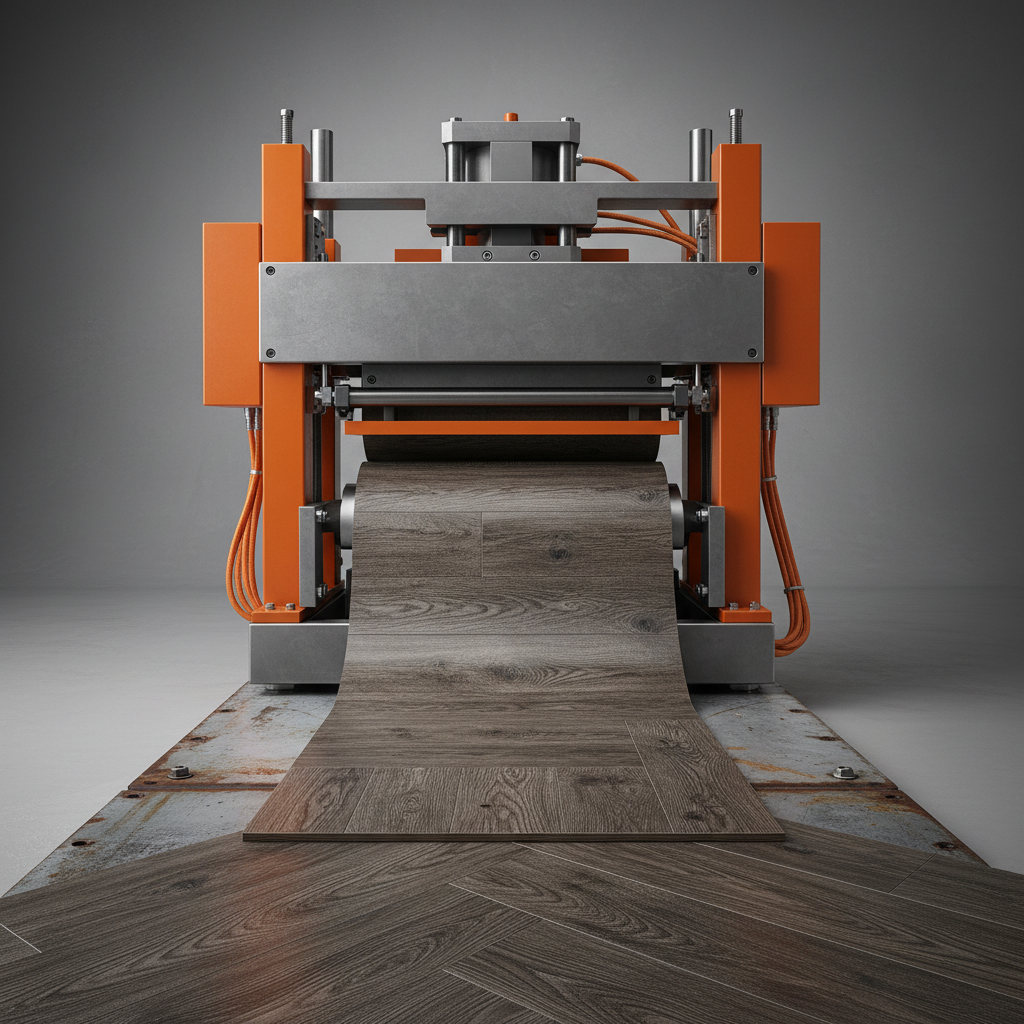
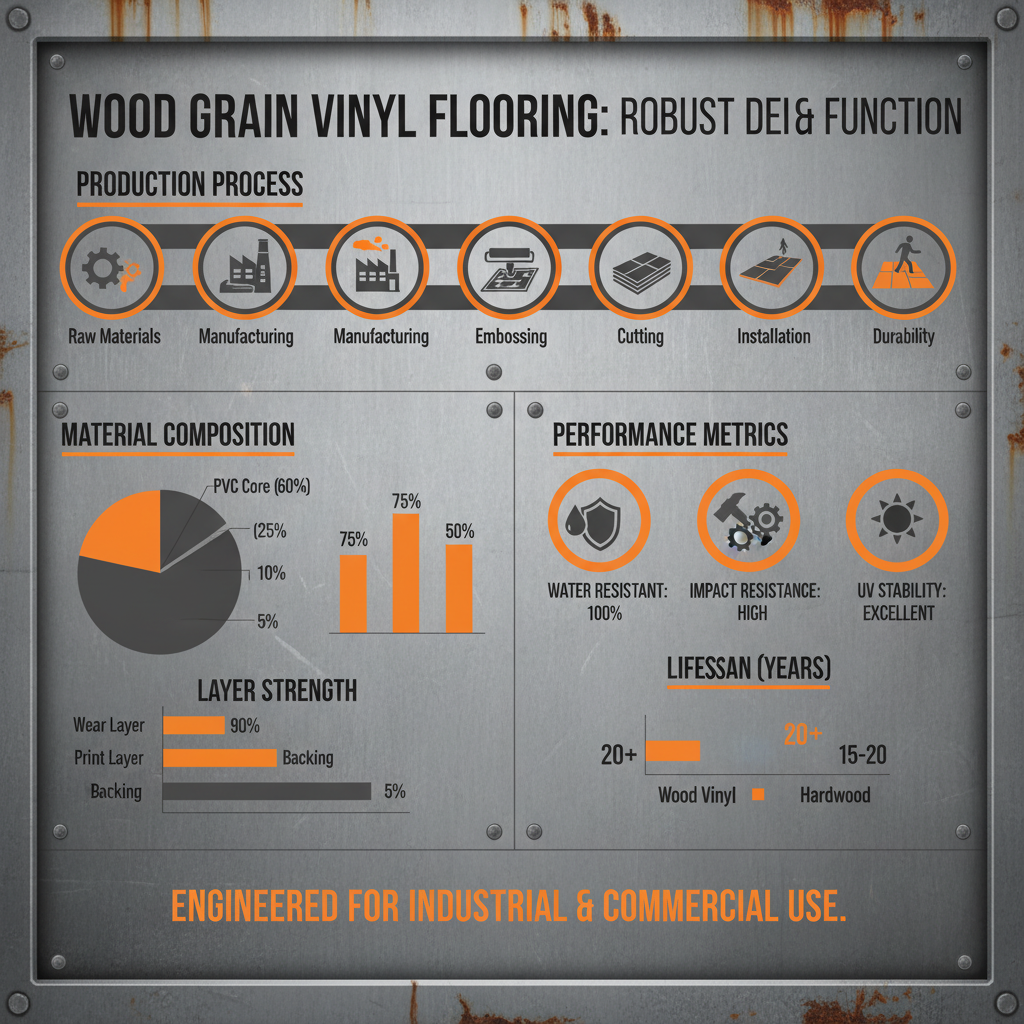
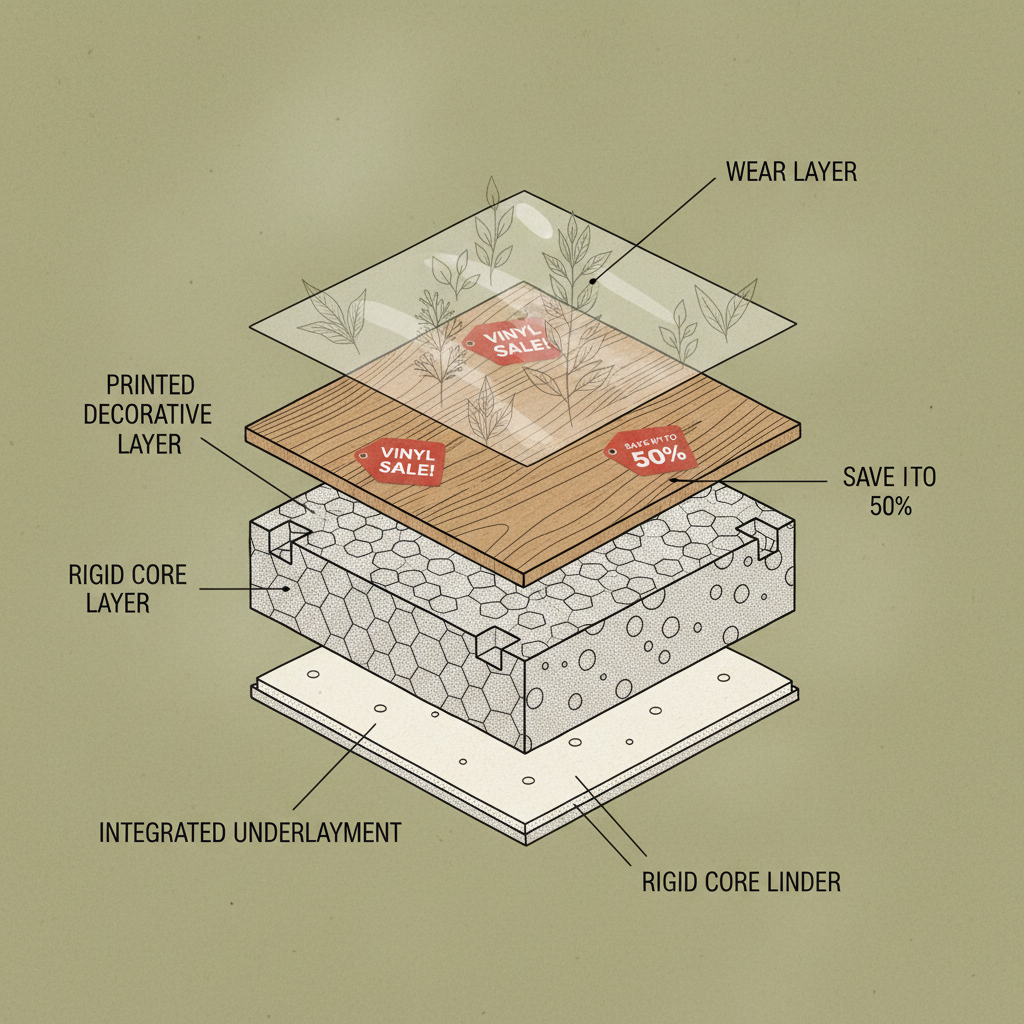
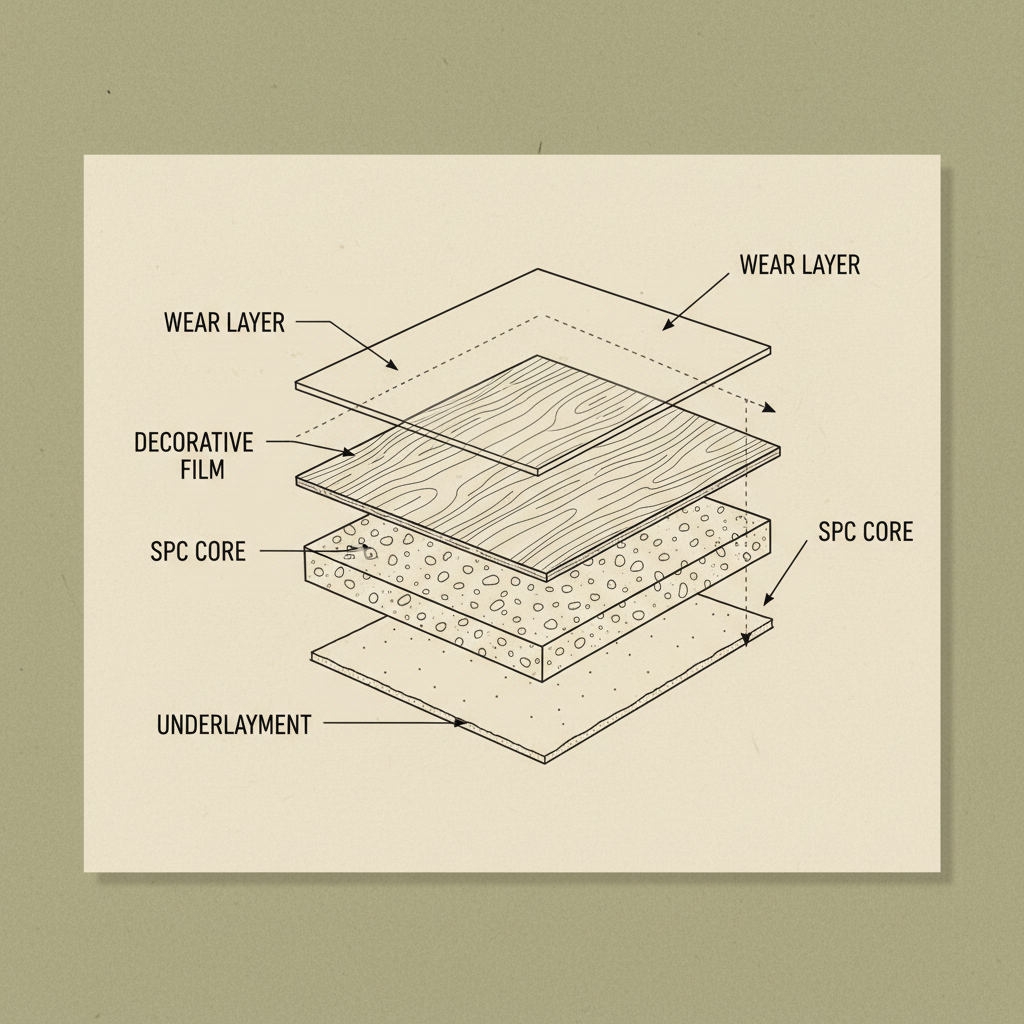
Wood grain vinyl flooring, at its core, is a synthetic flooring material designed to replicate the appearance of natural wood. It's typically composed of several layers, including a wear layer for protection, a print layer featuring the wood-grain pattern, a core layer providing stability, and a backing layer for cushioning and sound absorption. Different manufacturing techniques, such as luxury vinyl tile (LVT) and luxury vinyl plank (LVP), offer varying levels of thickness, texture, and realism.
Its connection to modern industry lies in its efficiency and scalability. Mass production techniques make it relatively inexpensive to manufacture, while its lightweight nature and ease of installation reduce labor costs. This makes it a crucial material in rapid building projects and affordable housing initiatives, providing a durable and attractive flooring option where budget is a primary concern.
Furthermore, wood grain vinyl flooring addresses growing consumer demands for sustainable and low-maintenance flooring solutions. Many manufacturers are incorporating recycled materials into their production processes, and the inherent water resistance and stain resistance of vinyl flooring reduce the need for harsh cleaning chemicals and frequent replacements.
Key Characteristics of Wood Grain Vinyl Flooring
Durability is a standout characteristic of wood grain vinyl flooring. The wear layer, often treated with polyurethane, protects against scratches, dents, and stains, making it ideal for high-traffic areas and households with pets or children. This resilience contributes to a longer lifespan compared to many other flooring options.
Water Resistance is another crucial benefit. Unlike hardwood, which can warp or swell when exposed to moisture, vinyl flooring is inherently waterproof, making it suitable for kitchens, bathrooms, and basements. This characteristic significantly reduces the risk of damage and extends the flooring’s longevity in damp environments.
Aesthetic Versatility allows wood grain vinyl flooring to mimic a vast array of wood species, colors, and textures. From classic oak and maple to exotic hardwoods like Brazilian cherry, the options are nearly limitless. This versatility enables designers to achieve the desired aesthetic without the expense or environmental impact of using genuine wood.
Applications of Wood Grain Vinyl Flooring
Wood grain vinyl flooring finds application across a diverse range of settings. In residential spaces, it's commonly used in kitchens, bathrooms, living rooms, and bedrooms, providing a comfortable and stylish surface. Its water resistance and durability make it particularly well-suited for areas prone to spills and moisture.
Commercial applications are equally extensive. Retail stores, restaurants, healthcare facilities, and office buildings all benefit from the resilience and low maintenance of wood grain vinyl flooring. Its ability to withstand heavy foot traffic and resist staining makes it a cost-effective solution for high-use areas.
Geographically, its adoption is widespread. In North America and Europe, it’s a staple in home renovations and new construction. Emerging markets in Asia and South America are also experiencing rapid growth in demand, driven by increasing urbanization and a desire for affordable and attractive flooring options.
Wood Grain Vinyl Flooring Installation Methods - Cost & Complexity
Advantages and Long-Term Value
The cost-effectiveness of wood grain vinyl flooring is a significant advantage. It offers a similar aesthetic to hardwood at a fraction of the price, making it an accessible option for budget-conscious homeowners and businesses. This affordability extends beyond the initial purchase price, as it also reduces long-term maintenance costs.
Sustainability is increasingly important, and many wood grain vinyl flooring products are now manufactured with recycled content and using environmentally responsible processes. Choosing these options reduces the demand for virgin materials and minimizes the environmental footprint, aligning with a growing commitment to eco-friendly building practices.
Future Trends and Innovations
Developments in digital printing technology are leading to increasingly realistic wood-grain patterns and textures. High-definition imaging and embossing techniques are blurring the lines between vinyl and natural wood, offering consumers a more authentic look and feel.
The integration of antimicrobial properties into wood grain vinyl flooring is also gaining traction. This innovation addresses concerns about hygiene and makes it particularly suitable for healthcare environments and spaces where cleanliness is paramount. Further advancements in core materials, such as SPC (stone plastic composite), are enhancing the durability and stability of vinyl flooring products.
Smart flooring, incorporating sensors for temperature, moisture, and even occupancy detection, is a nascent but promising trend. This technology could enable automated climate control and enhanced security features, adding a new layer of functionality to wood grain vinyl flooring.
Challenges and Solutions
One challenge associated with wood grain vinyl flooring is its potential for off-gassing, the release of volatile organic compounds (VOCs). However, this issue is being addressed through stricter regulations and the development of low-VOC and phthalate-free products. Choosing certified products with low VOC emissions is crucial for maintaining indoor air quality.
Another challenge is the potential for damage from sharp objects or heavy impacts. While the wear layer provides protection, excessive force can still cause scratches or dents. Using furniture pads, area rugs, and taking precautions to avoid dropping heavy objects can mitigate this risk.
Proper subfloor preparation is essential for a successful installation. Uneven or improperly prepared subfloors can lead to warping or premature wear of the flooring. Investing in professional installation or carefully following manufacturer’s instructions regarding subfloor preparation is paramount.
Summary of Wood Grain Vinyl Flooring Challenges and Solutions
| Challenge |
Severity (1-10) |
Mitigation Strategy |
Cost of Mitigation |
| VOC Emissions |
6 |
Choose Low-VOC Products |
Low to Moderate |
| Scratch Resistance |
5 |
Furniture Pads, Area Rugs |
Very Low |
| Subfloor Preparation |
8 |
Professional Installation, Leveling Compound |
Moderate to High |
| Impact Damage |
4 |
Avoid Dropping Heavy Objects |
Very Low |
| Pattern Repetition |
3 |
Choose Products with Random Patterning |
Low |
| Moisture Intrusion (Edges) |
4 |
Proper Sealing & Waterproofing |
Low |
FAQS
LVT (Luxury Vinyl Tile) and LVP (Luxury Vinyl Plank) both offer the aesthetic of wood, but differ in shape and presentation. LVP mimics wood planks, while LVT resembles tiles. LVP typically offers a more authentic wood look due to its plank format and longer lengths. LVT is often preferred for spaces requiring a tiled aesthetic, like bathrooms. Both provide similar durability and water resistance, making the choice largely dependent on desired appearance and installation preference.
The ease of installation varies based on the type of flooring. Click-lock LVP is very DIY-friendly, requiring no adhesive and simply snapping planks together. Glue-down LVT is more challenging, needing a perfectly prepared subfloor and precise adhesive application. Peel-and-stick options are easier than glue-down but may not be as durable. Proper subfloor preparation is crucial for any method, and professional installation is recommended for complex layouts or if you lack experience.
Absolutely! Wood grain vinyl flooring is an excellent choice for bathrooms due to its inherent water resistance. Unlike hardwood or laminate, it won't warp or swell when exposed to moisture. Ensure you choose a 100% waterproof product and properly seal the seams to prevent any water from seeping underneath. It offers the aesthetic appeal of wood without the risk of water damage.
With proper care and maintenance, wood grain vinyl flooring can last 15-25 years or even longer. The lifespan depends on the wear layer thickness, the quality of installation, and the level of foot traffic. Regularly sweeping and mopping, using furniture pads, and avoiding harsh chemicals will help extend its longevity. Choosing a product with a strong warranty is also a good indicator of its durability.
The environmental impact varies by manufacturer. Many companies now offer wood grain vinyl flooring made with recycled content and using low-VOC adhesives. Look for products with certifications like FloorScore or GreenGuard, which indicate reduced emissions. While not a natural material, responsible manufacturing practices and recyclability options are improving its sustainability profile.
Routine cleaning is simple. Sweep or vacuum regularly to remove dirt and debris. Mop with a mild detergent and warm water, avoiding abrasive cleaners or scouring pads. For stubborn stains, use a vinyl floor cleaner recommended by the manufacturer. Protect furniture legs with pads to prevent scratches, and avoid exposing the flooring to excessive direct sunlight for prolonged periods.
Conclusion
Wood grain vinyl flooring represents a compelling combination of affordability, durability, aesthetic appeal, and ease of maintenance. Its versatility makes it suitable for a wide range of applications, from residential homes to bustling commercial spaces. As manufacturing processes continue to improve, offering even more realistic designs and sustainable materials, its popularity is set to continue its upward trajectory.
Looking ahead, choosing wood grain vinyl flooring is an investment in long-term value. By prioritizing quality products, proper installation, and routine maintenance, homeowners and businesses can enjoy the beauty and benefits of this flooring solution for years to come. To explore the latest innovations and find the perfect wood grain vinyl flooring for your project, visit our website: www.enliosport.com.