Wood look vinyl flooring has revolutionized the flooring industry, offering a compelling alternative to traditional hardwood. Its durability, affordability, and ease of maintenance have made it increasingly popular in both residential and commercial spaces globally. The demand for aesthetically pleasing, yet practical flooring solutions is driving significant growth in this market, offering homeowners and businesses alike a cost-effective and stylish option.
The global flooring market is a multi-billion dollar industry, with vinyl flooring representing a substantial and growing segment. According to recent industry reports, the wood look vinyl flooring segment specifically is experiencing double-digit growth, fueled by a desire for authentic wood aesthetics without the associated costs and upkeep. This trend reflects a broader consumer preference for value, convenience, and sustainable material choices.
Understanding the nuances of wood look vinyl flooring—from its manufacturing processes to its installation techniques and long-term performance characteristics—is crucial for architects, designers, contractors, and homeowners seeking to make informed decisions. This detailed exploration will delve into these aspects, providing a comprehensive overview of this versatile and increasingly sought-after flooring option.
The Definition of wood look vinyl flooring
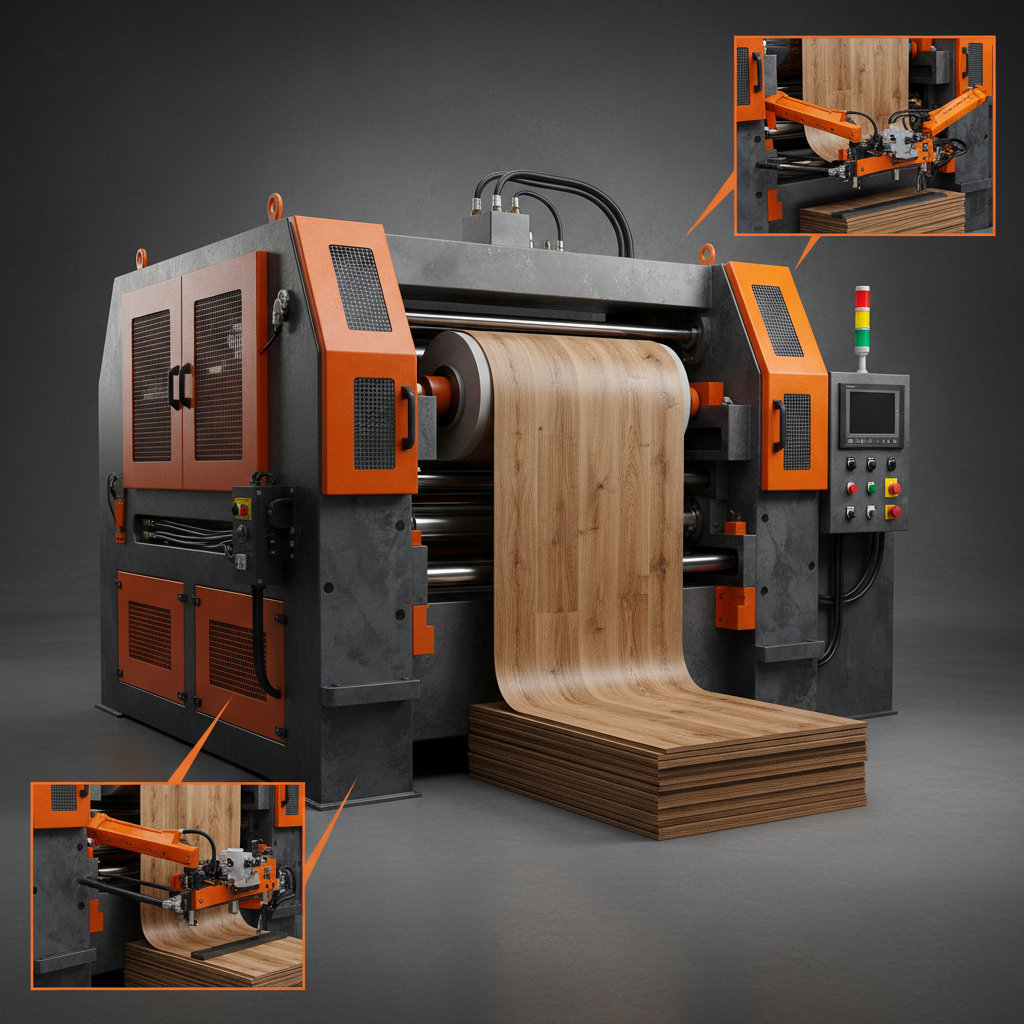
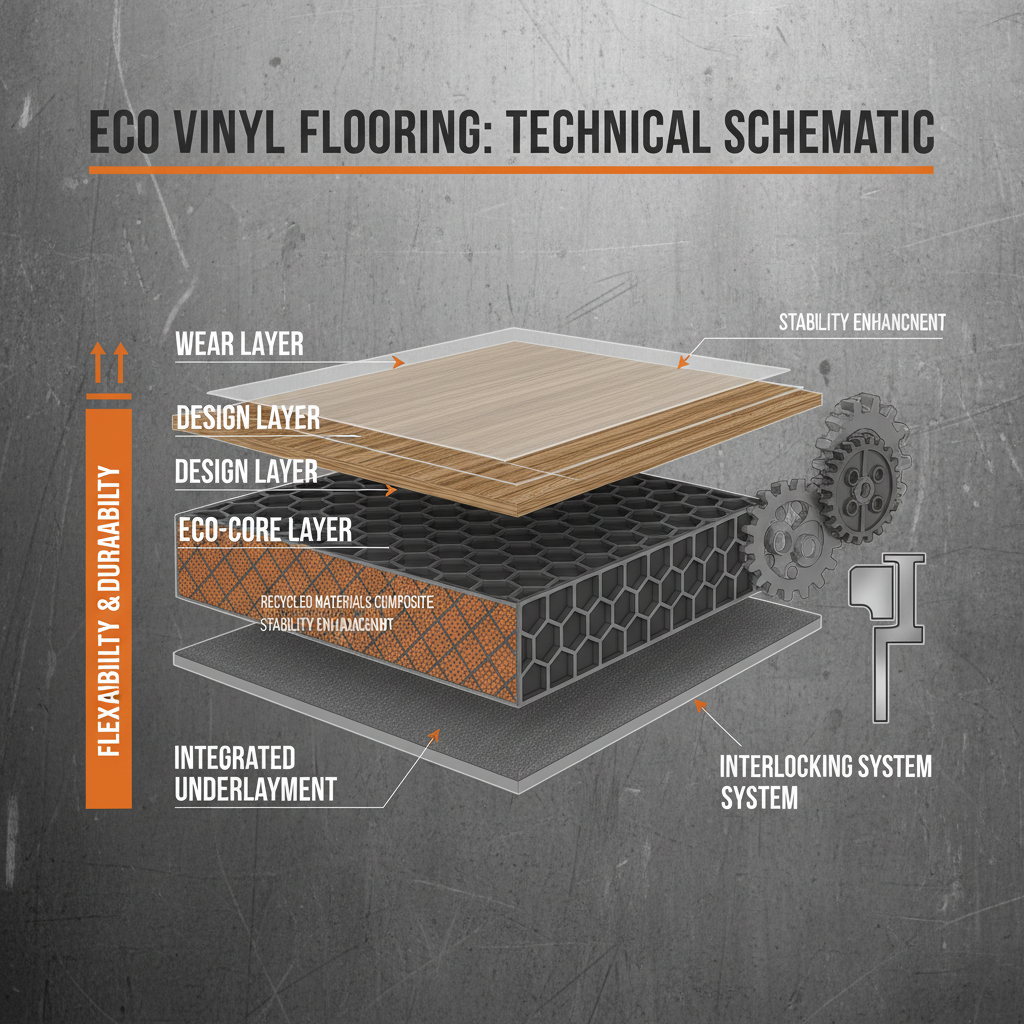
Wood look vinyl flooring is a synthetic flooring material designed to visually mimic the appearance of natural hardwood. It’s typically constructed from multiple layers, including a durable wear layer, a decorative photographic layer that replicates wood grain, and a core layer providing stability and cushioning. This construction method creates a product that is both aesthetically pleasing and highly functional.
The connection to modern industry stems from advances in polymer chemistry and digital printing technologies. These innovations allow manufacturers to create incredibly realistic wood-grain patterns and textures, while maintaining the practical benefits of vinyl – water resistance, stain resistance, and ease of cleaning. This addresses a growing need for durable, low-maintenance flooring options in both residential and commercial environments.
Key Components of wood look vinyl flooring
The construction of wood look vinyl flooring is a layered process, with each component contributing to its overall performance and aesthetics. The wear layer, typically made of polyurethane, protects the flooring from scratches, scuffs, and stains. Beneath this lies the decorative layer, a high-resolution printed image of wood, chosen for its realistic appearance.
The core layer provides the foundation for the flooring, offering stability and cushioning. Different types of core layers exist, including WPC (wood plastic composite) and SPC (stone plastic composite). WPC cores are lighter and more flexible, offering a softer underfoot feel, while SPC cores are denser and more rigid, providing enhanced durability and water resistance.
Finally, a backing layer adds further stability and sound absorption. Understanding these components is essential for selecting the right wood look vinyl flooring for a specific application, as different compositions cater to varying levels of traffic, moisture exposure, and aesthetic preferences.
The Durability Factor of wood look vinyl flooring
One of the most significant advantages of wood look vinyl flooring is its exceptional durability. Unlike hardwood, which is susceptible to scratches, dents, and water damage, vinyl flooring is inherently resistant to these issues. The wear layer protects against everyday wear and tear, while the core layer provides structural integrity.
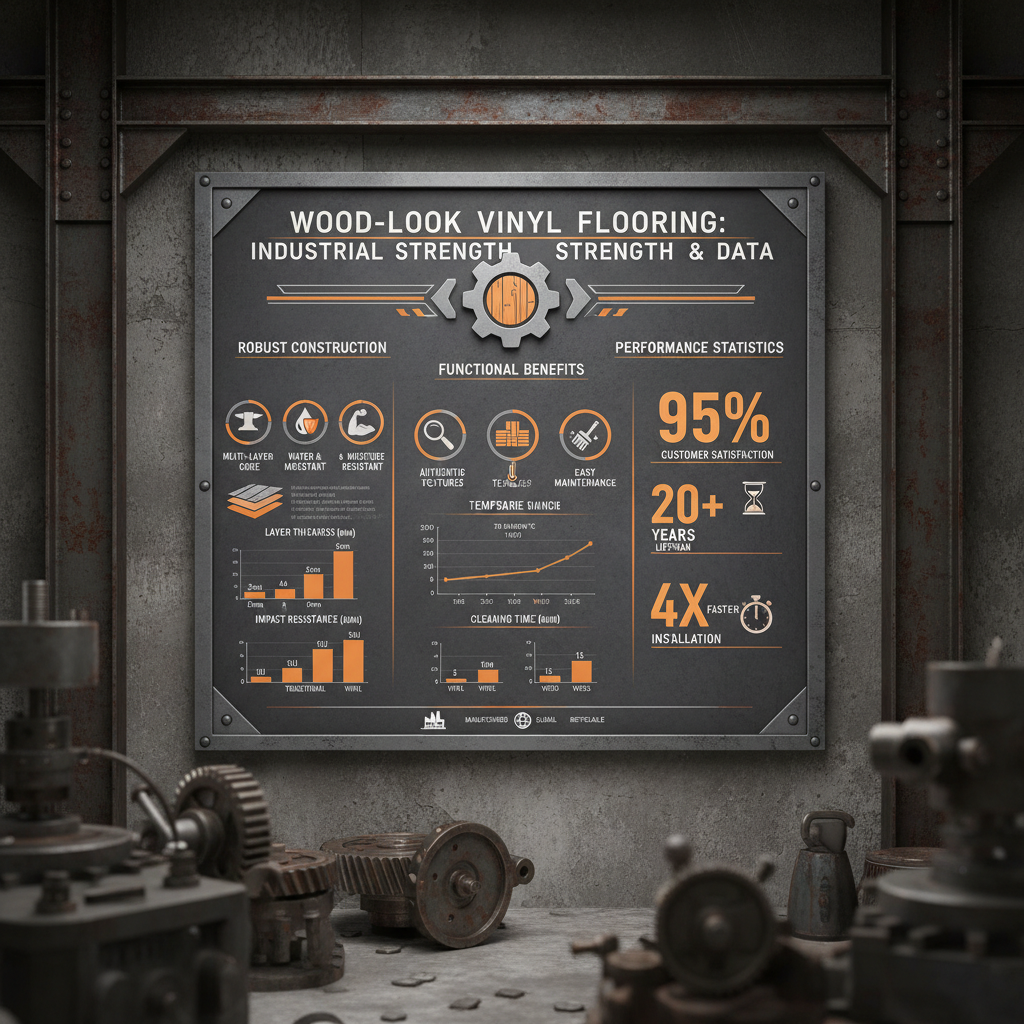
This durability translates to a longer lifespan, reducing the need for frequent replacements. High-quality wood look vinyl flooring can easily last for 10-20 years, or even longer, with proper care and maintenance. This makes it a cost-effective choice in the long run, especially compared to hardwood flooring that may require refinishing or replacement more frequently.
Furthermore, wood look vinyl flooring is less prone to fading from sunlight exposure, maintaining its vibrant appearance over time. Its water resistance also makes it an ideal choice for areas prone to moisture, such as kitchens, bathrooms, and basements.
Cost Efficiency in wood look vinyl flooring Applications
Compared to traditional hardwood flooring, wood look vinyl flooring offers significant cost savings. The initial purchase price is typically lower, and installation costs are also generally less expensive. This is due to the simpler installation process—many vinyl flooring products are designed for click-lock installation, eliminating the need for glue or nails.
Beyond the initial cost, wood look vinyl flooring also reduces long-term expenses related to maintenance. It doesn’t require regular refinishing, waxing, or polishing, saving both time and money. Cleaning is simple, usually requiring only sweeping and occasional mopping.
Cost Comparison of Flooring Materials
Global Applications of wood look vinyl flooring
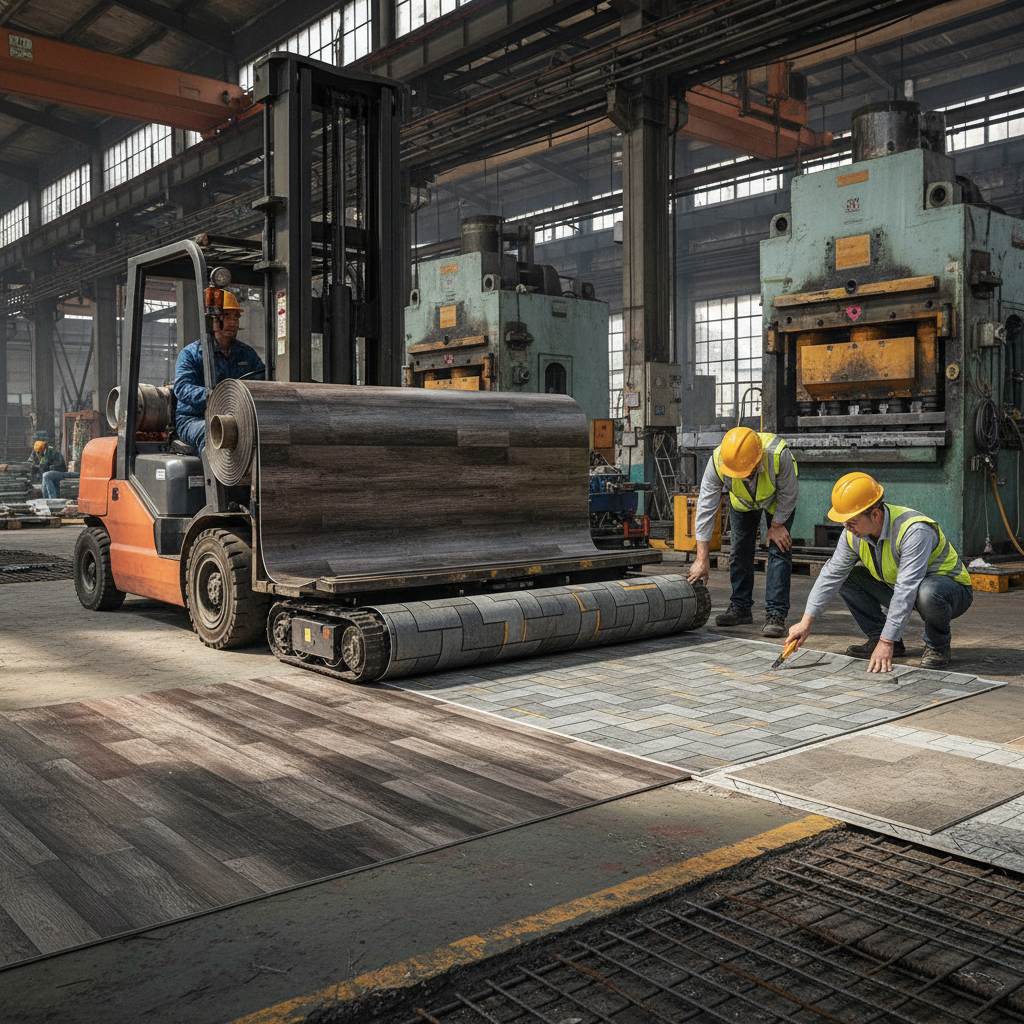
Wood look vinyl flooring is finding applications across a wide range of settings globally. In residential construction, it’s a popular choice for living rooms, bedrooms, kitchens, and bathrooms, offering a balance of style, durability, and affordability. It’s also increasingly used in commercial spaces, such as retail stores, offices, and healthcare facilities, where its ease of maintenance and resistance to heavy traffic are highly valued.
The demand for wood look vinyl flooring is particularly strong in regions with high humidity or frequent moisture exposure, such as coastal areas and tropical climates. It’s also gaining traction in developing countries where affordability and durability are key considerations. From new construction projects to renovation initiatives, wood look vinyl flooring provides a versatile solution for diverse flooring needs.
The Long-Term Value of wood look vinyl flooring
The long-term value of wood look vinyl flooring extends beyond its initial cost savings. Its durability and low maintenance requirements contribute to a lower total cost of ownership over its lifespan. This makes it a financially sound investment for homeowners and business owners alike.
Furthermore, wood look vinyl flooring can enhance the aesthetic appeal of a space, potentially increasing property value. Its ability to mimic the look of natural hardwood provides a luxurious feel without the associated costs and upkeep. This can be particularly attractive to potential buyers or renters.
Finally, many wood look vinyl flooring products are now manufactured using sustainable materials and processes, contributing to a more environmentally responsible choice. This adds another layer of value for consumers who prioritize sustainability.
Future Trends in wood look vinyl flooring
The future of wood look vinyl flooring is marked by continued innovation and a focus on sustainability. Manufacturers are exploring new materials and technologies to enhance the product’s performance and reduce its environmental impact. This includes the development of bio-based vinyl flooring options and recycled content materials.
We can also expect to see advancements in printing technology, leading to even more realistic wood-grain patterns and textures. Furthermore, integrated features such as antimicrobial coatings and enhanced sound absorption are likely to become more common.
Digital printing and customization are also emerging trends, allowing consumers to create bespoke flooring designs tailored to their individual preferences. These advancements will solidify wood look vinyl flooring’s position as a leading flooring solution in the years to come.
Analysis of Key Factors Influencing Wood Look Vinyl Flooring Performance
| Wear Layer Thickness (mil) |
Core Material Type |
Water Resistance Rating (1-10) |
Estimated Lifespan (Years) |
| 6 |
WPC |
7 |
10 |
| 12 |
SPC |
9 |
15 |
| 8 |
WPC |
6 |
12 |
| 10 |
SPC |
8 |
18 |
| 15 |
SPC |
10 |
20+ |
| 5 |
WPC |
5 |
8 |
FAQS
Wood look vinyl flooring generally offers superior water resistance compared to laminate, making it a better choice for areas prone to moisture like kitchens and bathrooms. It's also often softer and warmer underfoot, and can provide a more realistic wood appearance due to advancements in printing technology. Laminate, while generally less expensive, is more susceptible to damage from water and can sound hollow when walked on.
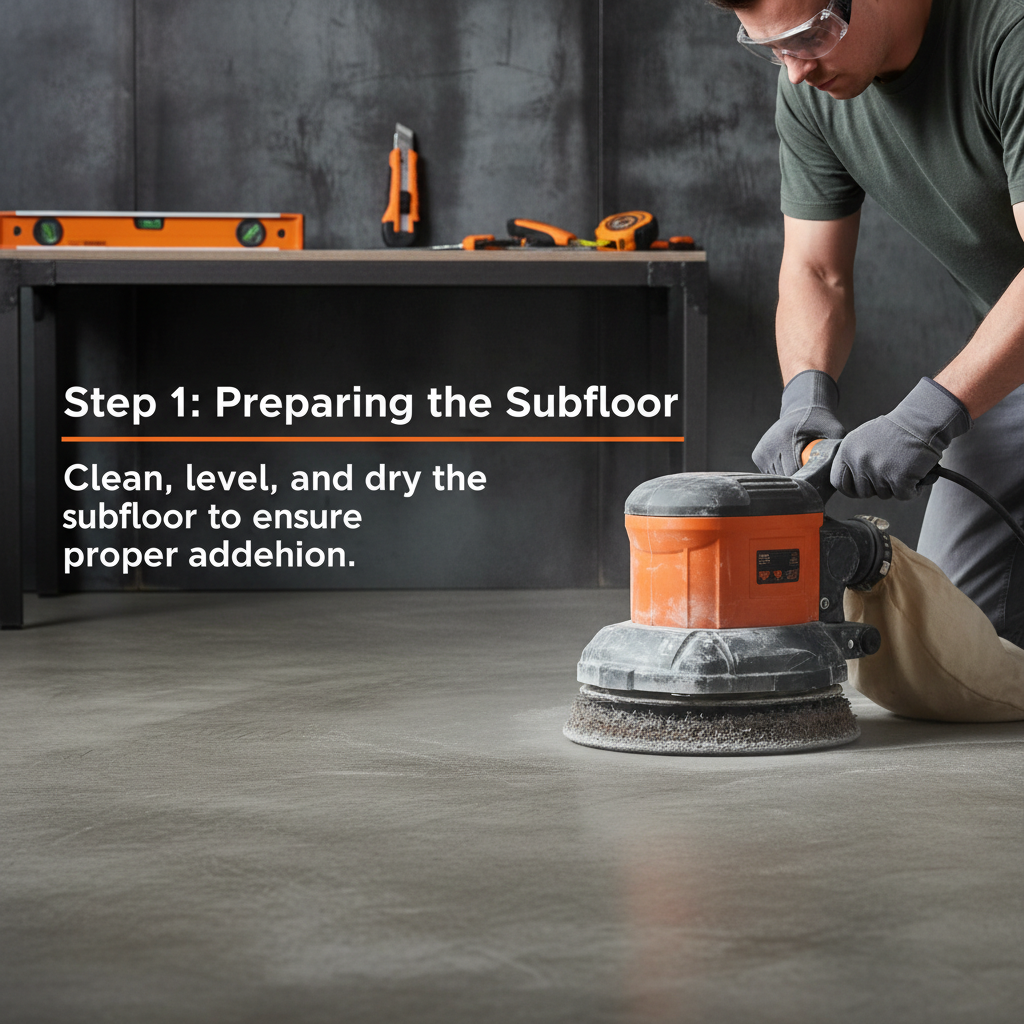
Many wood look vinyl flooring products are designed for DIY installation, featuring click-lock systems that require no glue or nails. However, proper subfloor preparation is crucial for a successful installation. This includes ensuring the subfloor is clean, level, and dry. For complex installations or if you lack experience, professional installation is recommended.
Sustainability varies depending on the manufacturer and product. Look for options that contain recycled content, are manufactured using eco-friendly processes, and are certified by organizations like FloorScore for low VOC emissions. Vinyl itself is not biodegradable, but choosing products with sustainable attributes can minimize environmental impact.
Regular cleaning is simple. Sweep or vacuum to remove dirt and debris, then mop with a mild detergent and water. Avoid abrasive cleaners or scouring pads, as these can damage the wear layer. Protect furniture legs with felt pads to prevent scratches, and avoid exposing the flooring to prolonged direct sunlight.
WPC (Wood Plastic Composite) features a core made of recycled wood flour and plastic, offering a softer, more comfortable underfoot feel. SPC (Stone Plastic Composite) uses limestone as a core component, resulting in a denser, more rigid, and more waterproof product. SPC is generally more durable and stable, making it ideal for high-traffic areas and areas prone to moisture.
Yes, most wood look vinyl flooring products are compatible with radiant heating systems. However, it’s crucial to check the manufacturer’s specifications to ensure compatibility. The flooring should be acclimated to the room temperature before installation, and the heating system should be gradually increased to avoid damaging the flooring.
Conclusion
Wood look vinyl flooring represents a significant advancement in flooring technology, offering a compelling combination of aesthetics, durability, affordability, and ease of maintenance. Its versatility allows it to be used in a wide range of applications, from residential homes to commercial spaces, making it a popular choice for both homeowners and business owners. Understanding its key components, advantages, and future trends is essential for making informed flooring decisions.
As technology continues to evolve, we can expect even more innovative wood look vinyl flooring solutions to emerge, further enhancing its performance, sustainability, and aesthetic appeal. For those seeking a stylish, durable, and cost-effective flooring option, wood look vinyl flooring is an excellent choice. Visit our website today to explore our extensive collection: wood look vinyl flooring.