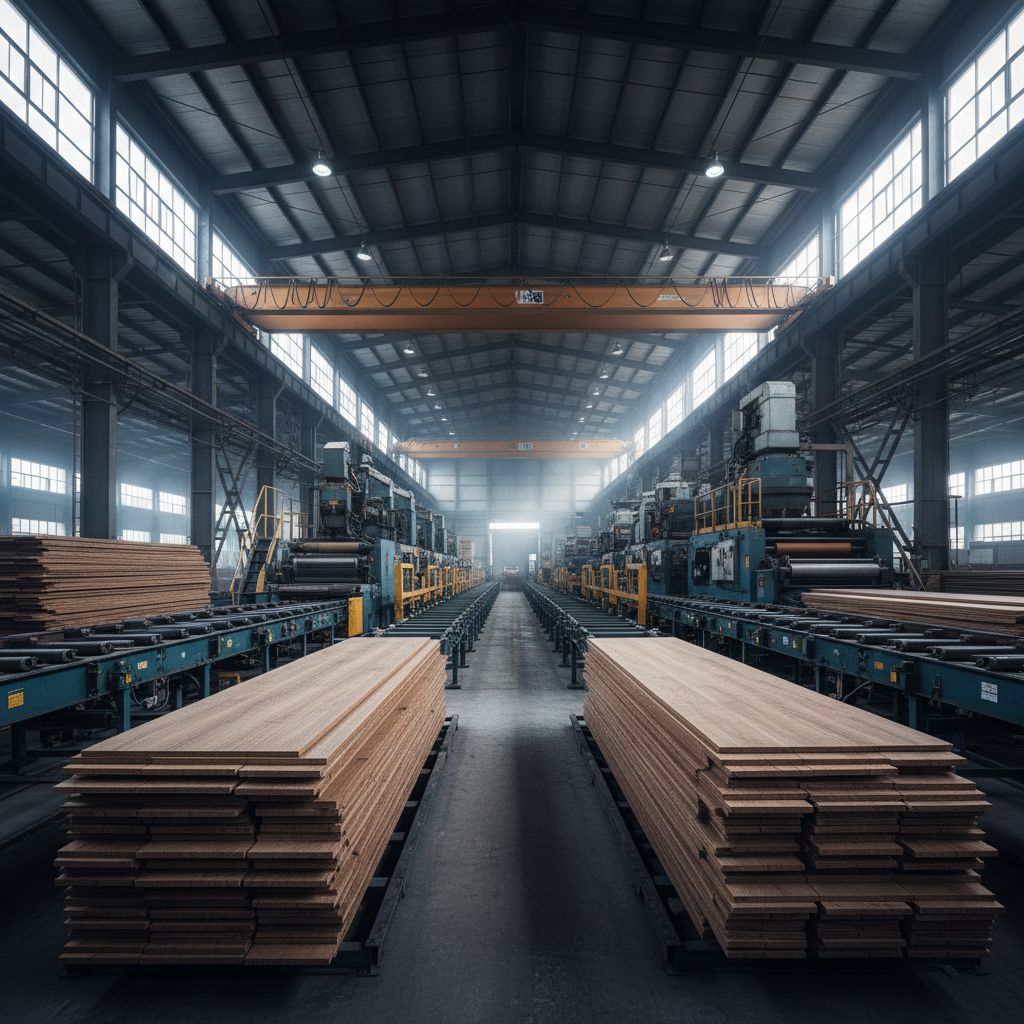
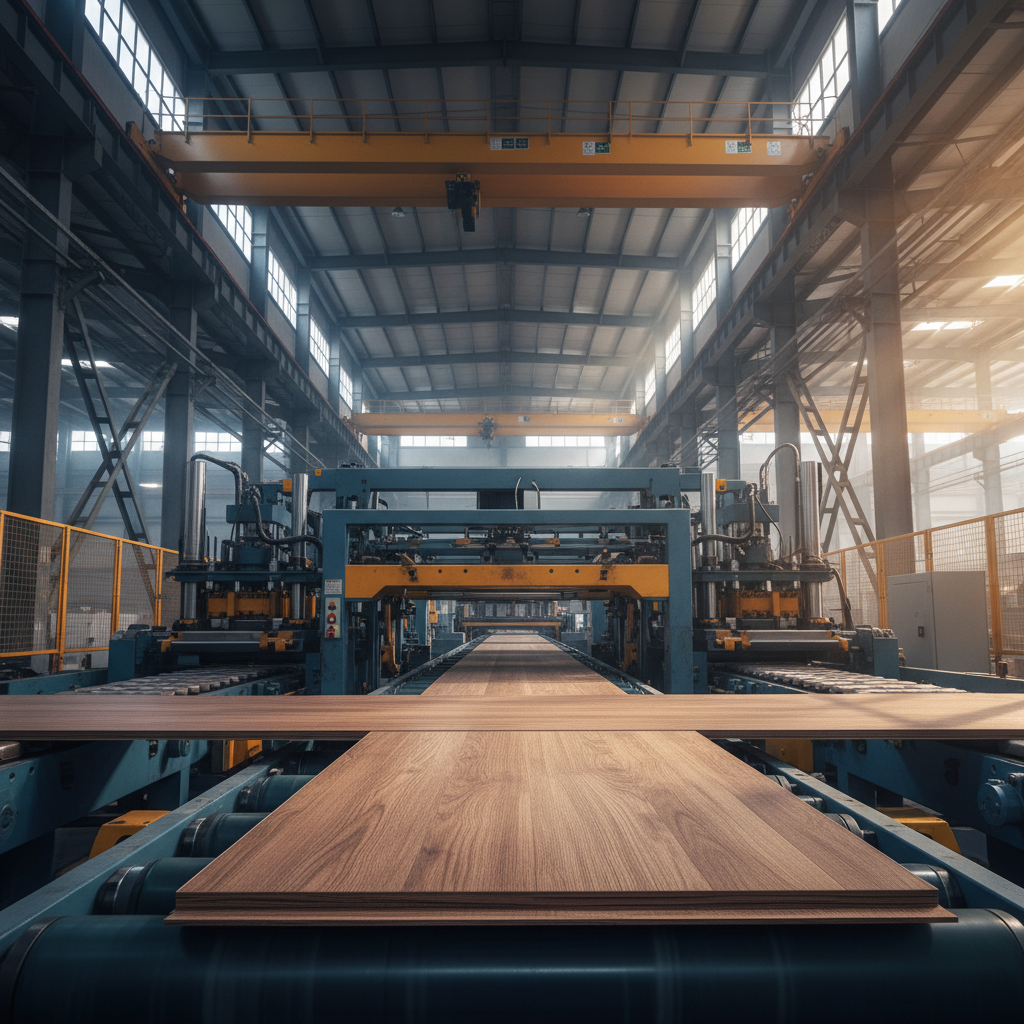
wpc vinyl plank flooring has rapidly emerged as a leading choice for modern flooring solutions, experiencing a surge in global demand. This isn’t simply a trend; it reflects a fundamental shift in how we approach interior design, construction, and even sustainability. Its versatility, combined with enhanced durability and increasingly realistic aesthetics, has made it a preferred alternative to traditional hardwood, tile, and laminate flooring in both residential and commercial settings. The increasing affordability of wpc vinyl plank flooring further contributes to its widespread adoption.
The global flooring market is projected to reach significant heights in the coming years, with wpc vinyl plank flooring playing a crucial role in this growth. According to industry reports, the demand for resilient flooring, which includes wpc, is outpacing that of other materials, driven by consumer preferences for low-maintenance, water-resistant, and aesthetically pleasing options. This growth is particularly pronounced in developing economies undergoing rapid urbanization and infrastructure development. The construction industry’s focus on sustainable building materials also fuels the demand for wpc vinyl plank flooring.
Understanding the intricacies of wpc vinyl plank flooring is vital for architects, interior designers, builders, and homeowners alike. It allows for informed decisions regarding flooring choices, ensuring optimal performance, cost-effectiveness, and longevity. This detailed exploration aims to provide a comprehensive overview of wpc vinyl plank flooring, its advantages, applications, and future trends, ultimately empowering readers to make the best possible selections for their specific needs.
Introduction to wpc vinyl plank flooring
wpc vinyl plank flooring represents a significant advancement in flooring technology. It combines the aesthetic appeal of natural wood with the practical benefits of vinyl, creating a durable and versatile surface suitable for a wide range of applications. The core structure, typically composed of wood plastic composite, provides stability and resistance to moisture, making it an ideal choice for areas prone to water exposure.
Its ease of installation, often utilizing click-lock systems, significantly reduces labor costs and installation time compared to traditional flooring methods. This, coupled with its relatively low maintenance requirements, makes wpc vinyl plank flooring a cost-effective solution for both homeowners and businesses. The growing emphasis on sustainable building practices also positions wpc vinyl plank flooring favorably within the market, as many manufacturers are incorporating recycled materials into their production processes.
Defining wpc Vinyl Plank Flooring
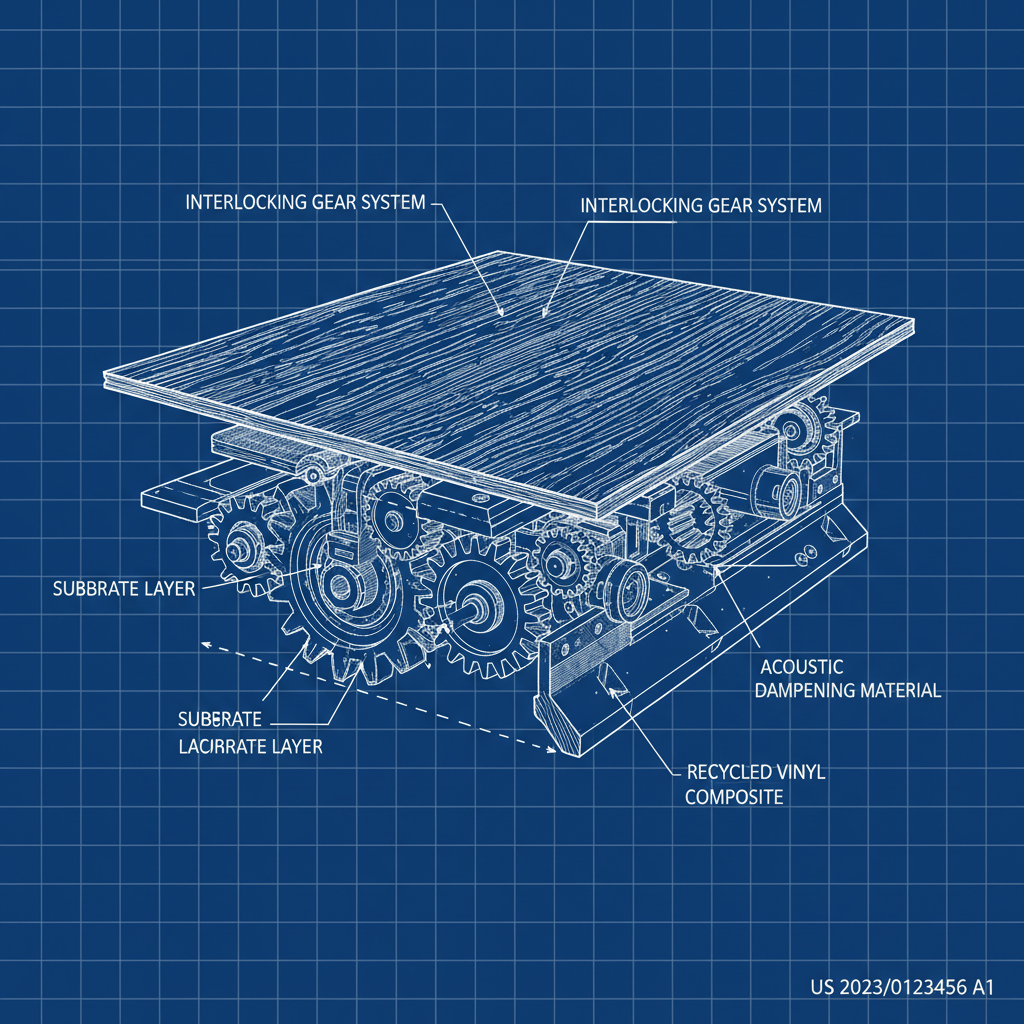
wpc vinyl plank flooring, or wood plastic composite vinyl plank flooring, is a type of resilient flooring engineered to mimic the look of hardwood, stone, or tile. It's constructed with multiple layers: a wear layer providing surface protection, a decorative layer that displays the visual design, a wpc core providing stability and cushioning, and a backing layer enhancing sound absorption and installation. The “wood plastic composite” core is typically composed of recycled wood pulp and plastic materials.
Unlike traditional vinyl, wpc features a rigid core that offers enhanced stability, making it less susceptible to dents and scratches. This improved stability also allows for installation over slightly uneven subfloors without requiring extensive preparation. The material’s inherent water resistance makes it a popular choice for kitchens, bathrooms, and basements where moisture is a concern.
This innovation connects directly to modern demands for sustainable and practical building materials. It addresses the need for aesthetically pleasing, durable, and cost-effective flooring options, minimizing environmental impact through the use of recycled materials and reducing the demand for natural wood resources.
Core Components of wpc Vinyl Plank Flooring
The performance of wpc vinyl plank flooring relies on the synergistic interaction of its key components. The wear layer, typically made of transparent polyurethane, protects against scratches, stains, and fading, determining the flooring’s overall durability. A thicker wear layer indicates greater resistance and longevity.
The decorative layer is where the aesthetic appeal comes into play, utilizing high-resolution printing to realistically replicate wood grain, stone patterns, or tile designs. The quality of this layer significantly impacts the visual authenticity of the flooring. Underneath lies the wpc core, composed of wood flour and plastic binders, providing the plank with its rigidity, waterproof characteristics, and dimensional stability.
Finally, the backing layer, often made of cork or foam, provides sound insulation and cushioning, enhancing comfort underfoot and reducing noise transmission. These layers work in concert to deliver a product that is not only visually attractive but also highly functional and resilient, representing a significant leap in flooring technology.
Durability and Performance Characteristics
wpc vinyl plank flooring excels in durability, making it suitable for high-traffic areas. Its resistance to scratches, dents, and stains is a major advantage over traditional hardwood floors. The waterproof core prevents water damage, making it ideal for kitchens, bathrooms, and basements, areas where spills and moisture are common.
The stability of wpc vinyl plank flooring minimizes expansion and contraction with changes in temperature and humidity, reducing the risk of gapping or warping. This is particularly beneficial in climates with significant seasonal variations.
wpc Vinyl Plank Flooring Performance Ratings
Global Applications and Industry Use
wpc vinyl plank flooring finds applications across diverse sectors globally. In residential construction, it's a popular choice for kitchens, bathrooms, living rooms, and bedrooms, offering a cost-effective and stylish flooring solution. Commercial spaces, such as retail stores, offices, and healthcare facilities, also benefit from its durability and low maintenance requirements.
The hospitality industry frequently utilizes wpc vinyl plank flooring in hotel rooms and common areas due to its ability to withstand heavy foot traffic and its ease of cleaning. Educational institutions, including schools and universities, are increasingly adopting wpc vinyl plank flooring for its durability and sound absorption properties, creating more comfortable learning environments. In post-disaster relief operations, its waterproof nature makes it a viable option for temporary or emergency housing.
Benefits and Long-Term Value Proposition
The advantages of wpc vinyl plank flooring extend beyond its functional properties. Cost-effectiveness is a significant benefit, with installation costs often lower than traditional hardwood or tile. Sustainability is another key factor, as many manufacturers utilize recycled materials in the production process, reducing environmental impact.
From a homeowner’s perspective, wpc vinyl plank flooring offers peace of mind, knowing that the floor is resistant to everyday wear and tear, and easy to maintain. The increased property value contributes to a long-term financial benefit. The enhanced comfort and reduced noise levels further enhance the overall living experience.
The emotional benefits are also noteworthy – a beautiful and durable floor creates a sense of pride and well-being, while the low maintenance requirements free up time and energy for other pursuits. This combination of practical, financial, and emotional benefits makes wpc vinyl plank flooring a compelling investment.
Future Trends in wpc Vinyl Plank Flooring
The future of wpc vinyl plank flooring is marked by exciting innovations. Advancements in printing technology will lead to even more realistic wood and stone visuals, blurring the lines between synthetic and natural materials. The integration of antimicrobial properties will enhance hygiene and make it ideal for healthcare and educational settings.
Increased emphasis on bio-based materials and biodegradable components will further enhance the sustainability of wpc vinyl plank flooring, aligning with growing environmental concerns. Smart flooring systems incorporating sensors for temperature, humidity, and occupancy detection are also on the horizon, creating more interactive and responsive environments.
Summary of Future Trends in wpc Vinyl Plank Flooring
| Trend Category |
Description |
Impact on wpc Vinyl Plank Flooring |
Expected Timeline |
| Visual Realism |
Advanced printing techniques. |
More authentic wood and stone appearances. |
Within 1-3 years |
| Antimicrobial Technology |
Incorporation of antimicrobial agents. |
Improved hygiene in healthcare & education. |
Within 2-5 years |
| Bio-Based Materials |
Using renewable resources. |
Increased sustainability and reduced carbon footprint. |
Within 3-7 years |
| Smart Flooring Integration |
Embedding sensors for data collection. |
Enhanced functionality and personalized comfort. |
Within 5-10 years |
| Improved Wear Layer Technology |
Development of more resilient coatings. |
Increased resistance to scratches and stains. |
Ongoing, incremental improvements |
| Enhanced Waterproofing |
Advanced core compositions for full water resistance. |
Wider application in moisture-prone areas. |
Within 1-2 years |
FAQS
wpc vinyl plank flooring offers superior water resistance compared to laminate, making it a better choice for areas prone to moisture. It’s also generally softer and more comfortable underfoot. Additionally, wpc is often more durable and realistic in appearance than laminate, and often has a more stable core, resisting expansion and contraction better than laminate’s fiberboard core.
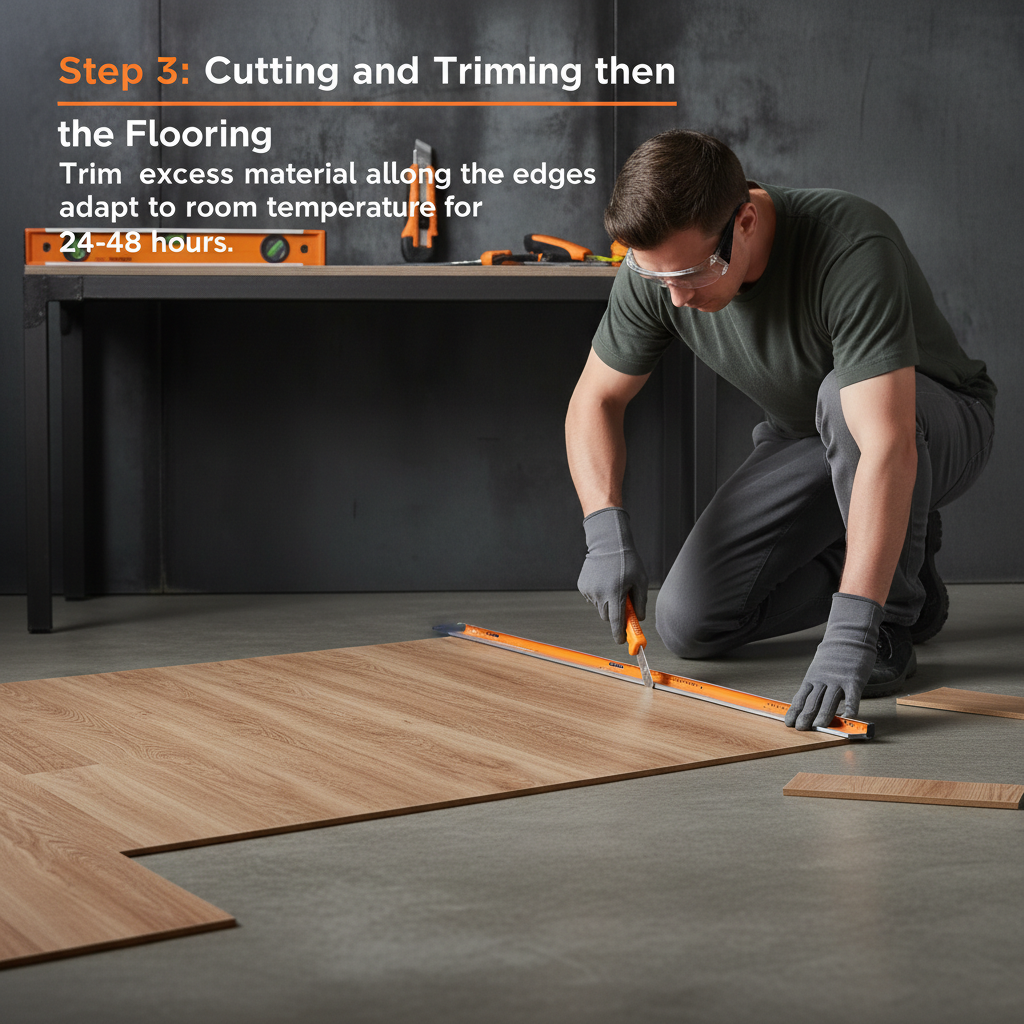
wpc vinyl plank flooring is renowned for its ease of installation, especially click-lock systems. No glue or specialized tools are typically required, making it a suitable DIY project for many homeowners. Preparation of the subfloor is usually minimal, as wpc is more forgiving of slight imperfections than some other flooring types. However, ensuring a clean, level subfloor is always recommended.
The environmental impact of wpc vinyl plank flooring varies depending on the manufacturer. However, many brands now incorporate recycled materials into their production processes, reducing waste and conserving resources. Choosing products with certifications like FloorScore indicates lower volatile organic compound (VOC) emissions, contributing to improved indoor air quality. The long lifespan and durability of wpc also reduce the need for frequent replacements.
With proper care and maintenance, wpc vinyl plank flooring can last between 15 and 25 years, or even longer. The lifespan depends on factors like the wear layer thickness, the level of foot traffic, and the quality of installation. Regular cleaning, avoiding harsh chemicals, and using furniture pads can help extend the life of your wpc flooring.
Cleaning wpc vinyl plank flooring is straightforward. Regular sweeping or vacuuming removes dust and debris. Damp mopping with a mild detergent solution is sufficient for more thorough cleaning. Avoid abrasive cleaners, scouring pads, and excessive water. Protect furniture legs with felt pads to prevent scratches, and consider using area rugs in high-traffic zones.
Some wpc vinyl plank flooring products are compatible with underfloor heating systems, but it’s crucial to check the manufacturer’s specifications. Not all wpc cores are designed to withstand prolonged exposure to heat. Following the manufacturer's guidelines regarding temperature limits and installation procedures is essential to prevent damage and ensure optimal performance.
Conclusion
In conclusion, wpc vinyl plank flooring stands out as a versatile, durable, and cost-effective flooring solution catering to a wide range of residential and commercial applications. Its unique combination of aesthetic appeal, waterproof properties, ease of installation, and sustainable characteristics positions it as a leading choice in the modern flooring market. The continued innovation in materials and technology promises even more advanced features and benefits in the years to come, solidifying its place as a dominant force in the industry.
Looking ahead, embracing wpc vinyl plank flooring represents a smart investment for those seeking a flooring solution that balances performance, aesthetics, and sustainability. We encourage you to explore the diverse range of options available and discover how wpc vinyl plank flooring can transform your space. Visit our website at wpc vinyl plank flooring to learn more and browse our extensive collection.