The demand for resilient and aesthetically pleasing exterior surfaces has led to a surge in the adoption of outdoor vinyl plank flooring. As homeowners and commercial developers seek alternatives to traditional wood and concrete, these high-performance synthetic materials offer a unique blend of visual appeal and industrial-grade endurance. Understanding the nuances of this material is essential for anyone looking to maximize the longevity of their outdoor living spaces.
On a global scale, the shift toward sustainable and low-maintenance infrastructure is driving the evolution of polymer-based flooring. Modern outdoor vinyl plank flooring is engineered to withstand extreme UV exposure, fluctuating temperatures, and heavy foot traffic, addressing the common failure points of organic decking. This innovation allows for the creation of seamless transitions between indoor and outdoor environments.
By integrating advanced wear layers and waterproof cores, these flooring solutions provide a cost-effective way to enhance property value while reducing the environmental impact associated with frequent replacements. Whether applied to a luxury patio or a commercial boardwalk, the strategic implementation of vinyl planks ensures a balance of luxury, safety, and operational efficiency.
Global Industry Context of Outdoor Vinyl Flooring
The global construction industry is currently witnessing a paradigm shift toward "composite resilience," where traditional materials are replaced by engineered polymers to meet ISO standards for durability and safety. In the context of outdoor vinyl plank flooring, this trend is driven by the increasing urbanization of coastal and tropical regions where humidity and salt spray rapidly degrade traditional timber.
Market data suggests that the adoption of vinyl-based outdoor solutions has grown significantly as cities implement stricter "green building" codes. The challenge has always been the balance between aesthetics and heat absorption; however, new formulations in the plastic flooring industry have successfully lowered the thermal conductivity of these planks, making them viable for diverse climates from Southeast Asia to Northern Europe.
Defining Modern Outdoor Vinyl Plank Flooring
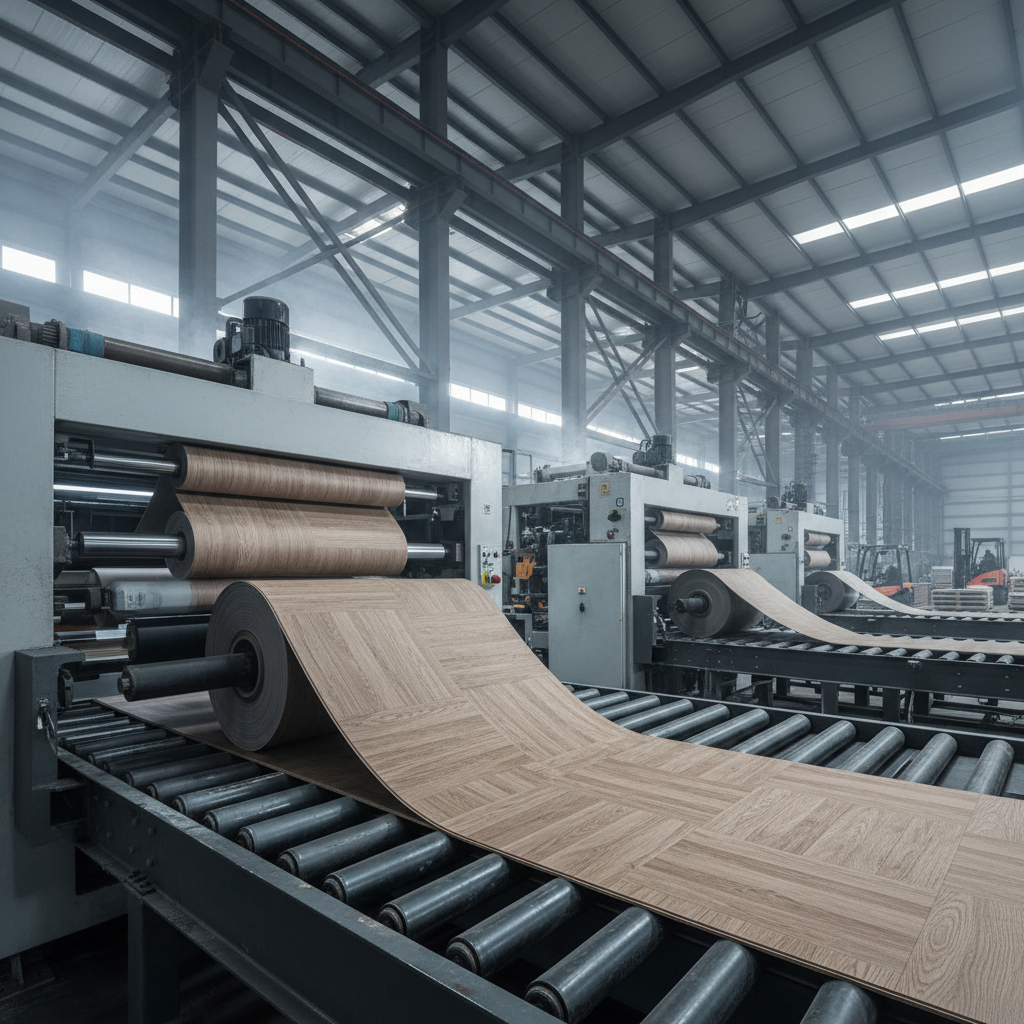
In technical terms, outdoor vinyl plank flooring is a multi-layered synthetic surfacing system composed primarily of polyvinyl chloride (PVC) combined with stabilizers, plasticizers, and UV-resistant pigments. Unlike interior luxury vinyl planks (LVP), the outdoor variant is specifically engineered with an expanded or rigid core (such as SPC or WPC) to prevent warping under direct sunlight and moisture infiltration.
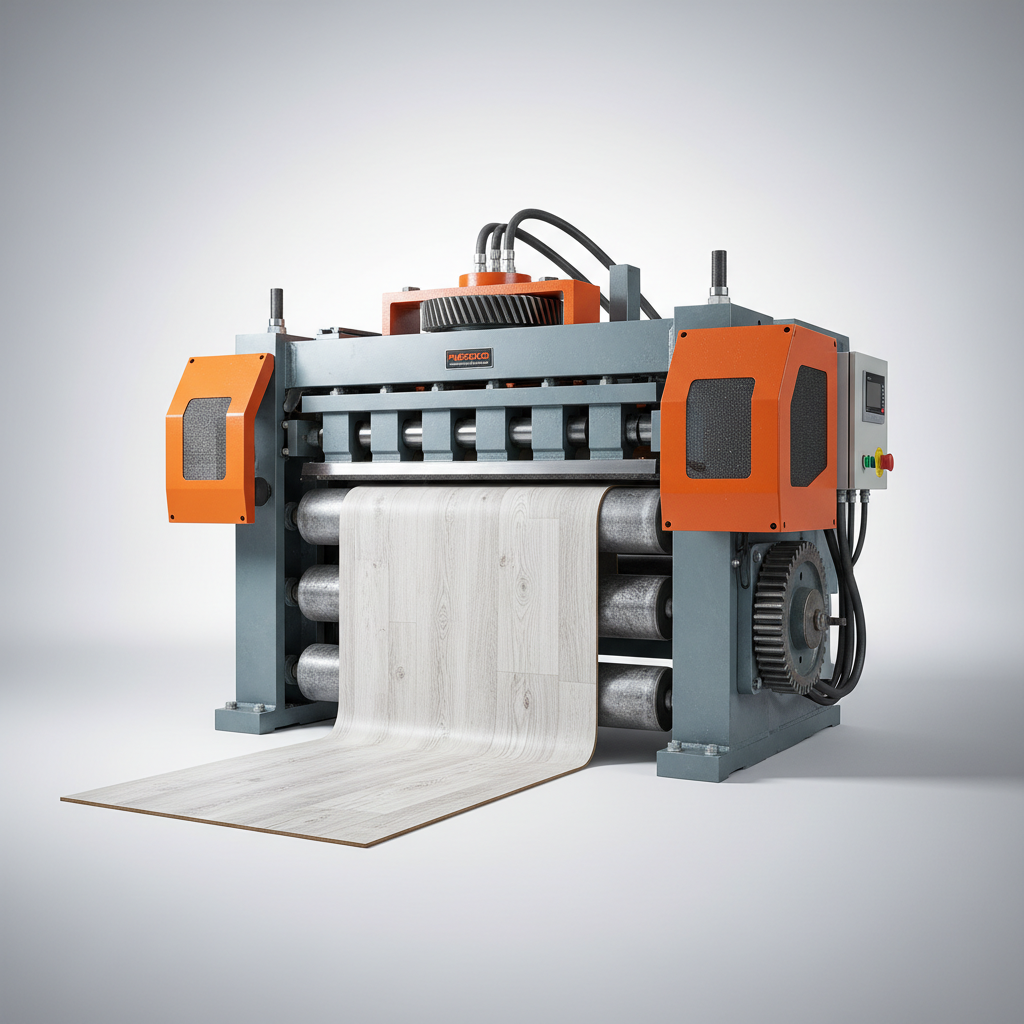
This material serves as a critical bridge between the luxury of hardwood and the utility of concrete. By utilizing advanced printing technology and embossed textures, these planks replicate the organic grain of wood while providing a non-porous surface that resists mold, mildew, and insect infestation—common issues that plague humanitarian housing projects and luxury resorts alike.
Beyond mere aesthetics, the definition of this flooring extends to its role in modern urban planning. It is viewed as a "modular infrastructure" component, allowing for rapid deployment in commercial spaces where downtime for installation must be minimized. This efficiency makes it a preferred choice for high-traffic public areas and sports-adjacent facility walkways.
Core Components of High-Performance Planks
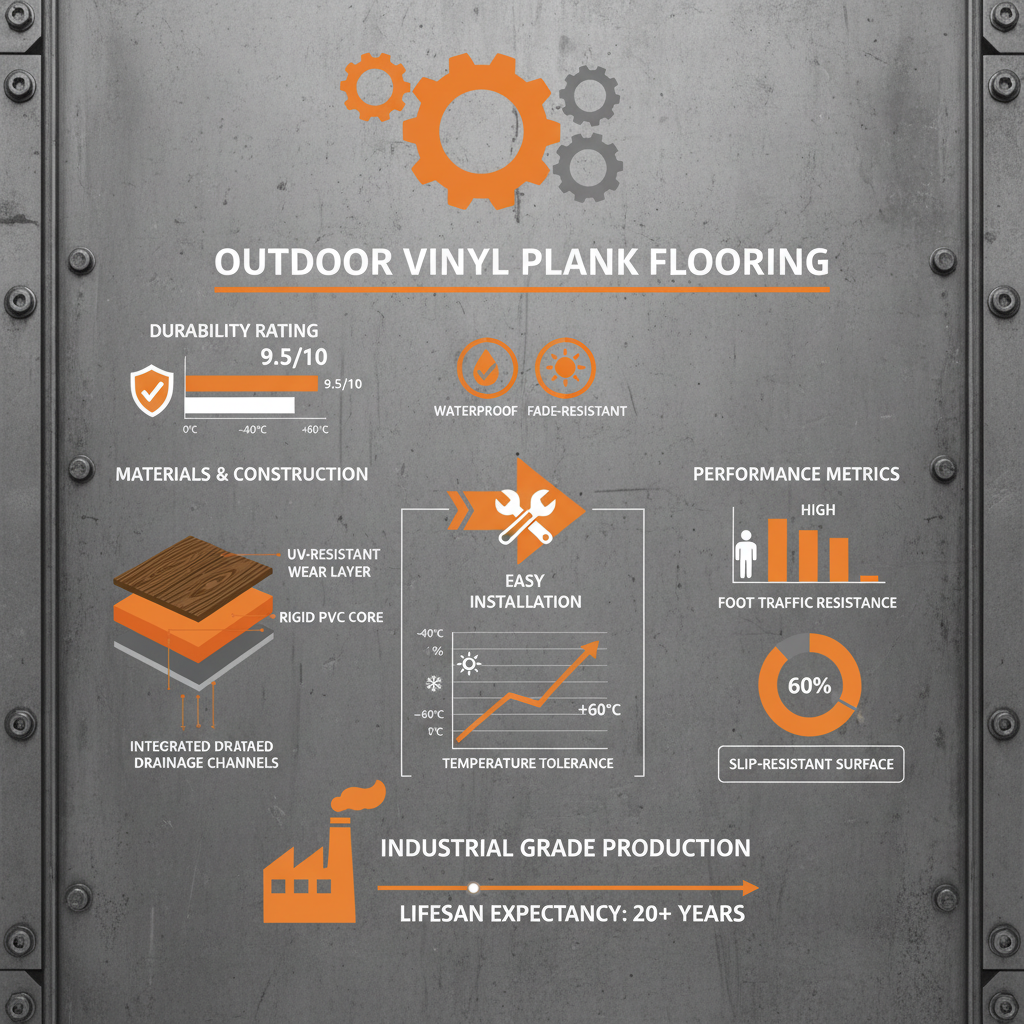
The structural integrity of outdoor vinyl plank flooring begins with the UV-protected wear layer. This transparent top coat is infused with ceramic beads or alumina to ensure that the flooring does not fade or scratch when exposed to harsh environmental elements or abrasive foot traffic.
Central to its performance is the rigid core, often a blend of limestone powder and stabilizers. This component ensures that outdoor vinyl plank flooring maintains dimensional stability, meaning it will not expand or contract significantly during the transition from freezing winters to scorching summers.
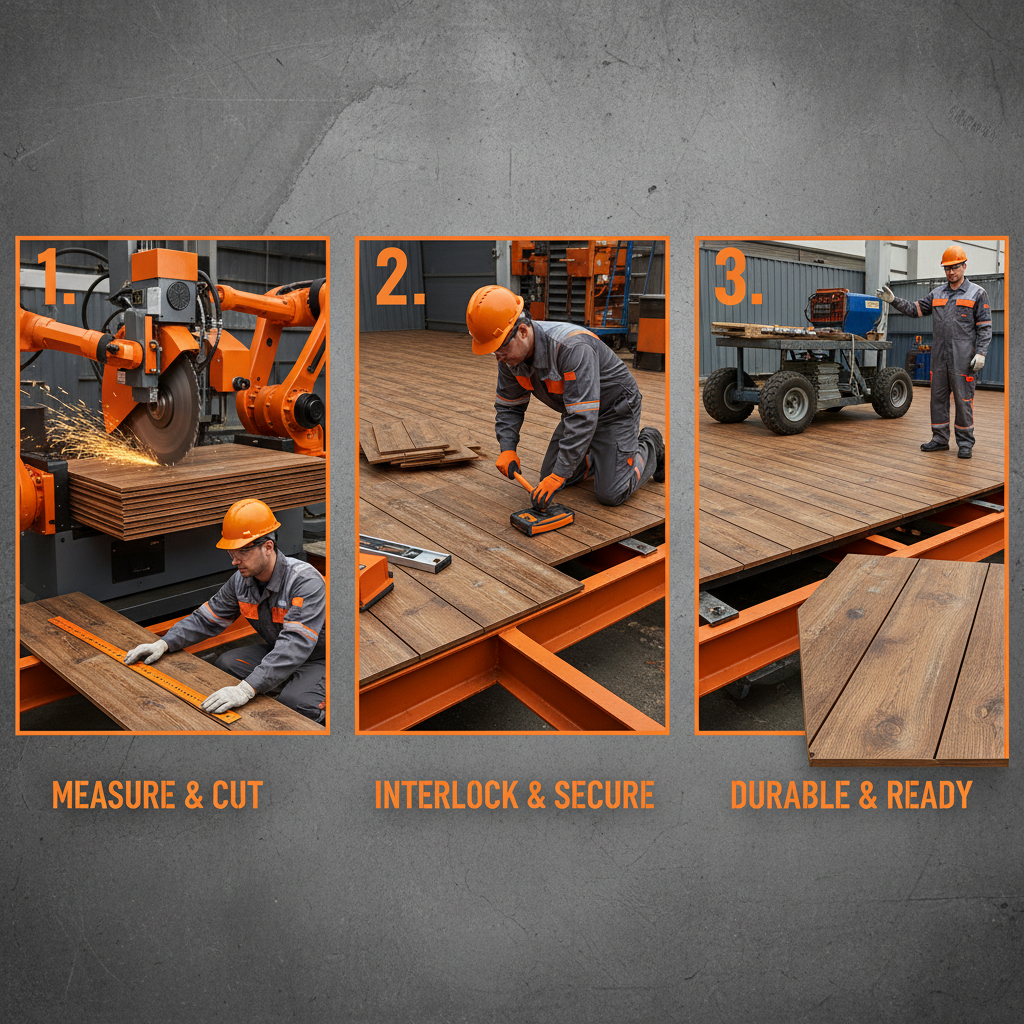
Finally, the interlocking click-lock system provides a watertight seal between planks. This mechanical connection eliminates the need for adhesives, which often fail in outdoor settings, ensuring that the installation remains secure even when subjected to heavy rain or pressure washing.
Key Performance Factors and Efficiency
When evaluating the efficiency of outdoor vinyl plank flooring, three main pillars stand out: thermal stability, slip resistance, and installation speed. Thermal stability prevents the "cupping" effect seen in wood, while the engineered texture provides a high coefficient of friction, ensuring safety in wet conditions.
From a cost-efficiency perspective, the reduction in long-term maintenance—no sanding, staining, or sealing required—offsets the initial investment. This makes it an ideal solution for large-scale commercial projects where labor costs for upkeep are a significant operational burden.
Comparative Performance Metrics for Outdoor Flooring Systems
Global Applications and Real-World Use Cases
In the commercial sector, outdoor vinyl plank flooring is widely utilized in hotel pool decks and rooftop lounges across the Middle East and Asia. These environments demand a surface that can withstand high UV indices without bleaching, while remaining cool enough for barefoot traffic.
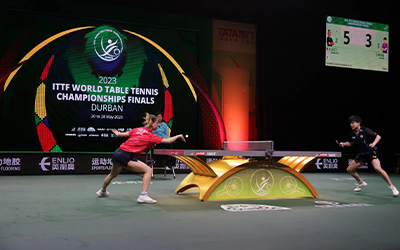
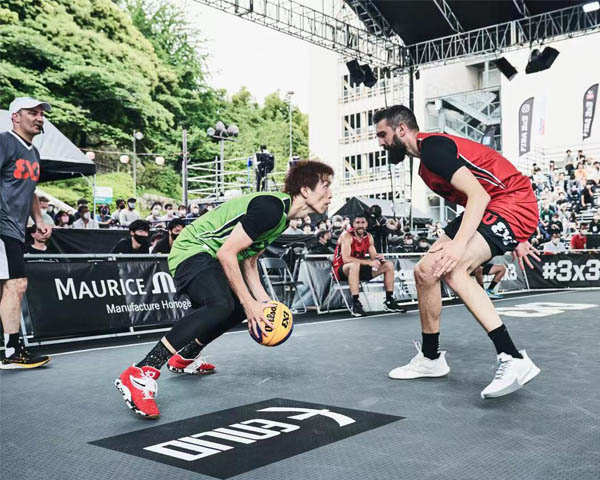
Additionally, in the realm of sports infrastructure, vinyl planks are often used to create perimeter walkways around Pickleball sports courts and athletics tracks. Their ability to be customized in color and texture allows facility managers to designate safety zones and pathways that are both visually distinct and functionally durable.
Long-Term Value and Sustainability Benefits
The long-term value of outdoor vinyl plank flooring is rooted in its lifecycle cost analysis. Unlike natural timber, which requires chemical treatments every few years, vinyl planks maintain their integrity for decades, reducing the frequency of material disposal and the chemical runoff associated with wood stains.
From a sustainability perspective, many modern manufacturers are now incorporating recycled PVC and bio-based plasticizers into their production lines. This circular economy approach reduces the reliance on virgin plastics and lowers the carbon footprint of the manufacturing process, aligning with global ESG (Environmental, Social, and Governance) goals.
Emotionally, this flooring provides peace of mind to property owners. The knowledge that a surface is slip-resistant and fire-retardant enhances the safety and dignity of the space, whether it is a community park or a private terrace, fostering a sense of trust in the built environment.
Future Trends in Vinyl Flooring Technology
The future of outdoor vinyl plank flooring is leaning toward "smart surfaces." We are seeing the integration of antimicrobial additives that prevent the growth of algae and bacteria on the surface, which is particularly vital for public healthcare facilities and humid urban environments.
Digital transformation is also impacting the design phase. 3D scanning and AI-driven layout tools now allow architects to simulate the wear and tear of vinyl planks over a 20-year period, ensuring that the chosen pattern and grade are perfectly matched to the specific geographic stressors of the site.
Furthermore, the industry is moving toward "carbon-negative" polymers. By utilizing captured carbon in the creation of the PVC resin, the next generation of outdoor flooring will not only be a replacement for wood but a tool for environmental restoration.
Technical Specification and Comparison of Outdoor Vinyl Flooring Grades
| Product Grade |
UV Resistance Level |
Wear Layer Thickness |
Expected Lifespan |
| Standard Residential |
Moderate (Grade 6) |
0.3mm |
10-15 Years |
| Premium Home |
High (Grade 8) |
0.5mm |
15-20 Years |
| Commercial Light |
Very High (Grade 9) |
0.7mm |
20-25 Years |
| Industrial Heavy |
Extreme (Grade 10) |
1.0mm |
25+ Years |
| Sports Perimeter |
High (Grade 8) |
0.6mm |
15-20 Years |
| Eco-Composite |
Moderate (Grade 7) |
0.4mm |
12-18 Years |
FAQS
Yes, provided the product is specifically rated for outdoor use. High-quality outdoor vinyl planks are treated with UV-inhibitors in the wear layer that block harmful ultraviolet rays. This prevents the pigments from breaking down, ensuring the color remains vibrant even in high-sun regions. Always check for a UV-resistance rating before purchasing.
While both are durable, vinyl plank flooring often provides a superior waterproof seal due to the advanced click-lock systems. Vinyl is generally more resistant to staining and chemical spills, whereas some composites can still be susceptible to deep scratches. Vinyl's versatility in thickness also allows for a wider range of performance levels from residential to industrial.
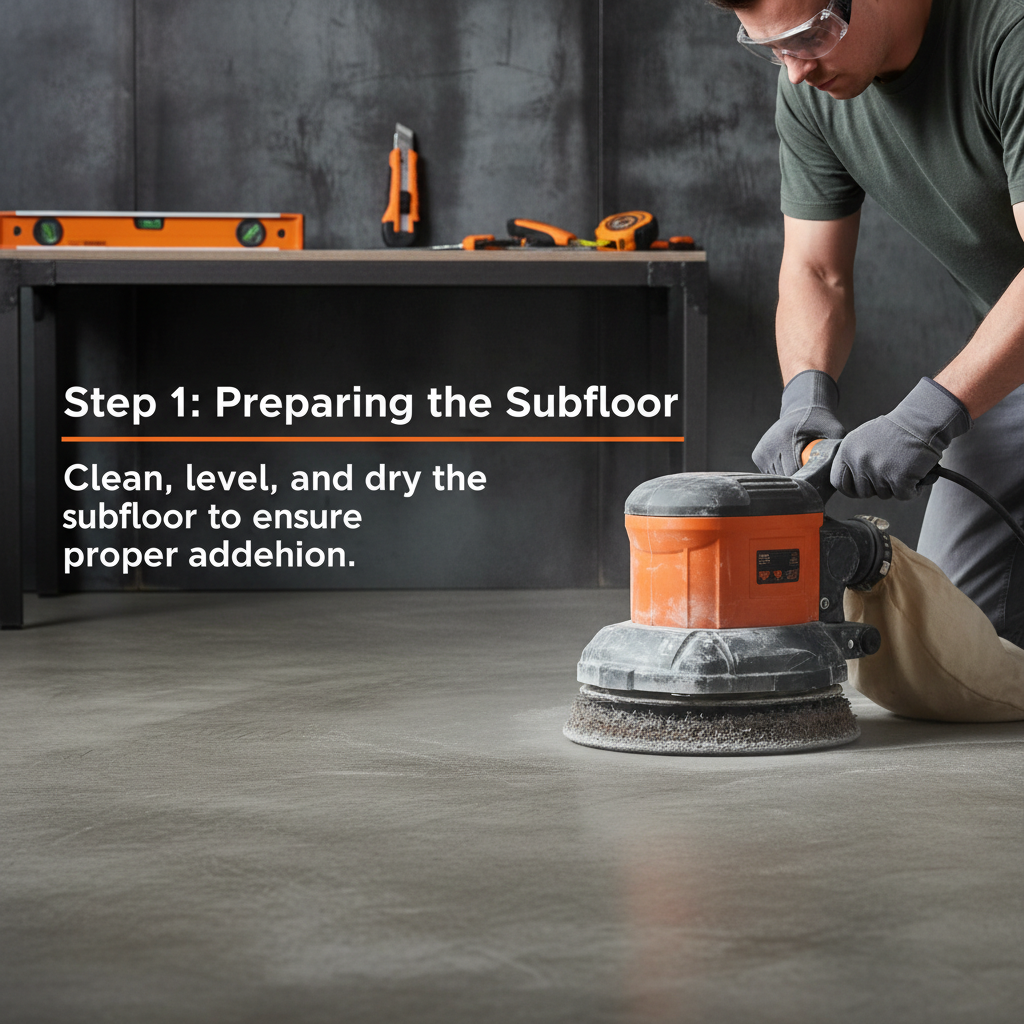
Absolutely. One of the biggest advantages of outdoor vinyl plank flooring is its ability to be installed as a floating floor over a level concrete substrate. This eliminates the need for demolition, saving significant time and cost. Just ensure the concrete is properly cured and free of major cracks to prevent unevenness in the planks.
Modern engineered vinyl incorporates reflective pigments and low-conductivity cores to minimize heat absorption. While any dark-colored surface will warm up, lighter shades of vinyl planks are specifically designed to stay significantly cooler than traditional asphalt or dark concrete, making them safer for pets and barefoot use.
Cleaning is remarkably simple compared to wood. Regular sweeping and the use of a damp mop with a pH-neutral cleaner are usually sufficient. For deeper cleans, a low-pressure power washer can be used, as the interlocking seals prevent water from seeping into the subfloor. Avoid harsh abrasive scrubbers that could scratch the wear layer.
Many brands are now utilizing recycled PVC and are phthalate-free, making them a more sustainable choice than chemically treated woods. Furthermore, because they last significantly longer than traditional decking, they reduce the volume of landfill waste generated by frequent replacements, contributing to a more sustainable building cycle.
Conclusion
In summary, outdoor vinyl plank flooring represents a pinnacle of material science, offering an unparalleled combination of durability, aesthetic flexibility, and low maintenance. By addressing the inherent weaknesses of traditional outdoor materials—such as rot, fading, and instability—it provides a reliable solution for both high-end residential spaces and heavy-duty commercial environments.
As we move toward a future defined by sustainable urbanism and smart infrastructure, the role of high-performance polymers will only grow. Investing in quality vinyl flooring is not just an aesthetic choice, but a strategic decision to enhance the longevity and value of any property. For those seeking the perfect blend of form and function, we invite you to explore our professional solutions. Visit our website: www.enliosport.com