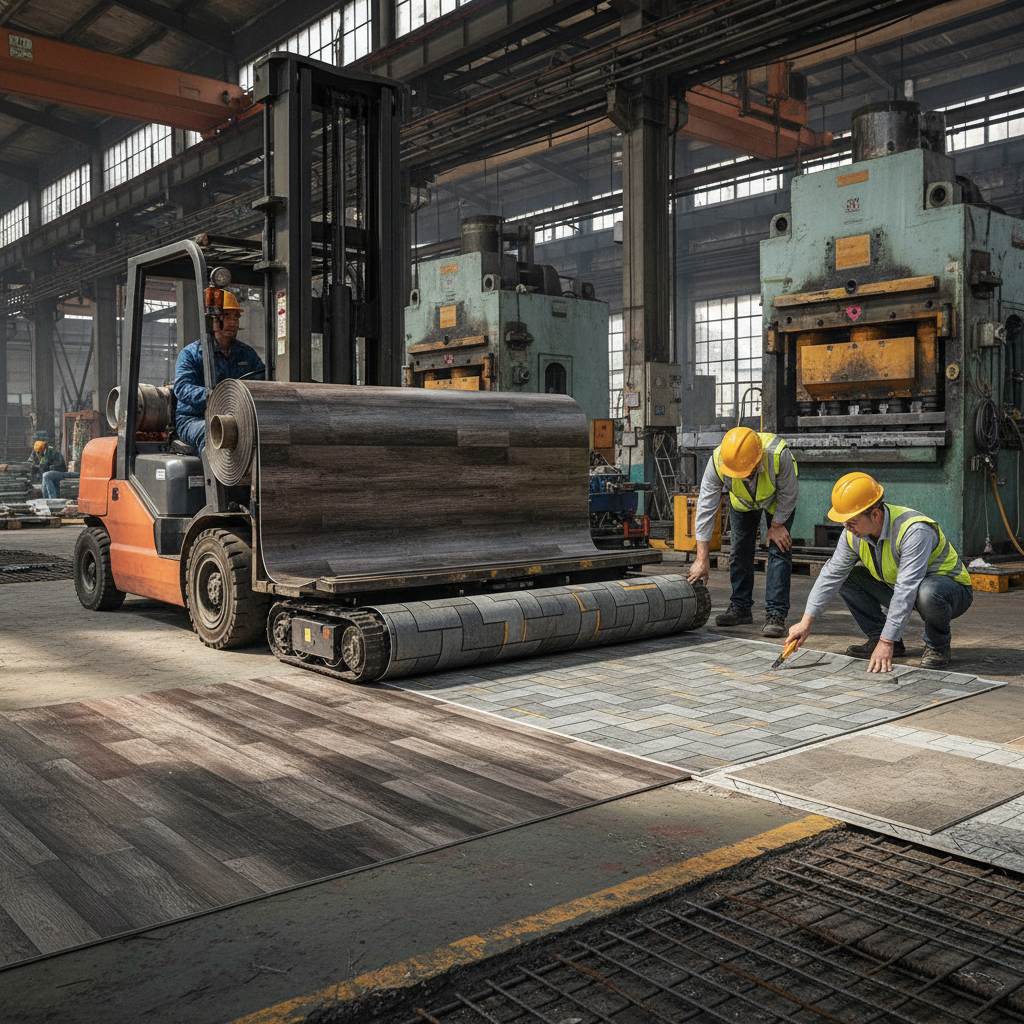
In the evolving landscape of interior design and industrial flooring, mosaic vinyl flooring has emerged as a premier solution that bridges the gap between aesthetic versatility and heavy-duty performance. By combining the intricate visual appeal of traditional mosaics with the advanced durability of modern polymers, this flooring type caters to a global demand for spaces that are both visually stimulating and incredibly resilient.
The global shift toward sustainable and low-maintenance materials has propelled the adoption of these composite floors across commercial, residential, and specialized sporting environments. Whether it is a high-traffic retail corridor or a customized home gym, the ability to blend colors and patterns without compromising structural integrity makes it a strategic choice for architects and developers worldwide.
Understanding the technical nuances of mosaic vinyl flooring—from its wear-layer thickness to its moisture-resistance properties—is essential for ensuring long-term ROI. This comprehensive guide explores how this material is transforming the manufacturing industry and providing scalable flooring solutions for diverse global applications.
The Global Relevance of Mosaic Vinyl Flooring
On a global scale, the demand for mosaic vinyl flooring is driven by the rapid urbanization of emerging economies and the renovation cycles of developed cities. According to industry trends aligned with ISO standards for building materials, there is a marked increase in the preference for PVC-based composites that offer the look of natural stone or ceramic but with a significantly lower carbon footprint during installation.
The primary challenge addressed by this material is the "durability-design paradox," where high-aesthetic floors typically fail under heavy foot traffic, and industrial floors often lack visual appeal. Mosaic vinyl resolves this by integrating a reinforced wear layer over a decorative core, ensuring that the intricate patterns remain intact even in high-pressure environments.
Defining the Engineering Behind Mosaic Vinyl
At its core, mosaic vinyl flooring is a multi-layered synthetic flooring product designed to mimic the appearance of small tiles or mosaics. Unlike traditional grout-based mosaics, these vinyl versions are often seamless or interlocking, eliminating the porous lines where bacteria and dirt typically accumulate, making them a hygienic choice for healthcare and food-service industries.
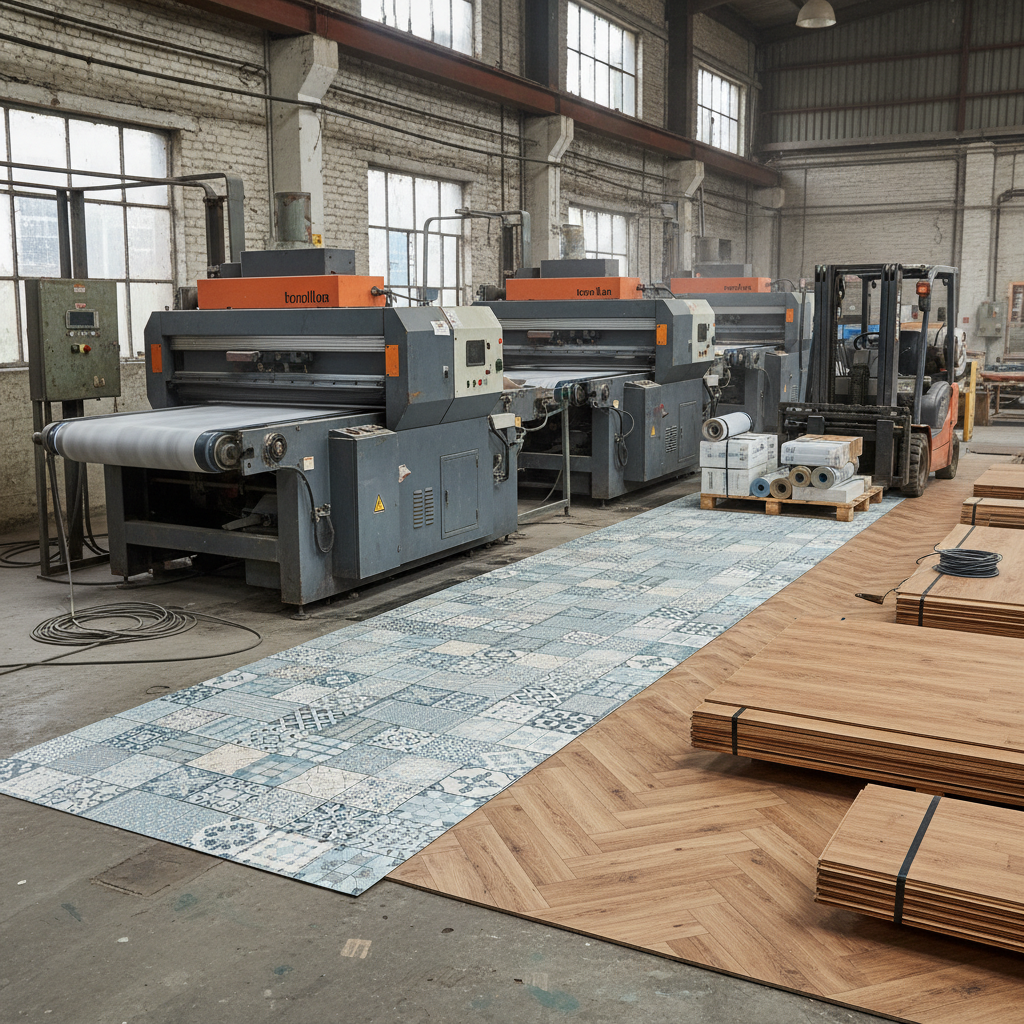
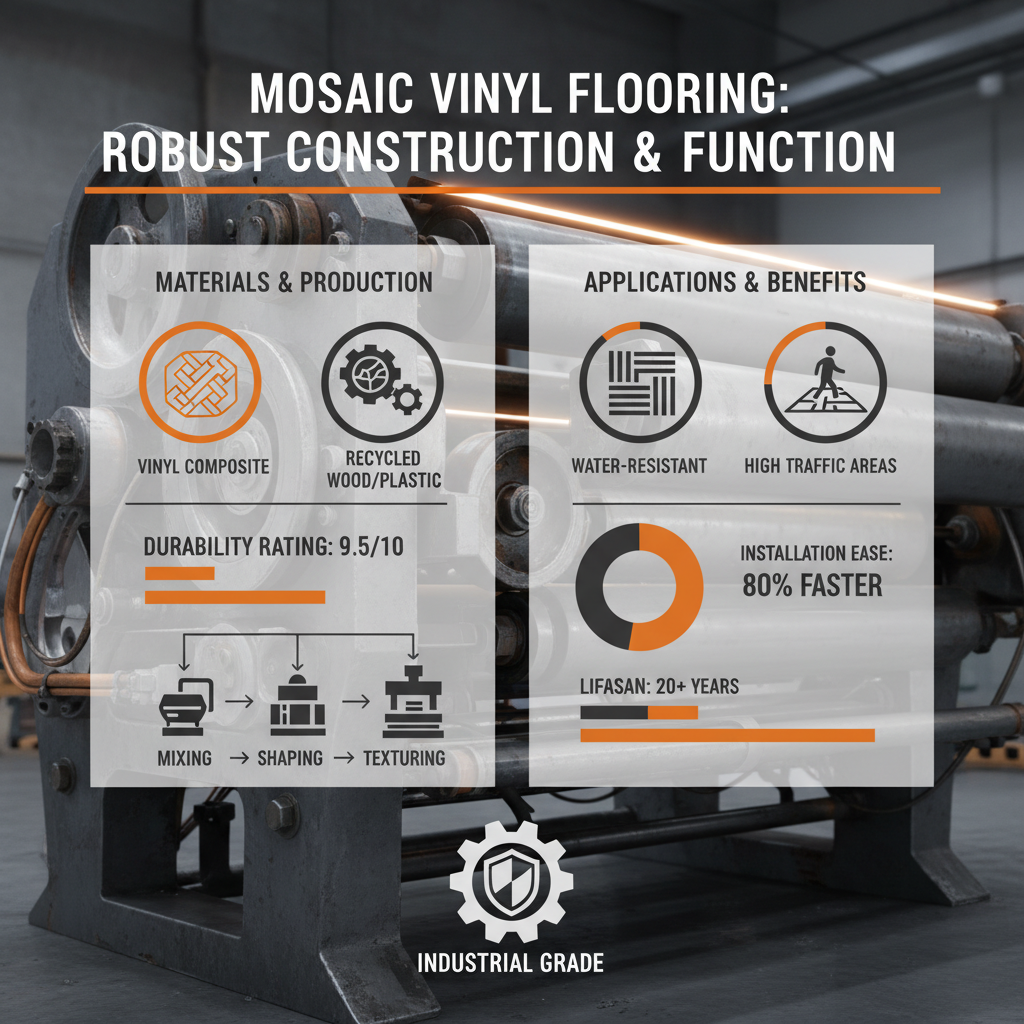
The engineering involves a precise combination of polyvinyl chloride (PVC), stabilizers, and plasticizers, which are pressed under high temperature and pressure. This process creates a dense, non-porous surface that is naturally waterproof and resistant to chemical spills, bridging the gap between industrial-grade utility and interior design elegance.
From a humanitarian and urban planning perspective, this material is invaluable for rapid-deployment infrastructure. Its lightweight nature compared to ceramic tile allows for faster shipping and easier installation in remote areas or temporary housing units, providing a sense of dignity and permanence to displaced populations or newly developed industrial zones.
Core Components of High-Performance Flooring
The efficacy of mosaic vinyl flooring relies heavily on its wear layer. This topmost transparent layer is treated with UV-resistant coatings to prevent fading and scratches, ensuring that the vivid colors of the mosaic pattern remain bright for decades despite constant exposure to sunlight and friction.
Dimensional stability is another critical factor. High-quality mosaic vinyl flooring incorporates a glass-fiber reinforced core that prevents the planks from expanding or contracting during temperature fluctuations, a common failure point in cheaper vinyl alternatives.
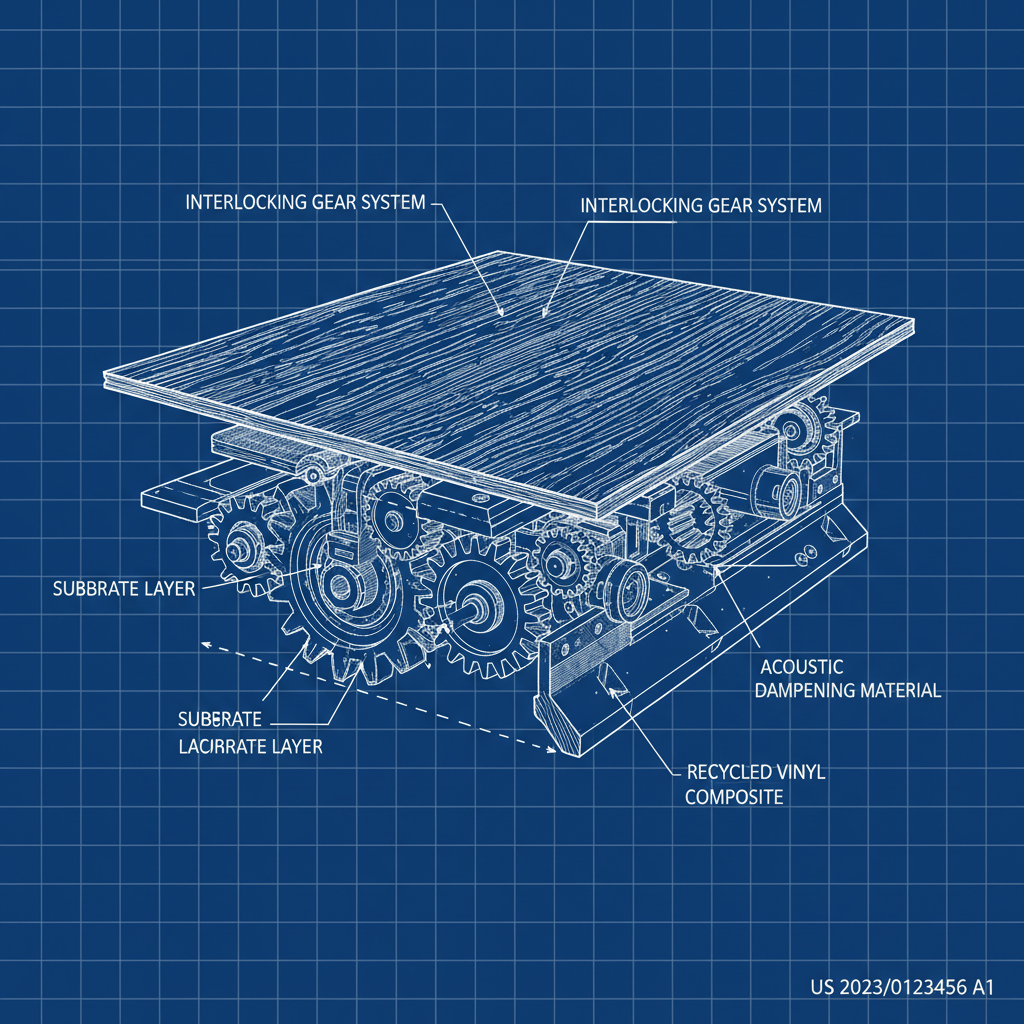
Finally, the acoustic dampening property is a key advantage. By integrating an IXPE or EVA foam backing, these floors significantly reduce impact noise, making them ideal for multi-story commercial buildings where noise pollution between floors is a primary concern for tenants and management.
Comparative Performance Metrics
When evaluating different installation and material methods, it becomes clear that the approach taken during the manufacturing of mosaic vinyl flooring directly impacts its lifecycle. For instance, heat-pressed mosaics offer superior bond strength compared to glue-down applications in high-moisture environments.
To provide a data-driven perspective, we have analyzed various performance attributes of mosaic vinyl configurations across five key metrics: slip resistance, ease of installation, aesthetic flexibility, impact absorption, and long-term durability.
Performance Analysis of Mosaic Vinyl Flooring Variants
Real-World Applications and Use Cases
In the commercial sector, mosaic vinyl flooring is extensively used in boutique hotels and upscale retail stores. In these environments, the flooring must act as a brand statement while enduring thousands of footsteps daily. The mosaic patterns allow designers to create "zoning" effects—guiding customers through a store using subtle changes in floor patterns without the need for physical barriers.
Beyond aesthetics, we see significant application in specialized industrial zones and healthcare facilities. In surgical preparation rooms or laboratories, the non-porous nature of the vinyl prevents the seepage of biological contaminants, while the "mosaic" aesthetic reduces the clinical, sterile feeling of the room, contributing to a more calming environment for patients.
Long-Term Value and Sustainability
The long-term value of investing in mosaic vinyl flooring extends beyond the initial cost savings. Because these floors do not require the periodic waxing or polishing associated with traditional hardwoods or certain stone tiles, the operational expenditure (OPEX) is drastically reduced over a ten-year lifecycle.
Sustainability is now a cornerstone of vinyl manufacturing. Modern production lines are incorporating recycled PVC and phthalate-free plasticizers, ensuring that the flooring is safe for indoor air quality (low VOC emissions). This transition aligns with global green building certifications like LEED and BREEAM.
From a psychological perspective, the versatility of mosaic designs offers a sense of timelessness. While solid colors may go out of style, geometric and artistic mosaic patterns have remained relevant for centuries, reducing the need for frequent replacements and further decreasing landfill waste.
Future Innovations in Vinyl Manufacturing
Looking ahead, the integration of "smart" technology into mosaic vinyl flooring is on the horizon. We are seeing the development of conductive vinyl layers that can integrate under-floor heating or even pressure-sensitive sensors for occupancy tracking in smart buildings, merging interior design with the Internet of Things (IoT).
Digital printing technology is also revolutionizing the "mosaic" aspect. Instead of physically layering different colored vinyls, high-definition 3D printing allows for hyper-realistic textures and patterns that can be customized per square inch, offering unprecedented freedom for architects to create bespoke flooring art.
The push toward a circular economy is driving the creation of 100% recyclable vinyl. By developing new chemical recycling methods, manufacturers can now break down old mosaic vinyl flooring into its original monomers and re-polymerize them into new planks, effectively closing the loop on plastic waste.
Comparative Analysis of Modern Vinyl Flooring Technologies
| Material Type |
Wear Resistance |
Waterproof Level |
Eco-Rating (1-10) |
| SPC Mosaic Vinyl |
Exceptional |
100% Waterproof |
8 |
| LVT Mosaic Vinyl |
High |
Water Resistant |
7 |
| WPC Mosaic Vinyl |
Medium |
100% Waterproof |
9 |
| Traditional Tile |
Very High |
Porous Grout |
6 |
| Laminate Mosaic |
Medium |
Low Resistance |
5 |
| Rubber Composite |
High |
High Resistance |
8 |
FAQS
Mosaic vinyl flooring offers several advantages over ceramic, including superior impact resistance (it won't crack if a heavy object is dropped), faster installation times, and a warmer feel underfoot. Crucially, it eliminates the need for grout, which is the primary site for mold and bacteria growth in traditional tile installations, making the vinyl version much easier to sanitize.
Depending on the wear layer thickness (measured in mils), a high-quality mosaic vinyl floor can last between 15 to 25 years in commercial settings. For extreme traffic, we recommend a wear layer of 20mils or higher. Regular cleaning with pH-neutral cleaners prevents surface abrasion and extends the lifespan of the decorative pattern.
Yes, modern mosaic vinyl is engineered to be phthalate-free and low-VOC, meaning it does not off-gas harmful chemicals into the home. Many manufacturers now use recycled PVC content, reducing the reliance on virgin plastics. Its hypoallergenic surface also makes it an excellent choice for nurseries and playrooms where hygiene is paramount.
In many cases, yes. Because of its slim profile, mosaic vinyl flooring can be installed directly over existing smooth surfaces like concrete, old linoleum, or certain types of tile. However, we recommend ensuring the subfloor is level and dry to prevent telegraphing—where imperfections from the bottom floor show through the new vinyl surface.
Maintenance is remarkably simple. Regular sweeping or vacuuming removes abrasive grit. For deeper cleans, a damp mop with a mild detergent is sufficient. Avoid using harsh steam cleaners or abrasive scrubbing pads, as these can eventually wear down the UV coating that protects the mosaic design.
Absolutely. One of the primary reasons for choosing mosaic vinyl is its 100% waterproof core (especially in SPC variants). Unlike laminate or hardwood, it will not swell or warp when exposed to water, making it an ideal solution for kitchens, bathrooms, and even laundry rooms.
Conclusion
In summary, mosaic vinyl flooring represents a perfect convergence of artistic expression and industrial engineering. By addressing the critical needs of durability, hygiene, and aesthetic flexibility, it has positioned itself as a superior alternative to traditional tiling and standard vinyl sheets. From its reinforced cores to its eco-friendly compositions, this material provides a scalable, long-term flooring solution for any global application.
As we move toward a future defined by smart infrastructure and sustainable materials, the role of high-performance vinyl will only grow. We encourage developers, architects, and homeowners to prioritize materials that offer both immediate visual impact and long-term operational efficiency. To explore our full range of customized flooring solutions and find the perfect fit for your project, visit our website: www.enliosport.com