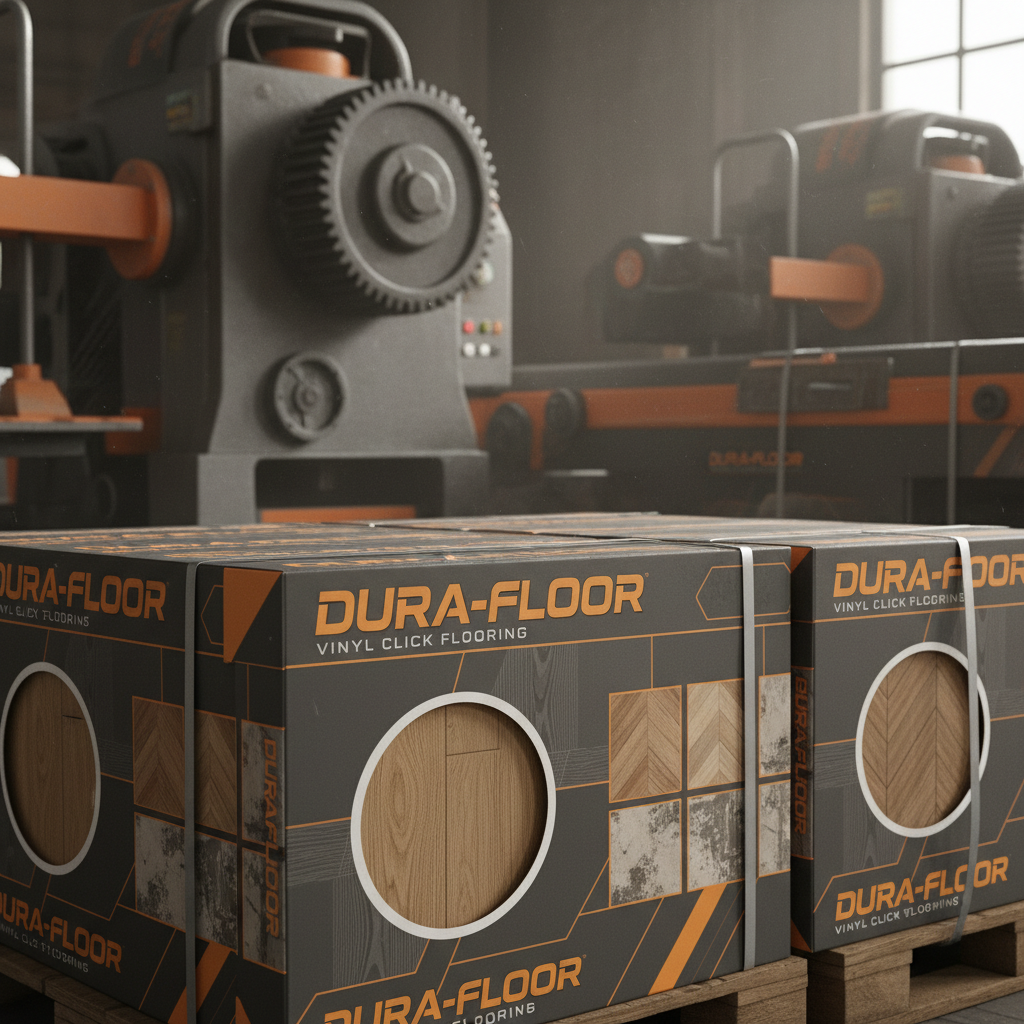
Selecting the right partner among various vinyl flooring suppliers is a critical decision for any commercial or residential project. In an era where interior design must balance aesthetic appeal with rigorous durability, the quality of the vinyl material—ranging from luxury vinyl tiles (LVT) to specialized sports flooring—determines the longevity and safety of the space.
The global shift toward sustainable building materials has pushed leading vinyl flooring suppliers to innovate, moving away from traditional PVC formulations toward phthalate-free and recyclable options. This evolution is not merely about compliance with environmental standards but about enhancing the indoor air quality and health of the end-users, making the procurement process more complex yet more rewarding.
Whether you are equipping a high-traffic sports arena, a sterile medical facility, or a modern home, understanding the technical nuances provided by professional vinyl flooring suppliers ensures that you maximize your return on investment. By focusing on wear-layer thickness, core stability, and installation efficiency, stakeholders can transform a simple surface into a high-performance asset.
Global Relevance of Vinyl Flooring Suppliers
The global demand for resilient flooring has surged as urbanization increases and the need for low-maintenance, hygienic surfaces becomes paramount. Reputable vinyl flooring suppliers operate within a complex supply chain that must adhere to ISO standards and REACH regulations to ensure that products are safe for international export and indoor installation.
As emerging economies invest heavily in healthcare and education infrastructure, the reliance on high-performance vinyl has grown. The challenge lies in the fragmentation of the market; finding suppliers who can provide consistent quality across thousands of square meters while maintaining a sustainable carbon footprint is the primary hurdle for large-scale developers today.
Defining the Role of Modern Vinyl Flooring Suppliers
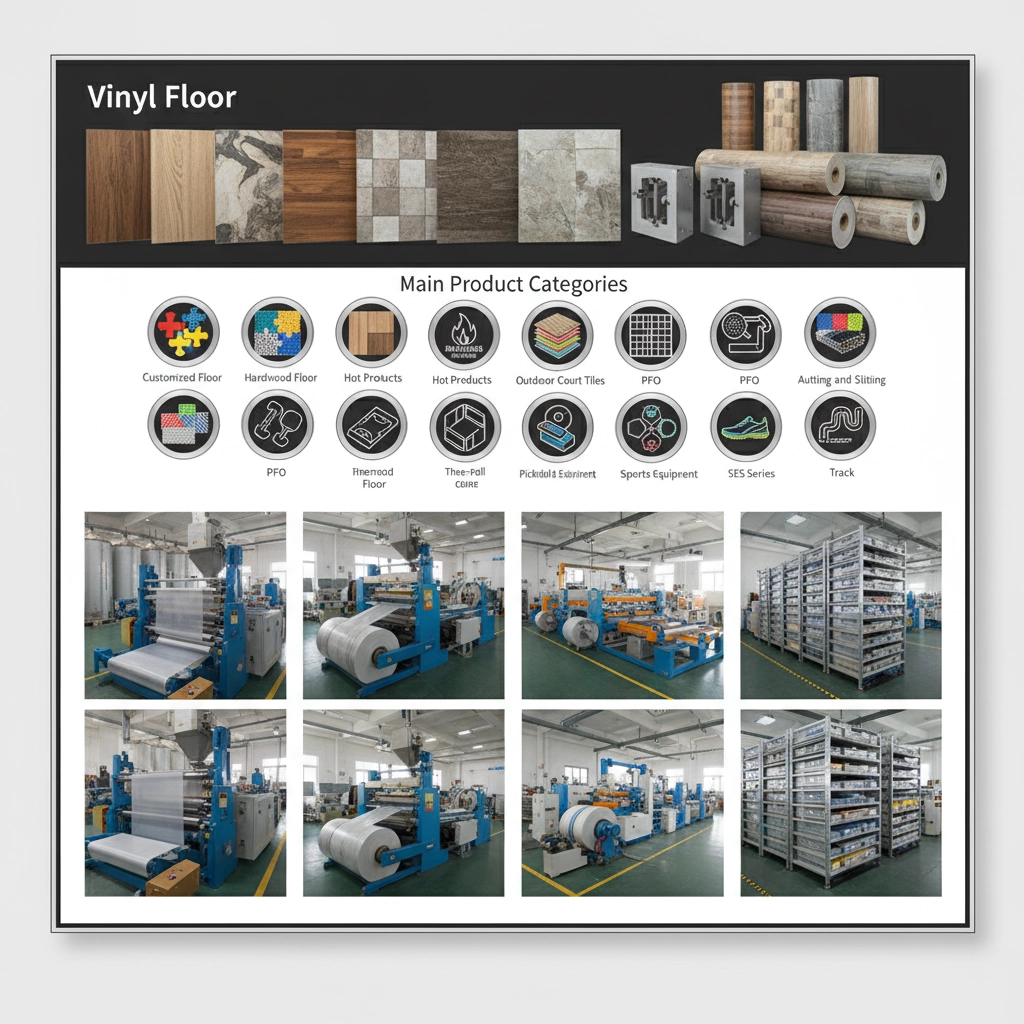
At its core, vinyl flooring suppliers are more than just distributors of PVC-based materials; they are technical partners who bridge the gap between polymer chemistry and architectural application. They provide a range of solutions including Luxury Vinyl Plank (LVP), Luxury Vinyl Tile (LVT), and Sheet Vinyl, each engineered for specific load-bearing and moisture-resistance requirements.
In the context of modern industry, these suppliers are essential for creating "healthy buildings." By implementing antimicrobial coatings and eliminating volatile organic compounds (VOCs), they contribute to certifications like LEED and WELL, which are now standard requirements for high-end commercial projects globally.
Furthermore, the role of a supplier extends to logistical expertise. The ability to customize floor dimensions and colors to match a brand's identity—while ensuring the batch consistency of the materials—is what separates premium suppliers from generic wholesalers in the competitive plastic products industry.
Core Components of High-Quality Vinyl Flooring
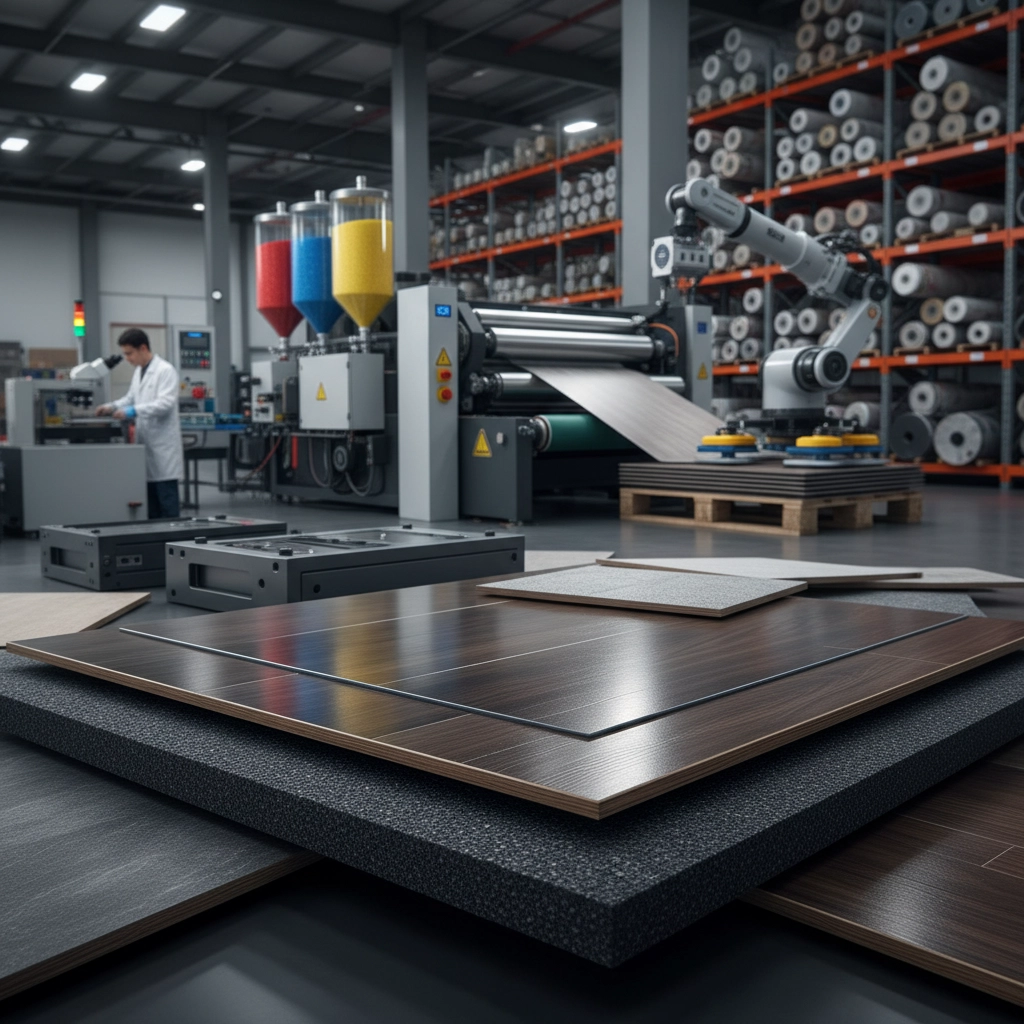
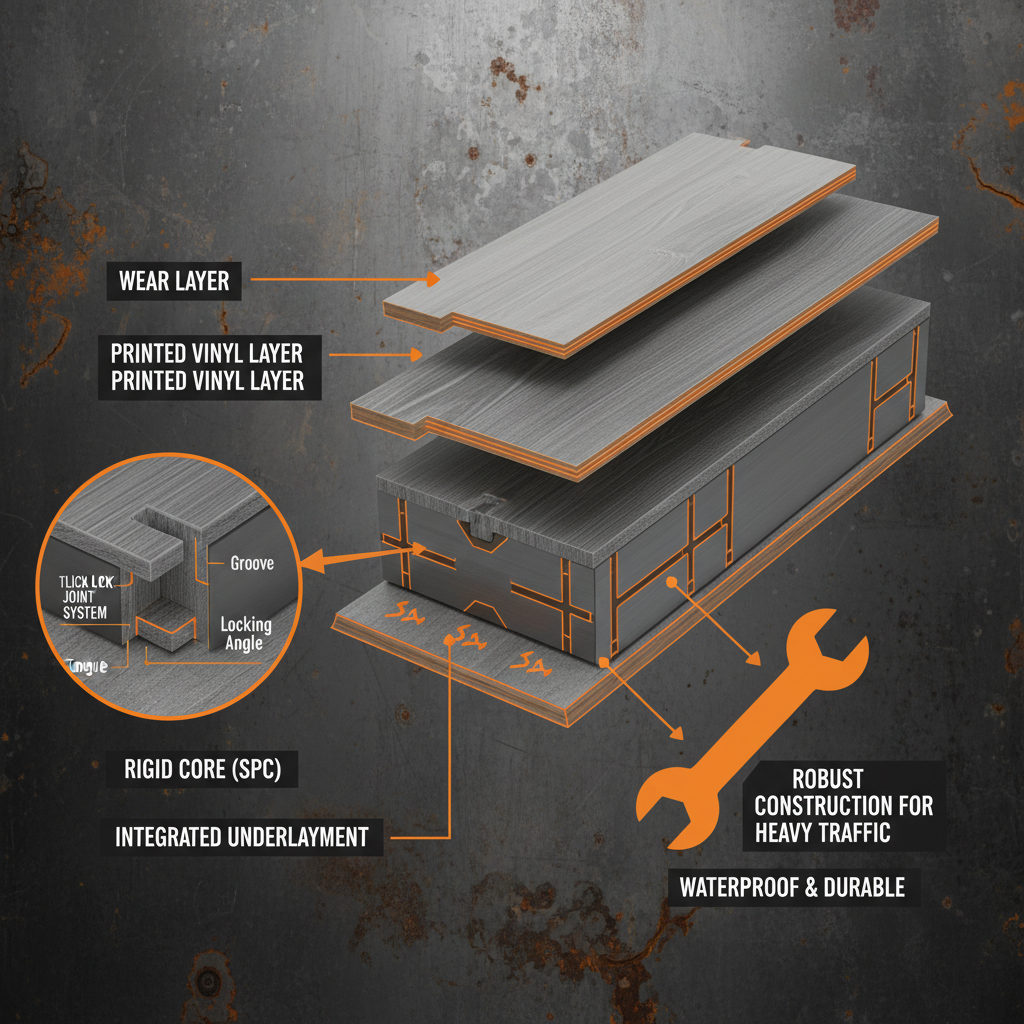
The performance of a product depends heavily on the technical specifications provided by the vinyl flooring suppliers. The primary component is the wear layer, a transparent top coating that protects the design layer from scratches and abrasions, crucial for high-traffic areas like airports or hospitals.
Another critical factor is the core composition. Leading vinyl flooring suppliers now utilize Stone Plastic Composite (SPC) or Wood Plastic Composite (WPC) to provide superior dimensional stability, ensuring that the floor does not expand or contract significantly under temperature fluctuations.
Lastly, the backing layer provides the necessary acoustics and comfort. By integrating high-density foam or cork, vinyl flooring suppliers can reduce noise transmission (Impact Sound Rating), making the material ideal for multi-story residential complexes and quiet office environments.
Practical Applications and Performance Metrics
The versatility of vinyl allows it to be deployed in diverse environments, from the precision required in Pickleball Sports Courts to the durability needed in industrial warehouses. When evaluating vinyl flooring suppliers, procurement officers often look at the "Commercial Grade" rating, which dictates the material's ability to withstand heavy machinery or constant footfall.
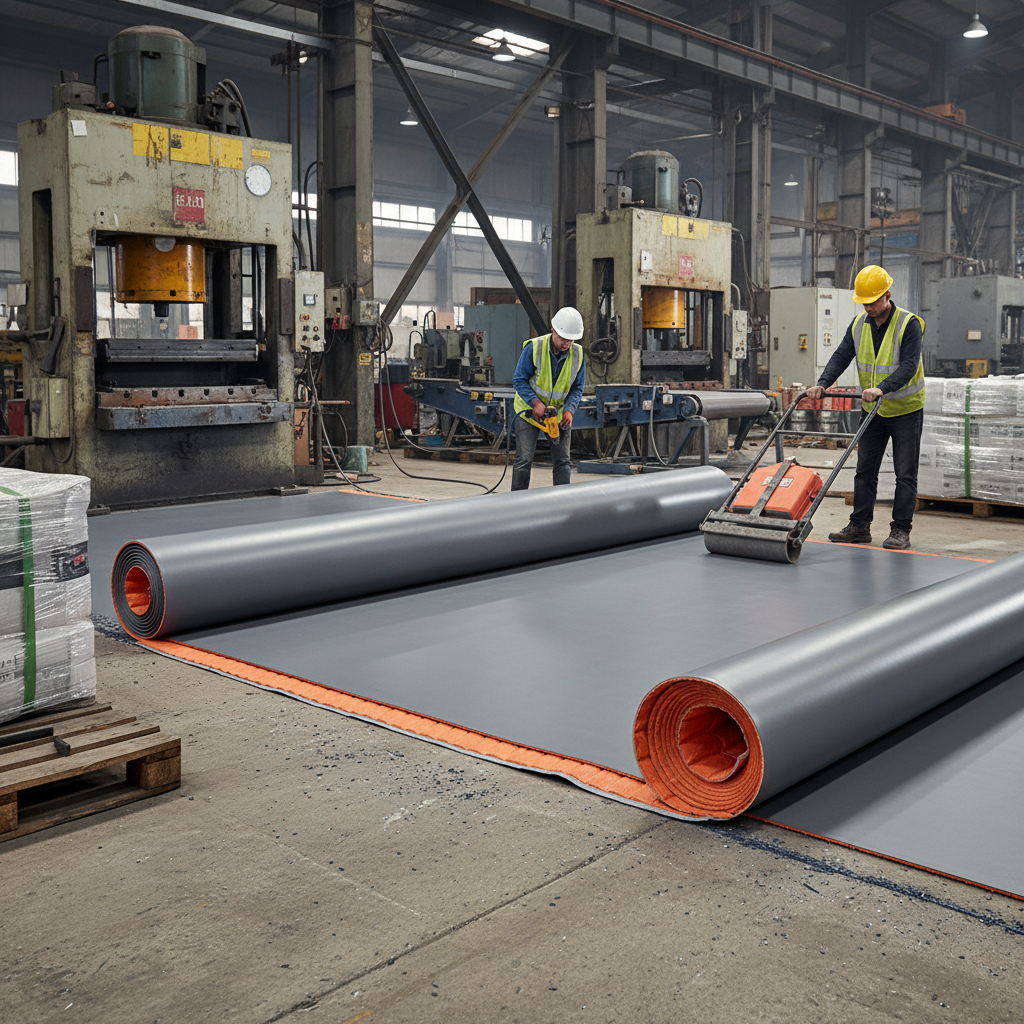
In specialized sectors, such as healthcare, the focus shifts to seamless installation. Suppliers provide heat-welded sheet vinyl that eliminates joints, preventing the growth of bacteria and allowing for rigorous sterilization processes—a non-negotiable requirement in surgical theaters and laboratories.
Comparison of Material Performance by Vinyl Flooring Suppliers
Strategic Advantages of Specialized Sourcing
Partnering with specialized vinyl flooring suppliers offers significant cost advantages through reduced waste and faster installation. Modern "click-lock" systems, engineered by top-tier suppliers, eliminate the need for expensive adhesives and professional glues, drastically cutting down on labor costs and project timelines.
Beyond the financial aspect, there is an emotional value in reliability. Knowing that a supplier provides a comprehensive warranty and a consistent supply of replacement planks ensures that the facility manager can maintain the aesthetic integrity of the space for decades, fostering trust and professional pride in the environment.
Future Innovations in Vinyl Flooring Technology
The next frontier for vinyl flooring suppliers is the integration of "Smart Flooring." We are seeing the emergence of conductive vinyl that can assist in electrostatic discharge (ESD) protection for electronics manufacturing, as well as floors with embedded sensors for healthcare monitoring of elderly patients.
Sustainability is also driving the development of bio-based polymers. Future suppliers are transitioning from petroleum-based PVC to materials derived from renewable sources, such as castor oil or recycled ocean plastics, aligning the industry with the global circular economy goals.
Digital transformation is also playing a role. Augmented Reality (AR) tools provided by advanced suppliers now allow architects to visualize the floor in a 3D space before a single plank is ordered, reducing sampling waste and accelerating the design approval process.
Overcoming Challenges in Vinyl Flooring Procurement
One of the most common challenges when dealing with vinyl flooring suppliers is the volatility of raw material prices. To mitigate this, expert procurement strategies involve long-term contract pricing and diversifying the supplier base to avoid reliance on a single geographic region.
Another limitation is the perceived "plastic" look of some vinyl products. However, innovative printing technologies, such as synchronized embossing, have allowed suppliers to create textures that are virtually indistinguishable from natural hardwood or stone, overcoming the aesthetic barriers to adoption in luxury residential projects.
Finally, ensuring quality consistency across large shipments remains a pain point. The solution lies in requiring suppliers to provide third-party laboratory test reports for every batch, specifically focusing on formal-dehyde emission levels and wear-layer thickness verification.
Technical Comparison Analysis of Vinyl Flooring Supplier Categories
|
Supplier Type
|
Primary Material Focus
|
Installation Speed
|
Avg. Durability Score (1-10)
|
| Industrial SPC Supplier |
Stone Plastic Composite |
Very Fast (Click) |
9.5 |
| Luxury LVT Supplier |
Flexible PVC/Vinyl |
Moderate (Glue) |
7.0 |
| WPC Residential Supplier |
Wood Plastic Composite |
Fast (Floating) |
8.0 |
| Medical Sheet Supplier |
Homogeneous Vinyl |
Slow (Welding) |
9.0 |
| Sports Court Supplier |
Shock-Absorbing Vinyl |
Moderate |
8.5 |
| Eco-Friendly Supplier |
Bio-Polymer Vinyl |
Fast (Click) |
7.5 |
FAQS
To verify a supplier, request certifications such as ISO 9001 for quality management and FloorScore® or GREENGUARD Gold for emission levels. Additionally, ask for a detailed technical data sheet (TDS) that specifies the wear layer thickness (e.g., 0.5mm for commercial) and the core material density. Ordering sample kits to test for dimensional stability and color consistency is also highly recommended before committing to a full order.
It depends on the application. SPC (Stone Plastic Composite) is denser and more rigid, making it superior for high-traffic commercial areas and moisture-prone zones as it is virtually waterproof and highly dent-resistant. WPC (Wood Plastic Composite) contains more air and is softer, providing better insulation and comfort underfoot, which makes it a better choice for residential bedrooms or living areas where comfort outweighs extreme durability.
For standard stock items, lead times are usually 1-2 weeks. However, for customized floors—where specific colors, dimensions, or branding are required—the lead time typically ranges from 4 to 8 weeks. This includes the time for polymer formulation, color matching, production, and quality control testing. It is advisable to factor in an additional 2-4 weeks for international shipping and customs clearance.
Yes, many leading suppliers are now offering "circular" vinyl products. This includes floors made from recycled PVC and the use of bio-attributed polymers that reduce the reliance on fossil fuels. Some suppliers also offer "take-back" programs where they collect old vinyl flooring to recycle it into new products, helping businesses meet their ESG (Environmental, Social, and Governance) goals and reducing landfill waste.
Yes, one of the biggest advantages provided by vinyl flooring suppliers is the ability to install LVP or SPC as a floating floor over most hard, level surfaces. However, the existing subfloor must be clean and flat. If there are significant height variations, a self-leveling compound should be used first. This "overlay" method saves immense time and cost by eliminating the need for demolition.
Maintenance is simple but critical. Use pH-neutral cleaners to avoid stripping the wear layer. For commercial spaces, regular sweeping and the use of felt pads on furniture legs prevent deep scratches. While vinyl is highly durable, avoiding harsh chemicals like acetone or strong bleach ensures the protective coating remains intact, extending the life of the floor by several years.
Conclusion
In summary, the selection of high-quality vinyl flooring suppliers is the cornerstone of a successful interior project. By balancing technical parameters—such as core stability, wear layer thickness, and emission standards—with aesthetic and sustainability goals, developers can create spaces that are not only beautiful but also durable and health-conscious. The transition toward SPC and WPC technologies has effectively bridged the gap between the look of natural materials and the resilience of industrial plastics.
Looking ahead, the industry will continue to be shaped by the integration of smart technologies and a relentless pursuit of carbon neutrality. For those seeking to optimize their infrastructure, the recommendation is to partner with suppliers who offer transparent certifications and customized engineering solutions. Investing in premium vinyl today ensures long-term operational efficiency and a superior user experience. Visit our website: www.enliosport.com