Choosing the right surface for a high-traffic fitness environment is more than an aesthetic decision; it is a critical component of athlete safety and facility longevity. vinyl gym flooring has emerged as a premier solution, blending the resilience of industrial polymers with the shock-absorption required for intense physical activity. By optimizing the balance between hardness and flexibility, these flooring systems prevent joint fatigue and reduce the risk of injury during high-impact workouts.
Globally, the shift toward multifunctional wellness centers has increased the demand for versatile materials that can handle everything from heavy weightlifting to aerobic dance. Modern vinyl compositions are engineered to resist tears, scuffs, and moisture, making them an ideal upgrade over traditional rubber or hardwood in diverse climates. This evolution in material science ensures that gym owners can maintain a professional look while minimizing long-term maintenance costs.
Understanding the nuances of vinyl gym flooring allows facility managers to create spaces that are not only durable but also conducive to peak performance. From antimicrobial coatings that ensure hygiene to customized thickness for varying impact levels, the versatility of vinyl ensures that it meets the stringent requirements of ISO standards for sports surfaces. Investing in the right flooring is ultimately an investment in the health of the users and the operational efficiency of the business.
Global Relevance of Vinyl Gym Flooring
In the current global health landscape, the proliferation of boutique fitness studios and commercial health clubs has created a massive demand for high-performance surfaces. Statistical trends from the global sports equipment market indicate a steady rise in the adoption of synthetic polymers over traditional materials due to their lower lifecycle costs and superior hygiene profiles. vinyl gym flooring addresses the critical challenge of surface degradation caused by constant friction and heavy load-bearing equipment.
Furthermore, the international standardization of sports facilities (following ISO guidelines) emphasizes the need for predictable slip resistance and shock absorption. Vinyl surfaces provide a consistent coefficient of friction that is vital for preventing slips in high-intensity interval training (HIIT) zones. As urban spaces become more compact, the ability to install thin yet durable vinyl layers over existing substrates makes it a globally preferred choice for rapid facility deployment.
Defining Modern Vinyl Gym Flooring
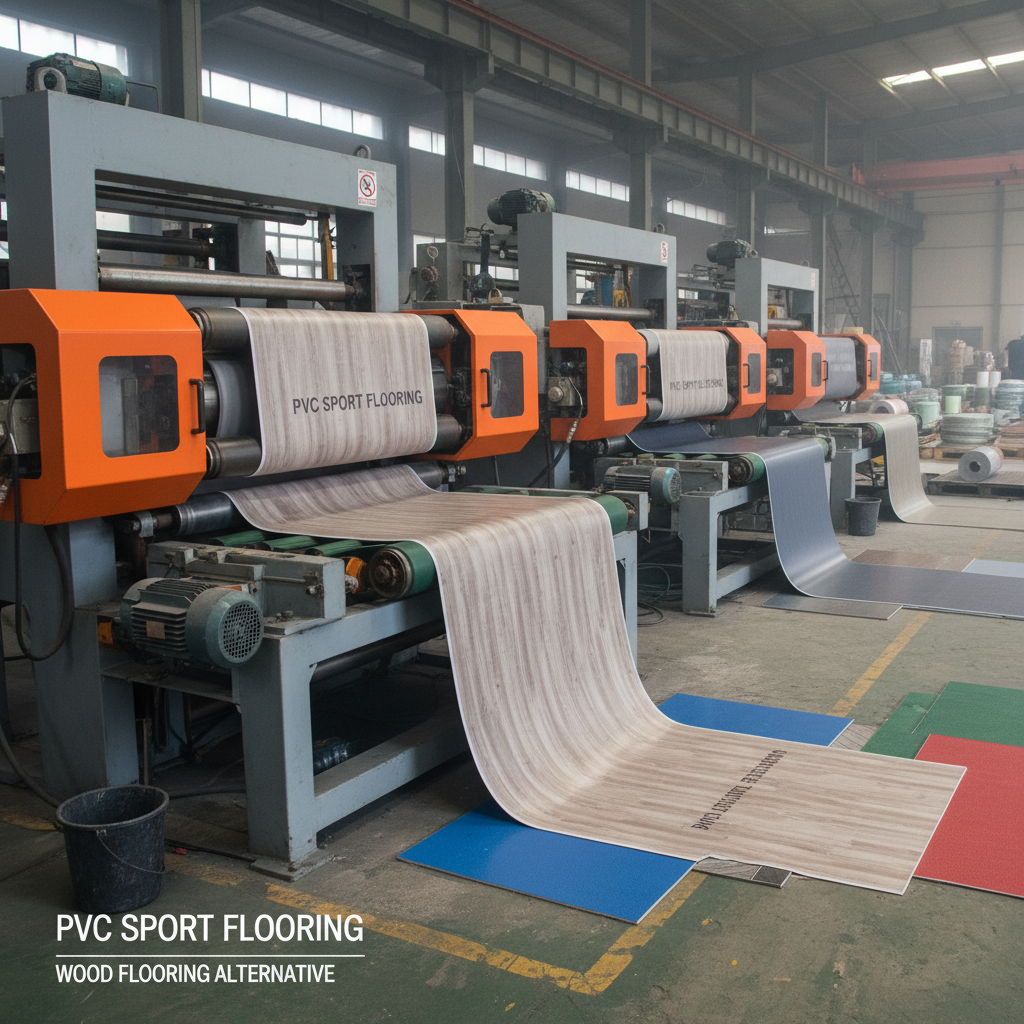
At its core, vinyl gym flooring is a high-grade synthetic flooring material composed of polyvinyl chloride (PVC) reinforced with glass fibers or polyester scrims. Unlike residential vinyl, gym-grade versions are engineered with a dense wear layer and a specialized foam backing that provides a balanced response to impact. This structure allows the floor to absorb the energy of a falling dumbbell while remaining firm enough for stable movement.
The connection between this material and modern humanitarian or wellness needs lies in its accessibility and inclusivity. By providing a surface that is easy to clean and hypoallergenic, vinyl flooring supports the creation of safe exercise environments for people of all ages and health statuses. It eliminates the porous nature of wood or certain rubbers, preventing the growth of mold and bacteria in humid gym environments.
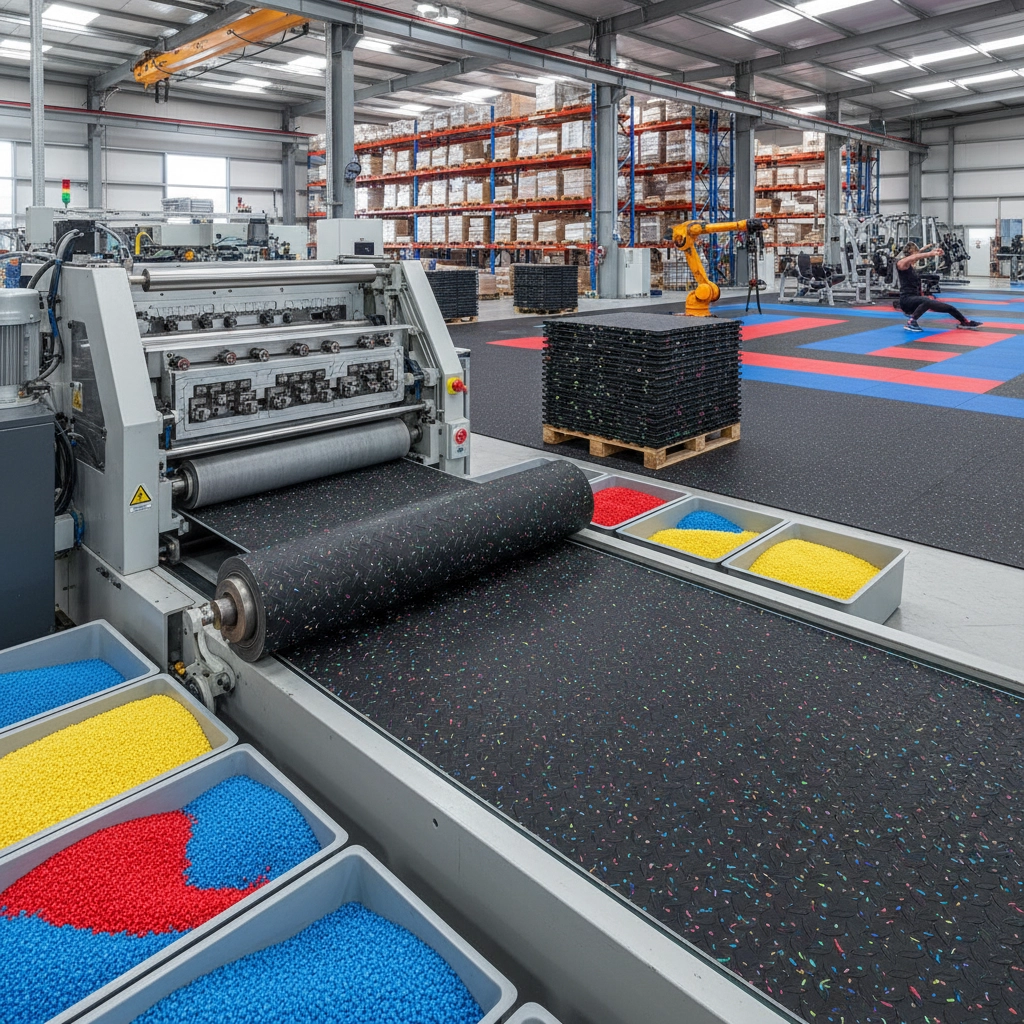
From an industrial perspective, this flooring represents a leap in polymer engineering. The integration of UV-stabilizers and anti-static treatments ensures that the floor does not fade under bright stadium lighting or cause electrical interference with gym electronics. It is a holistic solution that blends architectural beauty with rigorous mechanical performance.
Core Components of High-Performance Vinyl
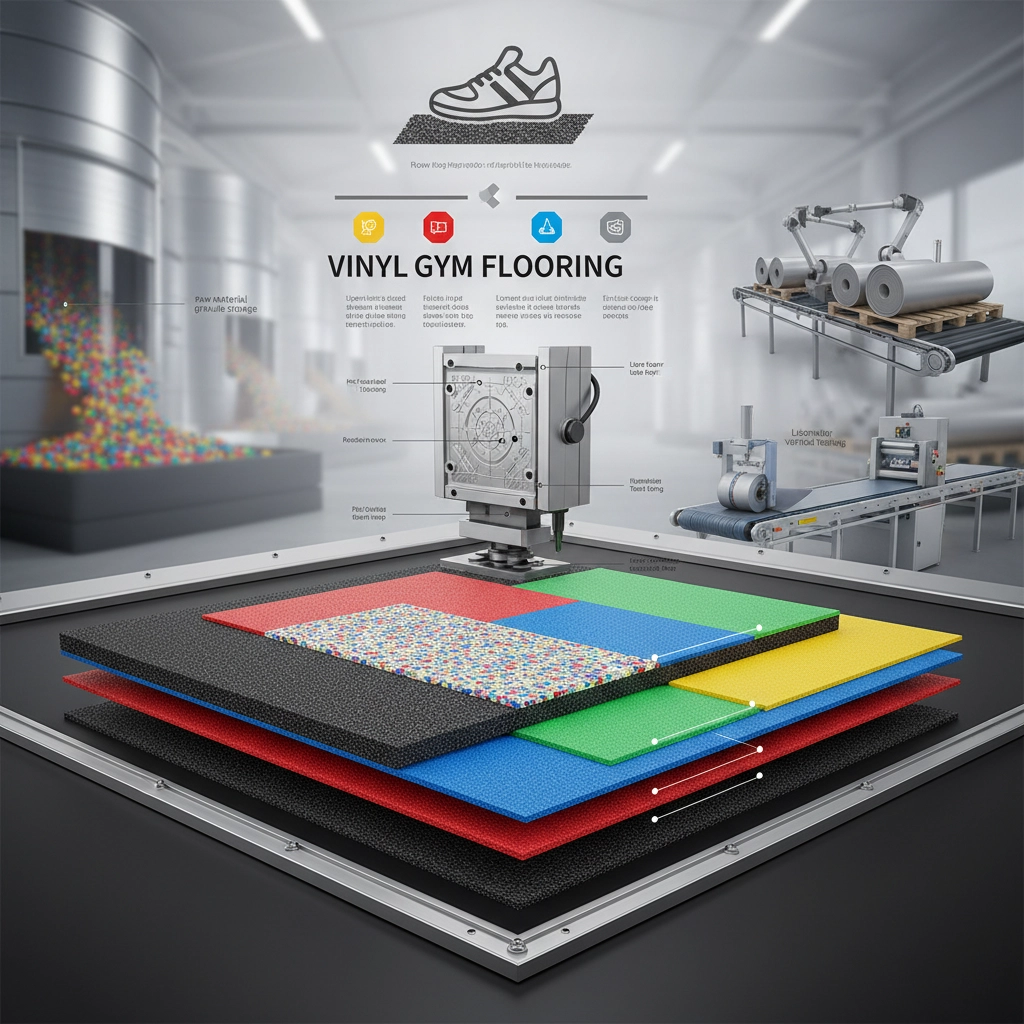
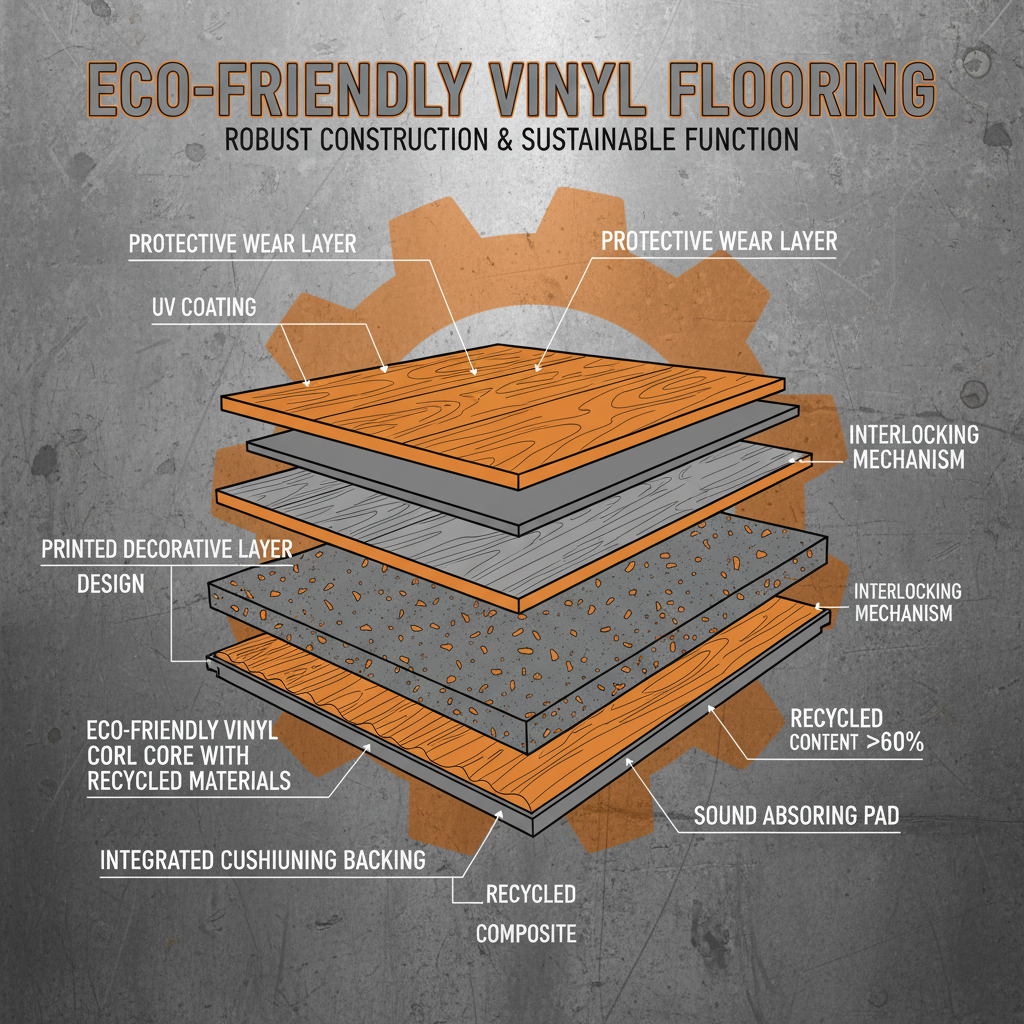
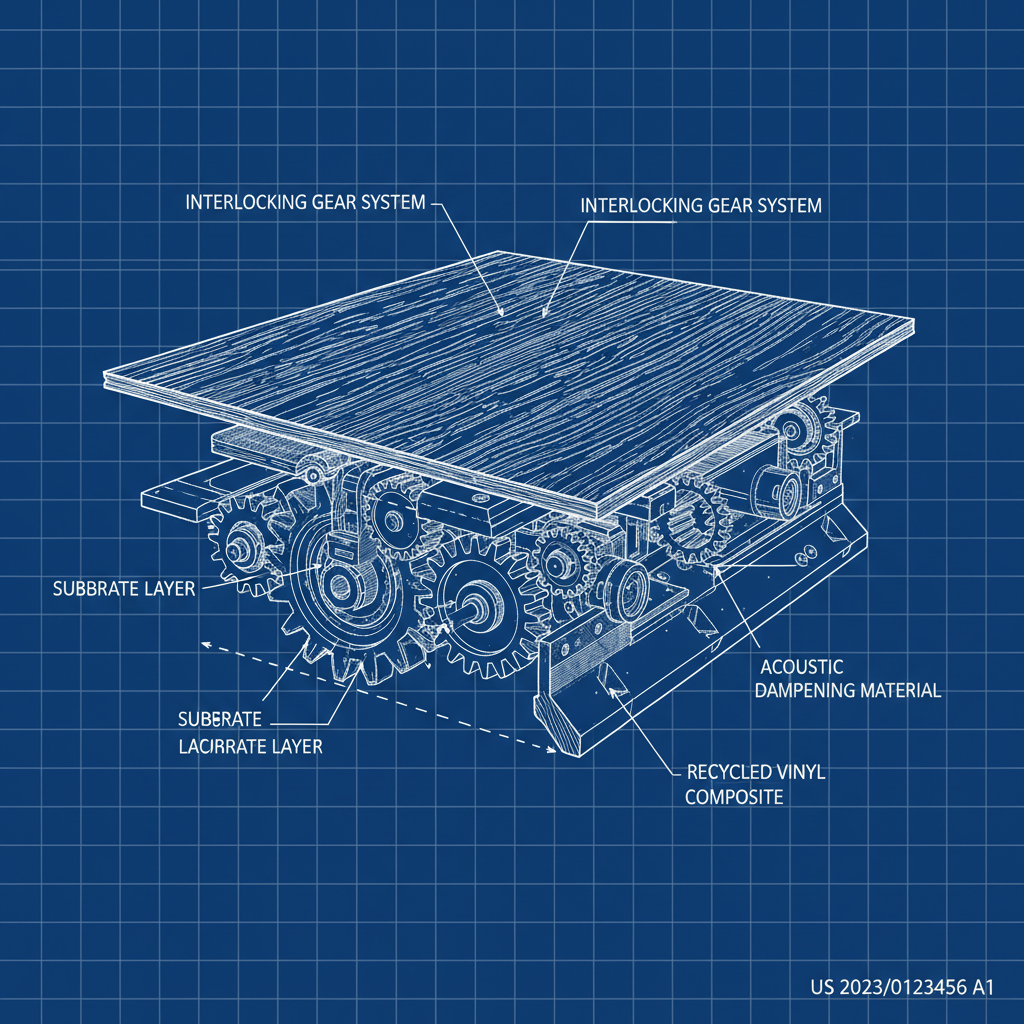
The efficacy of vinyl gym flooring depends heavily on its layered composition. The topmost layer is the "wear layer," a transparent, highly durable coating that protects the design from scratches and abrasions. This layer is crucial for maintaining the aesthetic integrity of the gym over years of heavy foot traffic.
Beneath the wear layer lies the core structural layer, often reinforced with a fiberglass mesh. This component of vinyl gym flooring prevents the material from stretching or shrinking due to temperature fluctuations, ensuring that seams remain tight and the floor remains flat across large surface areas.
Finally, the acoustic and shock-absorbing backing provides the necessary comfort for the user. This layer is engineered to dampen sound, which is essential in multi-story facilities where noise transfer to lower floors can be a significant issue. By tuning the density of this foam, manufacturers can customize the floor for either high-impact weight rooms or low-impact stretching areas.
Technical Factors Affecting Durability
When evaluating the longevity of vinyl gym flooring, professional installers look at the "wear layer thickness" and the "tensile strength." A thicker wear layer generally correlates with a longer lifespan in high-traffic areas, such as entrance foyers or CrossFit boxes. Additionally, the weldability of the seams ensures a waterproof surface, preventing liquids from seeping into the subfloor.
Another critical factor is the chemical resistance of the material. Gym floors are frequently exposed to sweat, cleaning agents, and occasionally spilled supplements. High-quality vinyl is non-reactive, meaning it won't stain or degrade when exposed to industrial-grade disinfectants, which is a paramount requirement for modern health and safety protocols.
Performance Comparison of Vinyl Gym Flooring Variants
Global Applications and Use Cases
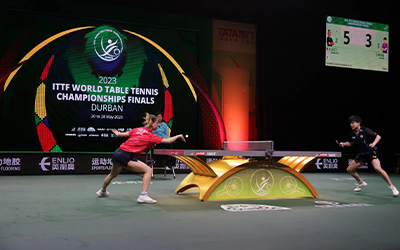
The application of vinyl gym flooring spans across diverse sectors, from high-end commercial sports complexes in North America to community wellness centers in Southeast Asia. In professional sports academies, these floors are used to create designated zones for agility training, where the grip must be precise to prevent ankle sprains during rapid directional changes.
In more challenging environments, such as remote industrial zones or temporary disaster-relief fitness hubs, modular vinyl tiles are deployed. Their ease of installation allows NGOs and government agencies to quickly set up rehabilitative exercise spaces. This adaptability ensures that quality physical therapy and fitness are available even in areas with limited infrastructure.
Long-Term Value and Sustainability
From a financial perspective, vinyl gym flooring offers an exceptional return on investment. While the initial cost may be higher than basic rubber mats, the reduction in replacement frequency and the elimination of expensive sanding or polishing (required for wood) result in lower total cost of ownership over a 10-year period.
Beyond the numbers, there is an emotional value tied to the user experience. A clean, modern-looking floor inspires trust and professionalism, encouraging members to commit to their fitness journeys. The psychological impact of a bright, hygienic environment cannot be overstated in the competitive fitness industry.
Sustainability is also becoming a core driver. Modern manufacturers are increasingly using phthalate-free PVC and incorporating recycled content into the backing layers. This shift toward "green vinyl" allows facility owners to achieve LEED certification and meet the growing consumer demand for eco-friendly business practices.
Future Trends in Sports Flooring Innovation
The future of vinyl gym flooring is inextricably linked to the digital transformation of fitness. We are seeing the emergence of "smart floors" where pressure sensors are embedded within the vinyl layers. These sensors can track an athlete's footwork, weight distribution, and balance in real-time, providing instant bio-feedback via an app.
Material science is also moving toward bio-based polymers. Research is underway to replace petroleum-based PVC with plant-derived plastics that offer the same durability but a significantly lower carbon footprint. This evolution will make the sports flooring industry a leader in the circular economy.
Automation in installation is another key trend. New precision-cutting technologies and heat-welding robots are reducing human error during the installation of large-scale vinyl surfaces. This ensures a perfect fit and seamless finish, further extending the life of the floor by removing potential points of failure at the seams.
Analysis of Future Vinyl Gym Flooring Material Innovations
| Innovation Type |
Primary Benefit |
Implementation Stage |
Eco-Impact Score (1-10) |
| Bio-Polymer Core |
Reduced Carbon Footprint |
R&D / Pilot |
9 |
| Pressure-Sensing Layers |
Real-time Performance Data |
Early Adoption |
5 |
| Self-Healing Coatings |
Automatic Scratch Repair |
Testing Phase |
7 |
| Antimicrobial Nano-silver |
Permanent Pathogen Control |
Commercialized |
6 |
| Recycled Ocean Plastic |
Waste Reduction |
Scaling Up |
10 |
| Modular Click-Lock |
Rapid Deployment |
Widespread |
8 |
FAQS
It depends on the specific area. For heavy Olympic lifting, thick rubber is often preferred for maximum impact absorption. However, for general fitness, cardio, and HIIT zones, vinyl gym flooring is superior because it offers better hygiene, a smoother surface for agility movements, and a more professional aesthetic that is easier to clean.
With proper maintenance and a high-quality wear layer, commercial vinyl gym flooring can last between 10 to 20 years. The lifespan depends heavily on the traffic volume and the cleaning protocols used. Regular removal of abrasive grit and using pH-neutral cleaners will maximize the longevity of the surface.
Yes, vinyl can be installed directly over a smooth, level concrete subfloor. However, it is essential to ensure the concrete is completely dry and free of cracks. Using a high-quality self-leveling compound before installation ensures that the vinyl gym flooring remains flat and doesn't telegraph imperfections from the slab.
Modern vinyl has evolved significantly. Many manufacturers now offer phthalate-free and REACH-compliant options. Furthermore, the long lifespan of vinyl reduces the frequency of replacement, which lowers the overall environmental impact compared to short-lived materials. Look for products with recycled content and low VOC emissions for the best eco-profile.
Daily sweeping or vacuuming to remove debris is the first step. For deep cleaning, use a microfiber mop with a pH-neutral detergent. Avoid harsh solvents or abrasive scrubbing pads that can scratch the wear layer. Because high-quality vinyl is non-porous, it naturally resists bacteria, but regular sanitation with approved disinfectants is recommended for high-traffic gyms.
Yes, provided you choose a version with an integrated acoustic foam backing. This layer is specifically designed to absorb the shock of jumping and running, reducing the impact on the athlete's joints. For high-impact areas, we recommend a thicker cushioning layer to ensure maximum safety and comfort.
Conclusion
In summary, vinyl gym flooring represents the perfect intersection of industrial durability, athlete safety, and aesthetic versatility. By integrating advanced polymer science with ergonomic design, it solves the most pressing challenges of modern fitness facilities—from hygiene and noise reduction to long-term cost efficiency. Whether it is a professional sports academy or a community wellness center, the right vinyl surface creates a foundation for health and performance.
Looking forward, the integration of smart technology and bio-based materials will further elevate the role of flooring from a passive surface to an active tool for performance tracking and environmental stewardship. For facility owners, the transition to high-grade vinyl is not just a renovation, but a strategic upgrade that ensures their space remains competitive and safe for years to come. To explore our full range of high-performance surfaces, visit our website: www.enliosport.com