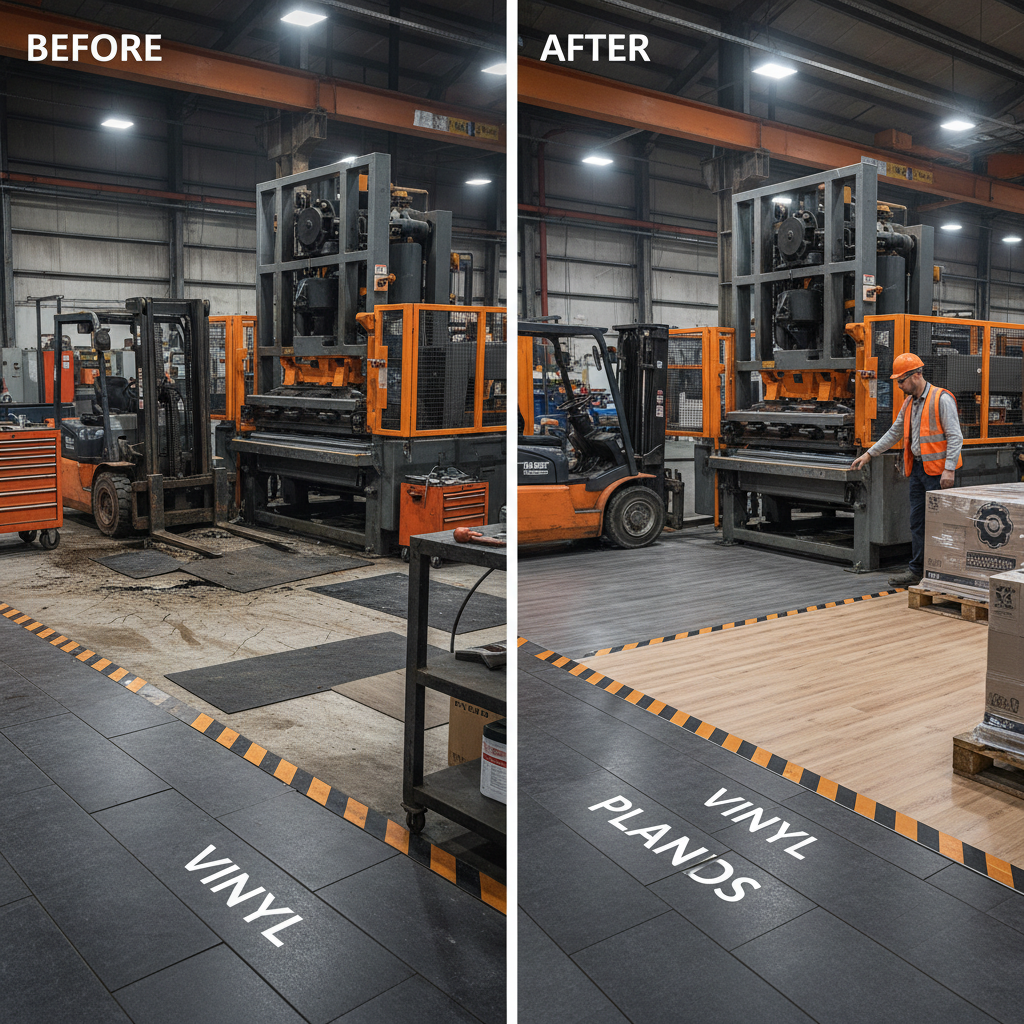
In an era where electronic precision and high-tech manufacturing drive the global economy, the hidden threat of electrostatic discharge (ESD) has become a critical concern for facility managers. Implementing anti static vinyl flooring is no longer just an optional upgrade but a fundamental requirement for environments where a single spark can lead to catastrophic equipment failure or compromised product integrity.
From semiconductor cleanrooms to modern surgical suites, the ability to safely dissipate static electricity across a floor surface is paramount. By integrating conductive or dissipative materials into the vinyl matrix, these flooring solutions create a controlled path to ground, neutralizing charges before they can jump to sensitive components or create hazardous atmospheres in volatile environments.
Understanding the nuances of anti static vinyl flooring allows businesses to balance operational safety with aesthetic appeal and long-term durability. This comprehensive guide explores the technical specifications, global applications, and innovative trends that make electrostatic-control flooring an indispensable asset in the modern industrial landscape.
Global Relevance of Anti Static Vinyl Flooring
On a global scale, the demand for anti static vinyl flooring is intrinsically linked to the growth of the electronics and pharmaceutical sectors. According to ISO standards for electrostatic control (such as ISO 14644 for cleanrooms), the management of surface resistivity is crucial for preventing the loss of high-value microchips and ensuring the sterility of medical devices. In regions like East Asia and North America, where semiconductor fabrication is concentrated, the adoption of these specialized floors is mandatory to prevent yield loss caused by ESD.
The challenge lies in the fact that standard flooring materials act as insulators, allowing static charges to accumulate on personnel and equipment. This creates a volatile environment where a sudden discharge can destroy a CPU or ignite flammable vapors in a chemical lab. By transitioning to conductive vinyl, industries can mitigate these risks, ensuring that the global supply chain for critical technology remains uninterrupted and safe for workers.
Technical Definition and Core Mechanism
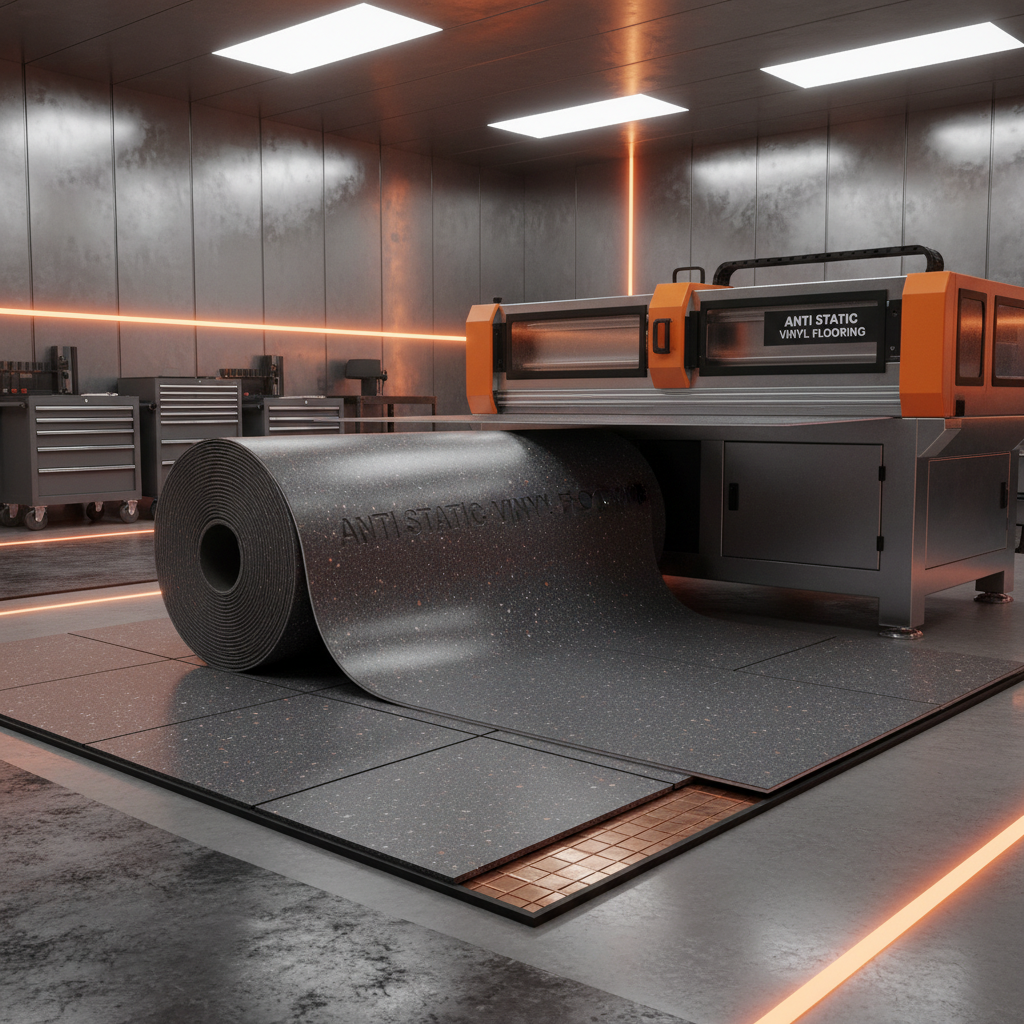
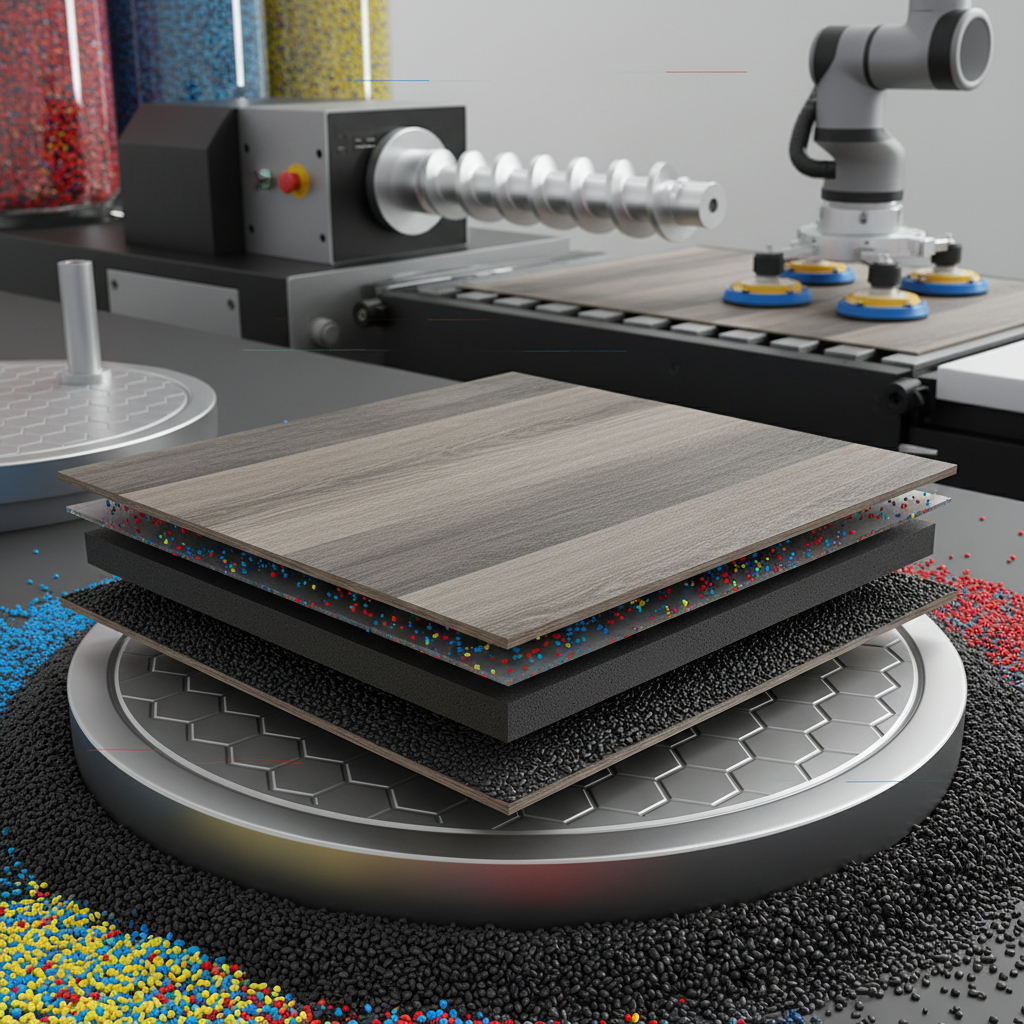
anti static vinyl flooring is a specialized synthetic flooring system engineered with conductive particles—typically carbon or metallic additives—dispersed throughout the PVC matrix. Unlike standard vinyl, which resists electricity, this material is designed to have a specific electrical resistance range (usually between $10^4$ and $10^9$ ohms), allowing it to bleed off static charges safely to a grounded copper foil or conductive adhesive layer.
This mechanism operates on the principle of "controlled dissipation." When a person walks across the floor, the friction creates a charge; in a standard environment, this charge stays on the body until it finds a conductor (like a door handle), resulting in a shock. With anti-static vinyl, the charge is continuously drained away through the floor and into the building's grounding system, maintaining a neutral electrical state across the entire surface.
From a humanitarian and industrial perspective, this technology protects the dignity and safety of the workforce. In healthcare settings, for instance, it prevents shocks to patients connected to sensitive life-support monitors, while in industrial zones, it reduces the risk of flash fires, bridging the gap between high-performance engineering and human safety.
Key Performance Factors for ESD Control
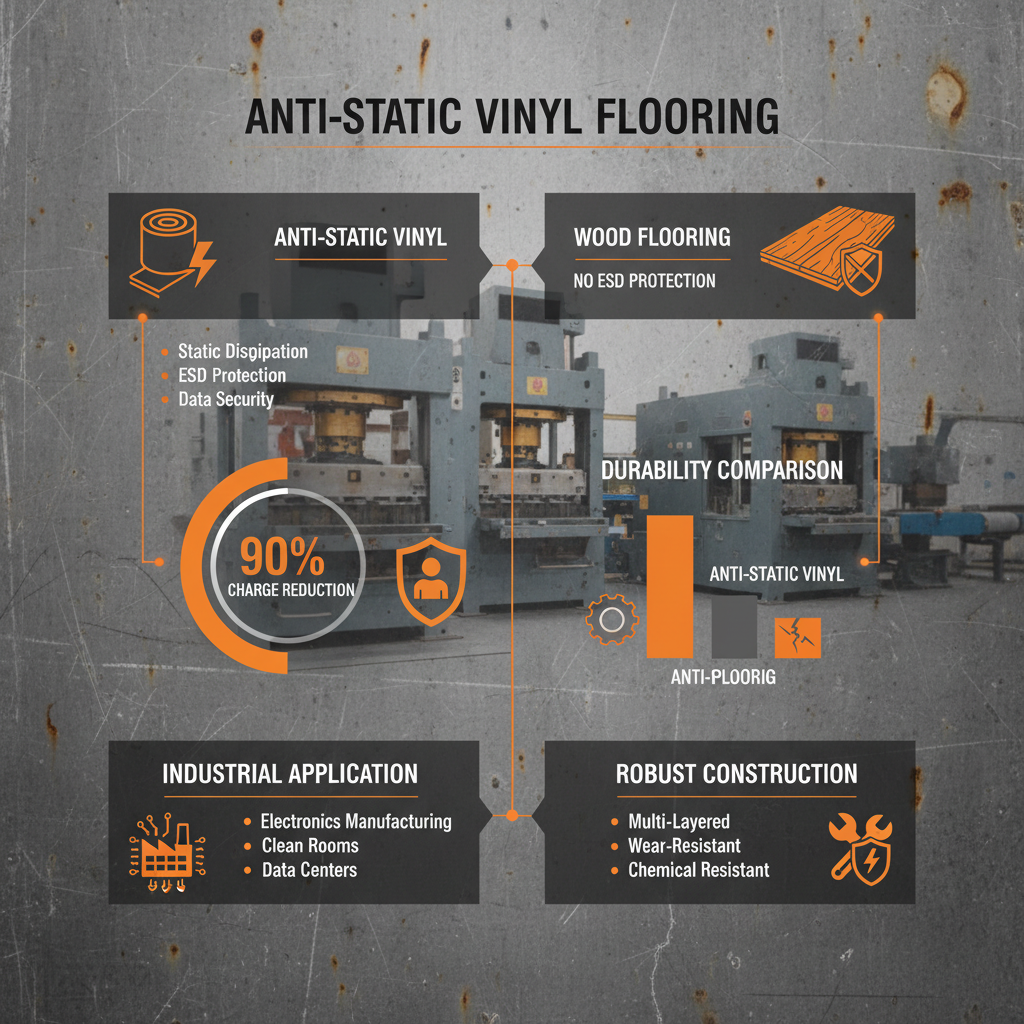
One of the primary factors in evaluating anti static vinyl flooring is its surface resistivity. This measurement determines whether the floor is "conductive" (fast discharge) or "dissipative" (controlled discharge). For high-sensitivity areas like wafer fabrication, a conductive floor is preferred to ensure that charges are removed almost instantaneously.
Durability and wear resistance are equally critical. Because these floors are often used in heavy industrial environments, the conductive layer must be integrated throughout the thickness of the material rather than just as a surface coating. This ensures that even as the anti static vinyl flooring wears down over years of foot traffic, its electrical properties remain consistent and effective.
Furthermore, the ease of maintenance plays a vital role in long-term ESD performance. The use of non-conductive waxes or cleaning agents can create an insulating film on the surface, effectively "killing" the anti-static properties. Therefore, specifying the correct maintenance protocol is essential to ensure the floor continues to protect equipment and personnel.
Comparative Analysis of Flooring Efficiency
When selecting the right solution, it is important to compare different grades of anti static vinyl flooring based on their specific application. Some environments require rapid discharge, while others benefit from a slower, more controlled dissipation to avoid sudden electrical surges.
The following data reflects the performance ratings of various anti-static implementation methods, focusing on their effectiveness in charge dissipation, ease of installation, and overall lifespan in industrial settings.
Efficiency Ratings of Anti Static Vinyl Flooring Systems
Global Applications and Use Cases
The practical application of anti static vinyl flooring spans a diverse array of critical infrastructures. In the electronics industry, specifically in "Clean Room" environments in Taiwan and South Korea, these floors are the primary defense against the invisible threat of static, ensuring that nanometer-scale circuits are not fried during the assembly process.
Beyond electronics, the healthcare sector relies heavily on this technology. In operating theaters and MRI rooms, the floor prevents electrical interference with sensitive diagnostic equipment and protects patients from micro-shocks. Similarly, in hazardous industrial zones—such as powder coating plants or chemical refineries in Europe—anti-static floors prevent the ignition of airborne particulates, saving lives and protecting multi-million dollar assets.
Long-Term Value and Sustainability
Investing in high-quality anti static vinyl flooring provides a tangible return on investment by reducing "invisible" costs. These costs include the replacement of damaged electronic components, productivity losses due to equipment downtime, and the immense legal liabilities associated with workplace accidents caused by electrostatic sparks.
From a sustainability perspective, modern vinyl manufacturing has evolved. Many anti-static floors now incorporate phthalate-free materials and recyclable PVC, reducing the environmental footprint without compromising the conductive properties. This alignment with green building certifications (like LEED) makes them an attractive choice for corporations aiming for ESG (Environmental, Social, and Governance) compliance.
The emotional value of this installation is rooted in trust. Employees working in high-risk environments feel a sense of security knowing that the very ground they stand on is engineered to protect them. This psychological safety fosters a more focused and productive workforce, proving that technical flooring is an investment in human capital.
Future Trends in Conductive Material Science
The future of anti static vinyl flooring is moving toward "smart surfaces." Researchers are exploring the integration of graphene and carbon nanotubes to create floors with even lower resistivity and higher durability. These materials allow for thinner flooring profiles while providing superior ESD protection, reducing the amount of raw polymer needed during production.
Digital transformation is also influencing the field, with the development of "monitored flooring." Imagine a floor that can sense when its conductive properties have degraded due to wear or contamination and alert the facility manager via a cloud-based dashboard. This shift from reactive to predictive maintenance will significantly increase the lifespan of ESD-controlled environments.
As automation and robotics become standard in warehouses and factories, the interaction between robotic wheels and flooring will require new anti-static formulations to prevent "triboelectric charging" at high speeds. The evolution of vinyl flooring will continue to mirror the evolution of the technology it protects.
Comparison of Future Anti-Static Material Technologies
| Material Technology |
Conductivity Level |
Sustainability Score |
Projected Lifespan |
| Traditional Carbon-PVC |
Medium-High |
6/10 |
10-15 Years |
| Graphene-Infused Vinyl |
Ultra-High |
8/10 |
20+ Years |
| Recycled Polymer ESD |
Medium |
10/10 |
12-15 Years |
| Nano-Silver Composite |
High |
7/10 |
15-20 Years |
| Smart-Sensing Vinyl |
Variable |
7/10 |
15 Years |
| Bio-based Conductive PVC |
Medium-High |
9/10 |
10-12 Years |
FAQS
Conductive flooring has a lower electrical resistance, meaning it moves static charges to ground very quickly. Dissipative flooring has a higher resistance, slowing down the charge movement. Conductive floors are typically used in the most sensitive electronic assembly areas, while dissipative floors are ideal for general laboratory or medical environments where a slower, controlled discharge is safer.
Yes, for the floor to function correctly, it usually requires a conductive adhesive. This adhesive acts as the bridge between the anti-static vinyl surface and the copper grounding strips installed in the subfloor. Without a conductive adhesive and proper grounding, the vinyl may feel "anti-static" to the touch but will not actually dissipate charges to the earth.
According to industry standards, ESD floors should be tested quarterly or semi-annually. Factors such as humidity, wear, and the buildup of non-conductive cleaning residues can change the floor's resistivity over time. Using a megohmmeter to verify that the surface resistance remains within the required range ensures continuous protection of your equipment.
No, standard waxes are usually insulators. Applying them creates a thin, non-conductive layer on top of the vinyl, which blocks the path to ground and renders the anti-static properties useless. You must use specialized ESD-safe floor finishes or maintain the floor using only approved, non-insulating cleaning agents.
Generally, yes, but it requires careful planning. The grounding system (copper tapes) must be installed in a way that does not interfere with the heating elements. It is recommended to consult a specialist to ensure that the thermal expansion of the vinyl doesn't compromise the electrical connection to the ground.
Humidity plays a significant role in electrostatic buildup. In very dry environments, static accumulates more easily, making the role of anti static vinyl flooring even more critical. While the vinyl itself maintains its properties, the surrounding air's moisture levels can influence how quickly a person becomes charged before stepping onto the conductive surface.
Conclusion
In summary, anti static vinyl flooring serves as a critical intersection between material science and industrial safety. By effectively managing the flow of electrons from the surface to the ground, these flooring systems protect high-value electronics, ensure medical precision, and mitigate the risk of fire in volatile environments. From the technical necessity of surface resistivity to the long-term value of reduced equipment failure, the adoption of ESD-controlled flooring is a strategic decision for any modern technical facility.
Looking forward, the integration of smart materials and sustainable polymers will only enhance the efficiency and eco-friendliness of these solutions. As we move toward a more automated and miniaturized technological future, the importance of a stable, grounded environment becomes even more pronounced. We encourage facility managers and engineers to prioritize the installation of certified anti-static systems to safeguard their assets and their people. Visit our website for professional solutions: www.enliosport.com