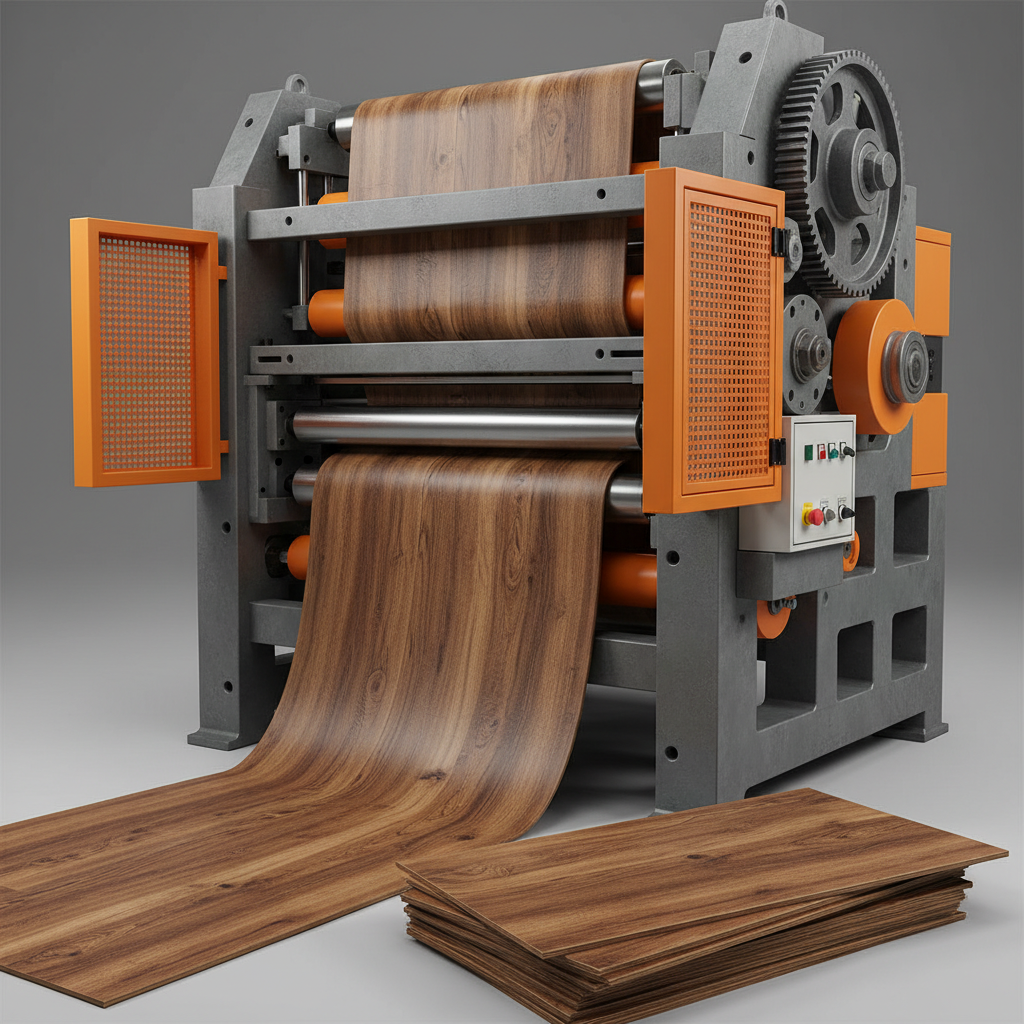
In the modern architectural and interior design landscape, commercial vinyl flooring has emerged as a cornerstone for high-traffic environments. Its ability to balance aesthetic versatility with extreme durability makes it the preferred choice for business owners and facility managers who cannot afford frequent renovations or downtime. From sleek corporate lobbies to sterile healthcare clinics, this material provides a seamless blend of function and form.
The global shift toward sustainable and low-maintenance infrastructure has accelerated the adoption of advanced polymer-based flooring. As industries move away from traditional carpets and hardwoods—which often succumb to wear and moisture—commercial-grade vinyl offers a resilient alternative that meets rigorous international safety and hygiene standards. Understanding the nuances of this material is essential for anyone looking to optimize their commercial space for long-term operational efficiency.
Beyond mere utility, the evolution of commercial vinyl flooring reflects a broader trend in material science where performance is engineered at the molecular level. By integrating wear layers, antimicrobial coatings, and acoustic dampening properties, today's vinyl solutions address complex challenges such as noise pollution in open offices and infection control in hospitals, ensuring a safer and more productive environment for all users.
Global Relevance and Industry Context of Vinyl Flooring
On a global scale, the demand for commercial vinyl flooring is driven by the rapid urbanization of emerging economies and the modernization of aging infrastructure in developed nations. According to industry trends aligned with ISO standards for building materials, there is an increasing mandate for flooring that can withstand extreme foot traffic while reducing the overall carbon footprint of a building's lifecycle.
The primary challenge facing modern commercial spaces is the conflict between high-end aesthetics and the brutal reality of daily wear and tear. Traditional materials often fail under the pressure of thousands of daily visitors, leading to costly replacements. Vinyl technology solves this by providing a surface that mimics natural textures—like oak or stone—while offering a non-porous, waterproof barrier that is virtually indestructible.
Defining High-Performance Commercial Vinyl Flooring
At its core, commercial vinyl flooring is a synthetic flooring material composed of polyvinyl chloride (PVC) and a blend of stabilizers, plasticizers, and fillers. Unlike residential vinyl, the commercial grade is characterized by a significantly thicker "wear layer"—the top transparent coating that protects the design from scratches and scuffs. This engineering distinction ensures that the floor remains pristine even in environments with rolling loads, such as wheelchairs or heavy equipment carts.
From a humanitarian and industrial perspective, this material is more than just a design choice; it is a tool for public health and safety. In healthcare settings, seamless vinyl flooring prevents the accumulation of bacteria and pathogens in grout lines, which is a critical requirement for surgical suites and laboratories. This connection between material science and sanitary needs demonstrates why high-performance vinyl is indispensable in modern institutional design.
Furthermore, the versatility of this material allows it to be adapted for various installation methods, including glue-down, loose-lay, or luxury vinyl tile (LVT). This flexibility means that businesses can rapidly deploy new flooring without extensive demolition, reducing noise pollution and operational disruption during renovations.
Core Components and Material Engineering
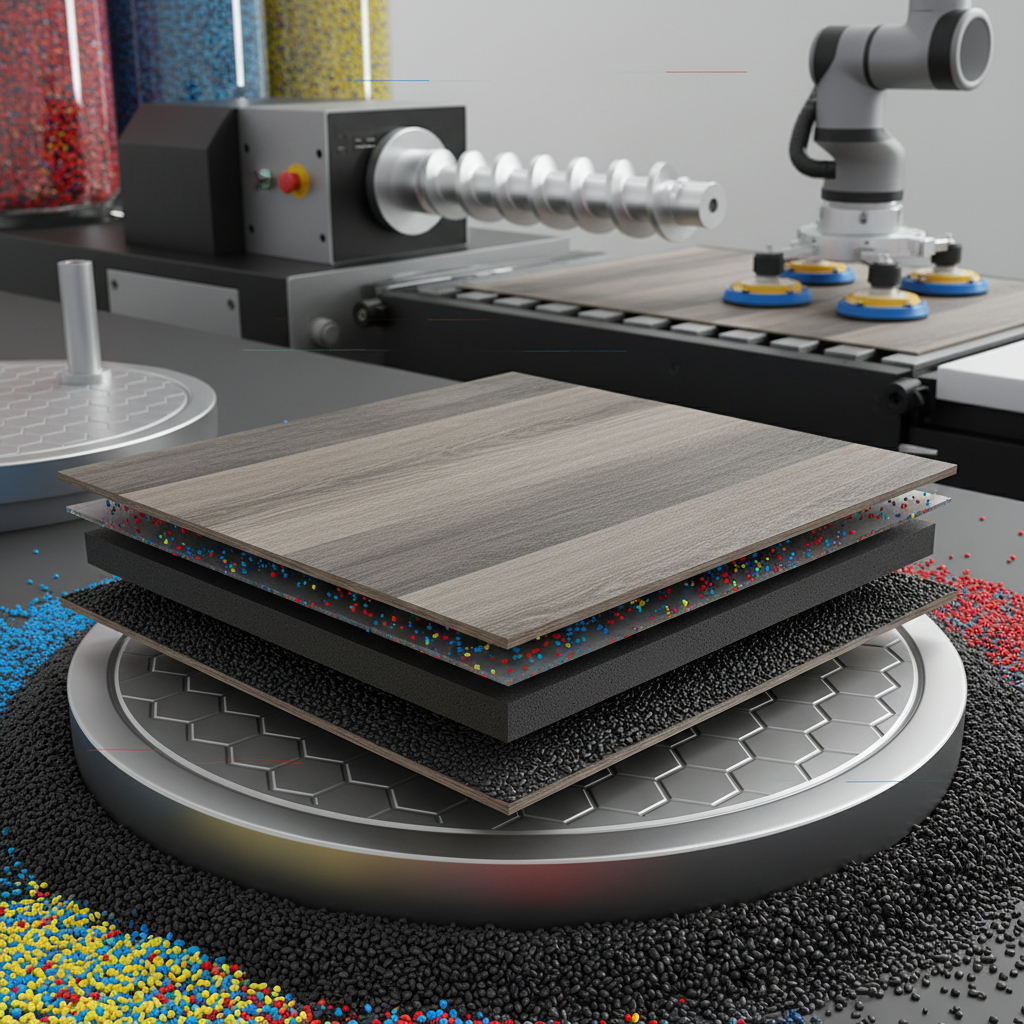
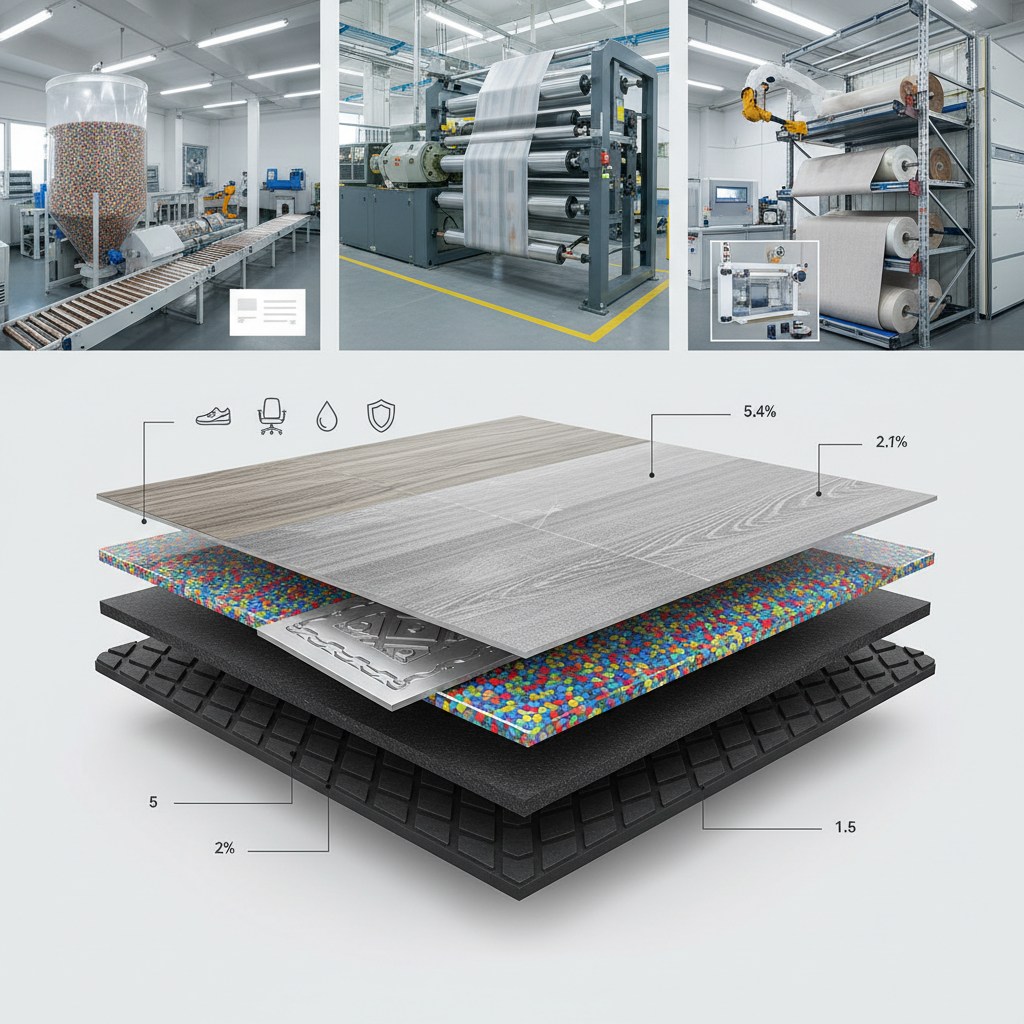
The durability of commercial vinyl flooring is rooted in its multi-layered architecture. The backing layer provides dimensional stability, preventing the floor from shrinking or expanding with temperature fluctuations, while the core provides the structural integrity necessary to support heavy weights without indenting.
A critical component of high-end commercial vinyl is the UV-cured urethane coating. This advanced chemical layer acts as a shield, making the commercial vinyl flooring resistant to staining and fading from sunlight, which is particularly vital for retail storefronts with large glass windows and high UV exposure.
Finally, acoustic engineering is integrated into the underlayment. By incorporating sound-absorbing polymers, manufacturers can reduce the "clicking" sound associated with hard surfaces, creating a quieter, more professional atmosphere in corporate offices and educational hallways without sacrificing the clean look of hard flooring.
Performance Metrics and Scalability Factors
When evaluating the scalability of commercial vinyl flooring, architects look at a combination of slip resistance, fire ratings, and wear-layer thickness. For a product to be truly "commercial grade," it must balance these technical parameters to ensure safety across diverse climates and usage intensities.
The following chart illustrates how different types of commercial vinyl solutions score across key performance indicators, helping stakeholders choose the right material based on their specific operational needs.
Commercial Vinyl Flooring Performance Comparison
Strategic Applications Across Global Industries
The application of commercial vinyl flooring extends far beyond simple office spaces. In the healthcare sector, specifically in Europe and North America, sheet vinyl is used to create coved bases—where the flooring curves up the wall—eliminating 90-degree corners where dirt and bacteria typically collect. This is a critical application in sterile environments where hygiene is non-negotiable.
In remote industrial zones or post-disaster relief centers, modular vinyl tiles are deployed for their speed of installation. Because they can be laid over existing substrates with minimal preparation, they provide an immediate, clean, and dignified surface for temporary clinics or administrative hubs, proving that high-performance flooring can be both a luxury and a necessity in emergency logistics.
Long-Term Economic and Environmental Value
From a financial perspective, the value of commercial vinyl flooring is realized through the reduction of Life Cycle Costs (LCC). While the initial investment may be higher than low-grade options, the elimination of waxing, polishing, and frequent replacements results in a significantly lower cost per square foot over a ten-year period.
Sustainability has also become a core driver. Modern manufacturing processes now incorporate phthalate-free plastics and recycled PVC content, aligning with LEED (Leadership in Energy and Environmental Design) certifications. This ensures that businesses can achieve their environmental goals without compromising on the physical strength of their flooring.
Beyond the numbers, there is an emotional value tied to the reliability of the surface. Employees feel more secure in a workspace that is clean and well-maintained, and customers perceive a brand as more professional and trustworthy when the physical environment reflects a commitment to quality and durability.
Future Innovations and Smart Flooring Trends
The future of commercial vinyl flooring is leaning toward "intelligent surfaces." We are seeing the integration of conductive layers that can assist in electrostatic discharge (ESD) control, which is vital for electronics manufacturing plants where a single spark could destroy sensitive components.
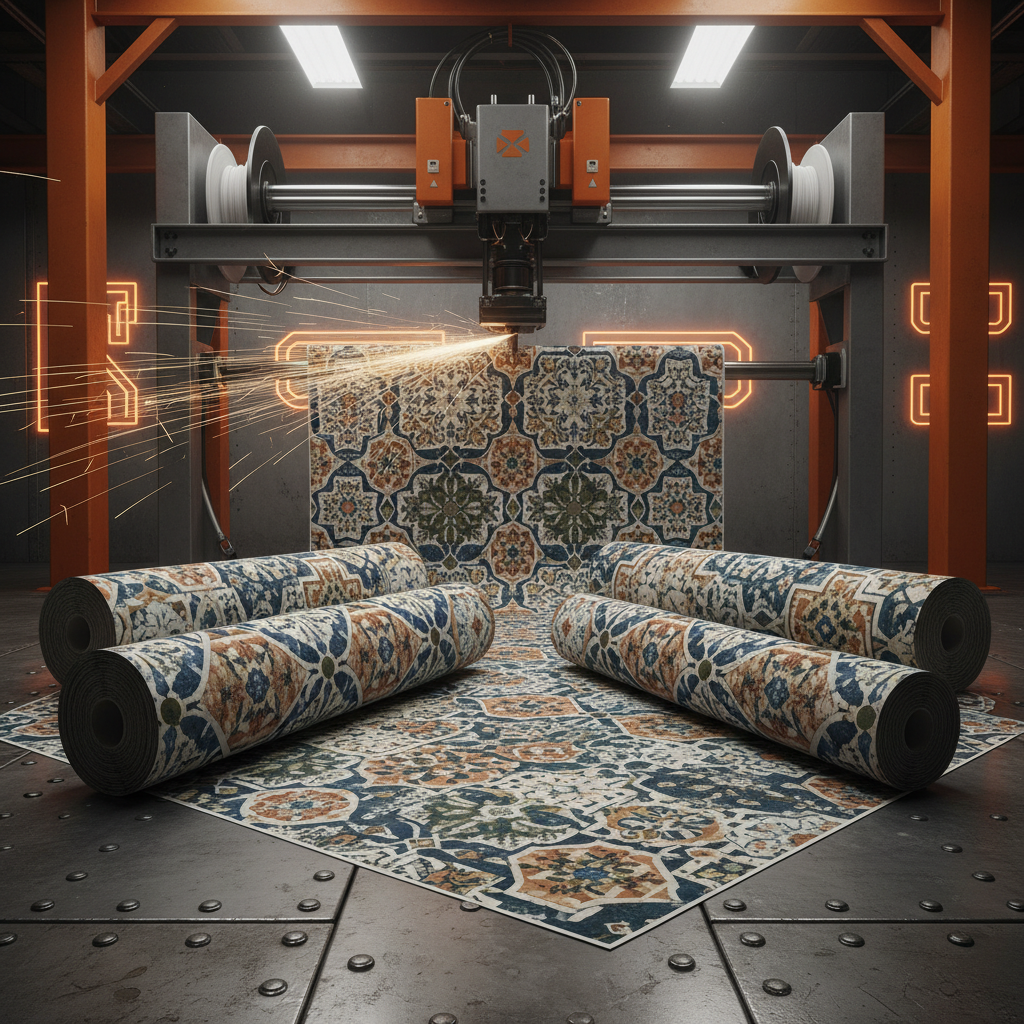
Digital transformation is also hitting the production line. High-definition 3D printing allows for hyper-realistic textures that are indistinguishable from natural stone or hardwood, meaning the "compromise" between beauty and durability has effectively vanished. Furthermore, the industry is exploring bio-based polymers to replace petroleum-derived PVC entirely.
As automation increases in warehouses and logistics centers, vinyl flooring is being engineered to withstand the specific point-loads of robotic autonomous vehicles. This ensures that the floor does not deform under the repetitive paths of heavy machinery, merging the worlds of construction and robotics.
Comparative Analysis of Commercial Vinyl Flooring Innovations
| Innovation Type |
Primary Benefit |
Target Industry |
Implementation Ease |
| ESD Conductive Vinyl |
Static Prevention |
Electronics Mfg |
Moderate |
| Bio-Polymer Cores |
Carbon Reduction |
Eco-Corporate |
High |
| Antimicrobial Coating |
Pathogen Control |
Healthcare |
High |
| 3D Texture Mapping |
Visual Realism |
Luxury Retail |
High |
| Acoustic Underlays |
Noise Reduction |
Education/Office |
Moderate |
| Reinforced SPC |
Extreme Rigidity |
Logistics Hubs |
Moderate |
FAQS
The primary difference lies in the wear layer thickness. Commercial vinyl flooring is engineered with a much thicker top protective layer (typically 20mil or higher) to withstand heavy foot traffic, rolling equipment, and harsh cleaning chemicals, whereas residential vinyl is designed for lighter use and focuses more on comfort and cost.
Yes, most commercial vinyl options, especially sheet vinyl and SPC (Stone Plastic Composite), are 100% waterproof. This makes them ideal for clinics and laboratories where spills are common and hygiene is paramount, as they prevent moisture from seeping into the subfloor and inhibit mold growth.
Depending on the traffic volume and the thickness of the wear layer, high-quality commercial vinyl can last anywhere from 10 to 25 years. With proper maintenance—such as regular sweeping and occasional professional deep cleaning—it retains its appearance and structural integrity far longer than carpet or laminate.
In many cases, yes. Luxury Vinyl Tiles (LVT) and Planks (LVP) can be installed over existing hard surfaces if they are level and stable. However, for seamless sheet vinyl in medical settings, it is usually recommended to remove old flooring to ensure a perfectly flush, hygienic finish.
Modern commercial vinyl has evolved significantly. Many manufacturers now use phthalate-free materials and incorporate recycled content. Additionally, because of its long lifespan and low maintenance requirements (no harsh stripping chemicals), it reduces the overall environmental impact compared to materials that need frequent replacement.
LVT (Luxury Vinyl Tile) is generally better for retail stores because it offers superior design flexibility and is much easier to repair; if one tile is damaged, you can replace just that piece. Sheet vinyl is better for areas requiring total waterproof sealing, such as bathrooms or medical rooms.
Conclusion
In summary, commercial vinyl flooring represents the perfect intersection of industrial durability and architectural beauty. By leveraging advanced polymer science, it solves the most pressing challenges of high-traffic environments—from hygiene and noise control to long-term cost efficiency and environmental sustainability. Whether applied in a high-tech laboratory or a bustling retail hub, the right vinyl solution ensures that the foundation of a business is as resilient as the business itself.
Looking ahead, the integration of smart technologies and bio-based materials will only further solidify vinyl's position as the premier choice for commercial interiors. For facility managers and designers, the recommendation is clear: invest in high-wear-layer, certified sustainable vinyl to future-proof your space. Explore the full range of high-performance solutions by visiting our website: www.enliosport.com.