The evolution of interior design and commercial infrastructure has seen a dramatic shift toward materials that balance aesthetic luxury with extreme resilience. Among these innovations, modern vinyl flooring has emerged as a global leader, redefining how we approach surface durability in high-traffic environments. By integrating advanced polymer science with high-definition printing, today's vinyl options provide the timeless look of hardwood or stone without the prohibitive maintenance costs.
From a global industrial perspective, the demand for versatile flooring solutions is driven by the rapid urbanization of emerging economies and the renovation of aging infrastructure in developed nations. Modern vinyl flooring addresses the critical need for hygienic, water-resistant, and easy-to-install surfaces that can withstand the rigors of both residential living and industrial operation. It is no longer just a budget alternative but a primary architectural choice for those seeking longevity and style.
Understanding the technical nuances of this material—ranging from Luxury Vinyl Plank (LVP) to Luxury Vinyl Tile (LVT)—allows developers and homeowners to optimize their investments. By leveraging current manufacturing standards, such as ISO certifications for emissions and wear resistance, the adoption of modern vinyl flooring ensures a safe, sustainable, and visually stunning foundation for any spatial project.
The Global Evolution of Modern Vinyl Flooring
The transition from basic PVC sheets to modern vinyl flooring represents a significant leap in polymer chemistry. Historically, vinyl was viewed as a utilitarian material—functional but lacking in aesthetic appeal. However, the introduction of Rigid Core technology and advanced wear layers has transformed it into a premium product that mimics organic materials with startling accuracy, meeting the strict demands of the global architectural community.
Today, the industry focuses on eliminating volatile organic compounds (VOCs) and enhancing the dimensional stability of the planks. This evolution is not merely about looks; it is about creating a surface that can handle extreme temperature fluctuations and heavy load-bearing capacities. As cities grow and the pace of commercial turnover increases, the ability to deploy high-quality flooring rapidly has become a competitive necessity in the construction sector.
Core Technical Components of Vinyl Surfaces
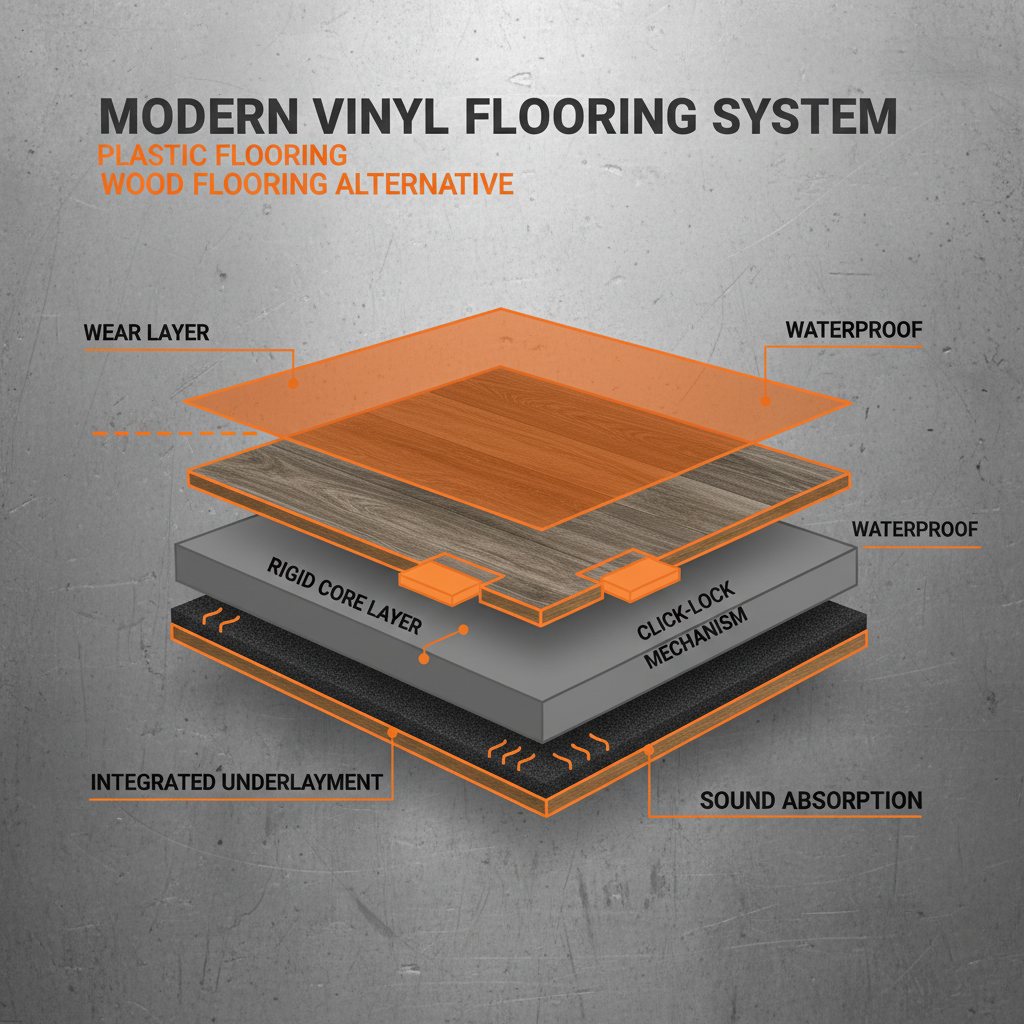
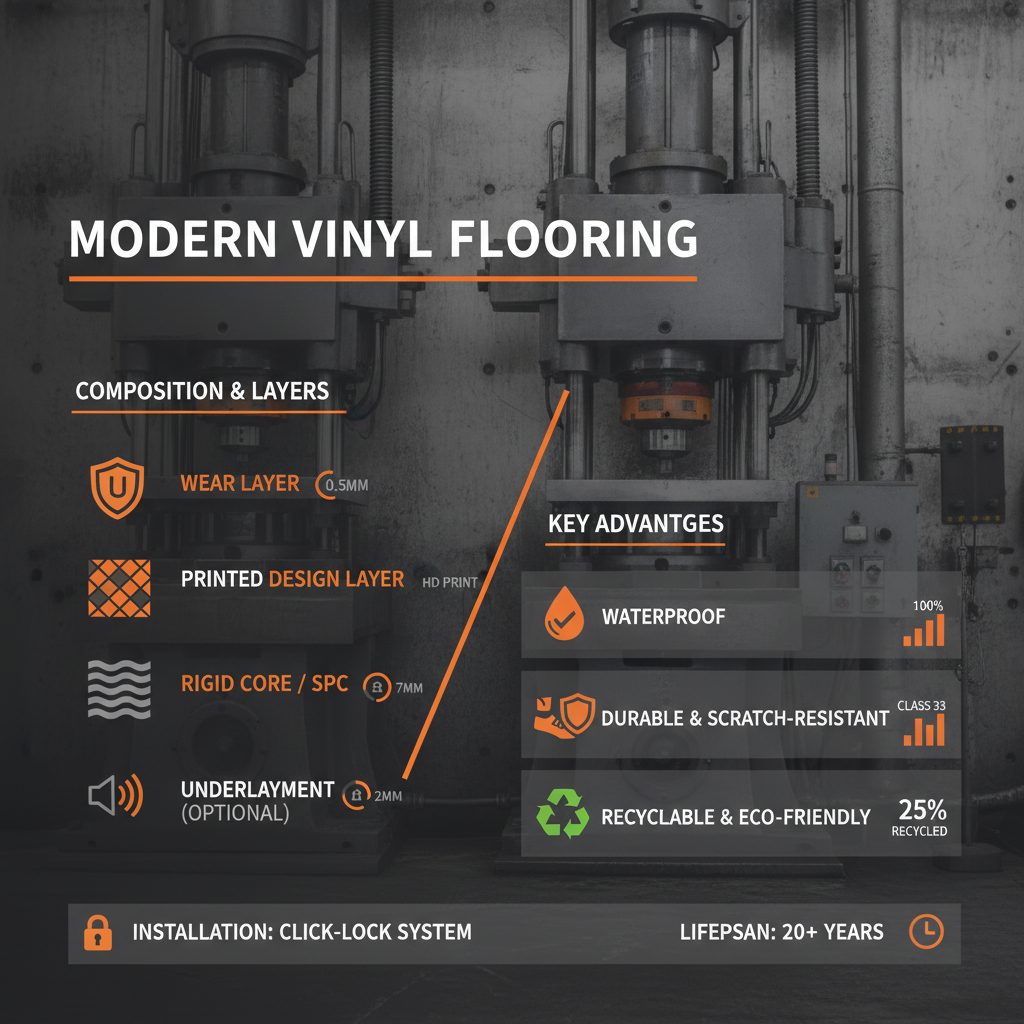
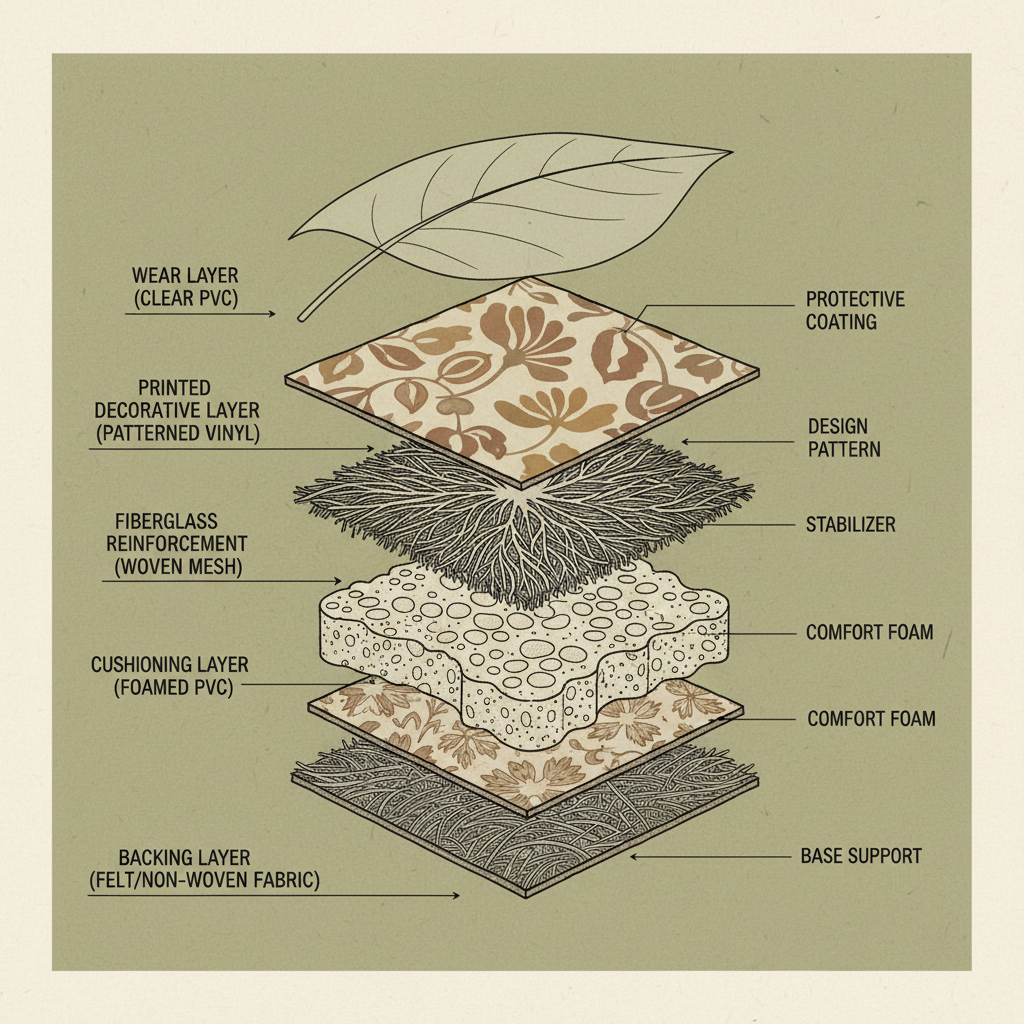
At its heart, the superior performance of modern vinyl flooring is derived from its multi-layered construction. The base layer provides the necessary structural rigidity, often utilizing Stone Plastic Composite (SPC) or Wood Plastic Composite (WPC), which prevents the flooring from sagging or expanding. This rigid core is what allows the material to be installed over slightly uneven subfloors without the risk of "telegraphing" imperfections to the surface.
Above the core sits the high-resolution print layer, where digital imaging technology recreates the intricate grains of oak, the veins of marble, or the sleekness of industrial concrete. This layer is the key to the product's versatility, allowing a single material to adapt to diverse interior styles, from rustic farmhouse to ultra-modern minimalist, while maintaining a consistent physical performance across all designs.
The final and most critical layer is the transparent wear layer, typically made of polyurethane or specialized resins. This shield protects the print layer from scratches, stains, and UV degradation. Depending on the intended use—whether it's a quiet bedroom or a bustling airport terminal—the thickness of this layer is adjusted to ensure that the flooring maintains its luster and integrity for decades.
Key Factors Influencing Material Selection
When evaluating modern vinyl flooring, the first consideration must be the specific environmental stress the floor will encounter. In moisture-prone areas like kitchens or basements, 100% waterproof SPC options are non-negotiable to prevent swelling and mold growth. The selection process involves a careful balance between tactile comfort and raw durability.
Another critical factor is the installation method. Click-lock systems have revolutionized the industry, allowing for "floating floors" that can be installed without permanent adhesives. This flexibility is particularly valuable for renters or commercial tenants who may need to update their space without damaging the original subfloor, making modern vinyl flooring a highly scalable solution.
Finally, acoustic performance plays a pivotal role in high-density living and office spaces. Many high-end vinyl products now come with integrated underlayments (such as IXPE foam) that reduce impact noise. This integrated approach ensures that the flooring doesn't just look great, but also contributes to a quieter, more professional atmospheric environment.
Performance Metrics and Durability Analysis
Measuring the efficacy of modern vinyl flooring requires a look at standardized testing for abrasion, impact resistance, and slip prevention. Unlike traditional hardwood, which may dent or scratch under heavy furniture, high-grade vinyl utilizes a high-density core that distributes weight more evenly, significantly extending the lifecycle of the installation.
From a commercial standpoint, the ROI is measured by the "cost per year of life." While some materials may have a lower initial price point, the low maintenance requirements—no sanding, sealing, or waxing—make the long-term expenditure of vinyl significantly lower than almost any other comparable luxury surface.
Comparative Performance Ratings of Vinyl Flooring Types
Global Applications and Real-World Use Cases
The application of modern vinyl flooring spans a vast array of industries. In healthcare settings, such as hospitals and clinics, seamless vinyl is used to create sterile environments that prevent bacterial growth in joints. Its resistance to harsh chemical disinfectants makes it the gold standard for hygiene-critical zones where traditional flooring would degrade.
In the commercial sector, high-end retail stores and hotels utilize LVT to create a luxury atmosphere that can withstand thousands of daily footfalls. For instance, in remote industrial zones or modular housing projects, the lightweight nature and ease of transport of vinyl planks allow for rapid deployment in areas where heavy machinery for traditional flooring installation is unavailable.
Long-Term Value and Sustainability Impact
The conversation around modern vinyl flooring has shifted heavily toward sustainability. Modern manufacturers are now incorporating recycled PVC and bio-based plasticizers to reduce the carbon footprint of production. By extending the lifecycle of the floor, the need for frequent replacements—and the associated landfill waste—is dramatically reduced.
Beyond environmental metrics, there is a tangible social impact. High-quality, durable flooring provides dignity and comfort in social housing projects and community centers, proving that "affordable" does not have to mean "low quality." The psychological effect of a clean, modern-looking space enhances the well-being of the inhabitants, fostering a sense of stability and pride.
Economically, the value is found in the reduction of operational downtime. For a business, the ability to replace a single damaged plank in a click-lock system—rather than replacing an entire room—means the facility can remain operational during repairs. This operational efficiency is a core component of the long-term value proposition.
Future Trends and Smart Flooring Innovations
Looking ahead, the industry is moving toward "smart" modern vinyl flooring. We are seeing the integration of conductive layers that can provide radiant heating or even embedded sensors capable of monitoring foot traffic patterns in retail environments. This digital transformation turns a passive surface into an active data-gathering tool for business optimization.
Furthermore, the push toward circular economy principles is leading to the development of fully recyclable vinyl. New chemical bonding agents are being tested that allow the various layers of the flooring to be separated at the end of its life, enabling the raw polymers to be reclaimed and reused in new products without loss of quality.
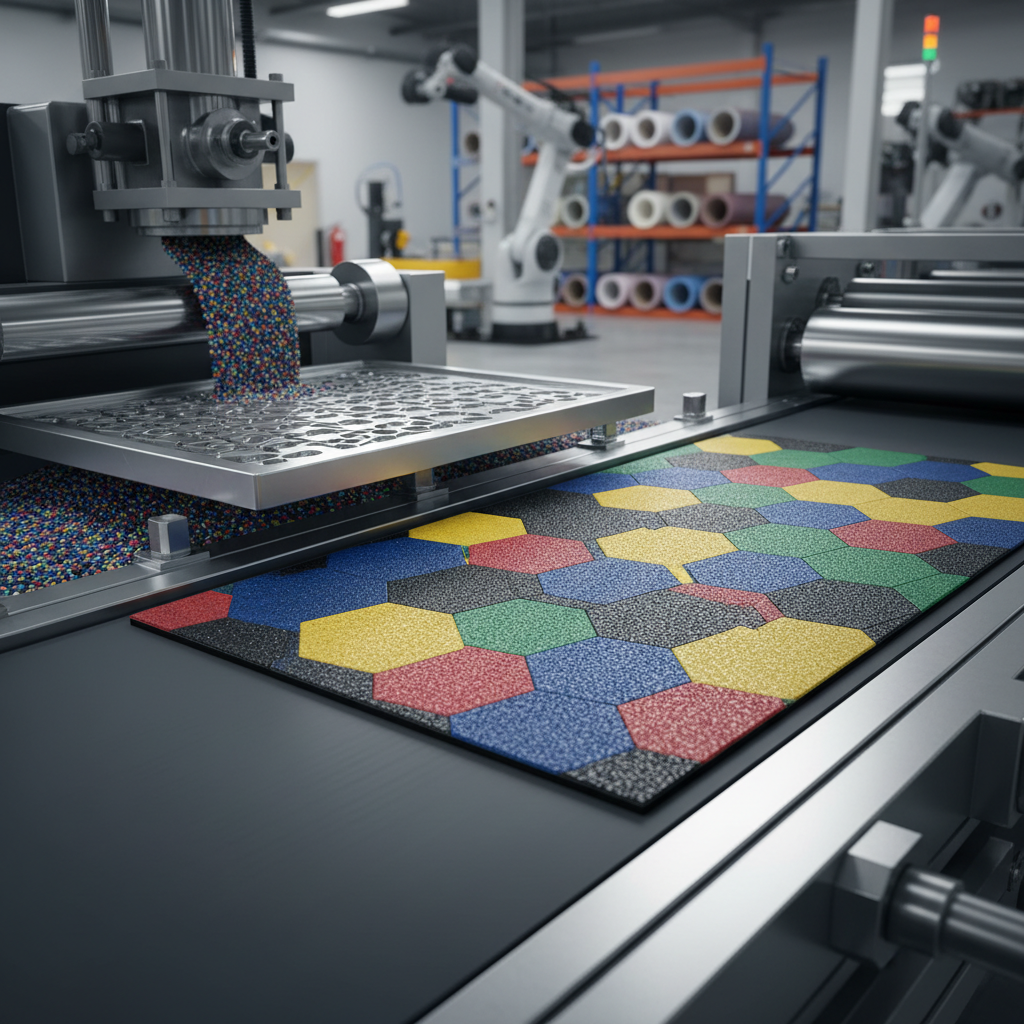
Automation in manufacturing is also allowing for hyper-customization. Future systems will enable architects to upload a custom digital pattern or company branding, which can then be printed directly onto the vinyl core with precision, allowing for truly unique spatial identities on a mass-production scale.
Comparative Analysis of Modern Vinyl Flooring Technologies
| Technology Type |
Water Resistance |
Installation Speed |
Life Expectancy |
| SPC (Stone Plastic) |
10/10 (Waterproof) |
Very Fast |
20-25 Years |
| WPC (Wood Plastic) |
9/10 (Waterproof) |
Fast |
15-20 Years |
| LVT (Luxury Tile) |
8/10 (Water-Resistant) |
Moderate |
10-15 Years |
| LVP (Luxury Plank) |
9/10 (Water-Resistant) |
Fast |
15-20 Years |
| Glue-Down Vinyl |
7/10 (Resistant) |
Slow |
12-18 Years |
| Sheet Vinyl |
10/10 (Waterproof) |
Moderate |
10-15 Years |
FAQS
Unlike laminate, which typically has a compressed wood fiber core that swells when exposed to moisture, modern vinyl flooring is composed of synthetic polymers (SPC or WPC) that are inherently waterproof. This makes vinyl far more suitable for kitchens, bathrooms, and basements, while offering similar or superior aesthetic options and better impact resistance.
Yes, the industry has evolved significantly. Many current products are phthalate-free and low-VOC, ensuring healthy indoor air quality. Furthermore, the shift toward utilizing recycled materials in the core and the extreme longevity of the product reduces the frequency of replacement, thereby lowering the overall environmental impact compared to short-lived synthetic carpets or fast-fashion flooring.
Maintenance for modern vinyl flooring is remarkably simple. Regular sweeping or vacuuming to remove abrasive grit is the most important step. For deeper cleaning, a damp mop with a pH-neutral cleaner is recommended. Avoid harsh scrubbing brushes or steam cleaners on certain types of vinyl, as excessive heat can occasionally compromise the adhesive or the wear layer.
In many cases, yes. One of the greatest advantages of rigid-core vinyl is its ability to be installed as a floating floor over existing hard surfaces, provided the subfloor is level. This eliminates the need for costly and time-consuming demolition, making it an ideal choice for rapid renovations in both residential and commercial settings.
LVP stands for Luxury Vinyl Plank, designed to mimic the appearance of hardwood floors with long, wide strips. LVT stands for Luxury Vinyl Tile, which is typically square and designed to look like stone, ceramic, or concrete. Both utilize similar technology and materials, but they differ in shape and visual intent to suit different architectural styles.
Because of the click-lock system, modern vinyl flooring can be installed significantly faster than traditional materials. A standard room can often be completed in a single day, and since no glue-drying time is required for floating floors, the space is immediately ready for furniture and foot traffic.
Conclusion
The rise of modern vinyl flooring represents a perfect synergy of material science and design. By resolving the historical conflict between durability and aesthetics, these surfaces provide a sustainable, cost-effective, and high-performing foundation for any environment. From the rigid core's structural integrity to the high-definition beauty of the print layer, every component is engineered to maximize the user's experience and the property's value.
As we move toward a future of smarter, greener building materials, vinyl will continue to lead the way through innovation in recyclability and integrated technology. For those looking to upgrade their space, the recommendation is clear: prioritize high-wear layers and rigid-core structures to ensure your investment lasts for decades. Discover the perfect surface for your next project by visiting our website: www.enliosport.com