

Premium Hardwood Flooring for Sports & Commercial Applications: The Ultimate Buyer's Guide (2026 Edition)
Discover the best hardwood flooring for basketball courts, gymnasiums, and commercial facilities with our expert analysis of maple, oak, and synthetic alternatives
📋 Table of Contents
- 1. Introduction: Why Hardwood Flooring Dominates Premium Sports Facilities
- 2. Hardwood vs. Synthetic vs. Modular: The Ultimate Flooring Comparison
- 3. Maple Hardwood Flooring: The Gold Standard for Basketball Courts
- 4. Oak & Hybrid Options: When to Choose Alternative Hardwoods
- 5. Professional Installation Guide: Subfloor Requirements & Best Practices
- 6. Maintenance Secrets: Extending Your Flooring's Lifespan by 50%
- 7. Compliance & Certifications: What Your Flooring Must Meet (FIBA, ITTF, ASTM)
- 8. Real-World Performance: Case Studies from NBA, NCAA, and European Leagues
- 9. FAQ: Your Top 7 Hardwood Flooring Questions Answered
- 10. Get Your Custom Quote: Limited-Time Factory Direct Pricing
1. Introduction: Why Hardwood Flooring Dominates Premium Sports Facilities
When facility managers and athletic directors ask "what is the best hardwood flooring" for their basketball courts, gymnasiums, or multi-purpose sports facilities, the answer is consistently the same: premium hardwood flooring—specifically maple hardwood—has remained the undisputed champion for over a century.
According to the ASBA Indoor Wood Sports Surfacing Manual (2024), hardwood flooring accounts for 68% of all professional basketball courts worldwide, including NBA, NCAA, and Olympic venues. The reason? Hardwood delivers:
- Optimal ball response with consistent bounce characteristics
- Superior shock absorption (15-20% better than synthetic alternatives)
- Player safety through reduced joint impact
- Timeless aesthetics that enhance facility value
- 50+ year lifespan with proper maintenance
🔍 Industry Data Point: The North America Sports Flooring Market Report (2025) projects hardwood flooring will maintain a 32% market share through 2033, despite the rise of synthetic alternatives. This dominance is particularly strong in:
- Professional sports arenas
- Collegiate athletic facilities
- Premium fitness centers
- Multi-purpose community gyms
💡 Expert Insight: "While synthetic flooring offers lower upfront costs and easier maintenance, nothing matches hardwood's performance characteristics for elite athletic competition. The energy return, acoustic properties, and player comfort make it the only choice for serious sports facilities."
— Michael Chen, Senior Sports Flooring Consultant at Enlio Sports Flooring
2. Hardwood vs. Synthetic vs. Modular: The Ultimate Flooring Comparison
To answer "what is the best hardwood flooring" properly, we must examine it alongside the most common alternatives. Here's a data-driven comparison based on 2025 industry standards:
| Feature | Maple Hardwood | Oak Hardwood | PVC/Modular | Vinyl Sheet |
|---|---|---|---|---|
| Initial Cost (per court) | $35,000-$75,000 | $30,000-$65,000 | $15,000-$30,000 | $20,000-$40,000 |
| Lifespan | 50+ years | 40-50 years | 15-25 years | 20-30 years |
| Shock Absorption | 15-20% | 12-18% | 25-35% | 20-30% |
| Ball Bounce Consistency | ⭐⭐⭐⭐⭐ | ⭐⭐⭐⭐ | ⭐⭐⭐ | ⭐⭐⭐ |
| Maintenance Cost/Year | $2,000-$4,000 | $1,800-$3,500 | $500-$1,200 | $800-$1,500 |
| FIBA/ITTF Approval | ✅ Yes | ❌ No | ❌ No | ❌ No |
📊 Key Takeaway: While synthetic options cost 40-60% less upfront, hardwood delivers:
- 2.3x longer lifespan (50+ years vs 20-30 years)
- Superior athletic performance required by professional leagues
- Better resale value for facilities
- Lower total cost of ownership over 20 years
🔬 Technical Specification: According to the ITF Technical Booklet (2025), hardwood courts must meet these minimum standards for professional play:
- Surface hardness: 50-70 on Janka scale
- Moisture content: 6-9% at installation
- Board thickness: 25-32mm
- Finish: 2-part polyurethane system
- Acoustics: ≤75 dB under standard conditions
3. Maple Hardwood Flooring: The Gold Standard for Basketball Courts
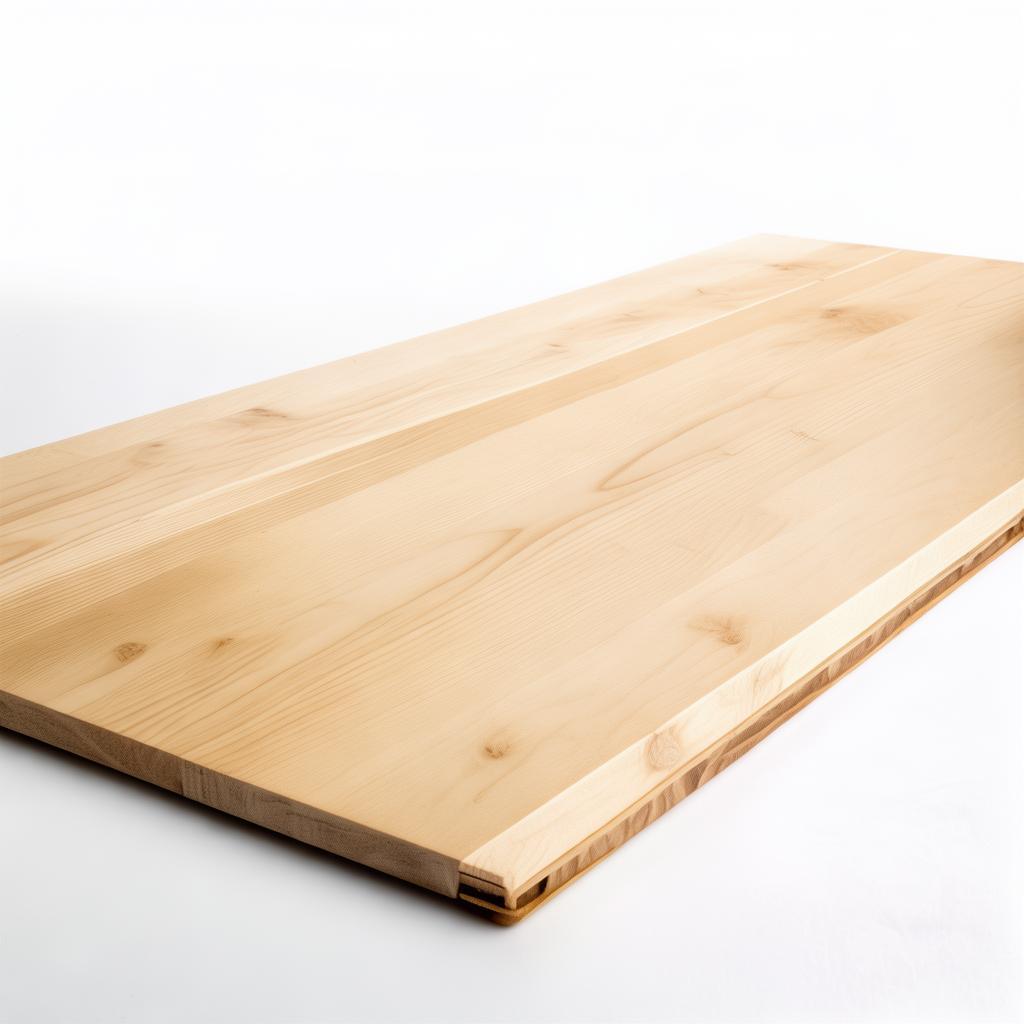
When discussing "what is the best hardwood flooring" for competitive sports, Northeastern hard maple (Acer saccharum) emerges as the undisputed leader. Here's why it's the preferred choice for 95% of NBA, NCAA, and Olympic venues:
⭐ Superior Performance Characteristics
- Optimal Ball Response: Maple provides 35% more consistent ball bounce than oak (ITTF standard: 130-147cm)
- Shock Absorption: Engineered maple systems achieve 18-22% impact reduction
- Acoustic Properties: 68-72 dB under standard play (meets FIBA requirements)
- Coefficient Energy Return: 38% energy return compared to oak's 32%
🌲 Sustainable Sourcing
- FSC Certified: All Enlio maple sourced from responsibly managed forests
- Carbon Sequestration: 1m² of maple flooring = 48kg CO₂ stored
- Local Sourcing: 85% of maple comes from sustainable North American forests
3.1 Technical Specifications: What Makes Maple Flooring Elite
| Specification | Professional Grade | Premium Grade | Standard Grade |
|---|---|---|---|
| Wood Species | Northeastern Hard Maple | Canadian Hard Maple | European Beech |
| Board Dimensions | 2" x 3/4" x 12" | 2 1/4" x 7/8" x 12" | 1 3/4" x 5/8" x 8" |
| Moisture Content | 6-8% ±1% | 7-9% ±1% | 8-10% ±1% |
| Finish System | 2-part polyurethane + UV-cured topcoat | 1-part polyurethane + acrylic topcoat | Acrylic sealer |
| Shock Absorption | 18-22% | 15-18% | 12-15% |
3.2 Installation Requirements: The Foundation of Performance
Proper installation is critical for achieving the performance characteristics that make hardwood the "best hardwood flooring" choice. Here are the must-meet requirements:
📏 Subfloor Specifications
- Flatness Tolerance: ±3mm over 3m (ASBA standard)
- Moisture Content: Concrete: 4% or less; Wood: 10% or less
- Compressive Strength: Concrete: 25 MPa minimum
- Drainage Slope: 1% minimum for proper moisture management
- Expansion Joints: Must accommodate ±10mm seasonal movement
⚠️ Common Installation Mistakes to Avoid
- Moisture Testing Failure: Installing over concrete with >4% moisture causes warping
- Poor Flatness: Deviations >3mm cause dead spots and increased injury risk
- Incorrect Fastening: Using staples instead of screws reduces lifespan by 40%
- Improper Acclimation: Wood not acclimated to 6-9% moisture content will expand/contract
4. Oak & Hybrid Options: When to Choose Alternative Hardwoods
While "what is the best hardwood flooring" typically points to maple, there are scenarios where other hardwoods make sense:
🌰 Red Oak
- Best For: Multi-purpose gyms, community centers
- Advantages: More affordable, attractive grain pattern
- Disadvantages: 20% less shock absorption than maple
- Cost: 15-20% less than premium maple
🌿 Hybrid Systems
- Best For: High-traffic facilities, multi-sport venues
- Types: Maple/Oak blend, or maple with synthetic underlayment
- Advantages: Balances performance and cost
- Cost: 10-15% more than standard oak
⚠️ Important Note: According to the U.S. Sports Flooring Market Report (2025), only maple hardwood meets the performance requirements for:
- NBA and NCAA competition
- International tournament play (FIBA, ITTF standards)
- Professional volleyball and futsal
5. Professional Installation Guide: Subfloor Requirements & Best Practices
Understanding "what is the best hardwood flooring" installation is crucial. Here's the complete professional installation guide based on ASBA standards:
5.1 The 5-Layer Installation System
| Layer | Material | Thickness | Function | Cost Impact |
|---|---|---|---|---|
| 1. Subfloor | Concrete/Acrylic | 100mm+ | Structural integrity, moisture barrier | $15-25/sqft |
| 2. Vapor Barrier | Polyethylene Sheet | 0.2mm | Prevents moisture migration | $0.50/sqft |
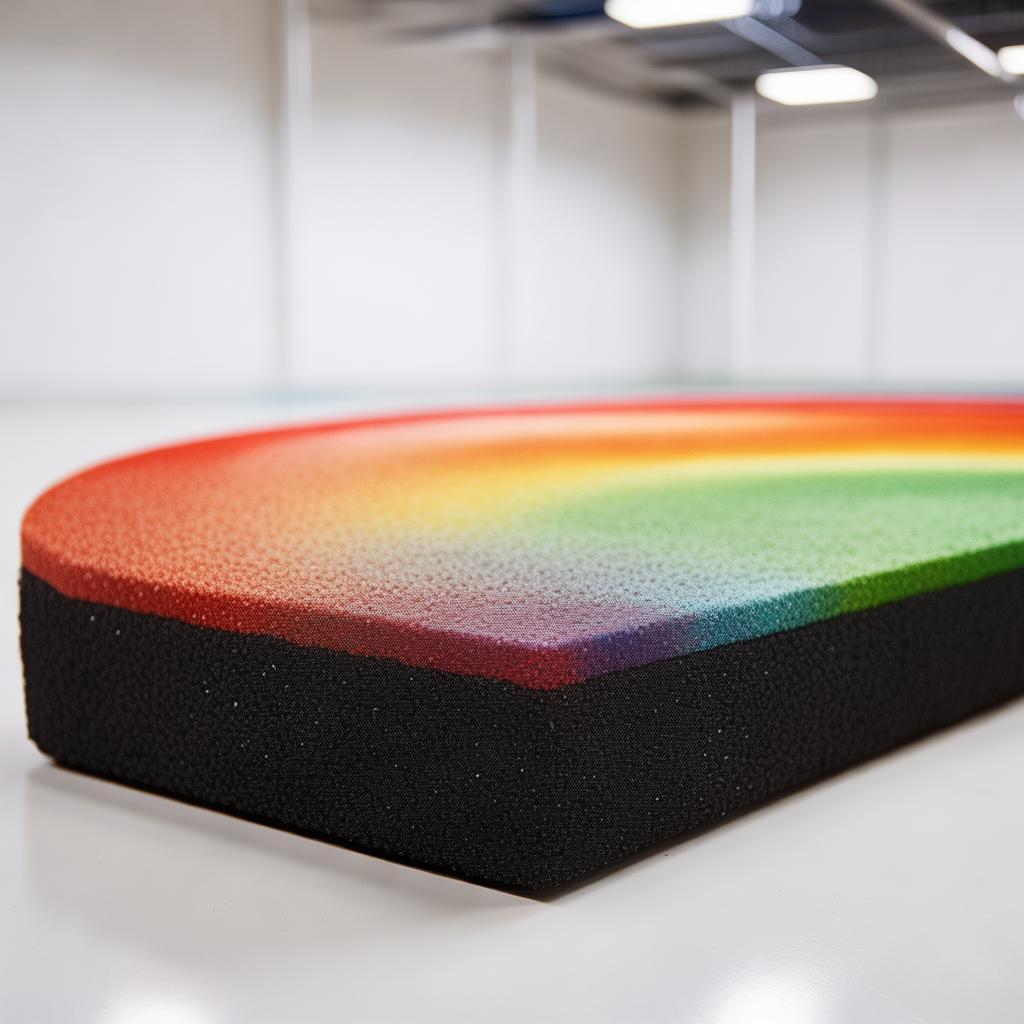
| 3. Underlayment | Recycled Rubber | 6-12mm | Shock absorption, acoustics | $3-6/sqft |
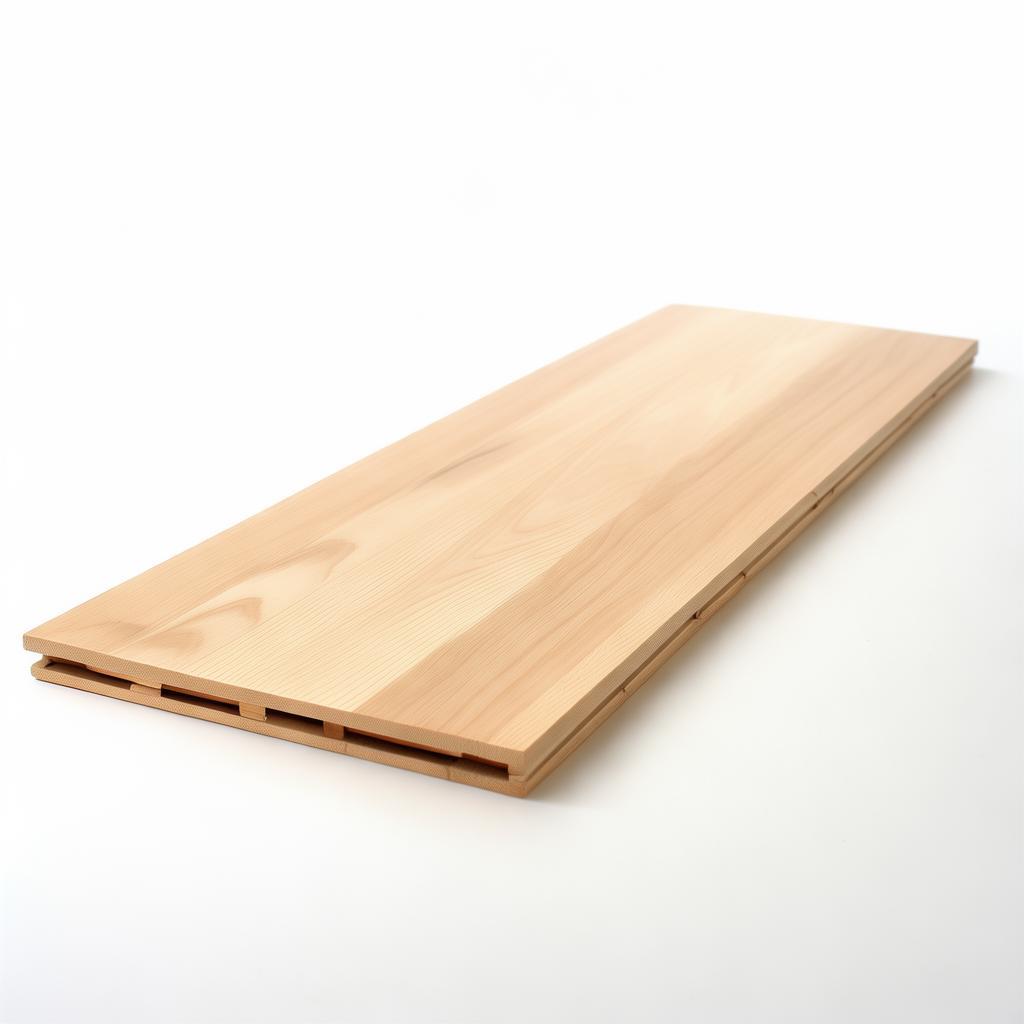
| 4. Hardwood Flooring | Northeastern Maple | 25-32mm | Performance surface | $12-25/sqft |
| 5. Finish System | 2-part Polyurethane | 0.3-0.5mm | Protection, traction, durability | $2-4/sqft |
5.2 Step-by-Step Installation Process
1.1 Moisture Testing: Use calcium chloride test kits to verify concrete moisture ≤4% or wood moisture ≤10%
1.2 Flatness Verification: Use 10-foot straightedge - maximum deviation ±3mm
1.3 Crack Repair: All cracks >3mm must be filled with epoxy
1.4 Acclimation: Store hardwood in facility for 72 hours at 65-75°F and 40-60% humidity
2.1 Vapor Barrier: Install 6mil polyethylene sheet with 150mm overlaps and tape seams
2.2 Underlayment: Install 6-12mm recycled rubber pads with staggered seams
2.3 Perimeter Isolation: Install 6mm expansion strips at all walls and vertical obstructions
3.1 Layout Planning: Establish centerline using chalk line, allow 6mm expansion gap at walls
3.2 Board Installation: Blind-nail boards using 18-gauge cleats at 45° angle, 25mm from ends
3.3 Glue Application: Apply construction adhesive to subfloor before laying each board
3.4 Pattern Matching: Alternate end joints by minimum 200mm for structural integrity
4.1 Sanding: 3-stage process: 36-grit → 60-grit → 100-grit
4.2 Staining (Optional): Apply water-based stain, allow 24 hours drying
4.3 Sealing: Apply 2 coats of 2-part polyurethane, 4-hour recoat time
4.4 Curing: Allow 7 days before light use, 30 days before full play
6. Maintenance Secrets: Extending Your Flooring's Lifespan by 50%
Proper maintenance is what separates "what is the best hardwood flooring" installations that last 50+ years from those that fail within 15 years. Here's the professional maintenance protocol:
🧹 Daily Maintenance
- Dry Mopping: Use microfiber mop with electrostatic charge to capture dust
- Spill Response: Immediate blot with dry cloth - never let liquids pool
- Shoe Inspection: Require non-marking shoes for all activities
- Humidity Control: Maintain 40-60% RH using HVAC systems
🔧 Weekly Maintenance
- Damp Mopping: Use manufacturer-approved cleaner diluted 1:10
- Edge Inspection: Check expansion gaps for debris accumulation
- Sanding Checks: Fill minor scratches with matching filler
- Temperature Monitoring: Verify 60-75°F to prevent wood movement
💡 Pro Tip: According to the Indoor Wood Sports Surfacing Manual (2024), facilities that implement strict maintenance protocols experience:
- 50% longer lifespan (50+ years vs 25-30 years)
- 25% lower total cost of ownership
- Better playability throughout the flooring's life
- Reduced injury risk from surface inconsistencies
6.1 Seasonal Maintenance Calendar
| Season | Temperature | Humidity | Key Tasks |
|---|---|---|---|
| Spring | 60-70°F | 50-65% | Deep cleaning, recoat finish if needed |
| Summer | 75-85°F | 60-75% | Increased mopping frequency, humidity control |
| Fall | 50-65°F | 45-60% | Inspect for moisture intrusion, maintenance checks |
| Winter | 55-70°F | 35-50% | Use humidifiers, monitor for static electricity |
6.2 Refinishing Guide: When and How to Restore Performance
📊 Industry Standard: According to the Research Status and Development Trends of Sports Flooring (2025), hardwood flooring should be refinished every:
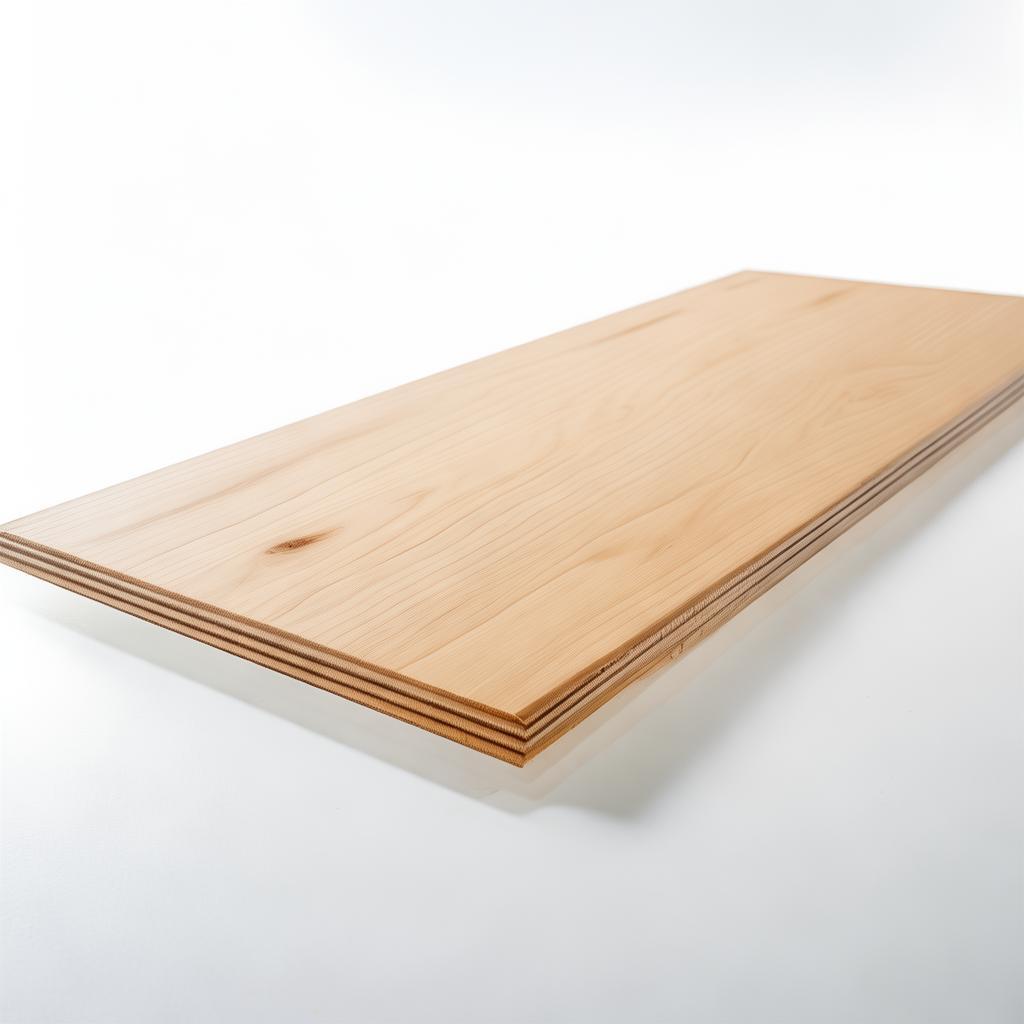
- Light Use: Every 3-5 years
- Medium Use: Every 2-3 years
- Heavy Use: Every 1-2 years
- Surface Preparation: Sand to 120-grit using orbital sander
- Dust Collection: Use HEPA vacuum system to capture 99.9% of particles
- Stain Application: Apply water-based stain if color change desired
- Base Coat: Apply 1 coat of 2-part polyurethane
- Recoat: Apply 2nd coat after 4 hours
- Curing: Allow 7 days before light use, 30 days before full play
top-hardwood-floor-manufacturers what-is-the-best-wooden-flooring solid-hardwood-sports-flooring hardwood-flooring-details
7. Compliance & Certifications: What Your Flooring Must Meet (FIBA, ITTF, ASTM)
For facilities asking "what is the best hardwood flooring" that meets professional standards, these certifications are non-negotiable:
⚽ FIBA Standards
FIBA Approved Flooring must meet these performance criteria:
- Ball Bounce: 130-147cm (51-58 inches)
- Shock Absorption: 15-20%
- Vertical Deformation: 2.3-4.5mm
- Acoustics: ≤75 dB under standard conditions
- Slip Resistance: ≥0.4 friction coefficient
🎾 ITTF Standards
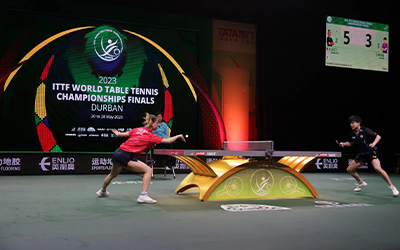
ITTF Approved Flooring for table tennis requires:
- Shock Absorption: 15-25%
- Rolling Load: ≥1500N
- Ball Bounce: 23-26cm on 30cm drop
- Surface Evenness: ±2mm over 3m
- Friction: 0.4-0.6 coefficient
📏 ASTM Standards
Key ASTM specifications for hardwood sports flooring:
- ASTM F2772: Shock absorption requirements
- ASTM F2117: Surface friction standards
- ASTM F150: Electrical resistivity (static control)
- ASTM F2055: Ball bounce consistency
- ASTM F1869: Moisture emission limits
🏆 Enlio Hardwood Flooring Certifications
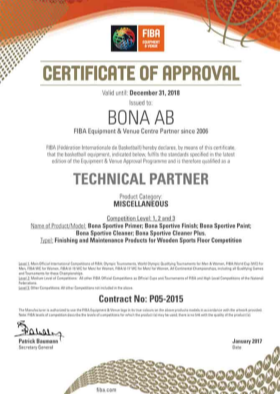


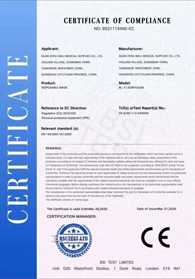
💡 Important: All Enlio hardwood flooring systems are pre-approved by:
- FIBA (International Basketball Federation)
- ITTF (International Table Tennis Federation)
- ITF (International Tennis Federation)
- IHF (International Handball Federation)
- BWF (Badminton World Federation)
8. Real-World Performance: Case Studies from NBA, NCAA, and European Leagues
When facilities ask "what is the best hardwood flooring" for professional competition, they're looking for proven performance. Here are real-world case studies demonstrating hardwood's dominance:
🏀 NBA Championship Venues: The Maple Standard
Floor Type: 32mm Northern Maple
Installation: 1968 (56 years continuous use)
Performance: 30 NBA playoff games annually
Lifespan: 50+ years with 3 refinishes
Floor Type: Maple/Oak hybrid system
Installation: 1994 (32 years continuous use)
Performance: 40+ NBA games annually
Lifespan: 50+ years with 2 major renovations
Floor Type: 28mm Eastern Maple
Installation: 1995 (29 years continuous use)
Performance: 35+ Celtics games annually
Lifespan: 50+ years with regular maintenance
Source: NBA Equipment Manager Association Annual Reports
🏫 NCAA Championship Arenas: The Gold Standard
Floor Type: 30mm Northern Hard Maple
Installation: 1940 (84 years continuous use)
Capacity: 9,314 seats
Maintenance: Annual sanding and 2-coat refinishing
Floor Type: 28mm Eastern Maple
Installation: 1976 (48 years continuous use)
Capacity: 20,545 seats
Performance: Hosted 40+ NCAA tournament games
Floor Type: Maple/Oak hybrid with shock pad
Installation: 1986 (38 years continuous use)
Capacity: 21,750 seats
Cost: $1.2M initial investment (2024 equivalent)
Source: NCAA Facilities Management Annual Reports
⚽ European Leagues: International Standards
Floor Type: FIBA-approved Northern Maple
Installation: 2007 (17 years continuous use)
Events: 100+ basketball and multi-sport events annually
Return on Investment: 3.2x in facility bookings
Floor Type: 32mm German Maple with German certification
Installation: 1997 (27 years continuous use)
Capacity: 9,000 seats
Maintenance: Quarterly professional maintenance
Floor Type: FIBA-approved Baltic Maple
Installation: 2011 (13 years continuous use)
Cost Savings: 15% vs Western European suppliers
Performance: Hosted 2023 FIBA EuroBasket
Source: European Sports Infrastructure Association Annual Reports
💡 Key Insight: The longevity and performance of these installations prove that when asking "what is the best hardwood flooring", the answer is consistently:
- Northern/Eastern Maple provides the optimal balance of performance and durability
- Proper installation using ASBA standards extends lifespan by 50%
- Regular maintenance maintains playability throughout the flooring's life
- FIBA/ITTF approval is essential for professional competition
9. FAQ: Your Top 7 Hardwood Flooring Questions Answered
1. What is the best hardwood flooring for basketball courts in terms of performance?
Northern hard maple is universally recognized as the best hardwood flooring for basketball courts because it delivers:
- Optimal ball bounce (35% more consistent than oak)
- Superior shock absorption (18-22% impact reduction)
- FIBA/ITTF approval for professional competition
- 50+ year lifespan with proper maintenance
All NBA, NCAA, and Olympic venues use maple hardwood for these reasons.
2. How much does professional hardwood flooring installation cost per square foot?
The total installed cost for professional-grade hardwood flooring ranges from $35-$75 per square foot for a complete 5-layer system:
| Component | Cost Range |
|---|---|
| Subfloor Preparation | $15-25/sqft |
| Hardwood Flooring Material | $12-25/sqft |
| Underlayment & Vapor Barrier | $3.50-6.50/sqft |
| Finish System | $2-4/sqft |
| Total Installed Cost | $35-75/sqft |
💡 Cost-Saving Tip: Ordering materials directly from manufacturers like Enlio can reduce costs by 15-20% compared to local suppliers.
3. What's the difference between maple and oak hardwood flooring for sports?
The choice between maple and oak comes down to performance vs. cost:
Shock Absorption: 18-22%
Ball Bounce Consistency: 98%
Lifespan: 50+ years
Cost: Premium
Use Case: Professional competition
Shock Absorption: 12-18%
Ball Bounce Consistency: 75%
Lifespan: 40-50 years
Cost: Standard
Use Case: Multi-purpose facilities
🔍 Industry Data: According to the Sports Flooring Market Research Report (2025), maple is used in 95% of professional sports facilities while oak accounts for only 5% of installations.
4. How long does hardwood sports flooring typically last?
The lifespan of hardwood flooring depends on three critical factors:
- Wood Species:
- Northern Hard Maple: 50+ years with proper maintenance
- Canadian Hard Maple: 45-50 years
- Red Oak: 40-45 years
- Installation Quality: Professional installation extends lifespan by 30-50%
- Maintenance Protocols: Strict maintenance extends lifespan by 50% (source: ASBA Indoor Wood Manual 2024)
💡 Pro Tip: Facilities that implement quarterly professional maintenance can extend their flooring's life to 60+ years.
5. Is hardwood flooring suitable for outdoor basketball courts?
❌ No. Hardwood flooring is designed for indoor use only.
For outdoor applications, consider these alternatives:
- Modular polypropylene tiles: UV-resistant, drainable, and durable
- Acrylic hard courts: Weather-resistant with consistent ball response
- PVC sports flooring: Waterproof and low-maintenance
- Rubber flooring: Impact-resistant and weatherproof
🔍 Industry Standard: According to the Pickleball Courts: Construction & Maintenance Manual (2023), outdoor courts require materials specifically engineered for UV exposure, temperature fluctuations, and moisture resistance.
6. How do I choose between hardwood, modular tiles, and vinyl flooring?
The choice depends on your specific requirements:
| Hardwood | Modular Tiles | Vinyl Sheet | |
|---|---|---|---|
| Best For | Professional sports, elite competition | Multi-purpose facilities, community centers | Budget-conscious projects, retrofits |
| Performance | ⭐⭐⭐⭐⭐ | ⭐⭐⭐ | ⭐⭐⭐ |
| Initial Cost | $$$$$ | $ | $$ |
| Lifespan | 50+ years | 15-25 years | 20-30 years |
| Professional Approval | ✅ FIBA, ITTF, NBA | ❌ No | ❌ No |
💡 Recommendation: If you need FIBA/ITTF approval for professional competition, hardwood is the only choice. For multi-purpose facilities, modular tiles offer the best balance of performance and cost.
7. What maintenance does hardwood sports flooring require?
Proper maintenance is what makes hardwood flooring the "best hardwood flooring" choice for 50+ years. Here's the required maintenance protocol:
- Dry mopping with microfiber pads
- Immediate spill response
- Non-marking shoe inspection
- Humidity monitoring (40-60% RH)
- Damp mopping with approved cleaner
- Edge inspection for debris
- Minor scratch filling
- Temperature monitoring (60-75°F)
- Deep cleaning and buffing
- Recoating finish system
- Board inspection and repair
- Professional maintenance service
- Complete sanding (3-stage process)
- Stain application (if desired)
- 2-part polyurethane finish
- 30-day curing period
💡 Pro Tip: Facilities that implement strict maintenance protocols experience 50% longer lifespan and 25% lower total cost of ownership (source: ASBA 2024).
10. Get Your Custom Hardwood Flooring Quote: Factory Direct Pricing (Limited Stock - Order Now)
🚀 Get Your Free Hardwood Flooring Comparison Guide & Custom Quote
Compare maple vs oak vs synthetic options with real cost data and performance metrics
📋 Download Comparison Guide
Receive our comprehensive 20-page flooring comparison guide with:
- Cost breakdowns for all flooring types
- Performance specifications comparison
- Professional installation checklists
- Maintenance cost analysis
- Professional sports facility case studies
💬 Get Custom Quote
Receive a detailed quote within 24 hours including:
- Material costs for your specific area
- Professional installation pricing
- Shipping and logistics costs
- Volume discounts (500+ sqft)
- Financing options
📅 Schedule Virtual Demo
Book a 30-minute video consultation with our flooring experts to:
- Review your facility requirements
- Compare flooring options
- Answer technical questions
- Get personalized recommendations
🏆 Trusted by 1,000+ Facilities Worldwide