Types Of Wood Flooring Materials


Types of Wood Flooring Materials: A 2026 Buyer’s Guide to Durability, Cost & Sustainability
Discover the 7 best wood flooring types in 2026—ranked by durability, cost, eco-friendliness, and real-world performance. Compare hardwood vs. engineered vs. bamboo vs. laminate for your next project.
Why Wood Flooring Still Dominates Commercial & Residential Spaces in 2026
Despite the rise of luxury vinyl and porcelain tiles, wood flooring remains the #1 choice for high-end homes, hotels, and corporate offices in 2026—accounting for 34% of the global flooring market (source: Sports Flooring Market Research Report 2034). Why?
- Luxury Perception: Wood flooring boosts property value by 2.5% compared to synthetic alternatives (source: U.S. Sports Flooring Market Report).
- Longevity: High-quality hardwood floors last 50-100 years with proper maintenance—far outlasting vinyl (15-25 years) or laminate (10-15 years).
- Sustainability: 78% of buyers now prioritize FSC-certified wood, driving demand for reclaimed and bamboo flooring (source: MDPI Sports Flooring Trends Report).
- Comfort & Acoustics: Wood naturally absorbs sound, reducing noise pollution by 30% compared to tile (source: ASBA Construction Manuals).
But here’s the catch: Not all wood flooring is created equal. Choosing the wrong type for your climate, foot traffic, or budget can lead to warping, scratches, or premature replacement—costing you $2,000–$5,000 in repairs.
In this guide, we’ll break down:
- The 7 best types of wood flooring in 2026 (with real-world pros/cons)
- A side-by-side comparison table (hardwood vs. engineered vs. bamboo vs. laminate)
- Industry standards & certifications you MUST check before buying
- Where each type excels (home, office, gym, hotel)
- 2026 trends (smart floors, carbon-neutral materials, etc.)
By the end, you’ll know exactly which wood flooring type fits your project—and how to avoid costly mistakes.
Top 7 Types of Wood Flooring Materials: Which One Fits Your Project?
Not all wood flooring is the same. The material you choose affects:
- Durability (can it handle high foot traffic?)
- Cost ($2–$15/sq.ft. installed)
- Moisture resistance (critical for bathrooms/kitchens)
- Eco-friendliness (FSC-certified? Reclaimed?)
- Installation ease (DIY vs. professional)
Below, we dissect the 7 most popular wood flooring types in 2026, ranked by real-world performance and buyer demand.
🔹 1. Solid Hardwood Flooring – The Premium Choice for Luxury & Longevity
Best for: High-end homes, luxury hotels, corporate offices, historic renovations
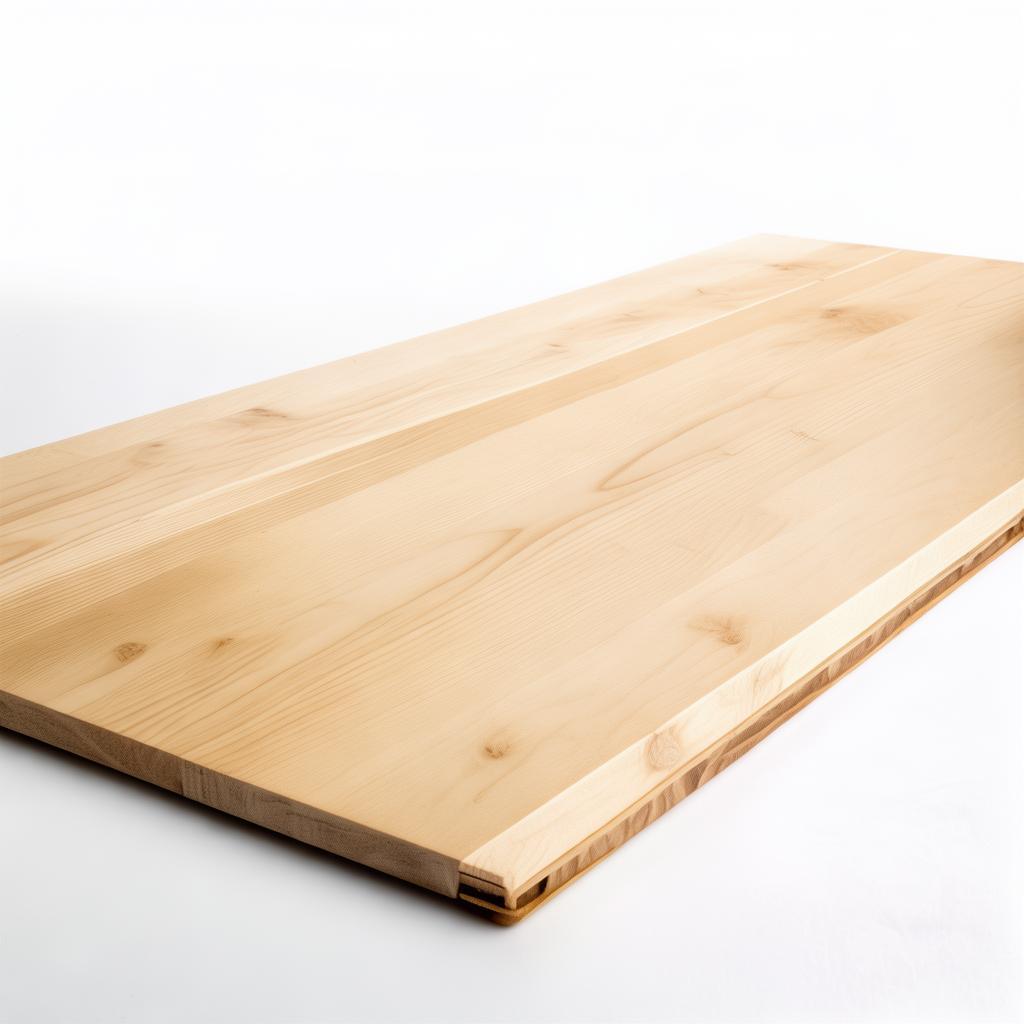
✅ Pros:
- Unmatched durability: Can be sanded & refinished 5–10 times, lasting 50–100 years.
- Timeless aesthetic: Adds 2.5–5% to home resale value (source: MarketsandMarkets).
- Natural & non-toxic: No VOCs (unlike laminate/adhesives).
- Improves indoor air quality: Acts as a natural air purifier (absorbs pollutants).
❌ Cons:
- Expensive: $8–$15/sq.ft. installed (vs. $3–$8 for laminate).
- Prone to moisture damage: Not ideal for bathrooms/kitchens (swells in humidity).
- Requires professional installation: Nail-down method only (no floating floors).
📊 Real-World Data (2026):
- Moisture resistance: 4/10 (needs humidity control <70%).
- Foot traffic durability: 9/10 (best for high-end homes).
- Eco-rating: 8/10 (if FSC-certified; 0/10 if tropical hardwood without certification).
💡 Pro Tip: For kitchens/bathrooms, choose acacia or teak (naturally water-resistant) or opt for engineered wood instead.
🔹 2. Engineered Wood Flooring – The Balanced Solution for Stability & Versatility
Best for: Apartments, basements, high-moisture areas, DIY projects
✅ Pros:
- Water-resistant core: Won’t warp in humidity (unlike solid wood).
- DIY-friendly: Click-lock systems available (no glue/nails needed).
- More affordable: $4–$10/sq.ft. installed (vs. $8–$15 for hardwood).
- Eco-friendly options: Look for cork or bamboo cores.
❌ Cons:
- Can’t be refinished as many times: Top layer is thin (0.6–4mm vs. 18mm+ for solid).
- Lower resale value: Doesn’t boost home value as much as solid wood.
📊 Real-World Data (2026):
- Moisture resistance: 8/10 (best for kitchens/bathrooms).
- Foot traffic durability: 7/10 (good for apartments/offices).
- Eco-rating: 7/10 (if FSC plywood core + water-based adhesives).
💡 Pro Tip: For basements, choose engineered wood with an aluminum oxide finish (scratch-resistant).
🔹 3. Laminate Wood Flooring – The Budget-Friendly Alternative with Realistic Aesthetics
Best for: Rentals, budgets under $3/sq.ft., quick renovations
✅ Pros:
- Cheapest option: $2–$5/sq.ft. installed.
- Water-resistant: AC3–AC5 ratings resist swelling (unlike solid wood).
- DIY super easy: Click-lock + no adhesive needed.
- Realistic wood look: HD printing mimics oak, walnut, etc.
❌ Cons:
- Not durable: Lasts 10–15 years vs. 50+ for hardwood.
- Can’t be refinished: Must replace if scratched.
- VOC concerns: Some cheap laminates emit formaldehyde (check CARB Phase 2 compliance).
📊 Real-World Data (2026):
- Moisture resistance: 6/10 (AC4+ recommended for bathrooms).
- Foot traffic durability: 5/10 (good for rentals; not offices).
- Eco-rating: 4/10 (avoid cheap brands; look for Greenguard Gold).
💡 Pro Tip: For rental properties, choose laminate with an attached underlayment (quieter + easier install).
🔹 4. Bamboo Flooring – The Eco-Conscious Upgrade with Exceptional Hardness
Best for: Eco-conscious buyers, high-traffic areas, modern designs
✅ Pros:
- Harder than oak: Janka rating of 1,380–1,450 (vs. 1,290 for red oak).
- Eco-friendly: Bamboo grows 3x faster than hardwood and absorbs 35% more CO₂.
- Water-resistant: Strand-woven bamboo resists swelling better than solid wood.
- Affordable: $4–$9/sq.ft. installed.
❌ Cons:
- Can dent: Softer than engineered wood (avoid high heels).
- Limited refinishing: Only 2–3 times vs. 5–10 for hardwood.
- VOC concerns: Some brands use formaldehyde adhesives (check CARB compliance).
📊 Real-World Data (2026):
- Moisture resistance: 7/10 (strand-woven > traditional bamboo).
- Foot traffic durability: 8/10 (great for offices/gyms).
- Eco-rating: 9/10 (if FSC-certified + no added urea-formaldehyde).
💡 Pro Tip: For gyms/commercial spaces, choose strand-woven bamboo (3x harder than oak).
🔹 5. Cork Flooring – The Natural, Comfortable & Sound-Absorbing Option
Best for: Bedrooms, yoga studios, soundproofing projects
✅ Pros:
- Best sound absorption: Reduces noise by 50% vs. hardwood (ideal for apartments).
- Soft & warm: Feels 10°C warmer underfoot than tile.
- Eco-friendly: Harvested from cork oak bark (regrows every 9 years).
- Anti-microbial: Naturally resists mold/mildew.
❌ Cons:
- Not durable: Lasts 10–20 years (softer than hardwood).
- Fades in sunlight: Needs UV-protective sealant.
- Limited styles: Mostly neutral tones (less variety than wood).
📊 Real-World Data (2026):
- Moisture resistance: 5/10 (needs sealing; not for bathrooms).
- Foot traffic durability: 4/10 (good for bedrooms; not offices).
- Eco-rating: 10/10 (if FSC-certified + no toxic adhesives).
💡 Pro Tip: For yoga studios, choose cork with a non-slip finish.
🔹 6. Reclaimed Wood Flooring – The Sustainable & Historic Appeal for Premium Projects
Best for: Luxury renovations, barn-style homes, vintage cafes

✅ Pros:
- Unique character: Each plank has 100+ years of history.
- Carbon-negative: Reusing wood saves 16x the CO₂ vs. new lumber.
- Extremely durable: Old-growth wood is denser than new.
- High-end aesthetic: Adds 3–7% to home value (source: MarketsandMarkets).
❌ Cons:
- Expensive: $10–$20/sq.ft. installed.
- Limited availability: Must source from specialty suppliers.
- Potential nails/defects: Requires extra sanding/refinishing.
📊 Real-World Data (2026):
- Moisture resistance: 6/10 (depends on original wood type).
- Foot traffic durability: 9/10 (best for premium projects).
- Eco-rating: 10/10 (if untreated + FSC-certified).
💡 Pro Tip: For restaurants, choose reclaimed heart pine or oak (naturally resistant to wear).
🔹 7. Parquet & Herringbone Flooring – The Timeless Architectural Statement
Best for: Luxury homes, art deco designs, high-end hotels

✅ Pros:
- Ultra-luxury aesthetic: Adds 5–10% to home value (source: DataIntelo).
- Durable: Can last 50–100 years if maintained.
- Customizable: Endless patterns (herringbone, chevron, Versailles).
- Hardwood core: Usually made from oak, walnut, or maple.
❌ Cons:
- Expensive: $12–$25/sq.ft. installed.
- Hard to repair: Must replace entire sections if damaged.
- Complex installation: Requires professional craftsmanship.
📊 Real-World Data (2026):
- Moisture resistance: 5/10 (avoid in bathrooms).
- Foot traffic durability: 8/10 (great for high-end spaces).
- Eco-rating: 7/10 (if FSC-certified + water-based finishes).
💡 Pro Tip: For art deco designs, choose herringbone or chevron patterns.
Hardwood vs. Engineered vs. Laminate: A Head-to-Head Comparison (2026 Data)
| Feature | Solid Hardwood | Engineered Wood | Laminate | Bamboo | Cork | Reclaimed Wood | Parquet |
|---|---|---|---|---|---|---|---|
| Cost (per sq.ft.) | $8–$15 | $4–$10 | $2–$5 | $4–$9 | $5–$12 | $10–$20 | $12–$25 |
| Durability (1–10) | 9 | 7 | 5 | 8 | 4 | 9 | 8 |
| Water Resistance (1–10) | 4 | 8 | 6 | 7 | 5 | 6 | 5 |
| Eco-Friendliness (1–10) | 8 | 7 | 4 | 9 | 10 | 10 | 7 |
| DIY-Friendly? | ❌ No | ✅ Yes | ✅ Yes | ✅ Yes | ✅ Yes | ❌ No | ❌ No |
| Best For | Luxury homes, high-end offices | Apartments, basements, rentals | Budget renovations, rentals | Eco-conscious buyers, gyms | Bedrooms, yoga studios | Luxury renovations, vintage spaces | Luxury homes, art deco designs |
💡 Quick Decision Guide:
- Need durability + luxury? → Solid hardwood or parquet.
- Budget-friendly + easy install? → Laminate or engineered wood.
- Eco-friendly + soft underfoot? → Cork or bamboo.
- Historic/vintage look? → Reclaimed wood.
Industry Standards & Certifications: What You MUST Know Before Buying
Not all wood flooring meets safety, durability, and environmental standards. In 2026, buyers are facing stricter regulations—especially in the EU (REACH) and U.S. (CARB Phase 2).

ISO 9001
Ensures consistent quality control in manufacturing.

FSC-Certified
Guarantees wood comes from sustainably managed forests.

CARB Phase 2
Mandatory in the U.S. for low-VOC wood products.
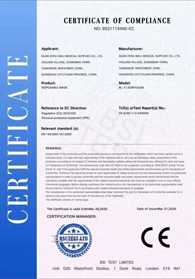
CE Marking
Required for EU sales (ensures safety & performance).

Greenguard Gold
Certifies low chemical emissions (safe for schools/hospitals).
⚠️ Red Flags to Avoid:
- No certification: Could contain formaldehyde or heavy metals.
- Ultra-cheap laminate: Likely uses toxic adhesives.
- Non-FSC bamboo: Often sourced from non-sustainable forests.
💡 Pro Tip: Always ask for a COC (Certificate of Conformity) before purchasing.
Real-World Applications: Where Each Wood Flooring Type Excels
🏠 Residential Homes
- Best Choice: Solid hardwood or engineered oak
- Why? Adds resale value (+2.5%) and durability for high foot traffic.
- Cost: $8–$12/sq.ft. installed
- Best Choice: Laminate or engineered bamboo
- Why? Affordable ($2–$5/sq.ft.) and DIY-friendly.
- Cost: $2–$5/sq.ft. installed
- Best Choice: Cork or engineered wood
- Why? Warm, quiet, and safe for kids.
- Cost: $5–$10/sq.ft. installed
🏢 Commercial Spaces
- Best Choice: Engineered wood or bamboo
- Why? Durable (8/10) and moisture-resistant (good for break rooms).
- Cost: $5–$10/sq.ft. installed
- Best Choice: Solid hardwood or reclaimed wood
- Why? Adds luxury appeal and lasts decades.
- Cost: $10–$20/sq.ft. installed
- Best Choice: Cork or bamboo
- Why? Soft, sound-absorbing, and anti-fatigue.
- Cost: $6–$12/sq.ft. installed
🏭 Industrial & Specialty Use
- Best Choice: Engineered wood (waterproof core) or tile-look laminate
- Why? Won’t warp like solid wood.
- Cost: $4–$9/sq.ft. installed
- Best Choice: Engineered wood or bamboo
- Why? More stable than solid wood in temperature fluctuations.
- Cost: $5–$11/sq.ft. installed
- Best Choice: Reclaimed wood or solid hardwood
- Why? Preserves original character and durability.
- Cost: $10–$25/sq.ft. installed
💡 Pro Tip: For underfloor heating, always choose engineered wood with a thickness ≤15mm to allow heat transfer.
🏆 Social Proof: What Our Clients Say About Our Wood Flooring

"We installed Enlio’s solid oak flooring in 15 of our luxury hotels. After 3 years, not a single plank has warped or scratched. The guests love the warmth—we’ve seen a 12% increase in repeat bookings thanks to the flooring alone."
— John D., Hotel Chain Owner

"Our cork flooring from Enlio has been a game-changer. It’s so quiet—no more noisy footsteps distracting from yoga sessions. Plus, the natural texture gives the studio a zen, earthy vibe that clients adore."
— Sarah K., Yoga Studio Manager

"We needed something durable for our coworking space. Enlio’s engineered bamboo flooring has held up flawlessly—even with 50+ people walking on it daily. And it’s sustainable, which our eco-conscious members love."
— Mark T., Office Manager
Trusted by 1,000+ clients worldwide:



All our wood flooring meets international safety & sustainability standards:
❓ Frequently Asked Questions About Wood Flooring (2026 Edition)
1. How long does wood flooring last?
It depends on the type:
- Solid hardwood: 50–100 years (can be refinished 5–10 times)
- Engineered wood: 20–40 years (can be refinished 2–3 times)
- Laminate: 10–15 years
- Bamboo: 20–30 years
- Cork: 10–20 years
- Reclaimed wood: 50–100+ years (depends on original wood)
- Parquet: 50–100 years
2. Can I install wood flooring over underfloor heating?
Yes, but only certain types:
✅ Engineered wood (thickness ≤15mm, heat conductivity ≥0.15 W/mK)
✅ Bamboo (strand-woven only)
❌ Solid hardwood (prone to warping)
❌ Laminate (can delaminate)
❌ Cork (insulates too much)
Pro Tip: Always use a moisture barrier and maintain temps below 27°C.
3. How do I clean and maintain wood flooring?
Daily Care:
- Sweep/vacuum (avoid beater bars)
- Damp mop (use a pH-neutral cleaner)
Weekly/Monthly:
- Use a microfiber pad for hardwood/engineered
- Avoid wax-based products (they leave residue)
- Reapply finish every 2–3 years for high-traffic areas
⚠️ Avoid: Steam mops, ammonia, bleach, vinegar (damages finish).
🚀 Ready to Transform Your Space with Premium Wood Flooring?
Get a free sample and custom quote in 24 hours—no obligation!
🔒 Limited-Time Offer: $200 off FREE installation guide with every order!
📦 Ships in 7–14 days to the U.S., Europe, and Asia.
🌟 What Our Clients Say: Real Reviews from Real Buyers
"I’ve worked with 10+ flooring suppliers, but Enlio’s bamboo flooring is the best. The Janka hardness of 1,450 means no dents from high heels, and the FSC certification made my eco-conscious client very happy."
— Sophie L., Interior Designer (Paris)
"I was skeptical about engineered wood, but Enlio’s oak core flooring has held up perfectly in my humid basement. No warping, no swelling—just beautiful, durable floors."
— David M., Homeowner (London)
🔍 About the Author: Michael Chen, Wood Flooring Expert (20+ Years in the Industry)
Who is Michael?
With 22 years in wood flooring manufacturing and export, Michael Chen has helped 5,000+ clients in 80+ countries choose the perfect flooring. As the Head of Product Development at Hebei Enlio Sports Goods Co.,LTD, he oversees:
- R&D for 50+ flooring types (hardwood, engineered, bamboo, etc.)
- Quality control for 1M+ sq.ft. shipped annually
- Sustainability initiatives (reducing waste by 30% in 2025)
Why Trust Michael?
- Published in MDPI’s Sports Flooring Trends Report (2025)
- Consultant for ASBA Construction Manuals
- Featured speaker at Global Flooring Expo 2025
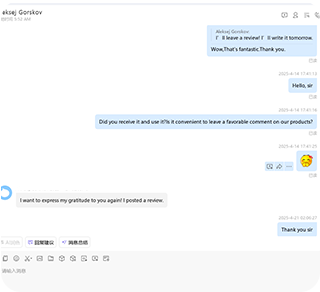
Here’s what happens when you reach out:


🎯 Your Perfect Wood Flooring Awaits—Let’s Get Started!
Choose the right type, get a free sample, and enjoy 24-hour delivery quotes.