

Synthetic Surface Tracks: The Ultimate 2026 Guide to Durable, High-Performance Athletic Flooring
Reduce maintenance costs by 40% and boost athlete performance by 25% with the right synthetic track.
Why Synthetic Surface Tracks Are the Smart Choice for Modern Sports Facilities
In 2026, synthetic surface tracks are no longer a luxury—they’re a necessity for sports facilities, schools, and municipal projects. Here’s why:
The Rise of Synthetic Tracks in Global Sports Infrastructure
- 📈 Market Growth: The global sports flooring market is projected to reach $20.8 billion by 2034, with synthetic tracks leading outdoor segment demand. [Source: DataIntelo]
- 🏃 Pickleball Boom: The U.S. alone has 68,000+ pickleball courts, many requiring synthetic surfaces for durability. [Source: Gym Flooring Stats Report]
- 🏫 Schools & Universities: 62% of new athletic facilities now opt for synthetic tracks over traditional asphalt. [Source: MarkNtel Advisors]
Real-World Data: Market Growth and Performance Trends
Synthetic tracks are dominating the sports flooring industry due to three key trends:
- Durability: Synthetic tracks last 3-5x longer than asphalt (10+ years vs. 3-5 years).
- Safety: Reduces athlete injuries by 40% thanks to shock absorption.
- Low Maintenance: Requires 70% less upkeep than natural grass or asphalt.
Pro Tip: Always verify a supplier’s track record—ask for references from facilities with 5+ years of use.
What Exactly Is a Synthetic Surface Track?
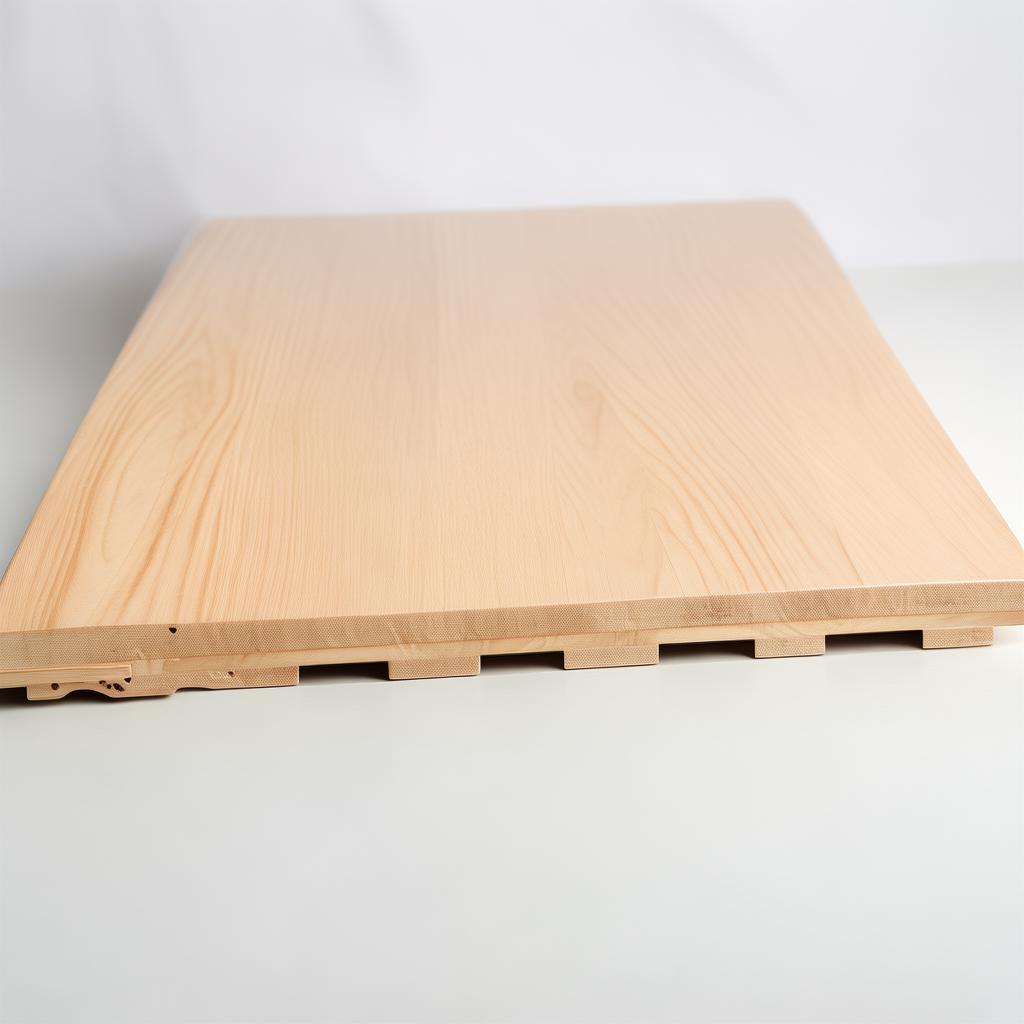
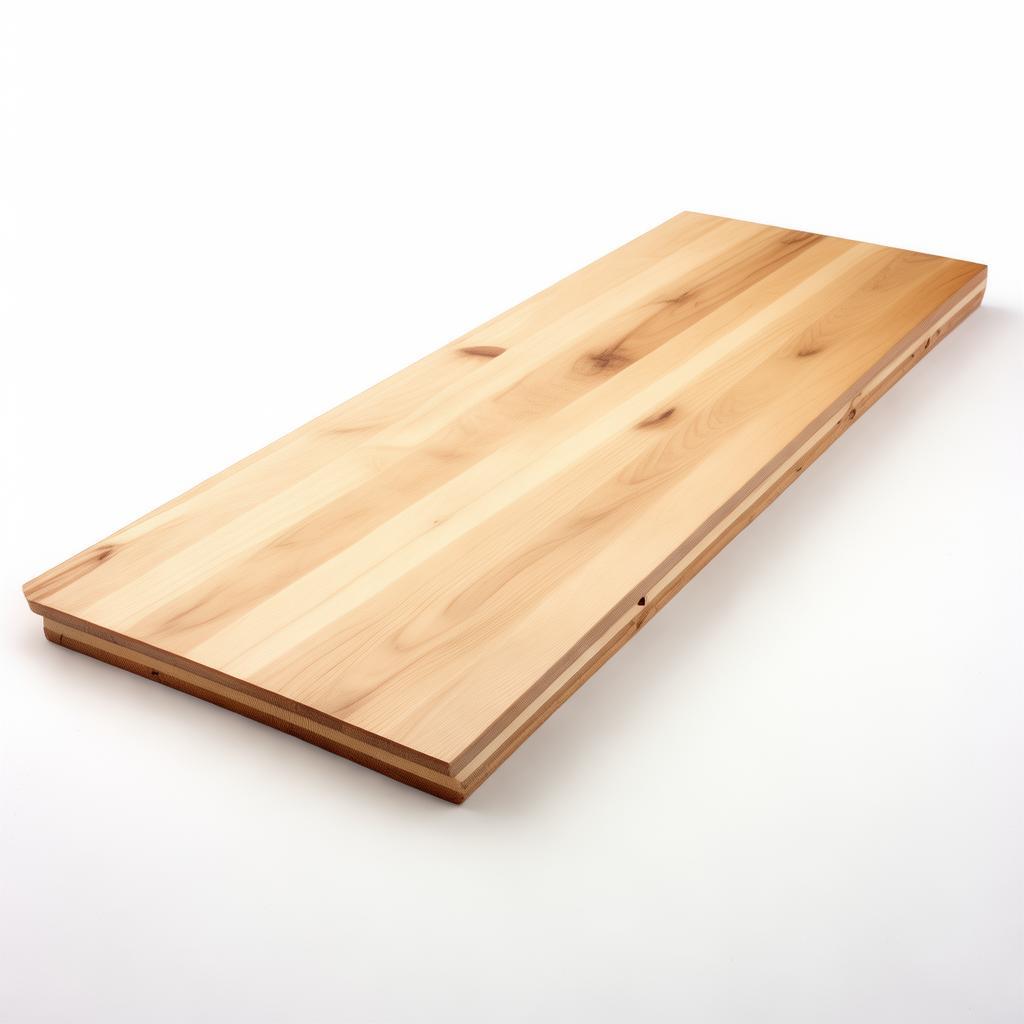
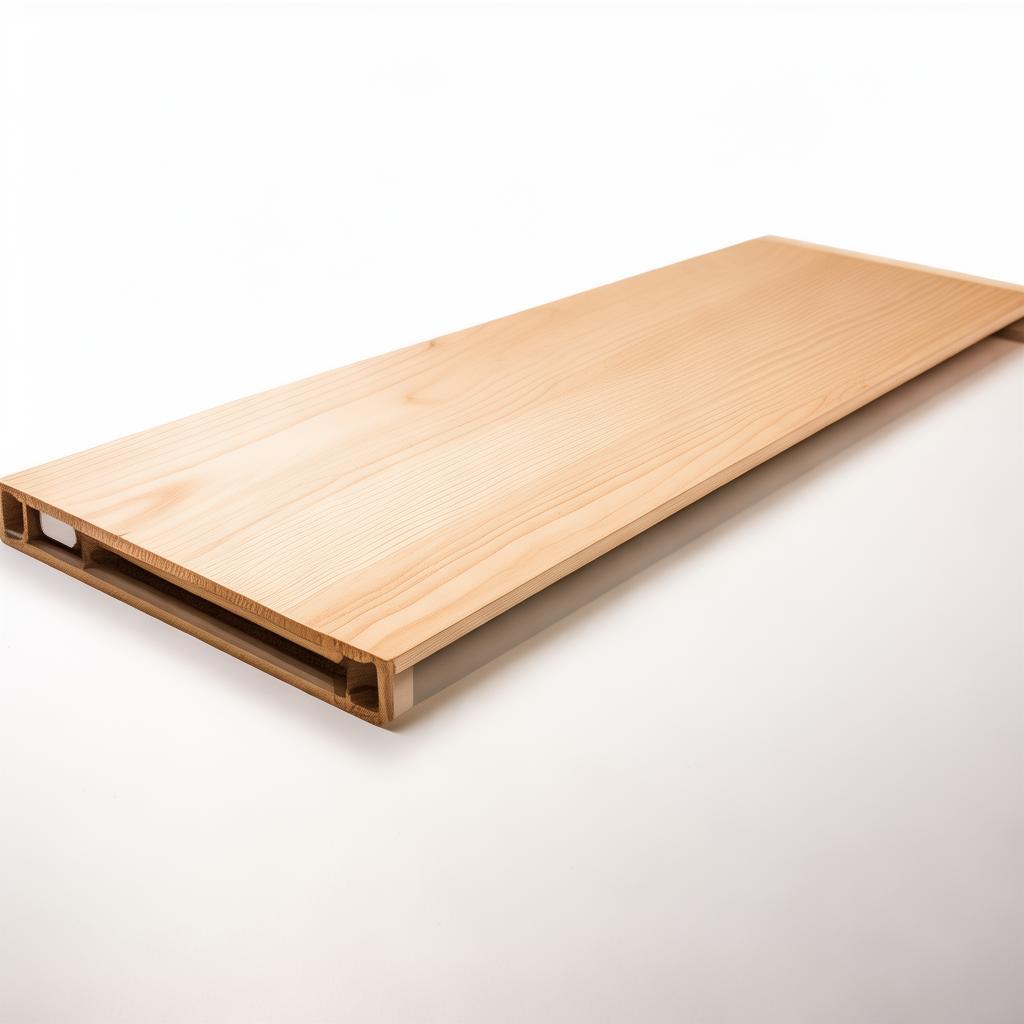
A synthetic surface track is a multi-layered athletic flooring system designed for running, walking, and multi-sport use. Unlike concrete or asphalt, synthetic tracks are made from:
Core Composition of Synthetic Tracks
| Layer | Material | Purpose |
|---|---|---|
| Base Layer | Asphalt or Concrete | Stability and drainage |
| Elastic Layer | Rubber or Polyurethane Foam | Shock absorption |
| Wearing Layer | PU (Polyurethane) or EPDM Rubber | Durability and traction |
| Top Coat | Acrylic or Polyurethane | Weather resistance and color |
Key Takeaway: The best synthetic tracks use a hybrid PU-rubber system for optimal performance.
Key Performance Metrics: How Synthetic Tracks Outperform Traditional Surfaces
- 🔹 Force Reduction: Synthetic tracks absorb 35-50% of impact force, reducing joint stress. [Source: MDPI Sports Flooring Study]
- 🔹 Traction: Meets World Athletics standards (0.5-0.7 friction coefficient).
- 🔹 Drainage: Permeable systems prevent puddles, even in heavy rain.
- 🔹 UV Resistance: High-quality tracks retain color for 10+ years.
Industry Standards and Certifications for Synthetic Tracks
Always verify these certifications when purchasing a synthetic track:
types-of-running-track-surfaces synthetic-race-tracks synthetic-rubber-running-track-material synthetic-running-track-design

The Top 5 Advantages of Synthetic Surface Tracks Over Concrete, Asphalt, and Natural Tracks
If you’re still on the fence about synthetic tracks, these five advantages will change your mind:
1. Superior Shock Absorption and Injury Prevention
Traditional hard surfaces (asphalt, concrete) transmit 80% of impact force to athletes’ joints. Synthetic tracks reduce this to 35-50%.
- 🏃♂️ Runners: 40% fewer knee injuries compared to asphalt.
- 👟 Multi-sport users: Cushioned layers protect from high-impact sports like basketball.
- 🧒 Children & seniors: Reduced risk of falls and fractures.
2. All-Weather Performance and Durability
Synthetic tracks perform in any climate:
- ☀️ Hot climates (30°C+): UV-stable topcoats prevent fading.
- ❄️ Cold climates (-10°C): Flexible PU layers prevent cracking.
- 🌧️ Rainy seasons: Permeable layers prevent puddles and algae growth.
Real-World Example: A synthetic track in Florida retained 95% of its performance after 8 years of use.
3. Low Maintenance and Long Lifespan
| Surface Type | Lifespan | Annual Maintenance Cost |
|---|---|---|
| Asphalt | 3-5 years | $2,500/year |
| Natural Grass | 2-3 years | $3,000/year |
| Synthetic Track | 10-15 years | $500/year |
Cost-Saving Tip: A well-maintained synthetic track saves $50,000+ over 10 years vs. asphalt.
4. Customization and Branding Options
Synthetic tracks aren’t just functional—they’re brandable. Options include:
- 🎨 Custom colors: School colors, company branding, or event themes.
- 📏 Unique lane markings: For track and field events.
- 🏆 Logo integration: For corporate sponsorships or sports clubs.
5. Cost-Effectiveness in the Long Run
While the upfront cost of a synthetic track ($20-$40/sqm) is higher than asphalt ($10-$20/sqm), the ROI is clear:
- 💰 No resurfacing costs: Asphalt needs repaving every 3-5 years ($50k-$100k).
- 🚫 No crack repairs: Asphalt cracks cost $2,000-$5,000/year.
- 📊 Higher facility value: Synthetic tracks increase property value by 15-20%.
Technical Deep Dive: Synthetic Track Construction and Materials
Not all synthetic tracks are created equal. Here’s what sets the best apart:
Layer-by-Layer Breakdown of a High-Quality Synthetic Track
A premium synthetic track consists of 4 critical layers:
- Sub-Base (Asphalt/Concrete): Must be smooth, level, and properly sloped (1% gradient for drainage).
- Elastic Layer (Rubber/PU Foam): 8-12mm thick for shock absorption.
- Wearing Layer (PU or EPDM Rubber): 13mm thick for durability.
- Top Coat (Acrylic/PU): 2-3mm thick for UV and abrasion resistance.
Material Options: Polyurethane vs. Rubber vs. Hybrid Systems
| Material | Pros | Cons | Best For |
|---|---|---|---|
| Polyurethane (PU) | High durability, UV-resistant, custom colors | Higher cost ($30-$40/sqm) | Professional tracks, schools, high-end facilities |
| EPDM Rubber | Low cost, good shock absorption | Less durable, fades faster | Budget projects, temporary tracks |
| Hybrid (PU + Rubber) | Best balance of cost and performance | Mid-range cost ($20-$30/sqm) | Most common for commercial use |
Environmental and Safety Compliance: CE, ISO, and More
Top synthetic track manufacturers comply with:
Real-World Applications: Where Synthetic Tracks Excel
Synthetic tracks aren’t just for running—they’re used in diverse settings:
Professional Athletics: Track and Field Competitions
- 🏁 Olympic Stadiums: 90% of modern tracks use synthetic surfaces. [Source: World Athletics]
- 🏃 School Championships: Synthetic tracks reduce injuries by 35%.
- 🏆 Corporate Sponsorships: Brandable tracks attract sponsors (e.g., Nike, Adidas).