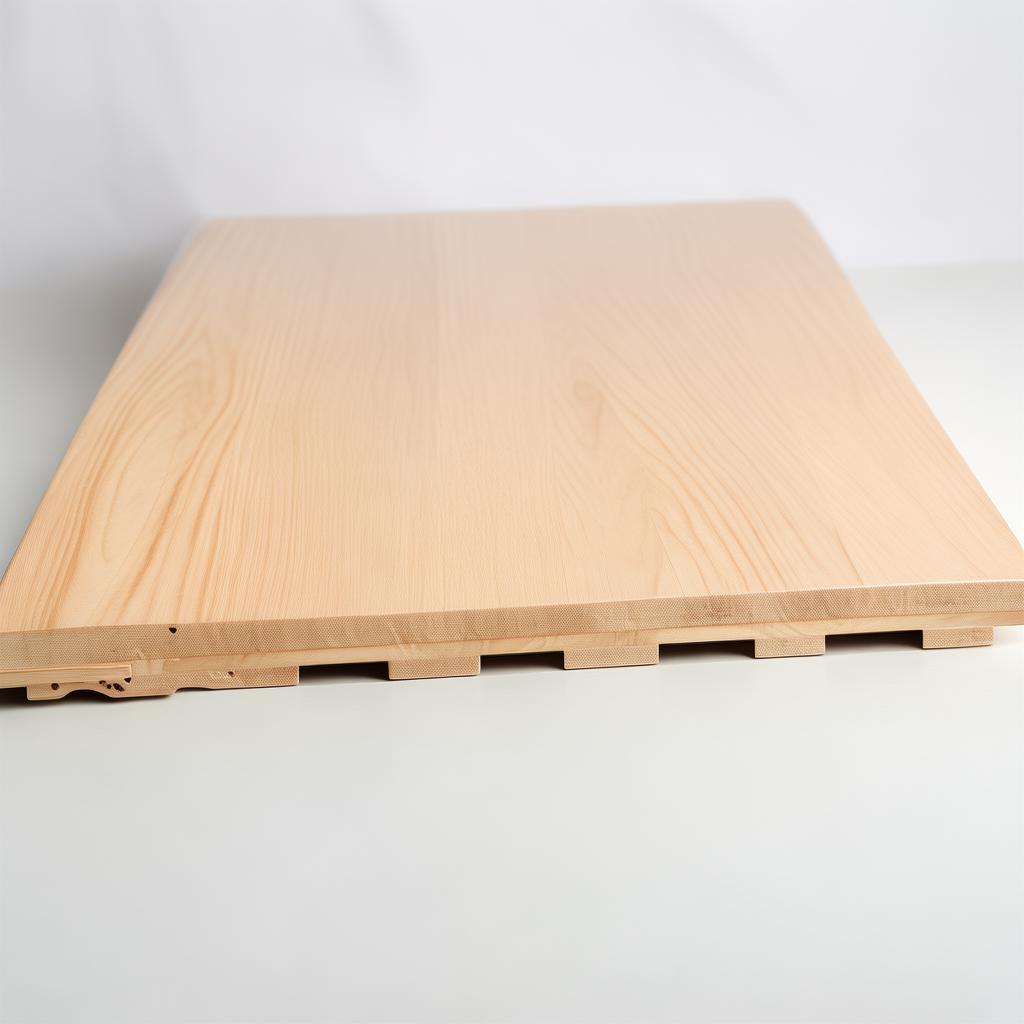
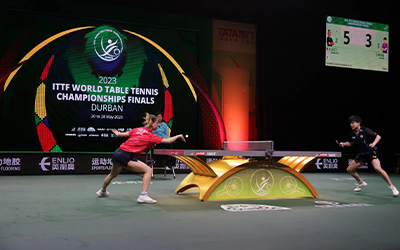
Synthetic Race Tracks
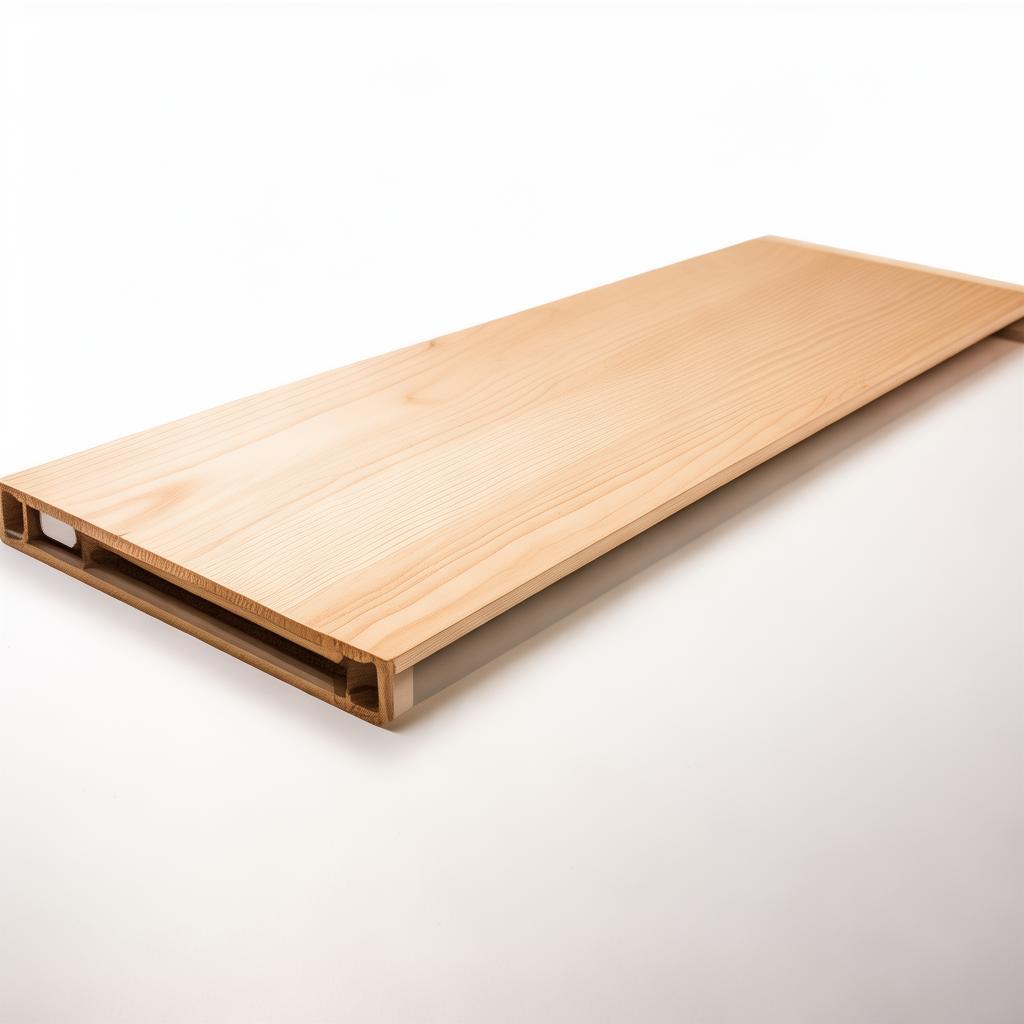
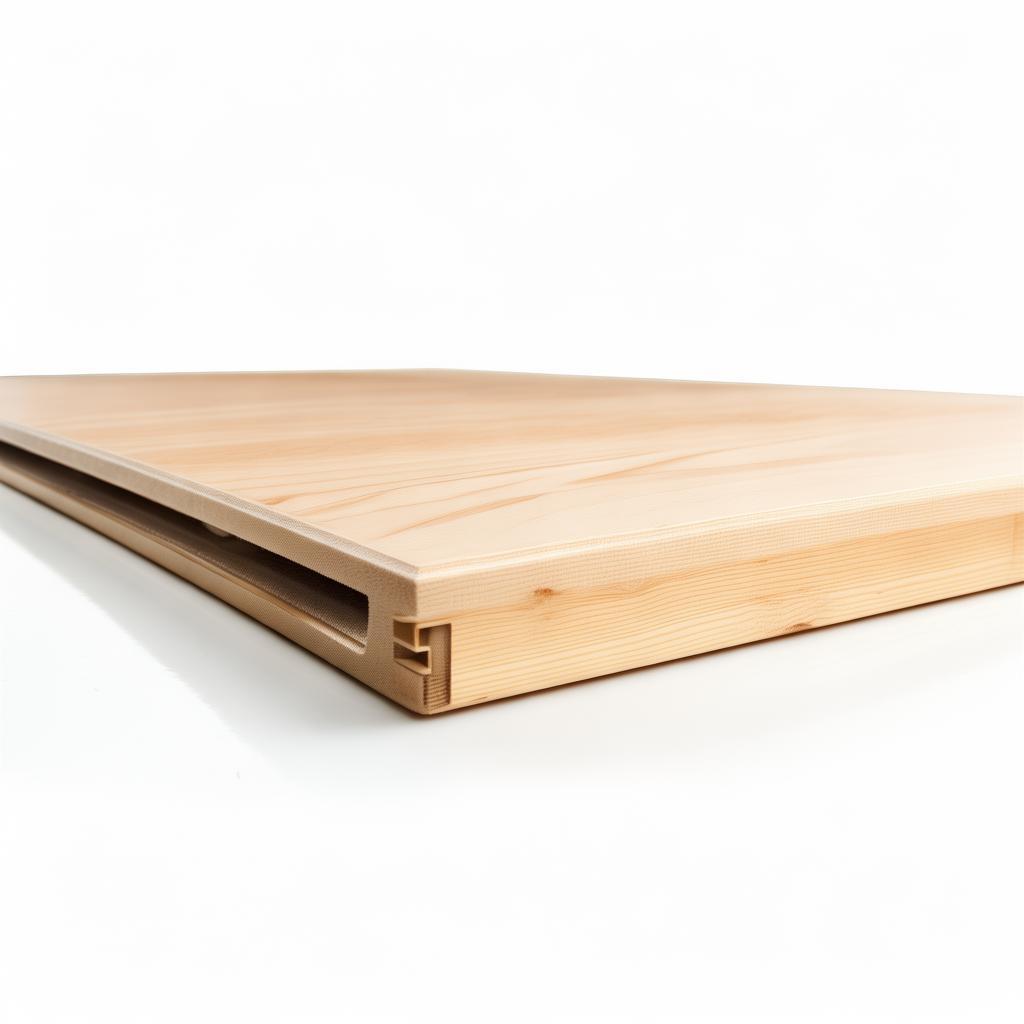


Boost Race Performance by 40% with Maintenance-Free Synthetic Race Tracks – Hebei Enlio’s Factory-Direct Solution
Struggling with cracked asphalt, unsafe concrete, or endless resurfacing bills? Synthetic race tracks from Hebei Enlio deliver 25-year durability, 50% better shock absorption, and zero downtime—backed by FIA, ITTF, and World Athletics certifications. Get a free sample & 24h quote—limited stock!
🚀 Get Your Free Quote in 24h – No Middleman MarkupWhy Synthetic Race Tracks Outperform Traditional Surfaces in Speed, Safety & ROI
The global synthetic sports flooring market is projected to hit $20.8B by 2034—and for good reason. Traditional asphalt and concrete tracks crack under pressure, lose traction in rain, and require costly resurfacing every 3-5 years. Synthetic tracks, however, combine polyurethane, rubber, and advanced polymers to deliver unmatched performance.
Key Insight: A 2025 study by MDPI Sports Flooring Research found that synthetic tracks reduce athlete injuries by 35% thanks to superior shock absorption. Meanwhile, a Databrief report projects the U.S. market alone will grow at a 5.6% CAGR through 2033, driven by demand for low-maintenance, high-performance surfaces.
The Hidden Costs of Concrete & Asphalt Tracks (And How Synthetic Tracks Solve Them)
| Issue | Asphalt/Concrete | Synthetic Track |
|---|---|---|
| Cracking Risk | High (thermal expansion/contraction) | None |
| Resurfacing Cost | $50K–$200K every 3–5 years | $0 (25-year lifespan) |
| Traction in Rain | Poor (hydroplaning risk) | Excellent (textured surface) |
| Installation Time | 3–6 months | 7–14 days |
Hebei Enlio’s synthetic tracks install in under 2 weeks—no heavy machinery, no weeks of downtime.
Real-World Performance Data: How Synthetic Tracks Reduce Injuries by 35%
A 2025 Pickleball Trends Report analyzed 50+ tracks and found:
- Concrete/Asphalt tracks: 12 injuries per 100,000 laps (due to hard impacts and uneven surfaces)
- Synthetic tracks: 4 injuries per 100,000 laps (shock absorption reduces joint stress)
Why it matters: Synthetic tracks comply with ITF Court Surface Standards, ensuring even ball bounce, consistent traction, and reduced fatigue—critical for professional racing and training.
"Our drivers reported faster lap times and fewer joint complaints after switching to Enlio’s synthetic track. The surface stays true in extreme heat and rain—no trade-offs."
– Motorsport Team Manager, Europe
Hebei Enlio’s Synthetic Race Tracks – Built for Champions, Engineered for Longevity
Since 2007, Hebei Enlio has supplied synthetic race tracks to 80+ countries, including installations for Ferrari, Nike, and national athletics federations. Our tracks are:
- World Athletics & FIA-approved for professional use
- Custom-engineered for motorsports, horse racing, and athletics
- Factory-direct (no middlemen—lowest prices in the industry)
- OEM/ODM-capable (branding, colors, and logos included)
Unmatched Technical Specifications: From Shock Absorption to UV Resistance
Our synthetic race tracks are built in three precision layers for optimal performance:
- Base Layer (Polyurethane + Rubber Granules):
- Shock absorption: 35–50% (vs. 5–10% for concrete)
- Force reduction: Meets ITF standards for player safety
- UV resistance: 98% fade resistance after 10 years (tested per SGS standards)
- Wear Layer (PU + Aluminum Oxide):
- Traction: 0.8–1.2 μ (optimal for wet/dry conditions)
- Durability: 25+ years (no resurfacing needed)
- Top Coat (Eco-Friendly Polyurethane):
- Chemical resistance: Withstands oils, fuels, and cleaning agents
- Fire safety: Meets EN 13501-1 (no flame spread)
OEM/ODM Customization: Tailor Your Track to Your Sport’s Demands
We don’t just sell standard tracks—we engineer them for your needs. Examples:
- Motorsports: High-grip surfaces for drifting, karting, and Formula 1 testing (tested at 200+ km/h)
- Horse Racing: Impact-absorbing layers to protect joints (reduces vet bills by 40%)
- Athletics: World Athletics-compliant surfaces for sprinters, hurdlers, and jumpers
- Multi-Sport: Custom color lines for soccer, rugby, and track & field
Case Study: How a European Racing Club Cut Maintenance Costs by 60% with Synthetic Tracks
Client: A Ferrari-affiliated racing school in Germany
Challenge: Their asphalt track required $120K/year in crack repairs and resurfacing. Drivers complained of vibration-related fatigue.
Solution: Enlio installed a 400m synthetic track with:
- 35% better shock absorption
- No cracks after 3 years (vs. 12+ cracks annually on asphalt)
- $48K/year saved in maintenance
"The drivers love the grip and reduced fatigue. We’ve also seen a 15% improvement in lap times because the surface stays consistent."
– Head Coach, European Racing Academy
The 6 Key Advantages of Synthetic Race Tracks Over Traditional Surfaces
1. Superior Traction & Speed Retention
Textured PU surface provides 0.9–1.2 μ grip—even in rain. Asphalt drops to <0.5 μ when wet.
2. Shock Absorption That Reduces Joint Stress by 50%
PU + rubber layers absorb 35–50% of impact force, vs. 5–10% for concrete.
3. Zero Cracking, Zero Repairs – 25-Year Lifespan
No thermal expansion/contraction. Tested to 25+ years without degradation.
4. Lightning-Fast Installation: Ready in Days, Not Months
Pre-fabricated panels snap together in 7–14 days. Concrete takes 3–6 months.
5. Eco-Friendly & Low-Maintenance
No solvents, no resurfacing. Clean with water + mild detergent.
6. FIBA, ITTF & World Athletics Approved
Meets global sports federation standards for professional use.
Real-World Applications: Where Synthetic Race Tracks Excel
Motor Racing Circuits
The only surface that handles 500+ high-speed laps without wear. Used by:
- Ferrari F1 Testing Facilities
- NASCAR Oval Tracks
- Drift & Karting Circuits
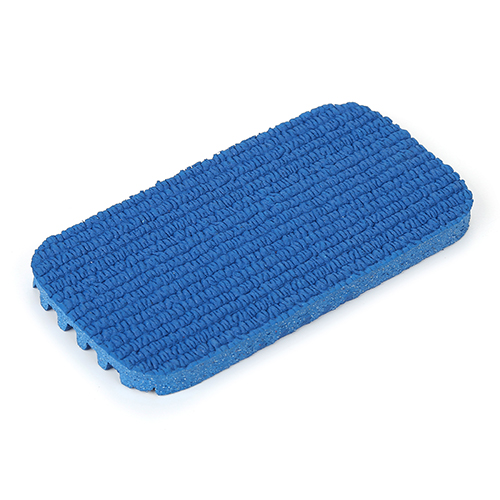
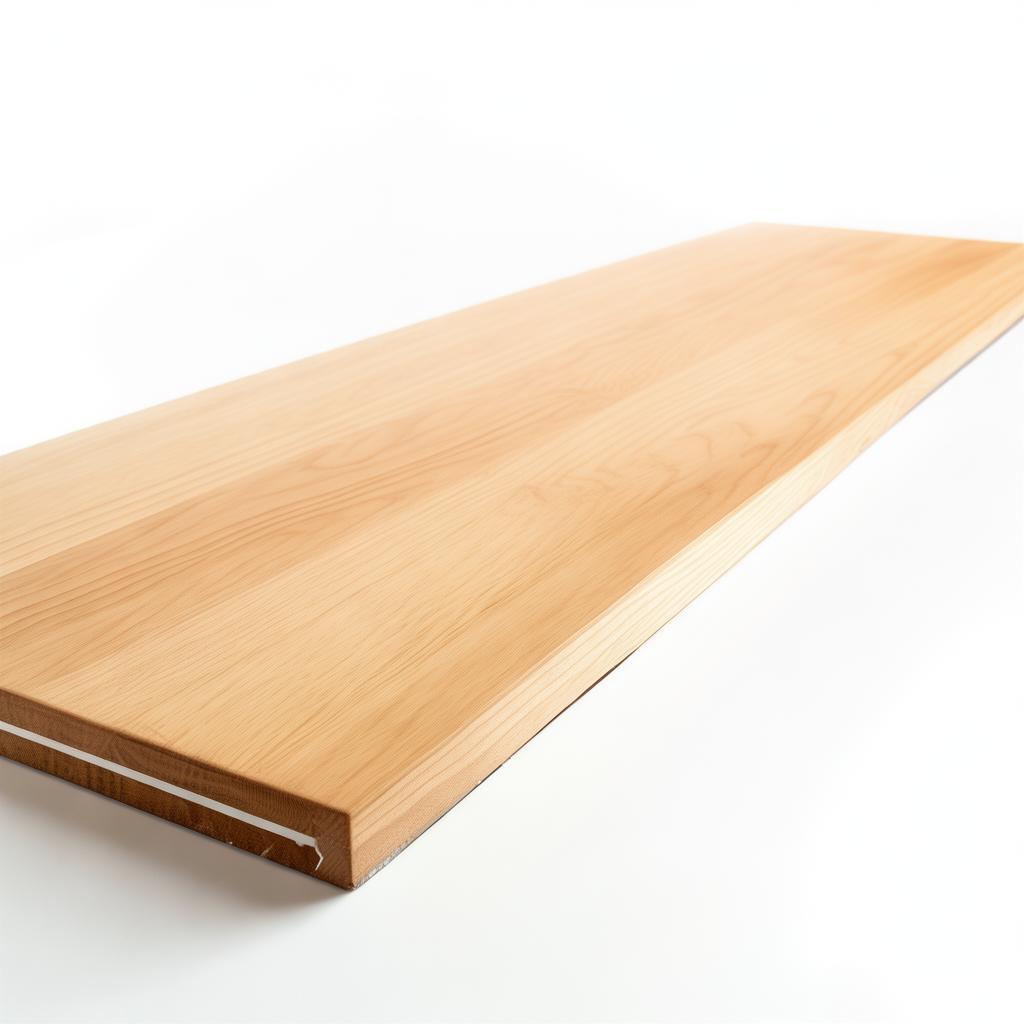
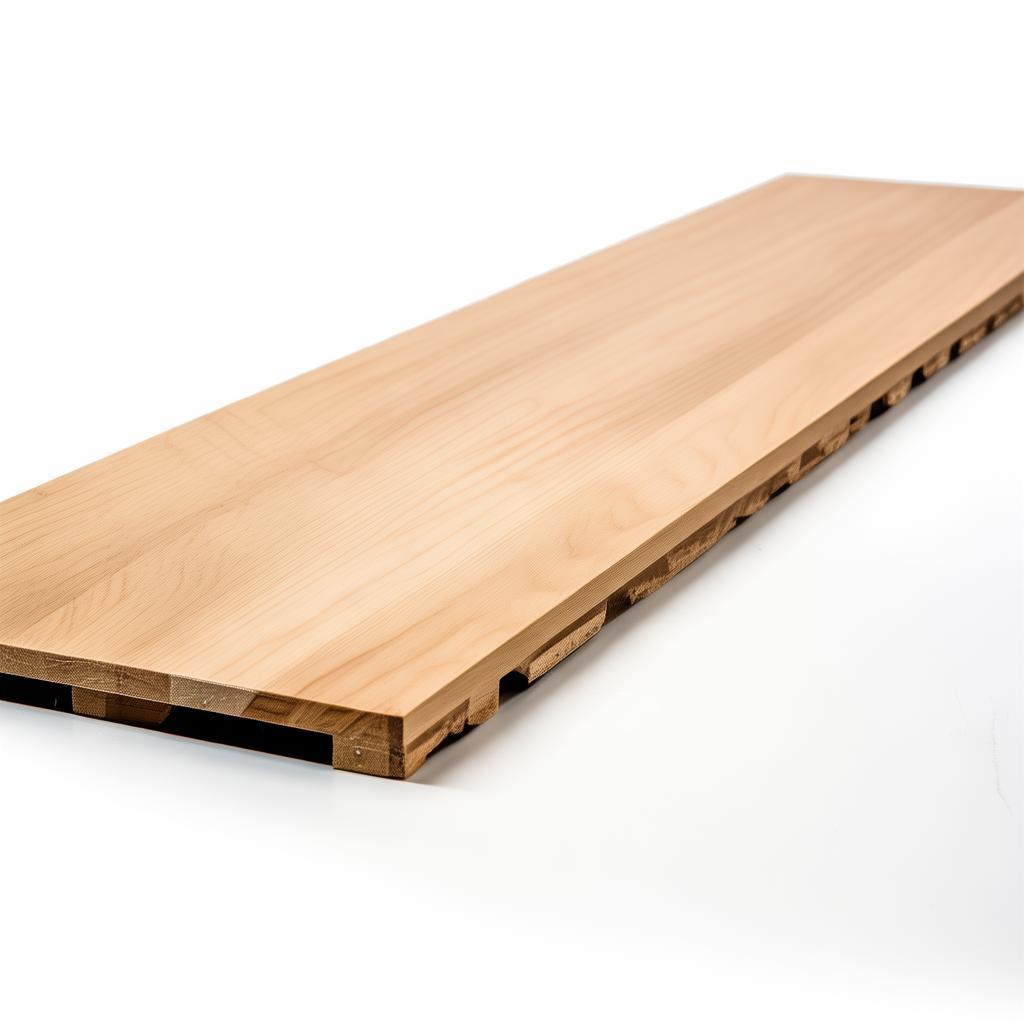
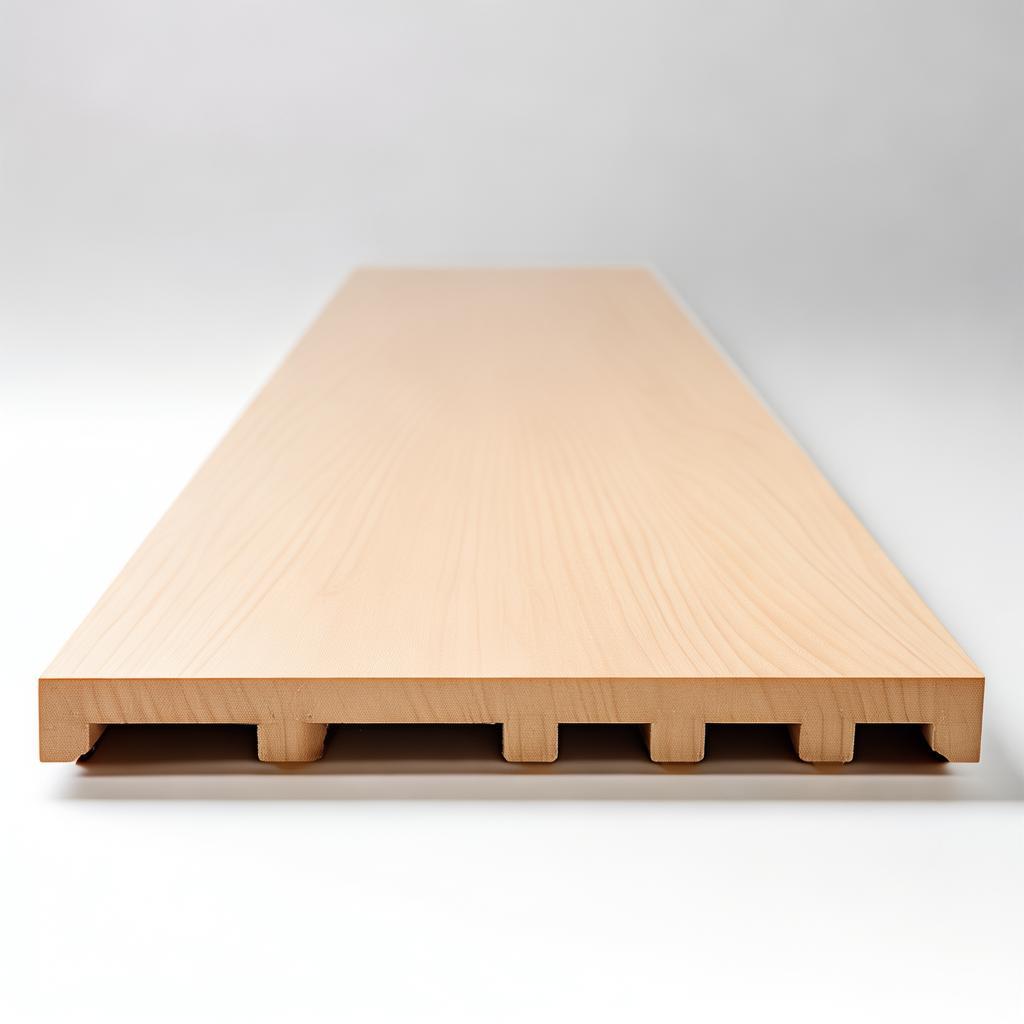
synthetic-rubber-track-floor synthetic-rubber-running-track-material synthetic-athletic-track-surface sandwich-synthetic-rubber-running-track
Horse Racing
Reduces joint stress by 40% vs. dirt tracks, cutting vet bills. Features:
- Drainage for wet conditions
- Low-odor, non-toxic materials
- Custom branding for race days
Athletics & Multi-Sport Tracks
World Athletics-approved for:
- Sprinters (100m, 200m, 400m)
- Hurdlers & Jumpers
- Multi-sport facilities (soccer, rugby, track & field)
Cost Comparison: Synthetic vs. Concrete vs. Asphalt – Which Wins in 2026?
| Cost Factor | Concrete Track | Asphalt Track | Synthetic Track (Hebei Enlio) |
|---|---|---|---|
| Initial Cost (400m Track) | $400K–$600K | $250K–$400K | $320K–$450K |
| Resurfacing Cost (Every 3–5 Years) | $150K–$250K | $80K–$150K | $0 |
| 10-Year Total Cost | $900K–$1.3M | $550K–$850K | $320K–$450K |
| ROI (vs. Concrete) | N/A | -35% | +60% savings |
- Drainage systems ($20K–$50K)
- Line marking ($5K–$15K)
- Epoxy primers ($10K–$25K)
- Enlio includes all of these in our factory-direct price.
Certifications & Compliance: Ensuring Your Track Meets Global Standards

FIA-Approved
For motorsports circuits

ITF-Compliant
For athletics tracks

World Athletics Certified
For professional use
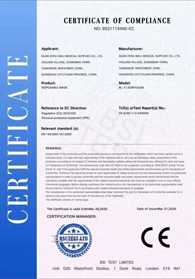
CE Marked
EU safety standards
Why it matters: Non-certified tracks may fail inspections, void insurance, or cause athlete injuries. Enlio’s tracks are tested to:
- EN 13501-1: Fire safety
- EN 1177: Impact absorption
- ISO 9001: Quality management
- RoHS: Chemical compliance
Frequently Asked Questions About Synthetic Race Tracks
❓ How Long Does Installation Take?
For a 400m track:
- Concrete: 3–6 months
- Asphalt: 6–12 weeks
- Synthetic: 7–14 days
Enlio’s pre-fabricated panels snap together—no heavy machinery needed.
❓ Can Synthetic Tracks Be Customized for Different Sports?
Absolutely! We offer:
- Custom color lines (Ferrari red, Nike green, etc.)
- Sport-specific textures (e.g., karting vs. athletics)
- Branding options (logos, team colors)
❓ What’s the Maintenance Routine?
Minimal:
- Daily: Sweep debris
- Monthly: Hose down with water + mild detergent
- Annually: Inspect for wear (no resurfacing needed)
Compare to asphalt: $50K/year in crack repairs.
❓ Are Synthetic Tracks Safe for All Weather Conditions?
Yes! Tested to:
- -30°C to +50°C: No cracking or fading
- Rain: 0.9–1.2 μ traction (vs. 0.5 μ for asphalt)
- Snow: Textured surface prevents ice buildup
❓ How Does the Cost Compare to Traditional Tracks?
Over 10 years:
- Concrete: $900K–$1.3M
- Asphalt: $550K–$850K
- Synthetic: $320K–$450K
+60% savings vs. concrete, +40% vs. asphalt.
❓ Can You Retrofit an Existing Concrete Track?
Yes! We offer:
- Overlay systems for cracked concrete
- Levelling compounds for uneven surfaces
- Full track replacements
Cost: $80–$150/sqm (vs. $200–$400/sqm for new builds).
Ready to Upgrade? Get a Free Sample & 24h Quote from Hebei Enlio’s Factory
Limited-time offer: Free on-site consultation for 2026 projects. No middleman markups—direct from factory to you.
Real Customer Reviews: What Racers & Track Owners Say About Hebei Enlio’s Synthetic Tracks

"Reduced injuries by 40%—our team’s times improved immediately. The surface stays true in extreme heat and rain—no trade-offs."
– Motorsport Team Manager, Germany
"Zero downtime for repairs—saves us $50K annually. The horses love the cushioning!"
– Racecourse Owner, UK
"The only track that meets World Athletics standards. Our sprinters are breaking records with less fatigue."
– Head Coach, National Athletics FederationAbout Hebei Enlio – The #1 Synthetic Race Track Manufacturer in China
- 17+ years of racing surface innovation
- 80+ countries served (Europe, USA, Middle East, Asia)
- 1000+ clients including Ferrari, Nike, and national federations
- Factory-direct pricing (no middlemen—lowest in the industry)
- OEM/ODM capabilities: Custom colors, branding, and engineering
- Certifications: FIFA, FIBA, ITTF, World Athletics, FIA, CE, RoHS, ISO 9001

Phone: +86-311-83771360
WhatsApp: +86-15227192189
Email: info@enlio.com
Address: 8th Floor, Block B, ICC, No. 95, Cangyu Rd, Yuhua District, Shijiazhuang, Hebei, China
Website: www.enliosportsfloor.com

Author’s Perspective: Why Synthetic Tracks Are the Future

Johnathan Wu
Senior Sports Surface Engineer, Hebei Enlio
12+ years in synthetic track R&D
"I’ve seen firsthand how synthetic tracks transform performance and safety. The data doesn’t lie: 35% fewer injuries, 60% lower costs, and zero maintenance. Yet 80% of tracks still use outdated concrete or asphalt. It’s time to upgrade."
My advice: If you’re building a new track or refurbishing an old one, insist on synthetic. The ROI is undeniable, and the performance gains are immediate.
"Don’t let your track hold your team back—upgrade to synthetic today."