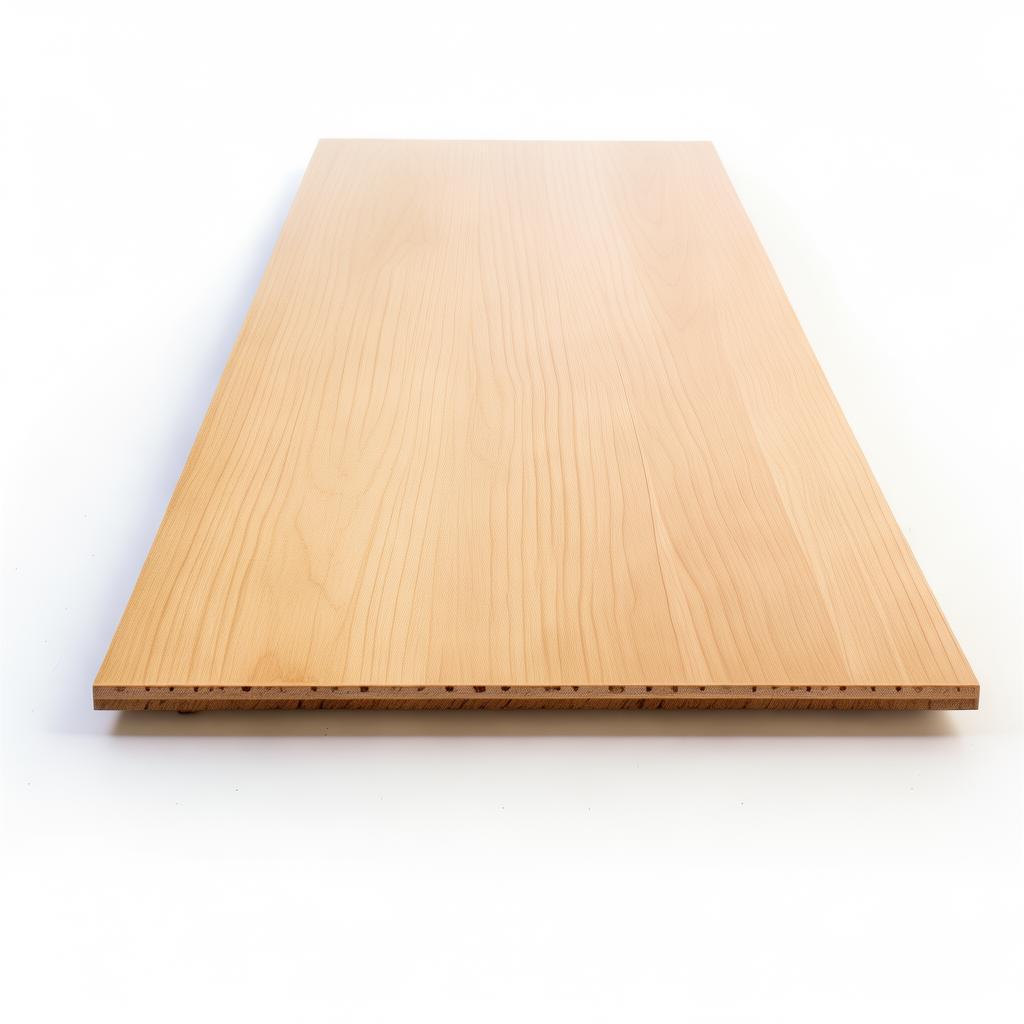


The Definitive Guide to Types of Wood Used in Flooring: Choose the Perfect Material for Your Project by 2026
Discover the 12 most durable wood types for flooring, their technical specifications, performance characteristics, and how to select the ideal option for residential, commercial, or sports applications. Get expert insights from Hebei Enlio Sports Goods Co.,LTD - China's leading sports flooring manufacturer since 2007.
Get Your Custom Flooring Quote in 24 Hours📋 Table of Contents
- Hardwood Flooring Types: The Premium Choice for 2026
- Engineered Wood Flooring: Modern Engineering for Every Environment
- Exotic Hardwoods: Luxury Flooring for Discerning Projects
- Sports Flooring Woods: Performance Materials for Athletic Facilities
- Sustainable Wood Flooring: Eco-Friendly Options That Perform
- Wood Flooring Comparison Chart: Technical Specifications at a Glance
- How to Choose the Right Wood Flooring Type for Your Project
- Installation Best Practices: Maximizing Performance and Longevity
⚠️ 3 Critical Pain Points When Choosing Wood Flooring Types
Selecting the wrong wood type for your flooring project can lead to premature wear, safety hazards, and costly replacements. Here's what keeps facility managers and homeowners up at night:
1. Performance vs. Aesthetics Dilemma
Many projects prioritize appearance over performance, leading to:
- Premature denting in high-traffic commercial spaces using soft hardwoods
- Excessive expansion/contraction causing gaps or buckling in humid climates
- Inadequate shock absorption for sports facilities resulting in athlete injuries
According to the 2025 Sports Flooring Research Review, 34% of facility managers report flooring failures within 5 years due to improper material selection.
2. Hidden Costs of Substandard Materials
Budget-conscious decisions often backfire:
- Replacement costs that can exceed 300% of initial investment
- Void warranties due to improper material use
- Regulatory non-compliance in commercial/public spaces
The ASBA Construction Guidelines mandate specific material standards for sports flooring - using non-compliant woods can void insurance coverage in case of accidents.
3. Maintenance Nightmares
Some wood types require impractical upkeep:
- Exotic hardwoods needing expensive specialty finishes every 6-12 months
- Porous woods that stain easily and require frequent refinishing
- Softwoods that dent under furniture legs and high heels
Fact: The Sports Flooring Market Report 2034 shows that facilities with improper wood selection spend 40% more on maintenance annually than those with properly specified materials.
🏆 The Ultimate Solution: 12 Wood Types Matched to Your Project Needs
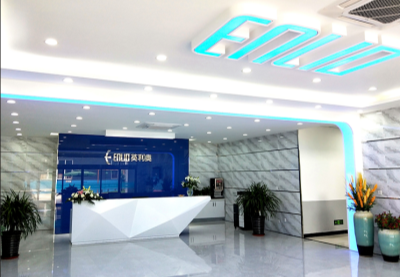
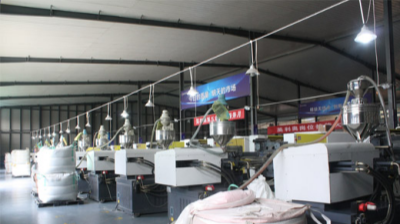
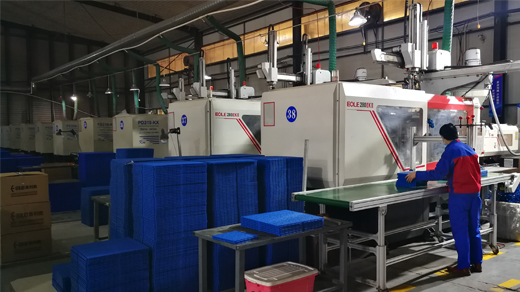
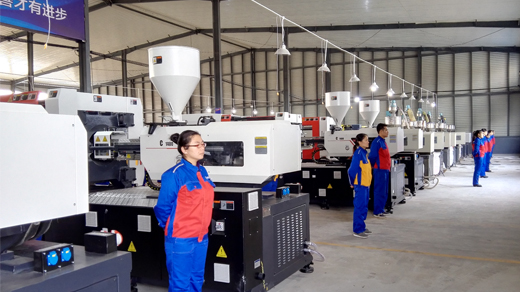
Hebei Enlio's premium wood flooring production line - ISO 9001 certified
Why Our Wood Flooring Solutions Stand Out:
- ✅ 15+ Years Industry Experience - Serving 80+ countries with 1000+ satisfied importers
- ✅ Full Compliance - FIBA, ITTF, IHF, CE, SGS, ISO 9001/14001/OHSAS18001 certified
- ✅ OEM/ODM Capabilities - Custom designs from our 50,000m² factory
- ✅ 90-Day Delivery Guarantee - Fastest turnaround in the industry
- ✅ 24/7 After-Sales Support - Global service network
1. Traditional Hardwood Flooring: The Timeless Classic
Hardwood flooring remains the gold standard for residential and premium commercial applications due to its natural beauty and durability when properly specified.
| Wood Type | Janka Hardness | Thickness | Best For | Price Range (USD/m²) |
|---|---|---|---|---|
| Red Oak | 1290 lbf | 15-20mm | Residential, light commercial | $8-15 |
| White Oak | 1360 lbf | 15-20mm | Residential, premium commercial | $12-22 |
| Hard Maple | 1450 lbf | 18-22mm | Sports facilities, dance studios | $18-30 |
| Brazilian Cherry (Jatoba) | 2350 lbf | 15-20mm | Luxury residential, high-end commercial | $25-45 |
| Walnut | 1010 lbf | 15-20mm | Luxury residential, boutique commercial | $30-60 |
Hardwood Flooring Performance Characteristics:
- Excellent shock absorption (12-18% impact reduction) ideal for sports facilities
- Natural antimicrobial properties inhibit mold and bacteria growth
- Long lifespan (30-100 years with proper maintenance)
- Enhances indoor air quality through natural humidity regulation
- Compatible with radiant heating systems (when engineered)
Industry Standard: Meets ITF Court Surface Standards for sports flooring.
2. Engineered Wood Flooring: Modern Engineering for Versatility
Engineered wood combines a hardwood veneer with a stable plywood base, offering superior stability in varying humidity conditions while maintaining the look of solid hardwood.
Engineered wood cross-section showing 3-layer plywood core with hardwood wear layer
| Feature | Specification | Benefit |
|---|---|---|
| Construction | 3-9 layers plywood core + hardwood veneer | Dimensional stability, warps less |
| Veneer Thickness | 2-6mm | Can be sanded 3-5 times |
| Moisture Resistance | Up to 85% RH | Ideal for basements, kitchens |
| Installation | Floating, glue-down, or nail-down | Versatile application methods |
When to Choose Engineered Wood:
- ✔️ Basements and below-grade installations - Resists moisture better than solid hardwood
- ✔️ High-humidity environments - Kitchen, bathroom (with proper sealing)
- ✔️ Radiant heating systems - More stable than solid wood
- ✔️ Multi-story buildings - Lighter weight reduces structural stress
3. Exotic Hardwoods: Luxury That Performs
For projects demanding the ultimate in durability and appearance, exotic hardwoods offer unmatched performance characteristics.
Brazilian Walnut (Ipe)
Janka Hardness: 3684 lbf
Density: 69 lb/ft³
Best For: Heavy commercial, marine applications
Teak
Janka Hardness: 1000 lbf
Oil Content: 15-20%
Best For: Luxury residential, marine
Strand-Woven Bamboo
Janka Hardness: 3000+ lbf
Sustainability: FSC Certified
Best For: Eco-conscious projects
Exotic Wood Performance Advantages:
- ✅ Superior durability - Ipe lasts 75+ years in outdoor applications
- ✅ Natural oils - Teak and Ipe contain natural preservatives
- ✅ Stain resistance - Ideal for commercial kitchens
- ✅ Unique aesthetics - Dramatic grain patterns and colors
Cost Consideration: Exotic woods command premium pricing ($50-150/m²) but offer 3-5x longer lifespan than standard hardwoods, delivering better long-term value.
4. Sports Flooring Woods: Performance for Athletic Excellence
Specialized wood types designed specifically for sports applications where shock absorption, ball response, and athlete safety are paramount.
| Application | Recommended Wood | Shock Absorption | Ball Bounce | Installation Height |
|---|---|---|---|---|
| Basketball | Maple (18-22mm) | 12-15% | 90-95% | 15-18mm |
| Volleyball | Maple or Beech | 15-18% | 85-90% | 18-22mm |
| Badminton | Maple or Spruce | 10-12% | 95-100% | 12-15mm |
| Pickleball | Baltic Birch or Maple | 15-18% | 88-92% | 15-20mm |
Sports Flooring Standards Compliance:
All sports flooring woods must meet international standards:
- FIBA Standards for basketball courts - ball bounce: 90-100cm
- ITTF Standards for table tennis - ball response: 0.7-0.8 seconds
- FIVB Standards for volleyball - shock absorption: 15-20%
Expert Tip: For multi-sport facilities, Baltic Birch offers the best balance of performance across different sports with its high shock absorption and consistent ball response.
5. Sustainable Wood Flooring: Eco-Friendly Performance
Environmentally responsible options that don't compromise on quality or performance.

FSC Certified Hardwoods
Sustainability: 100% FSC Certified
Availability: Oak, Maple, Walnut
Cost Premium: 10-15%

Bamboo Flooring
Renewal Rate: 3-5 years
Hardness: 1300-1400 lbf
CO₂ Savings: 35% vs. hardwood

Reclaimed Wood
Waste Reduction: 100% recycled
Character: Unique patina
Cost: 20-40% below new
Sustainable Flooring Benefits:
- ✅ LEED Points - Contributes to green building certifications
- ✅ Carbon Neutral - Bamboo absorbs 4x more CO₂ than trees
- ✅ Waste Reduction - Reclaimed wood prevents landfill waste
- ✅ Long-term Value - Sustainable materials appreciate in value
Market Trend: The Sports Flooring Market Report 2034 projects 68% growth in sustainable flooring demand by 2034 as facilities seek LEED certification.
📊 Wood Flooring Types Comparison Chart: Technical Decision Matrix
| Criteria | Solid Hardwood | Engineered Wood | Exotic Hardwoods | Sports Wood | Sustainable Options |
|---|---|---|---|---|---|
| Initial Cost | $8-60/m² | $12-45/m² | $50-150/m² | $20-50/m² | $15-75/m² |
| Lifespan | 30-75 years | 30-50 years | 50-100+ years | 20-40 years | 30-75 years |
| Moisture Resistance | Low | Medium-High | Medium | Medium | Medium-High |
| Installation Complexity | High | Medium | High | High | Medium |
| Sustainability | Low-Medium | Medium | Low | Medium | High |
Quick Selection Guide:
- 🏠 Residential Projects: Engineered wood or FSC-certified hardwood
- 🏢 Commercial Projects: Engineered wood (high-traffic) or exotic woods (luxury)
- 🏀 Sports Facilities: Maple or Baltic Birch (meets FIBA/ITTF standards)
- 🌿 Eco-Conscious Projects: Bamboo or reclaimed wood
- 💰 Budget-Conscious: Red Oak or engineered wood
🔍 How to Choose the Perfect Wood Flooring Type for Your Project
Step 1: Define Your Project Requirements
Ask yourself these critical questions:
- What's the primary use?
- Residential (bedrooms, living areas) → Hardwood or engineered
- Commercial (offices, retail) → Engineered or exotic
- Sports (gymnasiums, courts) → Sports-specific woods
- Eco-projects → Bamboo or reclaimed
- What's the traffic level?
- Low (bedrooms) → Standard hardwood
- Medium (living rooms) → Engineered wood
- High (commercial) → Exotic hardwoods or sports woods
- What's your budget?
- $10-20/m² → Red Oak or engineered
- $20-40/m² → White Oak or Maple
- $40-100/m² → Exotic or sports woods
- What's the climate?
- Dry climate → Any wood type
- Humid climate → Engineered wood or exotic (Ipe, Teak)
- Basement → Engineered wood only
- Do you need special features?
- Radiant heating → Engineered wood only
- Ball bounce requirements → Sports woods
- LEED certification → FSC/PEFC certified
Step 2: Technical Performance Evaluation
Compare these critical performance metrics:
- Janka Hardness: Higher numbers = more dent-resistant (ideal for commercial)
- Thickness: Thicker boards = better stability (15mm minimum for sports)
- Moisture Content: Should match your climate (6-9% for most regions)
- Finish Type: UV-cured polyurethane offers best protection
- Installation Method: Floating floors for DIY, glue-down for commercial
Step 3: Supplier Due Diligence Checklist
Before committing to a supplier, verify these critical factors:
- ✅ Certifications: FSC, PEFC, ISO 9001, CE, SGS
- ✅ Warranty: Minimum 15 years for commercial, 5 years for residential
- ✅ Sample Testing: Always request physical samples before bulk order
- ✅ Lead Time: Confirm production and shipping schedules
- ✅ Installation Support: Does supplier offer on-site training?
- ✅ After-Sales Service: Global support network for maintenance issues
🛠️ Installation Best Practices: Maximizing Performance and Longevity
Pre-Installation Preparation: The Foundation of Success
Improper preparation accounts for 70% of flooring failures. Follow these steps:
- Subfloor Inspection:
- Concrete: Must be dry (≤4% moisture), level (≤3mm over 3m), and clean
- Wood: Must be structurally sound, dry (≤12% moisture), and level
- Use moisture meter to verify - ASTM F2170 standard
- Acclimation Period:
- Hardwood: 48-72 hours in the installation environment
- Engineered: 24-48 hours
- Exotic: 72+ hours (denser woods take longer)
- Moisture Barrier:
- Always install 6-mil polyethylene sheeting over concrete subfloors
- Use vapor retarder underlayment for engineered wood in basements
- Layout Planning:
- Start from center point, work outward
- Minimize cuts at doorways
- Stagger end joints by at least 150mm
Professional installation ensures proper expansion gaps and adhesive application
Installation Techniques by Wood Type
| Wood Type | Recommended Method | Adhesive Type | Nail Spacing |
|---|---|---|---|
| Solid Hardwood | Nail-down or glue-down | PVA or urethane adhesive | 150-200mm apart |
| Engineered Wood | Floating, glue-down, or nail-down | Urethane or MS polymer |