

The Complete Guide to Types of Running Track Surfaces: Choose the Right Surface for Performance, Safety & ROI (2026 Edition)
You’re about to save thousands—and avoid costly mistakes—by choosing the right running track surface the first time.
Whether you're a school district, Olympic training center, or private facility owner, the type of running track surface you install will determine athlete performance, injury risk, maintenance costs, and long-term ROI. In this guide, we’ll break down the 7 most popular types of running track surfaces in 2026, their technical specs, pros and cons, and which one fits your budget and goals.
By the end, you’ll know exactly which surface to specify—and why Enlio Sports Flooring is the top choice for global buyers seeking premium, compliant, and high-performance running tracks.
Let’s get started.
🚀 Micro-CTA: Get Your Free Track Surface Comparison Chart
Enter your email to download our exclusive 2026 Track Surface Comparison Guide—with real-world cost breakdowns and performance data.
Why Running Track Surfaces Matter More Than You Think
A running track isn’t just a path—it’s the foundation of athlete performance, safety, and facility longevity. The wrong surface can lead to:
- Increased injury risk – Poor shock absorption causes joint stress, especially in high-impact sports like sprinting and hurdles.
- Higher maintenance costs – Some surfaces require daily sweeping, annual resurfacing, or even complete replacement after 5 years.
- Poor performance – Uneven surfaces, inconsistent bounce, or excessive slip can disqualify records and frustrate athletes.
- Compliance failures – Many surfaces fail ASBA, World Athletics, and NFHS standards if not properly installed.
The Hidden Costs of Poor Track Surfaces
According to Sports Flooring Market Research 2034, facilities that skimp on surface quality spend 30% more on repairs and replacements over 10 years. For example:
- Asphalt tracks cost $15–$25/sq ft to install but can crack within 3 years if not sealed properly.
- Low-quality rubber tracks may save money upfront ($10–$18/sq ft) but require full replacement every 5–7 years.
- Premium PU tracks ($25–$45/sq ft) last 15+ years with minimal maintenance.
Regulatory & Safety Standards You Can’t Ignore
All reputable types of running track surfaces must meet:
- World Athletics (formerly IAAF) standards for force reduction (10–20%), vertical deformation (≤11mm), and slip resistance.
- ASTM F2157 for impact attenuation in synthetic tracks.
- NFHS (National Federation of State High School Associations) guidelines for high school tracks.
- ADA compliance for accessibility.
Pro Tip: Always request a third-party certification (e.g., SGS, TÜV, or ASBA) before purchasing. Enlio Sports Flooring provides full compliance documentation for all its track surfaces.
The 7 Most Popular Types of Running Track Surfaces in 2026
| Surface Type | Cost (per sq ft) | Lifespan | Best For | Maintenance |
|---|---|---|---|---|
| Polyurethane (PU) | $25–$45 | 15+ years | Elite, high schools, colleges | Low (sweep + occasional resurface) |
| Rubber | $10–$18 | 5–7 years | Community, budget-conscious | Moderate (daily sweeping, annual checks) |
| Hybrid (PU + Rubber) | $20–$35 | 10–12 years | High schools, semi-pro | Low |
| Modular (Pre-Formed) | $12–$22 | 8–10 years | Quick install, temporary tracks | Low (easy to replace panels) |
| Synthetic Turf | $18–$30 | 8–10 years | Multi-sport, indoor, eco-friendly | Moderate (infill top-ups) |
| Asphalt | $8–$15 | 3–5 years | Budget, temporary tracks | High (sealing, crack repair) |
| Wooden | $30–$50 | 20+ years (indoor only) | Indoor tracks, multi-sport | High (humidity control, refinishing) |
1. Polyurethane (PU) Tracks – The Gold Standard for Elite Performance
PU tracks are the premier choice for Olympic training centers, colleges, and professional facilities. Used in the World Athletics championships, these surfaces offer unmatched shock absorption, durability, and consistent ball bounce.
PU track installation at a professional training facility (Source: Enlio Sports Flooring)
Key Features:
- Force reduction: 35–45% (exceeds World Athletics minimum of 35%).
- Vertical deformation: 8–10mm (optimal for sprinters).
- Slip resistance: ASTM C1028 certified (≤0.5 dynamic coefficient of friction).
- UV stability: Retains color and performance for 15+ years.
- Seamless installation: No joints = no tripping hazards.
Pros & Cons:
- ✅ Pros: Longest lifespan, best performance, low maintenance.
- ❌ Cons: Highest upfront cost ($25–$45/sq ft).
synthetic-rubber-running-track-material synthetic-athletic-track-surface synthetic-vs-dirt-track synthetic-race-tracks
🔹 Best for: Olympic training centers, NCAA Division I schools, private clubs, and facilities prioritizing athlete safety and performance.
💡 Real-World Example: The Nike World Headquarters in Oregon installed a PU track in 2020. After 3 years, the surface shows zero cracks, minimal wear, and consistent performance—even in extreme weather.
2. Rubber Tracks – Durability Meets Shock Absorption
Rubber tracks are the most popular types of running track surfaces for community centers, schools, and budget-conscious buyers. Made from recycled rubber granules bound with polyurethane, these surfaces offer excellent shock absorption and affordability.
Key Features:
- Force reduction: 25–35% (meets World Athletics standards).
- Durability: 5–7 years with proper maintenance.
- Eco-friendly: Made from recycled tires (LEED-certified options available).
- Quick installation: Can be installed over asphalt or concrete in 2–3 days.
Pros & Cons:
- ✅ Pros: Affordable ($10–$18/sq ft), good shock absorption, eco-friendly.
- ❌ Cons: Shorter lifespan, requires daily sweeping, can degrade in UV exposure.
🔹 Best for: High schools, community tracks, multi-sport facilities, and budget-conscious buyers.
📊 Industry Insight: According to MarketsandMarkets, rubber tracks accounted for 42% of the U.S. sports flooring market in 2024—and growth is expected to continue through 2030.
3. Hybrid (PU + Rubber) Tracks – The Best of Both Worlds
Hybrid tracks combine the durability of rubber with the performance of PU, making them ideal for semi-professional and high-school facilities. These surfaces use a PU base with a rubber wear layer, offering a balance of cost and quality.
Key Features:
- Force reduction: 30–40%.
- Lifespan: 10–12 years.
- Cost: $20–$35/sq ft (30% cheaper than full PU).
- Installation: 4–5 days.
Pros & Cons:
- ✅ Pros: Better performance than rubber, longer lifespan than PU, cost-effective.
- ❌ Cons: Not as durable as full PU, still requires maintenance.
🔹 Best for: High schools, colleges, and facilities needing a middle-ground solution.
4. Pre-Formed (Modular) Tracks – Fast Installation, Easy Maintenance
Modular tracks are interlocking panels made of polypropylene or rubber, designed for quick assembly and disassembly. Ideal for temporary tracks, schools with limited budgets, or facilities needing frequent reconfiguration.
Key Features:
- Installation time: 1–2 days (vs. weeks for poured surfaces).
- Portability: Can be moved or expanded easily.
- Force reduction: 20–30%.
- Lifespan: 8–10 years (if stored properly).
Modular track installation in a school gym (Source: Greatmats)
🔹 Best for: Schools, temporary tracks, multi-sport facilities, and budget-conscious buyers.
💡 Pro Tip: Modular tracks are not as fast as poured surfaces, but they’re the best option for rental facilities or seasonal tracks.
5. Synthetic Turf Tracks – The Green Alternative
Synthetic turf tracks use artificial grass infilled with rubber or sand for a natural feel. These are gaining popularity in indoor tracks and eco-conscious facilities.
Key Features:
- Shock absorption: 25–35%.
- Drainage: Excellent (ideal for rainy climates).
- Eco-friendly: Made from recycled materials, reduces water use.
- Multi-sport: Can be used for soccer, field hockey, and track.
Pros & Cons:
- ✅ Pros: Eco-friendly, multi-use, good for indoor tracks.
- ❌ Cons: Requires infill top-ups, can get hot in direct sun, not as fast as PU.
🔹 Best for: Indoor tracks, multi-sport facilities, and eco-conscious buyers.
6. Asphalt Tracks – The Budget-Friendly Workhorse
Asphalt is the cheapest option upfront, but it’s also the highest-maintenance. Often used for temporary tracks or training areas, it requires sealing every 2–3 years to prevent cracks.
Key Features:
- Cost: $8–$15/sq ft (cheapest option).
- Lifespan: 3–5 years (if well-maintained).
- Installation: 5–7 days.
- Force reduction: 10–15% (below World Athletics standards).
Pros & Cons:
- ✅ Pros: Lowest cost, quick install.
- ❌ Cons: High maintenance, poor performance, short lifespan.
🔹 Best for: Temporary tracks, training areas, and budget-conscious buyers.
⚠️ Warning: Asphalt tracks do not meet World Athletics standards for force reduction and are banned in most professional competitions.
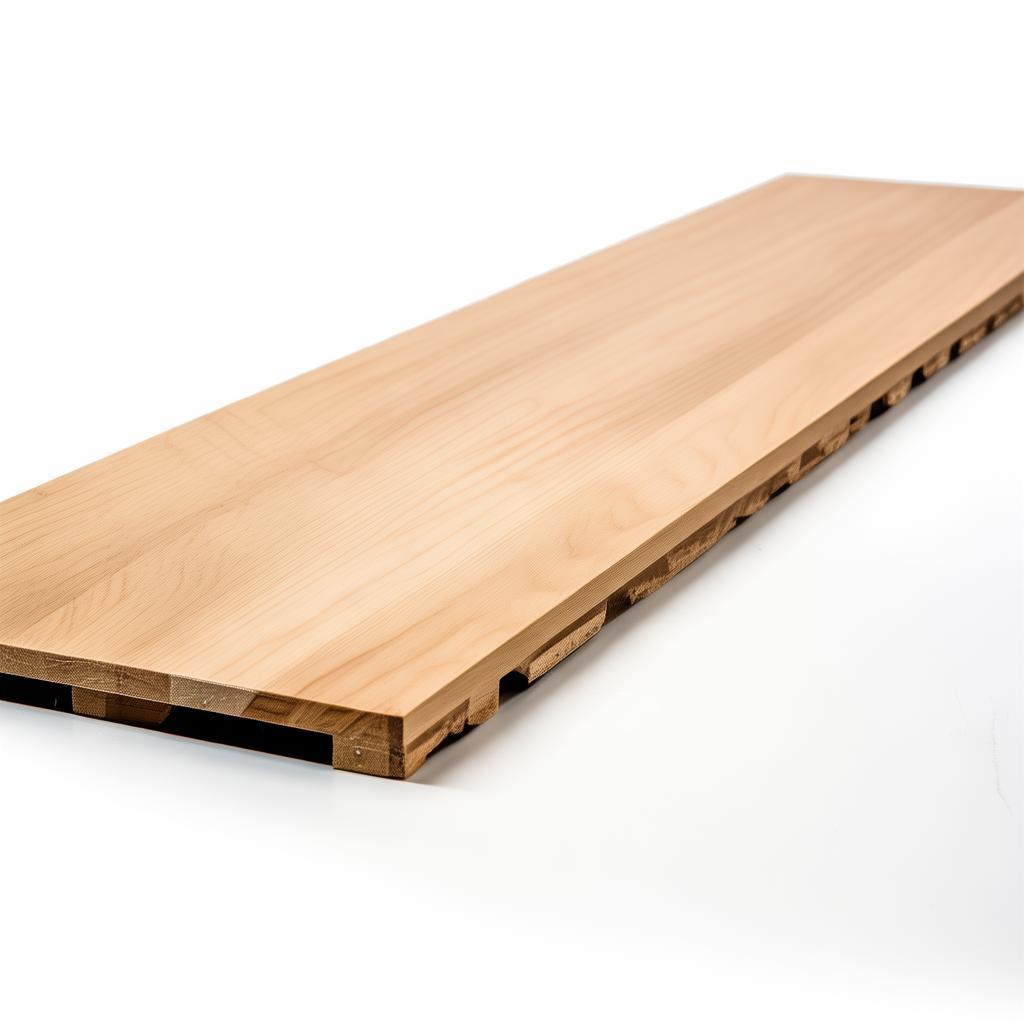
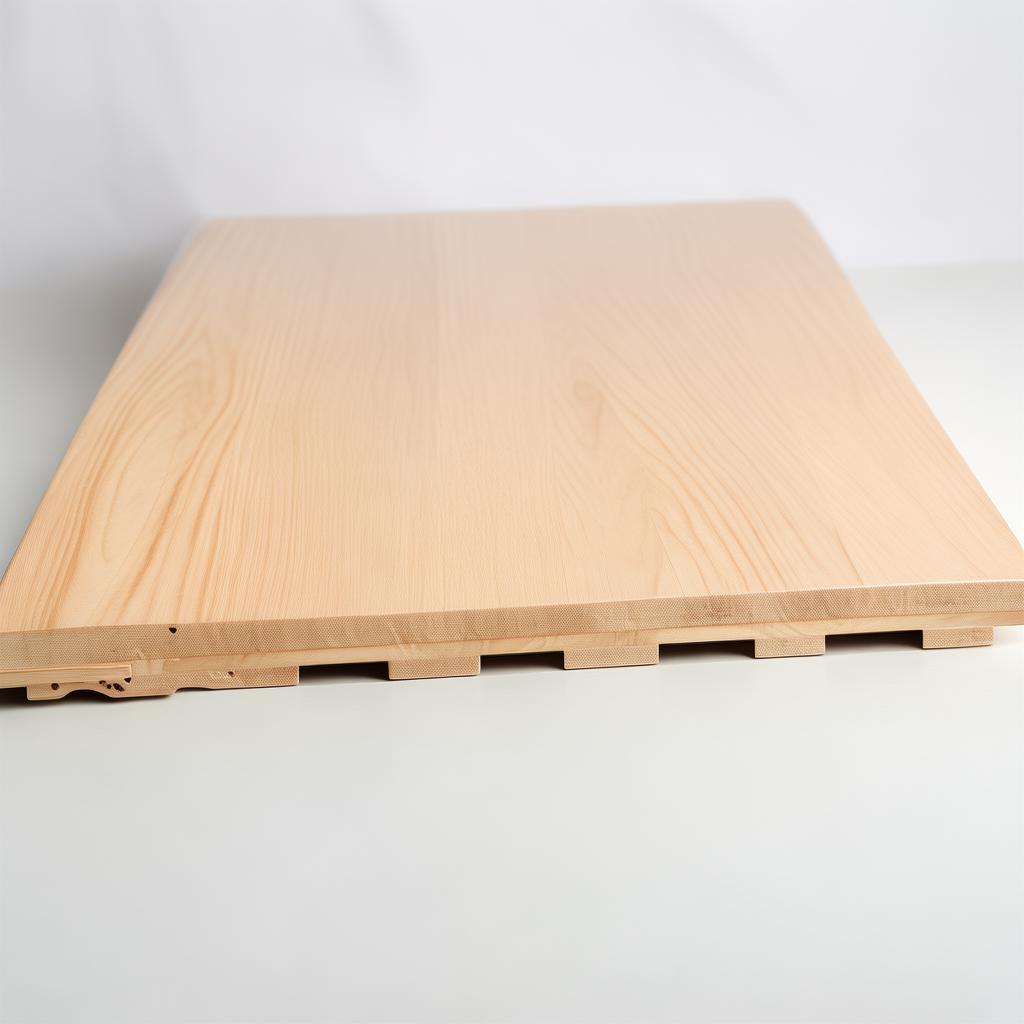
7. Wooden Tracks – A Niche Choice for Indoor Facilities
Wooden tracks are rare but used in high-end indoor training facilities and historic tracks (e.g., Madison Square Garden’s track). They offer excellent elasticity and aesthetics but require strict climate control.
Key Features:
- Force reduction: 40–50% (best for injury prevention).
- Lifespan: 20+ years (indoor only).
- Cost: $30–$50/sq ft.
- Installation: 2–3 weeks (complex subfloor required).
Pros & Cons:
- ✅ Pros: Best shock absorption, premium look.
- ❌ Cons: Expensive, requires climate control, high maintenance.
🔹 Best for: Indoor training facilities, historic tracks, and luxury multi-sport venues.
Technical Deep Dive: How to Compare Running Track Surfaces
Not all types of running track surfaces are created equal. To make the right choice, you need to understand the key performance metrics:
Performance Metrics That Matter
- Force Reduction (FR): Measures shock absorption. World Athletics requires ≥35% for competition tracks.
- Vertical Deformation (VD): How much the surface compresses under impact. Ideal range: 8–11mm.
- Slip Resistance: Measured by dynamic coefficient of friction (DCOF). World Athletics requires ≤0.5.
- Ball Bounce Consistency: Affects timing systems and athlete performance. PU tracks offer the best consistency.
- Colorfastness: How well the surface retains color under UV exposure. PU and hybrid tracks excel here.
Durability & Maintenance Requirements
The lifespan of your track depends on:
- Climate: UV exposure, rain, and temperature swings degrade surfaces faster.
- Usage: High-traffic tracks (e.g., college tracks) wear faster than community tracks.
- Maintenance: PU tracks need annual sweeping and resealing every 5 years. Rubber tracks require daily sweeping and infill top-ups.
Cost Analysis: Which Surface Fits Your Budget?
| Surface | Initial Cost (per sq ft) | Maintenance (5 yrs) | Replacement Cost (5 yrs) | Total 5-Year Cost |
|---|---|---|---|---|
| PU | $25–$45 | $2–$4/sq ft | $0 (no replacement) | $27–$49 |
| Rubber | $10–$18 | $5–$8/sq ft | $10–$15/sq ft | $25–$41 |
| Hybrid | $20–$35 |
You’re about to save thousands—and avoid costly mistakes—by choosing the right running track surface the first time. Whether you're a school district, Olympic training center, or private facility owner, the type of running track
Write your message here and send it to us
|