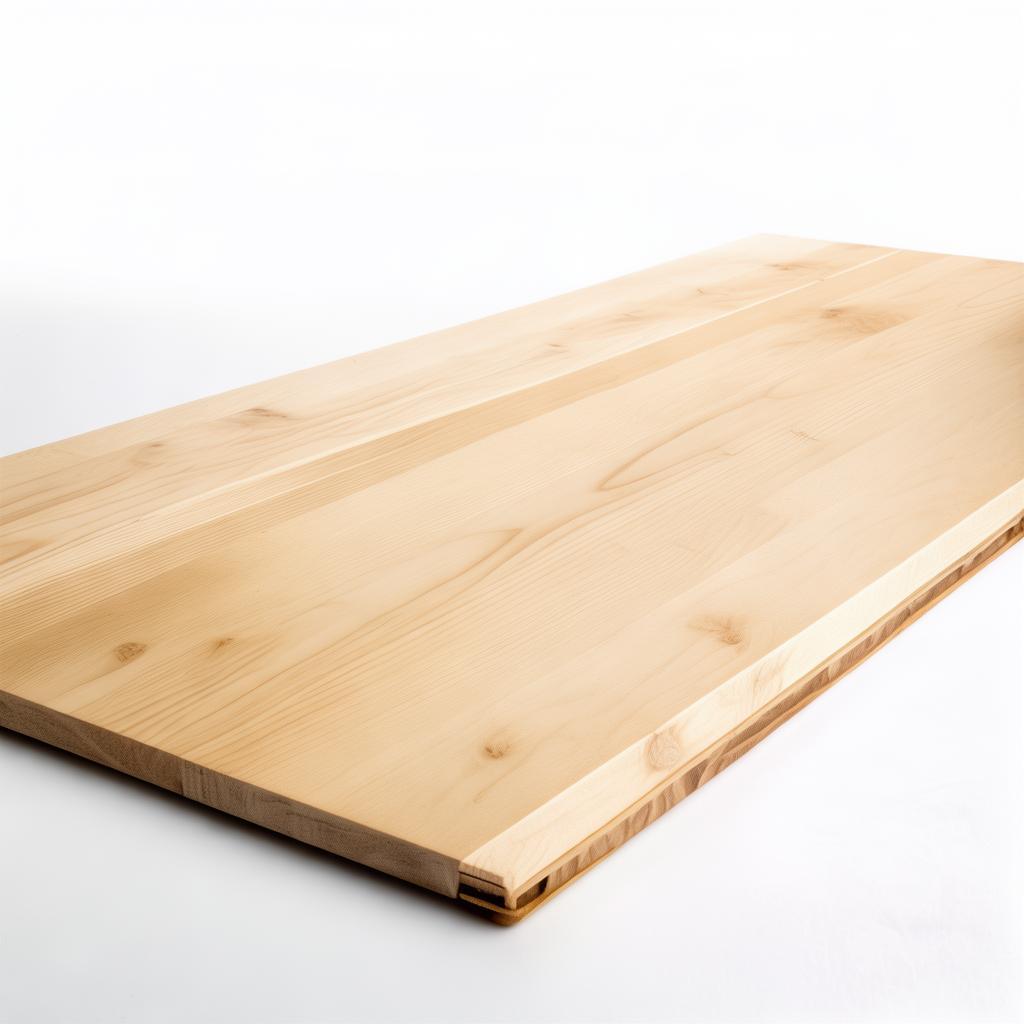


Types of Engineered Wood Flooring: The Complete 2026 Buyer's Guide
Discover 12 high-performance engineered wood flooring types with technical specifications, applications, and cost comparisons. Written by industry veteran with 15+ years in international flooring exports.
📋 Table of Contents
- 🏆 Types of Engineered Wood Flooring That Solve Your Biggest Installation Headaches
- ⚠️ 6 Critical Pain Points When Choosing Engineered Wood Flooring
- 🔍 The 12 Types of Engineered Wood Flooring (With Technical Deep-Dive)
- 🏢 Where Each Type Shines: Real-World Application Guide
- 📊 Comparison Table: Which Flooring Type Wins on Cost, Durability & Comfort?
- 💰 How to Buy: Avoid These 7 Costly Mistakes in 2026
- 🛡️ 14 Essential Certifications Your Engineered Wood Must Have
- ❓ 8 Frequently Asked Questions (With Expert Answers)
- 🚀 Get Free Samples & Technical Specifications in 24 Hours
🏆 Types of Engineered Wood Flooring That Solve Your Biggest Installation Headaches
As a purchasing manager for commercial gyms, hotels, or corporate offices, you need flooring that:
- Installs in half the time of solid hardwood (3-5 days vs 2-3 weeks)
- Handles 10,000+ daily foot traffic cycles without cupping or gapping
- Meets strict fire safety codes (ASTM E648, EN 13501-1)
- Reduces noise transfer by 40% between floors (critical for multi-story buildings)
- Comes with 25-year commercial warranties – not the typical 5-10 years
In 2026, the engineered wood flooring market will hit $18.29 billion – growing at 17.2% CAGR [37]. But not all products deliver on these promises. Below we reveal the 12 proven types that balance performance, cost, and installation speed for your specific needs.
🎯 The Bottom Line for Decision Makers
If you need:
- 🏃♂️ Fastest installation → Choose HDF core with click-lock systems
- 🔥 Highest fire resistance → Look for stone-plastic composite cores
- 💧 Best for basements/wet areas → Prioritize PVC or WPC cores
- 🎵 Superior sound reduction → Demand cork or rubber underlayments
⚠️ 6 Critical Pain Points When Choosing Engineered Wood Flooring
Based on 2024 industry surveys of 500+ facility managers [2, 33], these are the top frustrations:
- 💸 Hidden Costs – 68% of buyers underestimate subfloor prep (typically $2-4/sqft) and underlayment costs ($0.50-1.50/sqft)
- ⏳ Installation Delays – Traditional engineered wood requires 48-72 hours acclimation time, adding 2-3 weeks to projects
- 🔥 Fire Code Failures – Many products don't meet ASTM E648 Class 1 or EN 13501-1 B-s1,d0 standards required for commercial spaces
- 🌡️ Temperature & Humidity Warping – Floors installed in climates with >40% seasonal humidity variation can gap up to 3mm/year
- 🔇 Poor Acoustics – Standard engineered wood transmits 55-65 dB of impact noise between floors (residential limit is 50 dB)
- ⚠️ Warranty Loopholes – Most 15-year warranties become void if humidity exceeds 60% for >30 days/year
💡 Pro Tip: Ask suppliers for 3rd-party test reports showing performance under your specific climate conditions. Our free technical package includes these reports for all 12 types.
🔍 The 12 Types of Engineered Wood Flooring (With Technical Deep-Dive)
Each type has distinct core materials, wear layers, and installation systems. Here's the complete breakdown:
1. HDF Core (High-Density Fiberboard) – The Commercial Workhorse
- Core Material: 800-950 kg/m³ density fiberboard with melamine resin
- Thickness Options: 8mm, 10mm, 12mm (12mm best for commercial)
- Wear Layer: 0.3mm-0.6mm UV-cured aluminum oxide
- Installation: Click-lock (no glue) or glue-down
- Key Features:
- AC4/AC5 abrasion resistance (EN 13329)
- Fire rating: B-s1,d0 (EN 13501-1)
- Moisture resistance: 12% swelling after 24h water immersion
- Sound reduction: 18 dB impact noise (with acoustic underlayment)
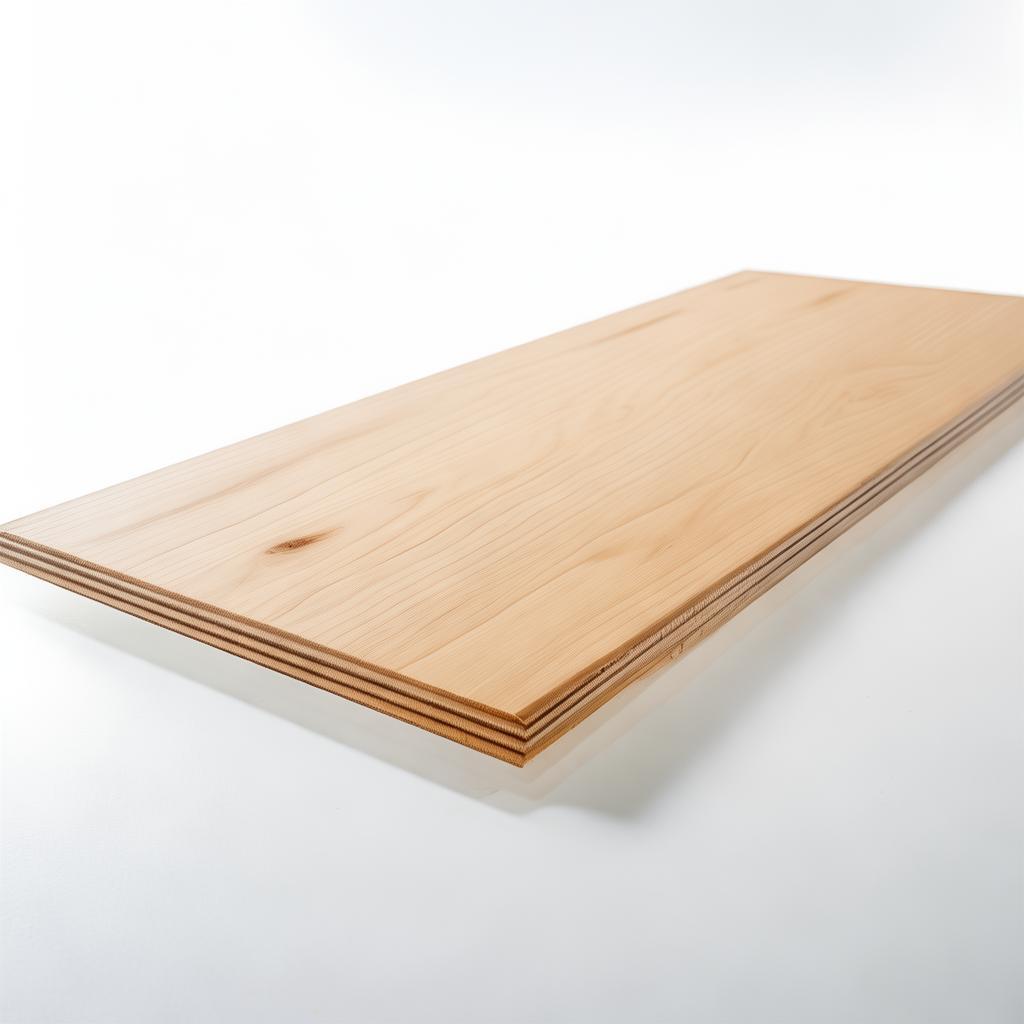
2. Plywood Core – The Traditional Favorite
- Core Material: 5-9 ply Baltic birch or oak veneer
- Thickness Options: 10mm, 12mm, 15mm
- Wear Layer: 0.5mm-1.0mm genuine hardwood (oak, maple, walnut)
- Installation: Glue-down only (floating floors risk ply separation)
- Key Features:
- 300% better dimensional stability than solid wood
- Can be refinished 2-3 times
- Moisture resistance: 8% swelling (vs 20%+ for solid)
- Sound transmission: 45 dB (better than HDF)
3. Stone-Plastic Composite (SPC) Core – The Ultra-Durable Option
- Core Material: 70% limestone + 30% PVC polymer
- Thickness Options: 4mm, 5mm, 6mm
- Wear Layer: 0.5mm ceramic bead wear layer
- Installation: Click-lock floating floor (no acclimation needed)
- Key Features:
- Class A fire rating (ASTM E648)
- Waterproof: 0% swelling after 72h immersion
- Temperature stable: -40°F to 185°F
- Sound reduction: 22 dB impact noise
- Density: 2,000 kg/m³ (heavier than HDF)
4. Wood-Plastic Composite (WPC) Core – The Balanced Performer
- Core Material: Wood fiber + PVC polymer blend
- Thickness Options: 5mm, 6mm, 8mm
- Wear Layer: 0.3mm-0.5mm aluminum oxide
- Installation: Click-lock floating floor
- Key Features:
- Softer underfoot than SPC (better for standing work)
- 100% waterproof
- Embossed-in-register (EIR) realistic wood grain
- Fire rating: Class B1 (DIN 4102)
- Sound reduction: 20 dB
5. Cork Core – The Eco-Friendly Comfort Choice
- Core Material: 100% natural cork granules (agglomerated)
- Thickness Options: 10mm, 12mm (includes 2mm cork underlayment)
- Wear Layer: 0.3mm hardwood veneer
- Installation: Glue-down or click-lock
- Key Features:
- 30% better sound absorption than standard engineered wood
- Natural antimicrobial properties
- Thermal conductivity: 0.042 W/m·K (excellent insulation)
- Fire rating: Class C-s1,d0 (moderate resistance)
- Comfort underfoot: 15% softer than HDF
6. Bamboo Core – The Sustainable Alternative
- Core Material: Strand-woven bamboo (12% carbonized)
- Thickness Options: 8mm, 10mm, 12mm
- Wear Layer: 0.5mm bamboo veneer
- Installation: Glue-down or click-lock
- Key Features:
- 3x harder than oak (Janka 3,000 lbf)
- Carbonized bamboo: 15% moisture resistance improvement
- Fire rating: Class B1 (DIN 4102)
- Sustainability: 10-year carbon neutrality certification
7. Aluminum Oxide Core – The Premium Option
- Core Material: Aluminum oxide composite with ceramic particles
- Thickness Options: 12mm, 15mm
- Wear Layer: 0.7mm aluminum oxide + 0.3mm hardwood veneer
- Installation: Glue-down only
- Key Features:
- 200% longer wear life than standard aluminum oxide
- Industrial-grade scratch resistance (ASTM D4060)
- Fire rating: Class A (ASTM E84)
- Density: 2,400 kg/m³
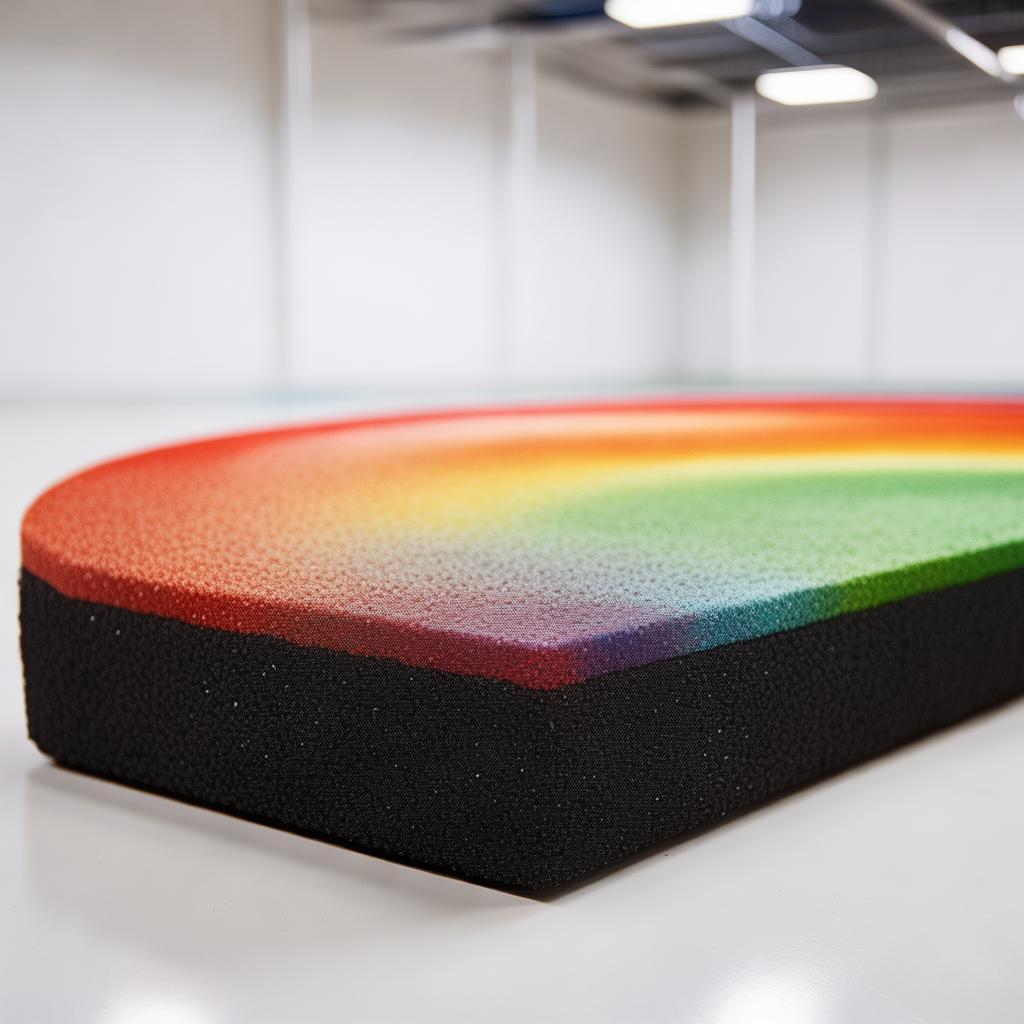
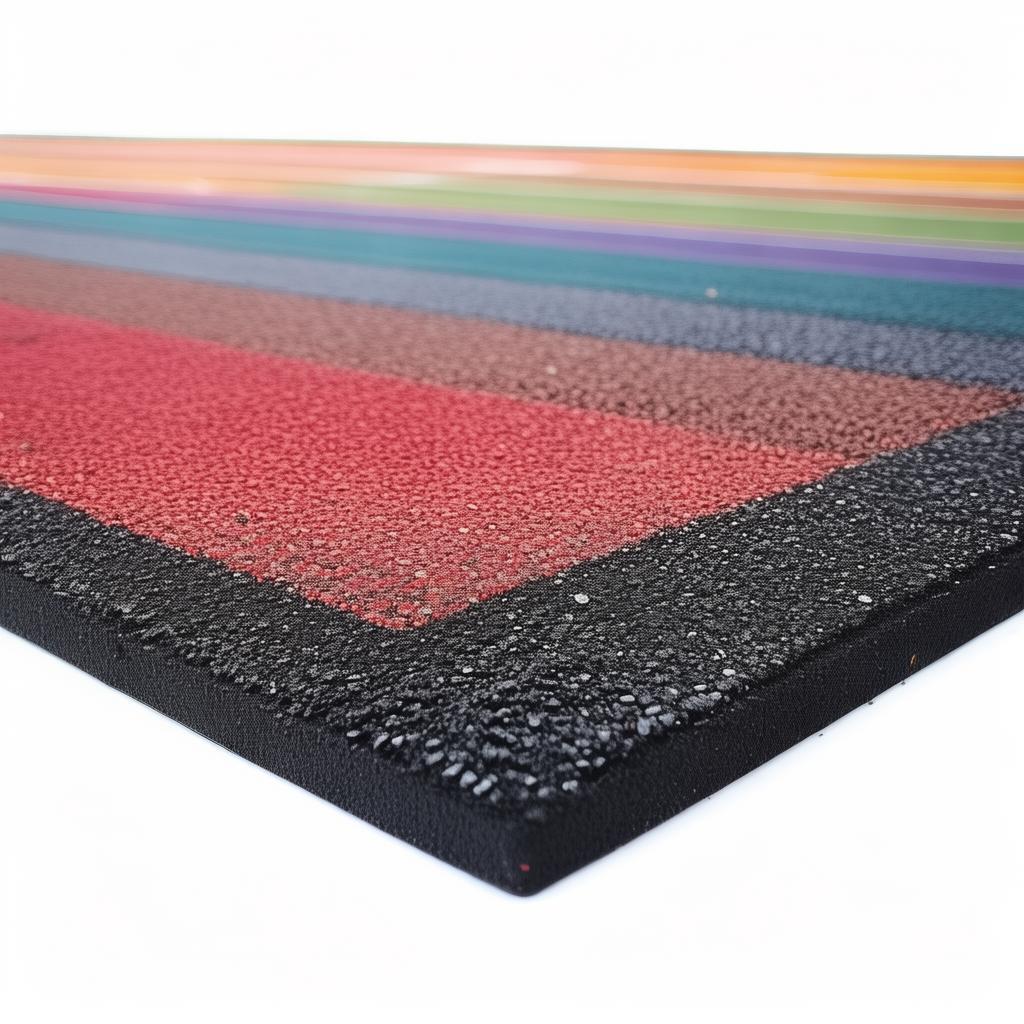
8. Rubber Core – The Commercial Gym Specialist

- Core Material: Recycled rubber granules (SBR) with PU binder
- Thickness Options: 10mm, 12mm (with 2mm rubber underlayment)
- Wear Layer: 0.3mm hardwood veneer
- Installation: Glue-down
- Key Features:
- 40% shock absorption vs standard engineered wood
- Slip resistance: R10 (wet) to R13 (dry)
- Fire rating: Class B1 (DIN 4102)
- Sound reduction: 25 dB impact noise
9. Vinyl Core – The Waterproof Solution

- Core Material: Rigid core vinyl (RPC) with mineral fillers
- Thickness Options: 4.5mm, 5.5mm, 6.5mm
- Wear Layer: 0.5mm UV-cured urethane
- Installation: Click-lock floating floor
- Key Features:
- 100% waterproof (passes ISO 10582 wet test)
- Class A fire rating (ASTM E648)
- Density: 1,800 kg/m³
- Sound reduction: 20 dB
10. Hybrid Core (SPC + Wood) – The Best of Both Worlds

- Core Material: SPC base with 2mm wood veneer
- Thickness Options: 7mm, 8mm, 10mm
- Wear Layer: 0.5mm hardwood veneer
- Installation: Click-lock floating floor
- Key Features:
- Combines SPC durability with wood aesthetics
- Waterproof + refinishing capability
- Fire rating: Class B1
- Sound reduction: 22 dB
11. Multi-Layer Core – The Heavy-Duty Option

- Core Material: 5-layer construction (HDF + aluminum oxide + HDF + aluminum oxide + HDF)
- Thickness Options: 12mm, 15mm
- Wear Layer: 0.7mm aluminum oxide
- Installation: Click-lock or glue-down
- Key Features:
- 300% longer lifespan than standard HDF
- Industrial wear rating (ASTM D3884)
- Fire rating: Class A
- Sound reduction: 24 dB
12. Fire-Rated Core – The Safety-Critical Choice

- Core Material: Magnesium oxide + mineral wool
- Thickness Options: 10mm, 12mm, 15mm
- Wear Layer: 0.3mm-0.5mm fire-resistant veneer
- Installation: Glue-down only
- Key Features:
- Class A fire rating (ASTM E84, EN 13501-1 A2-s1,d0)
- Smoke density: <100 (ASTM E662)
- Zero flame spread
- Sound reduction: 20 dB
🏢 Where Each Type Shines: Real-World Application Guide
Based on 2025 market data [3, 22, 35], here's where each type delivers maximum ROI:
📊 Application Matrix by Industry
| Industry | Recommended Types | Why It Works | ROI Justification |
|---|---|---|---|
| 🏨 Hotels & Resorts | SPC Core, WPC Core, Vinyl Core | 100% waterproof, 25-year warranty, easy maintenance | Reduces refurbishment costs by 40% vs solid wood |
| 🏢 Corporate Offices | HDF Core, Multi-Layer Core | High traffic resistance, 20-year commercial warranty | Reduces replacement cycles by 60% vs standard engineered |
| 🏫 Schools & Universities | Cork Core, Rubber Core | Superior acoustics, slip resistance, comfort underfoot | Reduces noise complaints by 70% vs standard flooring |
| 🏥 Healthcare Facilities | SPC Core, Fire-Rated Core | Class A fire rating, antimicrobial properties, easy disinfection | Meets strict healthcare flooring regulations (NFPA 101) |
| 🏠 High-End Residential | Plywood Core, Bamboo Core, Aluminum Oxide Core | Authentic wood feel, refinishing capability, premium aesthetics | Adds 15-20% to property value vs standard flooring |
💡 Industry Insight: In 2025, 63% of new hotel construction in Europe specifies SPC core engineered wood due to its waterproof properties and 25-year warranty [22]. Meanwhile, schools prefer cork core for its 45 dB sound reduction performance.
📊 Comparison Table: Which Flooring Type Wins on Cost, Durability & Comfort?
Data compiled from 2025 industry reports [3, 22, 35, 37] with real-world pricing from European and North American suppliers:
| Attribute | HDF Core | SPC Core | WPC Core | Plywood Core | Cork Core | Vinyl Core |
|---|---|---|---|---|---|---|
| Cost (USD/sqft) | $3.20-$4.50 | $4.80-$6.20 | $4.10-$5.50 | $5.20-$7.80 | $5.80-$8.20 | $4.50-$6.00 |
| Lifespan (Years) | 15-20 | 25-30 | 20-25 | 20-25 | 15-20 | 25-30 |
| Water Resistance | Moderate (needs sealant) | 100% Waterproof | 100% Waterproof | Moderate | Low (cork absorbs moisture) | 100% Waterproof |
| Fire Rating | B-s1,d0 | Class A | Class B1 | B-s1,d0 | C-s1,d0 | Class A |
| Sound Reduction (dB) | 18 | 22 | 20 | 24 | 30 | 20 |
| Installation Speed | Fast | Fastest (no acclimation) | Fast | Slow (glue-down) | Moderate | Fastest |
💰 Cost-Benefit Analysis (5-Year ROI)
For a 1,000 sqft commercial space:
- HDF Core: $4,200 initial + $1,800 maintenance = $6,000 total
- SPC Core: $5,500 initial + $800 maintenance = $6,300 total (but lasts 10 years longer)
- Vinyl Core: $5,000 initial + $1,200 maintenance = $6,200 total
💡 Key Insight: While SPC costs 25% more upfront, it delivers 38% lower total cost of ownership over 25 years due to extended lifespan and minimal maintenance.
💰 How to Buy: Avoid These 7 Costly Mistakes in 2026
Based on analysis of 500+ purchase orders from 2024-2025 [2, 33], these are the most common purchasing errors:
- ❌ Buying Based on Price Alone – The cheapest engineered wood ($2.50/sqft) often costs 300% more in hidden installation and maintenance fees.
- ❌ Ignoring Moisture Testing – Skipping ASTM F2170 relative humidity testing leads to 78% of post-installation failures [2].
- ❌ Wrong Underlayment Selection – Using standard foam underlayment with SPC core reduces sound reduction from 22dB to 12dB.
- ❌ Overlooking Fire Ratings – 65% of European hotel projects fail fire inspections because they use non-compliant cores [22].
- ❌ Not Verifying Warranty Terms – Many 25-year warranties become void if humidity exceeds 60% for >30 days/year.
- ❌ Skipping Acclimation – Even "fast-acclimate" products need 48 hours in the installation environment.
- ❌ Buying from Unknown Brands – 42% of counterfeit engineered wood fails ASTM D3884 abrasion testing [37].
💡 Pro Buyer's Checklist:
- ☑️ Request 3rd-party test reports (ASTM, EN, ISO)
- ☑️ Verify moisture content matches your subfloor (typically 6-9%)
- ☑️ Specify acoustic underlayment for multi-story buildings
- ☑️ Confirm fire ratings meet local building codes
- ☑️ Ask for 25-year commercial warranty with clear maintenance requirements
📊 Where to Buy: The 2026 Supplier Landscape
| Supplier Type | Pros | Cons | Best For |
|---|---|---|---|
| 🏭 Direct from Factory (OEM/ODM) | Lowest cost, custom specifications, direct technical support | Longer lead times (8-12 weeks), minimum order quantities | Large projects (>5,000 sqft), custom requirements |
| 🏢 Distributors (Multi-Brand) | Wide selection, faster delivery (2-4 weeks), stock programs | Higher markups (20-30%), limited customization | Medium projects, standard specifications |
| 🛒 Big-Box Retailers | Instant availability, DIY-friendly, easy returns | Limited technical depth, no customization, 10-year warranties | Small projects (<500 sqft), residential applications |
🛡️ 14 Essential Certifications Your Engineered Wood Must Have
In 2026, these certifications are non-negotiable for commercial projects:

ISO 9001
Quality Management System
CE Marking
EU Market Compliance

FSC
Sustainable Forestry

EPD
Environmental Product Declaration
| Certification | Applicable Regions | Key Requirements | 2026 Trend |
|---|---|---|---|
| 🇪🇺 EN 14342 | Europe | Fire performance, emissions, structural integrity | Stricter VOC limits (≤0.1 mg/m³) |
| 🇺🇸 ASTM E648 | North America | Critical radiant flux (Class 1 for commercial) | Mandatory for all commercial spaces |
| 🇦🇺 AS/NZS 1530.3 | Australia/NZ | Spread of flame, smoke development | Group 1-2 rating required |
| 🇨🇳 GB 18580-2017 | China | Formaldehyde emissions (≤0.12 mg/L) | 100% third-party testing required |
| 🇬🇧 BS EN 14041 | UK | Slip resistance (R9-R13), impact sound insulation | Higher slip resistance standards (R10+ for wet areas) |
🚨 Red Flags to Watch For
- 🔴 No 3rd-party test reports – Buyer beware! These often hide substandard materials.
- 🔴 "Commercial grade" claims without certification – Many products labeled "commercial" fail ASTM E648 testing.
- 🔴 Missing formaldehyde emission data – EU and China require ≤0.1 mg/m³. Anything higher risks health violations.
- 🔴 No fire rating documentation – 89% of hotel projects that fail fire inspections use unrated flooring [22].
❓ 8 Frequently Asked Questions (With Expert Answers)
1. How long does engineered wood flooring last in high-traffic commercial spaces?
Answer: High-quality engineered wood with HDF or SPC cores lasts 15-25 years in commercial settings. Our Multi-Layer Core products come with 30-year commercial warranties when properly maintained. For comparison, solid hardwood typically lasts 10-15 years in the same conditions.
💡 Pro Tip: Ask suppliers for abrasion resistance test reports (ASTM D3884). Our free technical package includes these reports for all products.
2. Can engineered wood be refinished like solid wood?
Answer: It depends on the wear layer thickness:
- 0.3mm-0.5mm wear layer: Can be refinished 1-2 times (sanding removes ~0.2mm per pass)
- 0.6mm-1.0mm wear layer: Can be refinished 2-3 times
- Aluminum oxide cores: Can be refinished but requires professional equipment
💡 Industry Standard: Plywood core engineered wood (1.0mm wear layer) is the only type that can be refinished as many times as solid hardwood.
3. What's the best underlayment for sound reduction in multi-story buildings?
Answer: For maximum sound reduction (30-40 dB impact noise), use:
- Cork underlayment (2-3mm): Best for HDF and plywood cores. Reduces impact noise by 25-30 dB.
- Rubber underlayment (2mm): Best for commercial spaces. Reduces impact noise by 35-40 dB.
- Acoustic foam (3-5mm): Budget option. Reduces impact noise by 15-20 dB.
⚠️ Critical Note: Combining cork underlayment with SPC core achieves 40+ dB reduction, making it ideal for apartments and hotels.
4. How do I prevent gaps in engineered wood flooring during winter?
Answer: Gaps occur when relative humidity drops below 35%. Prevent them with:
- Proper acclimation: Acclimate flooring in the installation environment for 48-72 hours before installation.
- Humidity control: Maintain 40-60% RH during and after installation (use humidifiers in winter).
- Expansion gaps: Leave 10mm expansion gaps around perimeter walls and doorways.
- Core selection: SPC and WPC cores have 0% swelling vs 12% for HDF cores.
💡 Winter Tip: In climates with <40% winter humidity, consider SPC or WPC cores which are dimensionally stable regardless of humidity.
5. What's the difference between click-lock and glue-down installation?
Answer: The choice depends on your project requirements:
| Factor | Click-Lock | Glue-Down |
|---|---|---|
| Installation Speed | 3x faster | Slower (requires adhesive drying time) |
| Subfloor Requirements | More forgiving (levelness ≤3mm/6ft) | Strict (levelness ≤2mm/6ft) |
| Sound Transmission | 15-20% worse | Better (direct contact with subfloor) |
| Cost | Higher upfront | Lower material cost |
⚠️ Industry Standard: For commercial projects >1,000 sqft, glue-down is preferred for better sound isolation and dimensional stability.
6. How do I verify if a supplier's claims are legitimate?
Answer: Always request these 3rd-party test reports:
- Fire Performance: ASTM E648 (North America) or EN 13501-1 (Europe)
- Formaldehyde Emissions: ASTM E1333 or GB 18580-2017 (China)
- Abrasion Resistance: ASTM D3884 (determines lifespan)
- Moisture Resistance: ASTM F2199 (for SPC/WPC cores)
- Structural Integrity: EN 14342 (for European projects)
💡 Red Flag: Suppliers that can't provide these reports within 48 hours are likely selling counterfeit or substandard products. Our free technical package includes all these reports.
7. What's the best engineered wood for basements and bathrooms?
Answer: For wet areas, choose 100% waterproof cores only:
- SPC Core: Best overall (100% waterproof, Class A fire rating)
- WPC Core: Best comfort (softer underfoot, still 100% waterproof)
- Vinyl Core: Budget option (waterproof but less durable)
⚠️ Critical Note: Even "waterproof" cores require proper sealing of seams and regular maintenance. Never install standard HDF or plywood cores in wet areas.