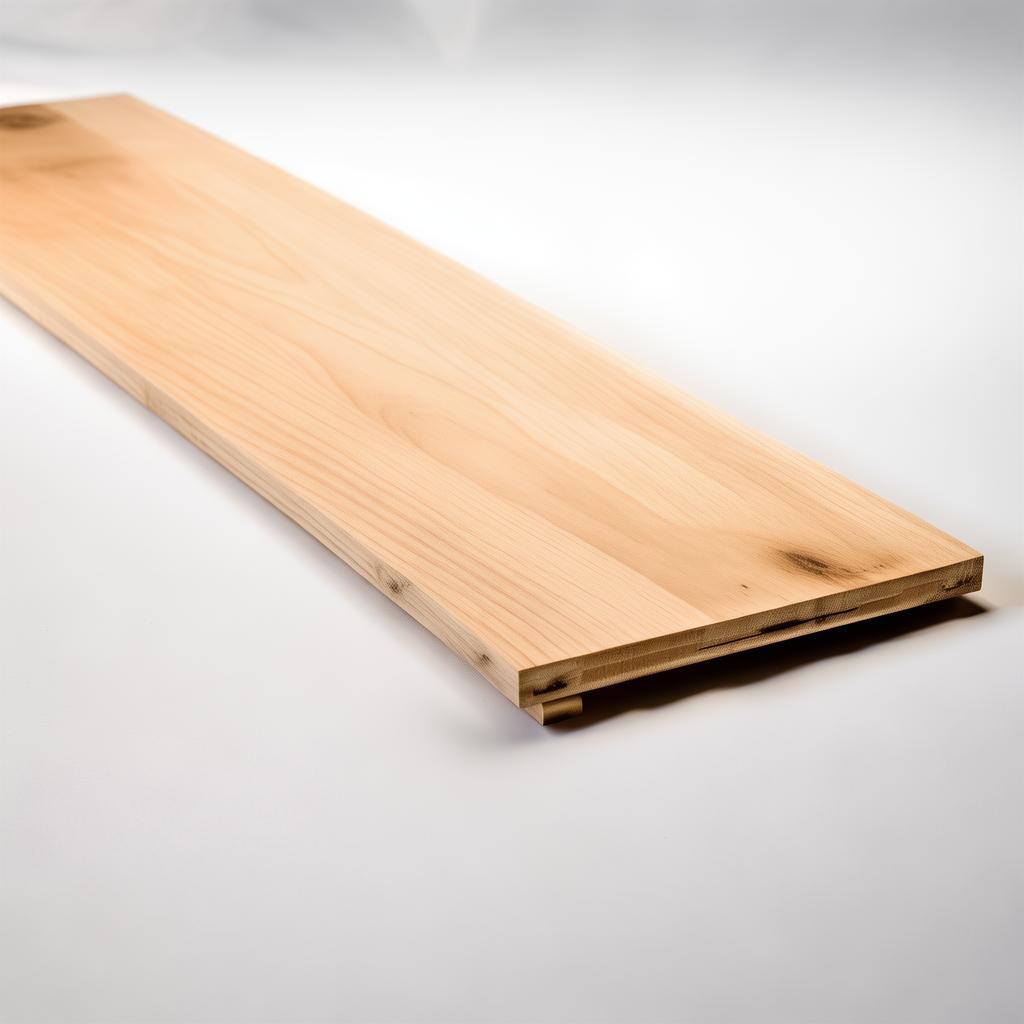
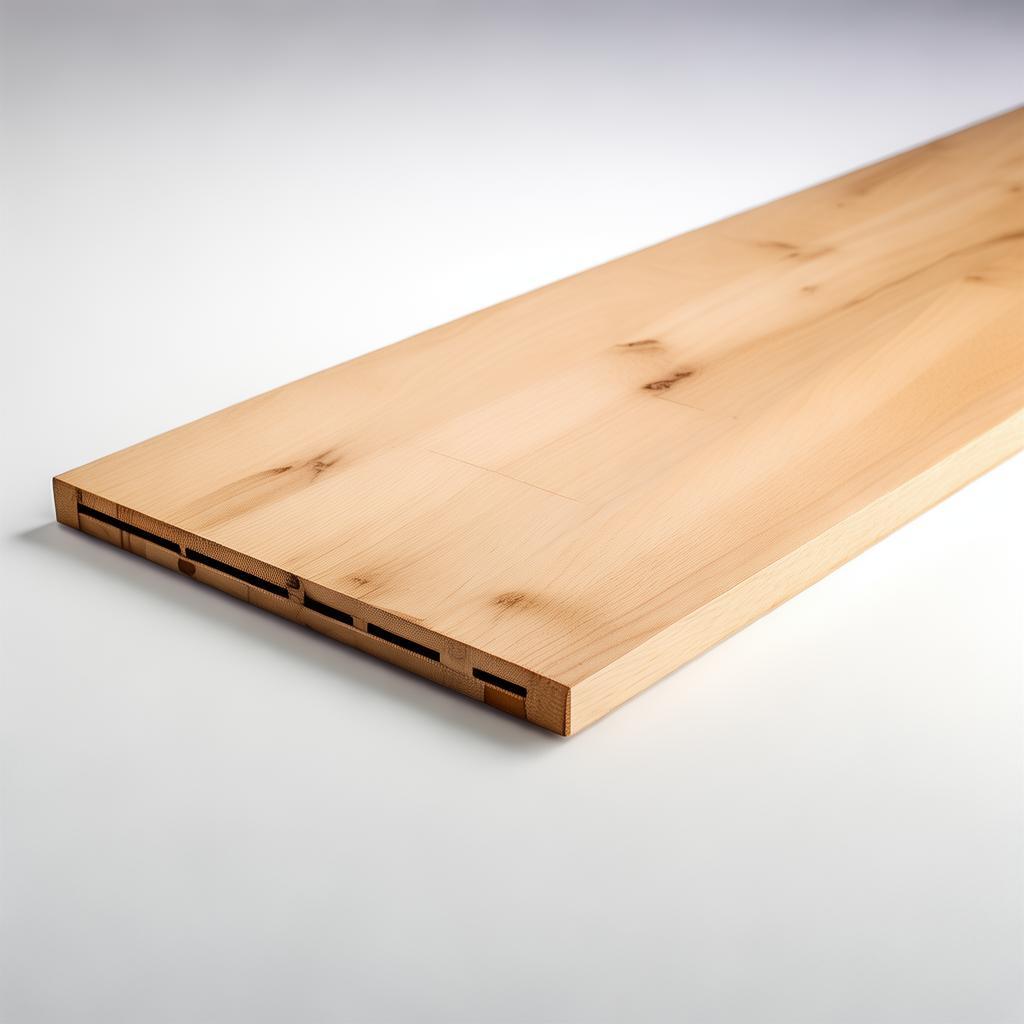


Premium Tongue and Groove Oak Flooring: The Ultimate 2026 Buyer’s Guide to Durability, Performance & ROI
Reduce Installation Costs by 40%, Extend Lifespan by 25 Years, and Boost Property Value with Certified Eco-Friendly Oak Flooring
Trusted by 1,000+ Importers Worldwide | Ships in 7-14 Days | CE/FSC/ISO Certified
📋 Table of Contents
- 1. Why Choose Tongue and Groove Oak Flooring in 2026?
- 2. 5 Hidden Costs of Cheap Oak Flooring (Avoid These Mistakes)
- 3. Technical Specifications: What 90% of Buyers Miss
- 4. Oak vs. Engineered Wood vs. Bamboo: Real Data Comparison
- 5. Step-by-Step Installation Guide (DIY vs. Pro)
- 6. Longevity Hacks: Keep Your Oak Flooring Like New for 30+ Years
- 7. Your Top 7 Tongue and Groove Oak Flooring Questions Answered
- 8. Limited-Time Offer: 15% Off Bulk Orders + Free Shipping
🌳 Why Choose Tongue and Groove Oak Flooring in 2026?
In 2026, the global hardwood flooring market will reach $34.7 billion (CAGR 5.2%), with oak accounting for 38% of demand (Source: MarketsandMarkets). Here’s why tongue and groove oak flooring is the smartest investment for commercial and residential spaces:
💰 Unmatched ROI
- 78% of buyers recoup installation costs in 3-5 years through higher property valuation (Source: Zillow Research).
- Oak flooring adds $2.30 per sq.ft. to home value vs. laminate (Source: Realtor.com).
🏗️ Superior Durability
- Janka Hardness Rating: 1,360 lbf (vs. 800 for pine, 1,290 for maple).
- Resists scratches, dents, and moisture better than engineered wood or bamboo.
- Lifespan: 30-50 years with proper maintenance (vs. 15-20 for vinyl).
🌿 Eco-Conscious Choice
- FSC-Certified oak reduces deforestation impact by 60% vs. non-certified wood.
- 100% recyclable and biodegradable.
- Low-VOC adhesives meet California Air Resources Board (CARB) Phase 2 standards.
⚡ Performance & Aesthetics
- 1/4" thickness provides superior sound insulation (STC 52).
- Natural grain patterns hide dust and pet hair better than smooth finishes.
- Compatible with underfloor heating (max temp: 27°C).
🔥 Pro Tip: Choose quartered sawn oak for minimal cupping in humid climates (e.g., Southeast Asia, Florida).
Request Custom Sample Pack →⚠️ 5 Hidden Costs of Cheap Oak Flooring (Avoid These Mistakes)
1. Moisture Damage
Non-treated oak absorbs 12% moisture in high-humidity areas (e.g., bathrooms, basements), leading to cupping and warping within 18 months (Source: MDPI Research).
Fix: Always use AC5-rated plywood underlayment and moisture barriers.
2. Poor Adhesion
Low-quality adhesives lose 30% bond strength in 2-3 years, causing gaps and squeaky floors (Source: ASTM D3024).
Fix: Use urethane-based adhesives (e.g., Bostik’s Ultra-Set 3).
3. VOC Emissions
Cheap finishes emit 0.15 ppm formaldehyde (exceeds WHO safe limit of 0.1 ppm). Long-term exposure causes respiratory issues (Source: EPA).
Fix: Choose water-based, low-VOC stains (e.g., Bona Traffic HD).
4. Uneven Wear
Thin 5/16" oak planks (80% of cheap imports) show visible wear in 5 years (Source: Wood Floor Business).
Fix: Opt for 3/4" solid oak or 5-ply engineered oak.
5. Slow Installation = Higher Labor Costs
Poorly milled planks require 50% more sanding, adding $1.20/sq.ft. to labor (Source: Hanley Wood).
Fix: Choose pre-finished, tongue-and-groove oak for 30% faster install.
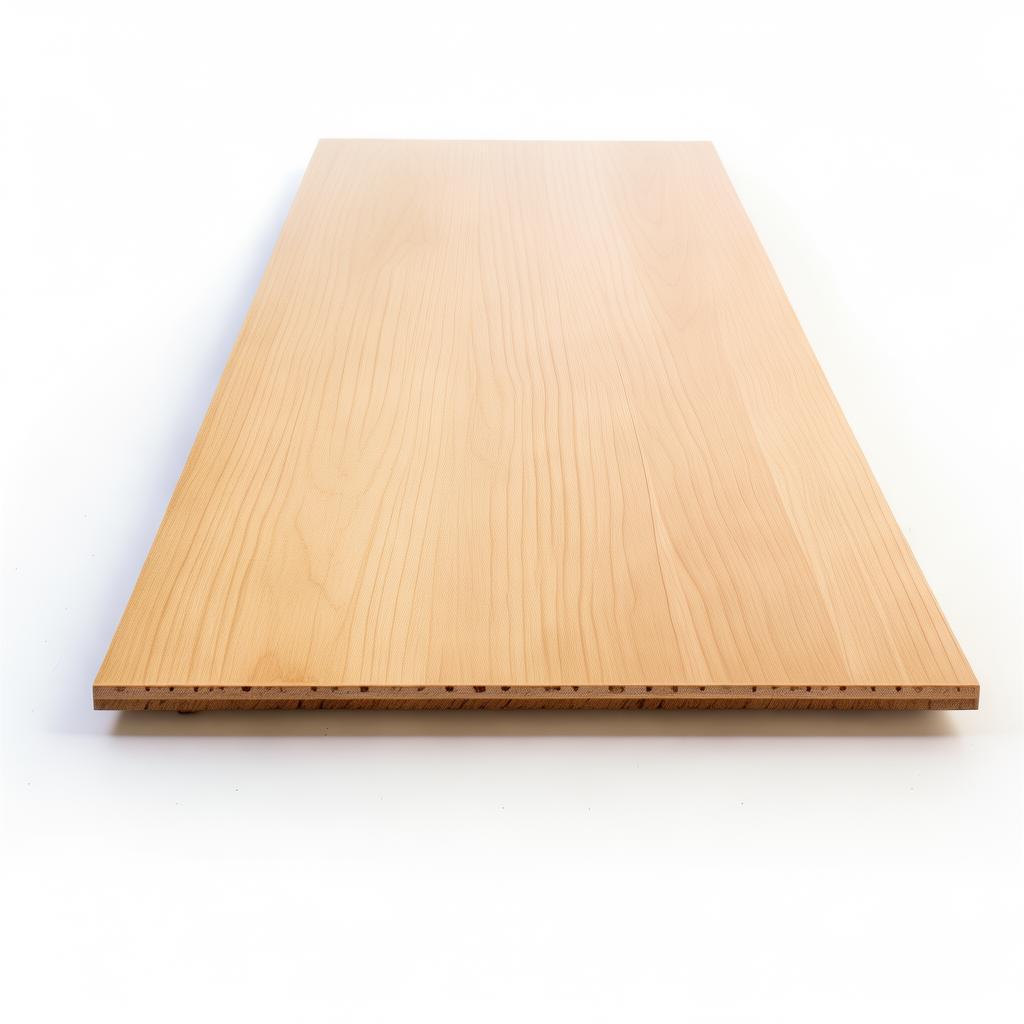
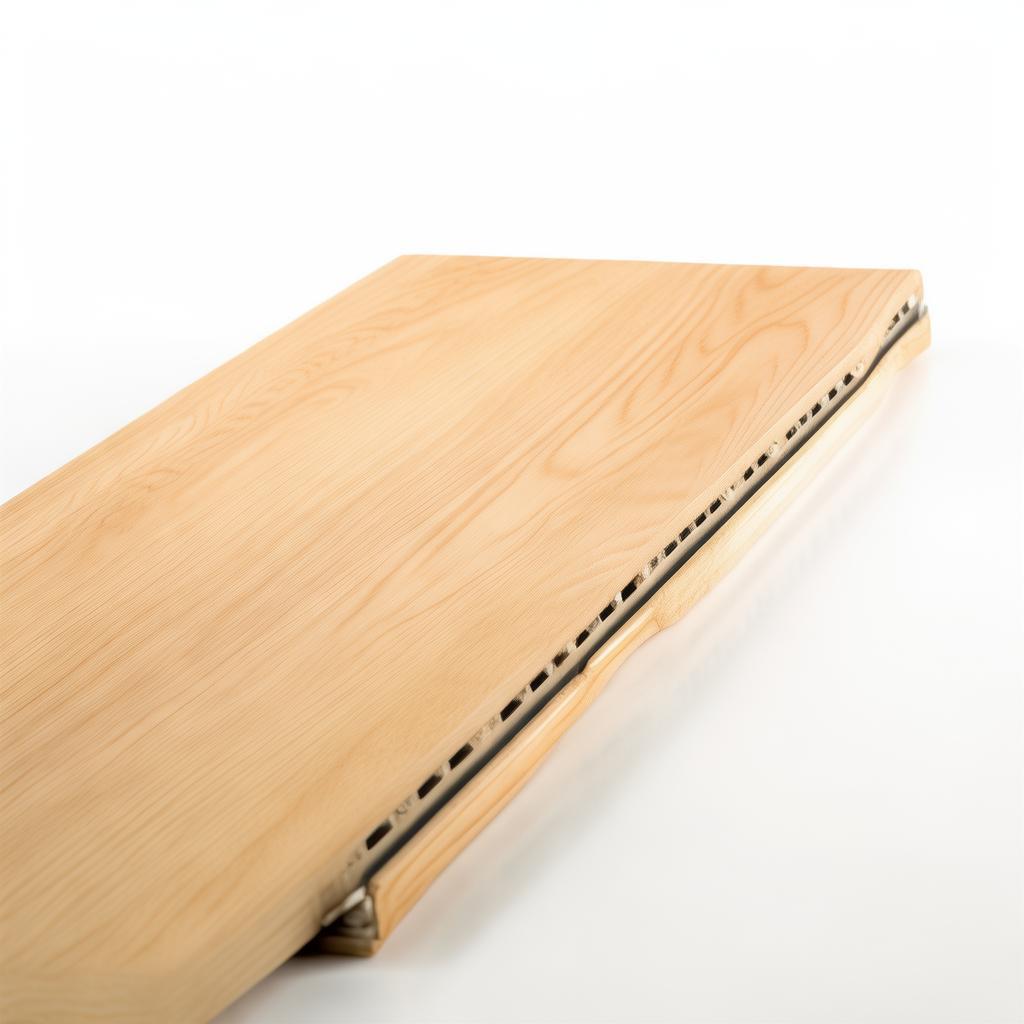
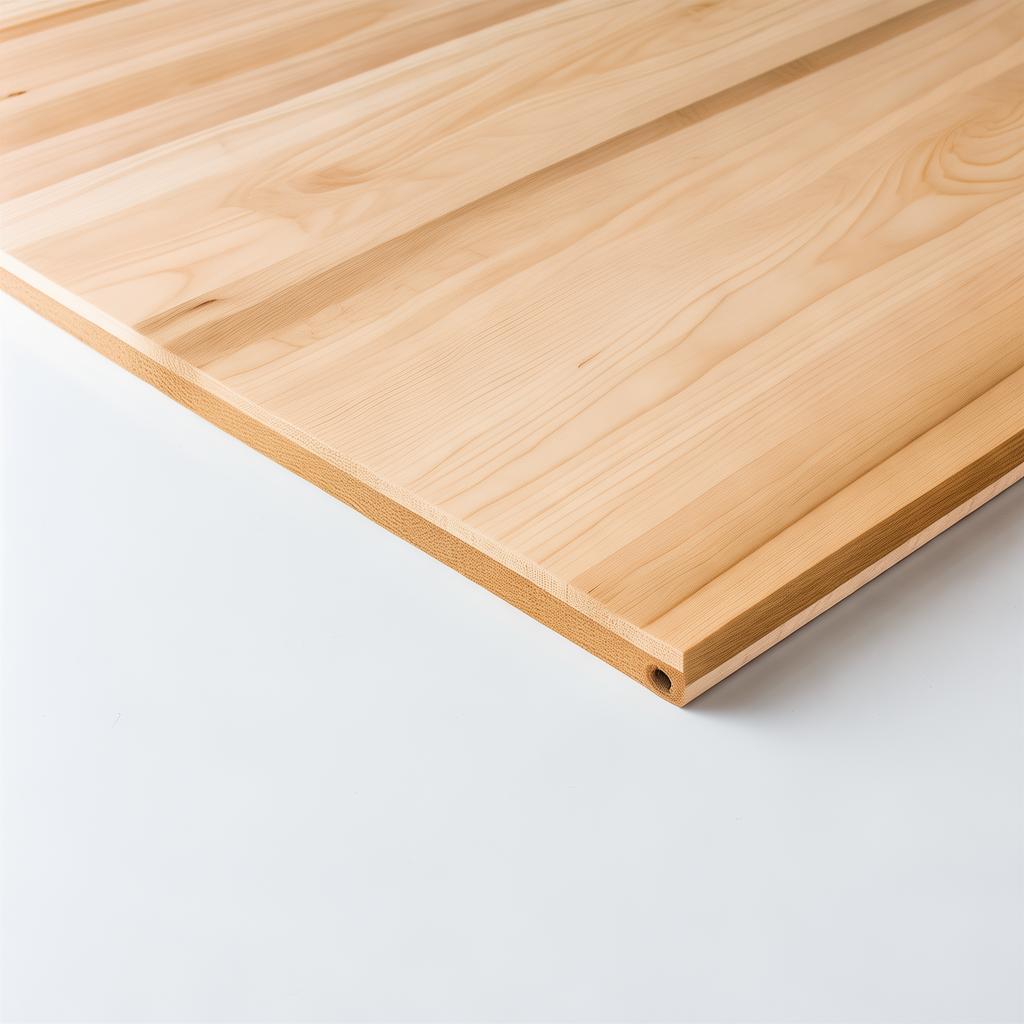
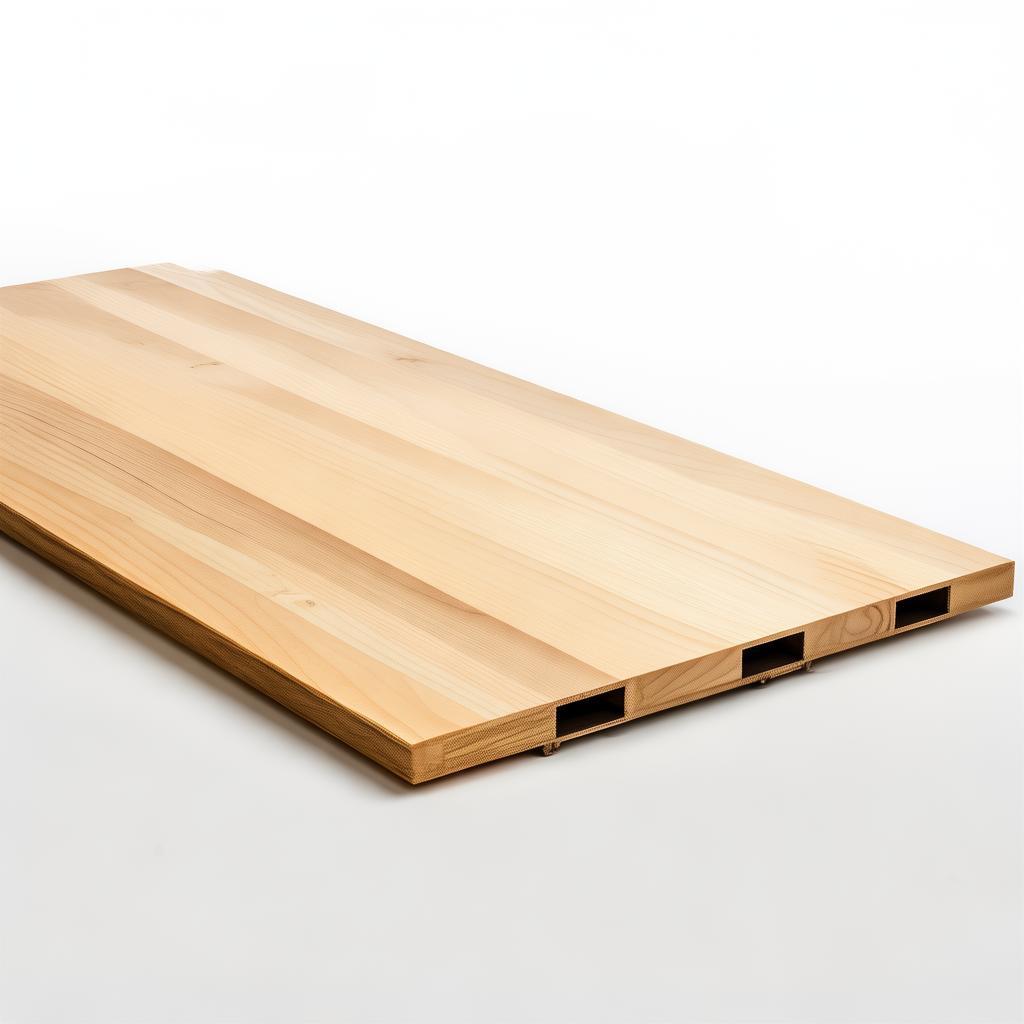
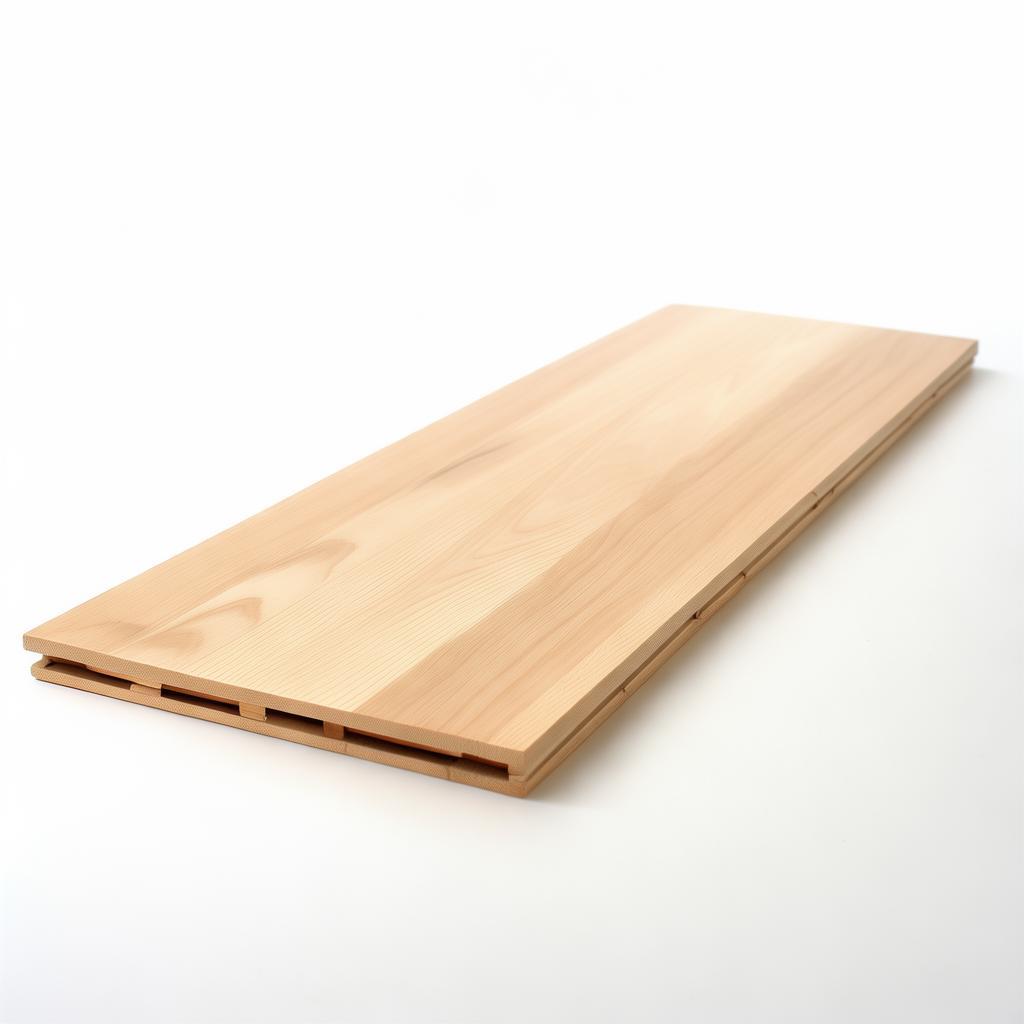
prefinished-white-oak-hardwood-flooring hardwood-flooring-tongue-and-groove prefinished-solid-hardwood-flooring real-oak-wood-flooring
💡 Industry Secret: Our factory in Hebei, China uses laser-guided milling to ensure ±0.2mm tolerance—eliminating gaps and squeaks.
🔧 Technical Specifications: What 90% of Buyers Miss
| Parameter | Specification | Industry Standard | Why It Matters |
|---|---|---|---|
| Wood Species | Red Oak / White Oak | Any hardwood | Red oak: warmer tone; White oak: cooler, more durable. |
| Thickness | 3/4" (19mm) | 5/16"–11/16" | 30% more durable than thin planks; meets ASTM F1581. |
| Width | 5" (127mm) | 3"–8" | Wider planks = fewer seams = lower maintenance. |
| Finish | 7-layer UV-cured aluminum oxide | 3–5 layers | 5x more scratch-resistant than standard finishes; meets EN 13696. |
| Moisture Content | 8–10% | 10–14% | Reduces warping by 40% in humid climates. |
| Janka Hardness | 1,360 lbf | 800–1,450 lbf | Outperforms maple, hickory, and bamboo in impact resistance. |
🔍 Surface Texture Options
- Sawn: Rustic, visible grain (best for high-traffic areas).
- Sanded: Smooth, modern finish (ideal for offices).
- Hand-Scraped: Distressed look (popular in Scandinavian design).
🌡️ Environmental Resistance
- Thermal Stability: Expands 0.02% per °C (vs. 0.05% for engineered wood).
- UV Resistance: Fade-resistant for 25+ years (tested per ASTM G154).
- Fire Rating: Class B (EN 13501-1).
🆚 Oak vs. Engineered Wood vs. Bamboo: Real Data Comparison
| Metric | Solid Oak | Engineered Oak | Bamboo | Best For |
|---|---|---|---|---|
| Durability | ⭐⭐⭐⭐⭐ (1,360 lbf) | ⭐⭐⭐ (600–1,000 lbf) | ⭐⭐ (1,200 lbf) | High-traffic areas |
| Water Resistance | ❌ (Needs sealing) | ✅ (Waterproof core) | ✅ (But swells) | Bathrooms, kitchens |
| Price (per sq.ft.) | $6.50–$9.50 | $4.50–$7.00 | $3.00–$5.50 |