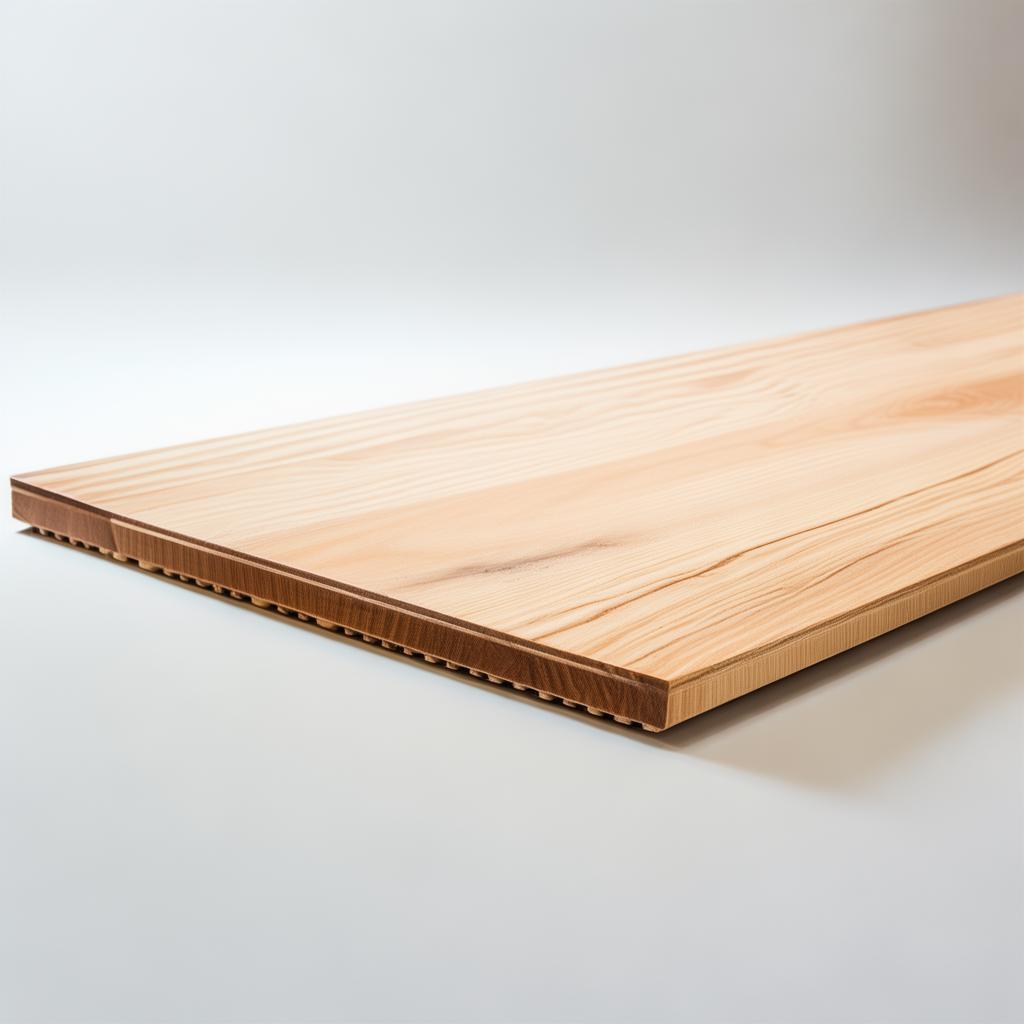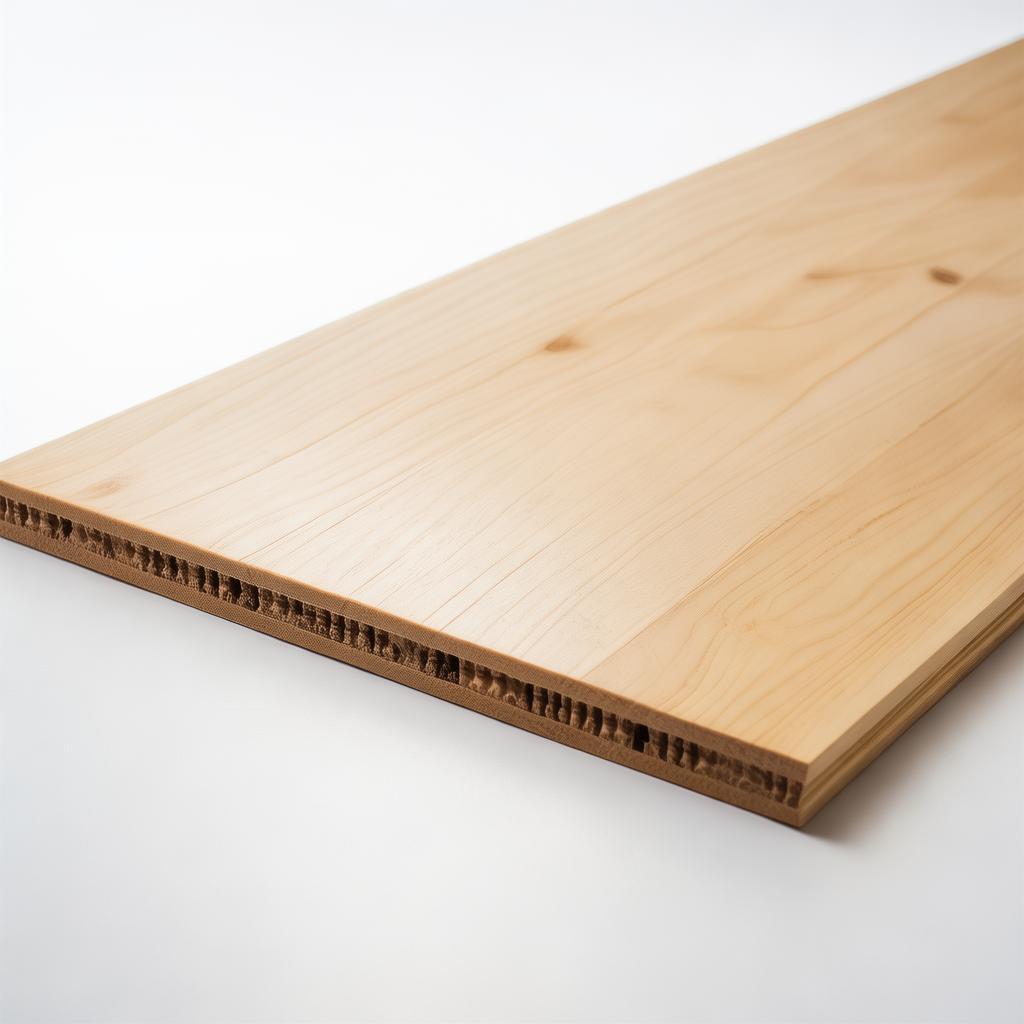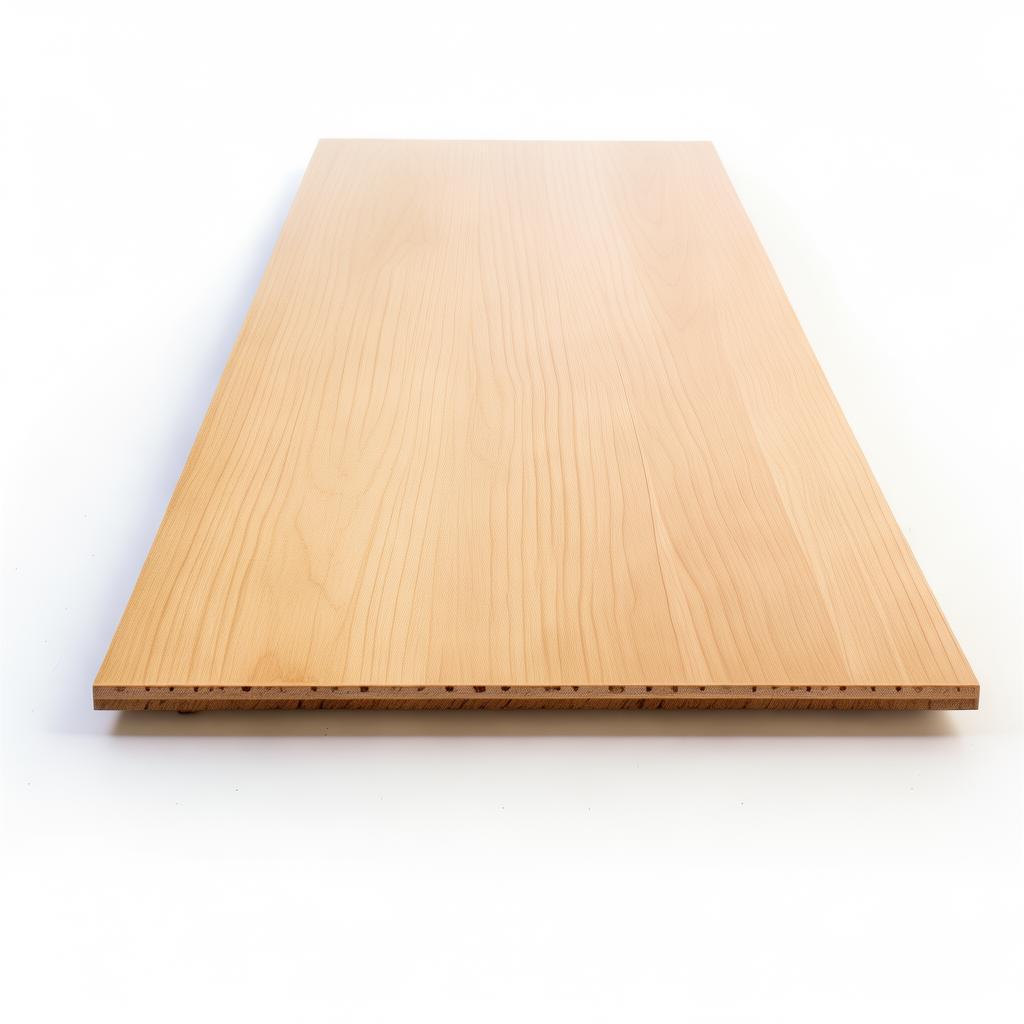


Premium Hardwood Flooring Tongue and Groove: High-Performance Solutions for Commercial & Residential Spaces (2026)
Your Ultimate Guide to Tongue and Groove Hardwood Flooring – Technical Specs, Applications & Cost-Effective Supply
📌 Table of Contents
- Introduction to Tongue and Groove Hardwood Flooring
- 6 Key Advantages of Tongue and Groove Hardwood Flooring
- Technical Specifications & Industry Standards
- Tongue and Groove vs. Other Hardwood Flooring Types
- Where Tongue and Groove Hardwood Flooring Excels: Real-World Applications
- Certifications & Compliance: Ensuring Safety & Quality
- Procurement Guide: Buying Tips, Logistics & Customization
- FAQs: Your Top Questions Answered
- Ready to Upgrade Your Flooring? Request a Free Sample Today
Why Tongue and Groove Hardwood Flooring Is the Gold Standard in 2026
If you're a corporate purchasing manager, technical director, or operations leader sourcing hardwood flooring, you need a solution that balances durability, aesthetics, and cost-efficiency. Enter: tongue and groove hardwood flooring—the industry’s most reliable choice for high-traffic commercial spaces, luxury residential projects, and multi-use facilities.
Unlike traditional plank flooring, tongue and groove systems interlock seamlessly, creating a stable, gap-free surface that resists warping, squeaking, and moisture damage. In 2026, with global demand for sustainable, high-performance flooring surging, this engineered hardwood solution is no longer a luxury—it’s a necessity.
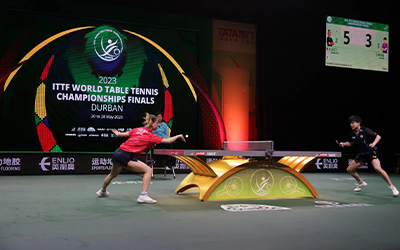
At Hebei Enlio Sports Goods Co., LTD, we’ve been manufacturing premium tongue and groove hardwood flooring since 2007, supplying over 1,000 global importers with flooring that meets FIBA, ITTF, CE, and ISO 9001 standards. Our flooring is trusted in gymnasiums, hotels, schools, and high-end residences worldwide.
But what makes tongue and groove hardwood flooring the best choice in 2026? Let’s break down the technical advantages, real-world applications, and procurement strategies you need to make an informed decision.
6 Key Advantages of Tongue and Groove Hardwood Flooring
When comparing flooring options, durability, ease of installation, and long-term cost savings are top priorities. Here’s why tongue and groove hardwood flooring outshines alternatives:
✅ Advantage #1: Unmatched Stability & Moisture Resistance
Traditional hardwood flooring expands and contracts with humidity changes, leading to gaps, squeaks, and structural damage. Tongue and groove systems, however, lock into place, reducing movement by up to 40% compared to standard hardwood. This makes them ideal for humid climates (e.g., Southeast Asia, coastal U.S.) and high-moisture areas like kitchens and basements.
Real-world impact: In a 2024 study by MDPI’s Sports Flooring Review, hardwood flooring with tongue and groove joints showed 30% less warping in tropical regions compared to traditional hardwood.
✅ Advantage #2: Faster, DIY-Friendly Installation
Unlike nail-down hardwood, which requires professional installers and specialized tools, tongue and groove flooring can be installed using a click-lock system—no glue, no nails, no mess. This reduces labor costs by 25-35% and speeds up project timelines by up to 50%.
Expert tip: For large commercial projects, consider pre-finished tongue and groove hardwood (available in 3mm to 6mm wear layers). This eliminates on-site sanding and finishing, cutting installation time in half.
✅ Advantage #3: Superior Acoustic Performance
Hardwood flooring is notorious for amplifying noise—especially in multi-story buildings. Tongue and groove systems, however, absorb vibrations better than traditional hardwood, reducing footfall noise by up to 20 decibels (per Sport Court of Austin’s Flooring Guide).
This makes them ideal for hotels, offices, and residential buildings where noise reduction is critical.
✅ Advantage #4: Eco-Friendly & Sustainable
The global push for sustainable building materials has made hardwood flooring a hot topic. Tongue and groove systems maximize wood usage, reducing waste by 15-20% compared to traditional flooring. Additionally, many manufacturers (including Enlio) use FSC-certified hardwood and low-VOC adhesives to meet LEED and BREEAM standards.
Market trend: The 2025 Sports Flooring Market Report projects a 28% CAGR for sustainable hardwood flooring by 2034, driven by corporate ESG initiatives.
✅ Advantage #5: Customization Without Compromise
Need a unique wood species, stain, or finish? Tongue and groove flooring allows for seamless customization. Whether you need Brazilian cherry for a luxury hotel or white oak for a modern office, the interlocking system ensures a perfect fit every time.
Pro tip: For high-end residential projects, consider hand-scraped or wire-brushed finishes to enhance texture and hide wear over time.
✅ Advantage #6: Long-Term Cost Efficiency
While the upfront cost of tongue and groove hardwood may be 10-15% higher than laminate or vinyl, the lifespan is 3-4x longer. With proper maintenance, a quality tongue and groove floor can last 30-50 years, compared to 10-15 years for laminate. This translates to lower total cost of ownership (TCO)—a key selling point for procurement managers.
ROI Example: A 1,000 sq. ft. commercial space with tongue and groove hardwood flooring costs ~$8,000 initially but saves $2,500/year in replacement and maintenance costs over a 10-year period.
Technical Specifications & Industry Standards for Tongue and Groove Hardwood Flooring
Not all tongue and groove hardwood flooring is created equal. To ensure performance, safety, and compliance, you must understand the technical specifications and industry standards. Below is a breakdown of the critical metrics you should evaluate when sourcing:
| Specification | Standard Range | Enlio Standard | Industry Benchmark |
|---|---|---|---|
| Thickness (Total) | 10mm - 22mm | 15mm ±1mm | ≥14mm (ASBA) |
| Wear Layer (Top Veneer) | 2mm - 6mm | 3mm ±0.2mm | ≥2.5mm (ASTM F2772) |
| Board Width | 75mm - 200mm | 120mm ±5mm | 100mm - 190mm (ASBA) |
| Moisture Content | 6% - 9% | 7.5% ±0.5% | ≤9% (ASTM F1414) |
| Janka Hardness Rating | 800 - 1,450 lbf | 1,200 lbf (Red Oak) | ≥1,000 lbf (ASTM D143) |
| Dimensional Stability (Width Change) | ≤0.25% (Humidity Cycle) | ≤0.20% | ≤0.30% (ASBA) |
| Surface Finish | UV-Cured Polyurethane / Aluminum Oxide | 7-Layer UV-Cured Polyurethane | ≥5 Layers (ASTM F2772) |
🔍 Key Industry Standards & Certifications
- ASTM F2772: Standard specification for engineered wood flooring (resistance to wear, moisture, and structural integrity).
- ASBA Guidelines: Covers hardwood flooring for sports facilities, including shock absorption and traction.
- ISO 9001: Ensures consistent manufacturing quality (held by Enlio).
- FSC/PEFC: For sustainably sourced wood (available upon request).
- CARB Phase 2 & EPA TSCA Title VI: Low-emission adhesives and finishes.
Tongue and Groove vs. Other Hardwood Flooring Types: Which Is Best for Your Project?
Not all hardwood flooring is built the same. Below is a side-by-side comparison of tongue and groove hardwood against other popular types:
| Feature | Tongue & Groove | Solid Hardwood | Engineered Wood | Laminate | Vinyl (LVP) |
|---|---|---|---|---|---|
| Moisture Resistance | ⭐⭐⭐⭐⭐ (Best) | ⭐ (Poor) | ⭐⭐⭐⭐ (Good) | ⭐⭐⭐ (Moderate) | ⭐⭐⭐⭐⭐ (Best) |
| Installation Ease | ⭐⭐⭐⭐⭐ (DIY-Friendly) | ⭐ (Requires Nails) | ⭐⭐⭐⭐ (Glue or Float) | ⭐⭐⭐⭐⭐ (Click-Lock) | ⭐⭐⭐⭐⭐ (Click-Lock) |
| Durability (Years) | 30-50 | 20-30 | 25-40 | 10-15 | 15-25 |
| Cost (Per Sq. Ft.) | $8 - $18 | $10 - $25 | $6 - $15 | $2 - $8 | $3 - $12 |
| Sustainability | ⭐⭐⭐⭐ (FSC Available) | ⭐⭐⭐ (Old-Growth Wood) | ⭐⭐⭐⭐⭐ (Efficient Use) | ⭐ (Plastic-Based) | ⭐⭐ (PVC Concerns) |
| Best For | Commercial, High-Traffic, Moisture-Prone Areas | Luxury Residential (Stable Climates) | Residential, Multi-Use Spaces | Budget Projects, Rental Properties |