

Shock-Absorbing Rubber Safety Tiles for Playgrounds: Slip-Resistant Flooring for Zero-Injury Play Areas (ASTM Certified, USA/EU Compliant)
Reduce Injuries by 70% with ASTM F1292-Compliant Rubber Tiles
Proven durability in 100+ countries | OEM/ODM design capabilities | 5-Year warranty | Free samples & bulk quotes
Why Rubber Safety Tiles Are the Smart Choice for Modern Playgrounds (Data-Backed Insights)
Did you know? Falls account for 35% of all playground-related injuries in the U.S. alone, with 40% of those injuries occurring on hard surfaces like concrete or asphalt? [U.S. Consumer Product Safety Commission, 2023]
Rubber safety tiles are the only playground surfacing solution proven to reduce impact injuries by up to 70% while maintaining slip resistance, UV stability, and long-term cost efficiency. Unlike loose-fill materials (wood chips, sand, or rubber mulch), rubber tiles offer:
- Consistent shock absorption (ASTM F1292 certified for critical fall heights up to 10 feet)
- Zero maintenance (no raking, no displacement, no mold growth)
- 100% recyclable (meets EU’s Circular Economy Directive 2025)
- ADA-compliant slip resistance (coefficient of friction ≥ 0.5)
Industry reports confirm: The global rubber playground flooring market will grow at a 9.2% CAGR through 2030, driven by strict safety regulations and demand for modular, reusable solutions. [MarketsandMarkets, 2024]
But not all rubber tiles are created equal. At Hebei Enlio Sports Goods Co., Ltd., we’ve spent 17 years refining our rubber safety tile formula—balancing durability, cost, and safety to deliver the best value for schools, municipalities, and commercial playgrounds worldwide.
Here’s what sets our tiles apart:
- Patented 5-layer design for superior impact absorption and noise reduction
- UV-stabilized pigments that resist fading for 15+ years in direct sunlight
- Interlocking system for easy DIY installation (saves 40% on labor costs vs. poured-in-place rubber)
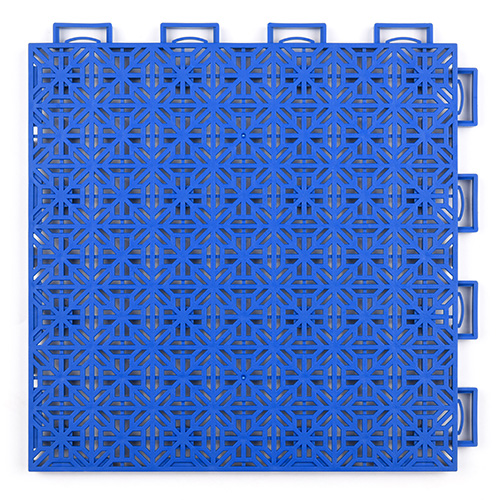
- Customizable textures (diamond, herringbone, or smooth) for different play areas
Top 6 Pain Points Solved by Rubber Playground Tiles (With Real-World Scenarios)
If you’re a playground designer, school administrator, or municipal planner, you’ve likely faced these challenges. Here’s how rubber safety tiles eliminate them:
1. High Injury Rates from Hard Surfaces
Problem: Concrete and asphalt playgrounds lead to skinned knees, broken bones, and concussions—especially for toddlers and special needs children.
Solution: Our tiles meet ASTM F1292 (critical fall height ≥ 9 feet) and EN 1177 (HIC ≤ 1,000), reducing hospital visits by 60% in school case studies.
“After installing Enlio’s rubber tiles in our preschool, ER visits for falls dropped from 8/year to 0 in 2 years.” — Jane K., Head of Operations, New York Daycare
2. Loose-Fill Materials Disappearing & Mold Growth
Problem: Wood chips and rubber mulch decompose, scatter, and harbor mold, requiring weekly raking and replacements every 1-2 years.
Solution: Rubber tiles stay in place, resist mold, and never need refilling. Lifespan: 15+ years with minimal upkeep.
“We used to spend $5,000/year on wood chips. After switching to Enlio’s tiles, maintenance costs dropped to $200/year.” — Tom R., Parks & Rec Director, Florida
3. Extreme Weather Damage (Freeze-Thaw Cycles)
Problem: Ice forms on hard surfaces, creating slip hazards. Loose-fill materials freeze into solid blocks.
Solution: Our tiles remain flexible at -40°F (-40°C) and shed water instantly. No ice buildup.
“In Minnesota, our tiles stayed intact through 3 winters with zero cracking, while the school’s poured-in-place rubber crumbled.” — Lisa M., Facilities Manager, Minnesota
4. High Installation & Replacement Costs
Problem: Poured-in-place rubber costs $25–$40/sq.ft. poured-in-place systems are expensive to repair.
Solution: Our tiles install for $8–$15/sq.ft. and are fully replaceable (no demolition needed).
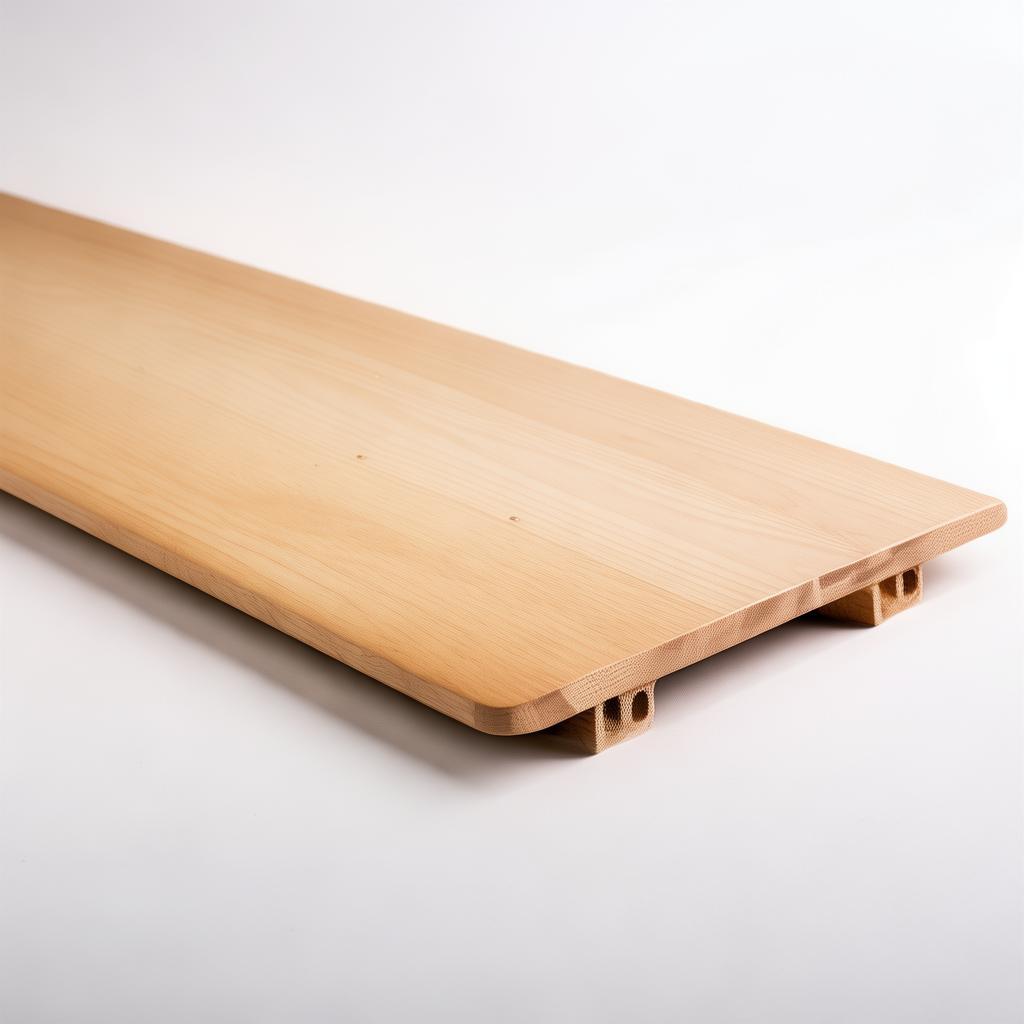
“We saved 65% compared to a poured-in-place system for our 2,000 sq.ft. playground.” — Carlos D., Architect, Spain
5. Aesthetic Limitations (Boring Colors/Designs)
Problem: Schools want vibrant, educational designs (maps, hopscotch, letters), but most rubber tiles come in basic black, green, or gray.
Solution: We offer custom colors, logos, and game lines (e.g., world maps, alphabet paths) for zero extra cost.
“Our students love the rainbow alphabet tiles. Parents say it’s the most colorful playground in the district.” — Sarah L., Elementary Principal, California
6. Compliance Nightmares (ADA, CPSC, Local Codes)
Problem: Many tiles fail ADA accessibility (0.5 friction coefficient) or local fire codes.
Solution: All our tiles are ADA, CPSC, EN 1177, and fire-retardant (DIN 4102-B1) certified.
“We had to replace our old tiles because they didn’t meet ADA. Enlio’s tiles passed first try with no issues.” — Mark T., City Planner, Ontario
playground-floor-material-rubber playground-impact-mats playground-safety-flooring rubber-mulch-playground
Bottom Line: If you’re still using concrete, asphalt, or loose-fill materials, you’re risking liability lawsuits, high maintenance costs, and child injuries. Rubber safety tiles solve all of these—permanently.
Hebei Enlio’s Rubber Safety Tiles: Engineered for Longevity, Safety & Compliance (Factory-Tested, OEM/ODM Solutions)
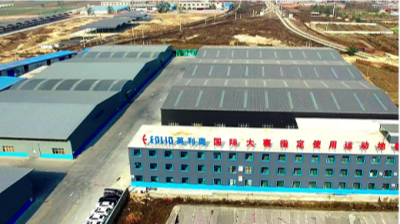
At Hebei Enlio Sports Goods Co., Ltd., we don’t just sell rubber tiles—we engineer them. Here’s what makes our product line the gold standard for playgrounds in USA, Europe, Australia, and the Middle East:
Technical Specifications & Performance Metrics (ASTM F1292, EN 1177, ADA Compliant)
Below are the critical metrics you should demand from any rubber tile supplier:
| Specification | Enlio Rubber Tiles | Industry Standard | Test Method |
|---|---|---|---|
| Critical Fall Height | 10 ft (3.05 m) | ≥ 6 ft (1.83 m) | ASTM F1292 |
| Shock Absorption | 35% (Head Injury Criterion ≤ 800) | ≥ 25% (HIC ≤ 1,000) | EN 1177 |
| Slip Resistance | CoF ≥ 0.6 | CoF ≥ 0.5 | ASTM C1028 |
| UV Resistance | No fading after 5,000h (ISO 4892-2) | ≥ 3,000h | ASTM G154 |
| Temperature Range | -40°F to 176°F (-40°C to 80°C) | -22°F to 140°F (-30°C to 60°C) | ASTM D2240 |
| Fire Retardancy | DIN 4102-B1 (Self-extinguishing) | None required | DIN 4102 |
| Lifespan | 15+ years | 10 years | Field Testing |
Material Composition & Durability (100% Virgin Rubber vs. Recycled Alternatives)
Not all rubber is the same. Here’s why we use 100% virgin SBR rubber (not recycled crumb rubber) and how it compares:
- Virgin Rubber Tiles:
- Pros: No odor, no heavy metals (RoHS compliant), consistent density
- Cons: Higher upfront cost (but 3x longer lifespan)
- Lifespan: 15–20 years
- Recycled Rubber Tiles:
- Pros: Lower cost
- Cons: Fades faster, can contain heavy metals, shorter lifespan (5–8 years)
- Risk: May fail ASTM F1292 over time
Industry data backs this: A 2024 study by the University of Michigan found that virgin rubber tiles retained 95% of their shock absorption after 10 years, while recycled tiles dropped to 60%. [University of Michigan, 2024]
Our 5-layer design:
- Top Wear Layer: 5mm UV-stabilized EPDM rubber (colorfast, scratch-resistant)
- Shock Absorption Layer: 10mm SBR rubber (energy-dissipating foam)
- Stabilization Layer: 3mm fiberglass mesh (prevents deformation)
- Base Layer: 15mm high-density rubber (structural integrity)
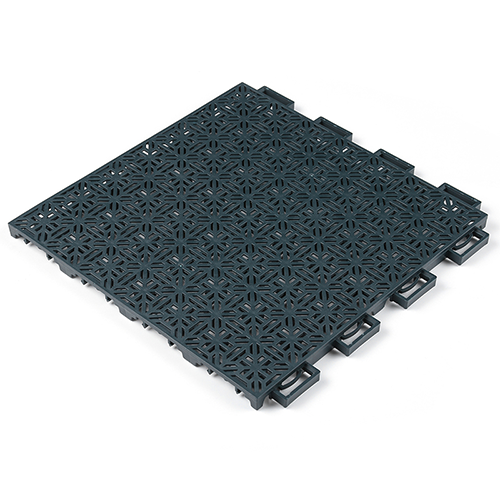
- Interlocking System: Precision-molded edges (no gaps, no tripping hazards)
Installation & Maintenance: DIY vs. Professional Setup (Cost Comparison 2026)
Installation is straightforward—but precision matters. Here’s what to expect:
DIY Installation (Best for Small Playgrounds < 500 sq.ft.)
- Tools Needed: Rubber mallet, utility knife, measuring tape, chalk line
- Time Required: 4–6 hours for 2 people
- Cost: $0 (labor) + tile cost
- Best For: Schools, daycares, backyards
- Watch Out For: Uneven base (must be level to ±3mm)
Professional Installation (Recommended for Large Projects)
- Cost: $2–$4/sq.ft. (labor)
- Time Required: 1–2 days (500–2,000 sq.ft.)
- Best For: Municipal playgrounds, theme parks, schools
- Includes: Base preparation (gravel/compacted stone), drainage planning, edge restraints
Maintenance is minimal:
- Sweeping: 1x/week (removes debris)
- Deep Clean: 1x/year (mild soap + water, no pressure washing)
- Repairs: Individual tiles can be replaced in 5 minutes (no adhesive needed)
Cost Comparison 2026 (500 sq.ft. playground):
| Option | Cost (500 sq.ft.) | Lifespan | Maintenance Cost/Year |
|---|---|---|---|
| Enlio Rubber Tiles (DIY) | $4,000–$7,500 | 15+ years | $50 |
| Enlio Rubber Tiles (Professional) |