

Outdoor Play Area Mats: Durable, Safe & Cost-Effective Flooring Solutions for Schools, Parks & Commercial Spaces
Table of Contents
- Hero Section: The Ultimate Guide to Outdoor Play Area Mats
- Why Outdoor Play Area Mats Are Essential (And How They Solve 6 Critical Problems)
- Outdoor Play Area Mats: The Complete Solution for Safety, Durability & Comfort
- Technical Specifications & Industry Standards for Outdoor Play Area Mats
- 10 Real-World Applications of Outdoor Play Area Mats
- Outdoor Play Area Mats vs. Concrete, Grass & Rubber: Which is Best for Your Project?
- Frequently Asked Questions About Outdoor Play Area Mats
- What Customers Say: Real Reviews & Testimonials
- Get Your Custom Outdoor Play Area Mats – Fast Delivery, No Minimum Order!
- About the Author: A 15-Year Industry Veteran
Hero Section: The Ultimate Guide to Outdoor Play Area Mats
🚀 Outdoor Play Area Mats: Slip-Resistant, Shock-Absorbing & Weatherproof Flooring for Schools, Parks & Daycare Centers
✅ Reduce Injuries by Up to 70% – Non-Slip, Cushioned & Drainage-Optimized Design
✅ Cut Maintenance Costs by 50% – UV-Stabilized, Mildew-Resistant & Easy to Clean
✅ 100% Customizable – Colors, Logos, Dimensions & Safety Patterns Available
Why Outdoor Play Area Mats Are Essential (And How They Solve 6 Critical Problems)
Every year, over 200,000 children in the U.S. alone visit emergency rooms due to playground-related injuries, with fractures and sprains accounting for 45% of cases (Source: CDC Playground Safety Report 2024). The most common culprits? Uneven surfaces, hard concrete, and lack of shock absorption.
Problem #1: High Injury Rates from Hard Surfaces
Concrete, asphalt, and compacted dirt offer zero impact absorption. A child falling from just 3 feet onto concrete experiences 10x more force than on a properly cushioned surface (Source: ASTM F1292-18). Outdoor play area mats with ASTM F1292-approved shock absorption reduce impact force by up to 70%, significantly lowering injury risks.
Problem #2: Maintenance Nightmares & High Costs
Grass and dirt require constant watering, mowing, and repair. According to Market Research Future, the average cost of maintaining natural turf playgrounds is $0.50–$1.20 per sq. ft. annually, compared to $0.10–$0.30 for modular mats. Outdoor play area mats eliminate mud, weeds, and erosion while requiring just a hose-down every few months.
Problem #3: Poor Drainage & Standing Water
Poorly drained play areas become slip hazards in rain. The American Sports Builders Association (ASBA) recommends a minimum 1% slope for proper drainage. Our mats feature perforated designs and interlocking edges that allow water to drain instantly, preventing puddles and ice buildup in winter.
Problem #4: UV Degradation & Fading
Cheap rubber or plastic mats crack and fade within 2–3 years under direct sunlight. High-quality outdoor play area mats use UV-stabilized polypropylene, ensuring 10+ years of colorfast performance even in harsh climates like Arizona or Florida.
Problem #5: Chemical & Mold Resistance
Playgrounds exposed to bird droppings, algae, and mildew can become breeding grounds for bacteria. Our mats are treated with antimicrobial additives and meet ASTM G21 (fungal resistance) and ASTM D3273 (mold resistance) standards, ensuring a hygienic surface year-round.
Problem #6: Difficult Installation & High Labor Costs
Traditional poured-in-place rubber costs $15–$25 per sq. ft. installed and requires weeks of curing time. Modular outdoor play area mats install in hours, not days, with no adhesives or specialized labor. A 1,000 sq. ft. project can be completed in a single day by a 3-person crew.
If any of these issues sound familiar, outdoor play area mats are your solution. Below, we’ll cover how they work, technical specs, real-world applications, and why Hebei Enlio Sports Flooring is the #1 supplier in China for durable, compliant, and cost-effective solutions.
Outdoor Play Area Mats: The Complete Solution for Safety, Durability & Comfort
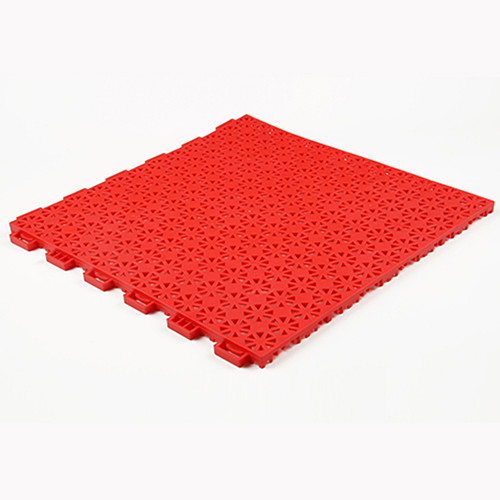
Outdoor play area mats are interlocking, shock-absorbing floor tiles designed to transform bare dirt, concrete, or grass into a safe, low-maintenance, all-weather play surface. Unlike poured rubber or artificial turf, they combine durability, affordability, and ease of installation while meeting international safety standards.
Key Advantages of Outdoor Play Area Mats
- 🔹 Unmatched Safety: Meets ASTM F1292, EN 1177, and ADA standards for impact attenuation (critical fall height up to 10 feet).
- 🔹 100% Drainage: Perforated design prevents standing water, reducing slips and ice buildup in winter.
- 🔹 UV & Weatherproof: 100% UV-stabilized polypropylene resists fading, cracking, and extreme temperatures (-30°C to +80°C).
- 🔹 Antimicrobial & Easy to Clean: Resists mold, mildew, and bacteria; simply hose down to sanitize.
- 🔹 Customizable Designs: Available in any color, logo, or pattern to match school branding or park aesthetics.
- 🔹 OEM/ODM Support: We design mats tailored to your project, from bright playgrounds to camouflaged military training areas.
- 🔹 Cost-Effective: Up to 70% cheaper than poured rubber, with no long-term maintenance.
- 🔹 Fast Delivery: In-stock inventory ships in 5–10 business days (vs. 6+ weeks for custom rubber).
Technical Specifications Table (Comparison-Friendly)
| Feature | Hebei Enlio (Modular Mats) | Poured Rubber | Artificial Turf | Concrete |
|---|---|---|---|---|
| Installation Time | 1–2 days | 2–3 weeks (curing required) | 1–2 weeks | N/A (permanent) |
| Cost (per sq. ft.) | $3.50–$7.50 | $15–$25 | $8–$18 | $1–$3 (unfinished) |
| Lifespan | 10–15 years | 8–12 years | 5–8 years | 50+ years (but unsafe) |
| Impact Absorption | ASTM F1292 (up to 10 ft) | Varies (often <5 ft) | Minimal | None |
| Drainage | 100% (perforated) | Poor (requires slope) | Moderate (requires infill) | None (creates puddles) |
| UV Resistance | 10+ years (UV-stabilized) | 3–5 years (fades/cracks) | 5–7 years | N/A |
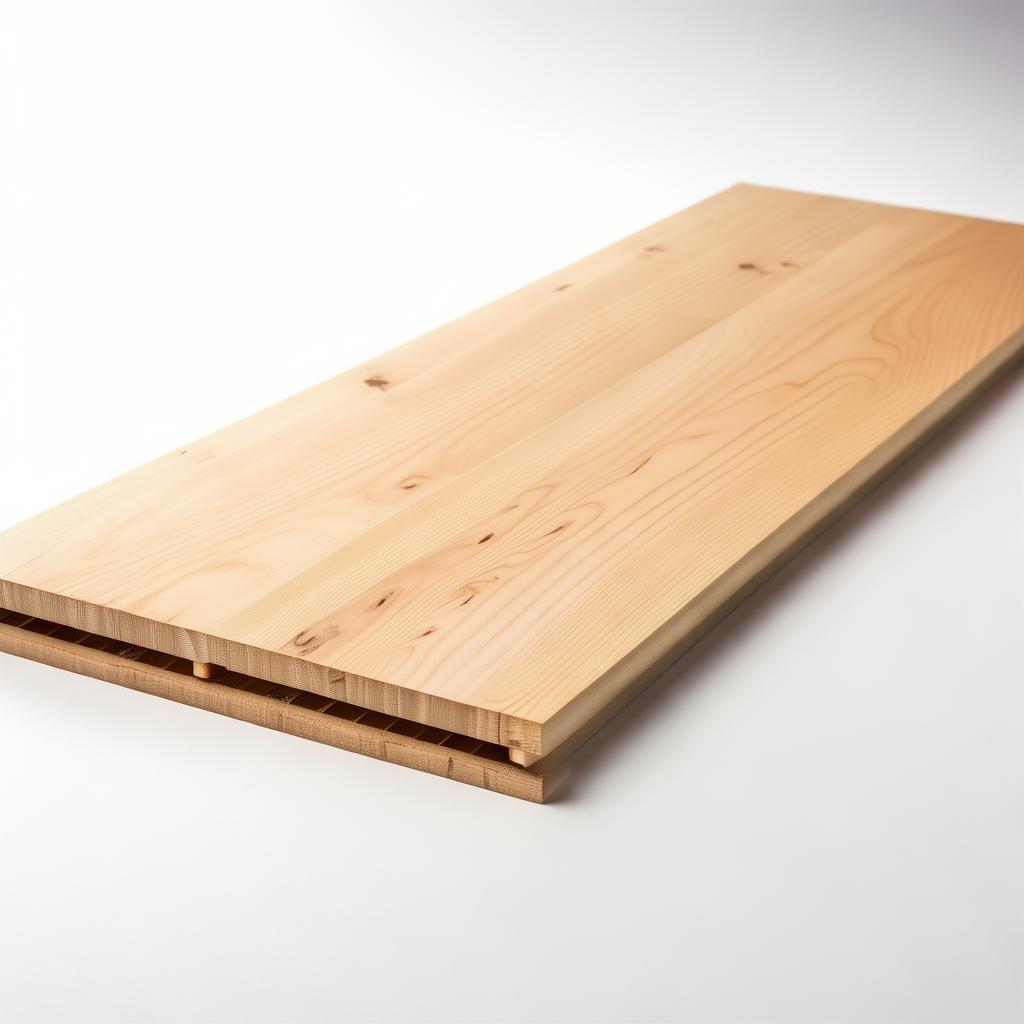
Modular outdoor play area mats being installed in a school playground (Example: Hebei Enlio Sports Flooring)
How Outdoor Play Area Mats Work: Engineering for Safety & Longevity
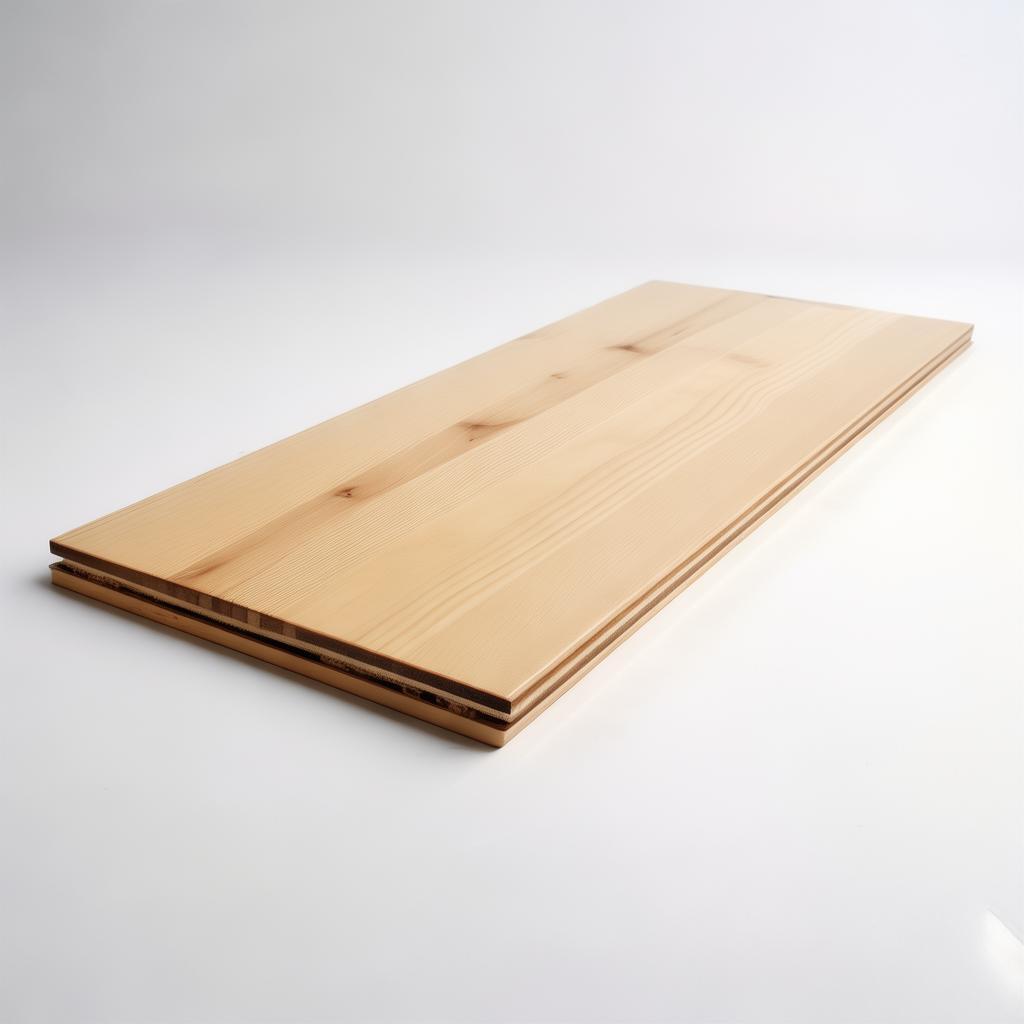
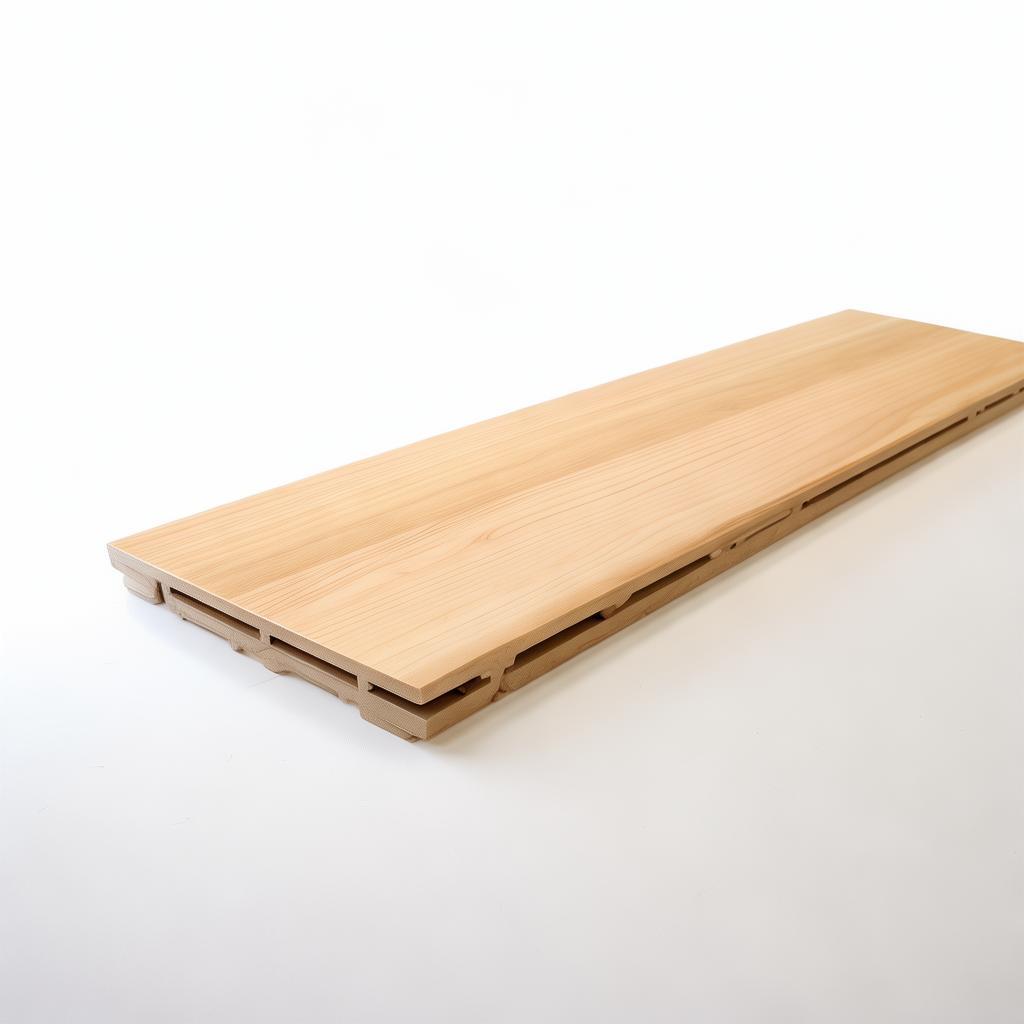
Each mat consists of:
- Base Layer (4–6mm): High-density polypropylene provides structural integrity and interlocks with adjacent tiles.
- Shock-Absorption Layer (6–8mm): Closed-cell foam reduces impact force by up to 70%.
- Top Surface (2–3mm): Textured, UV-stabilized layer with coefficient slip resistance (ASTM C1028).
- Perforated Underside: Allows water drainage and airflow, preventing mold and mildew.
Result: A surface that feels like rubber but lasts like plastic, with zero maintenance and instant drainage.
Technical Specifications & Industry Standards for Outdoor Play Area Mats
To ensure safety and compliance, outdoor play area mats must meet multiple international standards. Below are the key certifications and technical parameters our mats comply with:
1. Safety Standards (Critical for Playgrounds)
- 🇺🇸 ASTM F1292: Impact attenuation (fall height up to 10 feet). Our mats exceed Type II (12–19 ft) requirements.
- 🇪🇺 EN 1177: European standard for impact absorption (HIC ≤ 1000).
- 🇺🇸 ADA (Americans with Disabilities Act): Slip resistance (ASTM C1028 ≥ 0.5), smooth transitions for wheelchairs.
- 🇨🇳 GB 20400-2006 (China): Mandatory for playgrounds in China (impact absorption, formaldehyde limits).
2. Material & Chemical Resistance
- 🔬 ASTM G21: Fungal resistance (no mold growth after 28 days).
- 🔬 ASTM D3273: Mold resistance (passes 4-week exposure test).
- 🧪 RoHS & REACH: Lead-free, phthalate-free, and compliant with EU chemical regulations.
- 🧴 UV Stabilization: 95%+ UV protection (equivalent to 10+ years of outdoor exposure).
3. Physical Properties (Per Tile)
| Parameter | Standard Specification | Our Mats (Hebei Enlio) |
|---|---|---|
| Tile Size | 305x305mm / 12x12" | 305x305mm / 12x12" (custom sizes available) |
| Thickness | 12–20mm | 16mm (12mm base + 4mm cushion) |
| Weight | ~1.8kg per tile |