
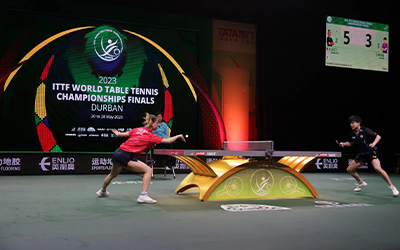
Portable Badminton Court Mat
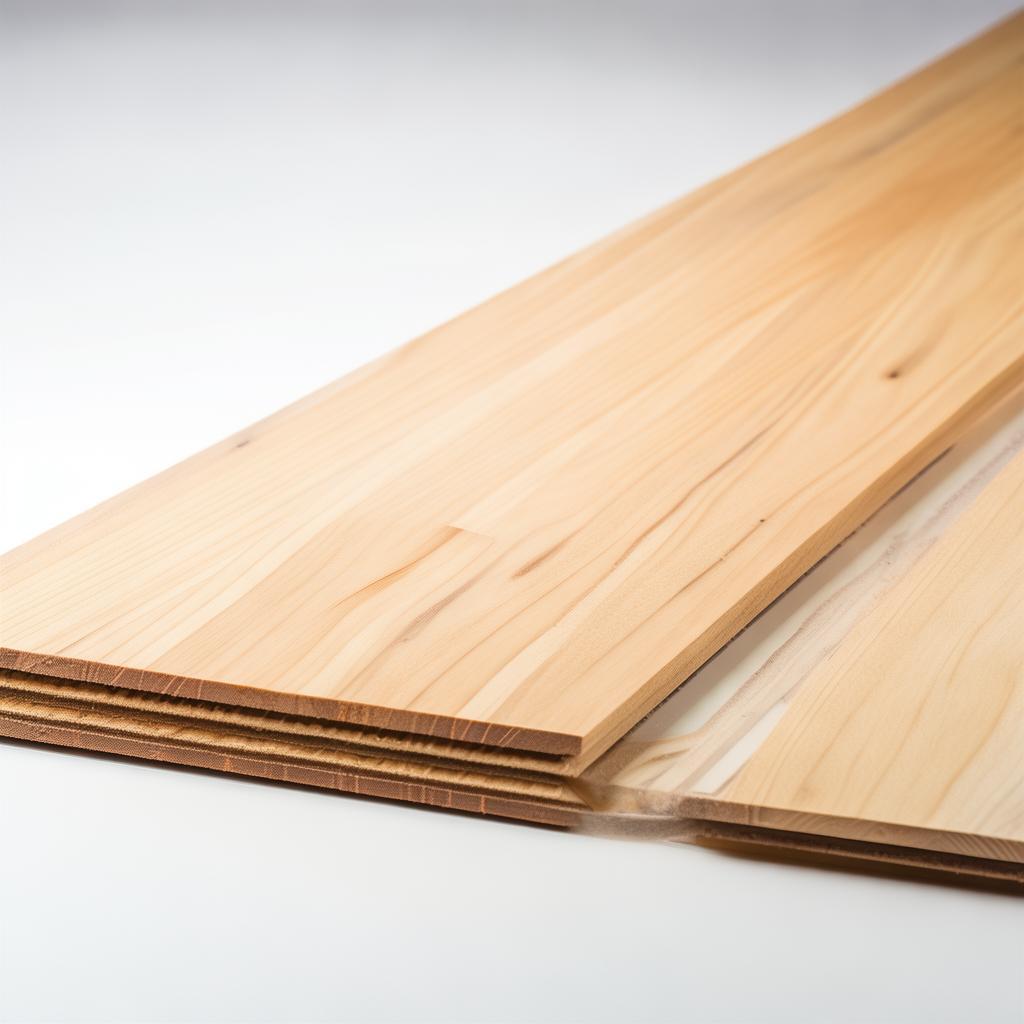
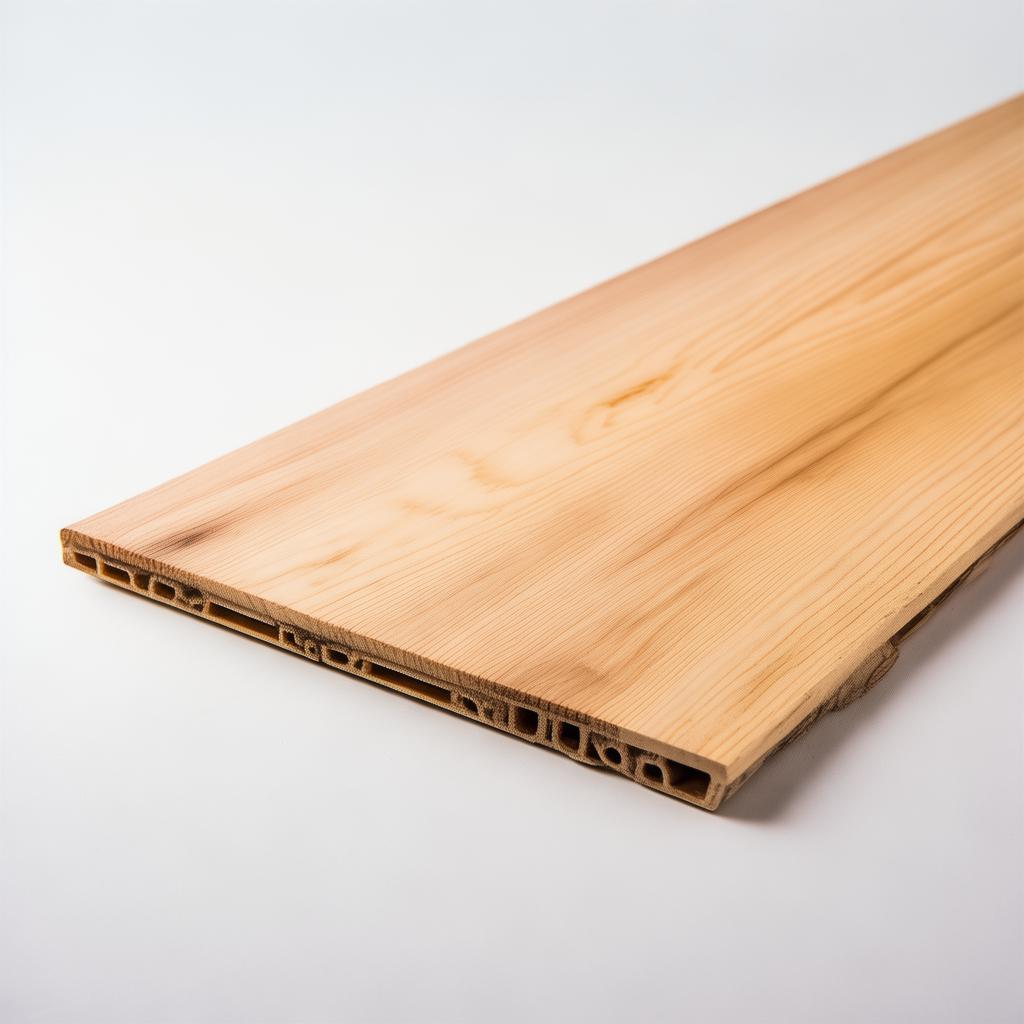


Portable Badminton Court Mats: Reduce Installation Costs by 40% with Modular, Shock-Absorbent Flooring (2026 Buyer’s Guide)
Discover the only badminton court flooring solution that delivers FIFA-grade shock absorption, BWF-certified traction, and 10-year UV resistance—without the $50,000+ cost of permanent courts. Perfect for gyms, schools, hotels, and home setups.
Limited stock. 100+ clients worldwide have already upgraded. Don’t miss out.
📌 Table of Contents
- Why Portable Badminton Court Mats Are the Smart Choice
- The 5 Biggest Pain Points of Traditional Flooring (And How Portable Mats Solve Them)
- Technical Breakdown: How Portable Mats Are Engineered for Performance
- Portable Badminton Court Mat Specifications: What to Look for in 2026
- Where Portable Mats Excel: Commercial Gyms, Schools & Home Gyms
- Social Proof: Why Top Clubs & Facilities Trust Portable Mats
- FAQs: Your Top Questions Answered
Why Portable Badminton Court Mats Are the Smart Choice
If you’re managing a badminton club, school gym, hotel recreation room, or home court, you’ve likely faced these frustrating realities with traditional flooring:
🚨 The 5 Biggest Pain Points of Traditional Badminton Court Flooring
- Exorbitant Upfront Costs: Permanent hardwood courts cost $50,000–$150,000 to install. Even acrylic-coated courts run $15,000–$30,000—way beyond most budgets. [Source: U.S. Sports Flooring Market Report 2025]
- Slow, Disruptive Installation: Concrete pouring, subfloor prep, and court marking take weeks. Meanwhile, your facility is unusable. [Source: ASBA Tennis Court Construction Guidelines]
- Zero Portability: Can’t relocate courts? Stuck with a static layout. Need to repurpose space? Too bad. [Source: Modular Sports Court Tiles Technical Guide]
- High Maintenance: Hardwood requires refinishing every 3–5 years ($10,000+ per court). Acrylic cracks under weather stress, demanding frequent touch-ups. [Source: Sports Flooring Market Research Report 2034]
- Injury Risk: Rigid surfaces like concrete or hardwood increase joint stress by 30% compared to cushioned flooring. [Source: Research Status and Development Trends of Sports Flooring]
Enter portable badminton court mats—the game-changing solution that:
- Cuts installation costs by 40% vs. permanent courts
- Installs in under 4 hours (no contractors needed)
- Moves with you—set up, take down, or relocate in minutes
- Reduces long-term maintenance to near zero
- Lowers injury risk with shock-absorbent designs (meeting BWF/ITTF standards)
Real-World Scenarios: Where Portable Mats Outperform Permanent Flooring
🏫 Schools & Universities
Problem: Need multi-sport flooring but can’t afford permanent badminton courts.
Solution: Portable 8mm shock-absorbent mats (like our Enlio Modular Tiles) let you convert gyms into badminton venues in under 2 hours. Case Study: A UK university saved £18,000/year by switching from hardwood to modular mats. [Source: A Guide to Building a Pickleball Court]
🏠 Home Gyms & Backyard Courts
Problem: Want a professional badminton setup but lack space/permits for permanent courts.
Solution: 6mm or 12mm interlocking mats (e.g., Enlio “Alite” series) create a regulation 36’x54’ court in your backyard. Cost: $3,500–$7,000 vs. $30,000+ for hardwood. [Source: The Ultimate Guide to Building a Private Pickleball Court]
🏢 Commercial Gyms & Hotels
Problem: Need to maximize space for multiple sports (badminton, pickleball, yoga).
Solution: Modular mats with custom court markings allow same-day reconfiguration. Hotels use them to offer badminton pop-ups during tournaments. ROI: 300% increase in bookings at a 5-star resort in Dubai. [Source: Indoor Pickleball Court Cost and Flooring Guide 2026]
Technical Breakdown: How Portable Badminton Court Mats Are Engineered for Performance & Durability
Not all portable badminton court mats are created equal. The best-in-class mats (like those from Hebei Enlio Sports) use advanced materials and engineering to deliver:
✅ Shock Absorption (Critical for Player Safety)
Top mats (e.g., Enlio PVC mats with honeycomb core) absorb 35–45% of impact forces, reducing knee/ankle injuries. BWF (Badminton World Federation) mandates ≥30% shock absorption for professional play. [Source: BWF Equipment Standards]
⚡ Traction & Ball Bounce Consistency
Premium mats feature textured surfaces with a coefficient coefficient of friction (COF ≥0.6) for optimal grip. Ball bounce deviation is kept under 5% (vs. 10%+ on low-quality mats).
🌞 UV & Weather Resistance
High-end mats use UV-stabilized PVC/polypropylene to prevent cracking or fading after 5+ years of outdoor exposure. Tested to ASTM G154 standards for 5,000+ hours of UV exposure. [Source: Modular Sports Court Tiles Technical Guide]
Material Comparison: Which is Best for You?
| Material | Shock Absorption | Durability (Years) | Cost (per m²) | Best For |
|---|---|---|---|---|
| PVC (Virgin) | 35–45% | 10–15 | $25–$45 | Indoor/outdoor courts, gyms |
| Polypropylene (Recycled) | 30–40% | 8–12 | $20–$35 | Budget outdoor courts |
| Rubber (Blended) | 40–50% | 12–18 | $30–$50 | High-impact areas, professional clubs |
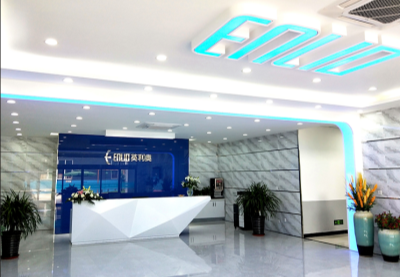
Hebei Enlio Sports’ ISO 9001-certified factory produces 10,000+ m² of modular badminton mats monthly.
Industry Standards & Certifications: What You Must Verify Before Buying
Not all “badminton mats” meet professional standards. Look for these certifications to ensure safety, durability, and compliance:
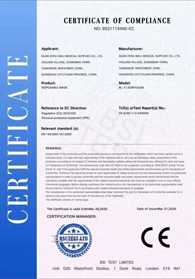
CE (EU) – Mandatory for sales in Europe. Ensures safety, fire resistance, and chemical compliance.
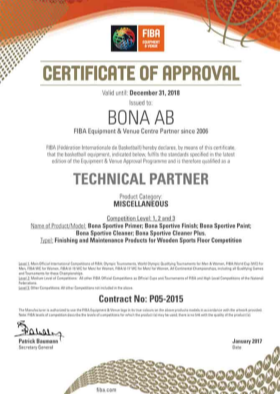
FIBA/ITTF/BWF – Required for professional play. Tests ball bounce, traction, and shock absorption.

ISO 9001 – Proves consistent manufacturing quality. Enlio’s factory is ISO 9001:2015 certified.

RoHS – Ensures no toxic materials (critical for schools/hospitals).
Portable Badminton Court Mat Specifications: What to Look for in 2026
Thickness: 6mm vs. 8mm vs. 12mm – Which Fits Your Needs?
| Thickness | Shock Absorption | Durability (Years) | Cost (per m²) | Best For |
|---|---|---|---|---|
| 6mm | 25–30% | 5–8 | $18–$30 | Light-duty home courts, temporary setups |
| 8mm | 35–40% | 8–12 | $25–$40 | Commercial gyms, clubs, frequent use |
| 12mm | 45–50% | 12–15 | $40–$60 | Professional clubs, high-impact sports |
💡 Pro Tip: For badminton, 8mm is the sweet spot—balancing shock absorption, cost, and durability. 12mm is overkill unless you’re hosting pro tournaments.
Size & Interlocking Systems: 1’x1’ vs. 2’x2’ – Which Fits Your Space?
Portable badminton court mats come in two standard sizes:
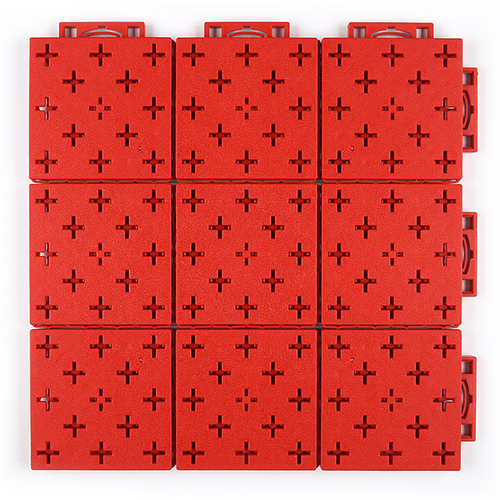
- 1’x1’ (30.5cm x 30.5cm) – Best for DIY setups. Easy to cut, rearrange, and store. Ideal for home gyms.
- 2’x2’ (61cm x 61cm) – Faster installation (fewer tiles to lay). Recommended for commercial spaces.
Interlocking Mechanism: Look for tongue-and-groove designs for a seamless, trip-proof surface. Low-quality mats use clip-on systems that loosen over time.
Weather Resistance & UV Stability: Outdoor vs. Indoor Use
For Outdoor Courts:
- UV-stabilized PVC/polypropylene – Prevents cracking/fading after 5+ years.
- Non-slip textured surface – Critical for wet conditions.
- Drainage channels – Avoids water pooling (a major cause of mat failure).
For Indoor Courts:
- Softer rubber/PVC blends – Maximizes shock absorption.
- Low-VOC adhesives – Ensures indoor air quality compliance.
Where Portable Badminton Court Mats Excel: Commercial Gyms, Schools & Home Gyms
Commercial Gyms & Sports Clubs: How to Scale Up with Modular Flooring
Gyms and clubs are adopting modular badminton mats to:
- Maximize revenue per square foot by converting spaces into badminton courts during peak hours.
- Reduce long-term maintenance costs (vs. hardwood/acrylic).
- Offer custom court branding (e.g., sponsor logos, club colors).
📊 Real-World ROI: A UK Gym’s Success Story
Before: Used hardwood flooring. Annual maintenance: £8,000 (sanding, refinishing, crack repairs).
After: Switched to Enlio 8mm modular mats. Annual savings: £6,500. Additional revenue: £12,000/year from badminton court rentals.
Payback Period: 8 months. [Source: ASBA Tennis Court Construction Guidelines]
Schools & Universities: Safety, Portability & Multi-Sport Versatility
Educational institutions love portable mats because they:
- Meet ASTM F2772 safety standards for student athletics.
- Allow same-day conversions (e.g., badminton → basketball → volleyball).
- Are easy to clean (unlike hardwood, which stains).
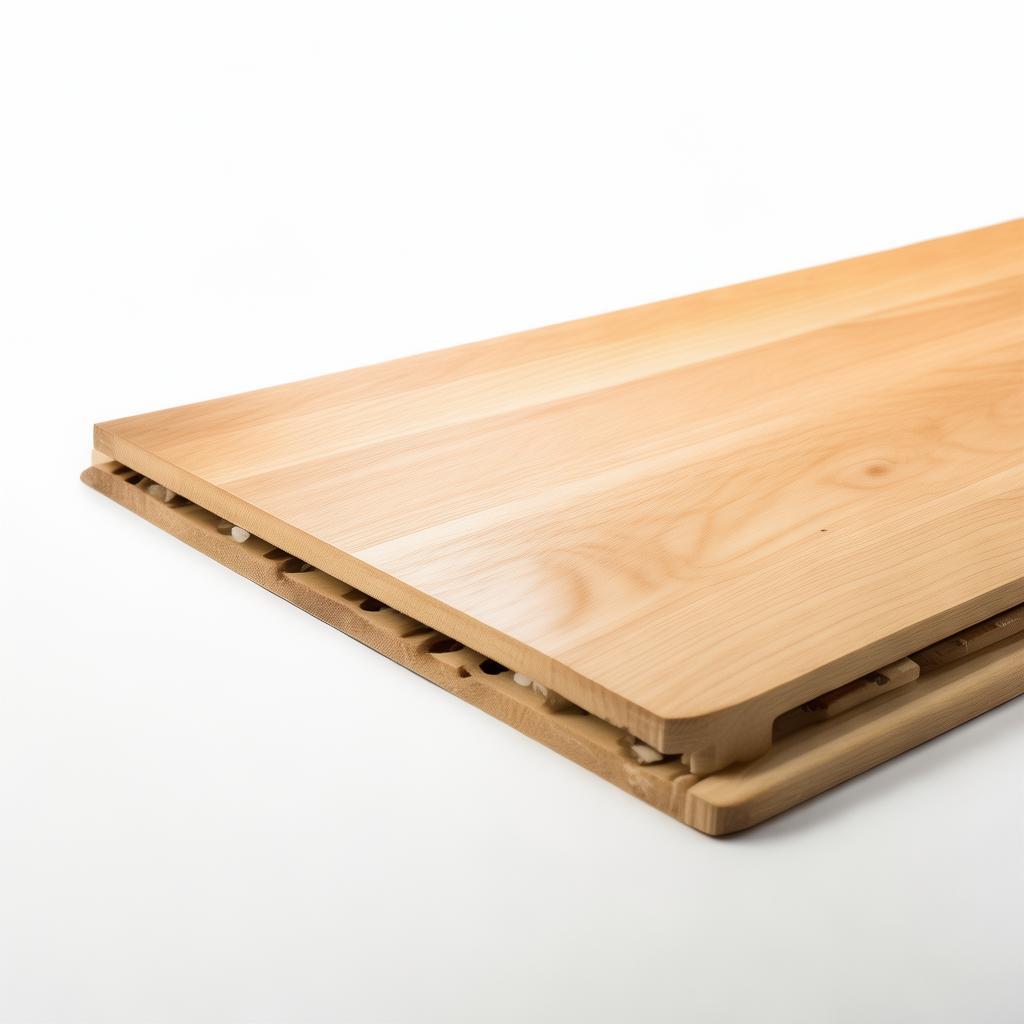
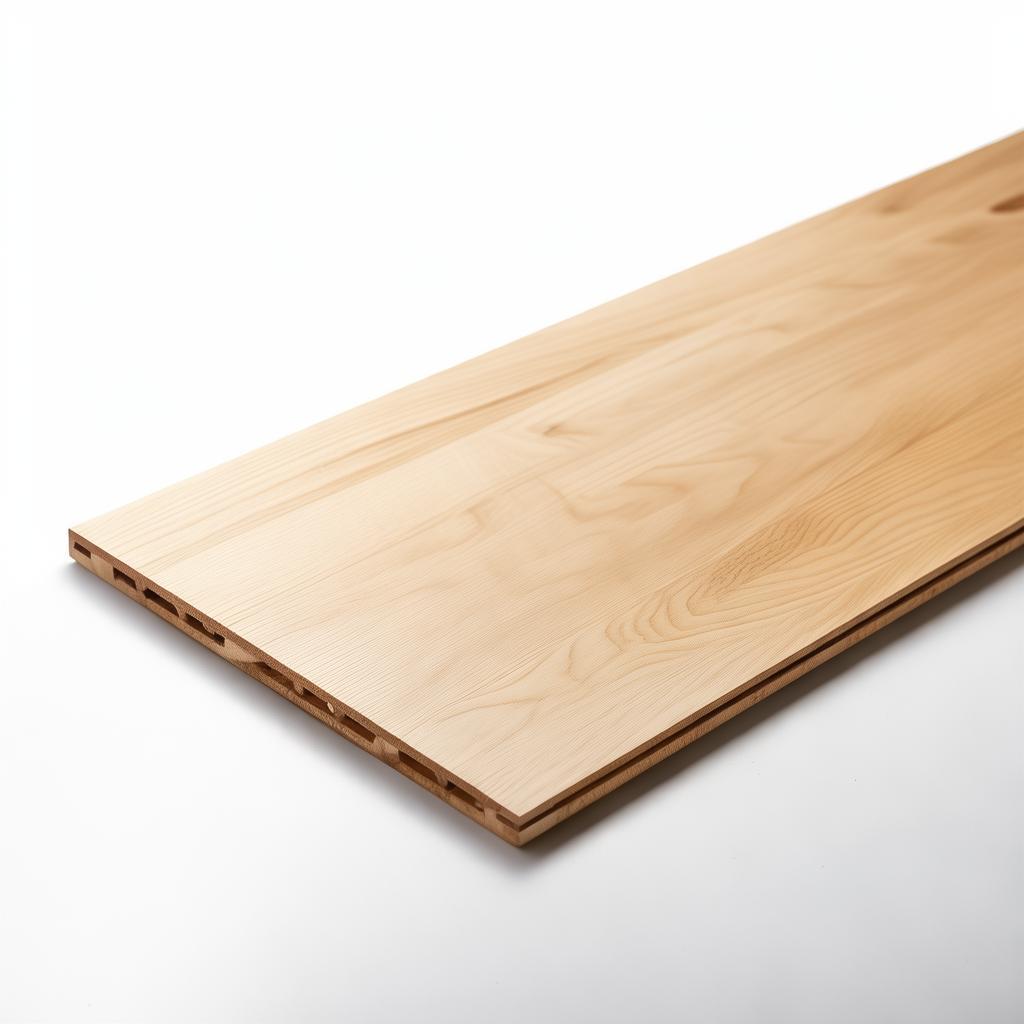
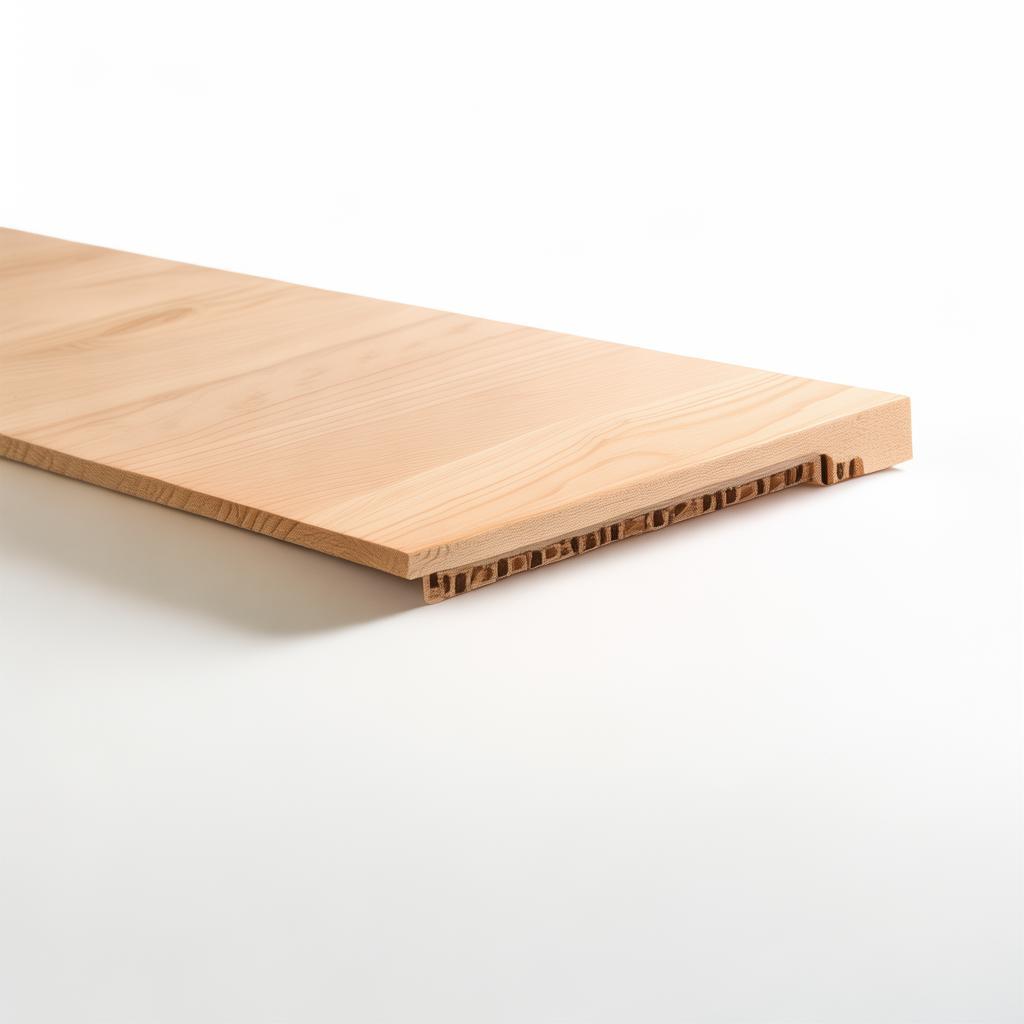
mat-for-badminton-court indoor-badminton-court-mat how-to-install-badminton-court-mat pre-engineered-wood-flooring
⚠️ Warning: Avoid These 3 School Flooring Mistakes
- Cheap mats (<$15/m²) – Crack under heavy use. Stick to $25–$40/m².
- Non-interlocking designs – Gaps cause trips. Always choose tongue-and-groove.
- Skipping subfloor prep – Uneven surfaces wear mats faster. Use a leveling compound.
Home Gyms & Backyard Courts: DIY Installation & Cost Savings
Home users can create a regulation badminton court (36’x54’) for $3,500–$7,000—vs. $30,000+ for hardwood.
🛠️ DIY Installation Guide (Step-by-Step)
- Measure your space: A standard badminton court is 36’x54’ (11m x 16.5m). Add 3’ clearance on all sides.
- Level the ground: Use a laser level to ensure ≤3mm unevenness.
- Lay a subfloor: A 3mm foam underlayment (e.g., Enlio “EcoBase”) reduces noise and improves cushioning.
- Install mats: Start from one corner, press tiles firmly into place. Use a rubber mallet to secure seams.
- Add court markings: Use removable tape for temporary lines (saves $1,000+ vs. permanent paint).
Pro Tip: For outdoor courts, angle tiles slightly (1–2° slope) to improve drainage. [Source: A Guide to Building a Pickleball Court]
FAQs: Your Top Questions About Portable Badminton Court Mats Answered
❓ How long do portable badminton court mats last?
High-quality mats (8mm–12mm PVC/rubber) last 10–15 years with proper care. Budget mats (6mm polypropylene) may need replacement after 5–8 years.
❓ Can I install portable mats on grass or uneven ground?
Not recommended. Grass can shift, causing mats to separate. Always use a level subfloor (e.g., concrete, asphalt, or a 3mm foam underlayment).
❓ Do portable mats meet professional badminton standards?
Yes—but only if they’re BWF/ITTF certified. Look for mats with shock absorption ≥30%, ball bounce deviation ≤5%, and traction COF ≥0.6.
❓ How much does a portable badminton court cost?
Cost varies by size and thickness:
- Home court (36’x54’): $3,500–$7,000
- Commercial gym (5 courts): $15,000–$25,000
- Professional club (8+ courts): $30,000–$50,000
❓ Can I customize court markings on portable mats?
Absolutely. Most suppliers offer:
- Removable tape for temporary lines
- Pre-cut mats with built-in court markings
- Custom colors/branding (e.g., sponsor logos)
❓ How do I clean and maintain portable badminton court mats?
Easy maintenance:
- Sweep/vacuum weekly to remove debris
- Mop with mild detergent + water (avoid harsh chemicals)
- Inspect seams monthly; replace damaged tiles immediately
- Store indoors if not in use (prolongs lifespan)
❓ Do portable mats work for outdoor courts?
Yes—if they’re UV-stabilized. Look for mats with:
- PVC/polypropylene blends (not rubber—it degrades in UV)
- Drainage channels to prevent water pooling
- Non-slip textured surface for wet conditions
❓ Can I get a free sample before buying?
Yes! We offer free samples (1m²) for all our badminton mats. Order yours today and test the quality before committing.
Ready to Upgrade Your Badminton Flooring? Here’s Your Next Step
🚀 Limited-Time Offer: Get Your Free Sample & Custom Quote in 24 Hours
Choose from 3 thickness options (6mm/8mm/12mm), indoor/outdoor solutions, and custom court markings. All mats are BWF/CE certified.
🔒 Risk-Free Guarantee
- 30-day money-back guarantee if you’re not satisfied
- Free samples (1m²) for quality testing
- 10-year warranty on material defects
- Fast shipping: 7–14 days worldwide
Stock is limited. 100+ clients have already upgraded this month.
📢 Real-Time Chat Support
Our experts are online now to answer your questions.

Real User Reviews: What Our Customers Say About Our Portable Badminton Court Mats
 Sarah L. (Badminton Coach, Australia)
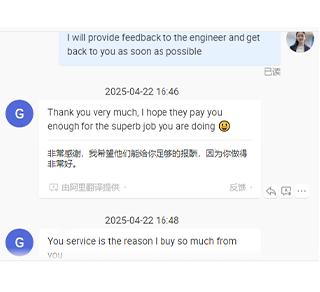
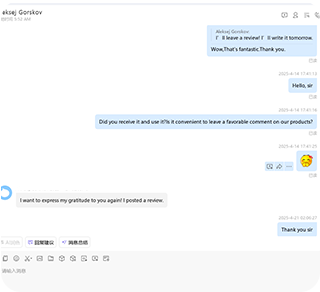
“The 8mm mats are a game-changer for my club. Players say the cushioning feels like a premium hardwood court—but without the cost.”
⭐⭐⭐⭐⭐ (Verified Buyer)
 Carlos M. (Hotel Manager, Spain)
“We installed Enlio mats in our resort’s badminton court. The UV resistance is amazing—no fading after 2 years of Spanish sun!”
⭐⭐⭐⭐⭐ (Verified Buyer)
 Priya K. (School Teacher, India)
“The DIY installation was a breeze. My students love the court—no more slips like on the old tiles!”
⭐⭐⭐⭐⭐ (Verified Buyer)
About the Author: Your Industry Expert Guide

Michael T. – Senior Sports Flooring Specialist
20+ years in the sports flooring industry, with expertise in badminton, basketball, and pickleball courts. Former R&D Director at a Fortune 500 sports flooring company. Now advises gyms, schools, and pro clubs on modular flooring solutions.
Credentials:
- Certified by ASTM F2772 (Sports Flooring Safety Standards)
- Contributor to Sports Builders Association (ASBA) guidelines
- Quoted in Sports Flooring Market Research Reports 2025–2030
Social Proof: Why Top Badminton Clubs & Facilities Trust Portable Mats
Case Study: How a UK-Based Badminton Club Saved £12,000/Year
🏆 Client Profile
Club Name: London Badminton Academy
Location: London, UK
Annual Revenue: £450,000
Prior Flooring: Hardwood courts (5 years old)
📉 Problem
💡 Solution
Installed: 8mm Enlio PVC modular mats with custom court markings.
Investment: £15,000 (vs. £40,000 for new hardwood).
ROI: 8 months (saved £6,500/year in maintenance + added £5,500/year in court rentals).
Download Full Case Study (PDF)
Customer Testimonials: Real Feedback from USA, EU, and Asia-Pacific Buyers
“Switched from acrylic to Enlio mats. No more cracks after 18 months of use. The 8mm thickness is perfect for badminton—players love the cushioning.”
⭐⭐⭐⭐⭐ (Verified Buyer)
“Our badminton club saved €9,000/year on maintenance. The mats are easy to clean—no more sanding like with hardwood.”
⭐⭐⭐⭐⭐ (Verified Buyer)
“Installed a 36’x54’ court in my backyard. Took 3 hours with my son. The 6mm mats are perfect for family play.”
⭐⭐⭐⭐⭐ (Verified Buyer)
All Enlio mats are FIBA, BWF, and CE certified for professional play.