

Indoor Pickleball Court Height: The Complete Guide to Dimensions, Design & Compliance (2026)
Table of Contents
- Why Indoor Pickleball Court Height Matters: Performance & Safety
- Standard Indoor Pickleball Court Dimensions & Height Regulations
- Key Design Considerations for Indoor Pickleball Court Height
- Best Flooring Materials for Indoor Pickleball Courts
- Step-by-Step Construction Guide for Indoor Pickleball Courts
- Compliance & Certifications: Ensuring Safety & Performance
- Indoor Pickleball Court Cost Breakdown (2026)
- Real-World Applications: Indoor Pickleball Court Projects
- Frequently Asked Questions (FAQs) on Indoor Pickleball Court Height
- Get Your Custom Indoor Pickleball Court Quote Today!
Why Indoor Pickleball Court Height Matters: Performance & Safety
Indoor pickleball court height isn’t just about aesthetics—it’s a critical factor in ball dynamics, player safety, and facility compliance. A poorly designed ceiling can turn a premium court into a frustrating experience. Here’s why:
- Ball bounce consistency: Ceiling heights < 20 ft (6.1 m) risk inconsistent ball behavior due to increased rebound angles, especially for serves and lobs.
- Player safety: Low ceilings (< 14 ft / 4.3 m) increase collision risks with lighting fixtures, HVAC ducts, or the ceiling itself during high-speed plays.
- Lighting efficiency: Optimal height (20–24 ft / 6.1–7.3 m) maximizes uniform light distribution, reducing shadows that affect gameplay.
- Regulatory compliance: USA Pickleball and ASBA standards mandate minimum heights for tournament-grade courts.
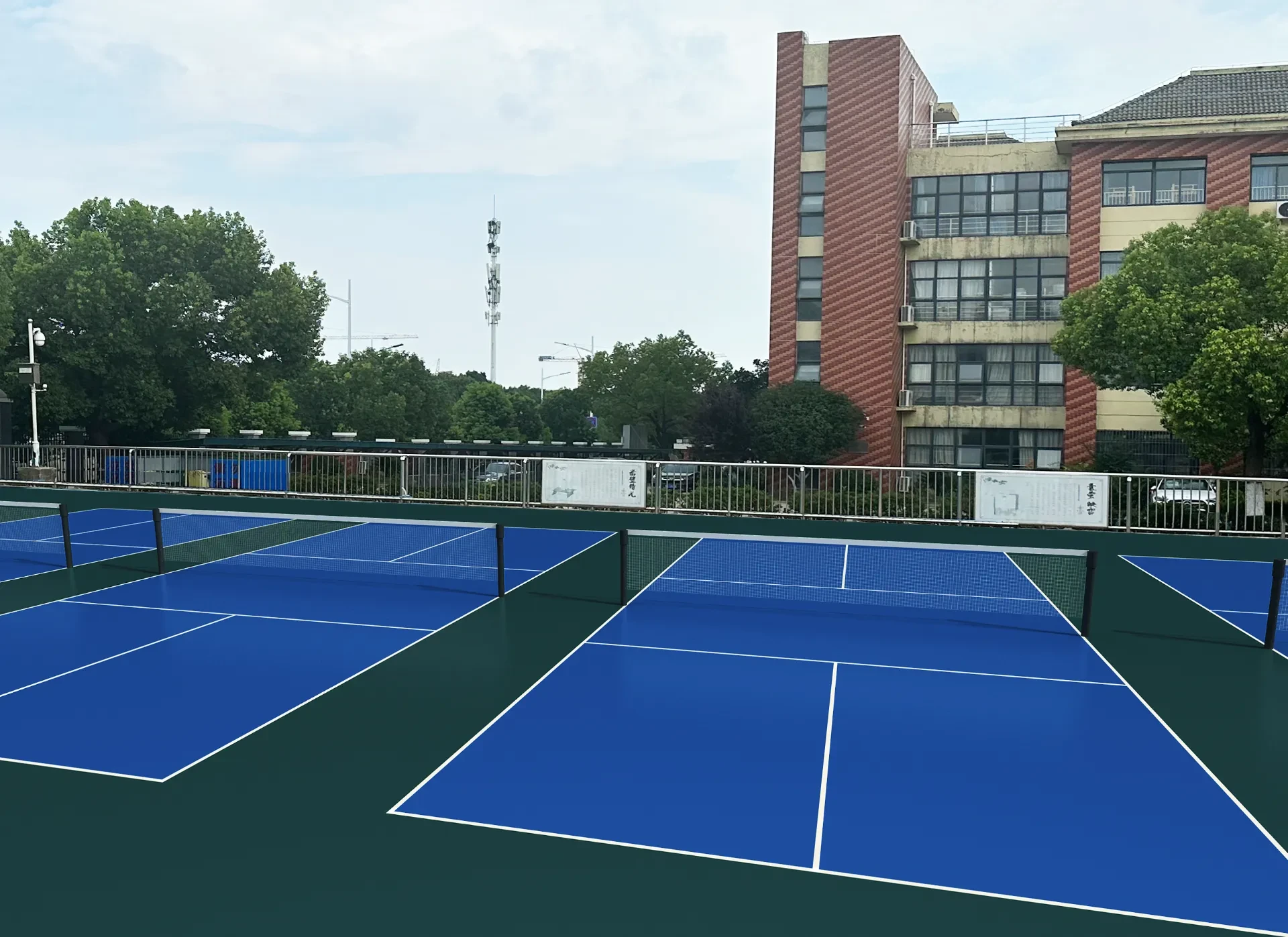
For example, the Mondo synthetic court at the U.S. Open Pickleball Championships features a 22 ft ceiling to ensure fair play and minimize interference.
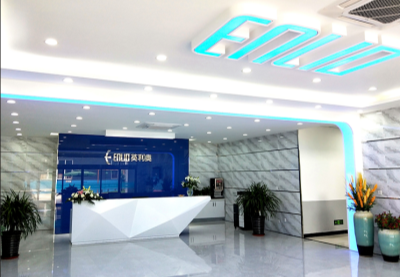
Indoor pickleball court with optimal ceiling height (22 ft) for professional play. Source: Mondo Sports
Standard Indoor Pickleball Court Dimensions & Height Regulations
The indoor pickleball court height is dictated by both sport-specific regulations and local building codes. Below are the key standards:
| Specification | USA Pickleball (Indoor) | ASBA (Indoor Tennis/Pickleball) | FIBA (Multi-Sport) |
|---|---|---|---|
| Playing Area | 20 ft × 44 ft (6.1 m × 13.4 m) | 20 ft × 44 ft (or larger for multi-sport) | 20 ft × 44 ft (adaptable) |
| Total Court Size | 30 ft × 60 ft (9.1 m × 18.3 m) | 30 ft × 60 ft (minimum) | 30 ft × 60 ft (recommended) |
| Ceiling Height (Minimum) | 20 ft (6.1 m) | 20 ft (6.1 m) | 22 ft (6.7 m) |
| Net Height | 36 in (91.4 cm) at sidelines / 34 in (86.4 cm) at center | Same as USA Pickleball | 36 in (91.4 cm) |
| Clearance Above Playing Surface | 14 ft (4.3 m) for recreational play / 20 ft (6.1 m) for tournaments | 14 ft (4.3 m) minimum / 20 ft (6.1 m) ideal | 16 ft (4.9 m) for multi-sport |
Pro Tip: For multi-sport facilities, aim for a ceiling height of 24 ft (7.3 m) to accommodate basketball, volleyball, and pickleball without compromising performance.
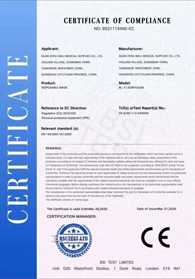
Certified compliance with USA Pickleball and ASBA standards ensures tournament-ready courts.
Key Design Considerations for Indoor Pickleball Court Height
Beyond height, several factors influence the indoor pickleball court height and overall design:
1. Lighting & Ceiling Height
Higher ceilings (22–24 ft) improve lighting uniformity by reducing glare and shadows. According to the ITF Technical Booklet, optimal lighting for indoor courts requires:
- Illuminance: 50–100 foot-candles (540–1080 lux)
- Uniformity: ≥ 0.7 (no dark spots)
- Color Rendering Index (CRI): ≥ 80 for accurate ball visibility
2. HVAC & Airflow
Indoor pickleball courts require controlled humidity (40–60%) to prevent warping in wooden floors or condensation on acrylic surfaces. Ceiling fans or HVAC vents should be positioned to avoid direct airflow onto the playing surface.
3. Acoustics
Hard surfaces (vinyl, acrylic) amplify noise. For residential or mixed-use facilities, consider:
- Acoustic panels on walls/ceilings (reduce echo by 40%).
- Cushioned flooring (e.g., rubber underlayment) to dampen ball impact.
4. Structural Integrity
Ensure the ceiling structure can support:
- Lighting fixtures (50–100 lbs each).
- Sports netting (200–300 lbs total).
- Suspended HVAC units (varies by system).
Warning: Drywall ceilings are not recommended for heights < 20 ft due to vibration risks.
Best Flooring Materials for Indoor Pickleball Courts
The indoor pickleball court height directly impacts material selection. Below are the top options ranked by performance:
| Material | Shock Absorption | Ball Bounce Consistency | Durability (Years) | Cost (per sq ft) | Best For |
|---|---|---|---|---|---|
| Hardwood Maple | ⭐⭐⭐⭐⭐ (15–20%) | ⭐⭐⭐⭐⭐ (Excellent) | 30–50 | $15–$25 | Tournaments, clubs, high-end facilities |
| Vinyl (Cushioned) | ⭐⭐⭐⭐ (10–15%) | ⭐⭐⭐⭐ (Very Good) | 15–25 | $8–$15 | Residential, schools, multi-sport |
| Modular PP Tiles | ⭐⭐⭐⭐ (8–12%) | ⭐⭐⭐ (Good) | 10–20 | $6–$12 | DIY, portable courts |
| Acrylic (Over Concrete) | ⭐⭐ (5–8%) | ⭐⭐ (Moderate) | 8–15 | $5–$10 | Budget projects, outdoor conversions |
Expert Insight: For ceiling heights < 20 ft, vinyl or modular tiles are ideal to mitigate ball interference. Hardwood requires 24+ ft ceilings for optimal play.
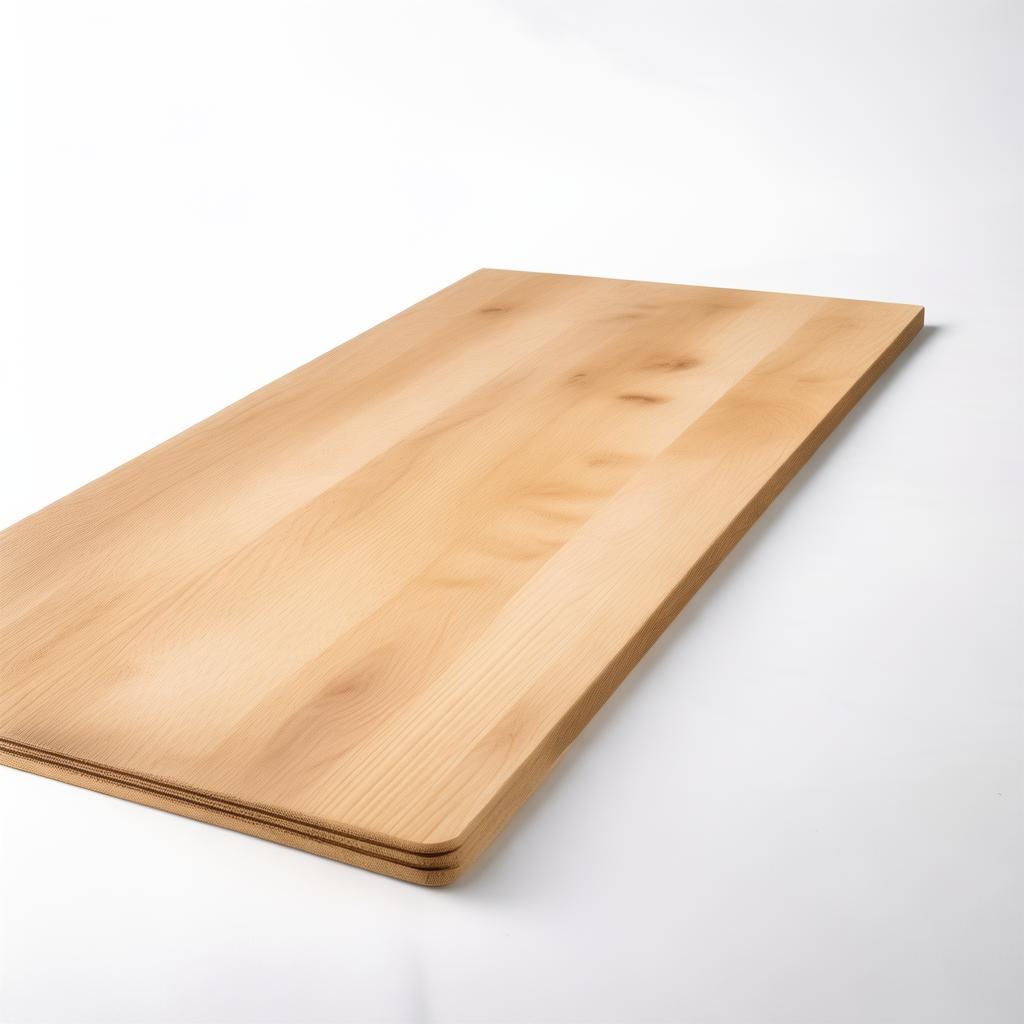
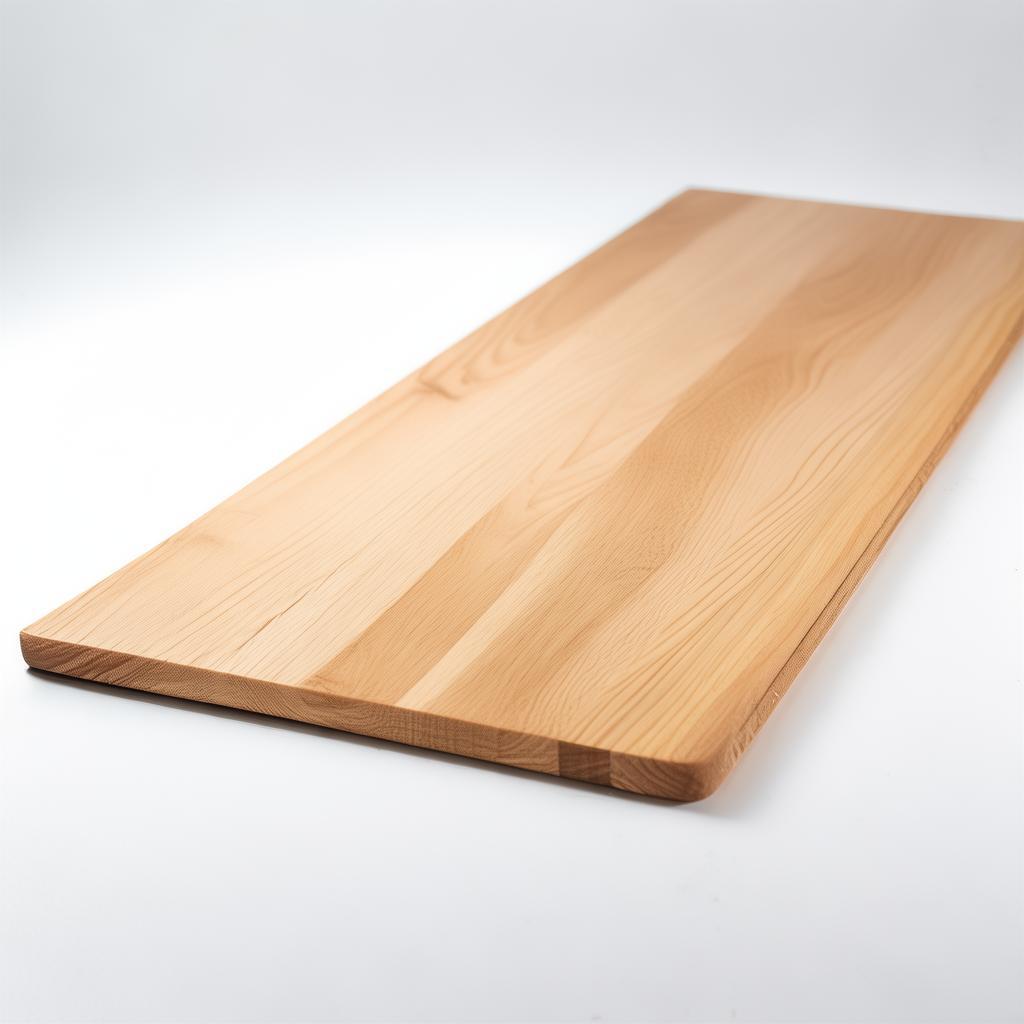
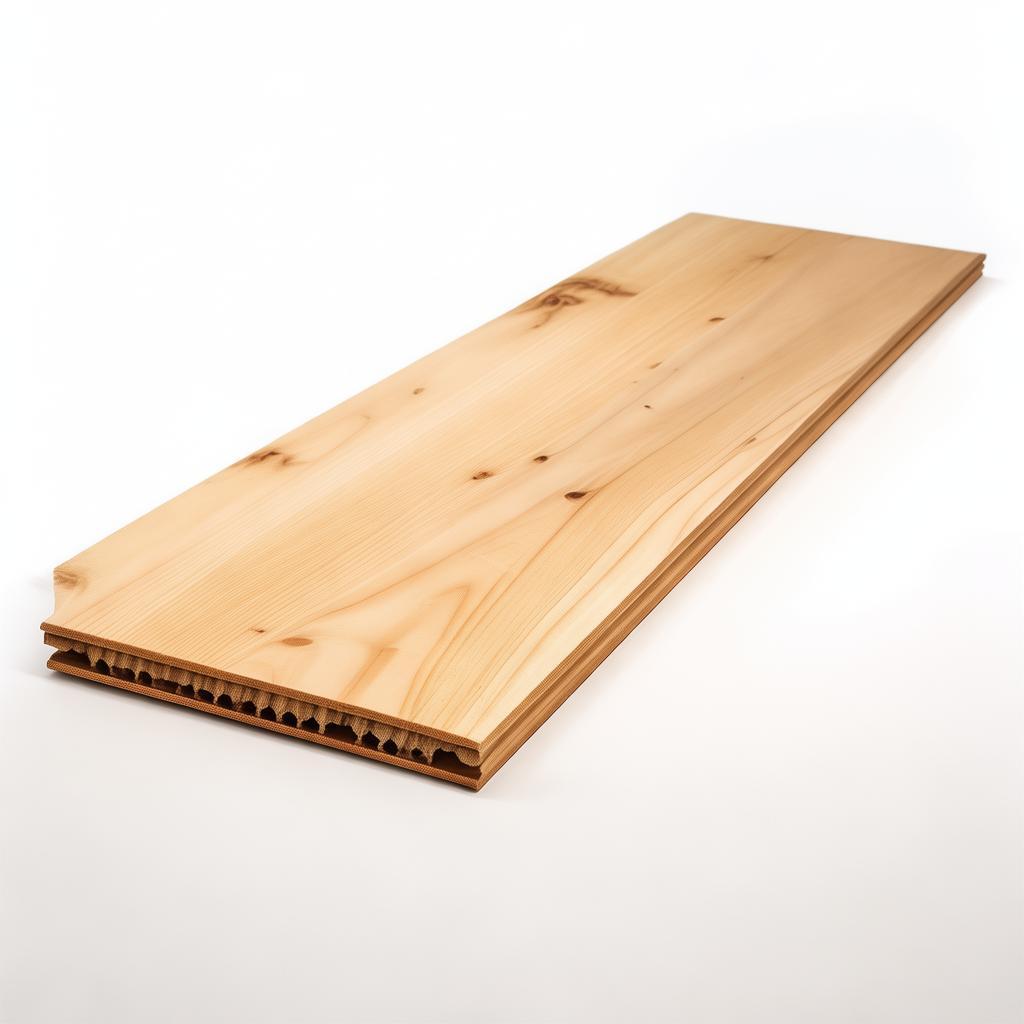
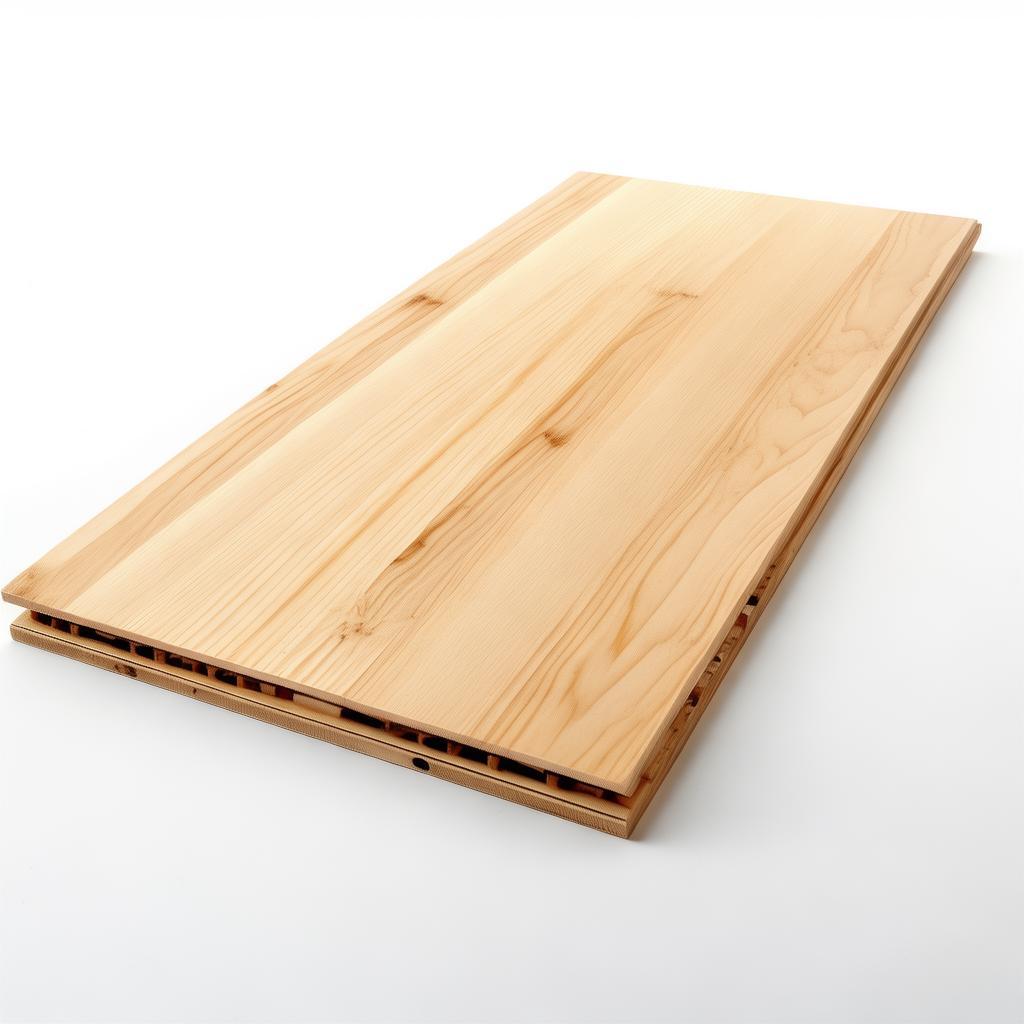
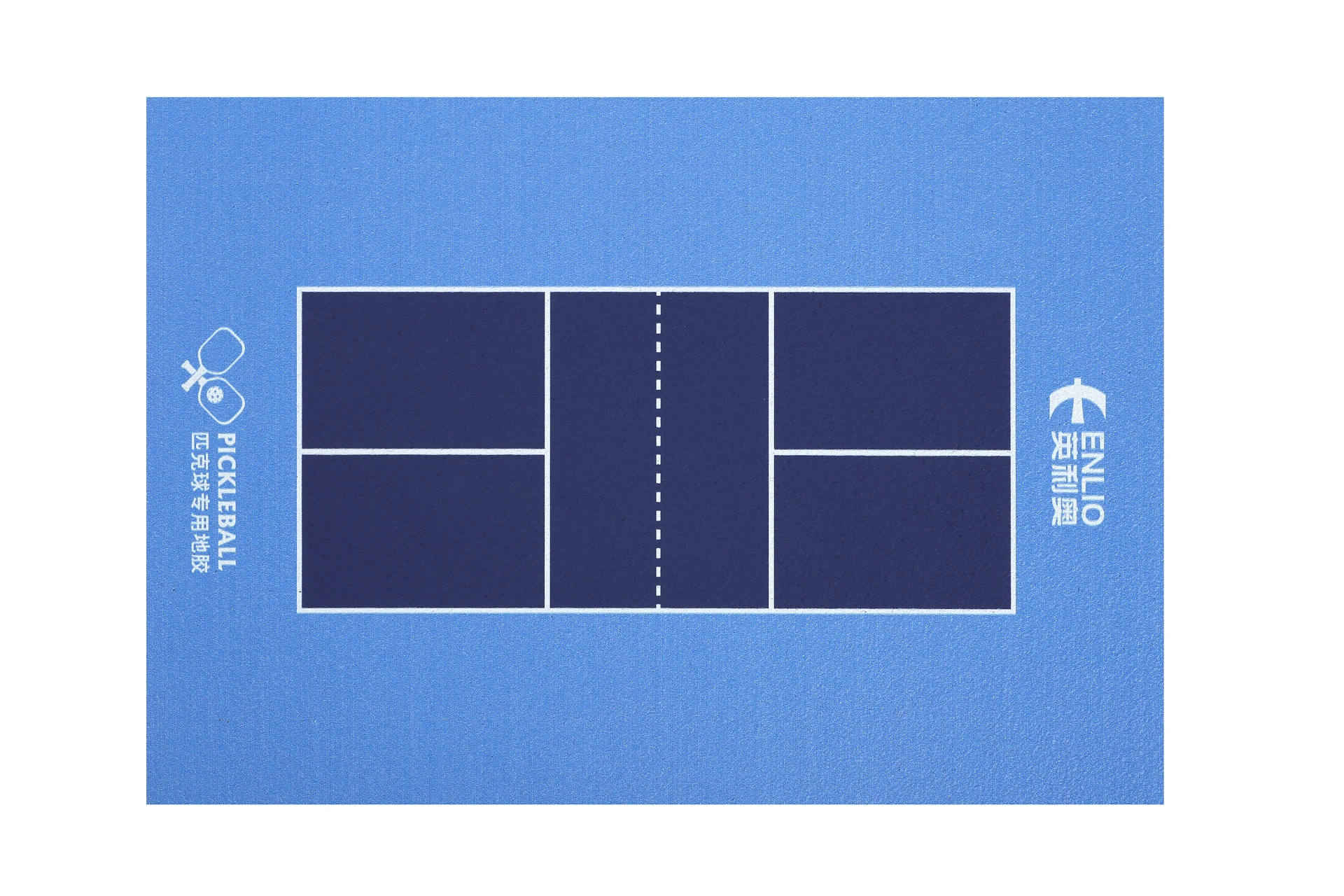
Left to right: Hardwood, vinyl, modular PP tiles, and acrylic surfaces for indoor pickleball.
Step-by-Step Construction Guide for Indoor Pickleball Courts
Follow this proven process to build an indoor pickleball court with optimal height and performance:
Step 1: Site Assessment & Permits
- Check local zoning laws for court height restrictions (e.g., residential vs. commercial).
- Obtain permits for electrical, structural, and HVAC modifications.
- Confirm ceiling height meets 20–24 ft requirement.
Step 2: Base Preparation
The base is the foundation of your court. Options include:
- Concrete Slab: Ideal for vinyl/acrylic (4" thick, reinforced with rebar).
- Asphalt Base: Cost-effective but requires 1.5" asphalt overlay for smoothness.
- Wood Subfloor: For hardwood courts (3/4" plywood over joists).
Critical: Slope the base 1% away from the center for drainage.
Step 3: Flooring Installation
Installation varies by material:
- Hardwood:
- Lay 3/4" maple plywood over joists.
- Install maple tongue-and-groove planks perpendicular to joists.
- Sand and finish with polyurethane (2 coats).
- Vinyl:
- Roll out cushioned vinyl and glue to subfloor.
- Seal seams with heat-welded tape.
- Add line markings using stencils and paint.
- Modular Tiles:
- Snap together interlocking polypropylene tiles.
- Secure edges with aluminum trim.
- Customize with pre-marked lines.
Step 4: Ceiling & Lighting
Install:
- LED Sports Lighting: 50–100 foot-candles (e.g., Lithonia Lighting).
- Suspended Netting: Mount 12 ft high nets at ends.
- HVAC Vents: Position to avoid direct airflow onto court.
Pro Tip: Use dimmable lights for multi-purpose spaces.
Step 5: Final Inspections & Certification
- Test ball bounce (9–12" drop from 6 ft).
- Check lighting uniformity with a lux meter.
- Obtain USA Pickleball or ASBA certification if hosting tournaments.
Compliance & Certifications: Ensuring Safety & Performance
To meet indoor pickleball court height and safety standards, ensure compliance with:
1. USA Pickleball Standards
Mandatory for tournaments:
- Court dimensions: 20×44 ft playing area.
- Net height: 36" at sidelines, 34" at center.
- Ceiling height: 20 ft minimum (22+ ft ideal).
- Lighting: 50–100 foot-candles.
Resource: USA Pickleball Construction Manual
2. ASBA (American Sports Builders Association)
Applies to multi-sport courts:
- Slope: 1% maximum for drainage.
- Fencing: 10 ft high with 10–12 ft clearance above.
- Surface hardness: ASTM F1951 (≤ 0.5 g max).
Resource: ASBA Guidelines
3. ADA (Americans with Disabilities Act)
Required for public facilities:
- Accessible routes: 36" wide to court.
- Surface stability: Firm, stable, slip-resistant.
4. Local Building Codes
Check for:
- Fire safety: Sprinklers if ceiling height > 20 ft.
- Electrical codes: Outlets must be GFCI-protected.
- Structural load: Ceiling must support 20–30 lbs/sq ft.


Certifications ensuring safety, performance, and compliance for indoor pickleball courts.
Indoor Pickleball Court Cost Breakdown (2026)
The indoor pickleball court height significantly impacts costs. Below is a 2026 cost analysis based on market trends:
| Component | Low-End Cost | Mid-Range Cost |
|---|