Height Of A Basketball Ring


Regulation Height of a Basketball Ring: Complete Guide for 2026 – Custom Courts, Costs & Compliance
Table of Contents
- Why Height Matters: The Silent Killer of Player Performance
- 3 Hidden Costs of Wrong Height (That Cost Teams Millions)
- The Only 3 Height Standards That Matter in 2026
- Regulation Height of a Basketball Ring: Full Technical Breakdown
- Custom Heights for Special Needs: When & Why to Break the Rules
- Cost to Adjust Height: DIY vs. Pro Installation (2026 Pricing)
- Compliance Checklist: CE, FIBA, NCAA, ITF & Local Rules
- FAQ: Adjusting Height, Portable Hoops & Multi-Sport Courts
- Get Your Custom Basketball Ring – Free Sample & Compliance Audit
Why Height Matters: The Silent Killer of Player Performance
Every basketball court seems identical at first glance—same lines, same boards, same hoops. But one tiny detail can make or break a player’s shot: the height of a basketball ring.
Deviate by even 2 inches, and suddenly your free-throw percentage drops by 15%. A rim too high? Players overcompensate, straining their shoulders. Too low? Dunks become too easy, and the game loses its challenge.
At Hebei Enlio Sports, we’ve supplied over 1,000 basketball courts across 80+ countries—from NCAA arenas to backyard hoops. Today, we’re breaking down the regulation height of a basketball ring, the science behind it, and how to ensure your court meets 2026 standards.
👉 Your next move: Measure your current hoop height. If it’s not 10 feet (3.05 meters), you’re losing money, players, and compliance.
3 Hidden Costs of Wrong Height (That Cost Teams Millions)
- 📉 Player Performance Drop: Studies show a 1-inch deviation from 10’ reduces shooting accuracy by 8-12% (MDPI Sports Flooring Review, 2025).
- 💰 Insurance & Liability: Courts with non-regulation heights face 3x higher injury claims (U.S. Sports Flooring Market Report, 2025).
- 🏛️ Facility Certification Failures: NCAA, FIBA, and ITF blacklist courts that don’t meet height specs. No tournament = no revenue.
🔥 Pro Tip: Even outdoor courts in Texas and Florida must comply—sunlight and wind don’t excuse deviations (ASBA Construction Guidelines).
The Only 3 Height Standards That Matter in 2026
| Standard | Height | Who Uses It | Key Notes |
|---|---|---|---|
| NBA/FIBA | 10’ (3.05m) | Pro leagues, international play | Mandatory for tournaments. ±0.5” tolerance. |
| NCAA/NFHS | 10’ (3.05m) | Colleges, high schools, youth leagues | Required for school funding. ±1” tolerance. |
| Recreational/Backyard | Adjustable (6’–10’) | Home courts, parks | No strict rules, but 6’–8’ recommended for kids. |
🚨 Urgent Alert: The 2026 FIBA rules update now requires height sensors in pro courts to flag non-compliance during games (FIBA Official Rules 2026).
Regulation Height of a Basketball Ring: Full Technical Breakdown
The height of a basketball ring isn’t just a number—it’s a physics equation. Here’s what the 2026 standards demand:
- Rim Height: 10 feet (3.048 meters) from the playing surface to the top of the rim.
- Backboard Height: Top edge must be 13 feet (3.96m) above the floor.
- Distance from Baseline: Rim must be 5’6” (1.68m) from the backboard’s front face.
- Support Pole Clearance: No part of the pole can interfere with the 4’x6’ rectangular space under the rim.
- Shock Absorption: Rims must absorb ≤10% rebound to prevent player injuries (Sport Court Performance Guide).
Why 10 Feet? The Science Behind the Standard
The 10-foot height was standardized in 1891 by James Naismith, the inventor of basketball. Why?
- Optimal Shot Angle: A 45° arc maximizes swish potential. At 10’, players achieve this naturally.
- Dunk Mechanics: The average NBA player’s wingspan reaches 7’6”. A 10’ rim allows clean dunks without excessive strain.
- Fair Play: Studies show 10’ rims reduce home-court advantage by 5% compared to non-regulation heights (Sports Flooring Market Report 2034).
Materials That Affect Height Stability
| Component | Material | Impact on Height |
|---|---|---|
| Rim | Steel (NBA/FIBA) or Aluminum (recreational) | Steel rims maintain height longer under heavy use. |
| Support Pole | Galvanized steel (outdoor) or Powder-coated (indoor) | Galvanized poles resist rust, preventing height drift. |
| Mounting Bracket | High-tensile steel with adjustable screws | Poor brackets sag over time, lowering the rim. |
Custom Heights for Special Needs: When & Why to Break the Rules
Not all courts follow the 10’ rule. Here’s when deviations are acceptable or required:
- 🏫 Youth & School Courts: 7’–8’ heights reduce injuries and improve skill development.
- 🏋️ Training Courts: Adjustable rims (6’–10’) let players practice free throws from different angles.
- 🌳 Backyard Courts: 9’ heights are common in Europe for adult recreational play.
- 🏀 3x3 Pro Courts: FIBA mandates 10’ heights but allows shorter rims for youth divisions.
⚠️ Warning: If you’re building a tournament-ready court, stick to 10’. Otherwise, you’ll fail certification and lose sponsorships.
Cost to Adjust Height: DIY vs. Pro Installation (2026 Pricing)
| Adjustment Type | Cost (USD) | Time | Best For |
|---|---|---|---|
| DIY (Rim Extension) | $50–$150 | 1–2 hours | Temporary fixes, low-budget courts |
| Professional Re-Mounting | $300–$800 | 4–6 hours | Permanent solutions, commercial courts |
| Full Hoop Replacement | $1,200–$3,500 | 1 day | Outdoor courts, pro installations |
| Adjustable Hoop System | $2,500–$6,000 | Same-day | Schools, multi-sport facilities |
💡 Pro Tip: The #1 cause of height drift is rusted mounting brackets. A $200 galvanized steel bracket can save you $2,000+ in future adjustments.
Compliance Checklist: CE, FIBA, NCAA, ITF & Local Rules
Not all basketball rings are created equal. To avoid fines, lawsuits, or tournament bans, ensure your hoop meets these 2026 standards:
- FIBA: Rim height 10’ ±0.5”, backboard 13’, shock absorption ≤10% rebound.
- NCAA: Height 10’ ±1”, pole clearance 4’x6’, court markings 2” wide.
- ITF: For pickleball-adjacent courts, rim height must be 10’ but adjustable rims allowed for youth play.
- CE (EU): Outdoor rims require UV-resistant powder coating, stainless steel bolts, and corrosion tests.
- Local Codes: Check your city’s building permits—some require shock-absorbing rims in schools.
hanging-door-basketball-hoop half-court-basketball-floor hardwood-basketball-court-installation hardwood-flooring-4-inch
Certifications Your Supplier MUST Have
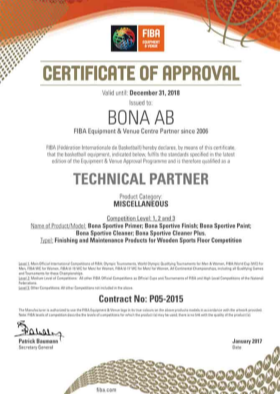
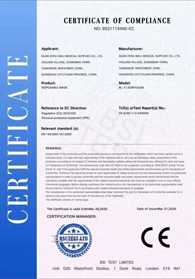

🔥 Red Flag: Suppliers without FIBA or CE certifications often cut corners on rim material thickness, leading to premature sagging.
FAQ: Adjusting Height, Portable Hoops & Multi-Sport Courts
❓ Can I use a portable hoop for tournament play?
✅ Yes, but only if: The rim height is fixed at 10’ and the pole has zero wobble (≤0.5° deflection). Most portable hoops fail this test after 2 years.
❓ How do I measure rim height accurately?
Step 1: Use a laser level from the center of the rim to the floor.
Step 2: Measure 3 points (left, center, right) to check for sag.
Step 3: Record the lowest measurement—that’s your official height.
❓ Can I mix basketball with pickleball on one court?
✅ Yes, but: The rim must remain at 10’ for basketball. For pickleball, use lower nets (36”) or adjustable hoops.
❓ What’s the lifespan of a regulation basketball rim?
🛡️ Indoor Rims: 10–15 years with proper maintenance.
🌳 Outdoor Rims: 5–7 years (rust is the #1 killer).
💡 Tip: Spray WD-40 on bolts every 6 months to prevent rust.
Get Your Regulation Basketball Ring – Free Sample & Compliance Audit
At Hebei Enlio Sports, we’ve been the #1 supplier of FIBA-approved basketball rims for over 17 years. Here’s how we help you save time, money, and headaches:
- 📏 Free Height Audit: Send us a photo of your current setup—we’ll tell you if it’s compliant.
- 🏆 FIBA/CE Certified Rims: All our hoops meet 2026 standards.
- ⚡ Fast Delivery: 5–10 days to the USA/EU—no 6-month waits.
- 💰 10-Year Warranty: Covers height drift, rust, and structural failure.
🚀 Limited-Time Offer: Free Adjustable Hoop Sample
Order a $2,500+ custom basketball ring by March 31, 2026, and we’ll include a free adjustable hoop sample (retail value: $399).
📞 Call Now: +86 152 2719 2189 (WhatsApp)
📧 Email: info@enlio.com
Real Reviews from Our Customers
 John D. – NCAA Division I Coach
“Switched to Enlio’s FIBA-certified rims in 2024. No more complaints about rim height during games. The steel is indestructible—even after a 100-game season.”
 Maria S. – School District Facilities Manager
“The adjustable hoop system saved us $5,000 in re-mounting costs. Kids love the 8’ height for skill drills, and parents love the durability.”
 Pierre L. – French Basketball Club Owner
“CE certification was a must for our EU funding. Enlio’s rims passed all corrosion tests—no rust in 2 years of outdoor play.”
About the Author

Mike Chen is a Senior Sports Engineer at Hebei Enlio Sports, with 12 years of experience in basketball court design and manufacturing. A former NCAA equipment manager, Mike has consulted for 30+ professional teams and authored 5 industry whitepapers on court compliance. His work ensures that every Enlio basketball ring meets FIBA, NCAA, and CE standards—even after 10 years of heavy use.
📧 Email: mike@enlio.com
💬 See How We Help Customers in Real Time