
Aug . 27, 2025 02:20 Back to list
Premium Vinyl SPC Flooring: Durable, Waterproof & Stylish Floors
Understanding Vinyl SPC Flooring: A B2B Perspective on Performance and Application
In the dynamic landscape of commercial and industrial infrastructure, material selection for flooring plays a critical role in long-term operational efficiency, safety, and aesthetic appeal. Among the myriad options, vinyl spc flooring has emerged as a frontrunner, offering an unparalleled blend of durability, water resistance, and design versatility. This article delves into the technical intricacies, application advantages, and strategic considerations for B2B decision-makers evaluating this innovative flooring solution.
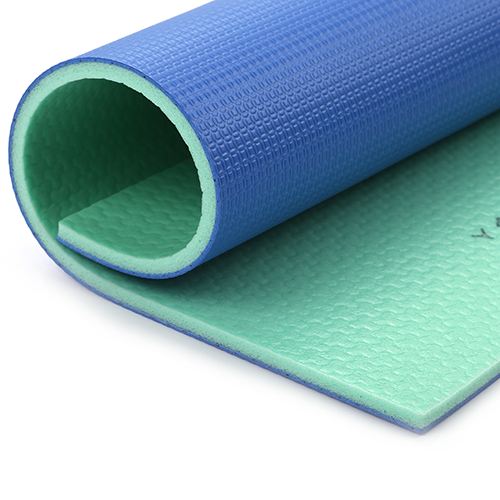
Stone Plastic Composite (SPC) flooring represents a significant advancement over traditional vinyl and laminate options. Its rigid core construction, primarily composed of limestone powder and PVC stabilizers, provides exceptional dimensional stability and impact resistance, making it ideal for high-traffic environments and areas prone to moisture exposure. This technical deep dive aims to equip professionals with the knowledge to make informed decisions for their projects.
Industry Trends and Market Dynamics
The global market for SPC flooring is experiencing robust growth, driven by increasing demand from the commercial, hospitality, healthcare, and education sectors. Forecasts indicate a compound annual growth rate (CAGR) of over 10% for rigid core luxury vinyl tiles (LVT) between 2022 and 2030, underscoring its rising prominence. This growth is fueled by several key trends:
- Sustainability Focus: Manufacturers are increasingly adopting eco-friendly production methods and materials, with many SPC products featuring phthalate-free formulations and low VOC emissions, aligning with green building standards like LEED.
- Technological Advancements: Innovations in digital printing allow for highly realistic wood and stone aesthetics, broadening design possibilities. Enhanced wear layers and integrated underlayments (e.g., IXPE, EVA) are also improving performance and installation efficiency.
- Demand for Durability & Low Maintenance: Commercial entities seek flooring solutions that can withstand heavy foot traffic, resist indentations, and require minimal upkeep, directly addressed by the inherent properties of SPC.
- Moisture Resistance: As a fully waterproof product, SPC is increasingly specified for areas traditionally reserved for ceramic tiles, such as bathrooms, kitchens, and basements in commercial settings, including restaurants and clinics.
The shift towards rigid core constructions signifies a preference for superior performance characteristics over traditional pvc vinyl flooring. This evolution positions vinyl spc flooring as a strategic investment for long-term facility management.
Manufacturing Process Flow of Vinyl SPC Flooring
The production of vinyl spc flooring is a sophisticated, multi-stage process ensuring the product's renowned rigidity and durability. Understanding this process provides insight into the material's superior performance attributes.
-
Raw Material Preparation (SPC Core Layer):
High-quality calcium carbonate (limestone powder), polyvinyl chloride (PVC) resin, and stabilizers are precisely measured and mixed. This mixture forms the foundation of the Stone Plastic Composite core, defining its high density and structural integrity.
-
Extrusion Process:
The mixed raw materials are fed into an extruder, where they are heated and compressed. The molten composite is then extruded through a die to form a continuous sheet, which is cooled to solidify into the rigid SPC core board. This critical step ensures uniformity and density.
-
Hot-Pressing Lamination:
Multiple layers are then fused together under high heat and pressure onto the SPC core. These layers include:
- Balance Layer: Provides stability and prevents cupping.
- SPC Core: The waterproof and rigid foundation.
- Print Film Layer: High-definition decorative film mimicking wood, stone, or abstract patterns.
- Wear Layer: A transparent protective layer (typically 0.3mm to 0.7mm) that resists scratches, abrasions, and stains.
-
UV Coating Application:
A final UV-cured topcoat is applied. This layer enhances scratch resistance, provides stain protection, and offers various finishes (e.g., matte, gloss), ensuring long-term aesthetic preservation.
-
Cutting, Profiling, and Quality Control:
The large laminated sheets are cut into individual planks or tiles. A precision CNC machining process then mills the edges to create the interlocking click-lock system, allowing for glueless installation. Each batch undergoes rigorous quality control checks according to international standards (e.g., ISO 9001, EN 16511 for rigid LVT) for dimensional stability, wear resistance, indentation, and slip resistance before packaging.
The service life of properly installed and maintained vinyl spc flooring can exceed 20 years in residential settings and 10-15 years in commercial applications, depending on the wear layer thickness and traffic volume. Target industries include petrochemical (for control rooms), metallurgy (administrative offices), and water supply & drainage (treatment plant offices and labs), where corrosion resistance and ease of cleaning are paramount. Its energy-saving properties come from its low thermal conductivity, which can contribute to better insulation compared to harder surfaces, and quick installation reduces project timelines and associated energy costs.
Technical Parameters and Specifications
The performance of vinyl spc flooring is defined by a range of technical specifications that ensure its suitability for demanding environments. Below is a typical specification table, highlighting key parameters for B2B procurement decisions.
| Parameter | Value/Standard | Relevance to B2B |
|---|---|---|
| Total Thickness | 4mm - 8mm vinyl flooring (including underlayment) | Impacts durability, sound insulation, and thermal resistance. Thicker options offer enhanced performance. |
| Wear Layer Thickness | 0.3mm (12 mil) - 0.7mm (28 mil) | Directly correlates with abrasion resistance and lifespan in commercial settings. Higher is better for heavy traffic. |
| Density of SPC Core | 1.9 - 2.1 g/cm³ | Indicates rigidity and indentation resistance. Higher density means better stability. |
| Dimensional Stability | ≤ 0.05% (EN 16511) | Crucial for preventing expansion/contraction due to temperature changes, ensuring gap-free installation. |
| Residual Indentation | ≤ 0.10mm (EN 433) | Resistance to permanent marks from heavy furniture or equipment. Essential for commercial spaces. |
| Slip Resistance | R9-R10 (DIN 51130) | Ensures safety, particularly in public or industrial environments. Higher R-value indicates better slip resistance. |
| Fire Classification | Bfl-s1 (EN 13501-1) | Meets stringent commercial fire safety regulations, minimizing smoke production. |
| Phthalate Content | Phthalate-free | Ensures indoor air quality and compliance with health and environmental standards. |
These parameters are crucial for evaluating the long-term cost-effectiveness and performance of SPC flooring in specific B2B applications.
Application Scenarios and Advantages
The robust nature of vinyl spc flooring makes it suitable for a diverse range of commercial and industrial applications where durability, hygiene, and aesthetics are paramount.
- Retail and Hospitality: High foot traffic, spills, and the need for attractive, easily maintainable surfaces make SPC an ideal choice for shops, restaurants, hotels, and lobbies. Its acoustic properties can also contribute to a quieter environment.
- Healthcare Facilities: Hospitals, clinics, and laboratories benefit from SPC's waterproof, easy-to-clean surface, which supports stringent hygiene requirements. Its anti-microbial properties and seamless installation (with proper sealing) minimize contaminant accumulation.
- Educational Institutions: Classrooms, libraries, and common areas require flooring that can withstand heavy wear and tear, resist stains from various activities, and provide a comfortable, quiet learning environment. SPC delivers on all fronts.
- Corporate Offices: SPC offers a professional aesthetic with excellent acoustic dampening, reducing noise from foot traffic. Its durability ensures a long-lasting, low-maintenance solution for modern office spaces.
- Light Industrial & Logistics: Control rooms, administrative areas within warehouses, and light assembly zones benefit from SPC's resistance to impact, chemicals, and heavy rolling loads, outperforming many pvc vinyl flooring alternatives in these demanding environments.
- Gyms and Sports Facilities: While specialized vinyl gym flooring exists for high-impact zones, SPC is increasingly used in administrative areas, changing rooms, and lighter exercise zones due to its resilience, water resistance, and ease of cleaning.
Key technical advantages include its 100% waterproof core, preventing damage from spills and humidity; its superior indentation resistance compared to WPC or LVT; and its click-lock installation system that significantly reduces installation time and labor costs, particularly for large-scale commercial projects.
Vendor Comparison and Selection Criteria
Choosing the right vinyl spc flooring vendor is paramount for successful project outcomes. Beyond initial cost, B2B decision-makers must evaluate vendors based on product quality, certifications, customization capabilities, and after-sales support.
| Criteria | High-Tier Vendor (e.g., Enlio) | Mid-Tier Vendor | Low-Tier Vendor |
|---|---|---|---|
| Product Certifications | ISO 9001, ISO 14001, CE, FloorScore, DIBt, REACH, RoHS compliant. | Basic CE, sometimes ISO 9001. May lack specific environmental/health certs. | Minimal or no credible certifications. |
| Wear Layer Thickness Options | 0.3mm to 0.7mm+ (12-28 mil+), tailored for specific commercial traffic classes. | Limited range, typically up to 0.5mm. | Thin wear layers, often below 0.3mm, unsuitable for commercial. |
| Customization Capabilities | Extensive. Custom colors, patterns, dimensions, integrated underlayments (IXPE/EVA). | Limited to standard offerings, some pattern variations. | None, only stock products. |
| Warranty & Support | 10-15 year commercial, 20-30 year residential. Dedicated B2B support, technical consultants. | 5-10 year commercial. Basic customer service. | Short or unclear warranty. Limited or no after-sales support. |
| Production Lead Time | Reliable, often 4-6 weeks for custom orders, shorter for stock. Clear communication. | Variable, prone to delays. | Unpredictable, often extended. |
Authoritative references like ISO and CE marks signify adherence to international quality and safety standards. Enlio, with its deep experience in sports flooring, brings a similar commitment to durability and performance for its broader vinyl product lines, making it a reliable partner for those looking to buy vinyl flooring.
Customized Solutions
For large-scale commercial and institutional projects, standardized solutions may not always meet unique aesthetic or functional requirements. Leading manufacturers of vinyl spc flooring offer comprehensive customization services, enabling architects and designers to specify precise flooring characteristics.
- Design and Pattern Matching: Custom print films can replicate virtually any material, including exotic woods, rare stones, or even specific branding elements like corporate logos or intricate patterns.
- Color Palette Development: Tailored color matching to align with specific interior design schemes or corporate branding guidelines.
- Thickness and Wear Layer Optimization: Production runs can be customized to specific total thicknesses (e.g., specific 8mm vinyl flooring with integrated underlayment) and wear layer gauges (0.3mm to 0.7mm+) to perfectly match projected traffic levels and desired product lifespan.
- Integrated Underlayments: Options for pre-attached IXPE or EVA underlayments to enhance acoustic insulation, underfoot comfort, and simplify installation, particularly beneficial in multi-story commercial buildings.
- Surface Textures: Custom embossing techniques can create realistic textures such as wood grain, slate, or brushed finishes, adding tactile authenticity.
These customized solutions ensure that the flooring not only performs optimally but also contributes significantly to the overall architectural vision and brand identity of a space.
Application Case Studies
Real-world implementations demonstrate the tangible benefits of vinyl spc flooring:
- Corporate Office Redevelopment (Europe): A multinational corporation upgraded 15,000 square meters of office space. The choice of SPC flooring with a 0.5mm wear layer and integrated IXPE underlayment significantly reduced installation time by 30% compared to traditional LVT. The client reported enhanced acoustic comfort, reduced maintenance costs, and high aesthetic satisfaction due to the realistic wood-grain finish.
- Healthcare Clinic Expansion (North America): A new wing of a busy outpatient clinic required highly durable, hygienic, and waterproof flooring. SPC planks were installed in examination rooms, waiting areas, and corridors. The facility manager praised the seamless installation process and the ease of sanitation, noting its superior resistance to spills and chemical cleaning agents compared to previous installations of VCT tiles.
- University Student Accommodation (Asia): Over 1000 dormitory units and common areas were outfitted with SPC flooring. The robust core provided excellent resistance to heavy furniture and daily student traffic. The waterproof nature was critical in mitigating damage from accidental spills, a common issue in student housing, resulting in significantly lower repair and replacement rates over two years.
Frequently Asked Questions (FAQ)
- Q: Is SPC flooring suitable for all commercial environments?
- A: SPC flooring is highly versatile and suitable for most commercial environments, including high-traffic retail, hospitality, healthcare, and education. However, for extremely heavy industrial use or areas with very high point loads, specialized industrial flooring solutions might be more appropriate.
- Q: How does SPC flooring compare to traditional LVT in terms of durability?
- A: SPC flooring offers superior indentation resistance and dimensional stability due to its rigid stone composite core. While traditional LVT is durable, SPC is less prone to expansion/contraction and indentations from heavy objects, making it a more robust choice for demanding commercial settings.
- Q: What are the lead times for large-volume orders?
- A: For standard products, lead times typically range from 2-4 weeks. For custom designs or very large volumes, lead times can extend to 6-8 weeks, depending on material availability and production schedules. We recommend contacting our sales team for precise lead time estimates for your specific project.
- Q: What kind of warranty is offered for commercial SPC installations?
- A: Our commercial SPC flooring typically comes with a 10-15 year limited commercial warranty, covering manufacturing defects and wear layer performance under normal use. Specific terms and conditions apply and can be provided upon request. This warranty demonstrates our confidence in the product's longevity and performance.
Lead Time, Fulfillment, and Customer Support
Our commitment to B2B clients extends beyond product quality to efficient logistics and comprehensive support. Typical lead times for standard SPC flooring products are between 3-5 weeks from order confirmation, allowing for production and quality checks. For custom specifications or very large projects, our dedicated account managers will provide a detailed fulfillment schedule, often including staggered deliveries to align with project phases.
We offer robust warranty commitments, typically providing a 10-15 year limited commercial warranty on our vinyl spc flooring products, ensuring peace of mind for long-term investments. Our customer support includes technical guidance for installation, maintenance recommendations, and prompt resolution of any product-related inquiries. Our team of experts is available to assist with specification, procurement, and after-sales service, ensuring a smooth and reliable partnership.
References
- Grand View Research. (2023). Luxury Vinyl Tiles (LVT) Flooring Market Size, Share & Trends Analysis Report.
- European Committee for Standardization. (2018). EN 16511: Resilient floor coverings - Hybrid multi-layer floor coverings (HML) - Specifications.
- International Organization for Standardization. (2015). ISO 9001: Quality management systems - Requirements.
- Resilient Floor Covering Institute (RFCI). (2021). FloorScore® Certification Guide.
- Deutsche Institut für Bautechnik (DIBt). (2022). Technical Guidelines for Construction Products.
-
Comprehensive Guide to Durable Commercial Click Flooring Solutions
NewsJan.28,2026
-
Comprehensive Guide to Durable Commercial Cushion Flooring Solutions
NewsJan.27,2026
-
Durable Basketball Basket Stand Solutions for Sports Venues | Enlio Sport
NewsJan.06,2026
-
Durable Stand for Basketball Hoop – Quality & Comparison Guide
NewsJan.06,2026
-
Why Commercial Engineered Flooring from EnlioSport is a Game-Changer for Businesses
NewsJan.05,2026
-
Commercial Foam Flooring: Durable & Comfortable Industrial Solutions
NewsJan.05,2026