
Jan . 28, 2026 11:35 Back to list
Comprehensive Guide to Durable Commercial Click Flooring Solutions
Commercial Click Flooring: A Comprehensive Guide
When it comes to flooring solutions for businesses and high-traffic areas, commercial click flooring has emerged as a popular and practical choice. Its ease of installation, durability, and aesthetic versatility make it an ideal option for a wide range of applications. This article provides a detailed overview of commercial click flooring, exploring its benefits, types, installation process, and maintenance requirements, guiding you through making the best choice for your space. Choosing the right flooring is a crucial investment for any business, impacting both functionality and the overall impression on clients and employees.
Understanding Commercial Click Flooring
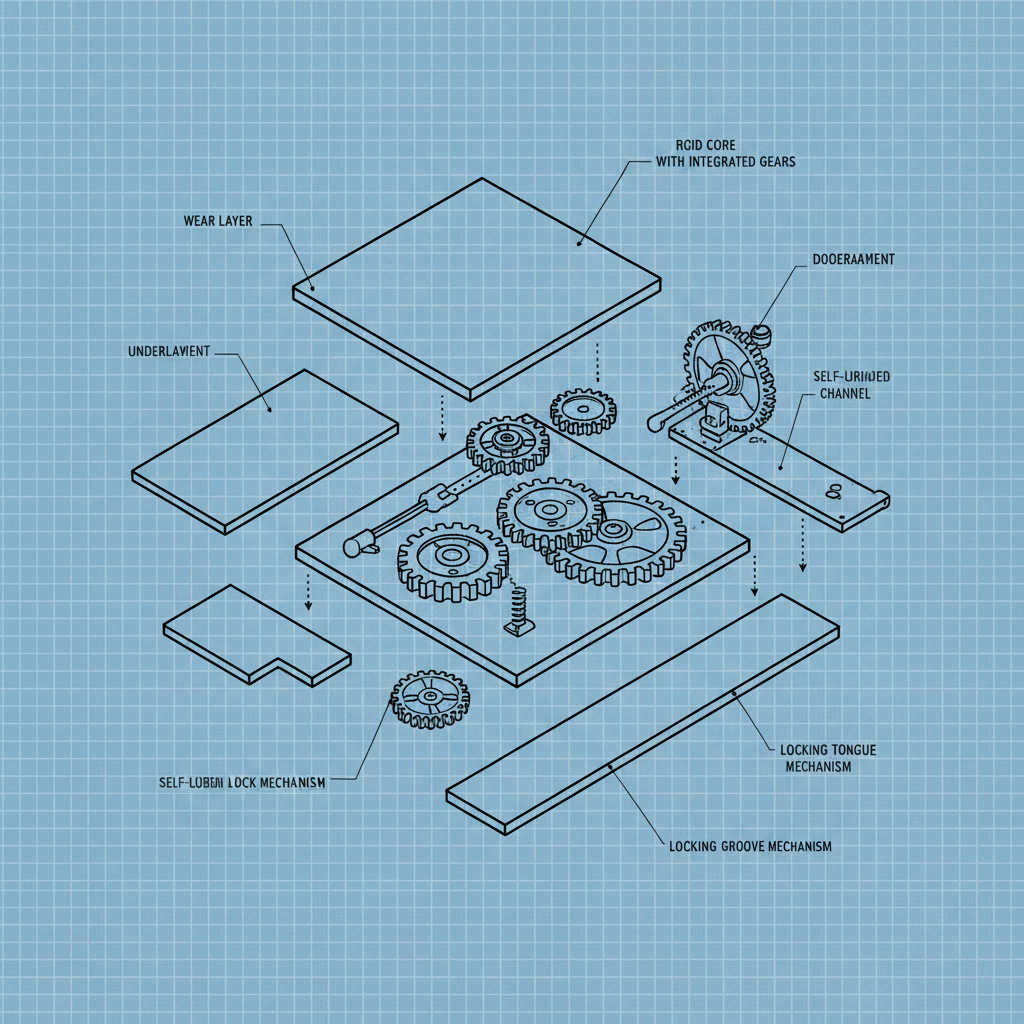
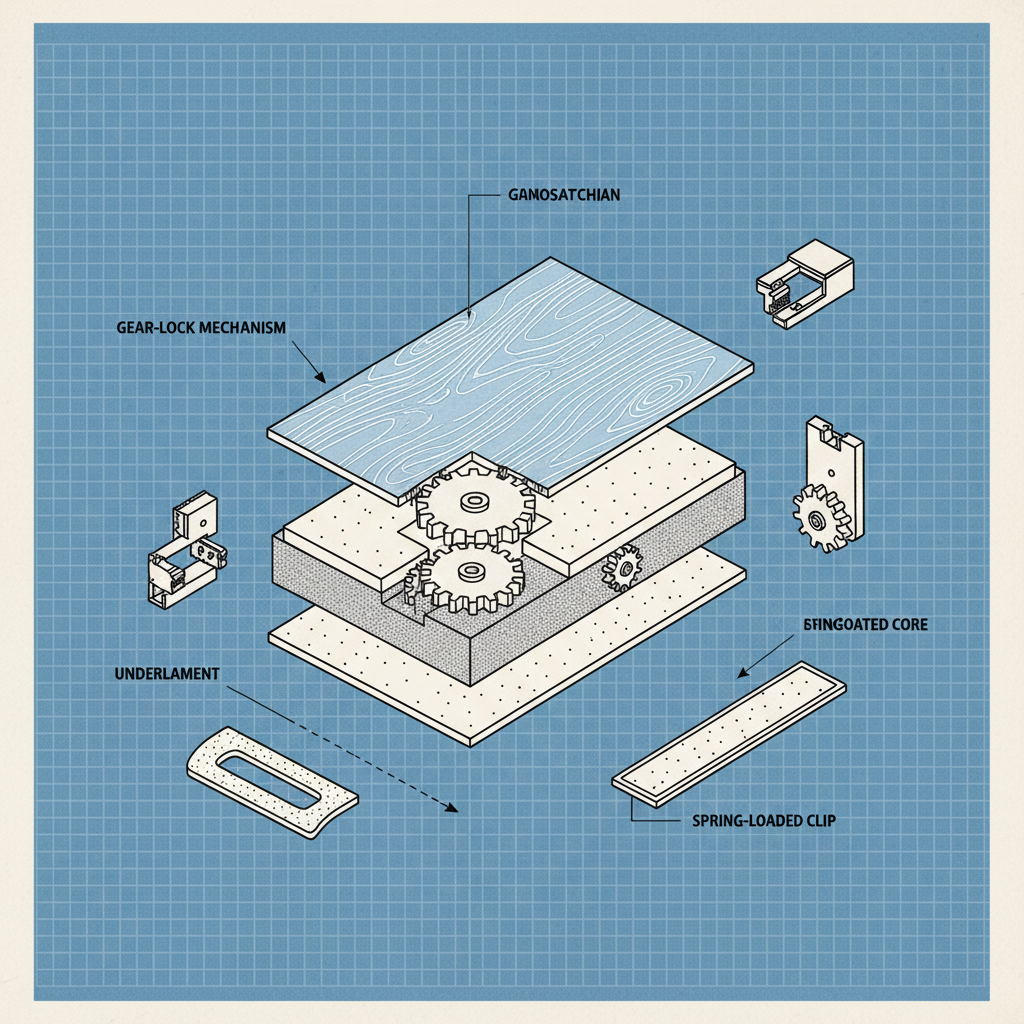
Commercial click flooring, also known as interlocking flooring, is a type of flooring that features a click-lock mechanism, allowing planks or tiles to easily snap together without the need for adhesive. This system simplifies installation and reduces labor costs. This type of flooring is specifically designed to withstand the demands of high-traffic environments, offering excellent durability and resistance to wear and tear. It’s commonly found in offices, retail stores, gyms, healthcare facilities, and educational institutions. The beauty of commercial click flooring lies in its adaptability to various design schemes and its ability to provide a comfortable and safe walking surface.
Key Highlights: Easy to install without adhesives, ideal for high-traffic areas, and comes in a wide range of styles and materials.
Types of Commercial Click Flooring
There are several types of commercial click flooring available, each with its own advantages and disadvantages. The most common options include:
- Luxury Vinyl Tile (LVT): Highly durable, waterproof, and available in a wide range of designs mimicking wood, stone, and tile.
- Luxury Vinyl Plank (LVP): Similar to LVT but designed to resemble wood planks, providing a more realistic wood look.
- SPC (Stone Polymer Composite) Flooring: A more rigid core compared to LVT and LVP, offering even greater durability and resistance to indentation.
- WPC (Wood Polymer Composite) Flooring: Provides a softer underfoot feel and enhanced sound absorption.
Choosing the right type depends on factors like the level of foot traffic, moisture exposure, budget, and desired aesthetic. For areas prone to spills, LVT or SPC are excellent choices. For comfort and sound insulation, WPC might be preferred.
Commercial Click Flooring vs. Traditional Flooring: A Comparison
Compared to traditional flooring options like carpet, hardwood, and ceramic tile, commercial click flooring offers distinct advantages. Installation is significantly faster and easier, reducing downtime and labor costs. It’s also more resistant to scratches, stains, and water damage, making it a lower-maintenance option. Furthermore, many click flooring options are more affordable than hardwood or high-end tile. Here’s a detailed comparison:
Installing Commercial Click Flooring: A Step-by-Step Guide
While DIY installation is possible, we recommend professional installation for optimal results. Here’s a general overview of the process:
- Subfloor Preparation: Ensure the subfloor is clean, level, and dry. Any imperfections should be addressed before installation.
- Underlayment (Optional): An underlayment can provide additional cushioning, sound insulation, and moisture protection.
- Plank/Tile Placement: Begin laying the planks or tiles, interlocking them according to the manufacturer’s instructions.
- Cutting and Fitting: Cut planks or tiles as needed to fit around obstacles and along the edges of the room.
- Finishing Touches: Install transition strips and baseboards to complete the installation.
Maintaining Your Commercial Click Flooring
Maintaining commercial click flooring is relatively easy. Regular sweeping or vacuuming will remove dust and debris. For deeper cleaning, use a damp mop with a pH-neutral cleaner. Avoid abrasive cleaners and excessive water, as these can damage the flooring. Protect furniture legs with felt pads to prevent scratches. With proper care, your commercial click flooring will remain beautiful and durable for years to come. Enliosport offers premium commercial click flooring solutions tailored to meet the needs of various businesses.
Conclusion: A Durable and Cost-Effective Flooring Solution
Choosing commercial click flooring is a smart investment for any business seeking a durable, cost-effective, and aesthetically pleasing flooring solution. Its easy installation, low maintenance, and wide range of styles make it a versatile choice for various applications. By carefully considering your specific needs and choosing the right type of click flooring, you can create a space that is both functional and inviting.
Frequently Asked Questions (FAQs)
What is the best underlayment to use with commercial click flooring?
The best underlayment depends on your specific needs. For added sound absorption, a foam or cork underlayment is a good choice. If you need moisture protection, choose an underlayment with a built-in moisture barrier. Consider the subfloor’s condition as well; an uneven subfloor might require a thicker underlayment to provide a level surface. Generally, an underlayment with a thickness of 1-2mm is sufficient for most commercial applications. Enliosport can advise on the most suitable underlayment for your project.
How do I clean commercial click flooring?
Regular cleaning is simple. Sweep or vacuum the floor frequently to remove loose dirt and debris. For deeper cleaning, use a damp mop with a pH-neutral cleaner specifically designed for vinyl or composite flooring. Avoid abrasive cleaners, scouring pads, and excessive water, as these can damage the surface. Spot clean spills immediately to prevent staining. Always follow the manufacturer’s cleaning instructions for optimal results.
Can commercial click flooring be used in bathrooms?
Yes, but it’s crucial to choose a waterproof option like LVT or SPC. Ensure the seams are properly sealed to prevent water from seeping underneath. Avoid prolonged exposure to standing water. While waterproof options are suitable for bathrooms, they are not designed for constantly wet environments like showers.
What is the typical lifespan of commercial click flooring?
With proper installation and maintenance, commercial click flooring can last 10-20 years or even longer. Factors like foot traffic, maintenance frequency, and the quality of the flooring material will influence its lifespan. Choosing a thicker wear layer and a high-quality core material will contribute to greater durability. Regular cleaning and prompt attention to spills will also extend its lifespan.
-
Comprehensive Guide to Durable Commercial Click Flooring Solutions
NewsJan.28,2026
-
Comprehensive Guide to Durable Commercial Cushion Flooring Solutions
NewsJan.27,2026
-
Durable Basketball Basket Stand Solutions for Sports Venues | Enlio Sport
NewsJan.06,2026
-
Durable Stand for Basketball Hoop – Quality & Comparison Guide
NewsJan.06,2026
-
Why Commercial Engineered Flooring from EnlioSport is a Game-Changer for Businesses
NewsJan.05,2026
-
Commercial Foam Flooring: Durable & Comfortable Industrial Solutions
NewsJan.05,2026