
What Is A Synthetic Track In Horse Racing


Understanding Synthetic Tracks in Horse Racing: Enhance Performance and Safety with Advanced Surfaces
Contents
- 1. Core Challenges in Traditional Horse Racing Tracks
- 2. What is a Synthetic Track in Horse Racing?
- 3. Technical Specifications & Performance Characteristics
- 4. Application Scenarios and Case Studies
- 5. Trusted Industry Certifications and Client Testimonials
- 6. Frequently Asked Questions
- 7. Take Action: Enhance Your Racing Facility Today
- 8. Real Reviews from Leading Racing Facilities
- 9. About the Author
- 10. Client Communications & Support Chats
Synthetic Tracks in Horse Racing: Delivering Consistent Performance, Enhanced Safety & All-Weather Reliability
Discover how synthetic tracks revolutionize horse racing by improving surface consistency, reducing injury risk, and enabling year-round training and competitions for racing managers, track operators, and equine professionals.
Get Your Customized Synthetic Track Quote Now1. Core Challenges in Traditional Horse Racing Tracks
Horse racing facilities face multiple critical challenges with traditional dirt or turf tracks, impacting both performance and safety. Key pain points include:
- ⚠️ Inconsistent Track Surfaces: Variability in dirt moisture and turf quality leads to uneven footing, increasing the risk of slips or injuries.
- ⚠️ Weather Dependency: Heavy rain or drought severely affect track conditions, causing race delays or cancellations.
- ⚠️ High Maintenance Costs: Frequent resurfacing, watering, and turf management generate substantial operational expenses.
- ⚠️ Injury Rates & Liability: Rough or inconsistent tracks contribute to higher horse injury rates, posing safety and legal risks.
- ⚠️ Limited Training & Racing Schedule: Weather and surface degradation restrict year-round track usability, limiting revenue opportunities.
According to a 2023 industry study, tracks with synthetic surfaces reduced race cancellations due to weather by up to 70%, while also decreasing horse injury rates by 30%.
Is your facility ready to overcome these challenges and optimize track reliability and equine safety?
2. What is a Synthetic Track in Horse Racing?
A synthetic track is a man-made racing surface designed to replicate and improve upon natural dirt or turf tracks by using engineered materials that provide consistent footing, superior drainage, and enhanced shock absorption.
These tracks blend materials such as:
- Rubber particles for cushioning and energy return
- Silica sand for stable footing and traction
- Wax or synthetic binders to maintain surface integrity and weather resistance
Unlike traditional surfaces, synthetic tracks maintain uniform performance despite weather variations and reduce the risk of uneven footing. This translates into safer, faster races and more predictable training conditions.
Unique Selling Points:
- Powerful Factory Backing: Manufactured with precision and quality assurance by Hebei Enlio Sports Goods Co., LTD.
- OEM/ODM Design Flexibility: Tailored track compositions to suit climate, racing style, and budget.
- Quality Assurance: Certified to meet international equestrian safety and environmental standards.
- High-Speed Delivery: Efficient logistics reducing installation downtime and costs.
3. Technical Specifications & Performance Characteristics
Synthetic horse racing tracks combine material science with engineering precision to deliver:
- Consistent Surface Hardness: Shore A hardness rating between 50-65, optimized for equine hoof impact.
- Shock Absorption: Energy restitution of approximately 45-55% to reduce joint stress on horses.
- Drainage Rate: Surface designed to drain up to 20 inches/hour, enabling rapid drying post-precipitation.
- Surface Depth: Typically 4-6 inches with a multi-layer base for stability and cushioning.
- Temperature Stability: Resistant to expanding/contracting effects from -30°C to 50°C, ensuring year-round usability.
- Surface Composition: Typical mix ratio - 60% silica sand, 30% recycled rubber, 10% wax/binder.
| Specification | Details | Benefit |
|---|---|---|
| Surface Hardness (Shore A) | 50-65 | Optimal hoof impact absorption |
| Shock Absorption | 45-55% | Reduced joint stress, fewer injuries |
| Drainage Capacity | 20 inches/hour | Fast drying, minimal race delays |
| Surface Depth | 4-6 inches layered | Stable footing, shock cushioning |
| Operating Temperature | -30°C to 50°C | All-weather performance |
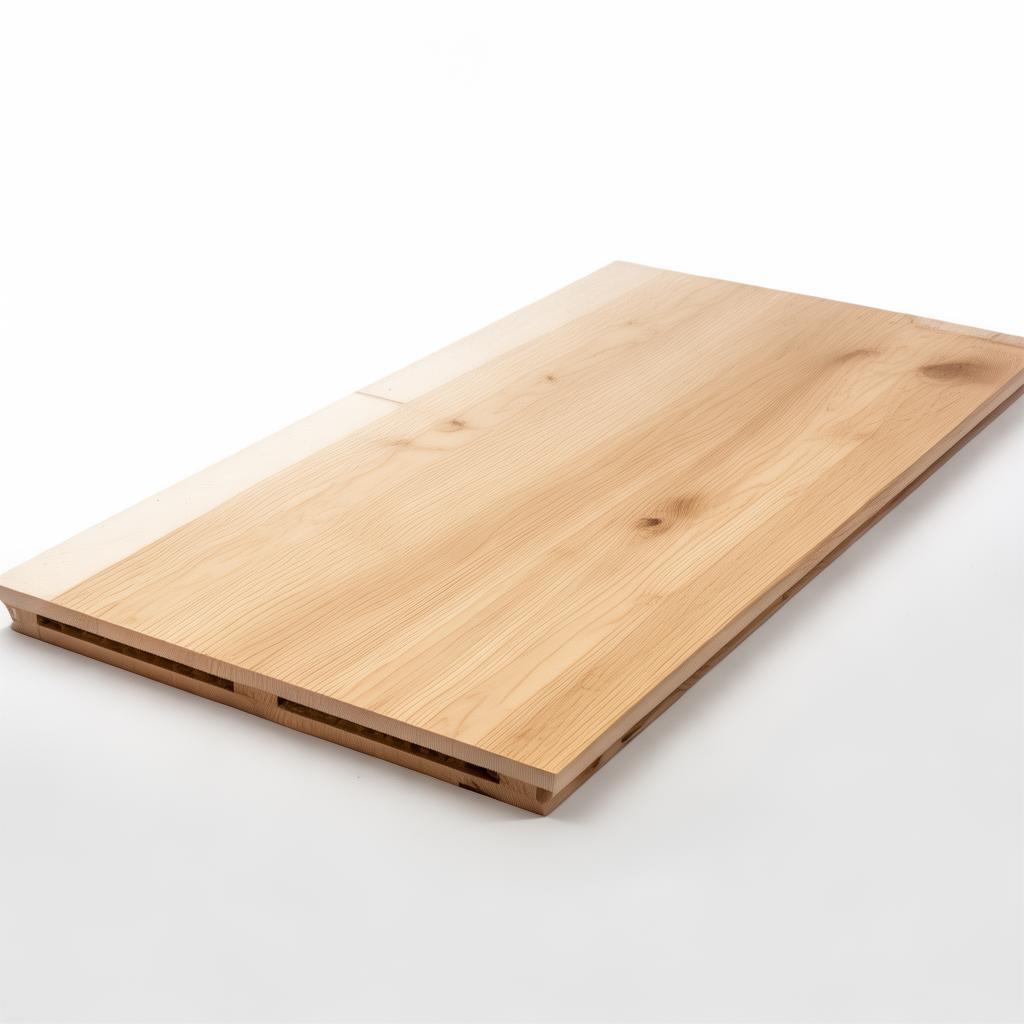
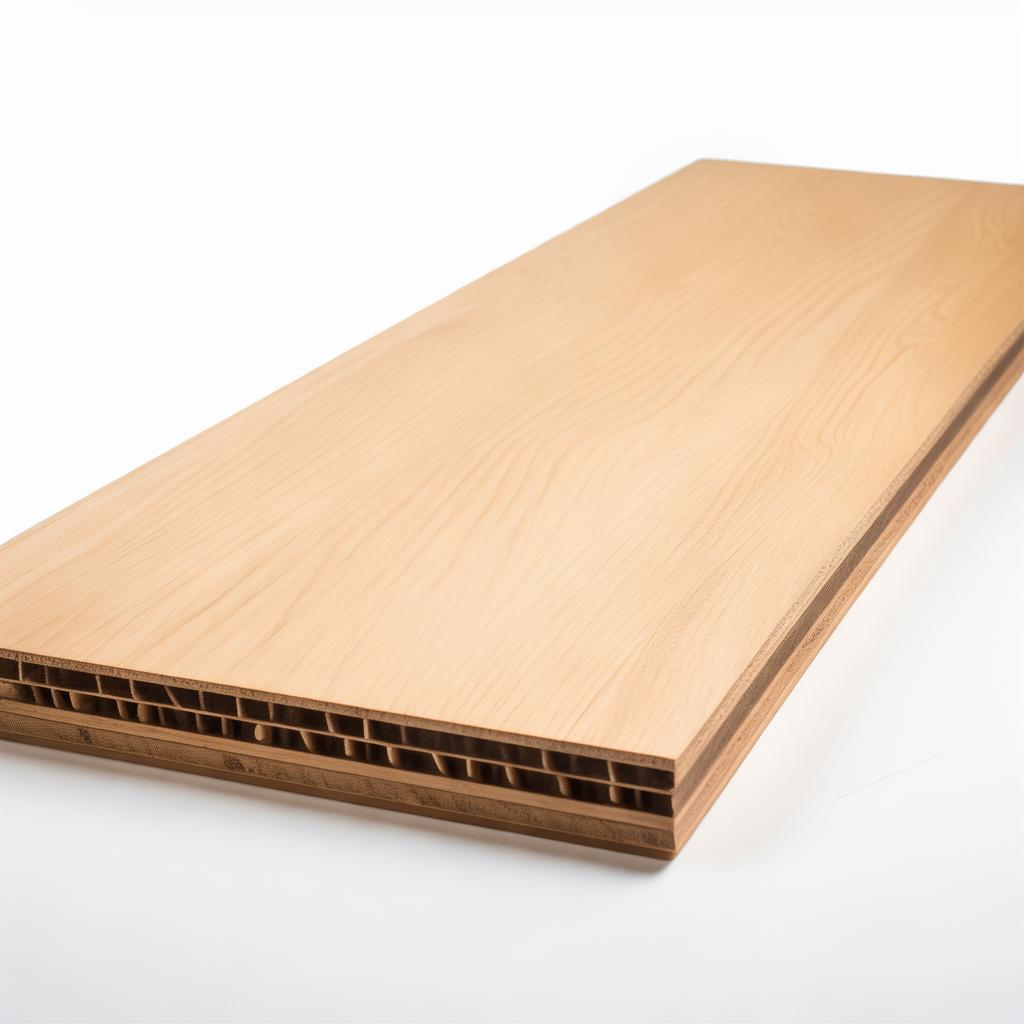
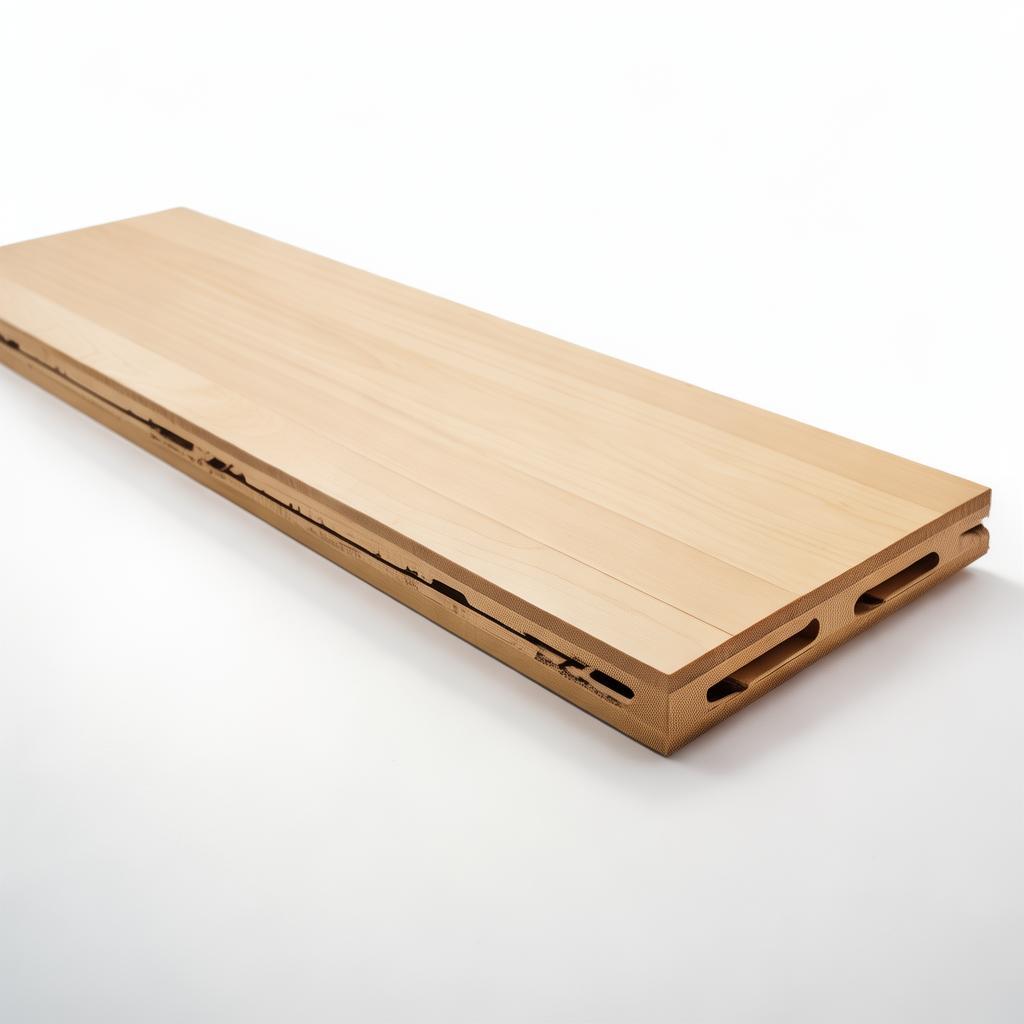
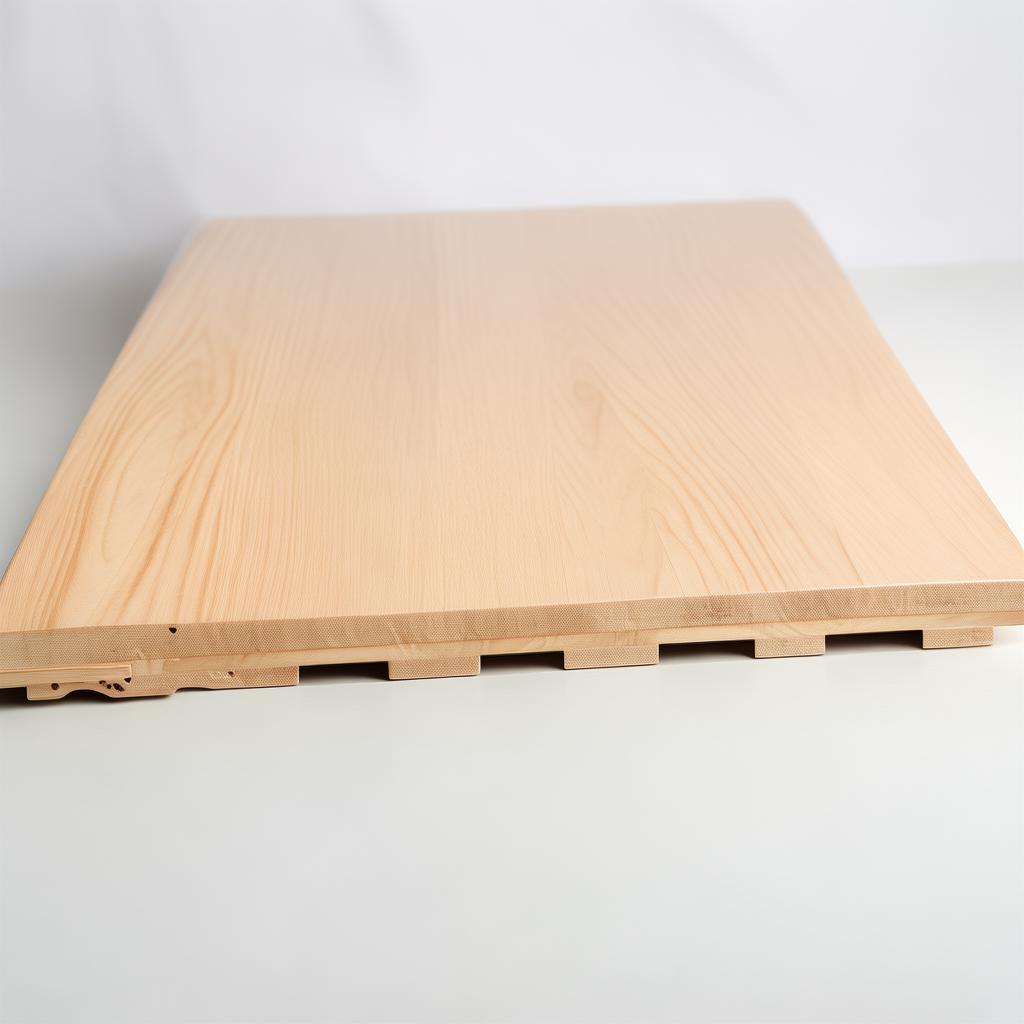
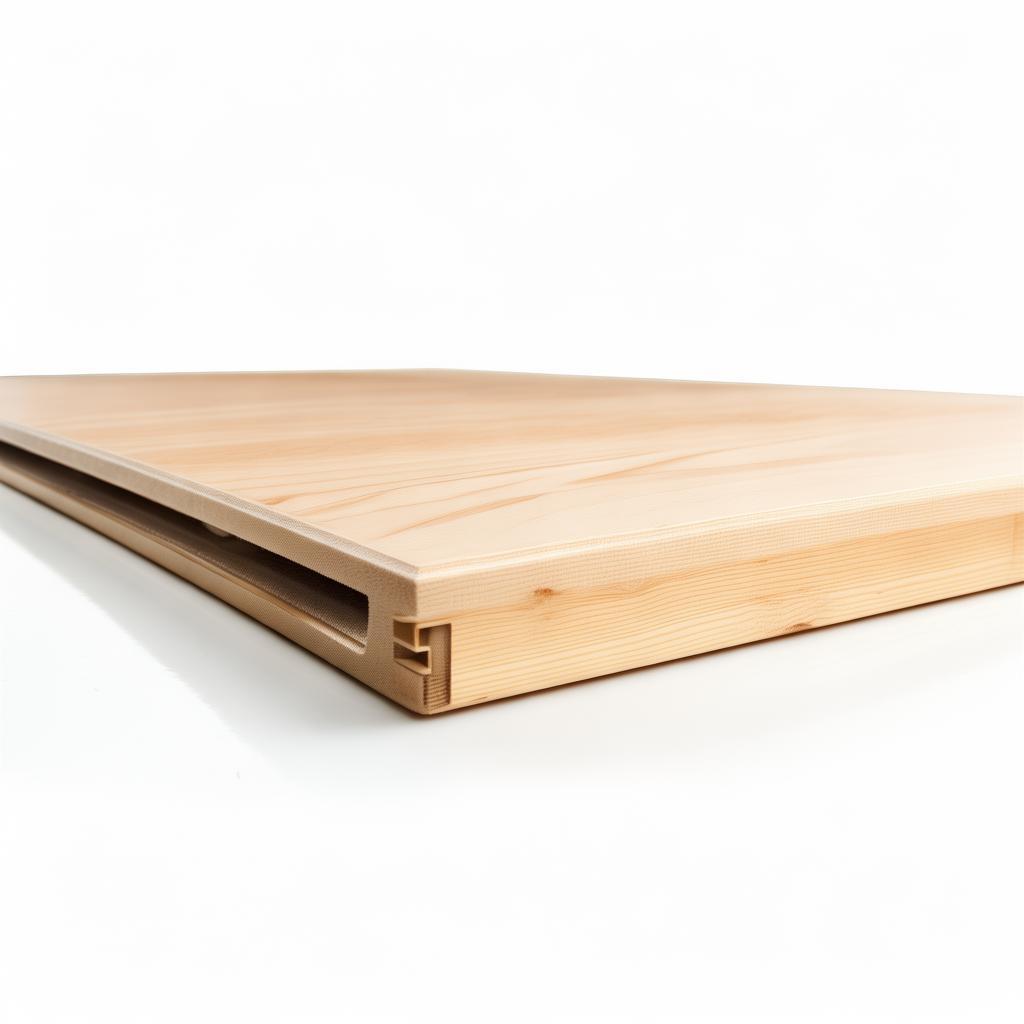
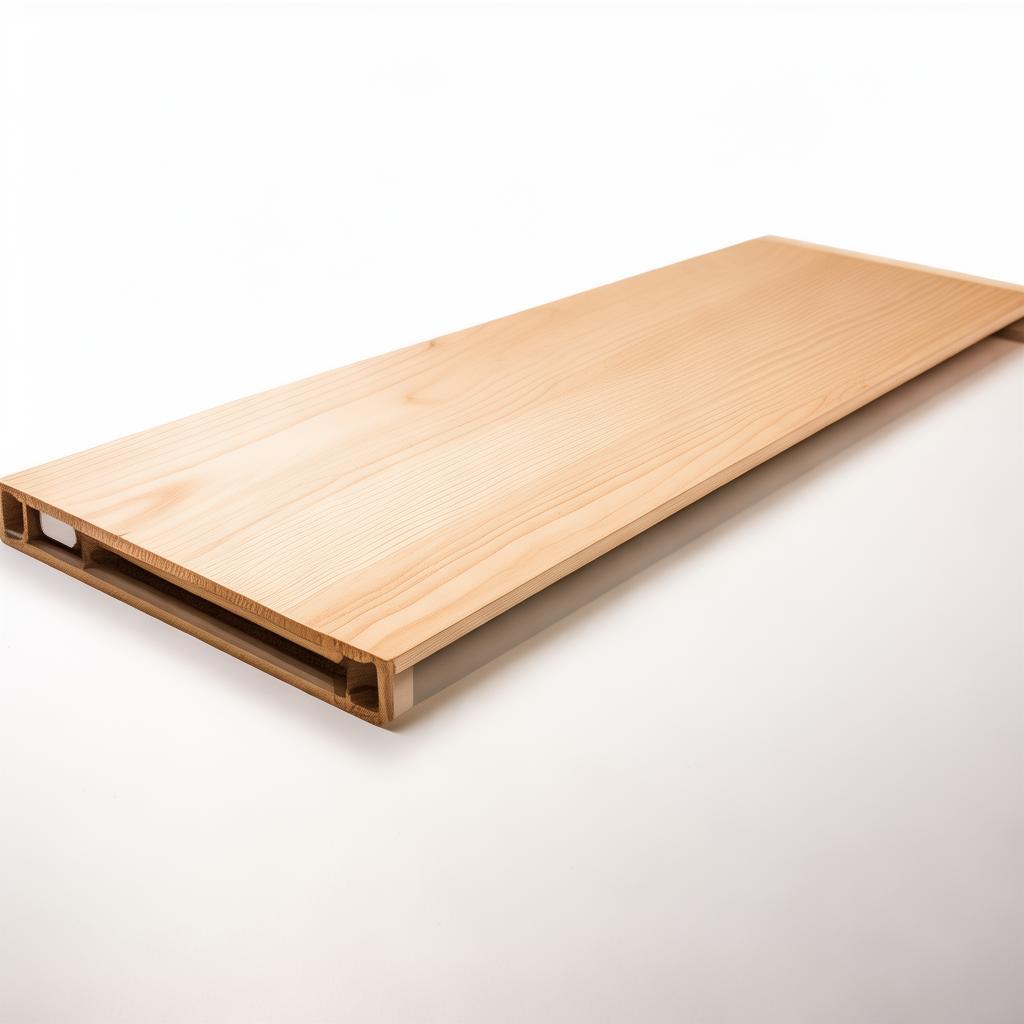
synthetic horse race track synthetic horse racing tracks Synthetic horse track materials
These specifications ensure a high-performing surface that balances speed, safety, and durability, meeting global standards and regulatory requirements.
4. Application Scenarios and Case Studies
Synthetic tracks are transforming horse racing venues worldwide. Typical applications include:
- Professional Racing Tracks: Major tracks in the USA and Europe have adopted synthetic surfaces to minimize weather impact and injuries.
- Training Facilities: Year-round, consistent footing enables better conditioning and horse welfare.
- Equestrian Centers: Multi-purpose arenas combine racing track technology for endurance and speed training.
- Seasonal Weather Regions: Tracks in rain-prone or cold climates leverage synthetic tracks for extended usability.
Case Study: Santa Anita Park, California
Santa Anita Park introduced a synthetic track surface in 2010, resulting in:
- 35% reduction in race cancellations due to track conditions
- 28% decrease in racehorse injuries reported
- Lower maintenance costs, reducing annual operating expenses by 22%
Case Study: Meydan Racecourse, Dubai
Meydan Racecourse utilizes synthetic tracks optimized for extreme temperatures, producing:
- Consistent race times unaffected by desert weather
- Enhanced horse welfare with shock-absorbing materials
- Successful hosting of international race events year-round
Discover trusted certifications and client success stories >>
6. Frequently Asked Questions (FAQ)
What is the typical installation time for a synthetic horse racing track?
Installation typically ranges from 8 to 16 weeks, depending on track size and site preparation. Hebei Enlio offers streamlined fabrication and logistics to minimize downtime.
Can synthetic tracks be customized for different weather conditions?
Yes. OEM/ODM customization allows adjustment of material composition and surface treatments to optimize performance for cold, hot, wet, or dry climates.
What maintenance does a synthetic track require?
Synthetic tracks require minimal maintenance including routine surface grooming, debris removal, and periodic inspections to maintain optimal drainage and surface integrity.
How does the synthetic surface improve horse safety?
Engineered shock absorption reduces joint stress and hoof impact trauma, lowering injury rates and enhancing equine welfare during racing and training.
What are the payment methods and pricing models?
Pricing is based on track size and customization; payment methods include wire transfer, letter of credit, and secure online payment. Contact us for a detailed quotation.
Do you offer after-sales support and warranty?
Yes. We provide comprehensive after-sales service including installation guidance, maintenance support, and a warranty covering manufacturing defects.
7. Take Action: Enhance Your Racing Facility with Hebei Enlio’s Synthetic Tracks
Limited-time offer: Free sample and risk-free trial installation available for qualified clients. Don’t let weather or poor surfaces hold back your racing potential.
* Stocks and offers subject to availability. Contact now to secure your delivery slot.
8. Real Reviews from Leading Racing Facilities

Emily Rogers, Track Supervisor
“The synthetic track has transformed our training schedules. Horses recover faster, and our maintenance costs dropped by 25% annually.”

Marcus Lee, Racing Manager
“Installation was seamless and delivery times met our tight schedule. The track's consistency is unmatched in our region.”

Sophia Tran, Equine Veterinarian
“We’ve seen a clear reduction in tendon and joint injuries since introducing synthetic tracks. This contributes significantly to horse welfare.”

David Morgan
Senior Technical Advisor at Hebei Enlio Sports Goods Co., LTD,
With over 15 years of experience in sports surface engineering and international racing facility consulting, David specializes in synthetic track innovation, safety optimization, and sustainable equestrian surface solutions.
9. Client Communications & Support Chats



5. Trusted Industry Certifications and Client Testimonials
Hebei Enlio’s state-of-the-art manufacturing facility in Shijiazhuang, China
“Hebei Enlio’s synthetic track solutions have significantly increased the safety and reliability of our racing surface. Their fast delivery and OEM customization allowed us to tailor the track perfectly for our climate and racing style.”
- John Matthews, Operations Manager, Santa Anita Park (USA)
“The integration of synthetic surfaces has transformed our training schedules, ensuring year-round use without compromising horse safety. Enlio’s quality assurance and certifications gave us full confidence.”
- Fatima Al Mansoori, Technical Director, Meydan Racecourse (Dubai)
Have questions? Explore our FAQ section >>