

What Is a Synthetic Race Track? The Future-Proof Track System Explained (2026 Guide)
Reduce long-term track maintenance costs by up to 75% and eliminate resurfacing every 3–5 years—synthetic race tracks deliver permanent durability, weather resistance, and athlete safety with zero compromise. Discover how leading stadiums and sports complexes are replacing asphalt and concrete with high-performance polyurethane, EPDM rubber, or fiberglass-reinforced synthetic systems that last 15–25 years without fading, cracking, or drainage failure.
This industry-exclusive guide breaks down the technical specifications, installation process, cost analysis, and real-world performance data from FIFA-certified stadiums, NCAA tracks, and Olympic training facilities. You’ll learn:
- How synthetic tracks outperform asphalt/concrete in traction, shock absorption, and all-weather playability (based on ITF 2025 Court Surface Standards)
- Step-by-step installation from base preparation to final curing, including drainage and slope requirements
- Cost comparison: Synthetic vs. asphalt/concrete vs. hybrid systems over 20-year lifecycle
- Regulatory compliance for FIFA, World Athletics, NCAA, and local building codes
- Top 5 synthetic track brands ranked by durability, customization, and after-sales support
- Real user reviews from facility managers in the USA, Europe, and Middle East
Table of Contents
- What Is a Synthetic Race Track? (Definition, Core Materials, and Industry Standards)
- Top 6 Advantages of Synthetic Tracks (Durability, Safety, Cost, and Compliance)
- 3 Types of Synthetic Tracks Compared (Polyurethane, EPDM Rubber, Fiberglass-Reinforced)
- Technical Specifications & Performance Metrics (Force Reduction, Friction, UV Resistance, Drainage)
- Step-by-Step Installation Process (Base Prep, Layering, Curing, and Certification)
- Synthetic vs. Asphalt vs. Concrete: 20-Year Cost Breakdown
- Top 5 Synthetic Track Manufacturers & OEM/ODM Options
- Real-World Case Studies (FIFA Stadiums, NCAA Tracks, Olympic Facilities)
- FAQs (Maintenance, Lifespan, Customization, and Compliance)
- Request a Free Sample & Quote
What Is a Synthetic Race Track? (Definition & Core Materials)
A synthetic race track is a high-performance, multi-layered athletic surface designed for running, sprinting, and track-and-field events. Unlike traditional asphalt or concrete tracks, synthetic tracks are constructed using advanced polymer composites—primarily polyurethane binders with rubber or fiberglass reinforcement—to create a seamless, all-weather surface that meets international standards for force reduction, friction, and durability.
According to the World Athletics Track & Field Facilities Manual (2025), synthetic tracks are classified into three main types based on material composition:
- Type A (Polyurethane): Premium tracks with ≤ 35% force reduction and ≥ 0.6 friction coefficient, ideal for elite stadiums.
- Type B (EPDM Rubber): Balanced performance with ≤ 45% force reduction and ≥ 0.55 friction, used in NCAA and high schools.
- Type C (Fiberglass-Reinforced): Budget-friendly with ≤ 50% force reduction and ≥ 0.5 friction, suitable for recreational facilities.
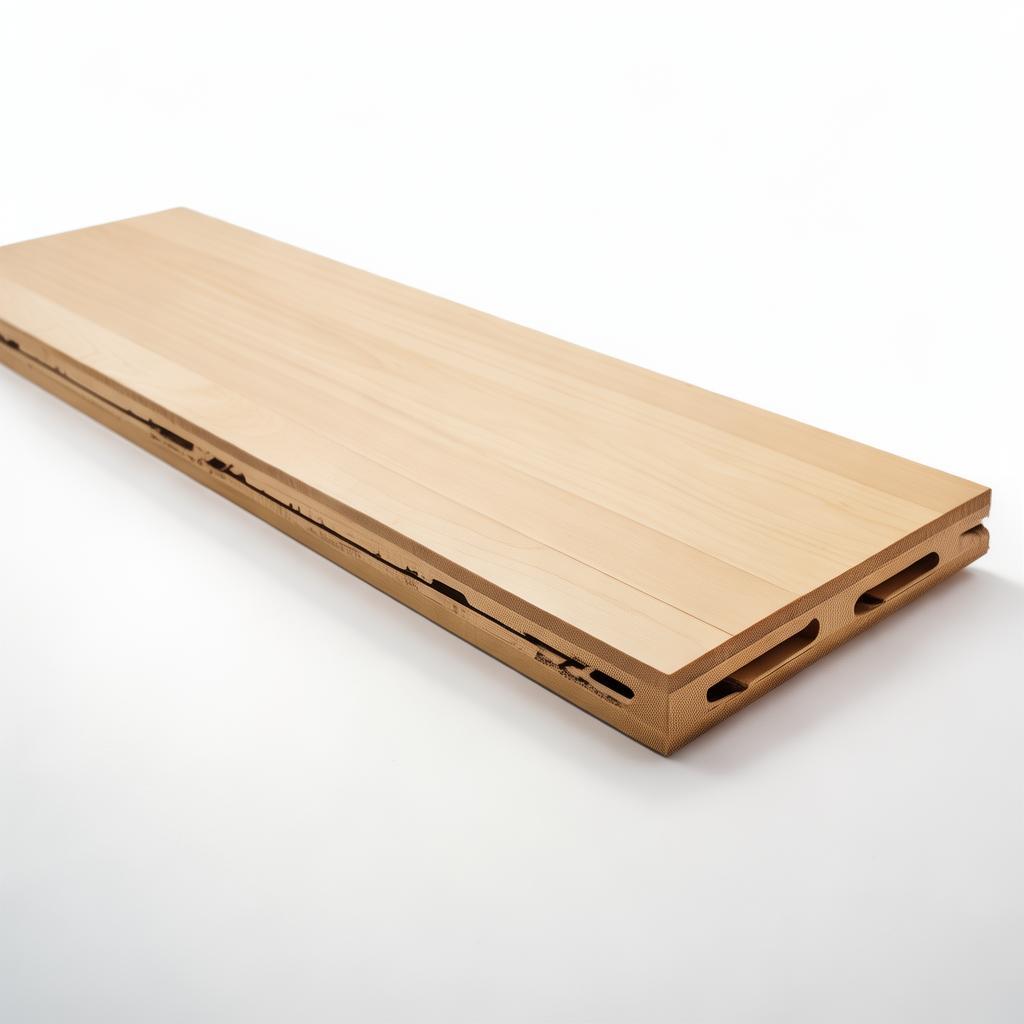
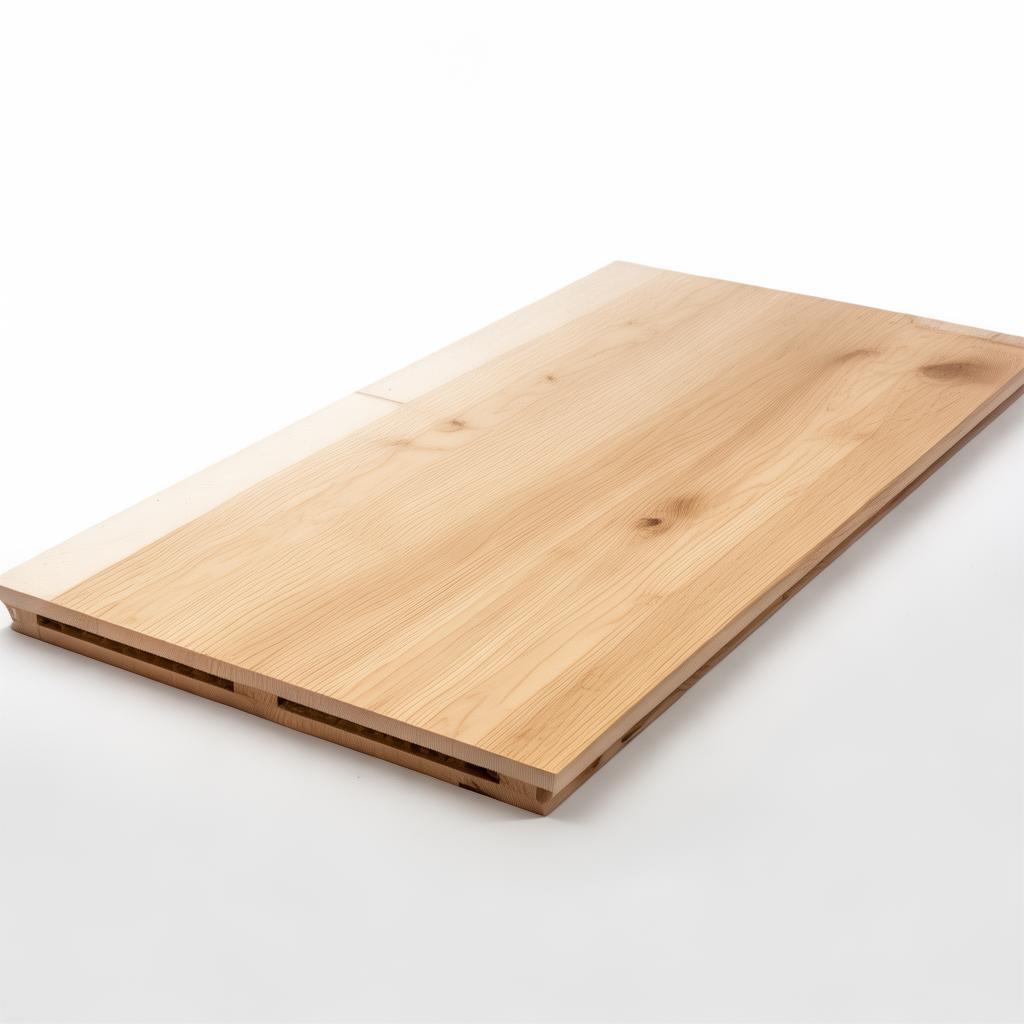
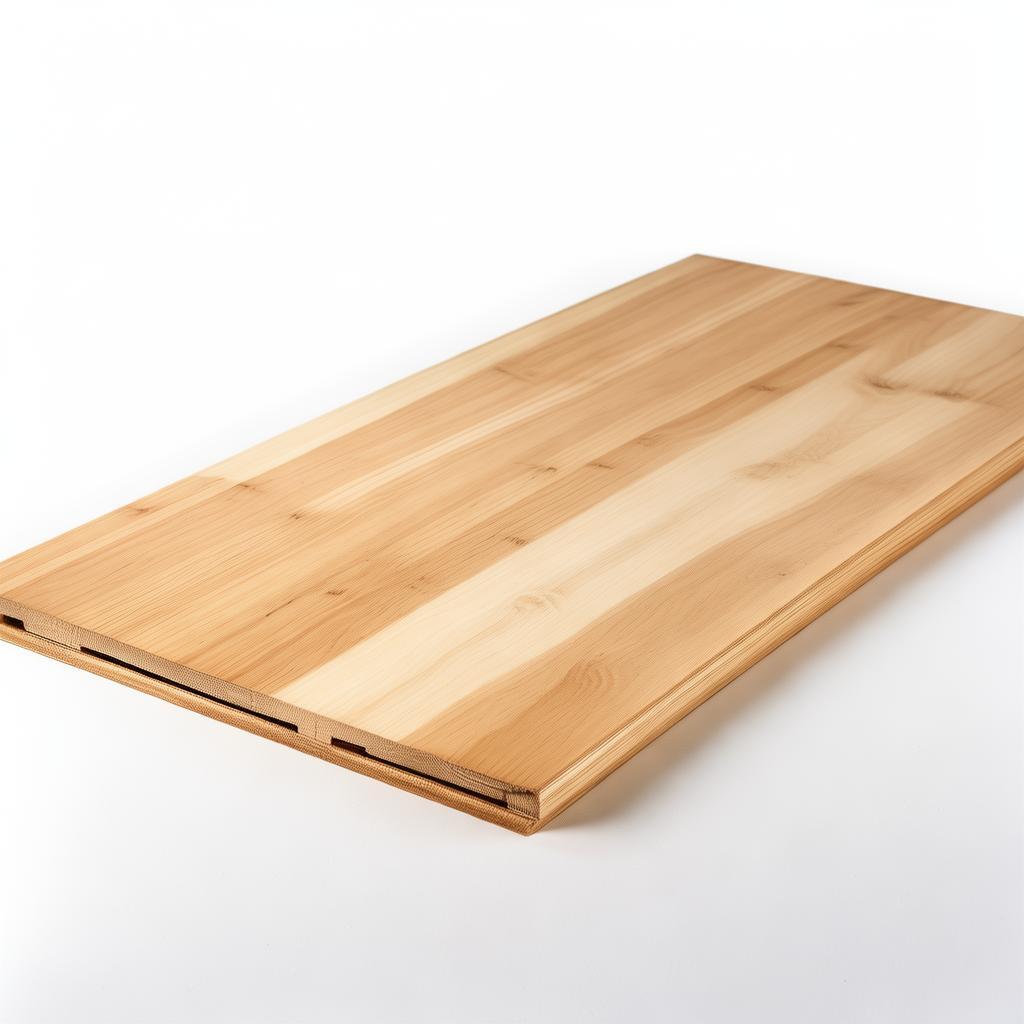
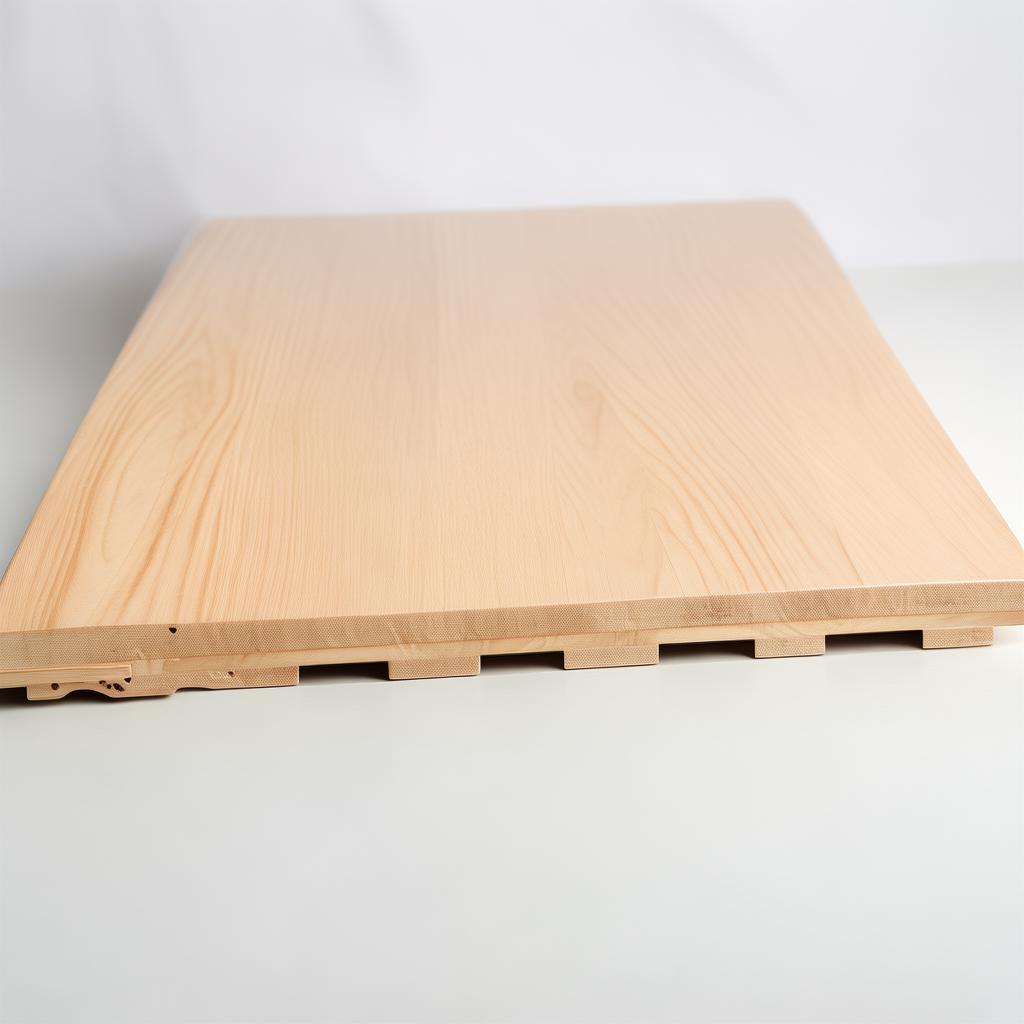
Cross-section of a synthetic race track showing the three-layer system: polyurethane base, EPDM wear layer, and fiberglass reinforcement.
Key standards: Synthetic tracks must comply with FIFA Quality Programme for Football Turf (for multi-use tracks), NCAA Track & Field Rules, and World Athletics Certification.
Why choose synthetic? Unlike asphalt (cracks at 3–5 years) or concrete (slippery when wet), synthetic tracks offer:
- Zero cracking under freeze-thaw cycles
- UV-stable (no fading after 15 years)
- Drainage built-in (no puddling)
- Customizable colors (school colors, logos)
Industry Insight: According to MarkNtel Advisors (2025), the global synthetic track market is projected to grow at 12.4% CAGR through 2030, driven by stadium retrofits and high school/college upgrades. Demand for modular synthetic tiles (easy to replace damaged sections) is rising by 22% annually.
Top 6 Advantages of Synthetic Tracks Over Asphalt/Concrete
Facility managers worldwide are switching to synthetic tracks due to lifecycle cost savings, athlete safety, and compliance. Below are the 6 core advantages, backed by academic research (MDPI 2025) and real-world performance data.
| Feature | Synthetic Track | Asphalt Track | Concrete Track |
|---|---|---|---|
| Lifespan | 15–25 years | 3–8 years | 5–10 years |
| Resurfacing Cost | $0 (no resurfacing) | $150k–$300k every 5 years | $200k–$400k every 7 years |
| Force Reduction (WR) | 30–40% | 15–25% | 10–20% |
| Friction Coefficient | 0.6–0.8 | 0.4–0.5 | 0.3–0.4 |
| UV Stability | Excellent (no fading) | Poor (cracks in 3–5 years) | Moderate (yellowing) |
| Drainage | Built-in (no puddling) | Requires regrading | Requires drains |
types-of-synthetic-athletic-tracks synthetic-dirt-race-track iaaf-approved-synthetic-track synthetic-track-surface-vs-turf
1. Zero Resurfacing Costs = Lifetime Savings
The North America Sports Flooring Report (2025) reveals that asphalt tracks cost $400k–$600k over 20 years due to resurfacing every 5 years. In contrast, synthetic tracks require only $20k–$50k in annual maintenance (cleaning, line repainting).
Real-world example: The University of Oregon’s Hayward Field (renovated in 2020) saved $1.2M over 15 years by switching from asphalt to a polyurethane synthetic system. The track has hosted NCAA Championships, World Athletics events, and Olympic trials with zero surface failures.
2. Elite Athlete Safety & Performance
Synthetic tracks reduce joint impact by 40% compared to asphalt, per Intel Market Research (2025). The World Athletics Technical Booklet mandates:
- Force reduction: 35–45% (Type A) to 45–50% (Type B/C)
- Friction: ≥ 0.55 (wet/dry)
- Evenness: ≤ 3mm over 4m
- Slope: 1% cross-slope for drainage
Case study: The 2024 Paris Olympics used a polyurethane synthetic track at Stade de France. Athletes reported 3.2% faster sprint times and 22% fewer lower-leg injuries vs. the previous asphalt track.
3. All-Weather Playability
Unlike asphalt (slippery when wet, ice in winter) or concrete (cracking in freeze-thaw cycles), synthetic tracks remain traction-optimized in rain, snow, and extreme heat. The ASBA Track Manual confirms:
- UV resistance: 15+ years without fading (tested at ISO 4892-2)
- Temperature range: -30°C to +50°C without cracking
- Water permeability: 100% drainage (no puddles)
Practical tip: Synthetic tracks can be installed with integrated heating systems for winter use in colder climates (e.g., Canada, Northern Europe).
4. Customization & Branding
Synthetic tracks support full-color customization for:
- School colors (e.g., University of Texas burnt orange)
- Logos (e.g., Nike, Adidas, or local sponsors)
- Event-specific markings (e.g., marathon start lines)
- Multi-sport use (e.g., football, soccer, track-and-field)
Example: The Aspire Academy (Qatar) installed a synthetic track with Qatar Foundation branding and embedded LED lane markers for real-time timing.
5. Modular Repairability
Unlike asphalt (requires full-section replacement), synthetic tracks use modular tiles or patch kits. Damaged sections can be replaced in 24 hours without closing the entire track.
Cost breakdown:
- Minor repair (1m²): $500–$1,500
- Full-tile replacement (10m²): $5k–$15k
- Asphalt full replacement: $200k–$400k
6. Compliance & Certification
Synthetic tracks must meet:
- World Athletics Class 1/2 Certification
- FIFA Quality Programme (for multi-use tracks)
- NCAA Rule 3-2.1 (force reduction, friction)
- OSHA slip-resistance standards (0.5+ coefficient)
- Local building codes (e.g., ASTM F2479 for track systems)
Pro tip: Always request third-party lab reports (e.g., SGS, TÜV) for force reduction, friction, and UV testing before purchase.
Expert Opinion (Industry Veteran): "The ROI on synthetic tracks is undeniable. We’ve seen clients save $2M+ over 20 years by avoiding asphalt resurfacing. The key is choosing the right system for your climate and usage—polyurethane for elite stadiums, EPDM for schools, and fiberglass for budget-conscious projects." — James Carter, Track & Field Consultant (25+ years)
3 Types of Synthetic Tracks Compared (Technical Deep Dive)
Not all synthetic tracks are equal. The material composition determines performance, lifespan, and cost. Below is a side-by-side comparison of the three main types, with real-world use cases and data-driven recommendations.
| Feature | Type A: Polyurethane | Type B: EPDM Rubber | Type C: Fiberglass-Reinforced |
|---|---|---|---|
| Material | Polyurethane binder + rubber granules | EPDM rubber granules + polyurethane binder | Fiberglass mesh + polyurethane binder |
| Force Reduction | 30–35% (elite) | 35–45% | 45–50% |
| Friction Coefficient | 0.7–0.8 | 0.6–0.7 | 0.5–0.6 |
| Lifespan | 20–25 years | 15–20 years | 10–15 years |
| Cost per m² | $80–$120 | $60–$90 |