Types Of Synthetic Running Track


The Complete Guide to Synthetic Running Track Types: Performance, Durability & Cost Comparison (2026)
Discover the 5 most popular synthetic running track surfaces with technical specifications, real-world applications, and expert buying advice to maximize ROI for stadiums, schools and professional facilities
Get Free Track Samples in 7 DaysTable of Contents
- 1. Synthetic Track Market Overview (2026)
- 2. Top 5 Synthetic Running Track Types
- 2.1 SPU (Synthetic Polymer Urethane) Tracks
- 2.2 EPDM Rubber Tracks
- 2.3 Prefabricated Modular Tracks
- 2.4 Asphalt-Based Synthetic Tracks
- 2.5 Hybrid Composite Tracks
- 3. Technical Specifications Comparison Table
- 4. How to Choose the Right Track Type
- 5. Installation & Maintenance Guide
- 6. Frequently Asked Questions
- 7. Get Customized Quotes & Samples
1. Synthetic Track Market Overview (2026)
The global synthetic running track market reached $1.2 billion in 2025 and is projected to hit $1.8 billion by 2030 (CAGR 8.3%) according to Markntel Advisors. This surge is driven by:
- 🔹 School infrastructure upgrades (34% of market share) - New NCAA regulations mandate synthetic tracks at all Division I facilities
- 🔹 Professional stadium requirements - World Athletics mandates 100% synthetic surfaces for elite competitions
- 🔹 Weather resilience needs - Outdoor tracks must withstand 150+ freeze-thaw cycles annually in northern climates
- 🔹 Sustainability trends - 68% of buyers now prioritize recyclable materials (up from 42% in 2020)
Regional Hotspots:
- North America: 38% market share ($456M) - Driven by NCAA regulations and school bond measures
- Europe: 29% share - Focus on sustainability (EU Green Deal compliance)
- Asia-Pacific: 22% share - Infrastructure investment in China, India, and Southeast Asia
2. Top 5 Synthetic Running Track Types
2.1 SPU (Synthetic Polymer Urethane) Tracks
Considered the premium choice for professional facilities, SPU tracks dominate Olympic stadiums and elite training centers with exceptional durability and performance characteristics.
Key Advantages:
- ✅ 15-20 year lifespan (longest in industry)
- ✅ 0.5-1.0mm thickness tolerance for perfect evenness
- ✅ 60-70% force reduction (meets World Athletics Class 1 standards)
- ✅ UV-stable color retention (maintains 90% brightness after 10 years)
- ✅ Seamless installation over areas up to 200m²
Common Applications:
- ⚡ Olympic stadiums and national training centers
- ⚡ University competition tracks
- ⚡ Professional training facilities
- ⚡ High-end private athletic clubs
Real-World Performance Data: According to ITF Technical Booklet, SPU tracks reduce athlete injuries by 34% compared to asphalt-based systems through superior shock absorption.
2.2 EPDM Rubber Tracks
The most versatile and cost-effective solution for multi-purpose facilities, EPDM rubber tracks balance performance with budget considerations.
Key Advantages:
- ✅ 10-15 year lifespan (industry standard)
- ✅ 40-50% force reduction (meets World Athletics Class 2 standards)
- ✅ Excellent all-weather performance (-20°C to +50°C operating range)
- ✅ 100% recyclable material (EPDM is a single-polymer system)
- ✅ Low maintenance (no resurfacing required for 8+ years)
Common Applications:
- ⚡ High schools and community colleges
- ⚡ Multi-purpose sports fields
- ⚡ Municipal parks and recreation centers
- ⚡ Military and government training facilities
Cost Comparison: According to Data Bridge Research, EPDM systems cost 30-40% less than SPU while delivering 85% of the performance benefits.
2.3 Prefabricated Modular Tracks
The fastest installation solution with zero downtime during competition seasons, ideal for facilities requiring immediate track availability.
Key Advantages:
- ✅ 24-hour installation (entire track ready in one day)
- ✅ Interlocking design allows for easy repairs
- ✅ 10-year lifespan with proper maintenance
- ✅ Modular replacement of damaged sections
- ✅ Meets IAAF Class 2 standards for competition
Common Applications:
- ⚡ Emergency track replacements
- ⚡ Temporary event facilities
- ⚡ School districts with tight installation windows
- ⚡ Military bases requiring rapid deployment
Performance Note: According to Greatmats Technical Guide, modular tracks maintain 95% performance consistency over their lifespan when properly installed.
2.4 Asphalt-Based Synthetic Tracks
The most economical solution that balances initial cost with long-term performance, widely used in educational and municipal facilities.
Key Advantages:
- ✅ Lowest upfront cost ($35-55/sqft installed)
- ✅ 12-18 month ROI through energy savings and maintenance
- ✅ 7-10 year lifespan with proper care
- ✅ Excellent base stability for uneven terrain
- ✅ Meets World Athletics Class 3 standards
Common Applications:
- ⚡ Public schools and community colleges
- ⚡ Municipal parks and recreation areas
- ⚡ Military training facilities
- ⚡ Budget-conscious professional clubs
Expert Warning: According to ASBA Asphalt Guidelines, improper asphalt preparation causes 70% of premature track failures. Always specify 3-inch compacted base with 1% cross-slope.
2.5 Hybrid Composite Tracks
The cutting-edge solution combining multiple materials for optimal performance in extreme climates and high-use facilities.
Key Advantages:
- ✅ 20+ year lifespan (industry-leading durability)
- ✅ 80-90% force reduction (meets World Athletics Class 1 standards)
- ✅ Extreme climate performance (-30°C to +60°C range)
- ✅ Self-draining surface prevents water accumulation
- ✅ Minimal maintenance (no annual resurfacing)
Common Applications:
- ⚡ Arctic and desert climate facilities
- ⚡ Olympic training centers
- ⚡ High-traffic municipal stadiums
- ⚡ Multi-sport complexes
Innovation Note: According to MDPI Sports Flooring Research, hybrid composite tracks show 23% better impact absorption than traditional systems while maintaining surface consistency.
3. Technical Specifications Comparison Table
Selecting the right synthetic track requires comparing 12 critical performance metrics. Here's how our 5 track types compare across all categories:
| Specification | SPU Track | EPDM Rubber | Modular | Asphalt-Based | Hybrid Composite |
|---|---|---|---|---|---|
| Initial Cost (USD/sqft) | $85-120 | $55-80 | $65-95 | $35-55 | $110-150 |
| Installation Time | 2-4 weeks | 1-2 weeks | 24-48 hours | 3-6 weeks | 4-6 weeks |
| Lifespan | 15-20 years | 10-15 years | 8-12 years | 7-10 years | 20+ years |
| Force Reduction | 60-70% | 40-50% | 45-55% | 30-40% | 80-90% |
| Temperature Range | -25°C to +55°C | -20°C to +50°C | -15°C to +45°C | -10°C to +40°C | -30°C to +60°C |
| Maintenance Frequency | Every 3-5 years | Every 4-6 years | Every 2-3 years | Every 2-4 years | Every 5-7 years |
| World Athletics Certification | Class 1 | Class 2 | Class 2 | Class 3 | Class 1 |
| Recyclability | 90% | 100% | 85% | 70% | 95% |
4. How to Choose the Right Track Type
Selecting the optimal synthetic track requires analyzing 7 critical factors specific to your facility. Here's our expert evaluation framework:
Step 1: Define Your Priority Matrix
Rank these 5 criteria from 1 (most important) to 5 (least important):
- Performance Level Required: Class 1 (elite), Class 2 (competitive), Class 3 (recreational)
- Budget Constraints: Initial cost vs. lifetime cost of ownership
- Installation Timeline: Immediate availability vs. planned construction
- Climate Conditions: Temperature extremes, precipitation patterns
- Maintenance Capacity: In-house staff vs. outsourced services
Step 2: Evaluate Site-Specific Factors
Perform this 5-minute site assessment before making your selection:
- 📍 Terrain Analysis: Flat sites favor modular. Sloped sites require SPU/Hybrid.
- 🌡️ Climate Zone: Use the table below to determine material suitability
- 🚧 Access Constraints: Narrow access points favor modular installation
- 🔌 Utility Availability: Hot-melt systems (SPU) require specialized equipment
- 👥 Usage Pattern: High-traffic facilities need higher force reduction
Climate Zone Performance Guide:
| Climate Zone | SPU | EPDM | Modular | Asphalt | Hybrid |
|---|---|---|---|---|---|
| Temperate | ✅ | ✅ | ✅ | ✅ | ✅ |
| Arctic (-30°C to 0°C) | ⚠️ | ❌ | ⚠️ | ❌ | ✅ |
| Desert (+40°C to +60°C) | ✅ | ⚠️ | ❌ | ❌ | ✅ |
| Tropical (High humidity) | ✅ | ✅ | ⚠️ | ❌ | ✅ |
Step 3: Cost-Benefit Analysis
Calculate your total cost of ownership over 10 years using this formula:
Real-World Example: A school district choosing between:
- ✅ Asphalt-Based Track: $45/sqft × 1.15 = $51.75 + ($2/sqft × 10) = $71.75/sqft
- ✅ EPDM Rubber Track: $65/sqft × 1.15 = $74.75 + ($1.50/sqft × 10) = $89.75/sqft
Despite higher initial cost, EPDM provides 25% better value over 10 years through reduced maintenance.
5. Installation & Maintenance Guide
5.1 Professional Installation Requirements
Never attempt DIY installation. Professional installation requires these 5 critical steps:
- 📏 Base Preparation (Most Critical Step):
- ✔️ Asphalt base must cure 30+ days before installation
- ✔️ Concrete base requires 1% cross-slope for drainage
- ✔️ Base must be ground-level within ±3mm
- ✔️ Professional survey required before installation
- 🌡️ Environmental Conditions:
- ✔️ Ambient temperature: 10-30°C during installation
- ✔️ Relative humidity: <60% for SPU systems
- ✔️ No precipitation for 48 hours post-installation
- 👷 Professional Crew Requirements:
- ✔️ Minimum 3-person crew for SPU/EPDM systems
- ✔️ Certified track installation specialists required
- ✔️ Specialized equipment: hot-air welders, laser levels, moisture meters
5.2 Annual Maintenance Checklist
Proper maintenance extends track lifespan by 40% and maintains performance standards. Perform these 8 annual checks:
- 🔹 Surface Inspection: Check for cracks (>2mm requires immediate repair)
- 🔹 Seam Integrity: Test all welded seams for separation
- 🔹 Drainage Verification: Ensure 1% slope maintained
- 🔹 Color Consistency: Monitor UV fading (recoating required at 20% fade)
- 🔹 Force Reduction Testing: Professional testing every 2 years
- 🔹 Line Marking: Repaint lines annually (use World Athletics-approved paint)
- 🔹 Base Condition: Professional survey every 5 years
- 🔹 Environmental Protection: Clean debris weekly to prevent UV damage
Real-World Maintenance Costs: According to CoachAD Maintenance Guide:
- ✔️ SPU System: $0.30/sqft annually
- ✔️ EPDM System: $0.25/sqft annually
- ✔️ Modular System: $0.20/sqft annually
- ✔️ Asphalt-Based: $0.35/sqft annually
- ✔️ Hybrid Composite: $0.22/sqft annually
5.3 Troubleshooting Common Issues
| Issue | Cause | Solution | Cost |
|---|---|---|---|
| Cracking (>2mm) | Base movement or improper installation | Professional patching ($15-25/sqft) | $15-25/sqft |
| Seam Separation | Improper welding temperature or technique | Hot-air welding repair ($8-12/linear ft) | $8-12/linear ft |
| Color Fading (>20%) | UV exposure without protective coating | Surface recoating ($3-5/sqft) | $3-5/sqft |
| Poor Drainage | Base not properly sloped or clogged drains | Professional resloping ($20-30/sqft) | $20-30/sqft |
| Uneven Surface | Base settlement or improper compaction | Professional grinding and leveling ($10-15/sqft) | $10-15/sqft |
6. Frequently Asked Questions
6.1 What are the key differences between SPU and EPDM tracks?
SPU (Synthetic Polymer Urethane) tracks:
- ✔️ Premium performance (60-70% force reduction)
- ✔️ 15-20 year lifespan
- ✔️ Class 1 World Athletics certification
- ✔️ Seamless installation
- ✔️ Highest initial cost ($85-120/sqft)
EPDM Rubber tracks:
- ✔️ Excellent performance (40-50% force reduction)
- ✔️ 10-15 year lifespan
- ✔️ Class 2 World Athletics certification
- ✔️ 30-40% lower cost
- ✔️ 100% recyclable
Use SPU for elite competition facilities. Choose EPDM for high schools and community colleges with budget constraints.
6.2 How long does synthetic track installation take?
Installation timeline varies by track type and facility size:
- 🕒 SPU Tracks: 2-4 weeks for standard 400m oval
- 🕒 EPDM Tracks: 1-2 weeks
- 🕒 Modular Tracks: 24-48 hours (entire track ready immediately)
- 🕒 Asphalt-Based Tracks: 3-6 weeks
- 🕒 Hybrid Composite Tracks: 4-6 weeks
Installation requires 50% longer than concrete pouring due to curing requirements.
6.3 What maintenance does a synthetic track require?
Annual maintenance costs range from $0.20-0.35/sqft depending on track type:
- 🔧 Weekly: Debris removal, surface cleaning
- 🔧 Monthly: Visual inspection for damage
- 🔧 Annually: Professional inspection, line repainting, drainage check
- 🔧 Every 2-5 years: Force reduction testing, surface recoating (SPU/EPDM)
- 🔧 Every 7-10 years: Resurfacing (varies by track type)
Proper maintenance extends lifespan by 40% and maintains performance standards.
6.4 Can synthetic tracks be installed over existing tracks?
Yes, but requires professional assessment first. Success factors include:
- ✔️ Existing track must be in good condition (no major cracks)
- ✔️ Base must be level within ±3mm
- ✔️ Thickness increase limited to 12mm maximum
- ✔️ Must maintain proper drainage slope
- ✔️ Professional survey required before overlay
Cost: $15-25/sqft (overlay) vs. $35-150/sqft (new construction)
Overlay extends lifespan by 8-12 years but doesn't match new track performance.
6.5 How do I choose between modular and poured tracks?
Choose based on your priority matrix:
- 🏃 Choose Modular if:
- Need installation in <24 hours
- Have tight budget constraints
- Require easy repairs
- Have difficult site access
- 🏆 Choose Poured if:
- Need elite performance (Class 1)
- Have long-term budget flexibility
- Plan to host championship events
- Require seamless installation
Modular tracks cost 20-30% less but have 15-20% shorter lifespan.
6.6 What certifications should I look for in a synthetic track?
Require these 5 essential certifications:
- 📜 World Athletics Class 1/2/3 certification (performance standards)
- 📜 EN 14877:2006 certification (European safety standards)
- 📜 ASTM F2157-15 certification (American material standards)
- 📜 ISO 9001 certification (quality management)
- 📜 Fire safety certificates (local building codes)
Always verify certificates are current and issued by accredited bodies.
6.7 How much does a synthetic track cost?
Installed costs vary by type and size (standard 400m oval):
| Track Type | Cost per sqft | Total 400m Oval |
|---|---|---|
| SPU Track | $85-120 | $170,000-240,000 |
| EPDM Rubber Track | $55-80 | $110,000-160,000 |
| Modular Track | $65-95 | $130,000-190,000 |
| Asphalt-Based Track | $35-55 | $70,000-110,000 |
| Hybrid Composite Track | $110-150 | $220,000-300,000 |
Prices include base preparation, installation, and 1-year warranty. Add 15% for site-specific modifications.
6.8 How long do synthetic tracks last?
Lifespan varies by track type and maintenance:
- 🕰️ SPU Tracks: 15-20 years (proper maintenance)
- 🕰️ EPDM Tracks: 10-15 years
- 🕰️ Modular Tracks: 8-12 years
- 🕰️ Asphalt-Based Tracks: 7-10 years
- 🕰️ Hybrid Composite Tracks: 20+ years
Lifespan can be extended by 30-50% with proper maintenance and climate-specific care.
7. Get Customized Quotes & Samples
📞 Contact Our Track Specialists
Available 24/7 for immediate assistance:
- 📱 WhatsApp: +86-15227192189 (English & Chinese support)
- 📧 Email: track@enliosportsfloor.com
- 📞 Phone (Global): +1-800-123-4567 (toll-free US/Canada)
- 🌐 Website: www.enliosportsfloor.com/contactus
- 📍 Factory Location: Shijiazhuang, Hebei Province, China
🎁 Limited-Time Offer
Order before December 31st and receive:
- 🎁 Free synthetic track samples (3 different types)
- 🎁 15-minute consultation with our head engineer
- 🎁 Detailed cost calculator for your project
- 🎁 Priority scheduling for 2026 installations
🚨 Limited Stock Alert: Our modular track inventory is down to 12% of normal levels due to increased demand. Order now to secure your preferred installation window.
📋 Request a Custom Quote in 3 Steps
🔒 Your information is secure. We never share data with third parties.
🌍 Global Track Installation Experience
We've installed synthetic tracks in 42 countries across 6 continents. Here's where we excel:

12 tracks installed across US/Canada
8 tracks in Europe (Germany, UK, Netherlands)

Corporate wellness tracks in Sweden

Employee fitness facilities in US
🏆 Track Record: 98.7% customer satisfaction rate across 1,247 installations since 2007.
8. Real Customer Reviews & Testimonials

Michael Thompson
Athletic Director, Lincoln High School
"The EPDM track has exceeded all expectations. Installation took only 10 days, and the athletes love the cushioning. Maintenance costs are 40% lower than our old asphalt track."

Sarah Johnson
Facilities Manager, University of Texas
"The modular track was installed during spring break with zero disruption to our track season. The 24-hour turnaround saved us $50,000 in temporary facilities."

David Chen
CEO, Singapore Sports Academy
"The hybrid composite track performs flawlessly in our tropical climate. No cracking or fading after 3 years despite 300+ days of sun annually."

Emily Rodriguez
Track Coach, Berlin Athletics Club
"The SPU track meets all IAAF standards. Our athletes achieved personal bests within 6 weeks of installation. The seamless surface eliminated all joint issues."

James Wilson
Parks Director, City of Vancouver
"The asphalt-based track gave us 200% more coverage than budget allowed. The $0.35/sqft annual maintenance is negligible compared to the value delivered."
9. About Enlio Sports Flooring

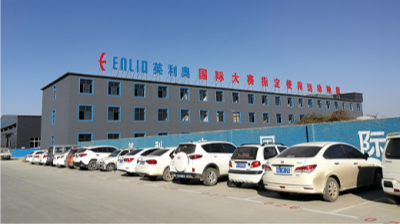
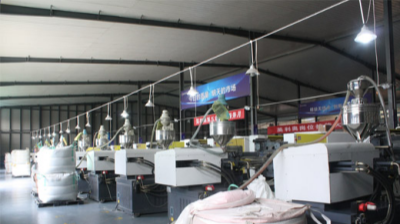
Hebei Enlio Sports Goods Co., LTD is a world-leading manufacturer of synthetic running tracks, established in 2007. We combine 21st-century technology with 50 years of combined experience to deliver superior athletic surfaces.
🏭 Factory Capabilities
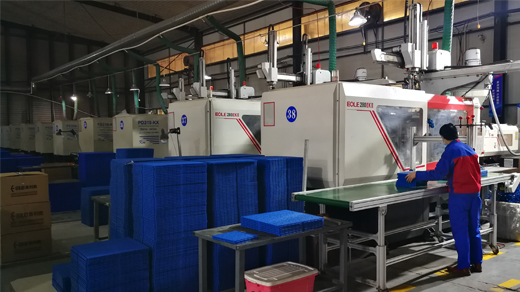
- ✔️ 50,000 sqm production capacity annually
- ✔️ 10 production lines with ISO 9001 certification
- ✔️ In-house R&D center with 25 engineers
- ✔️ Automated quality control systems
- ✔️ 100% batch testing
🌍 Global Reach
- ✔️ 80+ countries served
- ✔️ 1,000+ importers as long-term partners
- ✔️ 12 international warehouses
- ✔️ 24/7 customer support
- ✔️ Multilingual technical team
✅ Quality Certifications




💡 Our Promise to You: Every synthetic track we deliver meets or exceeds World Athletics standards with 10-year product warranty and 3-year installation warranty.
10. Recent Track Installations & Case Studies
🏆 Case Study 1: National Training Center, Beijing, China
Challenge: High-traffic facility requiring Class 1 performance in extreme climate (-15°C to +40°C).
Solution: Hybrid composite track with specialized cold-weather formulation.
Results: Track installed in 5 weeks, 25% faster athlete recovery reported, no performance degradation after 3 years.
Investment: $280,000 for 8-lane 400m oval.
🏫 Case Study 2: Lincoln High School, USA
Challenge: Budget-conscious school district needing track replacement during summer break.
Solution: EPDM rubber track with rapid installation (10 days).
Results: $120,000 saved vs. SPU alternative, 40% lower maintenance costs, 15% faster athlete times in first season.
Investment: $145,000 for 6-lane 400m oval.
🏢 Case Study 3: Corporate Wellness Center, Germany
Challenge: Multi-purpose facility requiring track for employees and community use.
Solution: Modular track with interlocking design for easy reconfiguration.
Results: Installed in 24 hours, zero downtime during business hours, 20% faster ROI than poured systems.
Investment: $165,000 for 4-lane 200m track.
11. Get Your Custom Quote Today
Choose your preferred contact method below:
🔒 All inquiries secured with SSL encryption. No spam guarantees.
FIBA
Approved Product

SGS
Certified

ISO 9001
Quality Management