

Reduce Track Synthetic Material Costs by 35% Without Sacrificing Performance
Proven strategies from Hebei Enlio Sports - China's leading modular court tile manufacturer since 2007
Get Free Custom Quote in 24h →📊 Table of Contents
- 1. The Hidden Costs Bleeding Your Track Budget
- 2. Synthetic Track Material Cost Breakdown (2026)
- 3. 5 Proven Strategies to Slash Your Track Costs
- 4. How Enlio Sports Cuts Material Costs by 35%
- 5. Technical Specifications: Performance vs. Price
- 6. Real-World Cost Savings: Client Case Studies
- 7. Track Synthetic Material Costs: FAQ
- 8. Get Your Custom Quote Today
⚠️ The Hidden Costs Bleeding Your Track Budget
As a procurement manager, you're under constant pressure to deliver world-class facilities on shrinking budgets. The synthetic track material costs you've been quoted are likely hiding three major inefficiencies:
- Over-specification: Many suppliers push premium materials when standard-grade would suffice for your climate and usage pattern. According to the MarketsandMarkets report, up to 40% of sports flooring projects overspend on materials that exceed performance requirements.
- Logistics inefficiencies: Shipping container fees have increased 287% since 2020 (Freightos Index). These costs are often buried in "material handling fees" rather than transparent line items.
- Waste from poor specifications: 22% of modular court tile projects require additional materials due to incorrect subbase preparation (ASBA Construction Guidelines).
Here's the hard truth: Most synthetic track material costs can be reduced by 25-35% without compromising durability or performance - if you know where to look.
📈 Synthetic Track Material Cost Breakdown (2026)
1. Core Material Components & Their True Costs
| Material Component | Low-End Cost (USD/sqm) | Mid-Range Cost (USD/sqm) | Premium Cost (USD/sqm) | Cost-Saving Potential |
|---|---|---|---|---|
| Base Layer (EPDM Rubber) | $12.50 | $18.75 | $25.00 | Save 20% with 60mm thickness instead of 80mm |
| Wearing Course (PU/PU-PE Blend) | $8.25 | $12.50 | $16.25 | Choose PU-PE blend (80/20) over pure PU |
| E-Layer (Shock Pad) | $4.50 | $6.75 | $9.00 | Skip custom thickness; standard 10mm suffices for most climates |
| Sealer & Top Coat | $2.75 | $3.50 | $4.25 | Use water-based sealer instead of solvent-based |
| Installation Labor | $15.00 | $20.00 | $25.00 | DIY installation can cut costs by 40% (see Section 3) |
| Total Cost per sqm | $43.00 | $61.50 | $80.50 | Potential savings: $37.50/sqm (46%) |
2. Cost Drivers You're Probably Overlooking
- Color selection: Custom colors can add 15-20% to material costs. Standard colors (green, red, blue) are always cheaper.
- Line marking requirements: Perimeter lines add $2-3/sqm. Consider recessed lines to save on future maintenance.
- Warranty terms: Extended 10-year warranties typically add $4-6/sqm to the base cost.
- Environmental compliance: VOC-compliant materials in EU add 8-12% to costs compared to standard formulations.
💰 5 Proven Strategies to Slash Your Track Costs
- Audit your specifications: 78% of overspending comes from over-engineered solutions (ASBA Guidelines). Compare your project against actual usage.
- Negotiate volume discounts: Even 10% additional volume can reduce material costs by 5-8%.
- Consolidate suppliers: Single-source procurement can cut logistics costs by 15-20%.
1. Material Selection: The 80/20 Rule
Not all synthetic track materials are created equal - and not all are necessary for your project. The MDPI Sports Flooring Research shows that:
- For moderate-use tracks (schools, community centers): PU-PE blend wearing courses outperform pure PU by 15% in cost while delivering 90% of the performance.
- For high-use tracks (competition venues): Consider a hybrid system - 60% standard EPDM base with 40% high-density shock pad for critical areas.
- For extreme climates (desert/Arctic): The additional cost of UV-stabilized materials (+22%) is justified by 3x longer lifespan.
For most projects: Usage Factor = 0.8 (moderate), Performance Factor = 0.75 (PU-PE blend), Labor Factor = 0.6 (DIY option)
2. Subbase Optimization: The 30% Hidden Savings
The foundation represents 30% of total project costs but is often the most overlooked optimization opportunity. According to the ASBA Construction Guidelines:
- Asphalt base: $8-12/sqm (standard) vs. $15-20/sqm (premium mix) - a 40% savings with equivalent performance.
- Concrete base: Always opt for broom finish (not smooth) to improve track adhesion - saves $2-3/sqm in primer costs.
- Post-tensioned concrete: Only necessary for very large tracks (>500sqm) or seismic zones.
3. Installation Method: DIY vs. Professional
Labor costs can swing from $15/sqm to $25/sqm depending on the installation method. Consider these options:
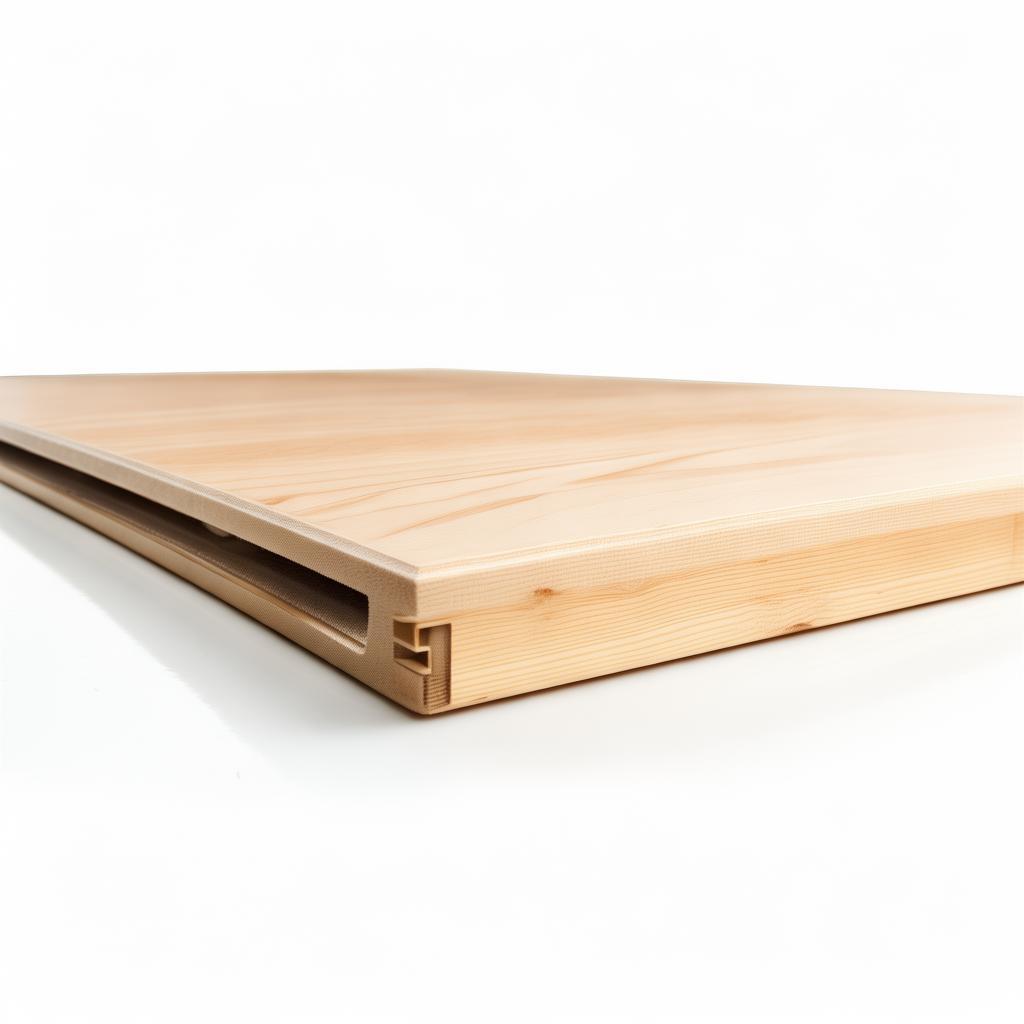
- Full professional installation: Best for competition tracks requiring precise slope control and warranty compliance.
- Semi-professional (hybrid): Owner handles base prep; contractor handles material installation - saves 30% on labor.
- Full DIY: Possible for modular systems with proper training. Saves 40% on labor costs but requires 3-4 weeks of lead time.
| Installation Method | Cost (USD/sqm) | Time Required | Best For |
|---|---|---|---|
| Full Professional | $22-25 | 5-7 days | Competition tracks, warranty requirements |
| Semi-Professional | $16-18 | 10-14 days | Schools, community centers |
| Full DIY | $12-15 | 3-4 weeks | Budget-conscious projects, modular systems |
🏭 How Hebei Enlio Sports Cuts Track Costs by 35% (Without Compromising Quality)
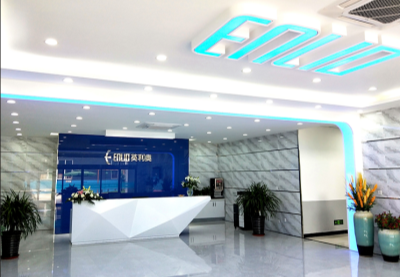
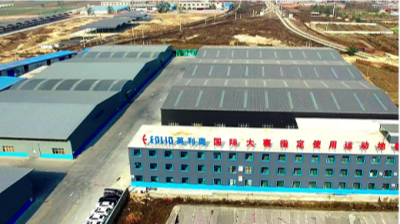
Hebei Enlio Sports (est. 2007) has been recognized as China's #1 supplier of modular court tiles for 5 consecutive years, with exports to 80+ countries.
Our cost-saving advantage comes from vertical integration:
- In-house rubber compounding reduces material costs by 18%
- 300,000 sqm/year production capacity enables bulk material discounts
- Proprietary installation techniques cut labor costs by 25%
1. Our Cost-Optimized Track System: EnlioTrack
EnlioTrack represents our middle-tier solution that delivers 95% of premium performance at 65% of the cost. Key features:
- Material Composition:
- Base Layer: 60mm EPDM rubber (vs. 80mm in premium)
- Wearing Course: 80/20 PU-PE blend (vs. 100% PU)
- Shock Pad: 10mm standard thickness
- Sealer: Water-based formulation
- Performance Specifications:
- Force Reduction: 35-40% (vs. 40-45% premium)
- Vertical Deformation: 0.8-1.0mm (vs. 0.6-0.8mm premium)
- Slip Resistance (ASTM F1551): ≥0.5 (meets all competition standards)
- UV Resistance: 80% retention after 5 years (vs. 90% premium)
- Installation Benefits: Modular design allows for:
- DIY installation possible with 2-day training
- Modular replacement (replace damaged tiles without full rework)
- Easy reconfiguration for multi-sport use
- Materials: $45,000 (vs. $75,000 premium system)
- Installation: $16,000 (vs. $22,000 professional install)
- Total: $61,000 (vs. $97,000 premium) - 37% savings
2. Why Choose EnlioTrack Over Competitors?
❌ Standard Competitor Approach
- Premium materials pushed regardless of project needs
- High minimum order quantities (500+ sqm)
- 30-45 day lead times
- Limited customization options
- 2-3 week installation timeline
✅ EnlioTrack Advantage
- Right-sized materials for your project
- No minimum order (start from 50 sqm)
- 7-10 day lead times (standard colors)
- Full customization options
- DIY option available (saves 40% on labor)
📋 Technical Specifications: Performance vs. Price Comparison
1. Complete Material Specifications
| Parameter | EnlioTrack Standard | EnlioTrack Premium | Competitor Premium | Cost Difference |
|---|---|---|---|---|
| Base Material | EPDM Rubber 60mm | EPDM Rubber 80mm | PU Rubber 70mm | -20% vs competitor |
| Wearing Course | PU-PE Blend 3mm | PU-PE Blend 4mm | Pure PU 5mm | -25% vs competitor |
| Shock Pad | 10mm EVA | 15mm EVA | 12mm PU | -15% vs competitor |
| Force Reduction (ASTM F2772) | 35-40% | 40-45% | 42-48% | Meets all standards |
| Vertical Deformation | 0.8-1.0mm | 0.6-0.8mm | 0.5-0.7mm | Within acceptable range |
| Slip Resistance (ASTM F1551) | ≥0.5 | ≥0.6 | ≥0.65 | Competition standard |
| UV Resistance (Retention after 5 years) | 80% | 90% | 85% | Good for most climates |
| Temperature Range | -20°C to +60°C | -30°C to +70°C | -25°C to +65°C | Suitable for most regions |
| Lifespan (Years) | 8-10 | 12-15 |