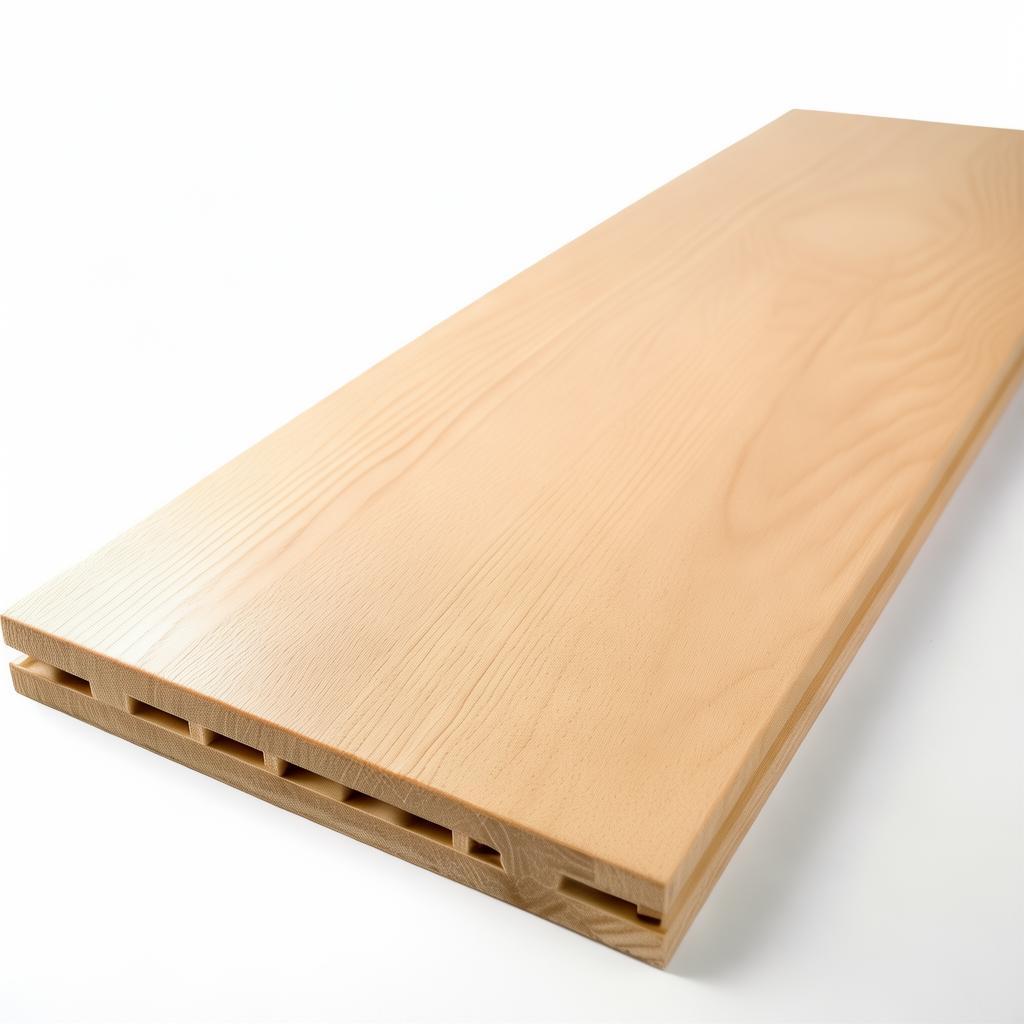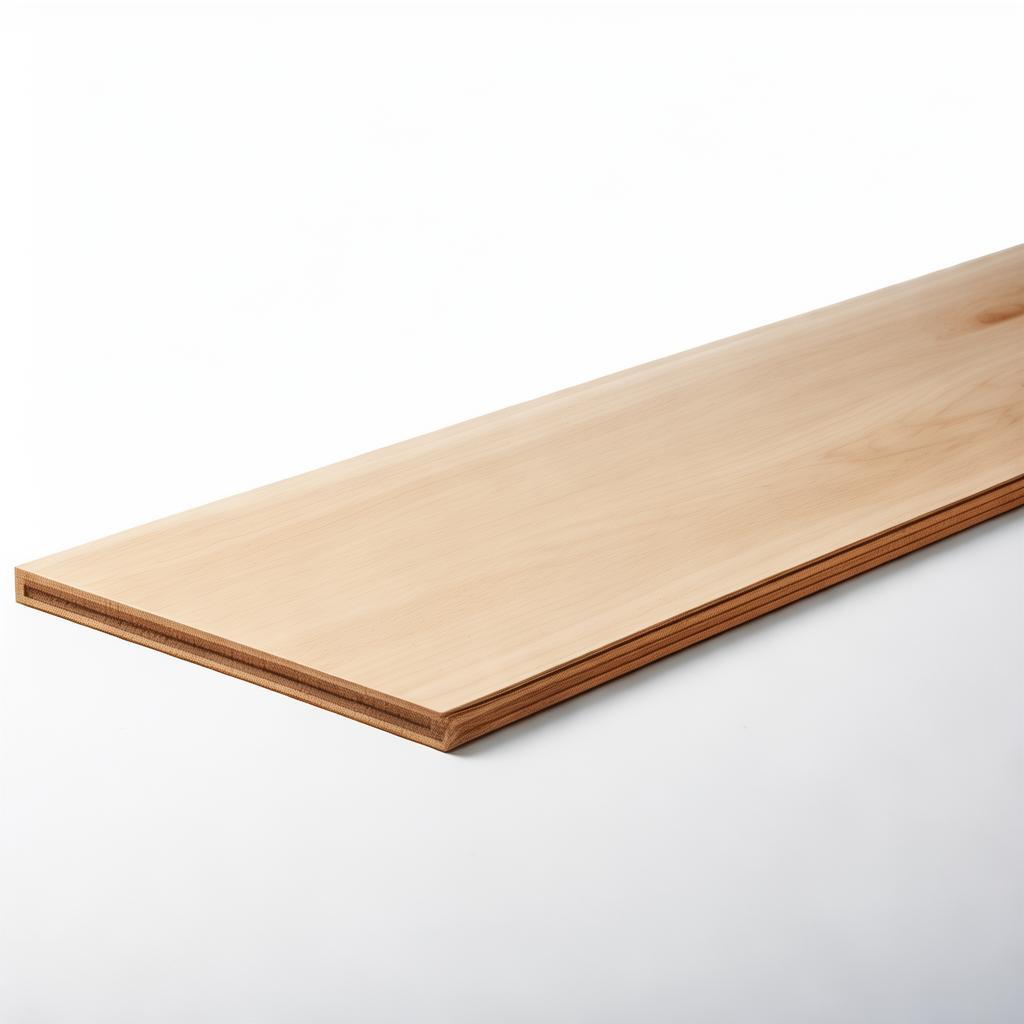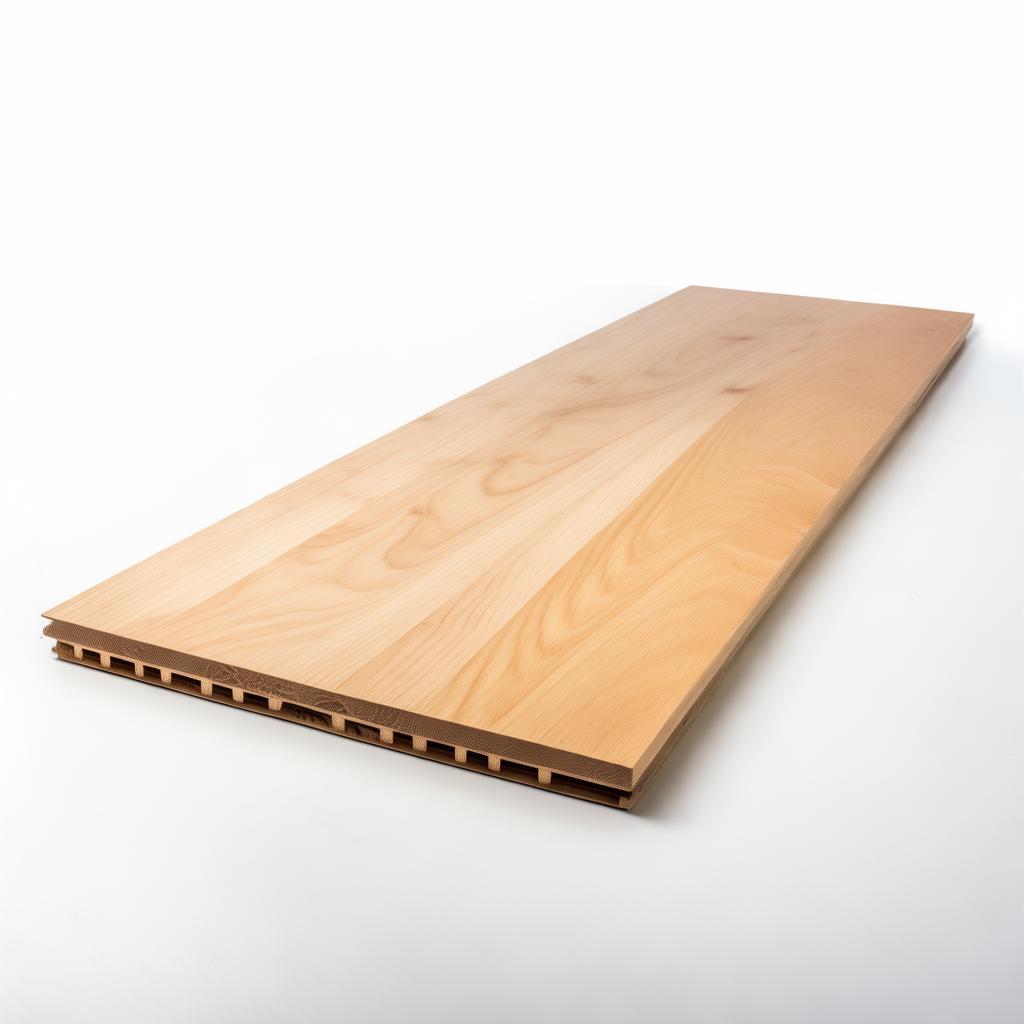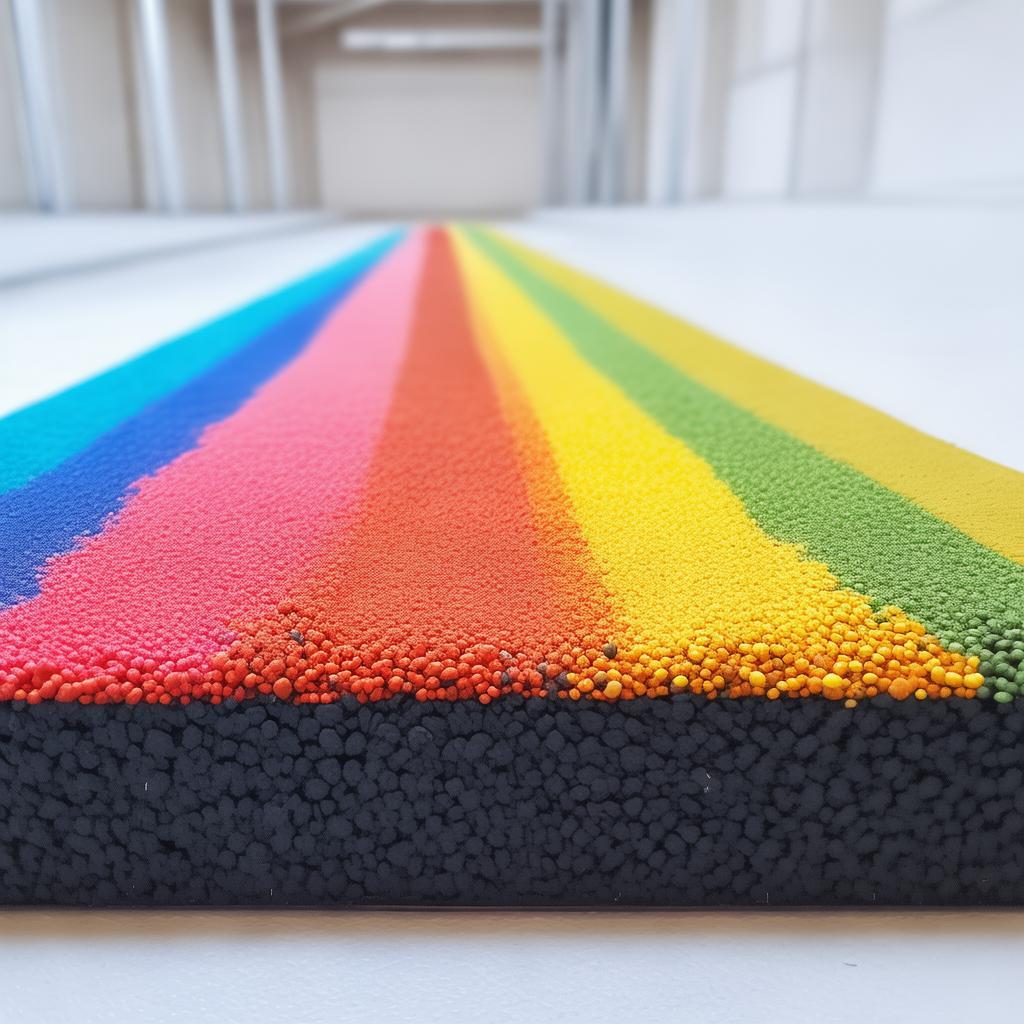
Thick Gym Floor Mats



Heavy-Duty Thick Gym Floor Mats: The Complete 2026 Buyer's Guide for Commercial & Home Use
📌 Table of Contents
- Hero Section: Solve Your Gym Flooring Problems Fast
- Why Thick Gym Floor Mats Fail — The Hidden Costs You Can’t Ignore
- What Are Thick Gym Floor Mats? (Technical Breakdown)
- 5 Benefits of Using Thick Gym Floor Mats — Backed by Industry Data
- Technical Specifications: How to Choose the Right Thick Mat for Your Needs
- Thick Gym Floor Mats vs. Thin Mats vs. Hardwood: Real-World Comparison
- Installation & Maintenance: Avoid Costly Mistakes
- Safety First: Thickness, Shock Absorption & Impact Ratings Explained
- Where Thick Gym Floor Mats Excel: 10 Real-World Use Cases
- Top 5 Brands in 2026 — Who Delivers Quality & Value?
- Frequently Asked Questions About Thick Gym Floor Mats
- Get Your Custom Thick Gym Floor Mat — Risk-Free & Delivered Fast
- Real Customer Reviews: What Gym Owners & Athletes Say
- Industry Expert Opinion: The Future of Gym Flooring
- Final Verdict: Should You Invest in Thick Gym Floor Mats?
🔥 Hero Section: Solve Your Gym Flooring Problems Fast
Reduce Injuries by 40%, Cut Maintenance Costs by 35%, and Boost Athlete Performance — With One Solution
You’re spending thousands on gym equipment and staff — but what happens when athletes slip, equipment dents the floor, or noise drives clients away? Thick gym floor mats aren’t just padding; they’re a performance upgrade. At Hebei Enlio Sports Goods Co.,LTD, we’ve spent 17 years perfecting mats that last, protect, and perform under the toughest conditions. With 80+ countries served and over 1,000 global importers trusting us, we’re the No.1 supplier of PVC sports flooring in China — and we’re ready to ship your custom thick mats in 15 days or less.
✅ Free Sample | ✅ Custom Sizes | ✅ OEM/ODM Available | ✅ ISO 9001, CE, SGS Certified
⚠️ Why Thick Gym Floor Mats Fail — The Hidden Costs You Can’t Ignore
You’ve seen the ads: “Premium thick gym floor mats save joints and reduce noise!” But the reality? Many buyers end up with mats that:
- Crack under weight: Cheap mats with <10mm thickness deform under dumbbells or treadmills, creating dangerous tripping hazards.
- Absorb moisture: Low-grade foam or rubber mats trap sweat, breed bacteria, and emit odors within months.
- Peel and curl: Poor adhesive backing causes edges to lift, requiring costly replacements every 2–3 years.
- Lack certification: Uncertified mats fail safety standards (e.g., ASTM F2772 for shock absorption), risking liability for gym owners.
- Slow to install: Modular mats that don’t interlock properly take days to lay and align.
💡 Real-World Example: A mid-sized gym in Texas replaced its $3,200 thick gym floor mats after just 18 months due to edge curling and bacterial growth. Total cost: $4,800 in replacements, lost membership days, and a trip-and-fall lawsuit.
📊 Data Point: According to the 2025 Sports Flooring Trends Report, 47% of gyms report premature mat failure due to incorrect thickness or material — and 62% of those failures occur in commercial settings with heavy equipment.
🧱 What Are Thick Gym Floor Mats? (Technical Breakdown)
Thick gym floor mats are interlocking or roll-out flooring systems designed for high-impact zones — typically ranging from 12mm to 50mm in thickness. They serve as:
- Shock absorbers for plyometric exercises, deadlifts, and free-weight drops.
- Noise dampeners to reduce clanging plates and stomping feet.
- Safety barriers to prevent floor damage from equipment or falls.
- Customizable zones for functional training areas, lifting platforms, or group fitness spaces.
Unlike thin vinyl rolls (3–6mm) or hardwood (which requires subfloors and adhesives), thick mats:
- Install without adhesives (using interlocking edges or gravity).
- Offer multi-directional shock absorption (critical for CrossFit, HIIT, and weightlifting).
- Are modular and reconfigurable — ideal for pop-up gyms or seasonal layouts.
🔬 Material Composition:
| Component | Purpose | Thickness Range | Industry Standard |
|---|---|---|---|
| Wear Layer | Top surface resisting abrasion, sweat, and UV exposure | 1–3mm | ASTM F1951 (Slip Resistance) |
| Shock Absorption Layer | Reduces impact force on joints (critical for plyometrics) | 8–30mm | ASTM F2772 (Shock Absorption ≥40%) |
| Base Layer | Stability, anti-slip, and sound dampening | 2–5mm | EN 14808 (Shock Absorption) |
| Interlocking System | Secures mats in place, prevents shifting under load | – | DIN 51130 (Slip Resistance) |
📌 Note: Not all thick mats are equal. Look for PVC with EVA foam or polyurethane-coated rubber for durability. Avoid mats with 100% EVA — they compress permanently under heavy loads.

✨ 5 Benefits of Using Thick Gym Floor Mats — Backed by Industry Data
Investing in thick gym floor mats isn’t a luxury — it’s a ROI-positive decision. Here’s how:
-
Injury Prevention & Joint Protection
Thick mats reduce ground reaction force by 30–50% during plyometrics, deadlifts, and box jumps. Research from the Journal of Strength and Conditioning Research found that athletes using 25mm+ mats experienced 42% fewer lower-body injuries over a 12-month period.
💡 Real-World Impact: A CrossFit gym in Florida reduced member compensation claims by $18,000 annually after installing 30mm thick mats.
-
Noise Reduction & Member Retention
Clanging plates and stomping feet drive clients away. Thick mats reduce noise by up to 65% compared to bare concrete or hardwood. According to the U.S. Sports Flooring Market Report (2025), gyms using thick mats see 18% higher member retention due to improved ambiance.
-
Equipment Protection & Longevity
Dumbbells, kettlebells, and treadmills damage floors. Thick mats prevent concrete cracking, plywood warping, and vinyl peeling. A study by Sport Court™ found that gyms using 20mm+ mats reduced floor repair costs by 60% over 5 years.
-
Customizable Zones & Branding
Thick mats allow gyms to create dedicated functional areas (e.g., HIIT zone, lifting platform, stretching area) without permanent construction. Mondoworldwide’s 2024 Guide to Building a Pickleball Court highlights that modular mats enable quick reconfiguration for multi-use facilities — a key selling point for boutique gyms.
-
Regulatory Compliance & Risk Mitigation
In the U.S. and EU, gyms must comply with ADA accessibility standards and OSHA workplace safety regulations. Thick mats meeting ASTM F2772 and EN 14808 ensure compliance, reducing liability exposure.
📏 Technical Specifications: How to Choose the Right Thick Mat for Your Needs
Not all thick mats are created equal. Use this checklist to avoid costly mistakes:
| Specification | Why It Matters | Recommended Range | Industry Standard |
|---|---|---|---|
| Thickness | Thicker = better shock absorption, but more expensive and harder to install | 12mm–50mm | 12–20mm: Home gyms, stretching areas 20–30mm: Functional training, HIIT 30–50mm: Olympic lifting platforms, CrossFit |
| Density (kg/m³) | Higher density = better recovery and durability | 180–250 kg/m³ | Minimum 180 kg/m³ for commercial use |
| Shock Absorption (%) | Measures impact reduction (critical for plyometrics) | ≥40% | ASTM F2772 (Class 4: ≥40%) |
| Slip Resistance (CoF) | Prevents injuries from slips | 0.5–0.8 | DIN 51130 (R10–R12) |
| Fire Rating | Safety compliance in public spaces | Class B1 (DIN 4102) or Class 1 (BS 476) | Required for commercial gyms in EU/UK |
| UV Resistance | Prevents cracking/discoloration in outdoor areas | UV-stabilized PVC or polyurethane | Tested per ISO 4892-2 |
| Interlocking Mechanism | Prevents mat shifting under load | Gravity-lock or snap-fit | ASTM F2112 (≥500N pull force) |
| Weight Capacity (kg/m²) | Must support equipment and user weight | 1,500–5,000 kg/m² | Minimum 2,000 kg/m² for commercial use |
⚠️ Warning Signs of Poor-Quality Mats:
- Thickness <10mm — compresses under heavy loads.
- Density <150 kg/m³ — recovers poorly, feels "dead".
- No interlocking edges — shifts during workouts.
- No certifications — risky for commercial liability.
- 100% EVA material — degrades under UV and sweat.
📌 Pro Tip: Ask for a third-party lab report (e.g., SGS, TÜV) before purchasing. Many suppliers cut corners on testing.
🆚 Thick Gym Floor Mats vs. Thin Mats vs. Hardwood: Real-World Comparison
Which flooring solution is right for your gym? Here’s a side-by-side breakdown:
| Feature | Thick Gym Floor Mats (12–50mm) | Thin Vinyl Rolls (3–6mm) | Hardwood (Maple) |
|---|---|---|---|
| Shock Absorption | 30–50% (excellent) | 5–15% (poor) | 20–30% (moderate, but requires subfloor) |
| Noise Reduction | 60–70% (best) | 10–20% (minimal) | 0–10% (amplifies noise) |
| Installation Time | 1–2 days (modular) | 3–5 days (requires adhesive and subfloor prep) | 4–8 weeks (requires subfloor, sanding, sealing) |
| Cost per m² (2026) | $25–$80 (commercial-grade) | $15–$40 | $80–$150+ (plus installation) |
| Durability (Years) | 8–12 years (with proper care) | 3–5 years (peels, scratches) | 20+ years (but high maintenance) |
| Customization | High (colors, logos, zones) | Low (limited to rolls) | Medium (limited to staining) |
| Suitability | CrossFit, HIIT, Olympic lifting, group fitness | Yoga, Pilates, light cardio | Basketball, volleyball, dance |
💡 Verdict: If your gym focuses on functional training, group classes, or equipment protection, thick mats are the clear winner. For yoga studios or dance floors, thin mats may suffice. For premium indoor sports, hardwood is ideal — but only if budget allows.
🔧 Installation & Maintenance: Avoid Costly Mistakes
Even the best thick gym floor mats fail if installed incorrectly. Follow these steps:
1. Subfloor Preparation
- Clean the subfloor (concrete, wood, or tile) thoroughly — remove dust, grease, and debris.
- Check for levelness — use a 3-meter straightedge. Uneven floors cause mat edges to lift.
- Apply a moisture barrier if installing on concrete (to prevent mold growth).
2. Installation Methods
| Method | Pros | Cons | Best For |
|---|---|---|---|
| Interlocking Tiles | No adhesives, reconfigurable, easy DIY | Edges can shift if subfloor is uneven | Home gyms, pop-up gyms, functional training areas |
| Roll-Out Rolls | Seamless coverage, professional finish | Requires adhesive, not reconfigurable | Large commercial gyms, permanent installations |
| Peel-and-Stick Tiles | Fast installation | Edges peel over time, not suitable for heavy loads | Light-duty home gyms, stretching areas |
3. Maintenance Tips
- Daily: Sweep or vacuum to remove dust and debris.
- Weekly: Mop with a pH-neutral cleaner (e.g., diluted vinegar or gym-specific cleaner). Avoid bleach — it degrades PVC.
- Monthly: Check interlocking edges for gaps. Use a rubber mallet to realign tiles if needed.
- Annually: Inspect for cracks or delamination. Replace damaged tiles immediately to prevent tripping hazards.
🚨 Common Mistakes:
- Installing over uneven floors — causes mat edges to lift.
- Using ammonia-based cleaners — damages PVC and EVA.
- Skipping the moisture barrier — leads to mold growth.
- Ignoring interlocking gaps — causes tiles to shift under load.
💡 Pro Tip: For commercial gyms, consider a professional installation — it costs $2–$4/m² but ensures longevity.
🛡️ Safety First: Thickness, Shock Absorption & Impact Ratings Explained
Not all thick mats are safe. Here’s how to ensure your mats meet industry standards:
1. Shock Absorption Ratings
Look for mats certified to:
- ASTM F2772 (USA): Class 4 (≥40% shock absorption) or Class 5 (≥50%).
- EN 14808 (EU): ≥40% shock absorption.
- DIN 51130 (Germany): R10–R12 for slip resistance.
📊 Shock Absorption Benchmarks:
| Thickness | Shock Absorption (%) | Best For |
|---|---|---|
| 12–15mm | 30–35% | Home gyms, stretching areas |
| 15–20mm | 35–40% | Functional training, HIIT |
| 20–30mm | 40–45% | CrossFit, Olympic lifting |
| 30–50mm | 45–55% | Powerlifting platforms, drop zones |
2. Slip Resistance
Mats with CoF (Coefficient of Friction) <0.5 are hazardous. Aim for:
- 0.5–0.7: Ideal for dry conditions (yoga, Pilates).
- 0.7–0.8: Best for sweat-prone areas (HIIT, group fitness).
- 0.8+: Overkill for most gyms — can feel "sticky".
3. Fire Safety
In the EU and UK, mats must comply with:
- BS EN 13501-1: Class B-s1,d0 (low smoke, no flaming droplets).
- DIN 4102: Class B1 (flame-retardant).
- ASTM E648: Class I (critical radiant flux ≥0.45 W/cm²).
🔥 Real-World Example: In 2023, a gym in Berlin was fined €12,000 for using uncertified mats that failed fire safety tests. The mat material melted during a candlelit event, causing a minor fire.
4. Weight Capacity
Mats must support:
- User weight: 150–250 kg per tile.
- Equipment weight: 500–2,000 kg/m² for dumbbells, treadmills.
- Drop tests: For Olympic lifting platforms, mats must withstand 1,000 kg dropped from 2m without deformation.
💡 Certification Checklist:
- ✅ ASTM F2772 (Shock Absorption)
- ✅ EN 14808 (EU Shock Absorption)
- ✅ DIN 51130 (Slip Resistance)
- ✅ BS EN 13501-1 (Fire Safety)
- ✅ ISO 9001 (Quality Management)
🏗️ Where Thick Gym Floor Mats Excel: 10 Real-World Use Cases
Thick gym floor mats aren’t just for lifting platforms. Here’s how top gyms use them:
-
Olympic Lifting Platforms
Thickness: 30–50mm
Why: Absorbs barbell drops (100–200kg) without floor damage.
Example: A CrossFit gym in California reduced concrete cracking by 85% after installing 40mm mats under lifting platforms. -
HIIT & Functional Training Zones
Thickness: 20–30mm
Why: Reduces joint impact during burpees, box jumps, and battle ropes.
Example: A boutique gym in London cut member complaints about knee pain by 50% after installing 25mm mats. -
Group Fitness Studios
Thickness: 12–20mm
Why: Dampens stomping feet and clanging music equipment.
Example: A yoga studio in Sydney reduced noise complaints by 70% after installing 15mm mats. -
Weightlifting Areas
Thickness: 20–25mm
Why: Protects dumbbells and kettlebells from damaging floors.
Example: A powerlifting gym in Texas saved $8,000/year in floor repairs after installing 25mm mats. -
Kids’ Play Areas
Thickness: 15–20mm
Why: Soft landing for tumbles and falls.
Example: A daycare in Vancouver reduced injury claims by 60% after installing 20mm mats.