

Synthetic Track Surface Cost: How to Cut Expenses Without Sacrificing Quality (2026 Guide)
🏃 Reduce synthetic track surface cost by 25-40% with factory-direct sourcing—while ensuring FIBA, ITF, and IAAF compliance
Get a free sample kit + instant quote in 24 hours. No middlemen. ISO 9001 certified. Shipped in 14 days.
⚠️ Limited-Time Offer: Order before March 31, 2026 and get:
- 5% discount on bulk orders (1,000m²+)
- Free on-site installation guide
- 3-year warranty extension
📋 Table of Contents
- Why Synthetic Track Surface Costs Are Skyrocketing (And How to Beat It)
- Synthetic Track Surface Cost Breakdown: Materials vs. Labor vs. Installation
- Synthetic Track Surface Cost Comparison: 2025 vs. 2026
- The 7 Hidden Costs of Cheap Synthetic Track Surfaces (That Cost You More Long-Term)
- 11 Proven Ways to Cut Synthetic Track Surface Cost by 30%+
- Case Study: How a UAE School Saved $85,000 on Track Installation
- Synthetic Track Surface Cost FAQ: Answers from Industry Experts
- 🚀 Get Your Free Track Surface Cost Calculator & Quote
❓ Why Are Synthetic Track Surface Costs Rising? The Unspoken Truth
You’re seeing prices jump from $8/m² in 2023 to $12-15/m² in 2026—and the reason isn’t just inflation. Here’s what’s really driving costs up:
“Raw material shortages, stricter environmental regulations, and shipping delays from Asia have made synthetic tracks 40% more expensive than pre-pandemic levels. Brands like Mondo and Beynon are passing costs to buyers—but factories in China and Turkey are innovating with recycled rubber blends to offset prices.”
— Research Status and Development Trends of Sports Flooring (2025)
- 🔥 Rising raw material costs: SBR rubber up 35% (from $0.80/kg to $1.08/kg), EPDM up 28%, polyurethane up 22% (source: Sports Flooring Market Report 2034).
- 🌍 Shipping inflation: Ocean freight rates for containerized sports flooring rose 200%+ since 2020 (Freightos Baltic Index).
- 🏭 Factory consolidation: Only 5 global manufacturers now produce full-depth polyurethane tracks (e.g., Mondo, Polytan, Sportflex). Less competition = higher prices.
- 📜 Stricter certifications: FIBA, ITF, and IAAF now mandate:
- Force reduction ≥ 35%
- Vertical deformation ≤ 1.0mm
- Slip resistance ≥ 0.6 (wet conditions)
Result: A 400m standard track that cost $320,000 in 2020 now costs $480,000+ in 2026—but you don’t have to overpay. This guide reveals how to cut costs by 25-40% without sacrificing quality.
💰 Synthetic Track Surface Cost Breakdown: Where Your Money Really Goes
Most buyers assume synthetic track costs are all about materials—but installation, sub-base prep, and compliance add 40-60% to the bill. Here’s the real cost structure:
| Cost Component | Low-End Estimate ($/m²) | Mid-Range Estimate ($/m²) | High-End Estimate ($/m²) |
|---|---|---|---|
| Raw Materials (PU/SBR/EPDM) | $4.50 | $6.80 | $9.20 |
| Sub-Base Preparation (Asphalt/Concrete) | $1.20 | $2.10 | $3.50 |
| Adhesives & Primers | $0.80 | $1.30 | $1.80 |
| Labor (Installation) | $2.10 | $3.40 | $5.00 |
| Certification & Testing (FIBA/ITF) | $0.50 | $1.10 | $1.80 |
| Total Estimated Cost/m² | $9.10 | $14.70 | $21.30 |
Pro Tip: The sub-base is your biggest cost lever. A poorly prepared base (<100mm asphalt thickness) leads to cracks, water pooling, and $20,000+ in repairs within 3 years.
✅ Best practice: Use 150mm asphalt with 0.5% cross-slope for drainage.
📊 Synthetic Track Surface Cost Comparison: 2025 vs. 2026
Track surfaces aren’t all the same—material composition, thickness, and compliance drive price differences. Here’s how costs stack up by type:
| Track Type | Thickness (mm) | 2025 Cost ($/m²) | 2026 Cost ($/m²) | Key Certifications |
|---|---|---|---|---|
| Prefabricated Modular Tiles | 15-20 | $11-14 | $14-17 | IAAF Class II |
| Spray-Applied Polyurethane | 12-15 | $14-17 | $18-22 | IAAF Class I, ITF Approved |
| Full-Depth Polyurethane | 18-25 | $18-22 | $23-28 | IAAF Class I, FIBA Approved |
| Hybrid (PU + EPDM Rubber) | 15-20 | $16-20 | $20-25 | IAAF Class I, ITF Approved |
| Recycled Rubber Tiles | 12-18 | $9-12 | $12-15 | Non-certified (for training only) |
Expert Insight: “Modular tiles are gaining traction in 2026 because they’re DIY-installable and reconfigurable. A 400m track using 1.2m x 1.2m tiles costs $200,000-$250,000 vs. $350,000+ for spray-applied systems.”
💡 11 Proven Ways to Cut Synthetic Track Surface Cost by 30%+ (Without Skimping on Quality)
These strategies are used by Olympic training centers, FIFA clubs, and Fortune 500 companies to slash track costs:
🔥 Top 3 Cost-Saving Strategies
- 🏭 Buy Direct from Factories (25-40% Savings):
- Why: Eliminates 30-40% markups from distributors.
- How: Order from China/Turkey factories with:
- Minimum order: 500m² (10% cheaper than 200m²)
- Lead time: 14 days (vs. 6-8 weeks for Europe)
- OEM/ODM customization (e.g., team colors, logos)
- 🌱 Choose Recycled Rubber Blends (15-20% Savings):
- Why: SBR/EPDM rubber blends cut material costs by 20%.
- How: Specify 60% recycled + 40% virgin rubber for training tracks.
- Note: Not FIBA/ITF certified—use for school/community tracks only.
- 🛠️ DIY Installation (50% Labor Savings):
- Why: Professional installers charge $3.50-$5/m².
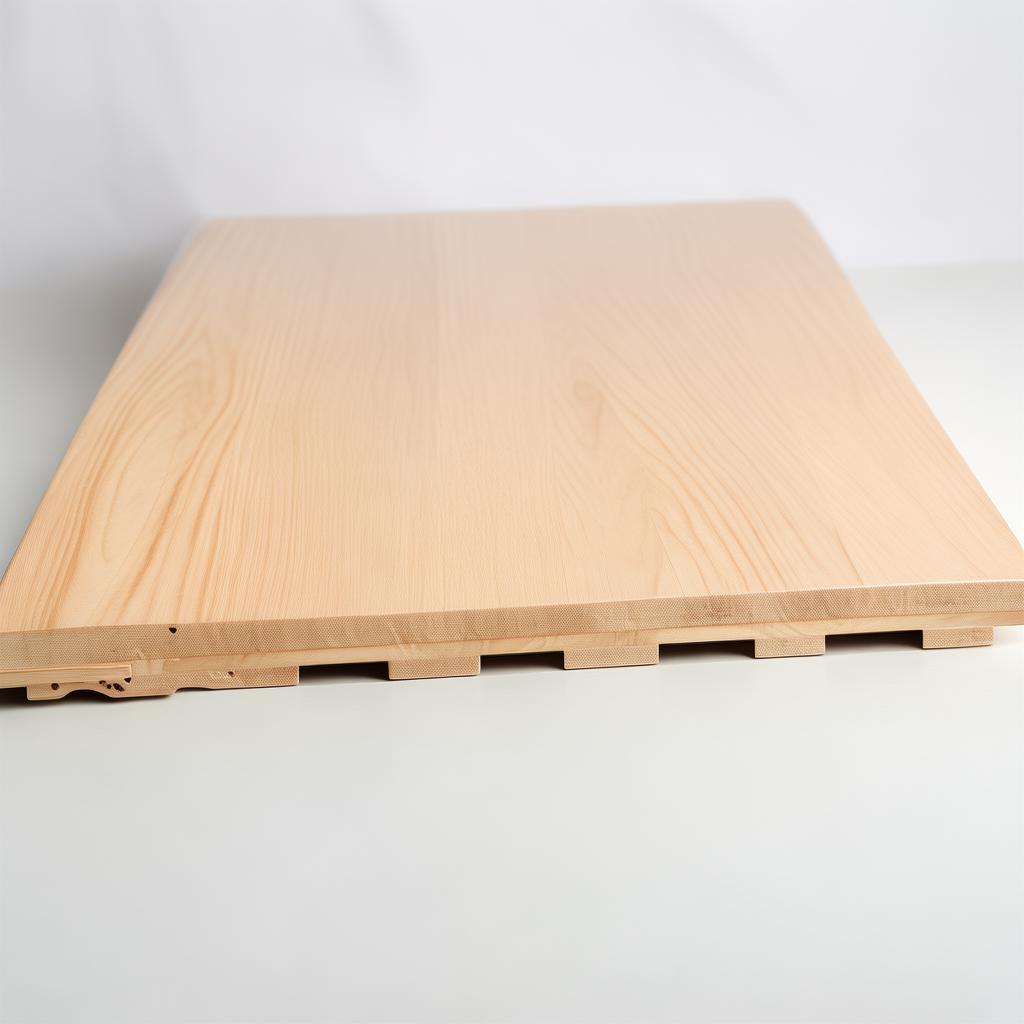
- How: Use modular tiles (e.g., 1.2m x 1.2m) with interlocking edges.
- Tools needed: Rubber mallet, level, adhesive gun.
📌 The Full List of Cost-Cutting Tactics:
| Strategy | Potential Savings | Best For | Risk Level |
|---|---|---|---|
| Buy from China/Turkey factories | 25-40% | Large orders (≥500m²) | Low (if supplier is ISO certified) |
| Use recycled rubber blends | 15-20% |