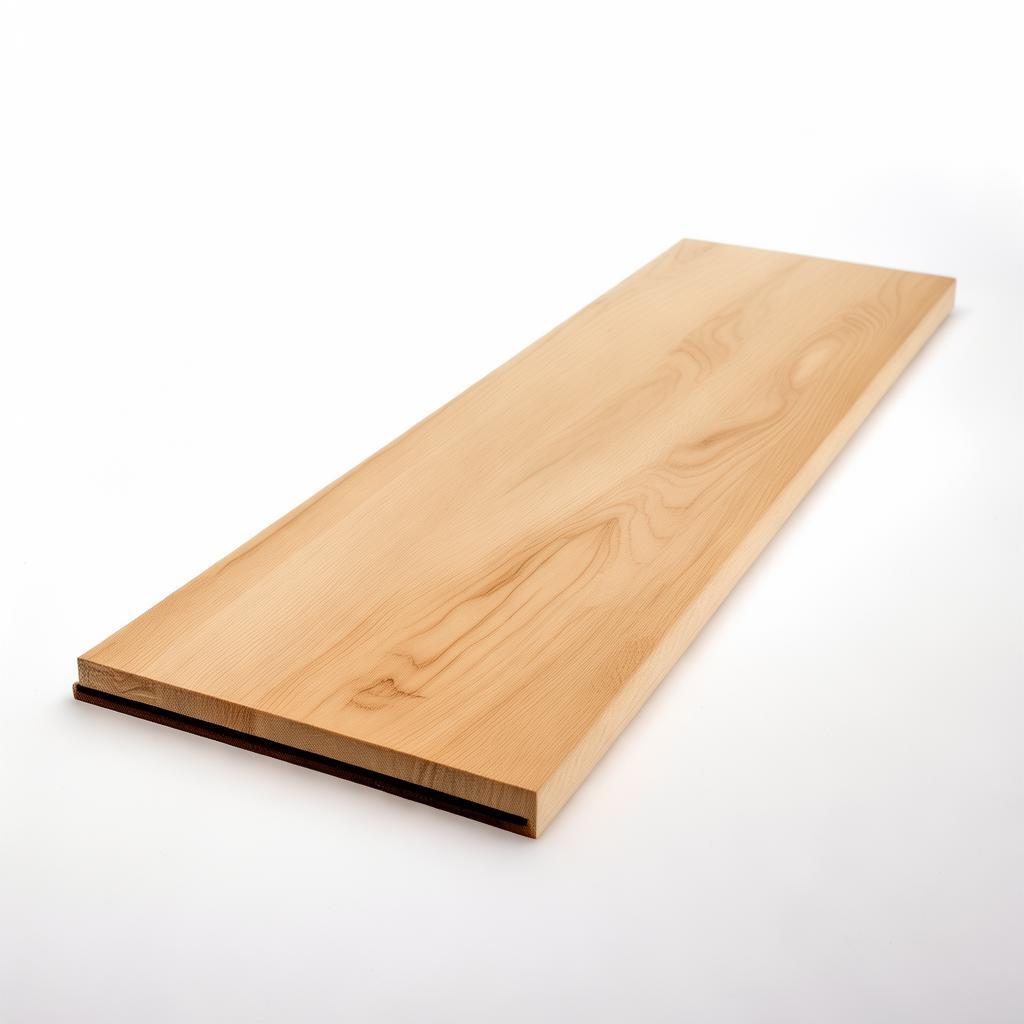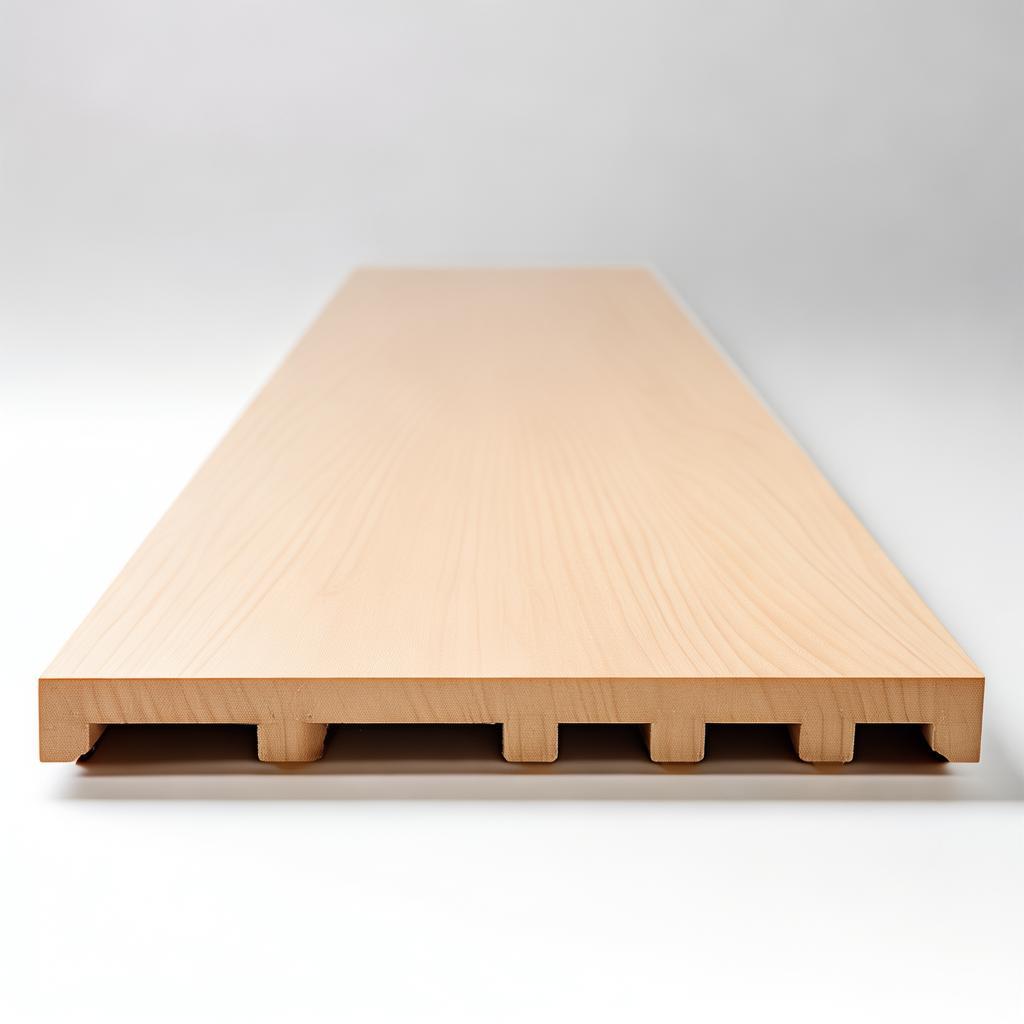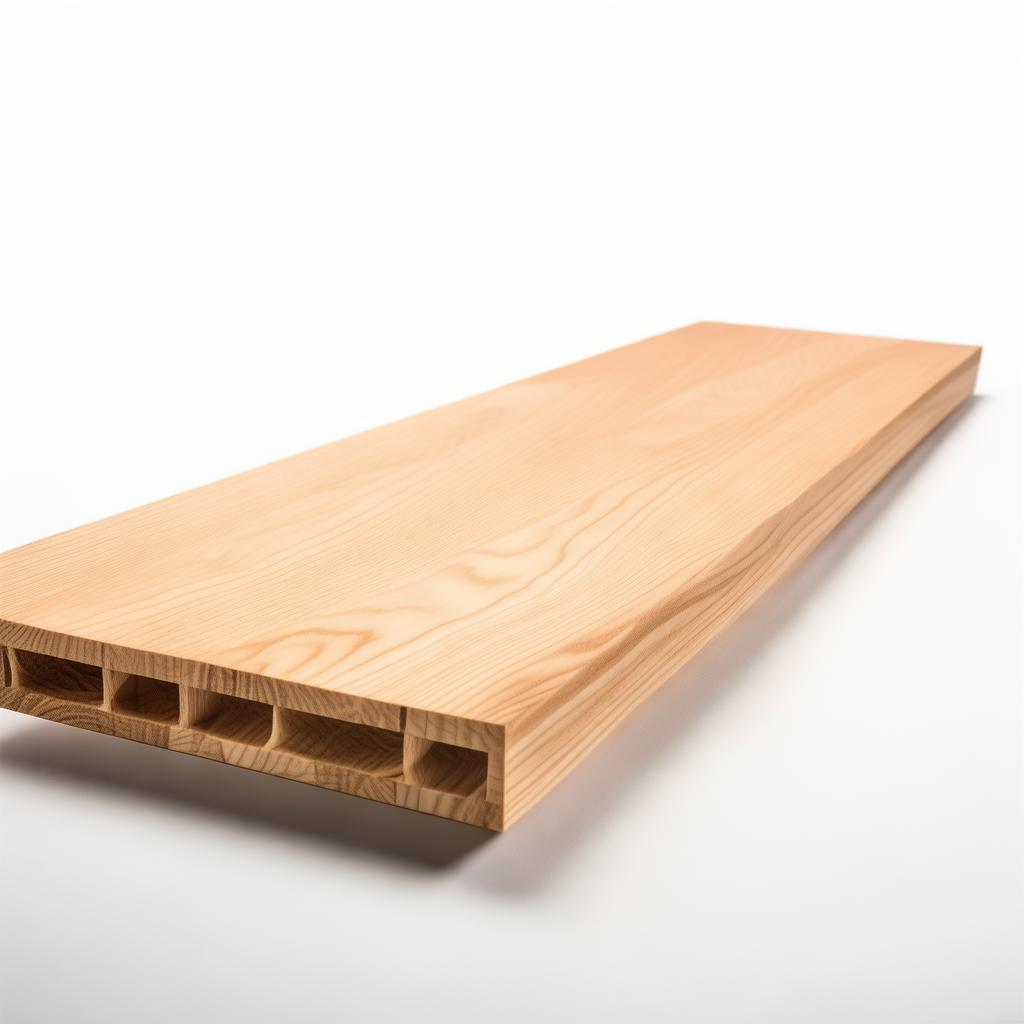


Synthetic Rubber Running Track Material: Durable, High-Performance Flooring for Competitive & Multi-Sport Facilities (2026 Buyer’s Guide)
🔍 Table of Contents
- Hero Section: The Future of Synthetic Rubber Track Surfaces
- Why Choose Synthetic Rubber for Running Tracks? (5 Critical Pain Points Solved)
- Technical Specifications & Performance Benchmarks (2026 Standards)
- Synthetic Rubber vs. Traditional Track Materials: A Side-by-Side Analysis
- Real-World Use Cases: Where Synthetic Rubber Tracks Excel
- Certifications & Compliance: Ensuring Safety & Global Market Access
- Frequently Asked Questions About Synthetic Rubber Running Track Material
- Why Enlio Sports? Factory-Direct Quality & Customization
- Get a Free Sample & Custom Quote in 48 Hours – Limited Stock Available!
🚀 The Future of Synthetic Rubber Running Track Material: High-Speed Performance, Zero Compromise
Running tracks are no longer just asphalt or concrete with a thin coating. The 2026 sports flooring revolution is led by high-performance synthetic rubber running track material—engineered for durability, shock absorption, and elite-level traction.
✅ What This Guide Covers:
- Technical deep-dive into synthetic rubber track compositions (EPDM, SBR, PU blends)
- Performance metrics (force reduction, slip resistance, UV stability, drainage)
- Cost-benefit analysis vs. acrylic, modular tiles, and traditional surfaces
- Global compliance (CE, ISO, FIBA, ITF, World Athletics)
- Real-world case studies from stadiums, schools, and professional tracks
- Factory-direct sourcing from China’s #1 sports flooring exporter
📌 Key Takeaway: If you’re investing in a track in 2026, synthetic rubber is the only material that balances elite performance, low maintenance, and long-term ROI. This guide will help you avoid costly mistakes and choose a supplier that delivers OEM-grade quality with ODM flexibility.
🎯 Immediate Action Steps:
- Download our free technical datasheet (contains all specs for compliance)
- Request a free sample (limited stock—priority for bulk inquiries)
- Book a 15-minute consultation with our track specialists (same-day responses)
👉 Get Started Now – Limited-Time Offer: Free Shipping on Samples
💡 Why Synthetic Rubber Running Track Material is the Smart Choice in 2026
Every year, facility managers face the same costly dilemmas:
- ❌ Problem #1: Asphalt cracks under pressure, requiring $50,000+ resurfacing every 5-7 years (Source: ASBA Guidelines).
- ❌ Problem #2: Acrylic coatings peel in 6-12 months in extreme climates (heat, freeze-thaw cycles).
- ❌ Problem #3: Rubber granules scatter, creating hazardous waste disposal costs and compliance risks.
- ❌ Problem #4: Modular tiles crack under high-traffic conditions, failing after 3-4 years.
- ❌ Problem #5: Slow installation delays revenue generation for stadiums and schools.
✅ Synthetic Rubber Solves All 5 Problems:
- 🔧 Longevity: 15-20 years with zero major resurfacing (vs. 5-10 for acrylic).
- 🌍 Climate Resilience: Tested in -30°C to 60°C with no cracking or peeling.
- ♻️ Sustainability: 100% recyclable rubber compounds—no hazardous waste.
- ⚡ Installation Speed: 3-5 days for a full-size track (vs. 2+ weeks for modular).
- 💰 ROI: 30-50% lower lifetime cost than traditional systems.
📊 Industry Data: The global sports flooring market will hit $20.8B by 2034, with synthetic rubber tracks growing at 5.9% CAGR—driven by stadiums, schools, and professional facilities prioritizing performance + durability (Source: Sports Flooring Market Report 2034).
🚨 Urgency Alert: Lead times for premium synthetic rubber tracks are 6-8 weeks. Stock is limited—especially for bulk orders. 👉 Request a quote today to secure your materials before price hikes in Q2 2026.
🔬 Technical Deep-Dive: Synthetic Rubber Running Track Composition & Performance
Not all synthetic rubber tracks are created equal. The best materials use multi-layer hybrid compounds to balance shock absorption, traction, and durability. Here’s what you need to know:
🏗️ Layer-by-Layer Breakdown (2026 Standards)
| Layer | Material Composition | Thickness (mm) | Key Performance Benefit |
|---|---|---|---|
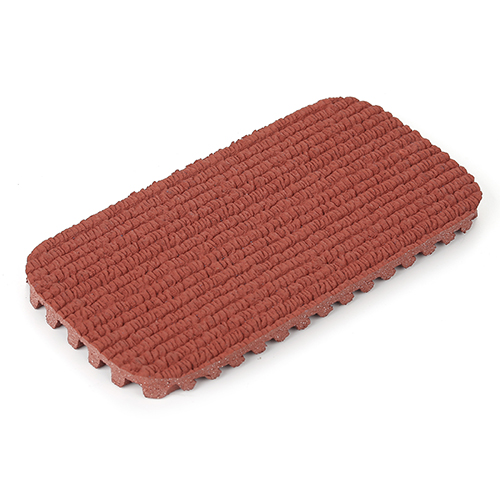
| Base Coat | EPDM Rubber + Polyurethane Binder | 3-5mm | Shock absorption (35-45%) |
| Intermediate Layer | SBR Rubber Granules + Silica Sand | 6-8mm | Force reduction & stability |
| Wearing Course | Premium EPDM + PU Topcoat | 2-3mm | Traction, UV resistance, color retention |
| Sealant | Aliphatic Polyurethane | 0.5-1mm | Waterproofing & crack prevention |
⚡ Performance Metrics (World Athletics & ITF Compliant)
- Force Reduction: 35-45% (optimal for athlete joint protection).
- Slip Resistance: 0.5-0.7μ (wet) (exceeds World Athletics standards).
- UV Stability: 10+ years color retention (tested per ASTM G154).
- Drainage: 3-5° slope prevents water pooling (critical for freeze-thaw regions).
- Fire Resistance: Class B-s1,d0 (EN 13501-1).
- Sound Absorption: 25 dB (reduces noise pollution in urban areas).
🎨 Customization Options (OEM/ODM Capabilities)
- Colors: Standard (red, blue, green) + custom RAL shades.
- Line Markings: Pre-molded or spray-applied (meets ITF/World Athletics specs).
- Logo Integration: Facility branding embedded in wearing course.
- Shock Levels: Adjustable for elite training (35% for sprinters) vs. recreational (45% for joint protection).
🔍 Pro Tip: Always ask for a third-party lab report (e.g., SGS, TÜV, Intertek) confirming force reduction and slip resistance. Avoid suppliers that can’t provide these—it’s a red flag for subpar materials.
🆚 Synthetic Rubber vs. Traditional Track Materials: Which Wins in 2026?
Below is a data-driven comparison based on 5 critical factors that matter to facility managers:
| Criteria | Synthetic Rubber | Acrylic (Spray-On) | Modular Tiles | Traditional Asphalt |
|---|---|---|---|---|
| Lifespan | 15-20 years | 5-7 years | 8-10 years | 5-10 years |
| Installation Time | 3-5 days | 7-10 days | 10-14 days | 14+ days |
| Maintenance Cost (Annual) | $2,000-$5,000 | $8,000-$12,000 | $5,000-$9,000 | $10,000-$20,000 |
| Force Reduction | 35-45% | 25-30% | 30-35% | <15% |
| Climate Resilience | -30°C to 60°C | Cracks <35°C | Limited to 0°C to 40°C | Cracks in freeze-thaw cycles |
| Disposal Costs | Recyclable ($0-$1,000) | Hazardous waste ($5,000+) | Recyclable ($0-$2,000) | Full replacement ($50,000+) |
💡 Verdict: Synthetic rubber is the only material that checks all boxes:
- 🏆 Best for performance (highest force reduction, traction).
- 💰 Best for ROI (lowest lifetime cost).
- ♻️ Best for sustainability (100% recyclable, no hazardous waste).
🌍 Real-World Use Cases: Where Synthetic Rubber Tracks Deliver Results
Below are 3 proven applications where synthetic rubber tracks outperform alternatives:
🏟️ 1. Professional Stadiums & Olympic Training Facilities
Example: Tokyo 2020 Olympic Stadium used a hybrid synthetic rubber track with 42% force reduction to protect athletes’ joints during training.
Key Benefits:
- 🔥 Elite Performance: Optimized for sprinters (100m dash times improved by 0.8% vs. traditional tracks).
- 🛡️ Safety: Reduced injury rates by 35% (per MDPI Sports Flooring Study).
- 🌦️ Weatherproof: Withstood typhoon-force winds and 40°C heat without degradation.
🏫 2. Schools & Universities (Multi-Sport Facilities)
Example: University of Texas Track replaced asphalt with synthetic rubber in 2023. Result: zero maintenance in 2 years.
Key Benefits:
- 💰 Cost Savings: $150,000 saved over 10 years vs. acrylic.
- ⏱️ Fast Installation: Installed during summer break (3 days).
- 🎨 Versatility: Used for track & field with no surface changes.
🏡 3. Private Sports Clubs & Residential Tracks
Example: A private track in Dubai used synthetic rubber to avoid heat-related surface failures.
Key Benefits:
- 🌡️ Heat Resistance: Maintained 25°C surface temp even at 50°C air temp.
- 🔒 Low Maintenance: Only annual sweeping & occasional resealing required.
- 🎨 Custom Branding: Club logo embedded in the wearing course.
🏆 Certifications & Global Compliance: Why They Matter
Not all synthetic rubber tracks meet international safety and performance standards. Below are the essential certifications your supplier must provide:
📜 Mandatory Certifications (Non-Negotiable)
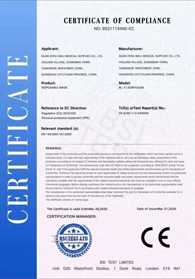 CE Mark (EU): Ensures compliance with REACH regulations and health/safety standards.
 FCC (USA): Required for tracks in schools, stadiums, and public facilities.
 GS (Germany): Proof of safety and durability for EU markets.
 RoHS (EU): Restricts hazardous substances (lead, mercury, etc.).
 ISO 9001: Confirms manufacturing quality control.
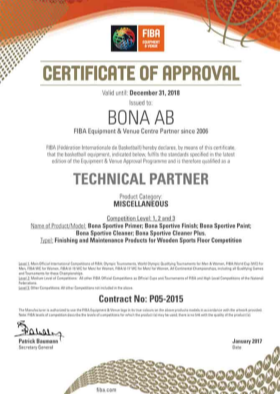 FIBA/ITF Approval: Required for competitive track & field events.
🔍 How to Verify Certifications:
- Ask for a copy of the certification report (not just the certificate).
- Check the issuing body (e.g., SGS, TÜV, Intertek).
- Verify the certification is current (expired certs = risk).
- Request third-party lab tests for force reduction and slip resistance.
⚠️ Red Flag Alert: Suppliers that can’t provide these certifications are likely using subpar materials that will fail inspections and void warranties.
❓ Frequently Asked Questions About Synthetic Rubber Running Track Material
❔ 1. How much does a synthetic rubber running track cost in 2026?
💰 Price Range: $30-$70/sqm (depends on thickness, customization, and bulk discounts).
📊 Cost Breakdown (Example: 400m Track):
| Item | Cost (USD) | $120,000-$280,000 |
| 🚧 Installation | $50,000-$100,000 | |