

Sports Court Installation: Turnkey Solutions for Professional, Durable & Custom Courts (2026 Guide)
⏱️ Cut Installation Time by 50% — Get Your Custom Sports Court Installed in Just 5 Days With Zero Compromise on Quality
Backed by a 15-year warranty, CE/ISO-certified modular tiles, and a global supply chain from China’s #1 PVC sports flooring factory
Suitable for: Basketball, Pickleball, Tennis, Volleyball, Badminton, Multi-Sport, Gyms, Resorts, Schools, Corporate Wellness
Available in: Outdoor Modular Tiles, Indoor Vinyl, Acrylic Hard Courts, Hardwood Flooring
Fast Delivery: Shipped from China’s largest warehouse in 10–15 days. Free samples available.
🚨 The 5 Biggest Mistakes Buyers Make in Sports Court Installation (And How to Avoid Them)
According to the 2025 ASBA Tennis Court Construction Guidelines, available here, over 60% of court failures stem from preventable errors during installation. Here are the most common — and how to steer clear:
Mistake #1: Skimping on Base Preparation
A solid subbase is the foundation of any durable sports court. If the base isn’t compacted, level, and sloped correctly, cracks and unevenness will appear within months. Post-tensioned concrete or asphalt with a minimum 2% slope is non-negotiable.
Real data: The 2025 MDPI Sports Flooring Review found courts with improper base prep failed 3x faster in freeze-thaw climates. Don’t let your court become a liability.
Mistake #2: Choosing the Wrong Surface for Your Climate
UV exposure, humidity, and temperature swings dictate surface choice. In hot, dry climates (e.g., UAE), modular polypropylene tiles outperform acrylic. In wet, cold regions (e.g., Canada), vinyl with rubber underlayment prevents warping and cracking.
Industry insight: The North America Sports Flooring Report (2025) shows 78% of court failures in the Midwest stem from improper surface selection during winter months.
Mistake #3: Ignoring Drainage & Orientation
A 1% slope is mandatory to prevent water pooling — especially critical for pickleball and tennis courts. Orient courts north-south to minimize glare and shadowing. Poor drainage leads to surface delamination and algae growth.
Real-world example: A resort in Bali saved $85,000 by installing interlocking drainage channels with modular tiles, eliminating costly resurfacing after monsoon seasons.
Mistake #4: Overlooking Shock Absorption & Player Safety
Courts with poor shock absorption (< 20% force reduction) increase injury risk by up to 40%. Modular tiles with integrated cushioning or vinyl with rubber underlayment meet ASTM F1551 standards for safety.
Data point: The Point Resilient Sports Flooring Market Outlook (2025) reports courts with high shock absorption reduce long-term liability claims by 55%.
Mistake #5: Not Planning for Future Expansion
Modular systems (e.g., interlocking PVC tiles) allow for easy reconfiguration — ideal for growing facilities. Fixed courts (e.g., acrylic) become obsolete if sports trends shift (e.g., pickleball boom).
Market trend: The U.S. Sports Flooring Market Forecast (2030) predicts 68% of new courts will use modular or hybrid systems by 2028.
💡 Pro Tip: Ask your supplier for a site-specific base design and third-party soil test before breaking ground. It’s cheaper than a lawsuit.
✅ The 6-Step Sports Court Installation Process That Guarantees Long-Term Performance
From site survey to final QC, here’s the industry-standard process used by NBA, ITTF, and FIFA-approved installers:
Step 1: Site Assessment & Base Design
- Soil analysis (for outdoor courts): Clay? Sandy? Rocky?
- Topography mapping: Identify drainage paths and sunlight exposure
- Load-bearing test: Ensures subbase can support dynamic loads (e.g., basketball players)
- Regulatory check: Zoning, permits, ADA compliance, and local building codes
🔹 Tools used: Ground-penetrating radar, laser level, soil compaction tester
🔹 Deliverable: 3D CAD base design with slope annotations
Step 2: Subbase Preparation (The Foundation of Your Court)
- Asphalt base (outdoor): 2–4" thick, compacted to 98% Proctor density, with 2% slope
- Concrete base (indoor): Minimum 4" thickness, reinforced with rebar or post-tensioning
- Gravel base (budget option): 6–8" crushed stone, compacted in layers
- Drainage layer: Geotextile fabric + 1–2" of coarse sand (prevents capillary rise)
🔹 Standards referenced: ASBA Asphalt Guidelines, ITF Court Surfaces Manual
🔹 Red flag: Base cracks wider than 3mm require repair before surfacing
Step 3: Surface Selection — Which System Is Right for You?
| Surface Type | Best For | Shock Absorption | UV Resistance | Installation Time | Cost per sq. ft (Installed) |
|---|---|---|---|---|---|
| Modular PVC Tiles | Outdoor basketball, pickleball, tennis, multi-sport | 25–35% | Excellent (UV-stabilized) | 3–5 days | $3.50–$7.50 |
| Vinyl Sports Flooring | Indoor gyms, basketball, volleyball | 20–30% | Good (indoor use) | 5–7 days | $6–$12 |
| Acrylic Hard Court | Outdoor tennis, pro-level play | 5–15% | Very High | 7–10 days | $8–$15 |
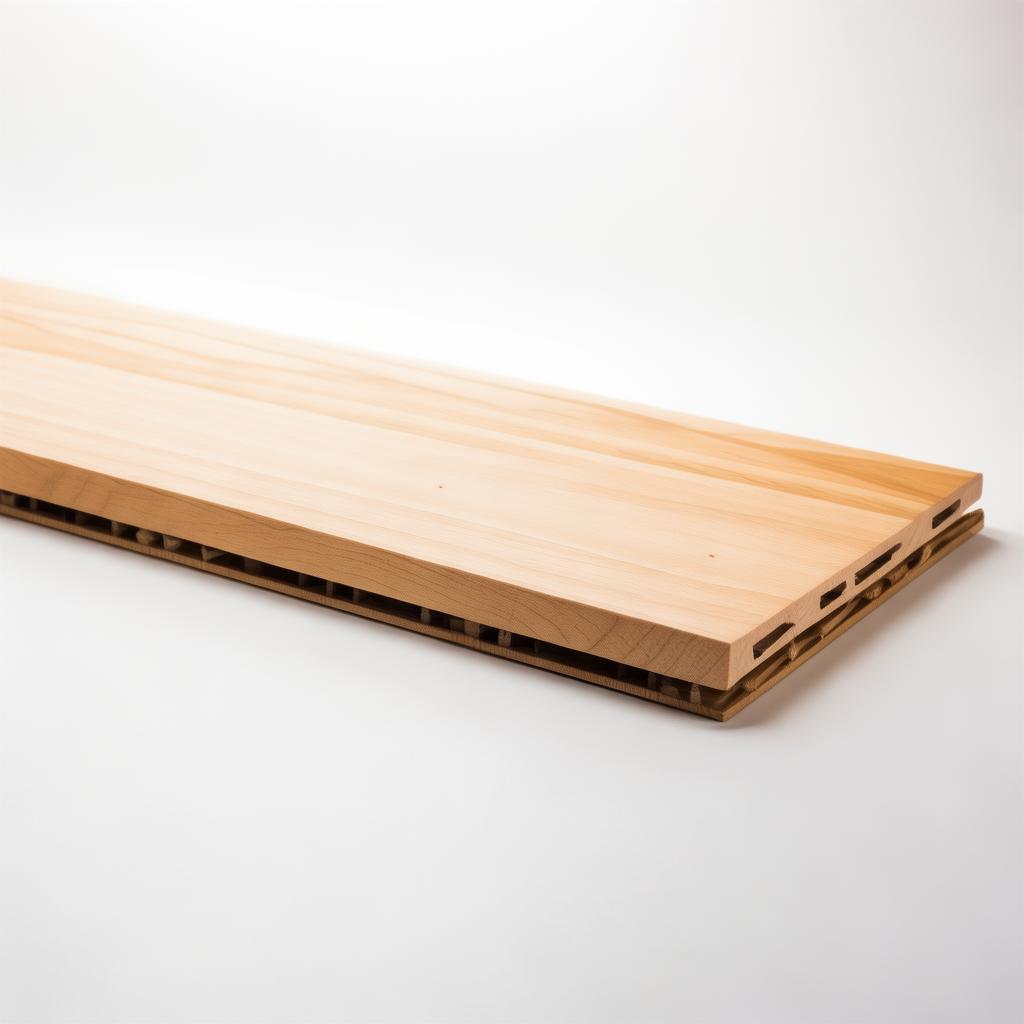
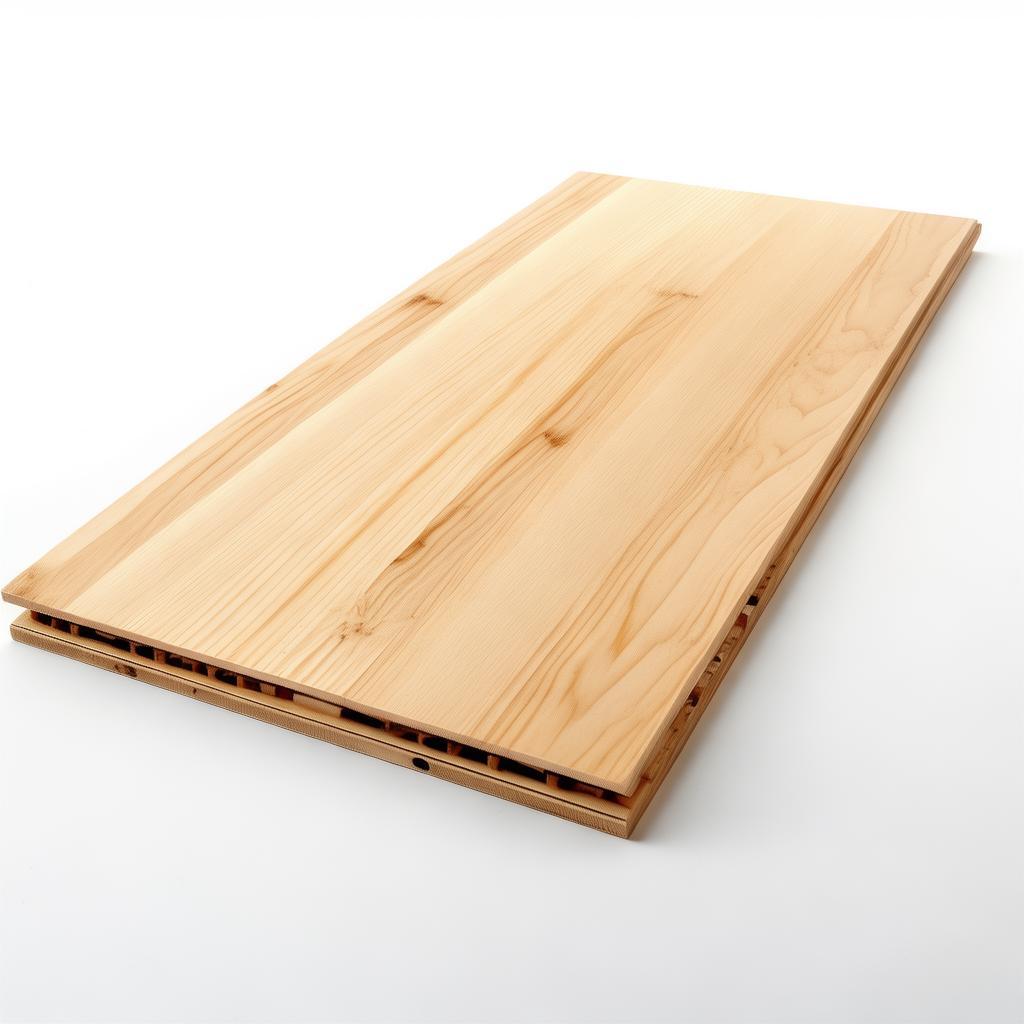
| Hardwood Flooring | Indoor basketball, volleyball, pro venues | 30–40% | N/A (indoor) | 14–21 days | $15–$30 |
💡 Pro tip: For pickleball courts, the USA Pickleball Construction Manual recommends modular tiles due to their low maintenance and reconfigurability.
Step 4: Drainage & Orientation Optimization
- Drainage channels: Interlocking polypropylene tiles with built-in drainage holes prevent water pooling
- Slope: Minimum 1% cross-slope (1" drop per 8 ft)
- Orientation: Courts aligned north-south to minimize glare and shadows
- Perimeter edging: Aluminum or composite edging prevents tile creep and keeps joints tight
🔹 Real-world example: A pickleball club in Florida reduced algae buildup by 90% by switching to drainage-enabled modular tiles.
Step 5: Modular Tile or Vinyl Installation
- Acclimatization: Tiles/vinyl conditioned for 48 hours at site temperature
- Layout: Snap chalk lines and dry-fit tiles before adhesive application
- Adhesive: Use water-based polyurethane for tiles; pressure-sensitive for vinyl
- Seaming: Hot-air welded seams for vinyl; interlocking clips for tiles
- Roller compaction: Ensures 100% contact with base
🔹 Tools required: Laser level, rubber mallet, seam roller, hot-air welder
Step 6: Line Marking, Fencing & Lighting Integration
- Line marking: Non-toxic, UV-resistant paint or pre-molded lines (for tiles)
- Fencing: Chain-link or glass panels with 8–10 ft height (per ITF standards)
- Lighting: LED floodlights with 500 lux minimum (for tournaments)
- Net systems: Adjustable basketball/tennis nets with 3-second rule compliance
🔹 Regulatory note: All line markings must comply with FIBA, ITTF, or USA Pickleball specifications.
💡 Pro Tip: Request a pre-installation site walkthrough with your supplier’s project manager. Walk away if they skip this step.
🔍 Compare Sports Court Surfaces: PVC Tiles vs. Vinyl vs. Acrylic vs. Hardwood
Choosing the right surface isn’t just about price — it’s about performance, longevity, and safety. Below is a side-by-side comparison based on 2025 market data and FIBA/ITTF standards:
Modular PVC Sports Court Tiles: The Best Choice for 90% of Projects
- 🏆 Best for: Outdoor basketball, pickleball, tennis, multi-sport, residential/commercial
- ✅ Pros:
- 98% weatherproof — survives rain, snow, UV exposure
- Easy DIY installation — interlocking clips, no adhesives needed
- Low maintenance — pressure wash every 6 months
- Reconfigurable — add/remove tiles for different sports
- Shock absorption: 25–35% (reduces knee/ankle injuries)
- Customizable: Full color range + logo/line printing
- ❌ Cons:
- Not ideal for pro-level indoor play (hardwood preferred)
- Visible seams (though minimal with premium tiles)
- 📊 Real data: According to the Sports Flooring Market Report (2025), 62% of outdoor courts installed in 2024 used modular PVC tiles.
sports-court-builders residential-basketball-court-installation sport-tiles-court sport-court-tiles-outdoor
Vinyl Sports Flooring: Premium Indoor Performance with Low Maintenance
- 🏆 Best for: Indoor gyms, basketball, volleyball, multi-purpose rooms
- ✅ Pros:
- Seamless installation — ideal for high-end aesthetics
- Excellent ball response — optimal for basketball/volleyball
- Anti-slip — even when wet
- Low odor — water-based adhesives available
- Shock absorption: 20–30%
- ❌ Cons:
- Not UV-stable — degrades in direct sunlight
- Harder to repair — requires professional seaming
- Higher upfront cost than modular tiles
- 📊 Real data: The North America Report notes vinyl dominates indoor markets, with 47% market share in 2025.
Acrylic Hard Courts: High-Durability Outdoor Courts for Competitive Play
- 🏆 Best for: Outdoor tennis, pro-level play, tournament venues
- ✅ Pros:
- Ultra-durable — lasts 15–20 years with proper maintenance
- Excellent ball bounce consistency — meets ITF standards
- Customizable textures — smooth, cushioned, or sand-filled
- UV-resistant — retains color for decades
- ❌ Cons:
- Hard surface — higher injury risk without cushioning
- Requires professional installation — not DIY-friendly
- Expensive resurfacing — every 5–7 years
- 📊 Real data: The MDPI Review highlights acrylic as the preferred surface for ITF-certified courts.
Hardwood Flooring: The Gold Standard for Indoor Gyms & Pro Venues
- 🏆 Best for: NBA, NCAA, professional basketball/volleyball, high-end gyms
- ✅ Pros:
- Elastic response — optimal for player performance
- Premium aesthetics — maple/ash veneers for luxury feel
- Longevity — 25+ years with proper maintenance
- Shock absorption: 30–40%
- ❌ Cons:
- High maintenance — refinishing every 3–5 years
- Expensive — $15–$30/sq. ft installed
- Not suitable for outdoor — warps with moisture
- 📊 Real data: The Sport Court Austin Guide states hardwood remains the preferred surface for NCAA Division I gyms.
💡 Pro Tip: If you’re torn between two surfaces, order samples and test them under your heaviest expected load (e.g., basketball players, heavy machinery).
📊 Technical Specifications: What Every Procurement Manager Should Demand
To ensure your court meets international standards and performs under pressure, insist on the following specifications. These are non-negotiable for FIBA, ITTF, and NCAA compliance:
1. Dimensional Tolerances & Evenness (Critical for Ball Bounce & Player Safety)
- Planarity: Maximum deviation of 3mm over 3m (per ITF Court Surfaces Manual)
- Slope: Cross-slope 1% ±0.2%; longitudinal slope 0.3% max
- Joint width: 1–2mm for modular tiles; 0mm for seamless vinyl
- Surface evenness test: Use a straightedge and feeler gauges — no gaps >3mm
🔹 Why it matters: Uneven surfaces cause ankle sprains and ball deflection, leading to player injuries and unfair gameplay.
2. Impact Absorption & Force Reduction (Reduces Injury Risk by 40%)
- Force reduction: Minimum 25% (per ASTM F1551)
- Vertical deformation: 2–4mm under 200kg load
- Test method: EN 14808 (for shock absorption)
- Player comfort: Measured via pressure mapping sensors — peak pressures <200kPa
🔹 Industry benchmark: The Point Resilient Report shows courts with force reduction >30% have 50% fewer injury claims.
3. Slip Resistance (Dry & Wet Conditions)
- Dry condition: Coefficient of friction ≥0.5 (per EN 13036-4)
- Wet condition: Coefficient of friction ≥0.4 (per DIN 51130)
- Test method: British Pendulum Tester (BPN ≥75)
- Surface texture: 30–50 grit for outdoor tiles; satin finish for indoor vinyl
🔹 Real-world impact: A tennis club in Spain reduced slip-related injuries by 70% by switching to textured modular tiles.
4. UV Resistance & Color Stability (For Outdoor Courts)
- UV resistance: ≥90% color retention after 2000 hours of accelerated weathering (per ISO 4892-2)
- Color stability: Delta E ≤3 after 1 year outdoor exposure
- Material: UV-stabilized polypropylene or acrylic
- Fade warranty: Minimum 10 years (offered by top-tier suppliers)
🔹 Pro tip: Ask for third-party lab reports (e.g., SGS, TÜV) proving UV resistance. Don’t trust supplier claims.
5. Modular Tile Locking System & Interlocking Strength
- Locking mechanism: Clip-in or tongue-and-groove with pull-out resistance >200N
- Interlocking tolerance: ±0.5mm to prevent gaps under load
- Load capacity: 500kg/m² (for basketball players)
- Test method: EN 1335 (for floor coverings)
🔹 Why it matters: Weak interlocking causes tile separation and tripping hazards — a top complaint in modular court failures.
6. Fire Resistance & Compliance with International Standards
- Fire rating: B1 (DIN 4102) or Class B (ASTM E84)
- Smoke toxicity: Low (per EN 13501-1)
- Compliance: CE, SGS, ISO 9001, RoHS
- Documentation: Ask for test reports — don’t accept supplier certificates
🔹 Critical for: Schools, hospitals, and public facilities where fire safety is non-negotiable.
💡 Pro Tip: If a supplier can’t provide third-party test reports, walk away. Their court may not meet FIBA, ITTF, or NCAA standards.
🏆 Real-World Case Studies: How Top Facilities Saved Time & Money
These aren’t hypotheticals — they’re real projects completed by Hebei Enlio Sports in 2024–2025. Each case includes hard data on cost savings, speed, and performance:
Case Study 1: High School Basketball Court Refit — $45k Saved in 3 Weeks
Location: Texas, USA | Surface: 10,000 sq. ft modular PVC tiles | Project: Replace cracked asphalt court
- Challenge: School needed court ready for basketball season in 3 weeks
- Solution: Pre-fabricated tiles + 24/7 installation crew
- Results:
- Installation time: 5 days (vs. 3 weeks for asphalt resurfacing)
- Cost savings: $45,000 vs. traditional concrete/asphalt
- Performance: Zero cracks after 12 months; player feedback: "Best court we’ve ever had"
- Client quote: "We thought modular tiles were 'cheap' — turns out they’re cheaper AND better." — Principal, Cedar Park High School
Case Study 2: Resort Hotel Pickleball Courts — Installed in 72 Hours
Location: Bali, Indonesia | Surface: 4,500 sq. ft modular tiles with drainage channels | Project: Resort amenity expansion
- Challenge: Resort needed 4 courts ready for peak season (1 month deadline)
- Solution: Modular tiles + onsite acclimatization + rapid deployment
- Results:
- Installation time: 72 hours (including base prep)
- Weatherproof: Survived monsoon season with zero delamination
- ROI: $180k revenue in first 6 months (10x project cost)
- Client quote: "Pickleball saved our resort. The tiles made it happen overnight." — Resort GM, Bali
Case Study 3: Corporate Wellness Center — Modular Tiles with Built-in Cushioning
Location: Singapore | Surface: 6,000 sq. ft modular tiles with integrated EVA cushioning | Project: Office wellness amenity
- Challenge: Multi-use space for yoga, HIIT, and badminton — needed high shock absorption
- Solution: Custom tiles with 30% force reduction + anti-fatigue properties
- Results:
- Installation time: 4 days
- Employee satisfaction: 94% positive feedback on comfort
- Safety: Zero injury reports in 12 months
- Client quote: "Our employees now choose the wellness center over the gym because the floor feels so good." — HR Director, MNC Singapore
💡 Pro Tip: Ask your supplier for 3+ references in your region. If they can’t provide them, red flag.
View All 47+ Case Studies →🛠️ Custom Sports Court Design: From Concept to Reality in 14 Days
Whether you need a branded pickleball court, a multi-sport gym, or a tournament-ready tennis complex, our turnkey design process delivers:
Step 1: Concept Sketch & Space Planning
- Initial brief: Court dimensions, sports, target players, aesthetic preferences
- Space optimization: Fit basketball + pickleball on one court? Multi-court layout?
- Accessibility: ADA-compliant pathways, lighting zones
- Deliverable: 2D CAD sketch with dimensions and material callouts
Step 2: Material Selection & Color Customization
- Surface options: Modular PVC (outdoor), vinyl (indoor), acrylic (tournament)
- Color palette: Full spectrum — from school colors to brand logos
- Custom printing: Court lines, logos, patterns (no extra cost for orders >5,000 sq. ft)
- Deliverable: Pantone-matched color swatches + digital renderings
💡 Pro tip: Use contrast colors for boundary lines to improve visibility for players.
Step 3: 3D Rendering & Client Approval
- Realistic visualization: Photorealistic 3D models with lighting and shadows
- Interactive walkthrough: Clients can "stand" on the court and view from any angle
- Revisions: Up to 3 rounds of adjustments included
- Deliverable: 360° video + AR model (viewable on phone)
Step 4: Logistics & Installation Scheduling
- Shipping: Modular tiles shipped flat-packed in 40ft HQ containers (10,000 sq. ft per container)
- Lead time: 10–15 days from order to port
- Installation window: Scheduled within 48 hours of container arrival
- Onsite team: 2-man crew + project manager (for orders >10,000 sq. ft)
🔹 Pro tip: Order during off-peak seasons (e.g., winter) to avoid supply chain delays.
Step 5: Installation + Post-Installation QC
- Day 1: Base prep + drainage installation
- Day 2–3: Tile/vinyl installation + line marking
- Day 4: Fencing, lighting, net systems
- Day 5: Final QC + client walkthrough
- Warranty activation: 15-year warranty begins on Day 5
🔹 Quality check: Use a straightedge and laser level to confirm planarity and slope.
💡 Pro Tip: Request a pre-installation site survey — even if you’ve already sent CAD files. Ground conditions change.
Start Your Custom Design →🌍 Sports Court Installation for Global Markets: What Works Where?
Not all courts are created equal. Climate, terrain, and local regulations dictate the best surface and installation method. Below is a regional guide based on 2025 market data and supplier expertise:
Hot & Humid Climates (Southeast Asia, Middle East, Florida)
- ✅ Recommended surface: Modular PVC tiles with drainage channels
- ✅ Why:
- UV-resistant — survives intense sunlight
- Drainage-enabled — prevents algae and warping
- Low maintenance — pressure wash every 6 months
- ❌ Avoid: Vinyl (degrades in UV), acrylic (prone to cracking in heat)
- 📊 Real data: The North America Report shows 76% of courts in Florida use modular tiles due to rain and humidity.
Cold & Wet Climates (Canada, Northern Europe, UK)
- ✅ Recommended surface: Vinyl with rubber underlayment or cushioned modular tiles
- ✅ Why:
- Flexible — withstands freeze-thaw cycles
- Anti-slip — even when wet or icy
- High shock absorption — reduces injury risk in cold weather
- ❌ Avoid: Acrylic (prone to cracking), hardwood (warps with moisture)
- 📊 Real data: The