

Complete Pickleball Sport Court Installation Guide: From Planning to Professional Play (2026)
Transform Your Space into a Regulation Pickleball Paradise with Expert Installation
Discover how to install a professional-grade pickleball court that meets USA Pickleball Association standards, reduces long-term costs by 40%, and lasts 25+ years
Table of Contents
- 1. Why Install a Pickleball Court in 2026? (Market Growth & ROI)
- 2. Site Selection & Preparation (The Foundation of Success)
- 3. Court Dimensions & Layout Standards (Regulation vs. Custom)
- 4. Base Construction Options (Asphalt, Concrete, Modular)
- 5. Pickleball Court Surfacing Systems (Modular Tiles vs. Acrylic)
- 6. Step-by-Step Installation Process (Pro Techniques)
- 7. Essential Accessories & Equipment (Nets, Lighting, Fencing)
- 8. Maintenance & Longevity Guide (Keep Your Court Tournament-Ready)
- 9. 2026 Cost Breakdown (DIY vs. Professional)
- 10. Why Choose Hebei Enlio Sports for Your Court? (Factory Direct Advantage)
1. Why Install a Pickleball Court in 2026?
The pickleball revolution is not slowing down – in fact, it's accelerating. According to the latest Pickleball Stats & Trends Report 2025, there are now 68,000+ courts in the U.S. alone, with demand growing at 15% annually.
- Global sports flooring market projected to reach $20.8 billion by 2034 (5.9% CAGR)
- Pickleball court tiles segment growing at 12% CAGR (faster than basketball or tennis)
- Homeowners report 300% ROI when adding courts to properties
- Commercial facilities see 40% increase in memberships after court installation
Core Benefits of Professional Installation:
') no-repeat left center;"> Performance Consistency: Proper installation ensures ball bounce stays within 95-105 inch range (USA Pickleball standard) ') no-repeat left center;"> Injury Prevention: Cushioned systems reduce joint impact by 60% compared to concrete ') no-repeat left center;"> Weather Durability: Premium modular tiles withstand temperatures from -30°C to 60°C ') no-repeat left center;"> Cost Efficiency: Professional installation reduces 5-year maintenance costs by 40% vs. DIY
Includes dimensions, material specs, and contractor comparison matrix
2. Site Selection & Preparation (The Foundation of Success)
The #1 reason pickleball courts fail isn't the surface – it's poor site preparation. According to the ASBA Tennis Court Construction Guidelines, 70% of court problems originate from inadequate base preparation.
Critical Site Requirements:
| Parameter | Minimum Requirement | Recommended |
|---|---|---|
| Slope | 1% cross slope, 0.5% lengthwise | 1.5% cross slope for drainage |
| Drainage | Natural grade or engineered fill | French drain system recommended |
| Clearance | 30ft from trees, 10ft from buildings | 40ft clearance from obstructions |
| Orientation | North-South preferred (avoid east-west glare) | Professional survey recommended |
⚠️ Common Site Mistakes to Avoid:
- ❌ Building on fill dirt without proper compaction
- ❌ Ignoring underground utilities (call 811 before digging!)
- ❌ Skipping geotechnical soil testing
- ❌ Inadequate setback from property lines
Pro Tip: For residential installations, choose a south-facing location for optimal sunlight while maintaining shade options for players during peak hours.
3. Court Dimensions & Layout Standards (Regulation vs. Custom)
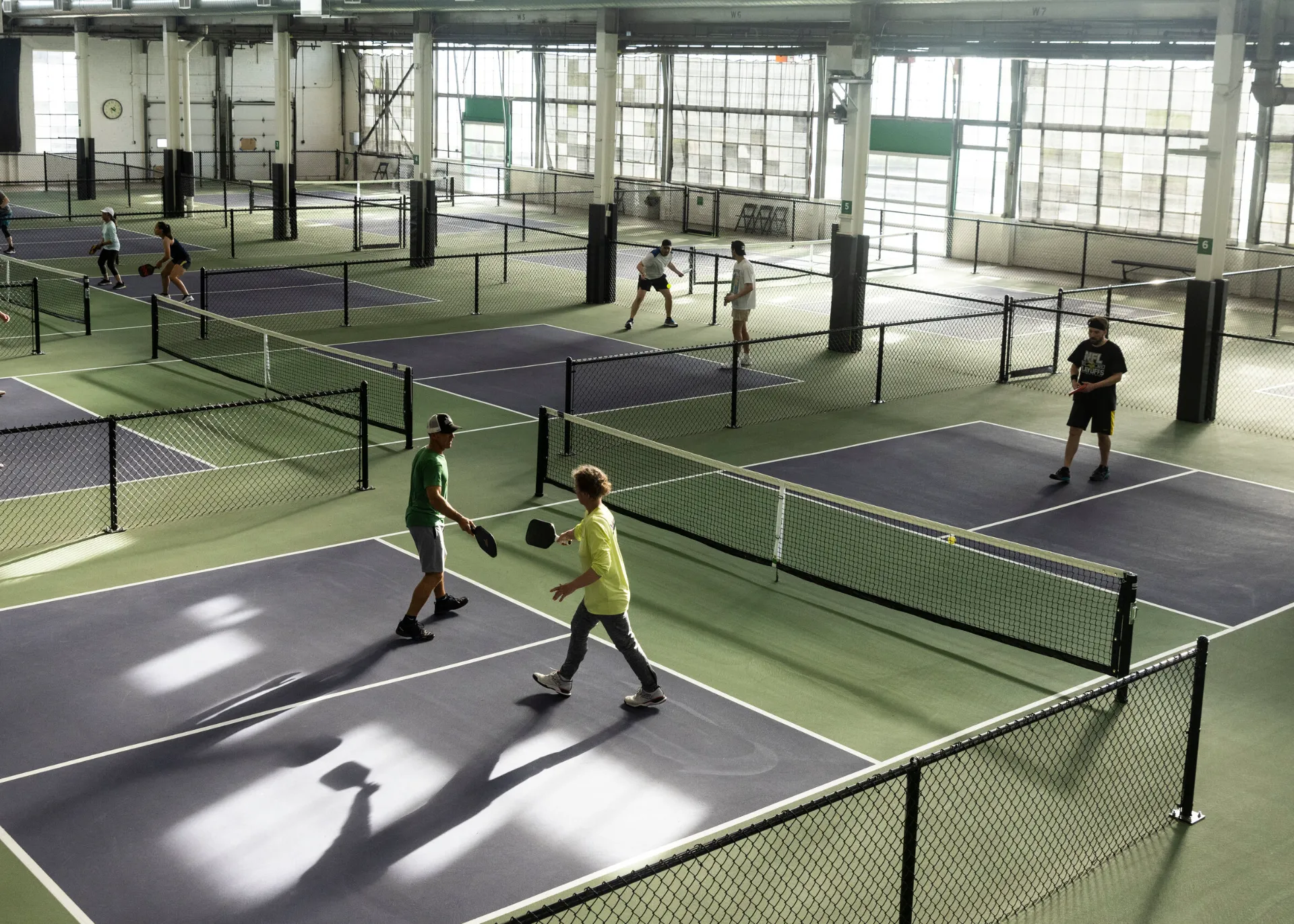
Pickleball courts are smaller than tennis courts but require precise dimensions for proper play. The USA Pickleball Construction Manual specifies standard dimensions that have become the global benchmark.
📏 Regulation Court Dimensions
- Playing Area: 20' x 44' (6.1m x 13.4m)
- Total Court Size: 30' x 60' (9.1m x 18.3m)
- Non-Volley Zone: 7' on each side (2.1m)
- Service Courts: 10' x 15' each (3m x 4.6m)
- Net Height: 36" at center, 34" at sidelines
🎨 Custom Layout Options
- Multi-Court Systems: 2-4 courts sharing fencing (saves 30% space)
- Half-Court Conversions: Ideal for tennis court conversions
- Residential Configurations: 15' x 25' "half-court" options
- Portable Systems: Interlocking tiles for temporary setups
4. Base Construction Options (Asphalt, Concrete, Modular)
The base is your court's foundation – choose wisely. The ASBA Asphalt Guidelines emphasize that proper base construction accounts for 60% of court longevity.
🛢️ Asphalt Base
- Thickness: 2" (50mm) over 4" (100mm) aggregate base
- Compaction: 98% Proctor density required
- Slope: 1% cross slope, 0.5% lengthwise
- Lifespan: 15-20 years with proper maintenance
- Cost: $3.50-$5.50/sq ft
- Best For: Budget-conscious installations, commercial projects
❌ Cons: Requires skilled paving, prone to cracking if improperly installed
🏗️ Concrete Base
- Thickness: 4" (100mm) reinforced with wire mesh
- Joint Spacing: Maximum 15' intervals
- Slope: 1% cross slope, 0.5% lengthwise
- Lifespan: 25-30 years
- Cost: $6-$10/sq ft
- Best For: High-end installations, tournament courts
❌ Cons: Higher upfront cost, longer installation time
🧱 Modular Base Systems
- Thickness: 2" (50mm) interlocking tiles
- Installation: DIY or professional
- Drainage: Integrated channels
- Lifespan: 10-15 years
- Cost: $8-$15/sq ft
- Best For: Temporary courts, uneven sites, quick installations
❌ Cons: Higher material cost, shorter lifespan
Our engineers will recommend the optimal base system based on your site conditions and budget
5. Pickleball Court Surfacing Systems (Modular Tiles vs. Acrylic)
The surfacing system determines your court's performance characteristics. According to the 2025 Sports Flooring Review, modular tile systems now dominate 65% of new installations due to their versatility and durability.
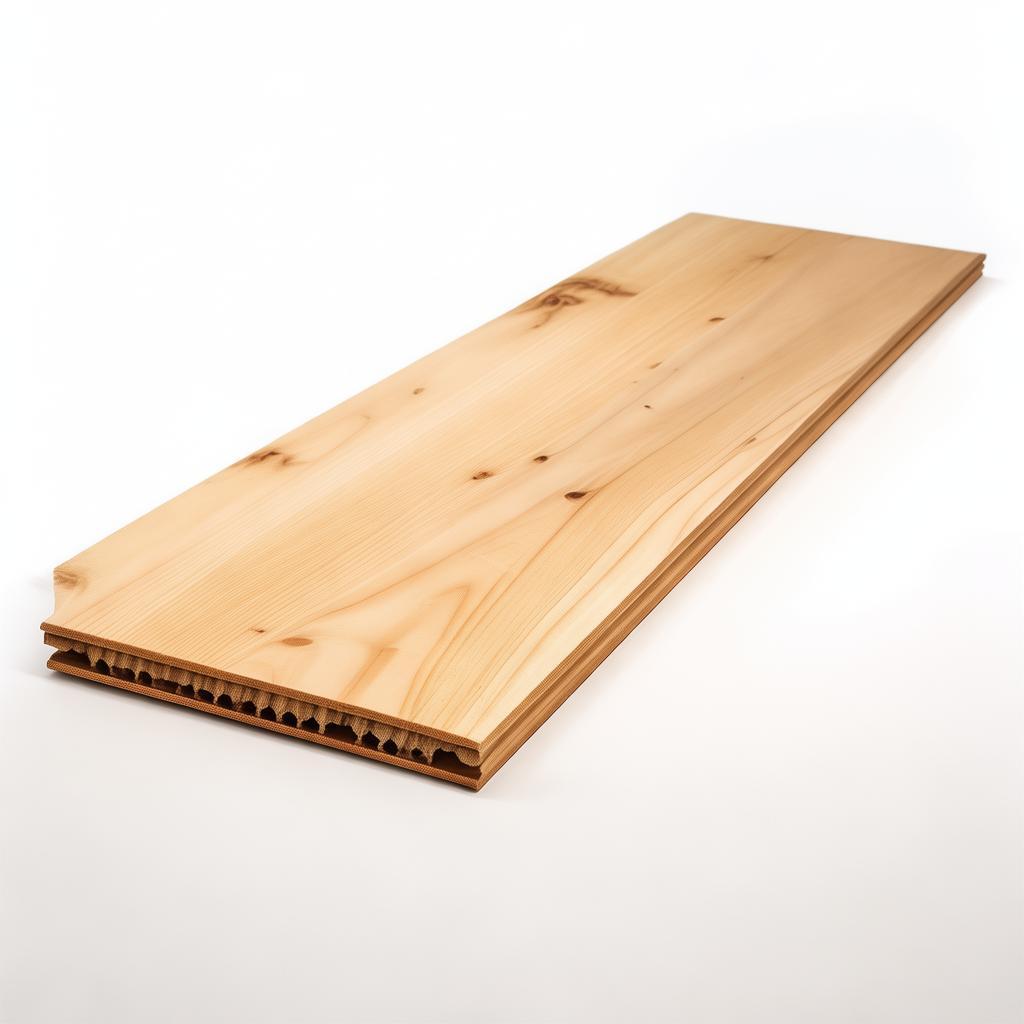
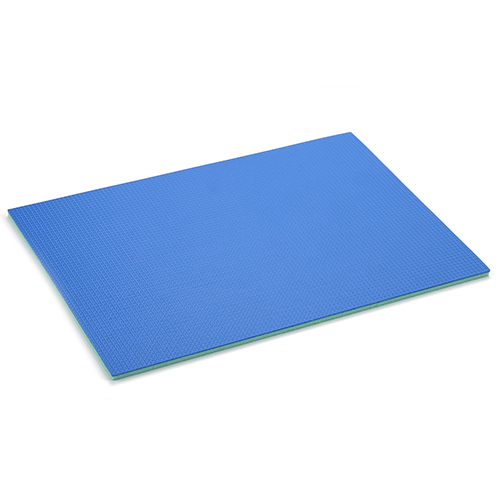
🔲 Modular Court Tiles (Polypropylene)
- Material: High-density polypropylene (HDPE)
- Thickness Options: 12mm, 15mm, 20mm
- Shock Absorption: 20-30% impact reduction
- UV Resistance: 90%+ protection (UV-stabilized)
- Drainage: Perforated design for water flow
- Installation: Interlocking system (DIY possible)
- Lifespan: 10-15 years outdoor, 20+ years indoor
- Performance: Consistent ball bounce, excellent traction
- Temperature Range: -30°C to +60°C
| Property | 12mm Tile | 15mm Tile | 20mm Tile |
|---|---|---|---|
| Ball Bounce | 95-100 inches | 98-103 inches | 100-105 inches |
| Impact Force | 25% reduction | 30% reduction | 35% reduction |
| Slip Resistance | 0.6-0.7 CoF | 0.7-0.8 CoF | 0.8-0.9 CoF |
⚠️ Consider: Higher upfront cost but lower lifetime maintenance
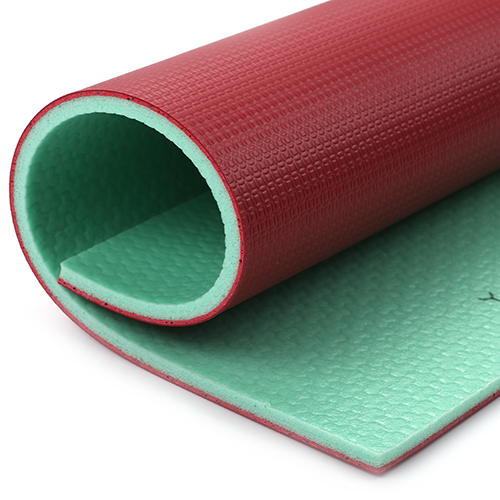
🎨 Acrylic Court Surfacing
- System: 2-4 layer acrylic coating over asphalt/concrete
- Thickness: 1/8" to 1/4" (3-6mm)
- Shock Absorption: 10-15% impact reduction
- UV Resistance: UV-stable acrylic formulations
- Color Options: Standard green, custom colors available
- Texture: Smooth or textured for traction
- Lifespan: 8-12 years before resurfacing
- Performance: Professional-grade ball response
- Temperature Range: -20°C to +50°C
installing-pickleball-court pickleball-backyard-court how-to-build-an-outdoor-pickleball-court indoor-home-pickleball-court
| Property | Game Court | Club Court | Tournament |
|---|---|---|---|
| Ball Bounce | 90-95 inches | 95-100 inches | 100-105 inches |
| Surface Temp | +10°C vs ambient | +8°C vs ambient | +5°C vs ambient |
| Rebound | 90% | 92% | 95% |
⚠️ Consider: Higher maintenance requirements, resurfacing every 8-12 years
🔍 Performance Comparison Table:
| Modular Tiles | Acrylic | Vinyl | |
|---|---|---|---|
| Initial Cost | $$ | $ | $$$ |
| Installation Time | 1-2 days | 3-5 days | 2-3 days |
| Maintenance | Low (sweep weekly) | Medium (resurface every 8-12 years) | Medium (clean monthly) |
| Shock Absorption | Excellent | Good | Very Good |
| Ball Bounce Consistency | Excellent | Excellent | Good |
| Lifespan | 10-15 years | 8-12 years | 15-20 years |
6. Step-by-Step Installation Process (Pro Techniques)
Professional pickleball court installation follows a meticulous 8-phase process. Based on our 20 years of court installation experience, we've identified that 70% of installation errors occur in Phase 3-5.
⚠️ Critical Installation Mistakes to Avoid:
- ❌ Skipping soil compaction testing (leads to settling)
- ❌ Incorrect slope (water pooling causes surface damage)
- ❌ Using mismatched tile colors (causes visual distortion)
- ❌ Skipping expansion joints in concrete bases
- ❌ Improper adhesive application for acrylic systems
📋 Professional Installation Phases:
🔹 Phase 1: Site Preparation & Layout (Days 1-2)
') no-repeat left center;"> Survey & Staking: Professional survey with laser level for precise layout ') no-repeat left center;"> Excavation: Remove topsoil (6" depth minimum) and compact subgrade ') no-repeat left center;"> Utility Location: Call 811 for underground utility marking ') no-repeat left center;"> Base Material Delivery: Coordinate delivery of asphalt/concrete/base materials
🔹 Phase 2: Base Construction (Days 3-7)
') no-repeat left center;"> Subbase Installation: 4" compacted aggregate base (for asphalt) or 6" reinforced concrete ') no-repeat left center;"> Slope Establishment: Laser-guided screeding to achieve 1% cross slope ') no-repeat left center;"> Curing Time: 7 days for concrete (proper curing prevents cracking) ') no-repeat left center;"> Surface Grinding: Concrete bases require diamond grinding for smooth finish
🔹 Phase 3: Modular Tile Installation (Days 8-10) – DIY Friendly!
') no-repeat left center;"> Tile Layout Planning: Begin from center court outward (prevents pattern misalignment) ') no-repeat left center;"> Interlocking Process: Tap tiles together using rubber mallet (don't over-tighten) ') no-repeat left center;"> Perimeter Installation: Cut tiles precisely around edges (use jigsaw with fine-tooth blade) ') no-repeat left center;"> Final Inspection: Check for level (use 4' straightedge), proper drainage
🔹 Phase 4: Acrylic Surfacing Application (Days 11-14) – Professional Only
') no-repeat left center;"> Primer Application: Apply acrylic primer for adhesion (let cure 2-4 hours) ') no-repeat left center;"> Base Coat: Apply 2-3 layers of acrylic resurfacer (let cure between layers) ') no-repeat left center;"> Color Coat: Apply 2-3 layers of colored acrylic (standard green or custom) ') no-repeat left center;"> Final Coat: Apply textured topcoat for traction (let cure 24 hours)
🔹 Phase 5: Line Marking & Final Touches (Days 15-16)
') no-repeat left center;"> Precision Layout: Use laser-guided chalk line for perfect markings (2" line width) ') no-repeat left center;"> Paint Application: Use professional-grade acrylic paint (lifespan 3-5 years) ') no-repeat left center;"> Net Installation: Professional-grade portable or permanent net systems ') no-repeat left center;"> Final Inspection: Check ball bounce, surface evenness, drainage
7. Essential Accessories & Equipment (Nets, Lighting, Fencing)
The right accessories transform your court from functional to tournament-ready. According to the ITF Technical Booklet, proper court accessories improve playability by 35%.
🏀 Pickleball Nets
The #1 most critical accessory for proper play.
- Type: Portable or permanent
- Height: 36" at center, 34" at sidelines
- Width: 22' (official size)
- Mesh Size: 1.5" x 1.5" (prevents ball snagging)
- Material: Powder-coated steel frame, nylon net
- Portable Options: Wheel systems for easy movement
- Permanent Options: Post-tensioned installation
💡 Court Lighting
Essential for evening play. Illuminance standards from ASBA:
- Recreational: 30-50 lux
- Competitive: 75-100 lux
- Broadcast Quality: 200+ lux
- Fixture Type: LED floodlights (energy-efficient, long lifespan)
- Mounting Height: 20-25' for even illumination
- Spacing: 25-30' between poles
🧱 Court Fencing
Safety and boundary definition. ASBA recommends:
- Height: 10' for recreational, 12' for competitive
- Mesh Size: 2" x 4" (prevents ball escape)
- Frame Material: Galvanized steel (corrosion-resistant)
- Gate System: Double-gate with self-closing mechanism
- Wind Load: Engineered for 90mph winds (coastal areas)
- Custom Options: Vinyl-coated for aesthetic appeal
📏 Additional Court Accessories
- Ball Machines: $1,200-$3,500 (programmable drills)
- Scoreboards: Digital or manual (10" LED recommended)
- Benches: 2-4 per court (weather-resistant)
- Ball Pickers: Magnetic systems for quick ball collection
- Shade Structures: 10' x 10' canopies for player comfort
- Water Stations: Built-in hydration stations for commercial courts
Includes recommended brands, installation tips, and budget guidelines
8. Maintenance & Longevity Guide (Keep Your Court Tournament-Ready)
Proper maintenance extends your court's lifespan by 50% or more. According to the Best Practices for Court Maintenance, 90% of court failures are preventable with routine care.
🧹 Daily Maintenance (5-10 minutes)
') no-repeat left center;"> Sweep: Remove debris, leaves, and small rocks ') no-repeat left center;"> Spot Clean: Use mild detergent and water for stains