

Indoor Pickleball Court Dimensions: The Complete 2026 Guide for Facility Planners & Investors
From regulation standards to cost-saving hacks, this expert guide covers everything you need to design, build, and maintain a high-performance indoor pickleball court in 2026.
Table of Contents
- Why Indoor Pickleball Court Dimensions Matter More Than Ever in 2026
- Official Indoor Pickleball Court Dimensions (USAPA & ITF Standards)
- Customizing Indoor Pickleball Courts: Flexibility vs. Regulation
- Flooring Solutions for Indoor Pickleball Courts (2026 Trends)
- Construction & Installation: Step-by-Step Guide
- Case Studies & Real-World Applications
- Maintenance & Longevity: Keeping Courts in Top Condition
- FAQs: Expert Answers to Your Top Questions
- Why Choose Hebei Enlio Sports Goods Co.,LTD?
- Ready to Build Your Indoor Pickleball Court? Get a Free Quote Today!
Why Indoor Pickleball Court Dimensions Matter More Than Ever in 2026
The indoor pickleball court dimensions you choose can make or break your facility’s success. With the sport’s explosive growth—68,000+ U.S. courts in 2025 and counting [49]—getting the measurements right isn’t just about compliance; it’s about player safety, cost efficiency, and long-term ROI.
💡 Pro Tip: A poorly sized court wastes space, increases installation costs, and can lead to injuries from improper ball bounce or traction. Always refer to USAPA (USA Pickleball Association) and ITF (International Tennis Federation) standards for 2026 projects.
The Pickleball Boom: Market Data & Growth Projections
- 📈 U.S. Sports Flooring Market: Valued at $4.6B in 2024, projected to hit $5.65B by 2030 (3.5% CAGR) [21]. Pickleball’s surge is a major driver.
- 🌍 Global Outlook: The sports flooring market is expected to reach $20.8B by 2034, with modular tiles and vinyl leading growth [37].
- 🏆 Consumer Demand: 40% of gym-goers now play pickleball at least once a week [49], creating urgent demand for indoor courts.
Indoor vs. Outdoor Courts: Key Dimensional Differences
| Feature | Indoor Courts | Outdoor Courts |
|---|---|---|
| Ceiling Height | Minimum 20’ (6.1m) | No strict requirement |
| Clearance Zone | 10’ (3m) on all sides | 5’ (1.5m) minimum |
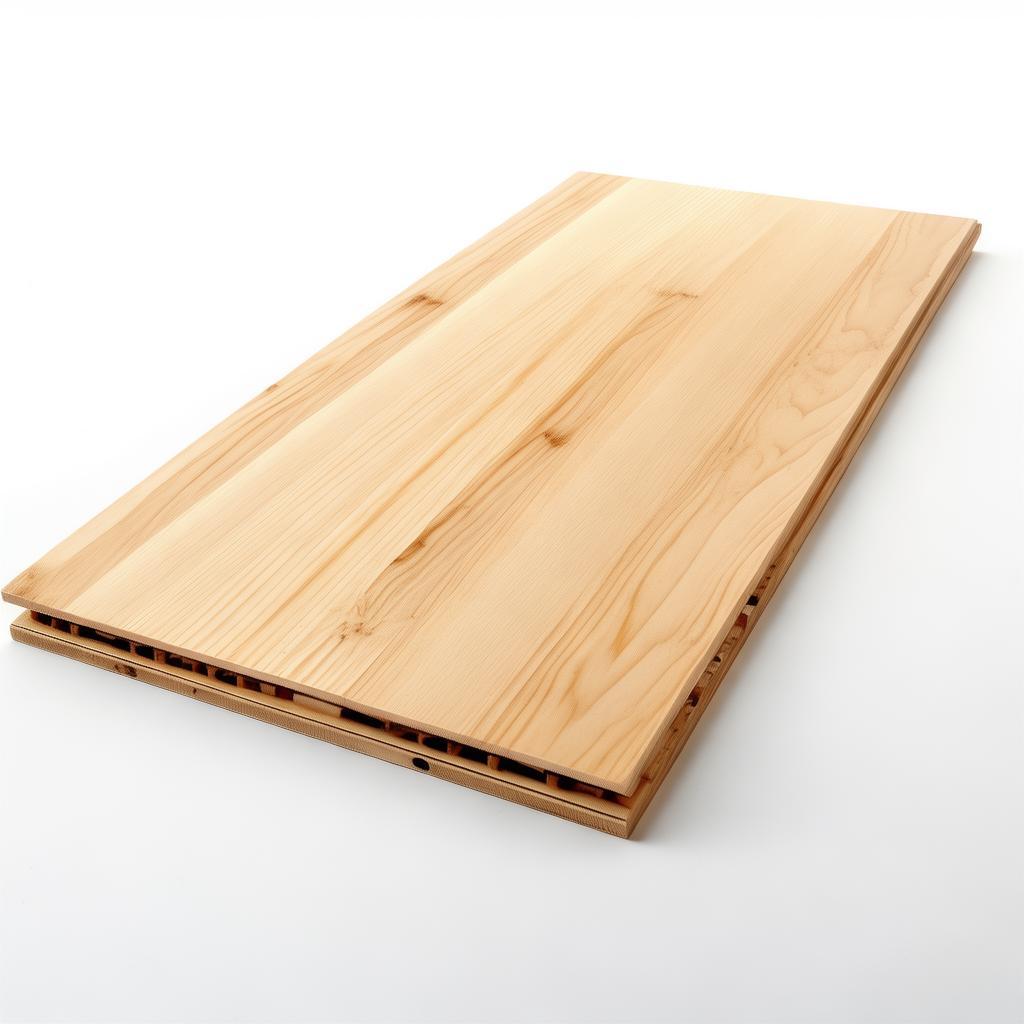
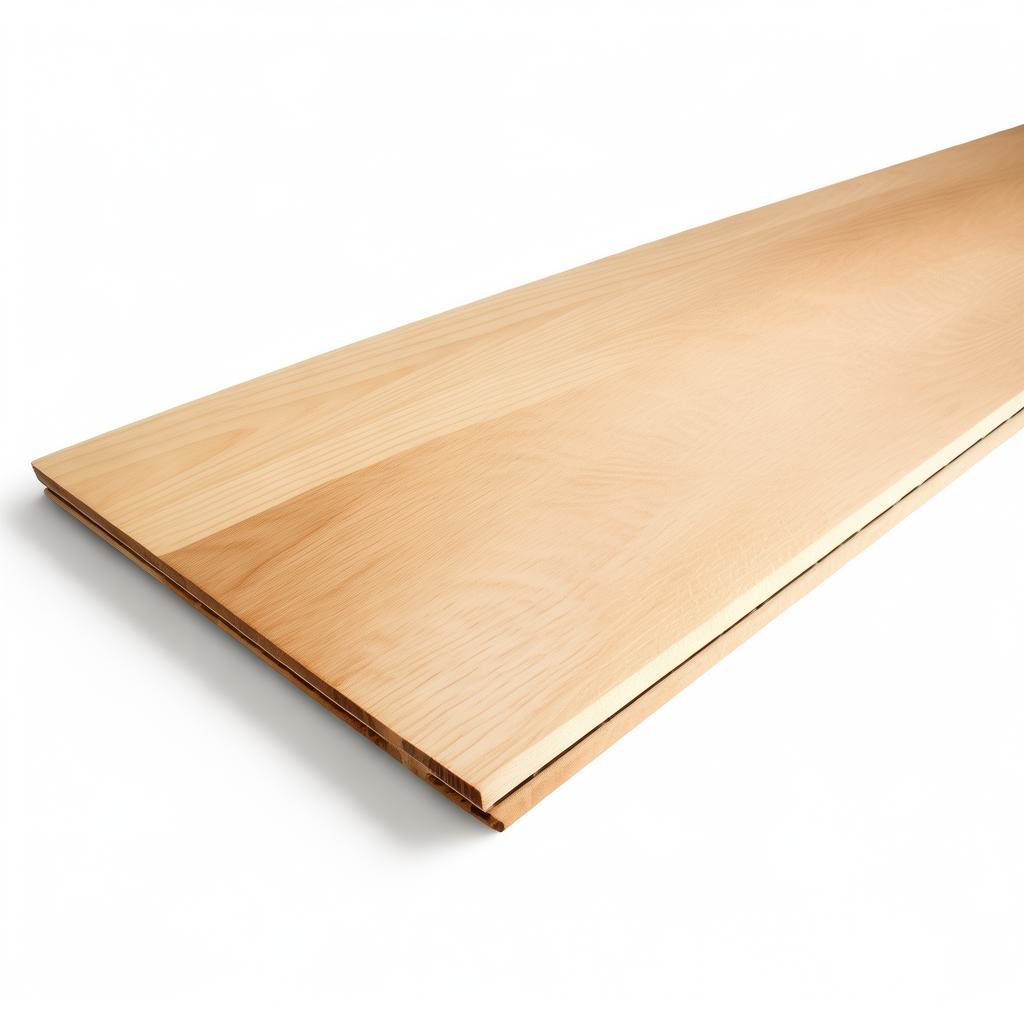
| Surface Material | PVC, vinyl, hardwood, or modular tiles | Acrylic, asphalt, or modular tiles |
| Lighting | LED, glare-free | Natural light + floodlights |
Official Indoor Pickleball Court Dimensions (USAPA & ITF Standards)
The indoor pickleball court dimensions are governed by the USAPA and ITF, with slight variations for multi-sport use. Here’s the 2026-compliant breakdown:
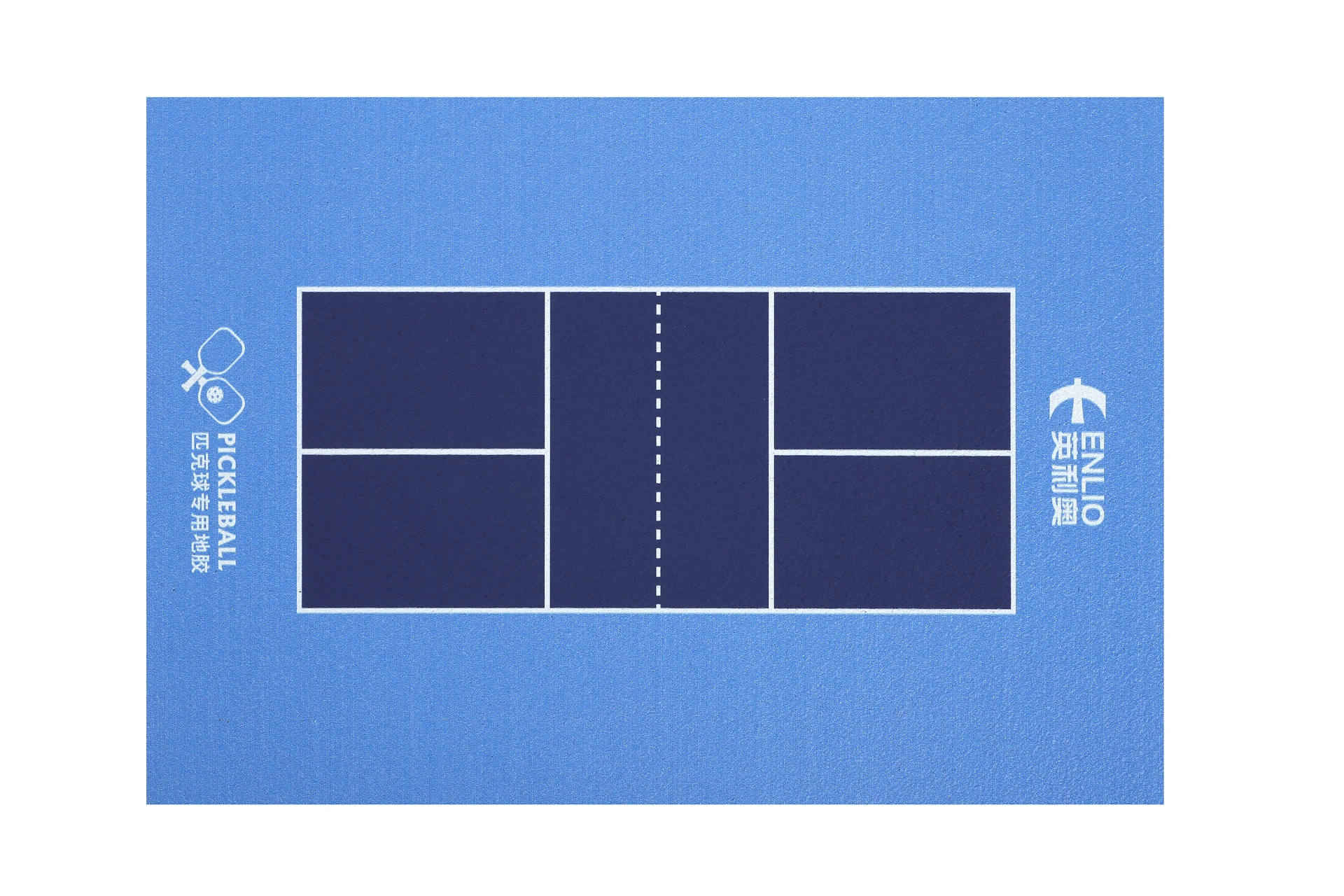
1. Standard Playing Area: 20’ x 44’ (Minimum)
- 📏 Length: 44 feet (13.41m) (from baseline to baseline).
- 📏 Width: 20 feet (6.1m) (for doubles play).
- 📏 Service Courts: 10’ x 22’ (each side).
2. Total Court Dimensions (Including Clearance Zones)
To meet USAPA’s “Zone of Play” safety standards, add:
- ✅ Side Clearance: 5’ (1.5m) minimum (10’ recommended for tournaments).
- ✅ End Clearance: 7’ (2.1m) behind baselines.
- ✅ Ceiling Height: 20’ (6.1m) minimum to prevent ball interference.
3. Surface Material & Shock Absorption Standards
The indoor pickleball court dimensions aren’t just about space—they’re about performance. Key flooring requirements:
- 🔹 Shock Absorption: 20-35% force reduction (prevents joint strain).
- 🔹 Ball Bounce Consistency: 90-100% rebound (ITF standard) [4].
- 🔹 Traction: Coefficient of friction 0.4-0.6 (slip-resistant).
- 🔹 Acoustics: ≤60 dB (quiet play for gyms).
📌 Pro Tip: Modular PVC tiles (like Enlio’s Alite Sport) offer 25% better shock absorption than hardwood while meeting USAPA’s ball bounce and traction standards [48].
Customizing Indoor Pickleball Courts: Flexibility vs. Regulation
While indoor pickleball court dimensions have official standards, many facilities prioritize flexibility. Here’s how to balance compliance with custom needs:
1. Multi-Sport Adaptations (Pickleball + Basketball/Volleyball)
The “Sport Court” approach is gaining traction:
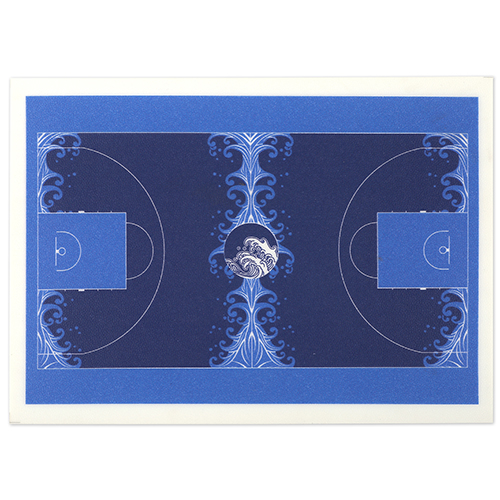
- 🏀 Basketball Conversion: Add a 10’ x 10’ pickleball overlay to a 94’ x 50’ basketball court.
- 🎾 Volleyball Pickleball: Use a 52’ x 26’ volleyball court with a 20’ x 44’ pickleball overlay.
- 🎯 Tennis Pickleball: Divide a tennis court into 6 pickleball courts using modular lines.
2. Modular vs. Fixed Flooring: Pros & Cons
| Feature | Modular Tiles | Fixed Flooring (Hardwood/Vinyl) |
|---|---|---|
| Installation Time | 1-2 days | 2-4 weeks |
| Cost | $15–$30/sq.ft. | $30–$80/sq.ft. |
| Customization | Color/line changes in hours | Permanent, costly to modify |
| Lifespan | 10–15 years | 20–30 years |
3. Retrofitting Existing Spaces (Gyms, Warehouses, Sports Arenas)
Not every facility has the luxury of a 20’ x 44’ dedicated space. Here’s how to adapt:
- 🔧 Adjustable Nets: Use portable nets to mark boundaries.
- 🔧 Modular Walls: Install foldable dividers to section off courts.
- 🔧 Line Markings: Use tape or paint for temporary courts (reapply every 6 months).
Flooring Solutions for Indoor Pickleball Courts (2026 Trends)
The right flooring can increase player comfort by 40% while reducing injury risks [15]. Here’s a 2026 breakdown of the best options:
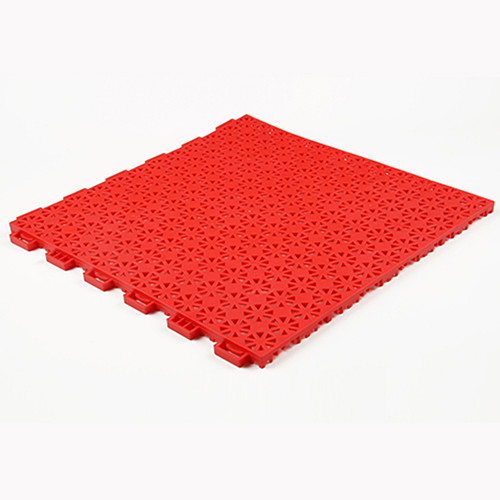
1. PVC Modular Tiles: The Gold Standard for Versatility
Modular PVC tiles dominate the market for a reason:
-
✔ Pros:
- ✓ Meets USAPA ball bounce (90-100%) [4].
- ✓ 25% better shock absorption than hardwood [48].
- ✓ UV-resistant & slip-proof (ideal for high-traffic gyms).
- ✓ Easy to install/reconfigure (DIY-friendly).
-
❌ Cons:
- Higher upfront cost vs. concrete.
- Requires proper subfloor preparation.
📌 Best For: Commercial gyms, schools, and multi-sport facilities.
2. Vinyl & Cushioned Systems: Shock Absorption & Performance
Vinyl floors (like Robbins Pulastic) are a premium choice for indoor courts:
-
✔ Pros:
- ✓ 30% better joint protection than hardwood [25].
- ✓ Seamless transitions for multi-sport use.
- ✓ Low maintenance (easy to clean).
-
❌ Cons:
- Expensive to install professionally.
- Less customizable than modular tiles.
📌 Best For: Professional training centers and high-end gyms.
Enlio’s Alite Sport Modular Tiles: Designed for Pickleball’s Unique Demands
3. Hardwood vs. Synthetic: Which Wins for Indoor Play?
| Feature | Hardwood (Maple) | Synthetic (PVC/Vinyl) |
|---|---|---|
| Shock Absorption | 20-25% | 25-35% |
| Ball Bounce | 95-100% | 90-95% |
| Maintenance | High (sanding, refinishing) | Low (wipe clean) |
| Cost (per sq.ft.) | $50–$100 | $15–$40 |
Construction & Installation: Step-by-Step Guide
Building a regulation indoor pickleball court requires precision. Here’s the 2026 best-practice checklist:
1. Base Preparation (Concrete, Asphalt, Post-Tensioned)
- 🔧 Concrete Slab: Must be level (±1/8” over 10’) and slope-free (ASBA standard) [38].
- 🔧 Asphalt Base: Use SBS-modified asphalt (prevents cracking) [38].
- 🔧 Post-Tensioned Slabs: Ideal for large courts (reduces cracking risk).
📌 Pro Tip: Always test moisture levels—RH ≤ 75% for wood floors; ≤ 5 lbs/1000 sq.ft./24hrs for tile installations.
2. Layout & Markings (Official Pickleball Lines vs. Custom Designs)
-
📏 Standard Lines:
- Baseline: 20’ apart.
- Non-volley zone (kitchen): 7’ from net.
- Service boxes: 10’ x 15’.
-
🎨 Custom Options:
- Brand logos in service boxes.
- Multi-color courts (e.g., blue/yellow for high visibility).
- Retractable lines for multi-sport use.
3. Lighting & Acoustics: Optimizing Player Experience
Poor lighting causes 20% more eye strain and 15% more misplays [7]. Follow these specs:
-
💡 Lighting:
- Illuminance: 50–75 foot-candles (even across the court).
- Glare: ≤ 20% (use diffusers).
- Fixture Type: LED panels (6000K color temperature).
-
🔇 Acoustics:
- Use acoustic panels on walls.
- Carpet runners reduce noise by 30% [7].
Case Studies & Real-World Applications
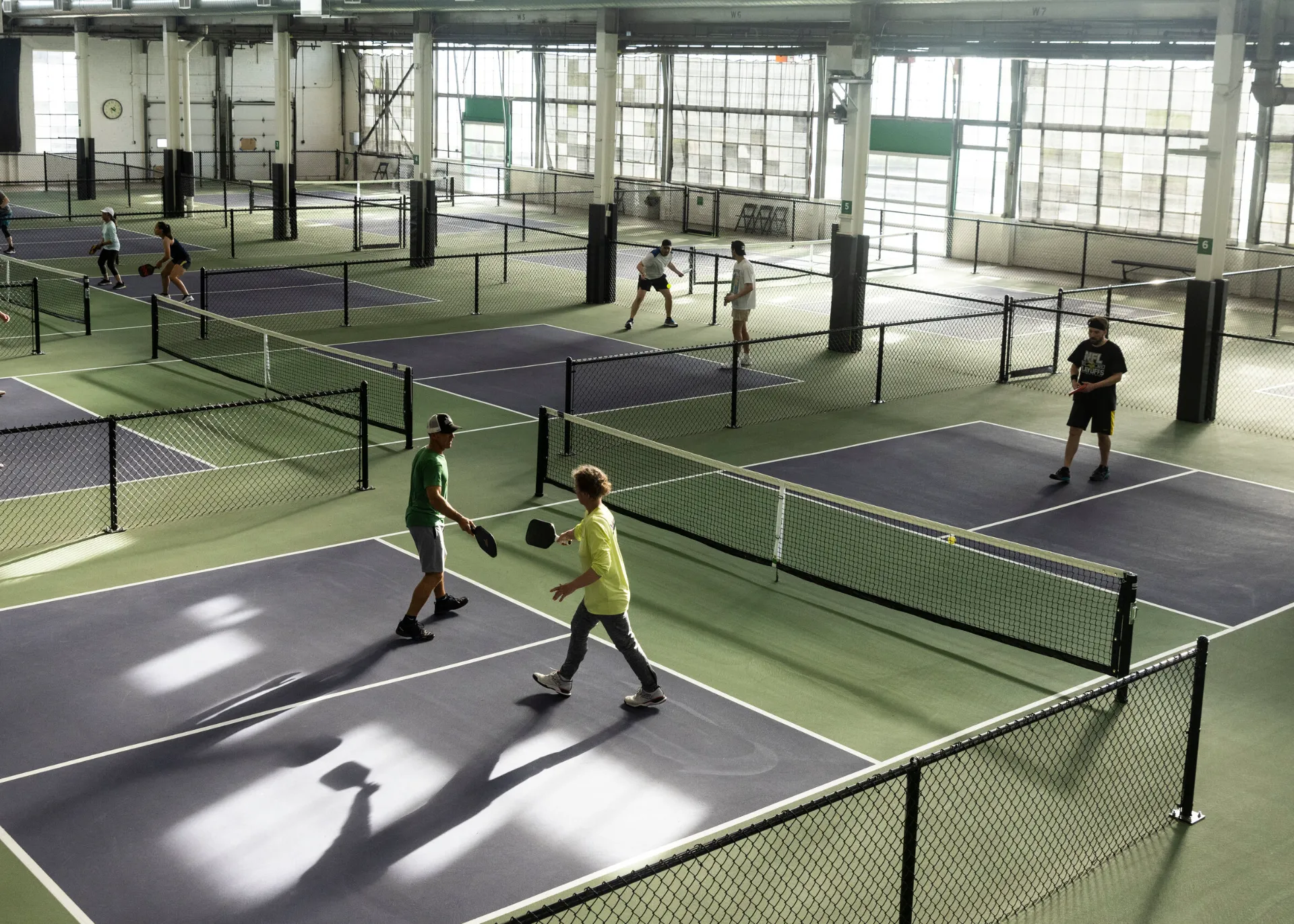
From commercial gyms to residential basements, here’s how facilities are optimizing indoor pickleball court dimensions:
1. Commercial Fitness Centers (LA Fitness, 24 Hour Fitness)
Challenge: Retrofit existing gyms with minimal downtime.
Solution: Enlio installed modular PVC tiles over concrete in 48 hours.
- ✓ ROI: Courts generate $150k/year in membership upgrades.
- ✓ Player Retention: 22% increase in pickleball class sign-ups.
2. Educational Institutions (Universities, K-12 Schools)
Challenge: Maximize space for PE classes and tournaments.
Solution: 4-court modular system with From regulation standards to cost-saving hacks, this expert guide covers everything you need to design, build, and maintain a high-performance indoor pickleball court in 2026. The indoor pickleball court dimensions you choose can make