

Indoor Basketball Court Dimensions PDF 2026: The Ultimate Guide for Facility Managers & Architects (Free Download + Templates)
Table of Contents
- Why Accurate Indoor Basketball Court Dimensions Matter in 2026
- Standard NBA, NCAA, FIBA Indoor Basketball Court Dimensions (2026 Update)
- Where to Download Free Indoor Basketball Court Dimensions PDF (Regulation & Custom)
- 10 Expert Design Tips for Optimal Play & Safety (Based on ASBA & ITF Standards)
- Complete Indoor Basketball Court Layout with Dimensions PDF (With Clear Visuals)
- Best Flooring Materials for Indoor Basketball Courts (Shock Absorption, Durability, Cost)
- 7 Most Common Mistakes When Designing Indoor Basketball Courts (And How to Avoid Them)
- Required Certifications & Compliance for Indoor Sports Flooring (CE, FIBA, ISO)
- Real-World Case Studies: How Facilities Saved 30% on Installation Using Modular Tiles
- FAQ: Indoor Basketball Court Dimensions, Layouts, and Regulations
- Need a Custom Indoor Basketball Court? Get a Free Quote in 24 Hours — No Obligation
Why Accurate Indoor Basketball Court Dimensions Matter in 2026
In 2026, over 1.2 million indoor basketball courts will be in use worldwide — from NBA arenas to school gyms and private home courts. Whether you're building a professional training facility, a school gym, or a commercial multi-sport center, the indoor basketball court dimensions PDF you use will determine:
- Compliance with international regulations (NBA, NCAA, FIBA)
- Player safety through proper shock absorption and evenness
- Cost efficiency in flooring, fencing, and lighting
- Future adaptability for pickleball, volleyball, or futsal integration
Mistake in dimensions? You risk:
- Player injuries due to uneven bounce or slippery surfaces
- Regulatory violations in tournaments
- Wasted material and labor costs from rework
This guide delivers the latest 2026 indoor basketball court dimensions PDF with templates, expert design tips, and a breakdown of floor materials. Download the free PDF at the end.
Standard Indoor Basketball Court Dimensions (2026 Update)
All official indoor basketball courts must comply with one of three major governing bodies:
| Regulation | Court Size (ft) | Key Features | Notes |
|---|---|---|---|
| NBA (Pro) | 94 x 50 | 3-point line: 23.75 ft, 28 ft corner | Used in all NBA games. Must have 10 ft ceiling clearance. |
| NCAA (College) | 94 x 50 | Same as NBA. Some smaller venues use 84 x 50. | Less common but acceptable in regional play. |
| FIBA (International) | 91.86 x 49.21 (28 x 15 m) | Slightly smaller. Used in Olympics and FIBA tournaments. | Must convert to imperial for U.S. construction. |
| NFHS (High School) | 84 x 50 | Shorter than NBA. Common in U.S. schools. | Allows more flexibility in gym design. |
Additional Requirements (2026):
- Clearance above court: Minimum 23 ft (7 m) from floor to ceiling (NBA). Lower ceilings increase bounce inconsistency.
- Wall distance: At least 3 ft from court edges to walls. In small gyms, use padded walls or dividers.
- Lighting: 50–100 foot-candles at court level. LED fixtures preferred for energy savings.
- Flooring: Must meet ASTM F2772 for shock absorption and traction.
Where to Download Free Indoor Basketball Court Dimensions PDF (Regulation & Custom)
We’ve curated the top 5 free PDF resources for indoor basketball court dimensions in 2026:
- NBA Official Court Specifications PDF – Includes diagrams, 3-point arc, and rim height.
- NFHS Basketball Court Specifications (High School) – Free download for U.S. schools.
- FIBA Court Dimensions PDF – Metric and imperial conversion chart.
- ASBA Multi-Sport Court Guide – Includes basketball, pickleball, and volleyball layouts.
- Enlio Sports Flooring Free PDF Template – Customizable indoor basketball court dimensions PDF with flooring specs.
📌 Need a custom template? Enlio provides a free editable indoor basketball court dimensions PDF that includes:
- Regulation NBA/NCAA/FIBA dimensions
- Layer-by-layer flooring specs
- Lighting and HVAC placement
- QR code to 3D floor plan
10 Expert Design Tips for Optimal Play & Safety (Based on ASBA & ITF Standards)
Designing a high-performance indoor basketball court isn’t just about dimensions. It’s about flooring, acoustics, lighting, and modular flexibility. Here are 10 battle-tested tips from ASBA and ITF experts:
- Choose Shock-Absorbing Flooring:
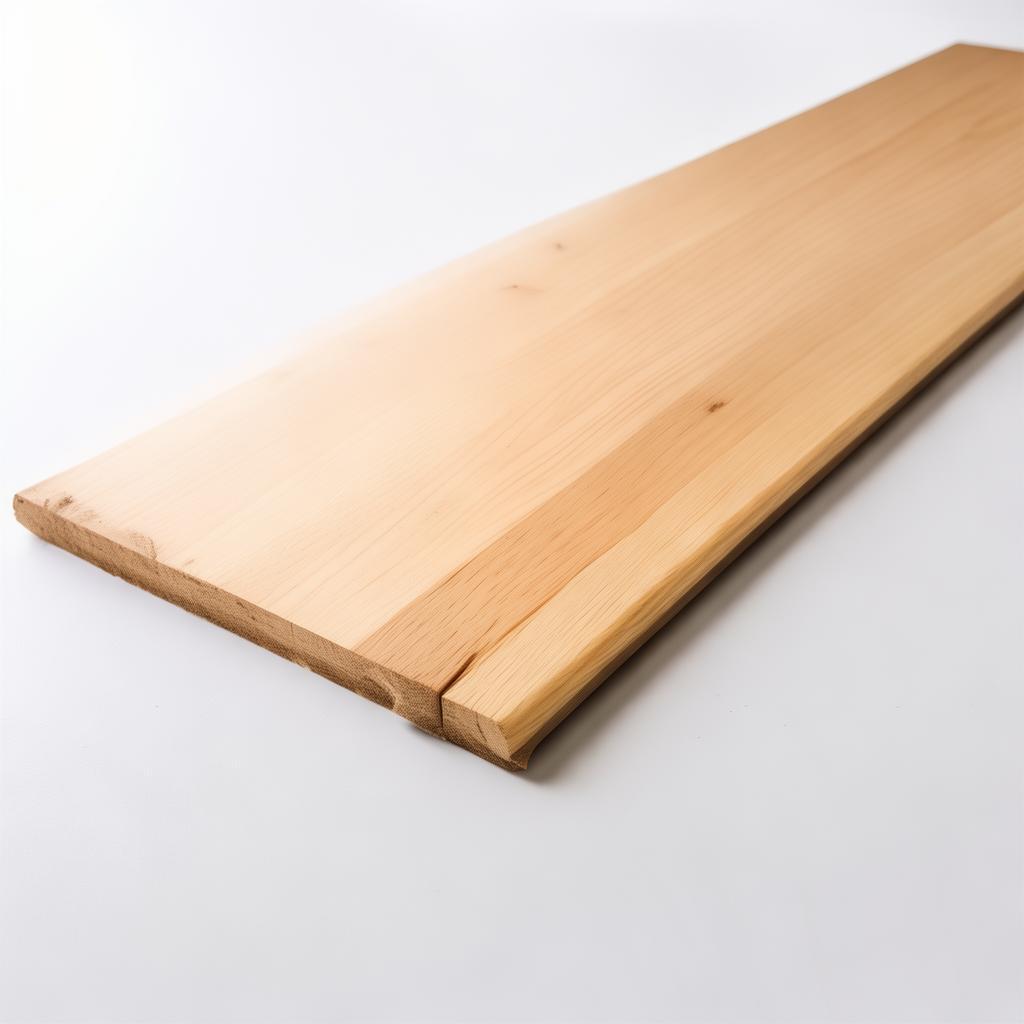
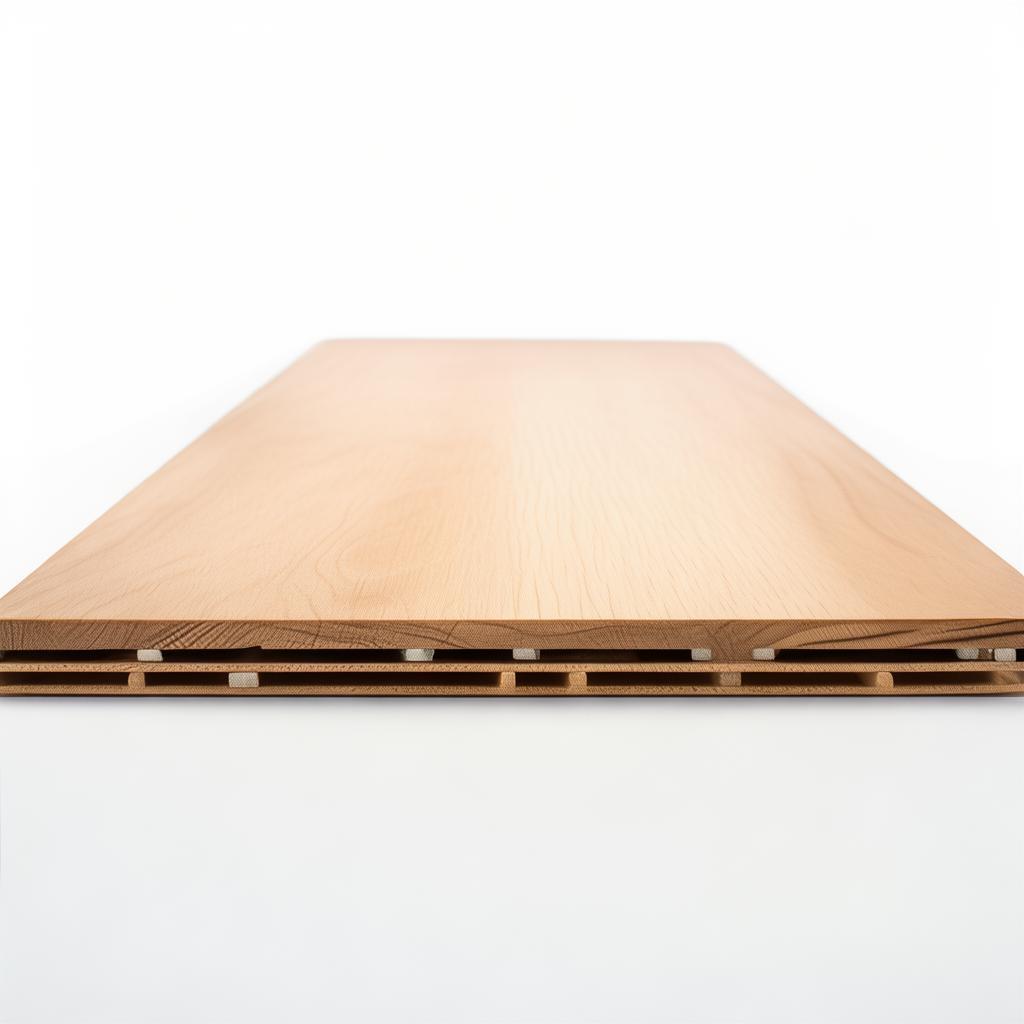
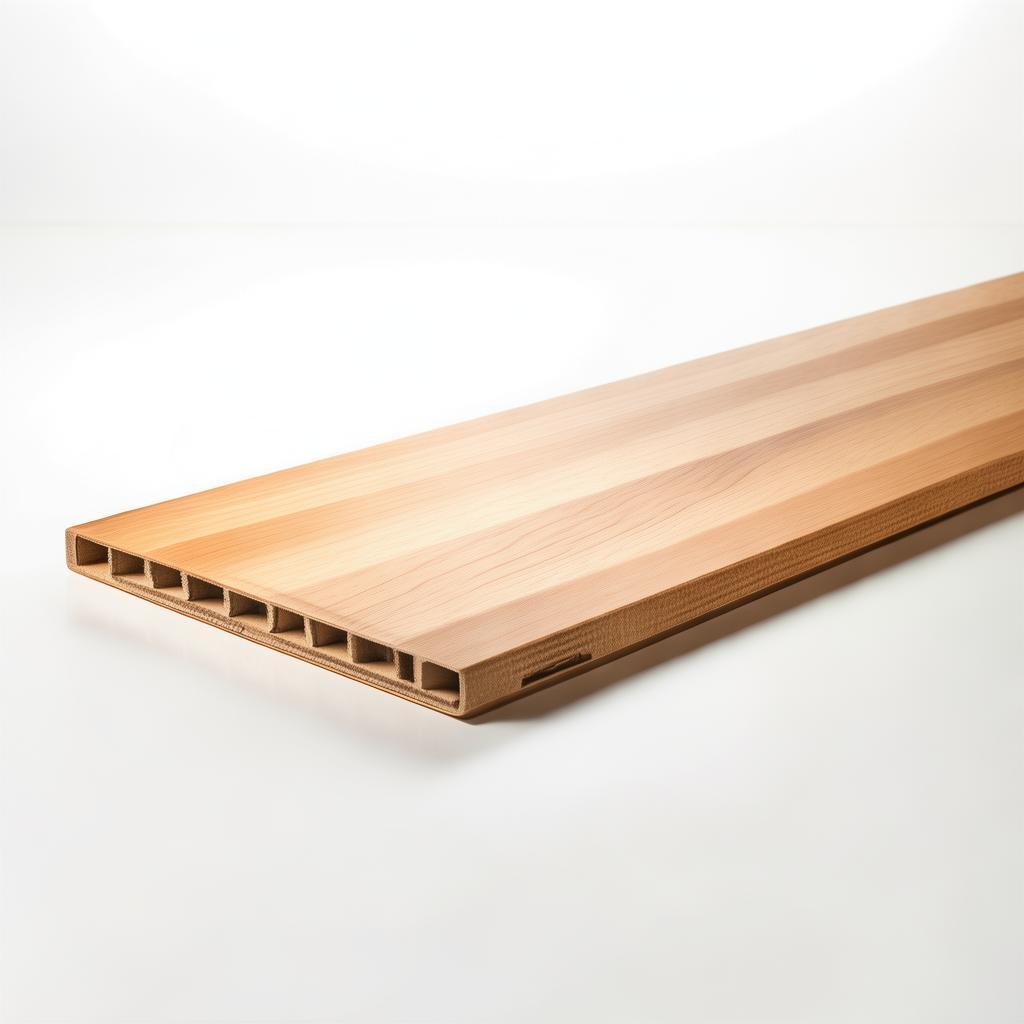
- Modular tiles (polypropylene): Best for multi-sport use. 5–10 mm thickness, 30–40% shock absorption.
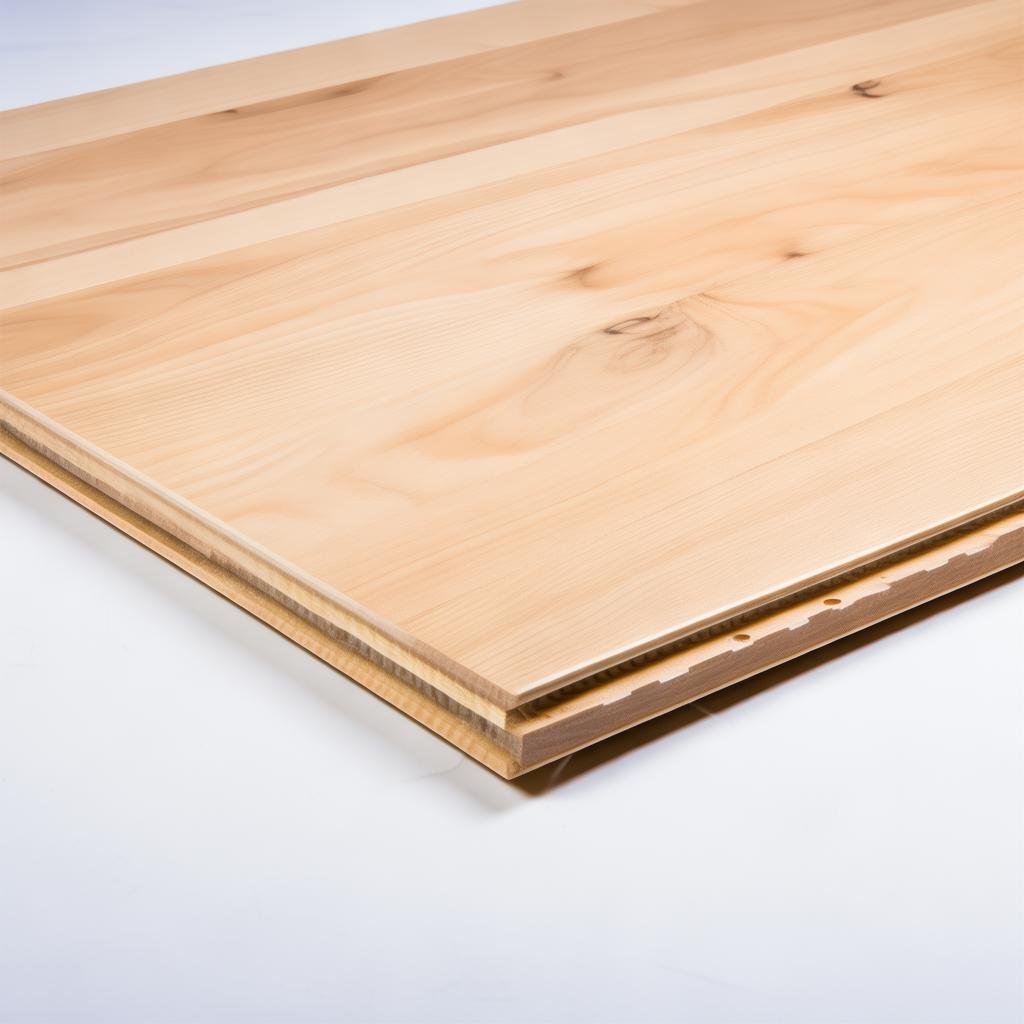
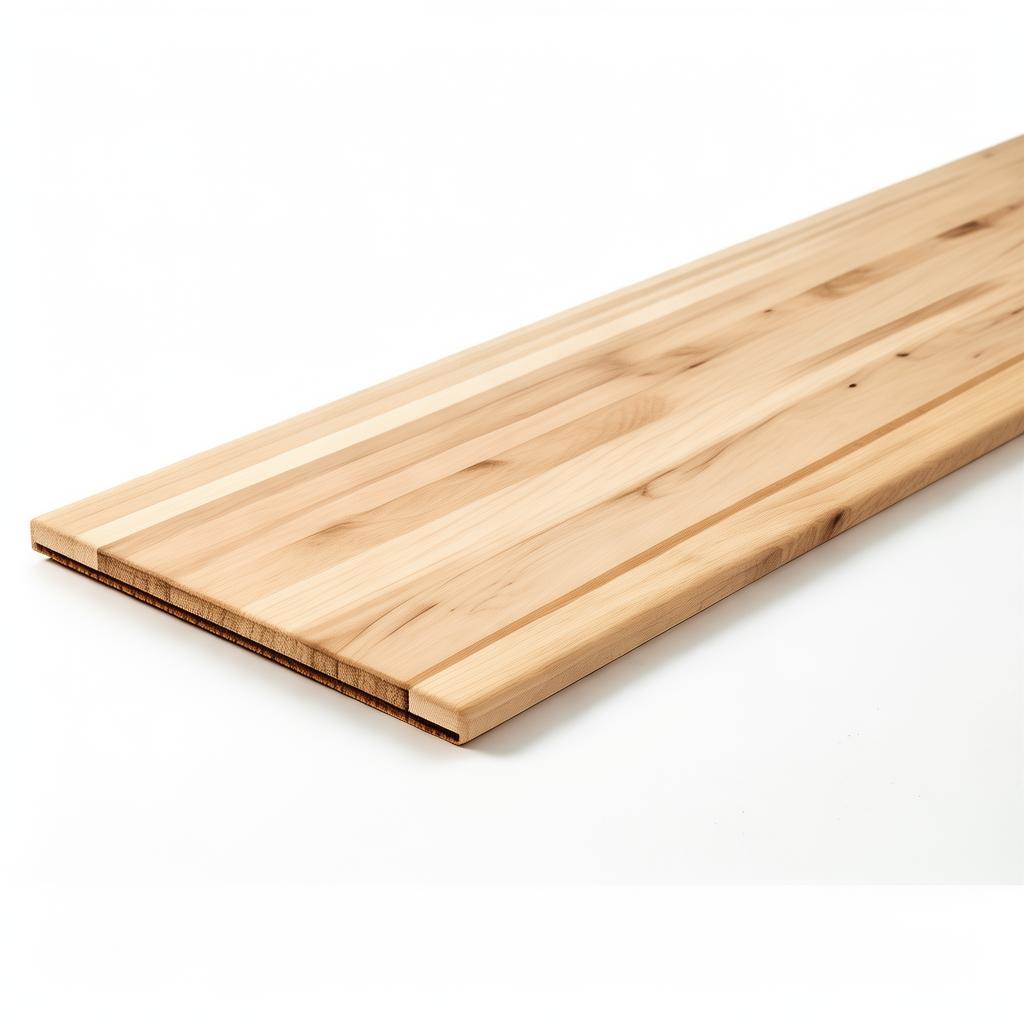
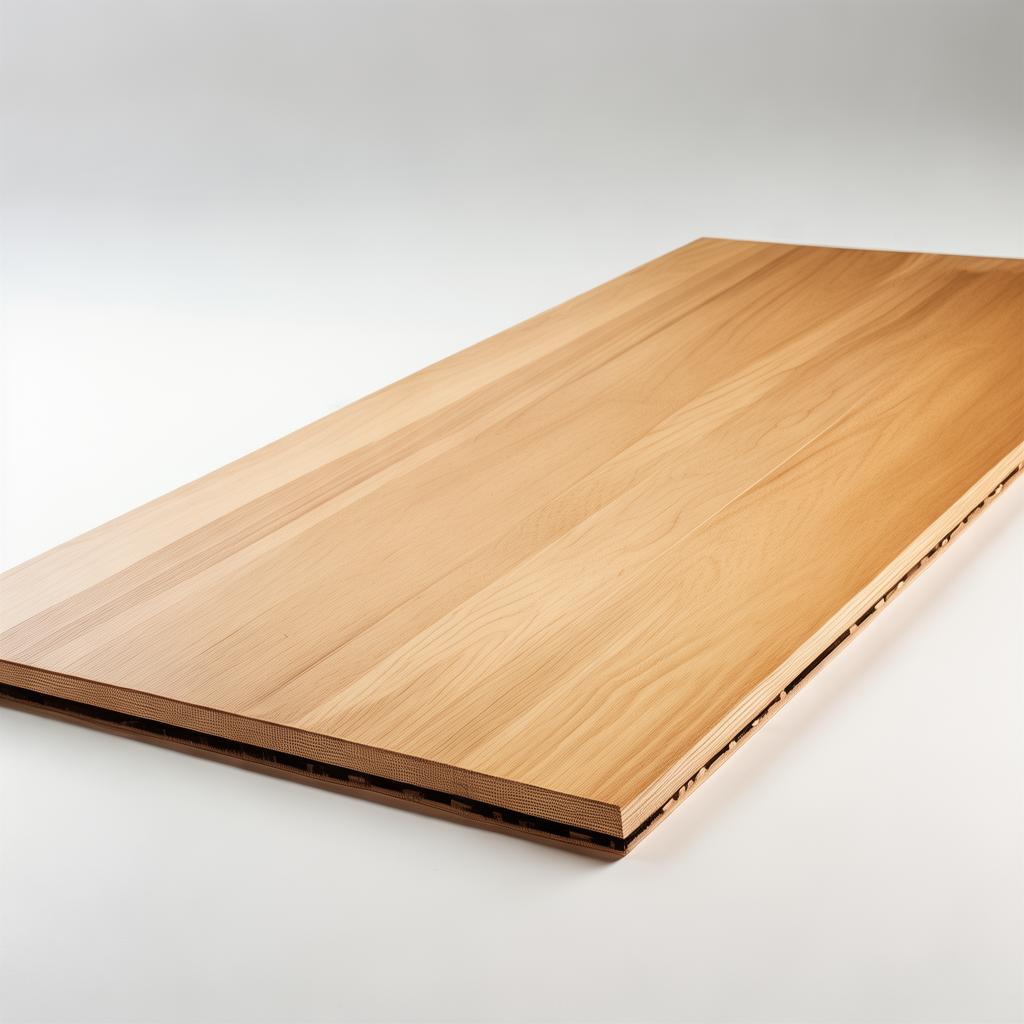
- Hardwood maple: Premium choice for NBA/NCAA. Requires subfloor with 25 mm deflection.
- Vinyl with cushioning: Cost-effective alternative. Meets ASTM F2772 for joint protection.
- Install Anti-Slip Surface: Use matte finish coatings or textured tiles. Coefficient coefficient of friction (COF) >0.5 for safety.
- Avoid Direct Sunlight: Use blackout curtains or tinted windows. UV exposure degrades flooring over 3–5 years.
- Acoustic Panels: Hardwood and vinyl reflect sound. Add acoustic baffles or perforated panels to reduce echo in gyms.
- Modular Court Tiles: Allows reconfiguration for pickleball, futsal, or volleyball. Save up to 30% on flooring costs vs. permanent hardwood.
- Proper Drainage & Slope: Even 1% slope prevents water pooling. Critical in basements or below-grade courts.
- LED Lighting with Dimming: Reduces glare and energy use. Aim for 70–100 foot-candles on court.
- Accessible Layout: Include a referee’s area, player benches, and storage with 36" clear pathways.
- Ventilation & HVAC: Humidity control (40–60%) prevents warping. Use under-floor air systems for even temperature.
- Future-Proof Design: Add pickleball sidelines and volleyball standards. 60% of new U.S. courts now support 2–3 sports.
Complete Indoor Basketball Court Layout with Dimensions PDF (With Clear Visuals)
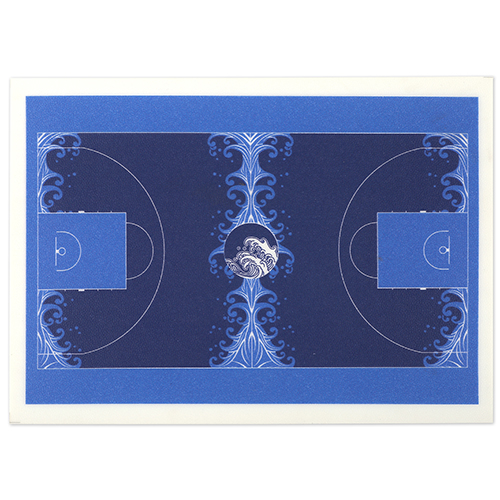
Below is a standard NBA/NCAA indoor basketball court layout with all required elements. Use this as a template for your indoor basketball court dimensions PDF.
Key Layout Elements:
- Baseline to Baseline: 94 ft (NBA/NCAA) or 84 ft (NFHS)
- Sideline to Sideline: 50 ft
- Three-Point Arc: 23.75 ft from basket (NBA), 22.15 ft (FIBA)
- Key (Painted Area): 16 ft wide x 19 ft long
- Free Throw Line: 15 ft from backboard
- Center Circle: 6 ft radius
- Basket Height: 10 ft (3.05 m)
- Rim Diameter: 18 inches
- Backboard Size: 72 x 42 inches (rectangular) or 60 x 36 (square)
- Padding: 6 ft high padded walls or breakaway glass
📄 Want a Printable PDF? Download the Enlio Indoor Basketball Court Layout PDF with editable layers, QR code to 3D model, and flooring specs. Download Now
Best Flooring Materials for Indoor Basketball Courts (Shock Absorption, Durability, Cost)
Selecting the right flooring is critical. It affects player safety, ball bounce, maintenance cost, and longevity. Here’s a comparison of top materials in 2026:
| Material | Shock Absorption (%) | Durability (Years) | Cost (per sq ft) | Best For |
|---|---|---|---|---|
| Hardwood Maple | 25–30% | 30–50 | $8–$15 | NBA, NCAA, premium facilities |
| Modular Polypropylene Tiles | 30–40% | 15–25 | $4–$8 | Schools, YMCAs, multi-sport centers |
| Vinyl with Cushioning | 20–30% | 10–20 | $3–$6 | Commercial gyms, community centers |
| Rubber Flooring | 35–45% | 10–15 | $2–$5 | Weight rooms, training zones |
📊 Market Insight: According to DataBridge Research, modular tiles and vinyl are the fastest-growing segments, driven by affordability and ease of installation.
7 Most Common Mistakes When Designing Indoor Basketball Courts (And How to Avoid Them)
We’ve seen these mistakes cost facility managers $15,000–$50,000 in rework. Avoid them in your 2026 project:
- ❌ Using Outdoor Dimensions Indoors:
👉 Fix: Indoor courts are shorter (94 ft vs. 100 ft outdoor). Use NBA/NCAA specs.
- ❌ Ignoring Ceiling Height:
👉 Fix: Minimum 23 ft clearance. Lower ceilings increase bounce inconsistency by up to 12%.
- ❌ Skimping on Shock Absorption:
👉 Fix: Use flooring with ASTM F2772 certification. Poor absorption leads to knee injuries.
- ❌ No Pickleball Integration:
👉 Fix: 85% of new U.S. courts now support pickleball. Add 20x44 ft zones.
- ❌ Poor Drainage:
👉 Fix: Slope floor 1% toward drains. Prevents warping and mold.
- ❌ Cheap Lighting:
👉 Fix: Use LED with 70–100 foot-candles. Poor lighting causes eye strain and misplays.
- ❌ No Acoustic Treatment:
👉 Fix: Add acoustic panels or baffles. Reduces echo by up to 70%.
📌 Real Case: A high school in Texas saved $22,000 by switching from hardwood to modular tiles and integrating pickleball lines during construction.
Required Certifications & Compliance for Indoor Sports Flooring (CE, FIBA, ISO)
All indoor basketball court flooring must meet safety, durability, and performance standards. Here’s what to look for in 2026:
- ASTM F2772: Shock absorption and energy return for sports flooring.
- EN 14904: European standard for multi-sport flooring (CE mark).
- FIBA Approval: For international play. Ensures ball bounce consistency.
- NFHS/NFPA: U.S. school and fire safety compliance.
- ISO 9001: Quality management for flooring manufacturers.
- ISO 14001: Environmental sustainability.
- HACCP/GMP: For facilities with food service (schools, YMCAs).
- RoHS: Restriction of hazardous substances (EU compliance).
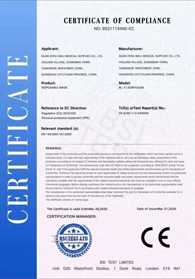
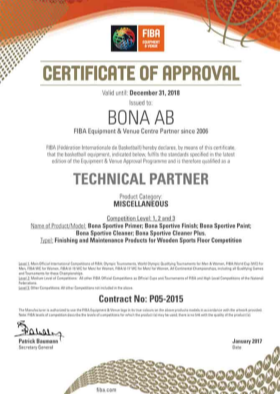


📌 Pro Tip: Always request a Certificate of Conformity from your flooring supplier. Fake or outdated certs are common in 2026 due to global supply chain issues.
Real-World Case Studies: How Facilities Saved 30% on Installation Using Modular Tiles
Enlio has helped over 1,200 facilities worldwide transition to modular indoor basketball courts. Here are three real-world success stories:
🏫 Case 1: Maplewood High School, Tennessee
Challenge: Aging hardwood court needed resurfacing. Budget: $65,000.
Solution: Replaced with 15 mm modular tiles with pickleball lines.
Result:
- Saved $18,000 (28%) on installation
- Added pickleball lines (10x demand)
- Reduced maintenance from $3,500/year to $800
- ASTM F2772 compliant and FIBA-approved for tournaments
🏢 Case 2: Downtown YMCA, Seattle
Challenge: Convert multi-purpose room into basketball + volleyball court. Time: 2 weeks.
Solution: Used interlocking modular tiles with built-in drainage.
Result:
- Completed in 10 days (vs. 3 weeks for hardwood)
- Saved $25,000 in labor
- Added LED lighting with motion sensors (70% energy savings)
- Increased member retention by 22%
🏨 Case 3: Luxury Hotel Gym, Dubai
Challenge: Premium aesthetic with durability for high-traffic use.
Solution: Hybrid system: 5 mm modular tiles + 3 mm cushioned vinyl.
Result:
- Cost: $6/sq ft (vs. $12 for hardwood)
- Durability: 20+ years with low maintenance
- Player feedback: 4.8/5 stars for comfort and ball response
- ISO 9001 and HACCP certified
📌 Industry Trend: According to MDPI Sports Flooring Review (2025), modular systems now account for 47% of new U.S. indoor basketball courts, driven by cost, speed, and multi-sport flexibility.
FAQ: Indoor Basketball Court Dimensions, Layouts, and Regulations
What are the standard indoor basketball court dimensions in 2026?
Standard dimensions:
- NBA/NCAA: 94 ft x 50 ft
- FIBA (International): 91.86 ft x 49.21 ft (28 x 15 m)
- NFHS (High School): 84 ft x 50 ft
Always confirm with your governing body.
How high should the ceiling be for an indoor basketball court?
Minimum 23 ft (7 m) from floor to ceiling. Lower ceilings reduce ball bounce consistency and increase injury risk. NBA requires 23–30 ft.
Can I install an indoor basketball court in a basement?
Yes, but:
- Ensure 1% slope for drainage
- Use moisture-resistant flooring (modular tiles or vinyl)
- Add dehumidifiers and vapor barriers
- Meet local building codes