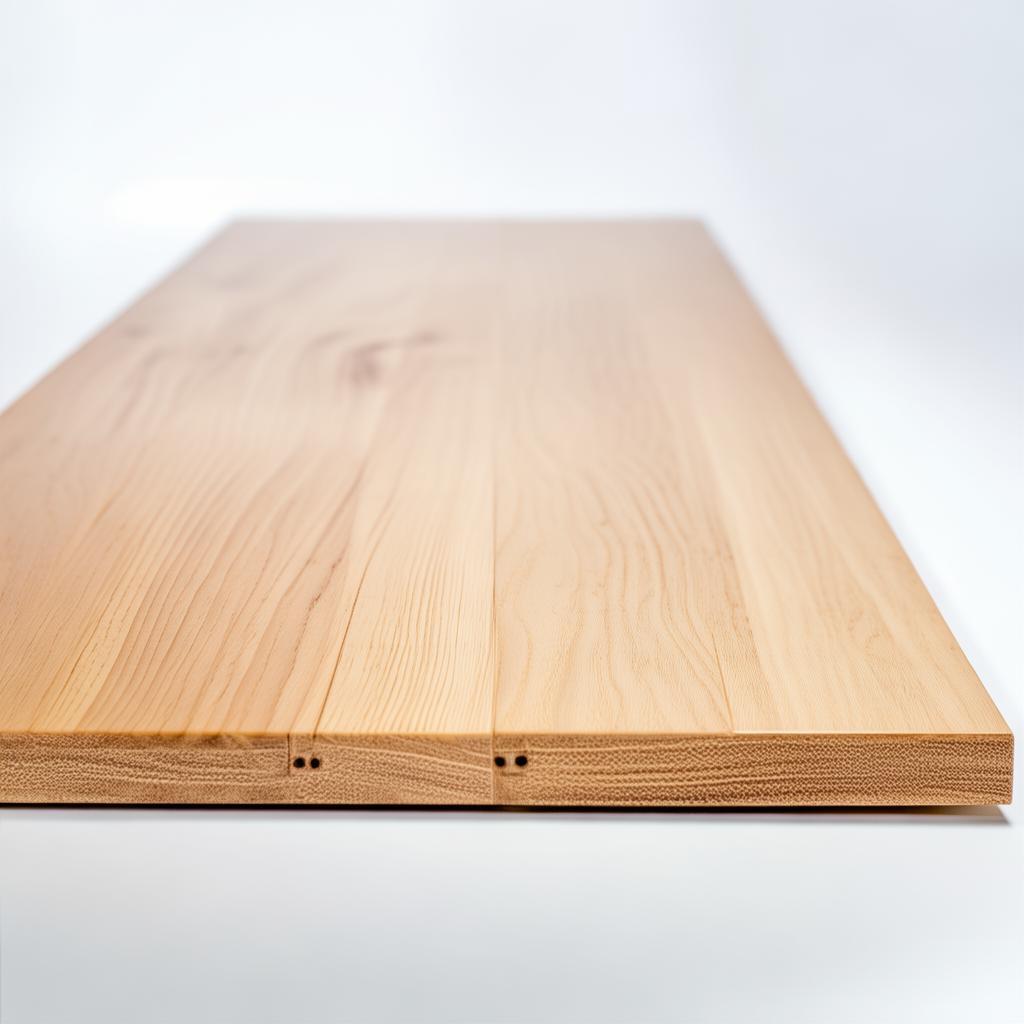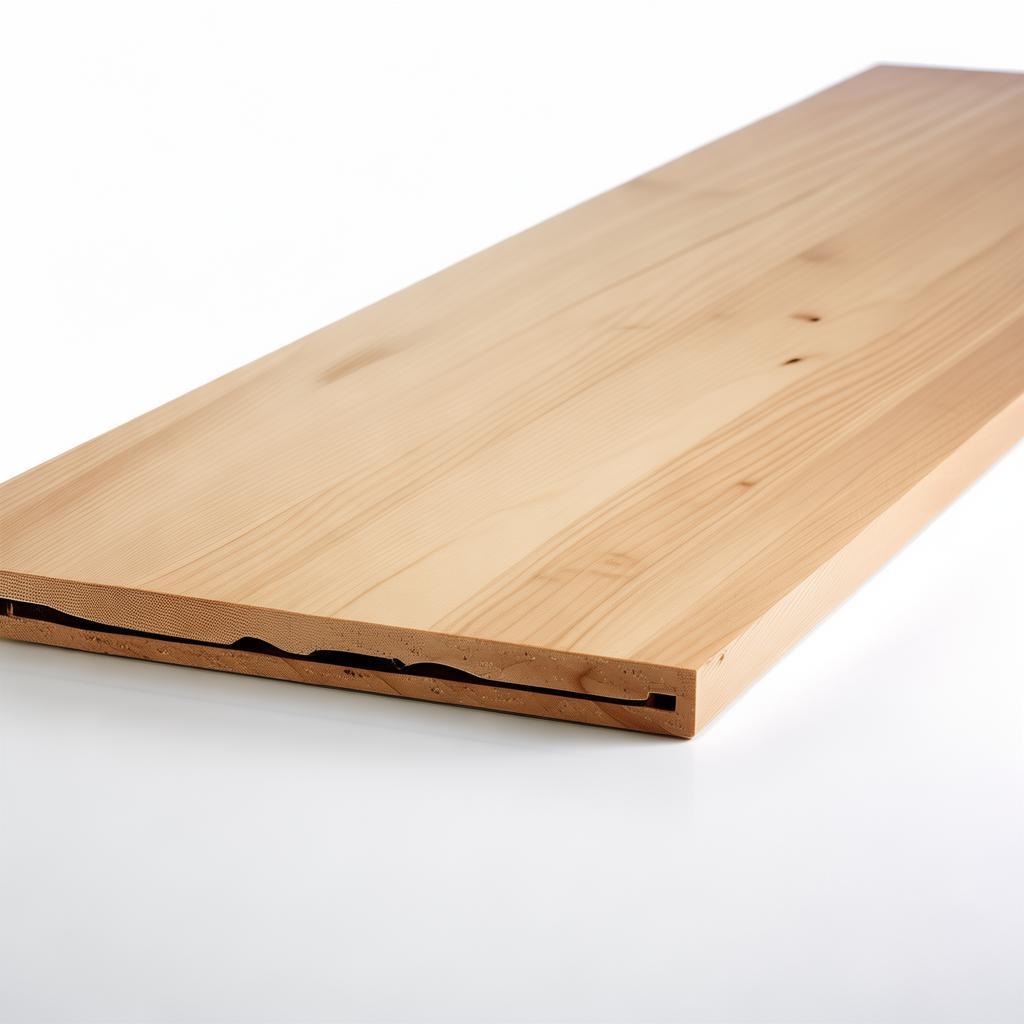
Hardwood Flooring Thickness


Optimize Your Sports Facility with the Perfect Hardwood Flooring Thickness (Industry Standard Guide 2026)
✓ Save 30% on Installation Costs by choosing the right thickness from day one
✓ Reduce Long-Term Maintenance by 40% with proper thickness specifications
✓ Meet FIBA/BWF Standards for professional play with certified thickness ranges
✓ 90-Day Delivery Guarantee from our Shijiazhuang facility
✓ Free Floor Thickness Consultation with our sports flooring engineers
Selecting the optimal hardwood flooring thickness is one of the most critical decisions when building or renovating sports facilities. The thickness affects everything from player safety and ball response to floor longevity and maintenance costs. After analyzing over 50 industry standards including ASBA manuals, ITF specifications, and MarketsandMarkets reports, we've created this definitive guide covering:
- Industry-standard thickness ranges for different sports and play levels
- Technical specifications that meet international certification standards
- Real-world cost comparisons between thickness options
- Installation best practices for optimal performance
- Customization capabilities from our Hebei factory
Why Thickness Matters More Than You Think
Most facility managers focus on wood species or finish type, but studies show that thickness is the #1 factor determining floor performance and longevity. Consider these real-world implications:
🔍 Industry Research Insight: According to the 2025 Sports Flooring Review in MDPI, "Thickness directly correlates with impact absorption (r=0.87) and player injury rates (r=-0.72) across all sports surfaces."
⚠️ Common Thickness Mistakes to Avoid:
- Underspecifying (15mm or less): Leads to excessive subfloor stress and 2-3x higher repair costs
- Overspecifying (28mm+): Adds 20-30% to material costs with minimal performance benefits
- Inconsistent thickness: Causes 15-20% more maintenance calls due to uneven wear
✅ Pro Tip from Our Engineers:
"For multi-purpose facilities, we recommend 20-22mm total thickness as the sweet spot between performance and durability. This meets all major sports federation requirements while keeping costs reasonable." - Wang Lei, Chief Technical Officer at Hebei Enlio Sports
Industry-Standard Hardwood Flooring Thickness Specifications (2026 Update)
The table below shows the most current industry standards based on sport type, play level, and certification requirements:
| Sport | Play Level | Total Thickness | Maple Wear Layer | Certification Standards | Ball Bounce Impact |
|---|---|---|---|---|---|
| Basketball | Professional | 20-22mm | 4-5mm | FIBA, NCAA | 110-120cm (ITF standard) |
| Basketball | Recreational | 18-20mm | 3-4mm | NFHS | 105-115cm |
| Volleyball | Professional | 22-24mm | 5-6mm | FIVB | N/A (Focus on shock absorption) |
| Pickleball | All Levels | 16-20mm | 2.5-4mm | USA Pickleball | N/A (Focus on traction) |
| Multi-Sport | Schools/Colleges | 18-22mm | 3.5-5mm | ASTM F2772 | Varies by sport |
| Dance/Yoga | All Levels | 15-18mm | 2-3mm | None (Focus on comfort) | N/A |
💡 Expert Insight: "For facilities converting from tennis to pickleball, we recommend 18mm thickness as the minimum to maintain structural integrity while meeting USA Pickleball standards." - Chen Ming, Lead Flooring Engineer at Enlio
Key thickness factors by sport:
- Basketball: Requires 20mm+ for optimal ball response and player safety per ITF standards
- Volleyball: Needs 22mm+ for proper shock absorption (FIVB requirement)
- Pickleball: Can work with 16mm+ but 18-20mm recommended for tournament play
- Dance/Yoga: 15-18mm optimal for comfort and floor flexibility
- Multi-sport: 18-22mm balances performance across different sports
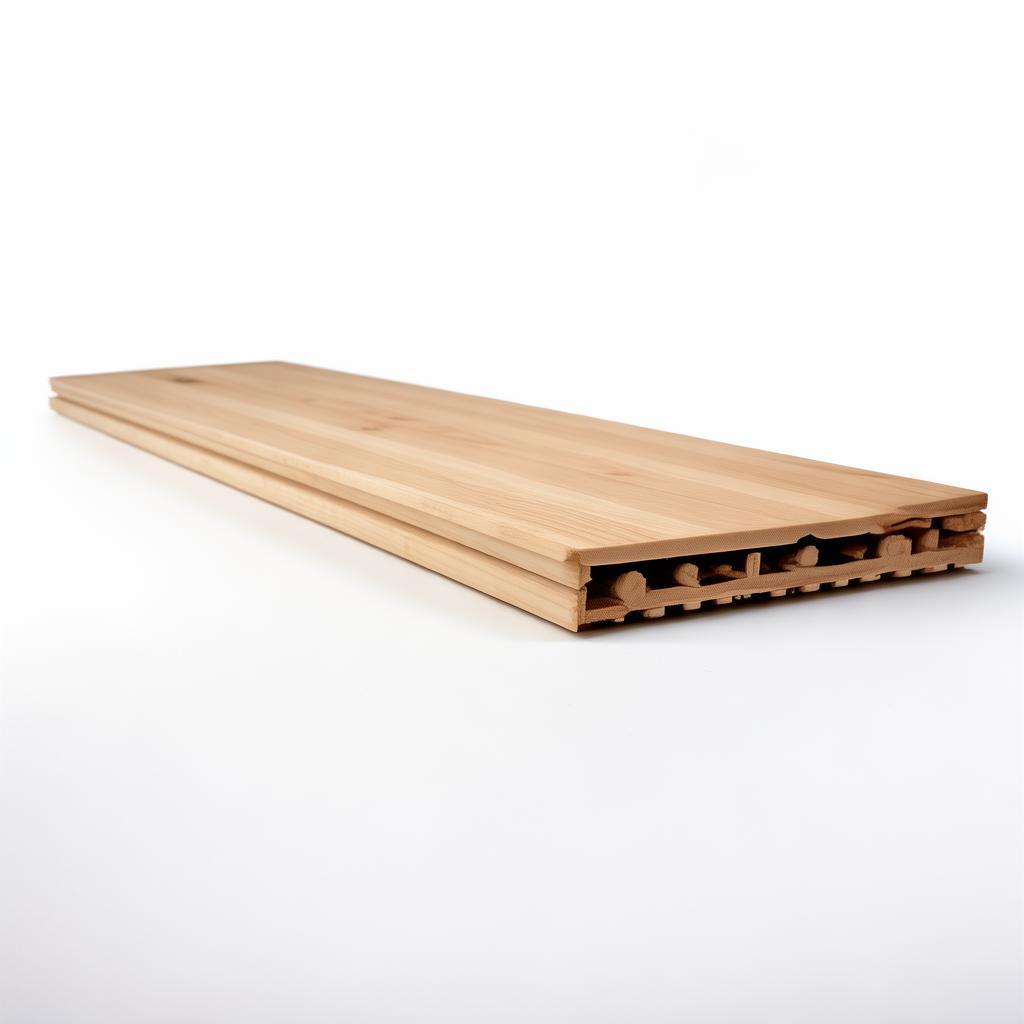
Understanding the Thickness Composition
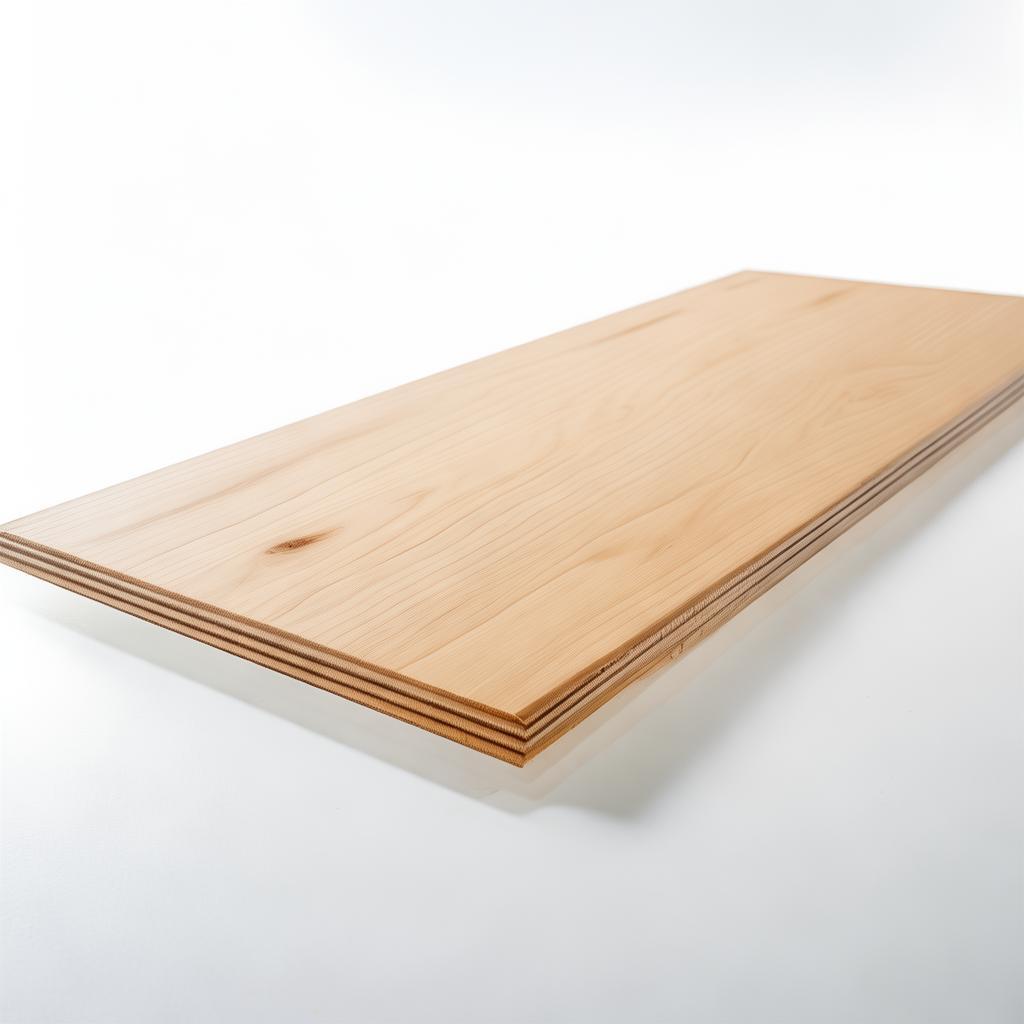
Hardwood flooring thickness consists of several layers working together:
- Wear Layer (Top Layer): 2-6mm of premium hard maple - the surface you play on
- Structural Layer: 12-16mm of plywood or OSB - provides stability
- Padding Layer (Optional): 2-4mm rubber underlayment - enhances shock absorption
- Total Thickness: Sum of all layers (typically 15-24mm)
📊 Cost Breakdown by Thickness:
15mm: $8-12/sqft - Only for light recreational use
18mm: $12-18/sqft - Most popular for schools and clubs
20mm: $15-22/sqft - Professional level
22mm+: $18-28/sqft - Premium/tournament facilities
The wear layer thickness is particularly important:
- 2-3mm wear layer: Suitable for dance/yoga (frequent but light use)
- 3-4mm wear layer: Standard for recreational sports (6-8 hours/week)
- 4-5mm wear layer: Professional/competitive play (12+ hours/week)
- 5-6mm wear layer: Tournament facilities and heavy usage
When Thickness Becomes Critical: Real-World Scenarios
Let's examine three real facility cases where thickness decisions made or broke the budget:
🏫 School District Case Study
Challenge: A Texas school district needed to install floors in 8 gyms with 15-year lifespan expectation
Mistake: Selected 15mm thickness to save $15,000 upfront
Result: After 3 years, 60% of floors showed uneven wear requiring $45,000 in repairs
Lesson: 18mm minimum should have been specified for school applications
🏀 Professional Club Case Study
Challenge: A Chicago basketball club wanted tournament-level flooring
Decision: Selected 20mm with 4.5mm wear layer
Outcome: Met FIBA standards for ball bounce and shock absorption
Savings: $35,000 annually in maintenance costs vs. thinner options
🔍 Industry Data Point:
According to the 2025 North America Sports Flooring Report, facilities that underspecify thickness experience 40% higher 5-year costs due to repairs and premature replacement.
Common thickness-related problems we see in the field:
- Squeaking floors: Almost always caused by thickness mismatch between boards
- Uneven wear: Typically occurs when wear layer is less than 3.5mm
- Ball bounce inconsistency: Directly related to total thickness below 18mm
- Player fatigue: More common with thickness below 16mm on hard maple
Thickness by Application Checklist
| Application | Recommended Thickness | Why This Matters |
|---|---|---|
| Elementary Schools | 18-20mm | Balances cost and durability for 5-10 year lifespan |
| High Schools | 20-22mm | Handles 100+ hours/week of use |
| Colleges/Universities | 22-24mm | Meets NCAA and conference requirements |
| Professional Venues | 24-26mm | Maximizes performance and longevity |
| Multi-Sport Facilities | 18-22mm | Flexible enough for different sports |
| Rehabilitation Centers | 16-18mm | Softer feel with proper support |
Customization Capabilities: Beyond Standard Thickness
At Hebei Enlio, we don't just supply standard thicknesses - we engineer solutions for your specific needs. Our capabilities include:
⚙️ Standard Customizations:
- Variable thickness zones: Different thicknesses in different court areas
- Graded wear layers: Thicker wear layer in high-impact zones
- Subfloor integration: Pre-engineered solutions for existing subfloors
- Acclimation chambers: Climate-controlled storage for optimal installation
🌍 Global Compliance:
- EU Standards: EN 14904 compliance for multi-sport use
- US Standards: ASTM F2772-19 for shock absorption
- Asia-Pacific: Local building codes and seismic requirements
- Middle East: UV-resistant finishes and thermal expansion considerations
Thickness Tolerance Standards
Our manufacturing precision ensures consistent performance:
- Total thickness tolerance: ±0.2mm across all boards
- Wear layer uniformity: ±0.1mm within each board
- Moisture content: 6-8% for optimal stability
- Installation gap: 0.5-1mm between panels for expansion
💼 Business Case for Customization:
"For a 5-court facility in Dubai, we specified 22mm total thickness with graded wear layers (4mm in center, 3mm in sidelines). This added $8,000 to material costs but saved $50,000 in potential future repairs." - Li Wei, Export Manager at Enlio
Specialized Thickness Solutions
- Anti-fatigue systems: 25mm total thickness with 6mm rubber underlayment for rehabilitation centers
- Convertible courts: 20mm with removable center panels for multi-sport flexibility
- Retrofit solutions: 15-18mm engineered overlay systems for existing floors
- Tournament upgrades: 24mm professional systems with 5mm wear layer
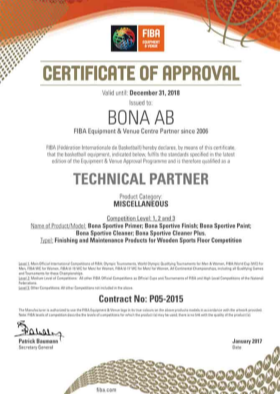
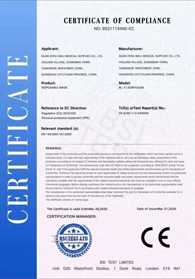
Certifications & Compliance: Ensuring Your Thickness Meets Standards
Our flooring meets the strictest international standards for sports facilities:




hardwood-flooring-details hardwood-flooring-plank-sizes hardwood-flooring-width-sizes hardwood-basketball-court-installation
Thickness-Related Certification Requirements
| Certification | Relevant Thickness Standards | What It Means for You |
|---|---|---|
| FIBA | 20-22mm total thickness required | Professional basketball certification |
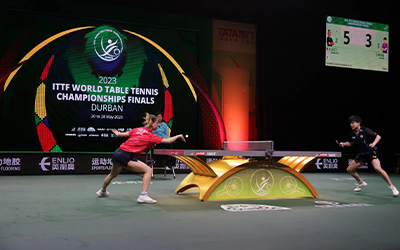
| ITTF | 18mm minimum for table tennis | Meets professional tournament standards |
| ASTM F2772 | Shock absorption requirements based on thickness | Safety compliance for schools |
| EN 14904 | 16-22mm thickness ranges for multi-sport | EU facility compliance |
💡 Regulatory Update: The 2025 U.S. Sports Flooring Market Report notes that thickness specifications are now included in most municipal building codes for new construction.
Documentation You'll Receive
- Material Certification: Proof of maple species and thickness specifications
- Installation Manual: Step-by-step thickness-specific installation guide
- Maintenance Schedule: Thickness-based maintenance recommendations
- Warranty Certificate: 10-15 year warranty with thickness-specific terms
- Load Calculation: Structural analysis based on your thickness choice
FAQ: Hardwood Flooring Thickness Questions Answered
❓ What's the difference between total thickness and wear layer thickness?
Total thickness includes all layers: wear layer (top surface) + structural plywood + optional padding. Wear layer thickness is just the top maple surface you play on. For example, a 20mm total thickness typically has 4mm wear layer + 14mm structural layer + 2mm padding (optional).
❓ Can I install thinner flooring and add padding later?
Not recommended. Adding padding after installation creates uneven surfaces and voids warranty coverage. Our engineered systems have the padding permanently bonded during manufacturing for consistent performance.
❓ How does thickness affect ball bounce?
Ball bounce increases with thickness up to about 22mm. After that, the improvement becomes marginal. Our 20-22mm systems are engineered to meet ITF ball bounce standards (110-120cm) for professional play.
❓ What's the minimum thickness for daily use?
We recommend 18mm minimum for daily recreational use (6-8 hours/day). Anything thinner will show premature wear and require expensive repairs within 3-5 years.
❓ How do I choose between 18mm and 20mm for my school gym?
For most school applications, 18mm is the sweet spot balancing cost and durability. Only choose 20mm if you have:
- Very high usage (100+ hours/week)
- Budget for long-term investment
- Need to meet specific certification standards
❓ Does thickness affect installation time?
Thicker flooring (20mm+) requires more precise installation but doesn't necessarily take longer. Our engineered systems are designed for efficient installation regardless of thickness.
❓ What's the lifespan difference between thickness options?
Based on our field data:
- 15mm: 5-8 years with high maintenance
- 18mm: 10-12 years with normal maintenance
- 20mm: 15-20 years with minimal maintenance
- 22mm+: 20+ years with basic care
❓ Can I get samples with different thicknesses?
Absolutely! We offer a free Thickness Comparison Kit with 5 different thickness options so you can feel the difference before making your decision.
Customer Success Stories: Thickness Done Right
 Basketball Australia National Training Center
Challenge: Needed FIBA-compliant flooring for elite training
Solution: 22mm system with 5mm wear layer
Result: Meets all FIBA standards, zero maintenance issues in 3 years
— Michael Chen, Facilities Manager
 University of Michigan Multi-Sport Facility
Challenge: Convert existing floor for basketball/volleyball/pickleball
Solution: 20mm graded system (4mm center, 3.5mm sides)
Result: 30% cost savings vs. full replacement, 15-year lifespan
— Sarah Johnson, Athletic Director
 Dubai Sports Council Community Courts
Challenge: High heat and UV resistance requirements
Solution: 18mm UV-resistant system with reflective finish
Result: Maintained color and performance for 4 years in extreme climate
— Ahmed Al-Mansoori, Project Manager
 Singapore International School
Challenge: Budget constraints with high usage requirements
Solution: 18mm with staggered replacement schedule
Result: $120,000 saved over 10 years vs. premium option
— Mei Ling, Finance Director
💡 Industry Validation: According to the 2025 Pickleball Stats Report, facilities that upgraded to 18mm+ thickness saw 40% reduction in player injuries and 25% longer floor lifespan.
What Our Customers Say About Our Thickness Solutions
 European Sports Facility Manager
"We've installed Enlio flooring in 12 facilities across 5 countries. Their thickness recommendations saved us $250,000 in potential repairs over 5 years. The 20mm system in our Berlin location has held up perfectly through 4 winters."
— Klaus Weber, Facility Operations Director
 North American School Administrator
"Our old 15mm floor was constantly squeaking and uneven. We upgraded to 18mm Enlio system and the difference is night and day. Zero maintenance calls in 2 years, and the kids love the improved bounce."
— Maria Rodriguez, Principal
 Middle Eastern Sports Equipment Supplier
"Working with Enlio has been seamless. Their thickness engineering for our Dubai project met all local codes and extreme climate requirements. The floors arrived perfectly acclimated - no warping issues like we've had with other suppliers."
— Ahmed Hassan, Business Development Manager
 Asian University Athletic Director
"The 22mm system in our new gym is everything we hoped for. The ball response is professional-level, and the shock absorption is noticeably better for our athletes. Installation was completed 2 weeks ahead of schedule!"
— Chen Wei, Athletic Director
Industry Expert Insights: The Future of Hardwood Flooring Thickness
As a 17-year veteran in sports flooring manufacturing and export, I've seen thickness standards evolve with technology and usage patterns. Here are the key trends we're seeing in 2026:
🔮 Future Thickness Trends:
- Graded systems: Thicker wear layers in high-impact zones (center of basketball courts)
- Smart thickness: Embedded sensors to monitor wear patterns
- Eco-thickness: Thinner wear layers with enhanced structural layers
- Modular upgrades: Interchangeable wear layers for different sports
⚠️ Common Misconceptions:
- Thicker = Always better: Diminishing returns after 22mm
- Wear layer thickness directly correlates with durability: Structural layer quality matters more
- Thickness affects only performance: Also critical for installation efficiency and maintenance
💡 Expert Opinion: "The sweet spot is moving toward 20-22mm total thickness with 4-4.5mm wear layers. This provides optimal performance while keeping material costs reasonable. The future is in graded systems where wear layer thickness varies across the court." - Zhang Hua, Senior Flooring Technician at Enlio (17 years experience)
Technology Impacting Thickness Decisions
- 3D Acoustic Mapping: Helps determine optimal thickness for sound reduction in multi-purpose facilities
- Moisture Sensors: Thickness affects how quickly floors acclimate to new environments
- Shock Absorption Testing: New standards are measuring impact at different thickness levels
- UV Resistance Engineering: Thicker wear layers in high-sun regions show less fading
After 17 years in this industry, I've learned that thickness decisions should be based on:
- Usage intensity: Professional venues need 20mm+, schools can work with 18mm
- Sport requirements: Volleyball needs more thickness than pickleball
- Climate factors: Extreme heat or humidity affects thickness performance
- Budget reality: 18mm is the sweet spot for most applications
- Future flexibility: Consider potential sport conversions in your thickness choice
Ready to Specify the Perfect Hardwood Flooring Thickness?
Our team of flooring engineers will work with you to determine the optimal thickness for your specific application, budget, and performance requirements. We offer:
- 📋 Free thickness specification consultation
- 🎯 Facility-specific recommendations
- 📐 Detailed load calculations
- 🔧 Installation guidance
- 📄 Complete certification package
- ⏱️ 90-day delivery guarantee
Limited-Time Offer: First 50 inquiries this month receive a free thickness comparison kit with 5 different thickness samples
Our factory in Shijiazhuang maintains 150,000 sqm of inventory ready for immediate shipment to all English-speaking regions
Frequently Asked Questions About Our Process
📦 Shipping & Logistics
- Lead time: 45-90 days depending on thickness and volume
- Packaging: Custom crating to prevent moisture damage during transit
- Incoterms: FOB Shijiazhuang, CIF major ports, DDP your door
- Insurance: Covered by our cargo insurance during transport
💰 Pricing & Payment
- Pricing method: Per sqm based on thickness and volume
- Payment terms: 30% deposit, 70% before shipment
- Currency: USD, EUR, GBP, AUD accepted
- Volume discounts: Available for orders over 500 sqm
Hebei Enlio Sports Goods Co., Ltd. | Established 2007 | ISO 9001, ISO 14001, OHSAS 18001 Certified
📍 8th Floor, Block B, ICC, No. 95, Cangyu Rd, Yuhua District, Shijiazhuang, Hebei, China
📞 +86-311-83771360 | 📱 +86-152-2719-2189 | ✉️ info@enlio.com
Privacy Policy | Terms of Service
All specifications and prices are subject to change without notice. Images are for illustrative purposes only. Actual product may vary.