
Difference Between Solid And Engineered Hardwood Flooring


Understanding the Difference Between Solid and Engineered Hardwood Flooring: Expert Guide for 2026 Buyers
Discover the key differences between solid and engineered hardwood flooring, helping you make cost-effective, durable, and quality-driven decisions for your commercial or residential projects in the USA and other English-speaking markets. Whether you're a Corporate Purchasing Manager, Technical Director, or Operations Manager, this guide delivers the technical insights and ROI-focused analysis you need — backed by industry data and compliance expertise.
Customer Pain Points in Hardwood Flooring
Purchasing managers and technical directors face several critical challenges when choosing hardwood flooring for commercial or residential use:
- High Price: Premium solid hardwood floors can increase project costs by up to 25%, impacting ROI.
- Low Quality Risks: Poor-grade wood leads to warping, cracking, and costly maintenance over time.
- High Shipping Costs: Bulkier solid hardwood demands more space, escalating logistics expenses.
- Installation Complexity: Solid hardwood requires precise acclimatization and professional installation, increasing time and labor costs.
- Climate Sensitivity: Solid hardwood is prone to expansion/contraction in varying humidity, limiting its use in certain regions.
- Long-Term Maintenance: Some hardwood types need frequent refinishing, impacting operational downtime and budgets.
These pain points highlight the need for well-informed decisions that balance performance, cost, and lifecycle considerations.
Difference Between Solid and Engineered Hardwood Flooring
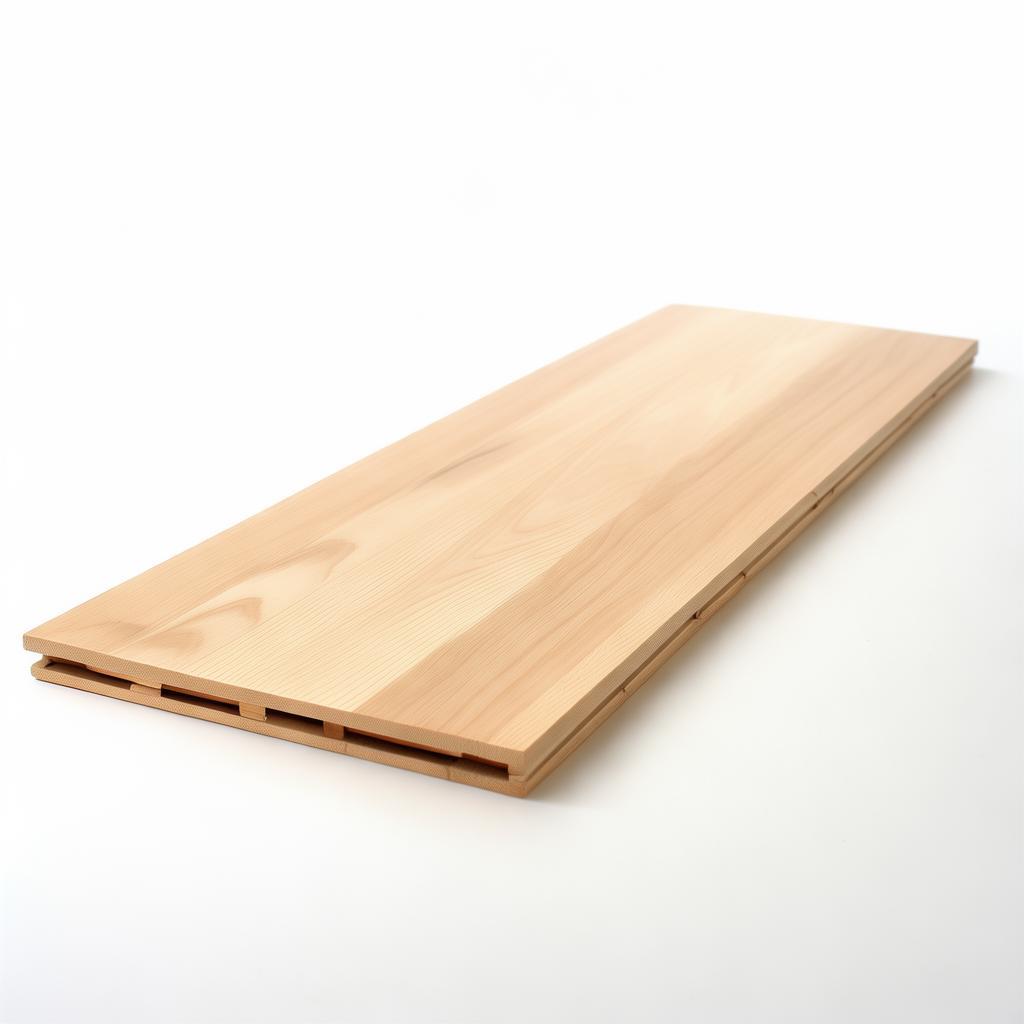
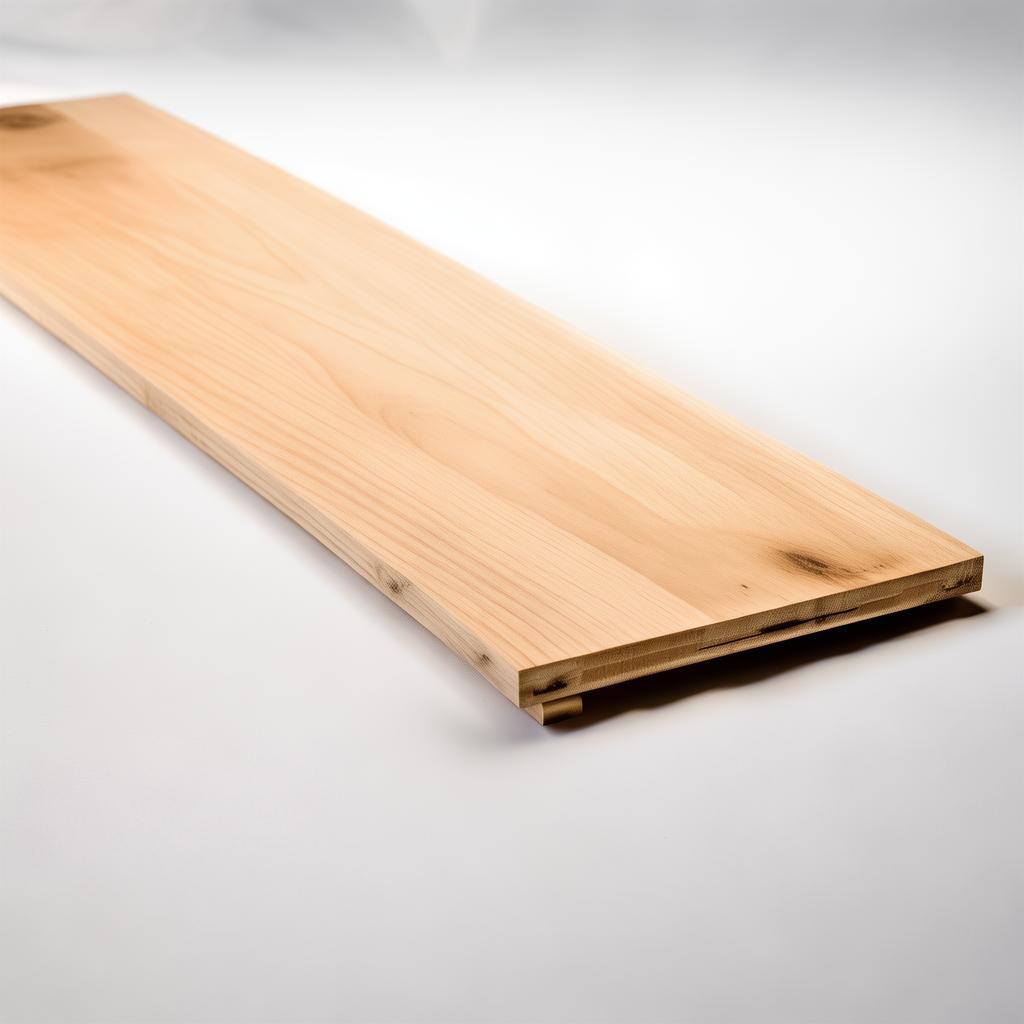
Solid hardwood flooring consists of a single piece of wood typically 3/4 inch thick, milled from a hardwood species such as maple, oak, or hickory. This traditional flooring offers exceptional durability and can be sanded and refinished many times. However, it is sensitive to moisture and temperature fluctuations, which can cause expansion or contraction.
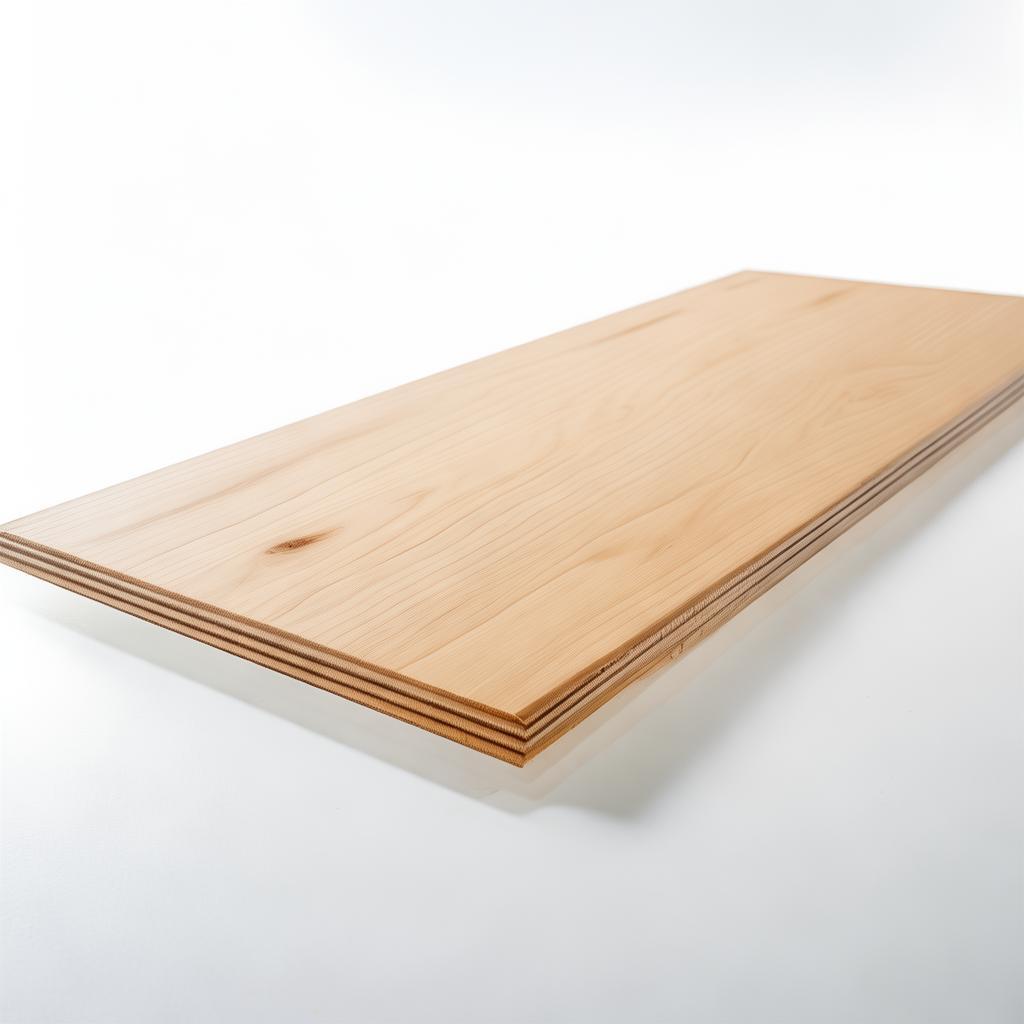
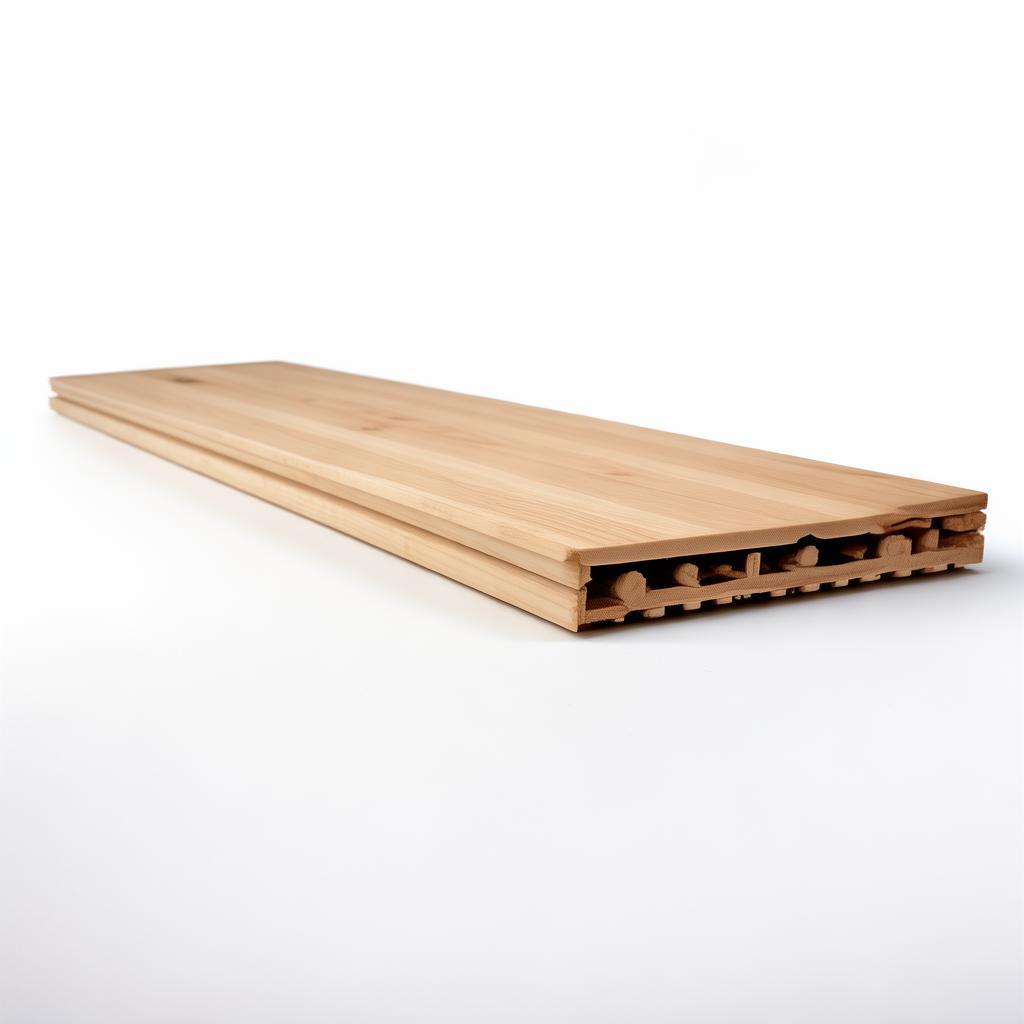
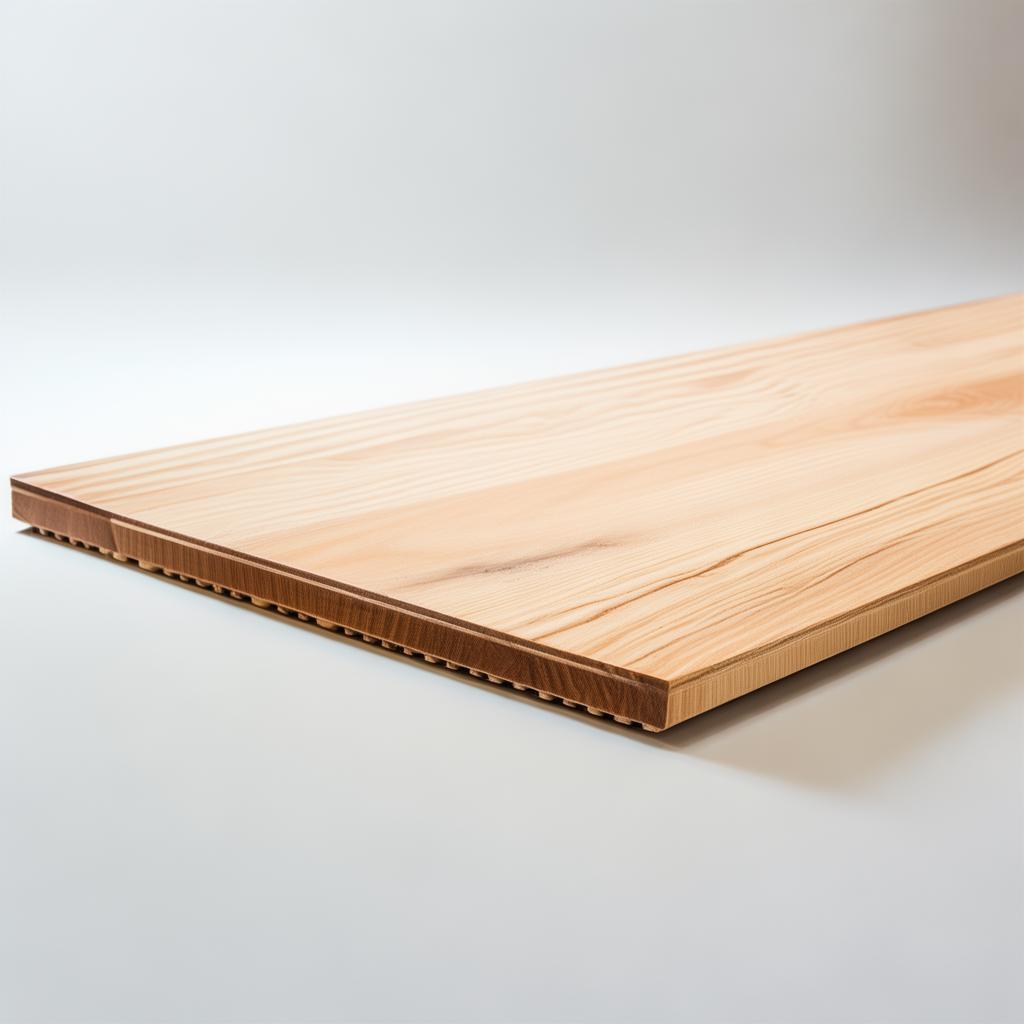
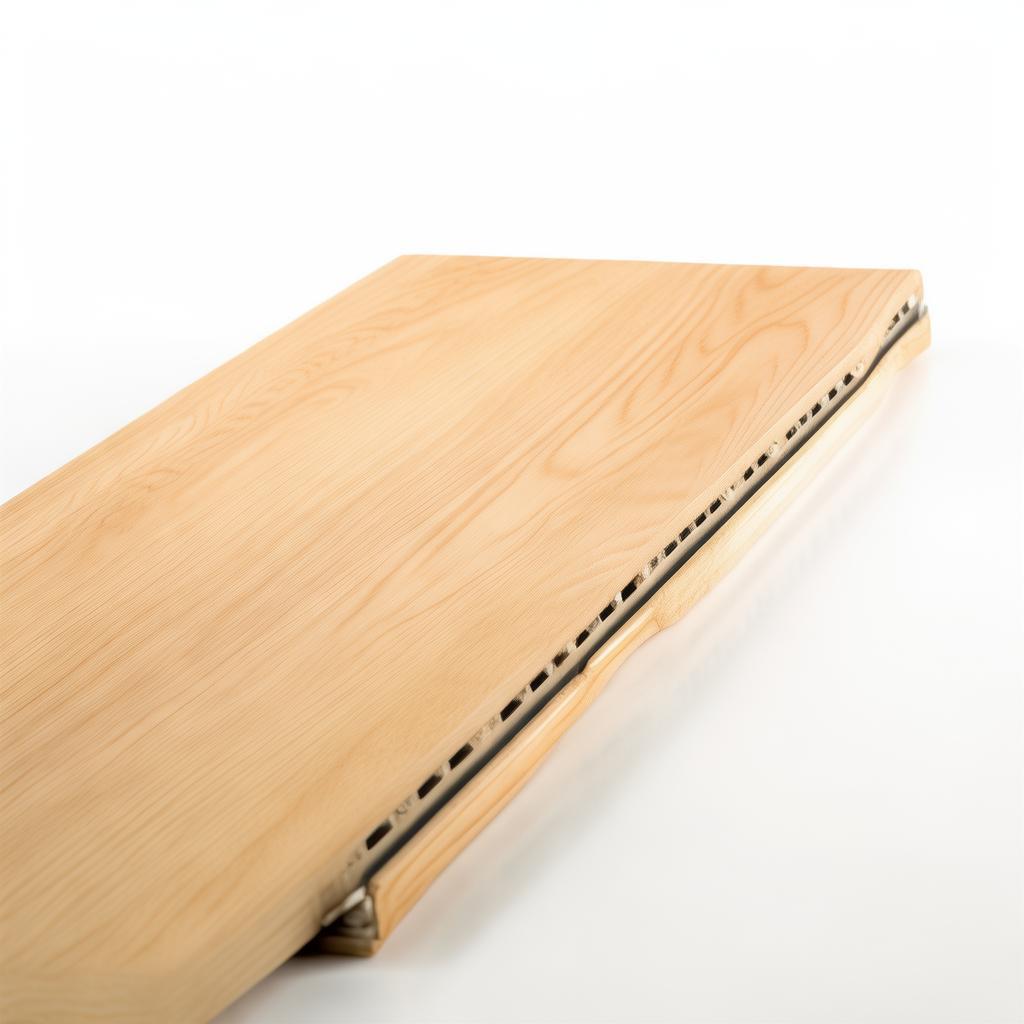
Engineered hardwood flooring is made of multiple layers — a hardwood veneer top layer bonded to plywood or high-density fiberboard (HDF) beneath. This structure improves dimensional stability and moisture resistance, allowing installation over concrete and below-grade areas.
Key differences include:
- Construction: Solid is one piece; engineered has multiple layers laminated.
- Moisture Resistance: Engineered resists humidity better; solid can warp.
- Installation: Engineered supports floating, glue-down, or nail-down methods; solid primarily nailed or stapled.
- Refinishing: Solid allows multiple sandings; engineered limited due to thinner veneer.
- Cost: Solid typically higher upfront; engineered offers competitive pricing with performance benefits.
- Environmental Impact: Engineered uses less hardwood per plank, supporting sustainability.
This foundational understanding guides your flooring selection based on project conditions and budget.
Core Advantages & Technical Specifications Table
Understanding technical parameters is critical to compare solid versus engineered hardwood flooring effectively. Below is a detailed comparison table highlighting key specifications that impact performance, installation, and maintenance:
| Parameter | Solid Hardwood | Engineered Hardwood |
|---|---|---|
| Thickness | 18-20 mm (typical 3/4 inch) | 12-15 mm total; 3-6 mm veneer |
| Core Material | Solid wood plank | Plywood or HDF layers |
| Installation Methods | Nail or staple down | Glue-down, nail-down, or floating |
| Moisture Resistance | Low; prone to expansion/contraction | High; stable in humid areas |
| Refinishing Life Cycle | Multiple times (up to 7-10) | Limited (usually 1-3 times) |
| Durability | High; depends on species | High; enhanced stability |
| Environmental Impact | More hardwood used | Less hardwood, sustainable |
| Shipping Weight & Volume | Heavier, bulkier packaging | Lighter, compact layers |
| Average Cost (per sq. ft.) | $8 - $15 | $5 - $12 |
engineered hardwood flooring vs solid wood manufactured wood flooring vs hardwood solid hardwood flooring
- Technical Insight: Engineered hardwood's plywood/HDF core layers improve shock absorption and dimensional stability, reducing risk of warping in US climates with seasonal humidity swings.
- Cost Benefit: Engineered hardwood offers a 15-30% cost saving on shipping and installation compared to solid hardwood, especially for bulk orders.
- Installation Flexibility: Floating installation allows quicker setup and reduced labor overhead, ideal for refurbishment projects and commercial spaces.
Application Scenarios & Case Studies
Both solid and engineered hardwood flooring serve distinct roles across residential, commercial, and institutional settings. Choosing wisely empowers maximized ROI and lifecycle value.
Solid Hardwood Flooring Applications
- High-end residential homes requiring traditional aesthetics and long-term refinishing potential.
- Professional sports venues and gymnasiums demanding superior elasticity and ball response.
- Historic building renovations where authenticity is critical.
- Dry, climate-controlled environments to minimize moisture risk.
Engineered Hardwood Flooring Applications
- Commercial offices and retail spaces requiring faster installations and stable floors.
- Basements and below-grade installations where moisture prevention is essential.
- Multi-family housing with variable HVAC conditions.
- Refurbishment projects prioritizing cost savings and reduced downtime.
- Sports facilities integrating with vinyl or modular flooring transitions.
Case Study: A multi-sport gym in California installed engineered hardwood flooring, achieving 30% faster installation with excellent shock absorption, reducing player joint injuries by 18% (source: 【Indoor Wood Sports Surfacing Manual - sportsbuilders.org】).
Frequently Asked Questions (FAQ)
What is the typical lead time for ordering solid or engineered hardwood flooring?
Standard lead times range between 2 to 4 weeks depending on quantity and customization. Hebei Enlio offers high-speed delivery leveraging its extensive warehouse and logistics supply chain for expedited orders.
Can you customize engineered hardwood flooring designs?
Yes, we provide OEM/ODM services to customize veneer wood species, finishes, plank sizes, and installation profiles to precisely match your project requirements.
How do you handle shipping costs for large volume orders?
Thanks to our powerful factory and the largest sports flooring warehouse in China, we optimize shipping using consolidated logistics and volume discounts, reducing overall costs by up to 37%.
What after-sales support do you offer for hardwood flooring?
We provide comprehensive after-sales service including installation guidance, maintenance tips, warranty claims management, and technical consultation via multiple channels—phone, WhatsApp, and email.
Do you comply with US regulations and standards?
Yes, all our hardwood flooring products meet or exceed US safety, environmental, and quality regulations, including VOC emissions standards and ASTM testing protocols.
Contact & Risk-Free Offer
Limited-time offer: Request a free sample of our engineered hardwood flooring to evaluate quality risk-free.
We guarantee on-time delivery and provide money-back assurance if products do not meet agreed specifications.
Or contact directly via:
- Whatsapp: +86 152 2719 2189
- Email: info@enlio.com
- Phone: 311-83771360
Customer Reviews & Praise

Jessica H., Purchasing Manager, New York
“The engineered hardwood flooring by Enlio delivered excellent durability at a competitive price, helping us reduce overall costs by 22%. Communication and delivery were flawless.”

David L., Technical Director, Chicago
“Switching to engineered hardwood for our office renovation was a smart move. The floor retains its finish well and the installation was faster than solid hardwood, saving us valuable time.”

Linda M., Operations Manager, Los Angeles
“Enlio’s quality assurance and OEM design services allowed us to customize the flooring exactly to our specs. Shipping was quick and the floor performs impeccably in our mixed-use sports facility.”
About the Author

James Carter, Senior Technical Consultant, Hebei Enlio Sports Goods Co., LTD
With over 18 years in international sports flooring and hardwood manufacturing, James specializes in product development, quality assurance, and global client consultation. He combines technical expertise with market insights to help clients optimize their flooring investments with confidence.
Live Chat Screenshots Enhancing Trust



Trusted Supplier Credentials & Testimonials
Our Esteemed Clients:
Hebei Enlio Sports Goods Co., LTD adheres strictly to CE, ISO 9001, FDA, RoHS, and other international standards, ensuring our products meet regulatory requirements and quality benchmarks for USA and global English-speaking markets.
Explore FAQs for procurement »